-
-
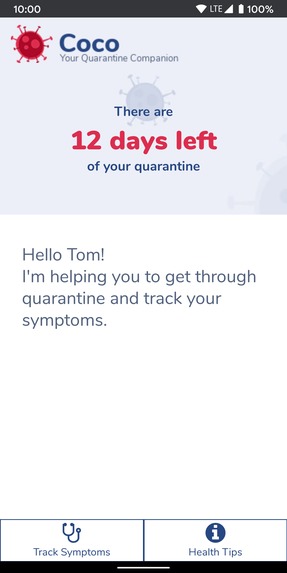
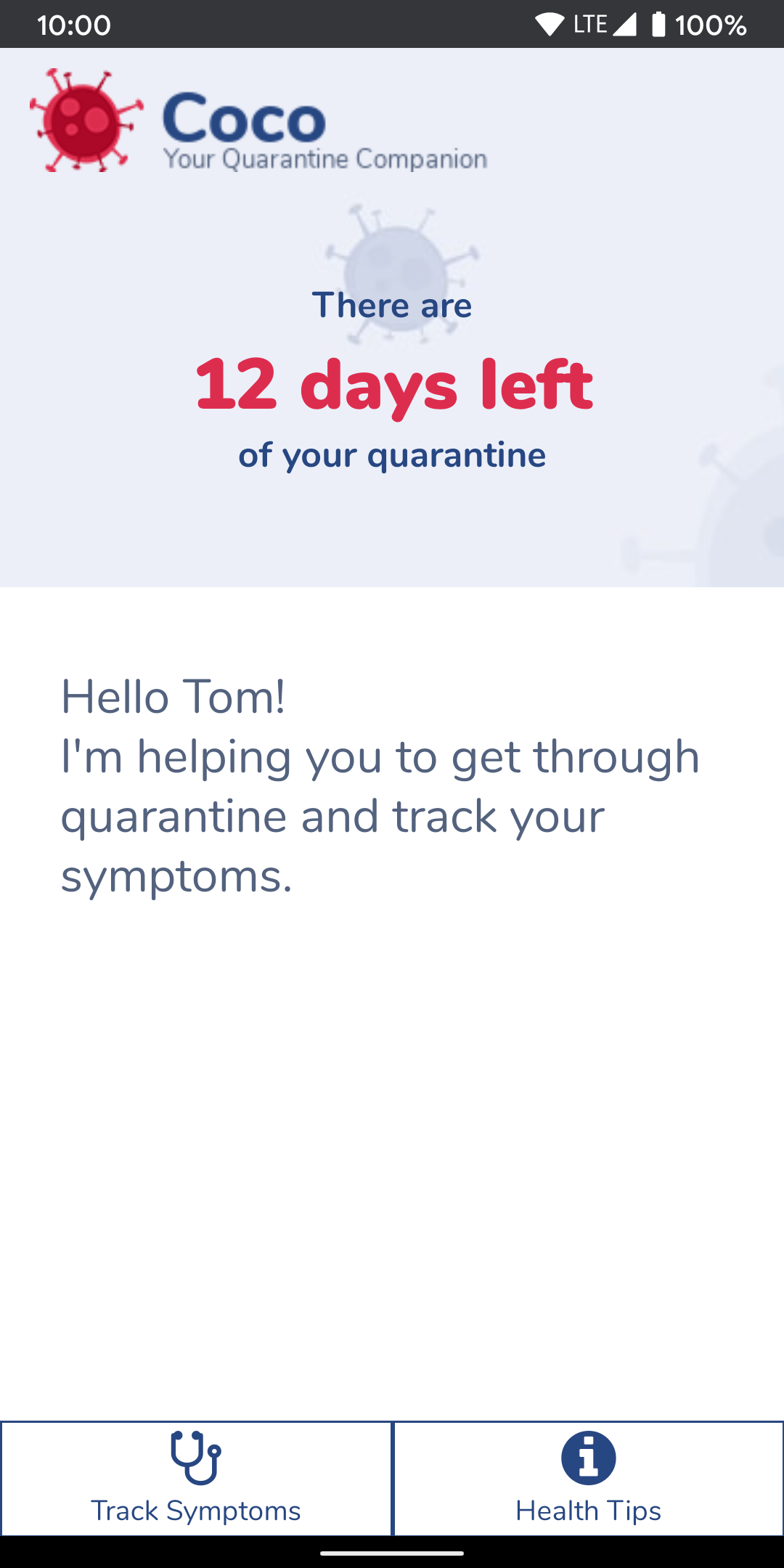
Coco - Your Quarantine Companion
-
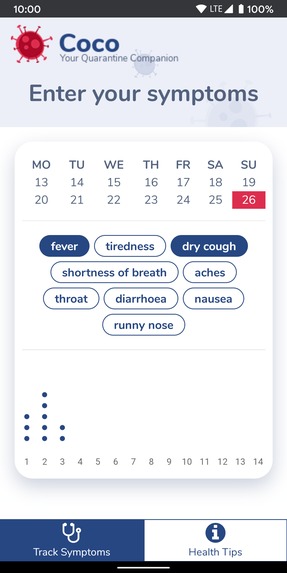
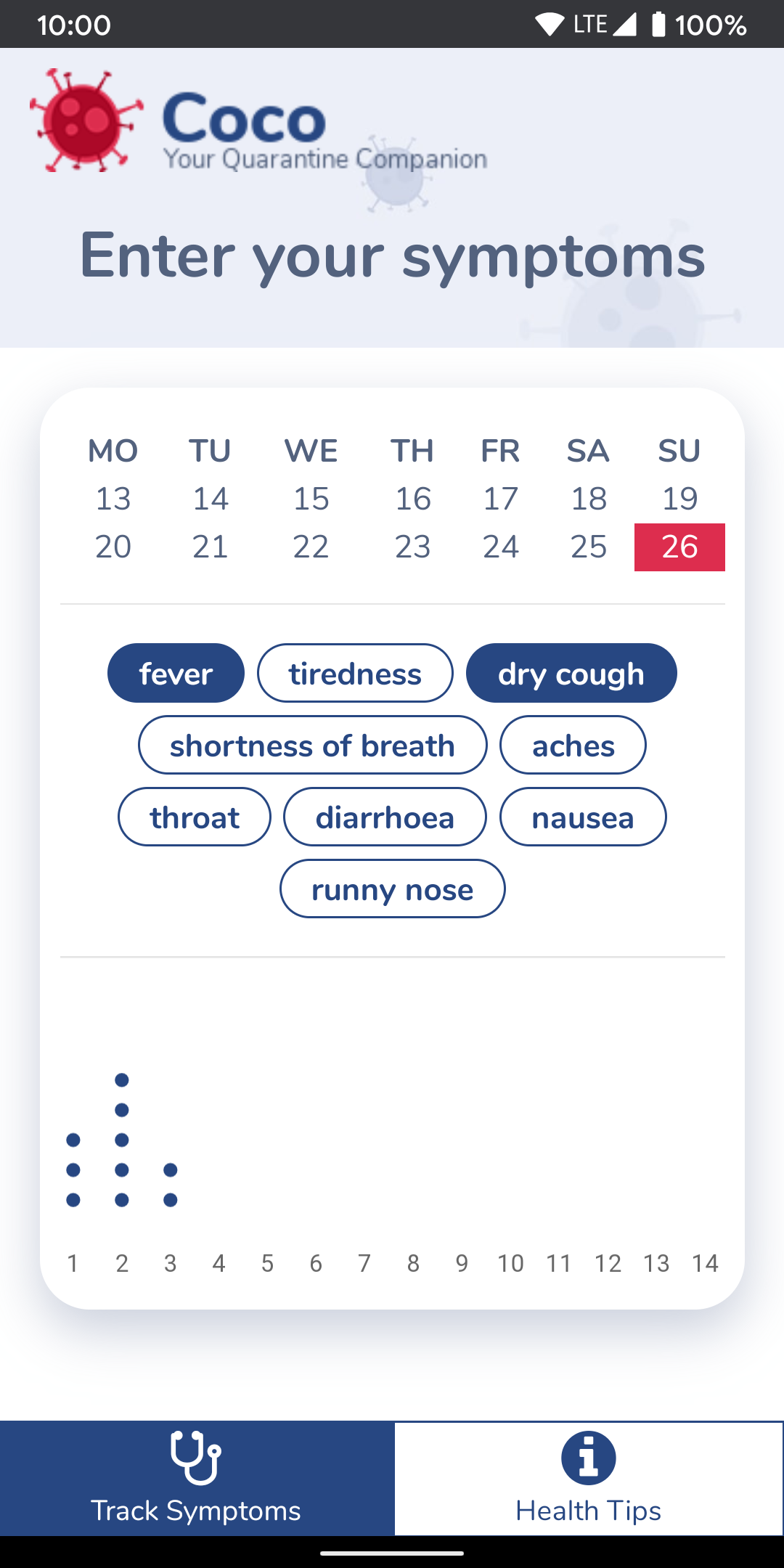
Symptom Tracking
-
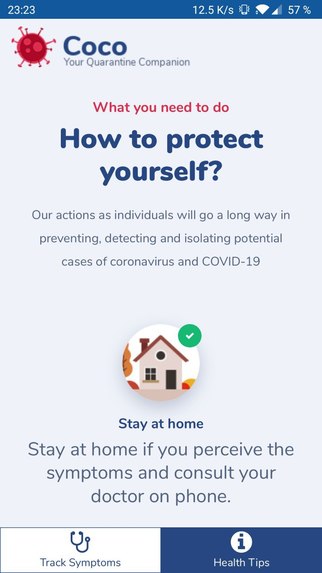
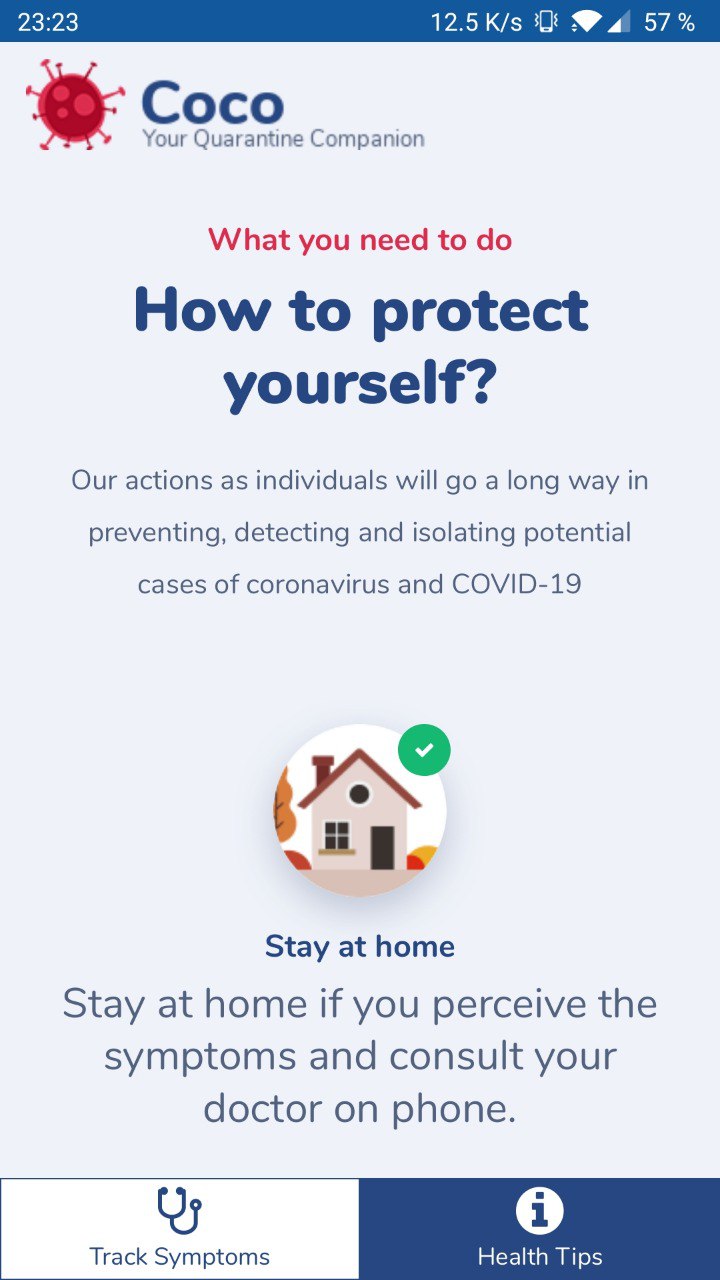
Health Information
-
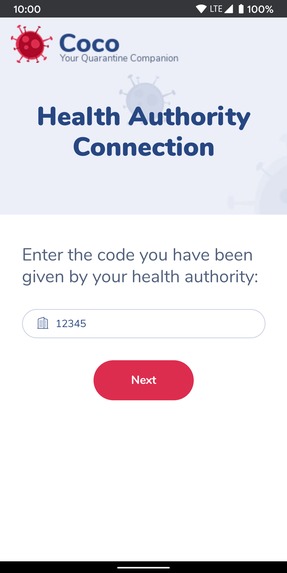
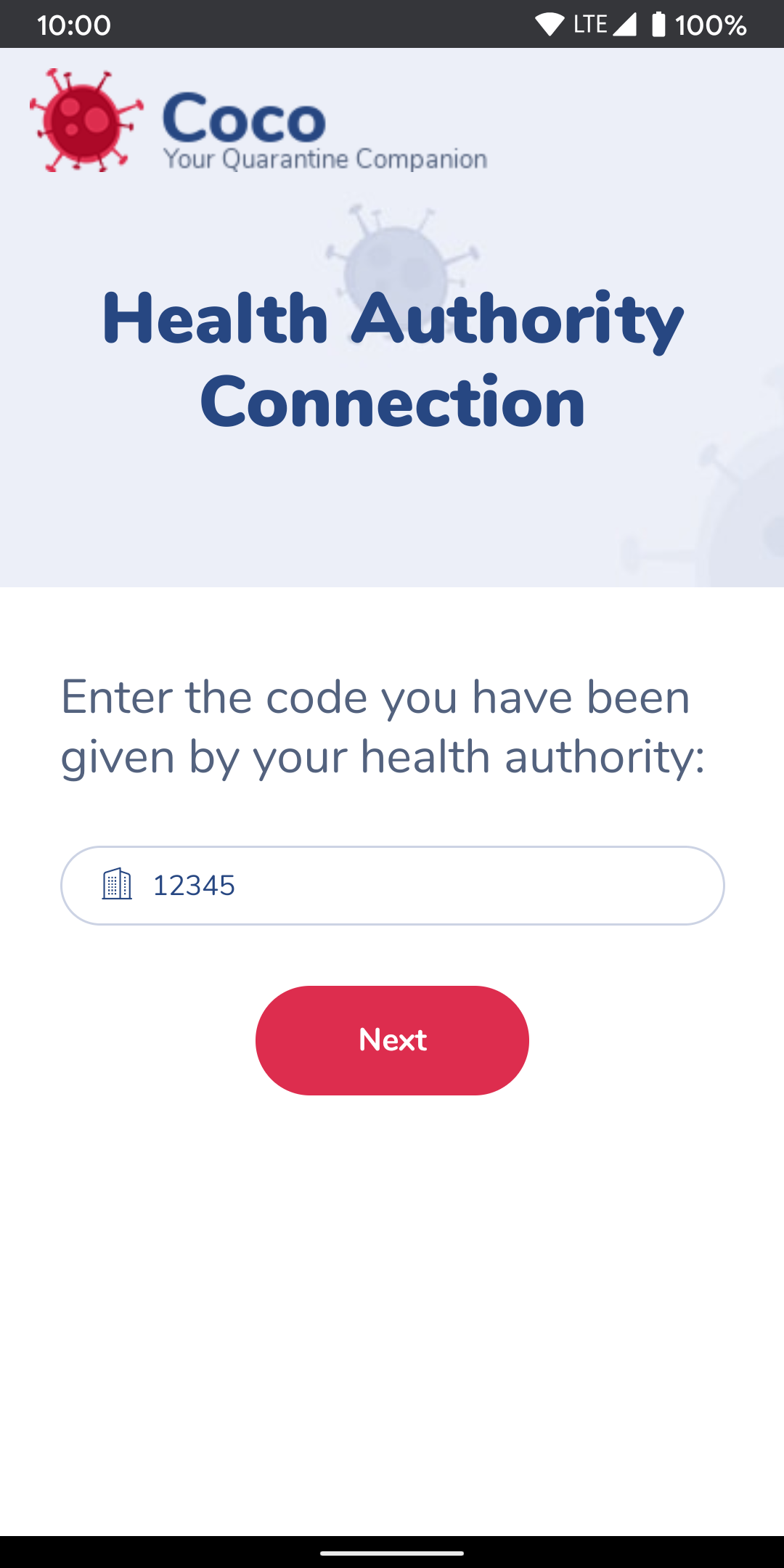
Connect to your Health Authority
Inspiration
Two friends who were tested positive and experienced communication gaps between the health authority and themselves.
What it does
- Reduces the manual communication & documentation burden between health authorities and people who need to be in quarantine
- Facilitates the information flow between patient and health authorities
- Patients can track their symptoms and transmit only the relevant data to the health authorities
- Health authorities can access the data in various formats
How we built it
- Frontend: Progressive web app written in TypeScript with Angular
- Backend: RESTful web service written in Java with Spring Boot and an PostgreSQL database
- Infrastructure: AWS hosting with load balanced EC2 Instances and a continuous deployment pipeline for the frontend
Challenges we ran into
- Figuring out how health authorities are working
- What quarantine measures are there in other countries? We want to provide universal quarantine recommendations
- Applying the CSS template
- Defining a clear USP and scope for prototype
- Finding robust data on the number of health authorities and their employees in Europe
Accomplishments that we are proud of
- Working prototype
- Solid technical foundation
- Complete business plan
- Appealing pitch video
What we learned
- Power of cross-functional teams
- Concentrate energy on the absolute necessary for the prototype
What's next for Coco
- Providing dashboards for the health authorities to view the status of their patients
- Short-term improvements i.e. adding different levels of severity to symptoms (low, medium, high fever)
- Further improve security: User verification via third party verification service with the necessary expertise (i.e. https://www.idnow.io/, https://verimi.de/en, https://netid.de/)


Log in or sign up for Devpost to join the conversation.