-
-
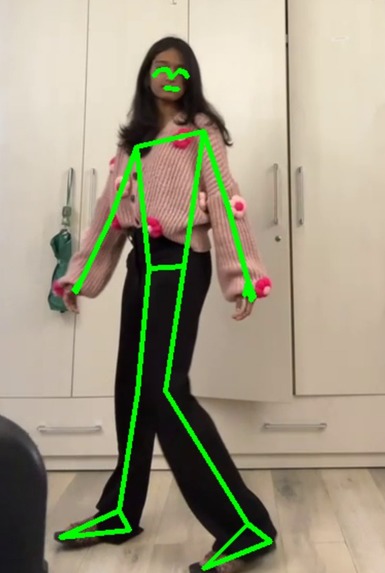
landmarks
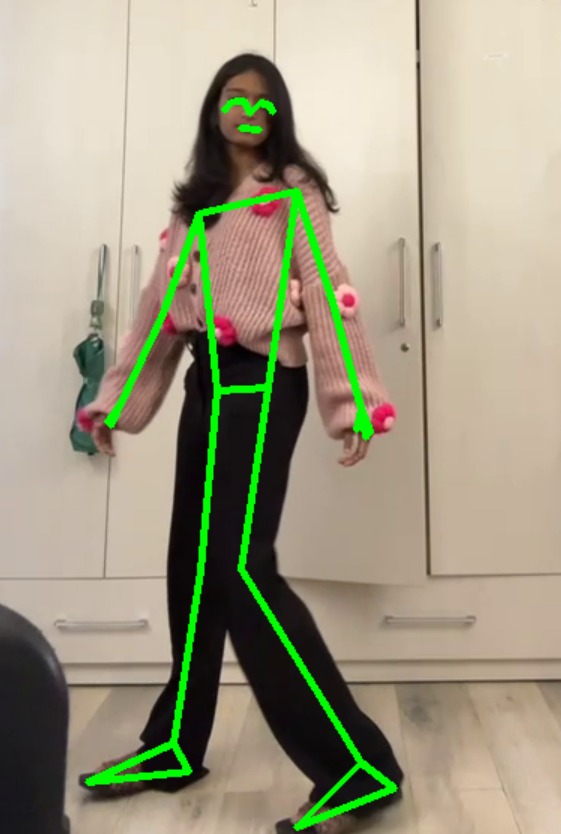
Inspiration
A year ago, I dislocated my leg while running in my college corridor. I was left on the ground, unattended, for nearly an hour before help finally arrived. This experience drove me to develop a solution that could speed up the process of getting medical assistance by detecting falls and identifying the person involved, ensuring that medical personnel are better equipped to respond promptly.
What it Does
This project focuses on creating a fall detection system using OpenCV and MediaPipe libraries in Python. The system monitors individuals in live video feeds, detects falls by analyzing their movements, and triggers an alert when a fall is identified. The implementation involves capturing video through OpenCV, marking landmarks using MediaPipe, and assessing movements to detect falls.
How We Built It
Video Capture: The system captures live video using OpenCV, allowing real-time monitoring of individuals.
Landmark Detection: MediaPipe is used to detect key landmarks on the human body, such as shoulders, elbows, and hips. These landmarks are crucial for tracking movement in the video.
Fall Detection Algorithm: The system periodically checks the previous coordinates of the person's shoulders, typically every 4 seconds. A significant drop in shoulder height suggests a potential fall.
Face Detection: The facial_recognition library is used to identify individuals in the video. This information is then cross-referenced with a database to retrieve contextual data about the person who has fallen.
Challenges We Ran Into
The toughest challenge was developing the fall detection algorithm. While obtaining landmarks and implementing facial recognition were relatively straightforward, detecting falls and minimizing false positives required extensive trial and error. However, through persistence and iteration, we successfully developed a functional algorithm.
Accomplishments That We're Proud Of
We're proud that the final project works effectively, achieving its goal of reliable fall detection and identification.
What We Learned
Building this project taught me new skills in OpenCV, body tracking, deep learning, and facial recognition—all areas that were new to me before this endeavor.
What's Next for Safe Steps
Next steps include connecting the system to a database that can automatically alert authorities and people nearby in case of an accident, as well as expanding its capabilities to detect and respond to a broader range of incidents.

Log in or sign up for Devpost to join the conversation.