-
-
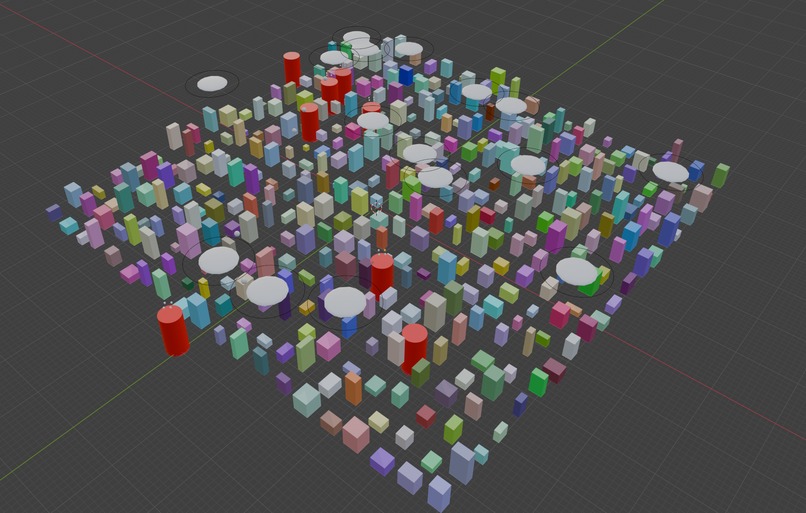
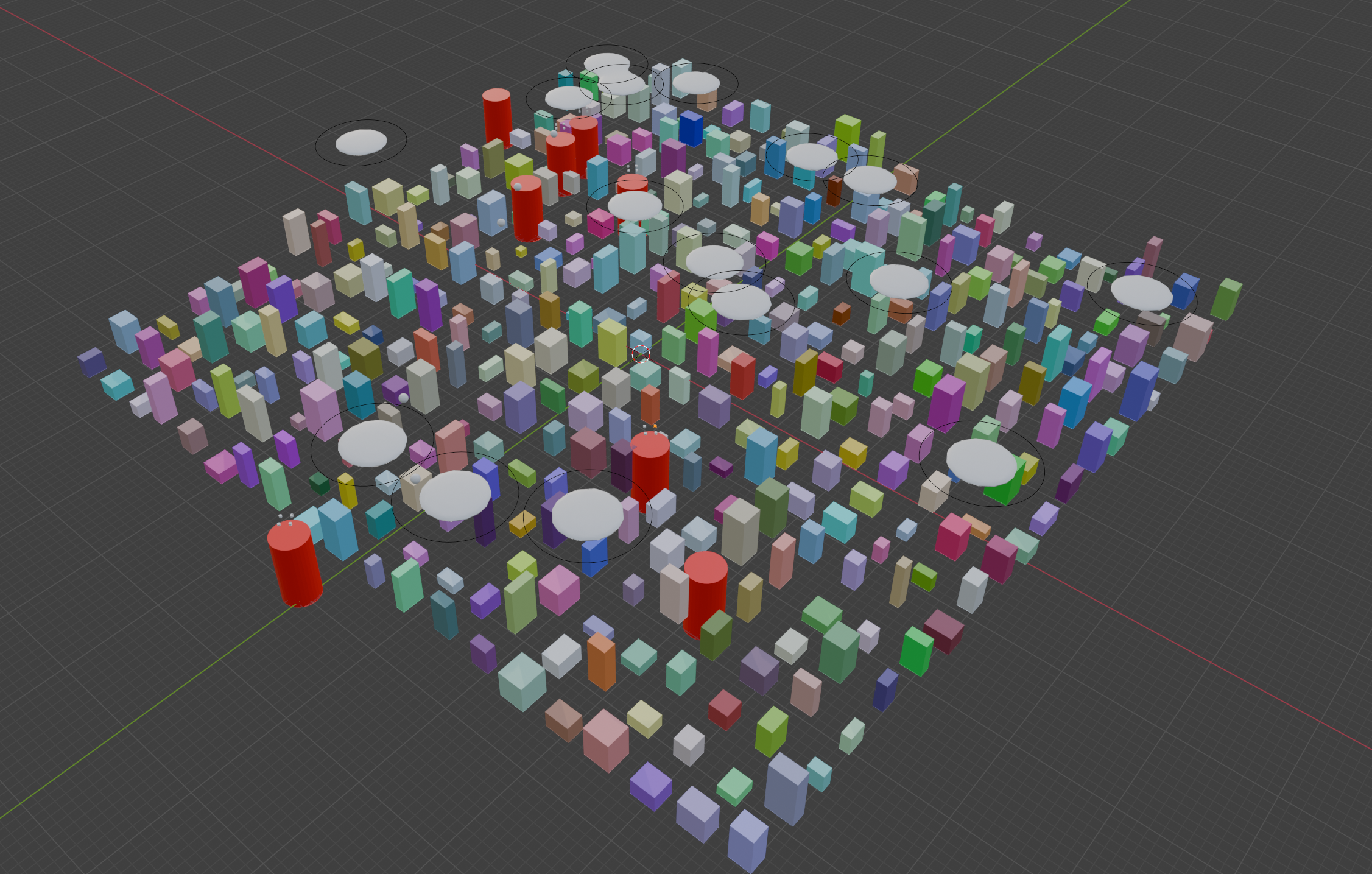
Freeze frame of the simulation in action.
-
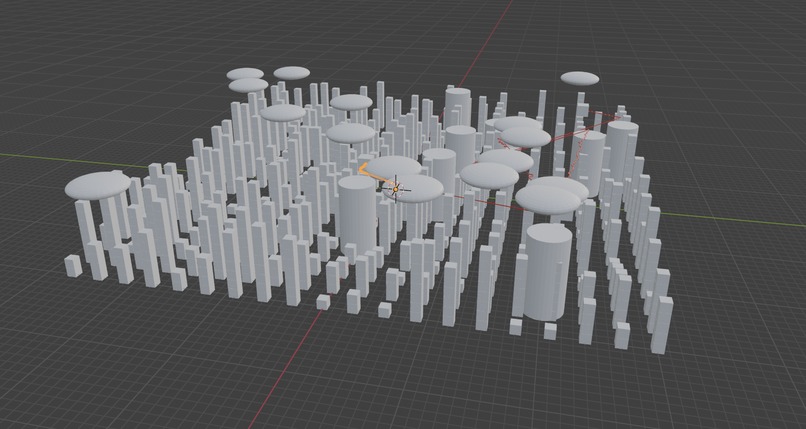
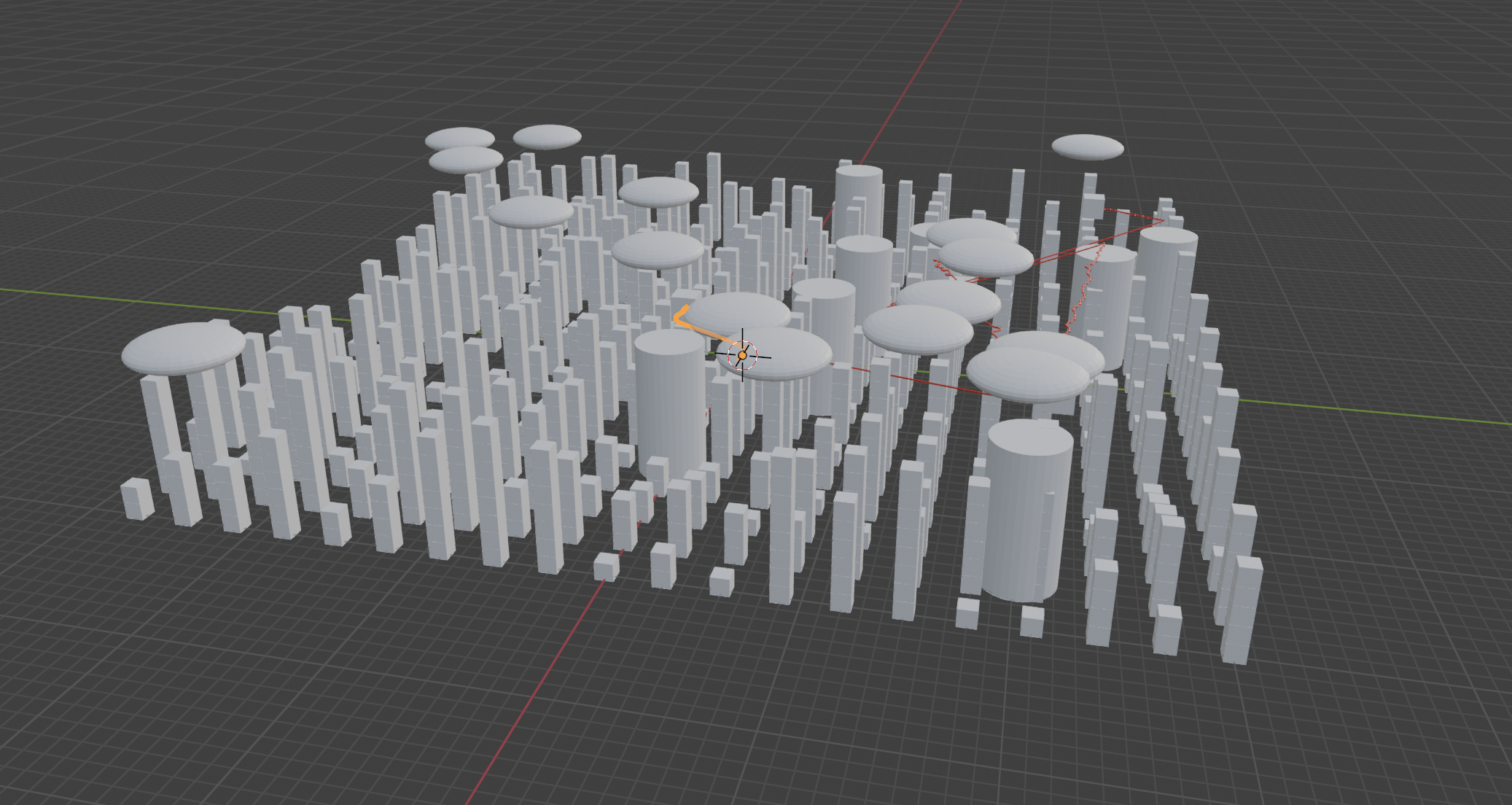
Early rendering of the simulation.
-
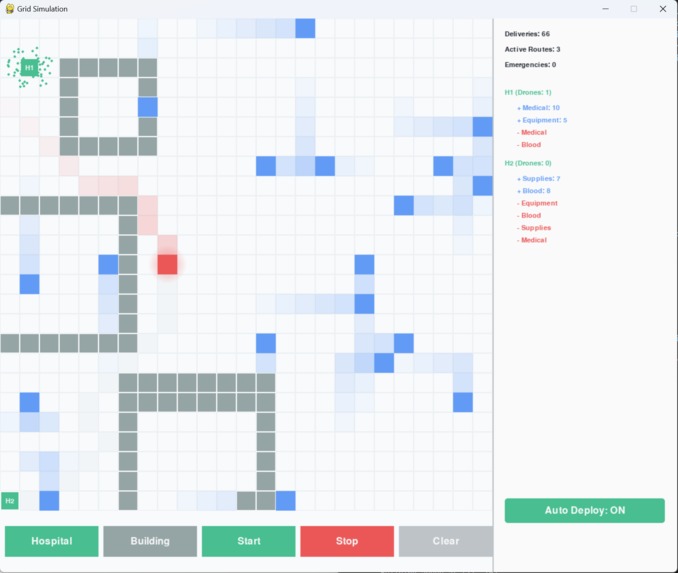
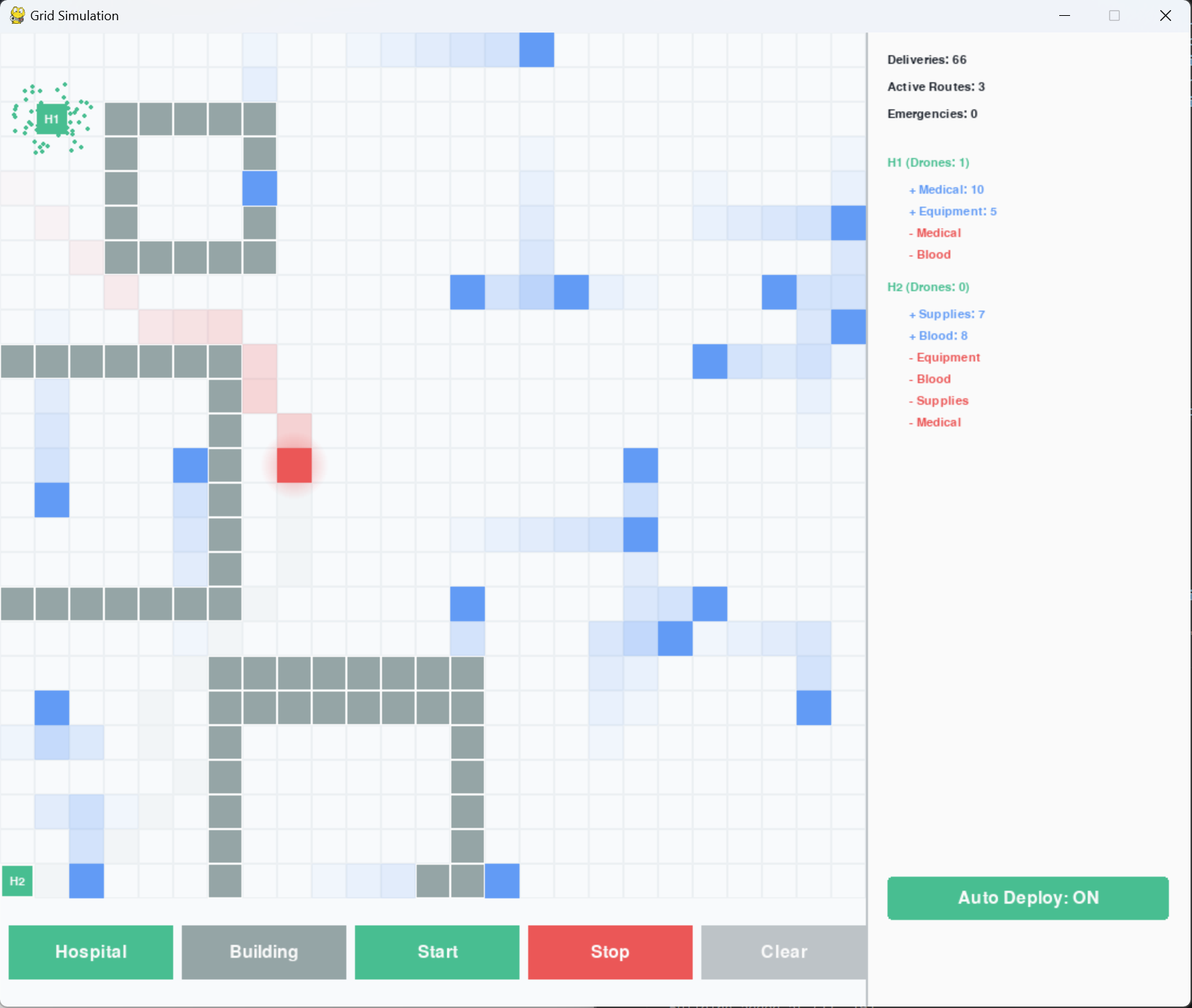
2d simulation
-
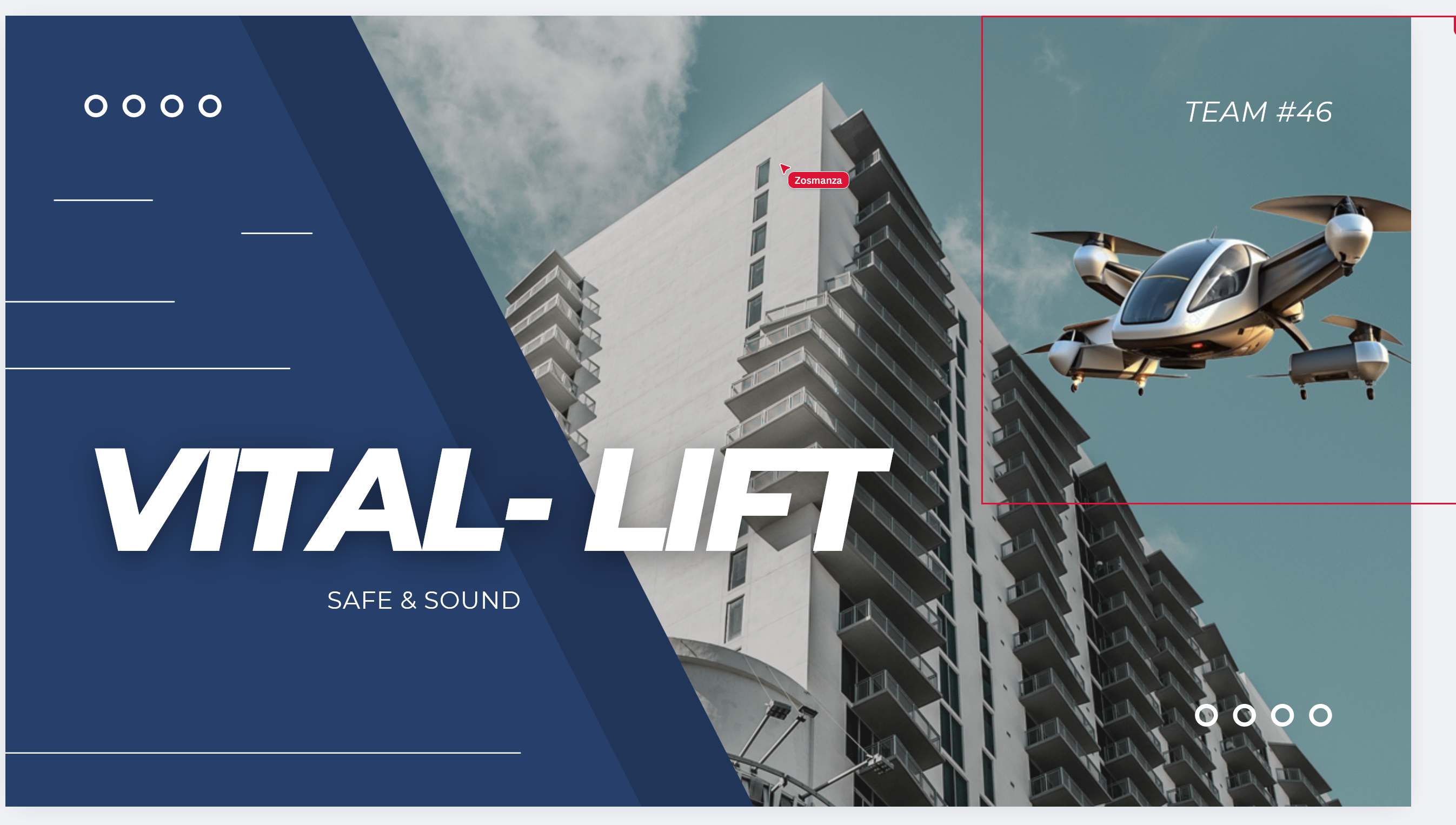
presentation cover
Vital-Lift: Safe & Sound - Revolutionizing Medical Supply Logistics
Inspiration
We were inspired by the critical need for faster, more reliable delivery of life-saving medical supplies—organs, blood, and medications—especially to underserved or remote areas. Knowing that every minute counts, we set out to design a system that ensures these supplies reach their destination safely and efficiently, overcoming obstacles like traffic, weather, and infrastructure challenges.
What It Does
Our solution simulates drones and eVTOLs autonomously navigating the best path to deliver critical medical supplies. The system accounts for real-world factors such as:
- Weather conditions
- Traffic congestion
- Urban obstacles
To make this accessible, we’re also developing a React-based app that provides an intuitive interface for viewing the simulation and interacting with the system. This app allows users to:
- Visualize drone routes.
- Monitor real-time progress.
- See how the system improves delivery efficiency.
How We Built It
- Core Algorithms: Written in Python to handle dynamic pathfinding and obstacle avoidance.
- Visualization: Integrated the Python code into Blender, where we developed a 3D model of a city complete with hospitals and weather obstacles.
- User Interface: Built a Python Native app and Blender Simulation to showcase and provide an interactive, user-friendly experience.
Challenges We Ran Into
Simulation Tools:
- Initially tried Unity and ROS, but they didn’t meet our specific requirements.
- Switching to Blender offered better integration with Python but came with a steep learning curve.
- Initially tried Unity and ROS, but they didn’t meet our specific requirements.
Balancing Complexity:
- Integrating the technical demands of the simulation with the React app required careful planning and iteration.
Accomplishments That We're Proud Of
- Successfully integrating dynamic pathfinding algorithms ( such as A* ) with a 3D city simulation.
- Overcoming technical challenges to create a realistic model that accounts for weather, traffic, and urban obstacles.
- Expanding the project with a Python app, providing an intuitive interface to make the simulation more engaging and accessible.
- Developing a concept that has the potential to save lives by improving the speed and reliability of medical logistics.
What We Learned
- Simulation Mastery: Gained hands-on experience with Blender for creating realistic 3D environments.
- Drone Dynamics: Learned about navigation systems and real-world factors like weather and battery limitations.
- Front-End Design: Explored React’s capabilities to build a user-friendly interface.
Fun Fact: Most drone accidents are caused by battery failure—a key issue we hope to address in future iterations.
What's Next for Safe & Sound
- Prototype Development: Transitioning from simulation to a working prototype of a drone/eVTOL system.
- Enhanced Python App: Adding real-time interaction, detailed analytics, and user feedback options.
- Partnerships & Pilot Programs: Collaborating with hospitals and healthcare providers to test our system in real-world scenarios.
- Long-Term Vision: Building custom drones and scaling the system to ensure no patient is left behind due to logistical delays.
Built With
- Python: For pathfinding algorithms and simulation logic.
- Blender: To create a realistic 3D environment and visualize drone operations.
- Unity & ROS: Explored during early stages for alternative simulation options.
- Research Tools: To study drone dynamics, medical transport statistics, and logistics optimization.
Tagline
“Vital-Lift: Safe & Sound: Revolutionizing Medical Logistics—One Flight at a Time.”


Log in or sign up for Devpost to join the conversation.