Inspiration
Modern software development moves fast, but security practices often lag behind or slow down release cycles. Developers are constantly forced to context-switch between writing code and analyzing security alerts, leading to delayed fixes, exposed vulnerabilities, and friction between security and engineering teams. We built Safe Forge AI to bridge this gap—an intelligent DevSecOps copilot designed to detect, prioritize, and fix security flaws directly within the developer's existing workflow.
What it does
Safe Forge AI automates application security by integrating into the continuous integration and development pipeline. Key features include:
- Automated Vulnerability Detection: Scans code repositories in real time for security risks, secret leaks, and dependencies with known vulnerabilities.
- Smart Remediation: Generates pull requests with automated code fixes rather than just reporting vulnerabilities.
- Context-Aware Prioritization: Evaluates vulnerabilities based on reachability and impact to prevent security alert fatigue.
How we built it
- Backend & AI Logic: Built using Python and AI frameworks to handle static code analysis, risk scoring, and automated code generation for fixes.
- Integration Layer: Connected via APIs and webhooks to support source control management (SCM) platforms like GitHub and CI/CD pipelines.
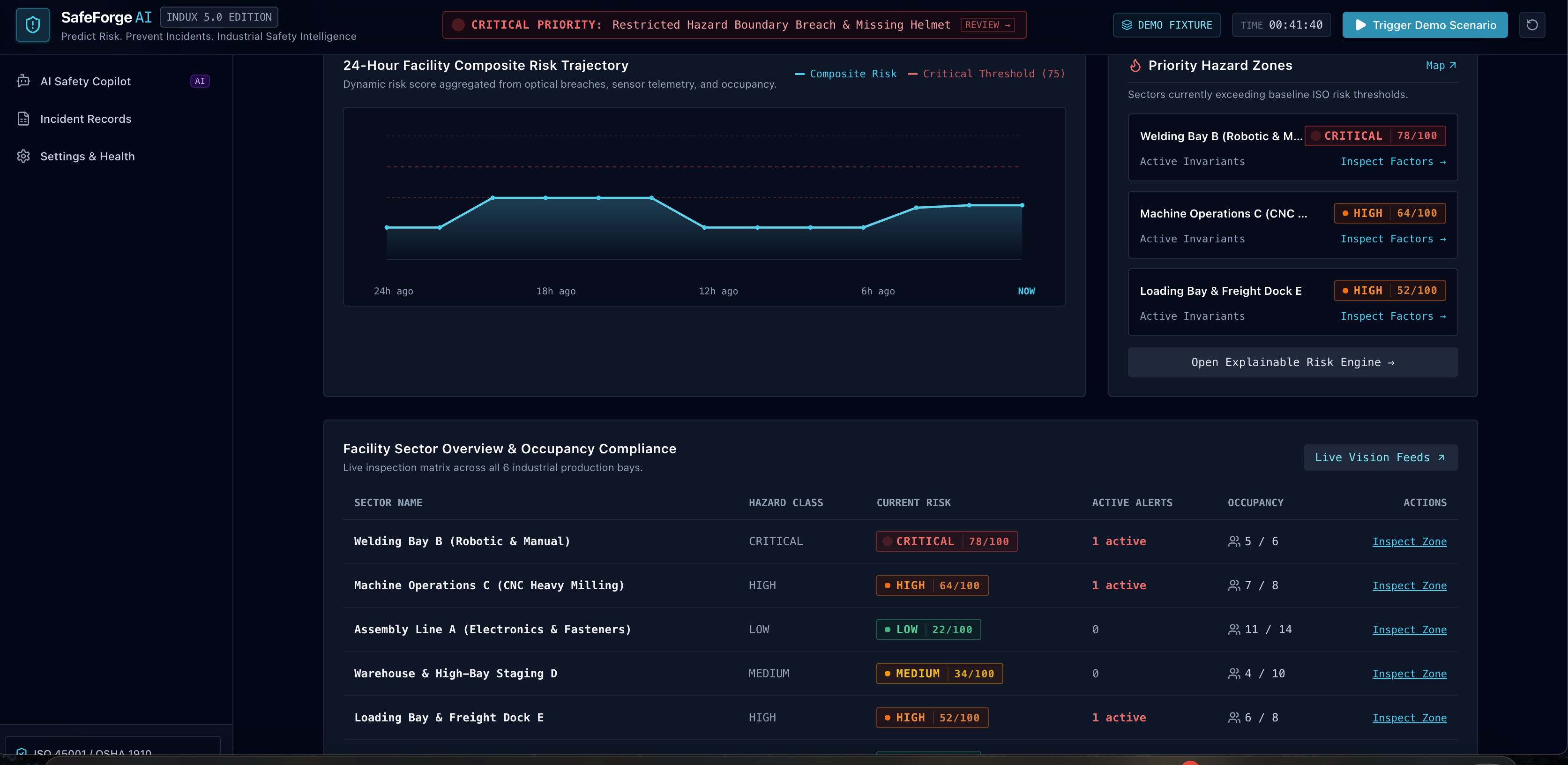
- Frontend / Dashboard: Developed a streamlined interface to visualize risk metrics, active scans, and remediation progress.
Challenges we ran into
- Reducing False Positives: Ensuring the AI only flags genuine security risks without cluttering developers with actionable noise required refining our prompt strategies and analysis pipeline.
- Generating Safe Code Fixes: Ensuring automated security patches fix the issue without breaking existing business logic or dependencies.
Accomplishments that we're proud of
- Successfully demonstrated end-to-end automated remediation—moving from code submission to detecting a flaw and proposing a valid pull request patch automatically.
- Designing a frictionless developer experience that inserts security standard checks seamlessly into the pipeline.
What we learned
- Deeper insights into DevSecOps workflows, static application security testing (SAST), and automated vulnerability management.
- Best practices for scoping AI code generation to maintain strict security guardrails.
What's next for Safe Forge AI
- Expanding framework and language support for deeper repository-level scanning.
- Adding real-time infrastructure-as-code (IaC) configuration scanning.
- Enhancing multi-repository workspace analytics for security teams.

Log in or sign up for Devpost to join the conversation.