Inspiration
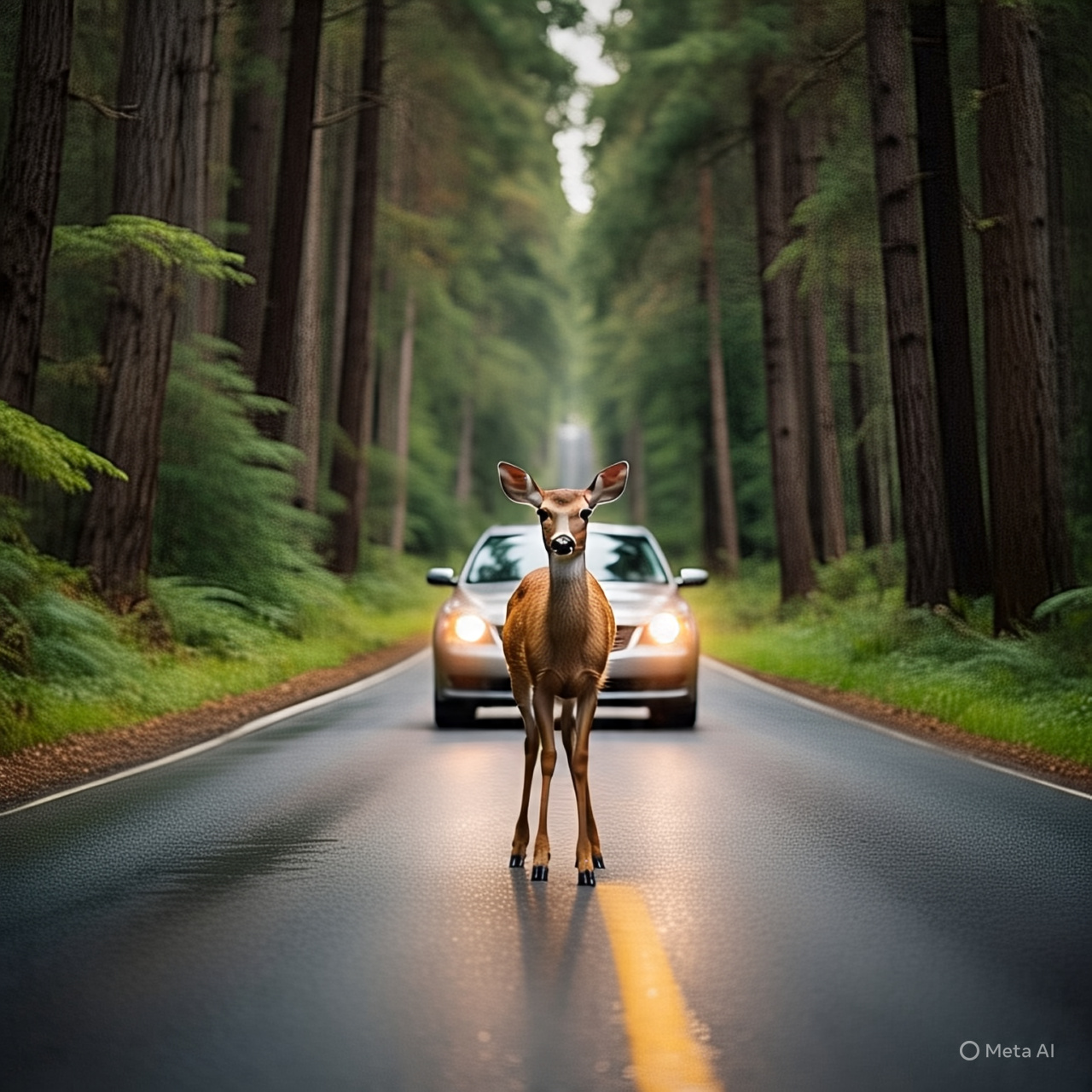
While traveling through the dense forests and highways surrounding Bandipur National Park and Madumalai, I witnessed a pressing issue—wildlife-vehicle collisions. These accidents pose a grave threat to both animals and humans, particularly in areas where roads cut through vital wildlife corridors. Traditional solutions such as warning signs and fences have often fallen short, failing to prevent tragic incidents effectively. Seeing firsthand the impact of these collisions inspired me to design Safe Cross, a system that harnesses technology, sustainability, and conservation to create a safer coexistence between wildlife and road networks.
What it does
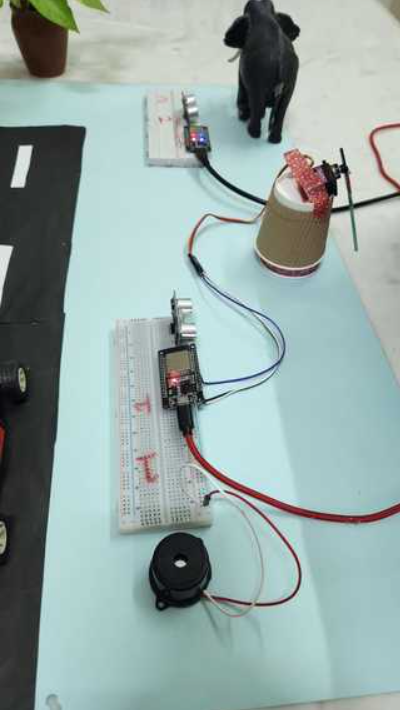
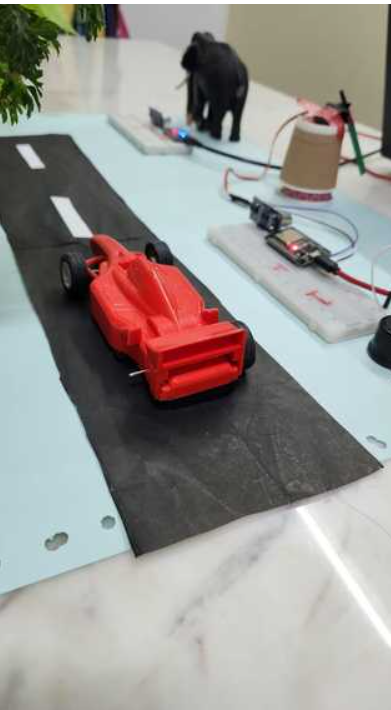
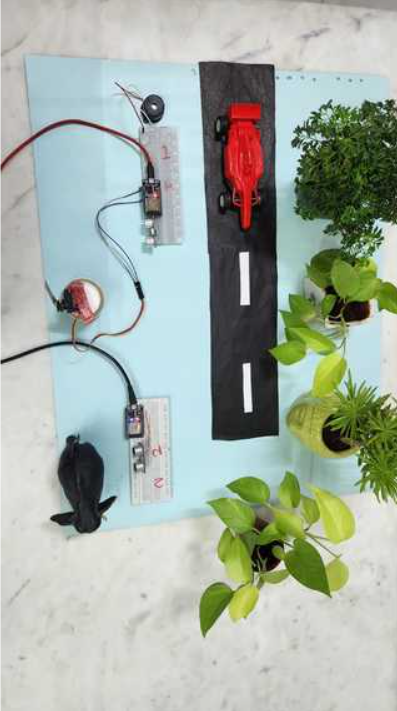
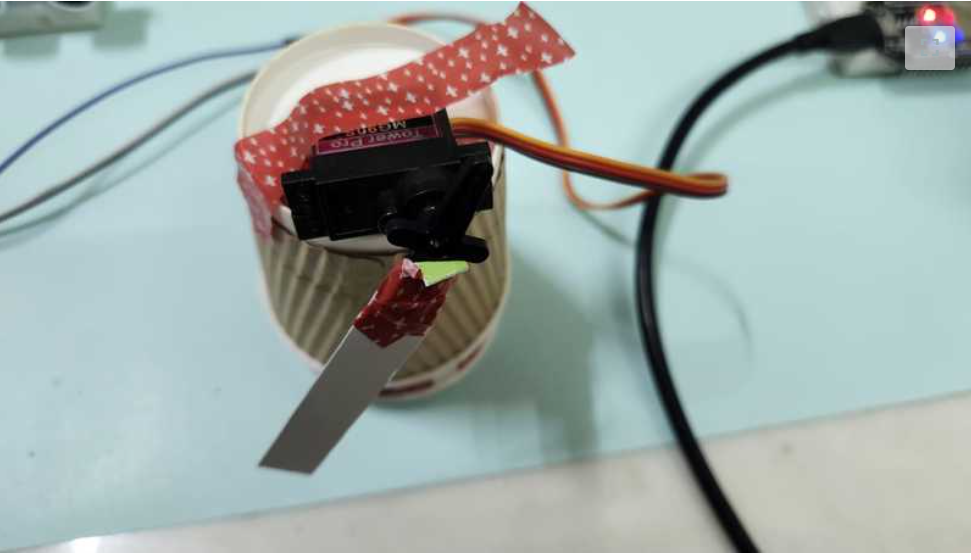
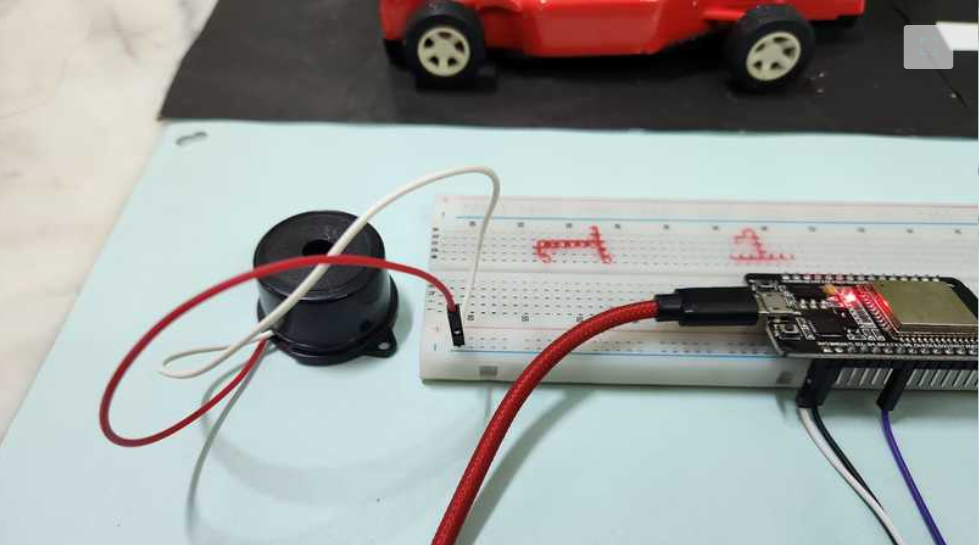
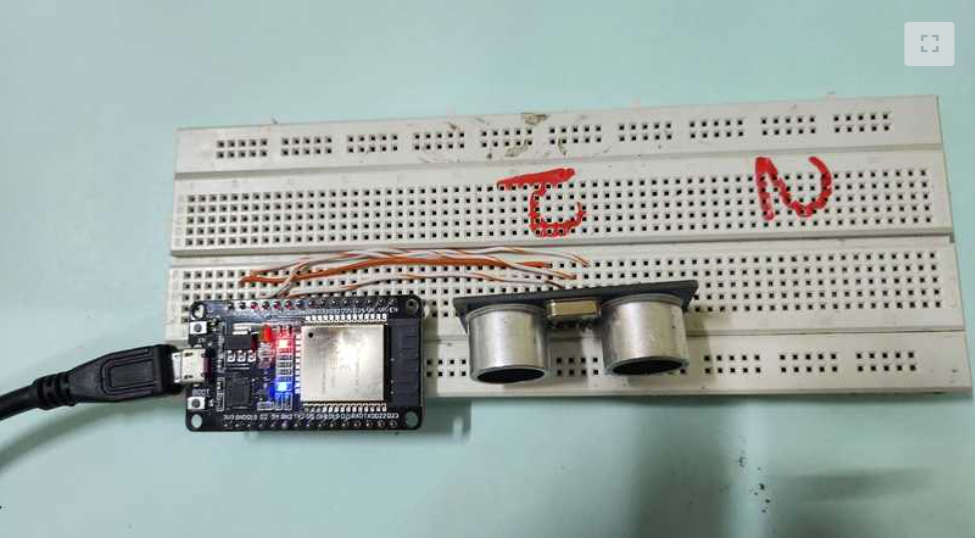
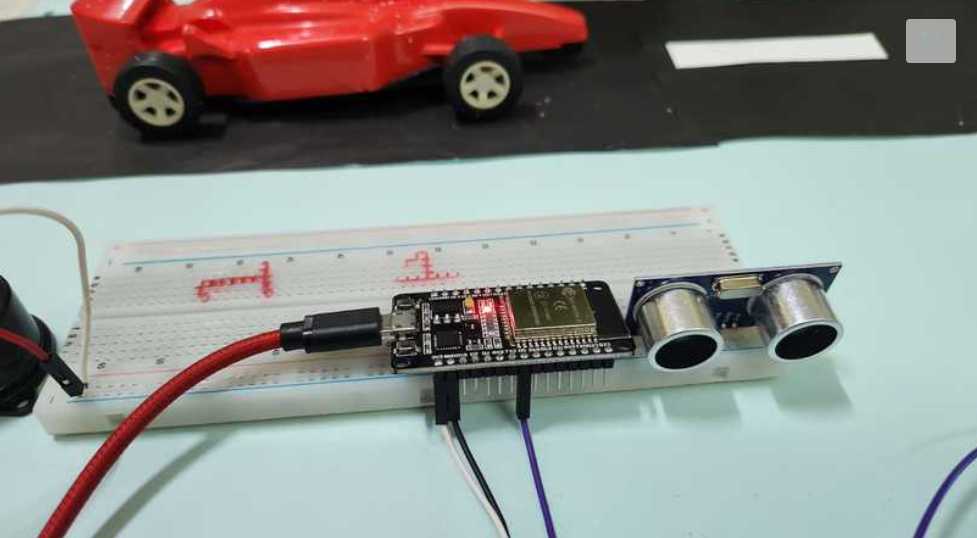
Safe Cross is an intelligent road safety solution engineered to reduce wildlife-vehicle collisions while ensuring minimal environmental impact. It utilizes ultrasonic sensors to detect animals near roadways, instantly activating LED warning lights to alert drivers well in advance—15 to 20 meters before reaching the animal's location—giving them enough reaction time to slow down or stop. To gently deter animals from venturing onto the road, non-harmful high-frequency sound emitters produce a specialized 22kHz ultrasonic frequency, which is inaudible to humans but effective at encouraging wildlife to retreat into their natural habitat. The entire system runs on solar energy, ensuring sustainable, low-maintenance operation. Moreover, data logging capabilities track wildlife movement patterns, helping conservation authorities identify high-risk areas and implement strategic measures to safeguard both biodiversity and road safety.
How I built it
Creating SafeCross involved integrating advanced yet cost-effective technologies. The hardware centers around ESP32 microcontroller, which handle data processing and communication, paired with ultrasonic sensors for precise animal detection. The LED alert system ensures drivers are warned 15 to 20 meters ahead, significantly reducing the risk of sudden encounters. To enhance wildlife deterrence without harm, sound emitters generate a 22kHz frequency, scientifically proven to be effective in gently guiding animals away from dangerous road crossings. The software facilitates real-time responsiveness, with Bluetooth-enabled ESP32 modules synchronizing actions across multiple poles to ensure seamless detection and alert coordination. The design prioritizes durability and adaptability, resulting in compact, weather-resistant poles that can be easily deployed across highways near Bandipur and Madumalai. The system maximizes functionality while remaining scalable and affordable for large-scale installation.
Challenges I ran into
Developing SafeCross came with several technical and logistical hurdles. One of the most complex challenges was achieving stable Bluetooth communication among ESP32 devices, ensuring synchronized operation without interruptions. Fine-tuning ultrasonic sensors to differentiate wildlife movement from other environmental factors required precision calibration. Additionally, ensuring instant responsiveness from LED alerts (triggering at 15 to 20 meters) and sound emitters (set at 22kHz) while minimizing false activations was critical. After extensive troubleshooting and testing, we overcame these challenges, resulting in a functional and reliable prototype ready for deployment in real-world settings.
Accomplishments that I'm proud of
One of SafeCross's most remarkable achievements is its innovative yet practical design, offering a comprehensive solution to wildlife-road safety challenges. The system’s simplicity, effectiveness, and sustainability have been widely recognized, proving its potential for broader implementation. A significant accomplishment was making SafeCross accessible to rural and forested roadways, bridging the gap between conservation and infrastructure development. By integrating IoT, sensor technology, and solar power, SafeCross demonstrates the transformative power of interdisciplinary innovation. Our efforts were honored at Hack for Humanity, where we secured victory, and at the Biomimicry Build-a-Thon, reinforcing the impact of our approach. These milestones validate our vision of promoting road safety while preserving the diverse wildlife of Bandipur and Madumalai.
What I learned
Building SafeCross was an invaluable journey in designing solutions that are practical, sustainable, and user-centric. Understanding the challenges faced by both wildlife and drivers helped shape a system that is intuitive and effective. The project emphasized the importance of renewable energy, demonstrating how solar power can drive impactful change while minimizing ecological disruption. Through iterative design and real-world testing, we significantly improved system performance, proving that continuous refinement is key to innovation. Additionally, this experience underscored how collaboration between engineers, conservationists, and policymakers is essential for creating meaningful solutions that balance human infrastructure with wildlife preservation.
What's next for Safe Cross
The journey for SafeCross is far from over. Our next phase involves integrating AI-powered image recognition, enabling even more precise differentiation between animals and other objects on the road. This advancement will further enhance adaptive real-time responses. We also plan to develop a driver notification app, allowing motorists to receive instant alerts about nearby wildlife crossings for increased safety. Collaborating with local governments, national parks, and NGOs will be crucial in expanding SafeCross to high-risk areas within Bandipur and Madumalai. Additionally, we aim to incorporate water conservation and air quality monitoring, transforming SafeCross into a multifunctional environmental solution. Refining solar energy optimization for long-term reliability remains a priority, ensuring sustainable operation with minimal ecological footprint. Lastly, scaling the project beyond India to tackle similar challenges globally remains a core ambition, contributing to global road safety and wildlife conservation efforts
Final Thoughts
SafeCross is more than just a technology project—it embodies a vision of coexistence, safety, and sustainability, ensuring that roads near Bandipur National Park and Madumalai and such forest areas all over India serve as safe passageways for both humans and the magnificent wildlife that calls these forests home.


Log in or sign up for Devpost to join the conversation.