-
-

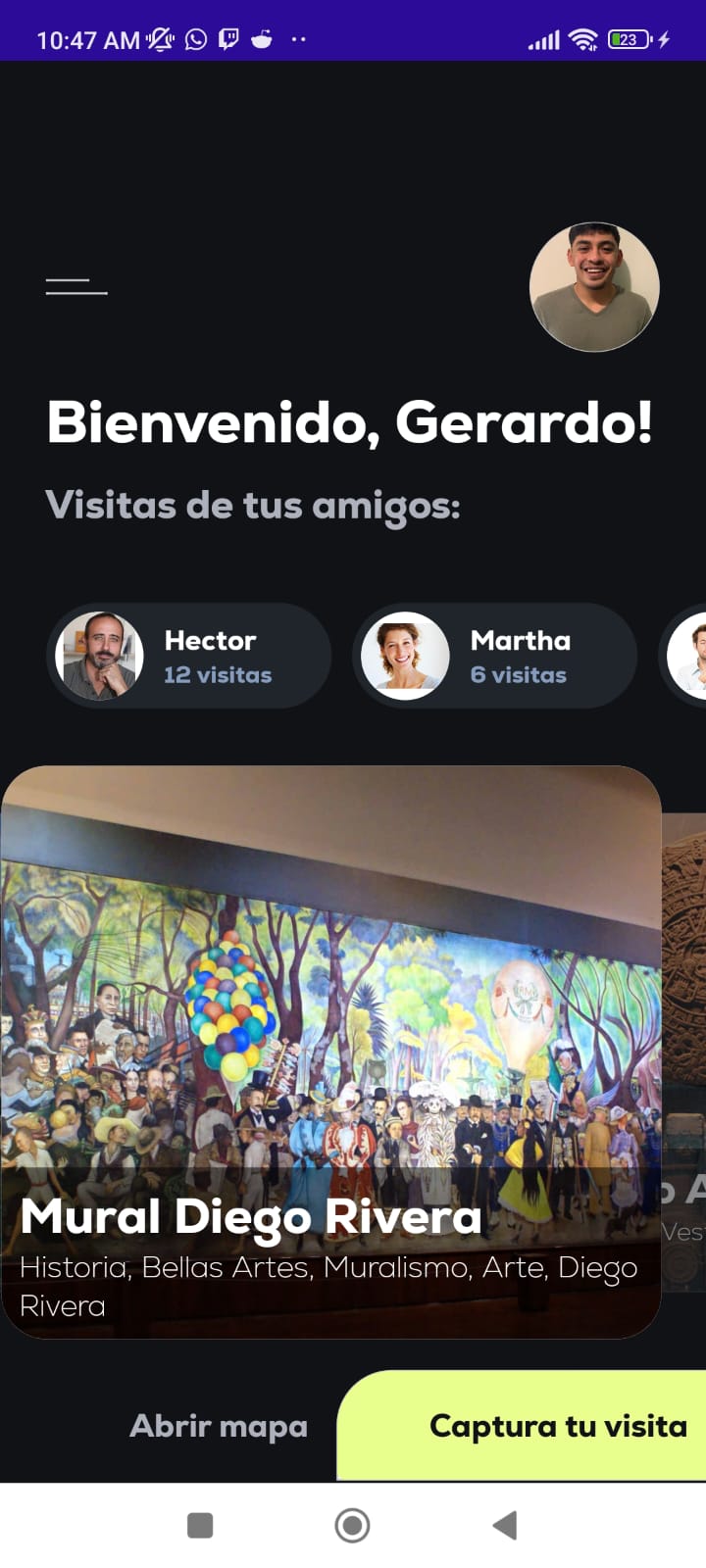
Inicio
-
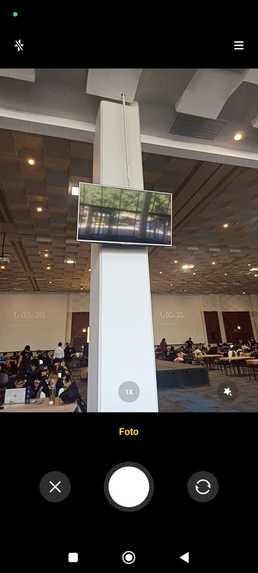
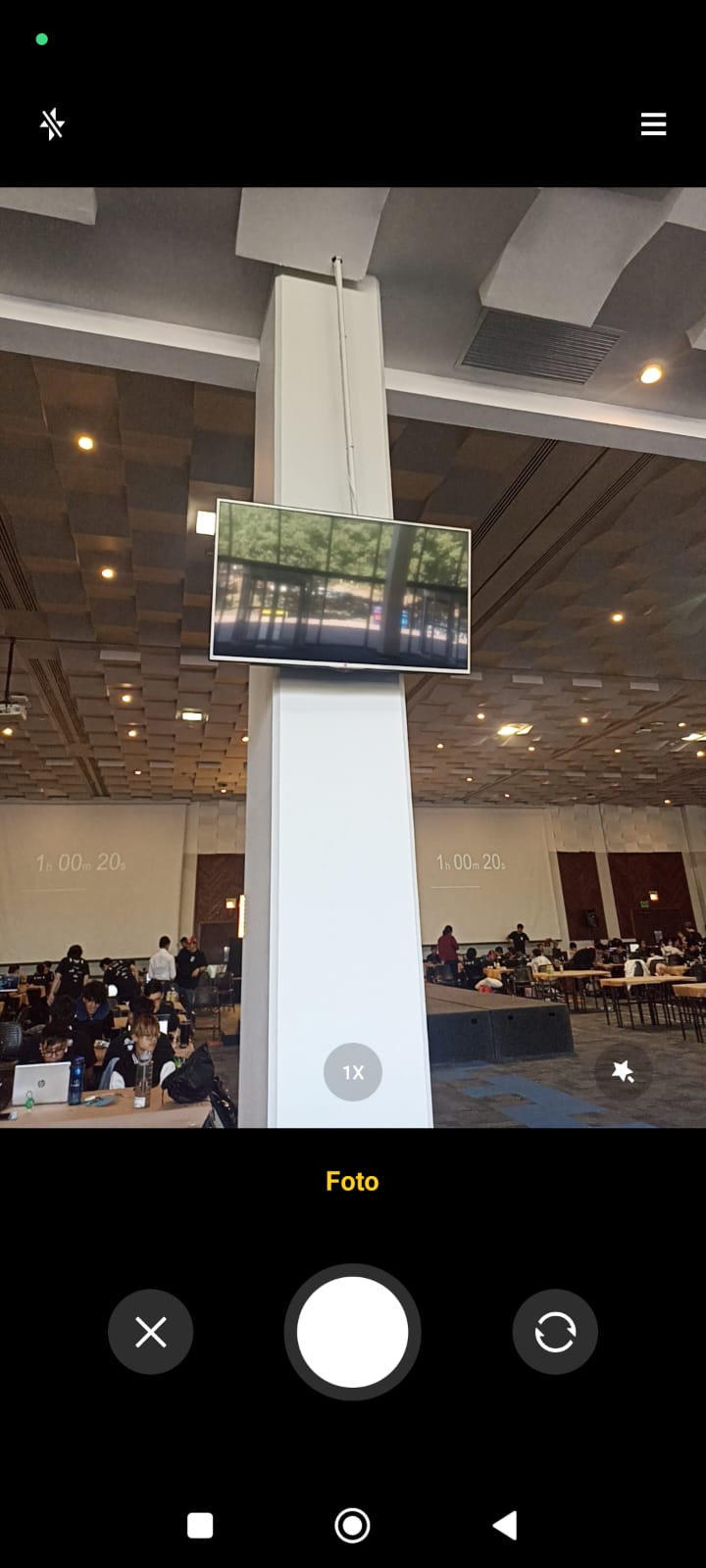
Captura
-
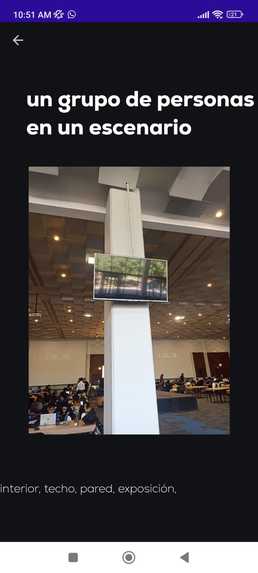
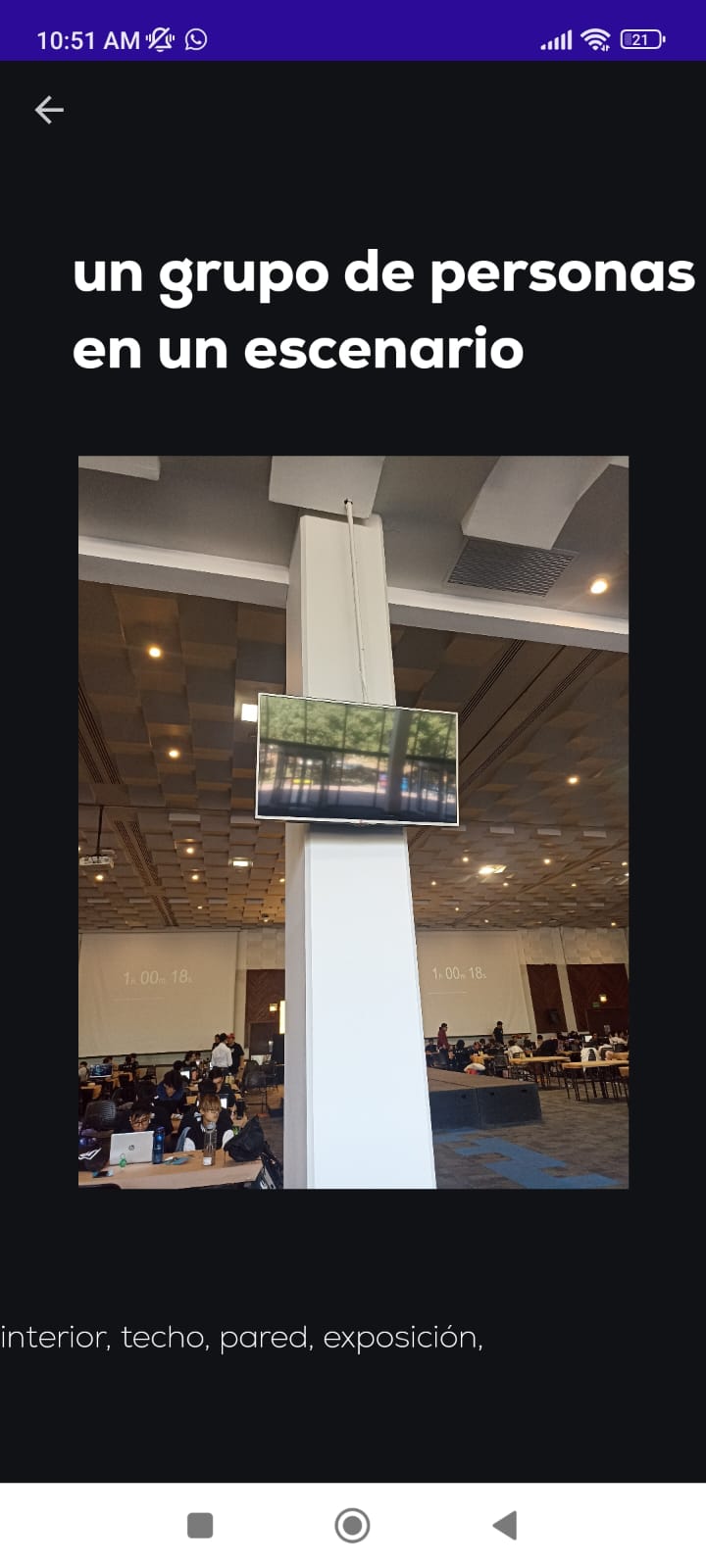
Informacion del servidor
-

Pantalla de carga para la realidad aumentada
-
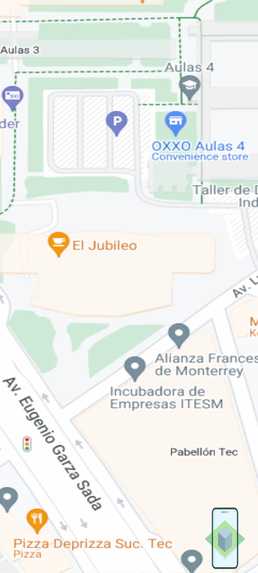
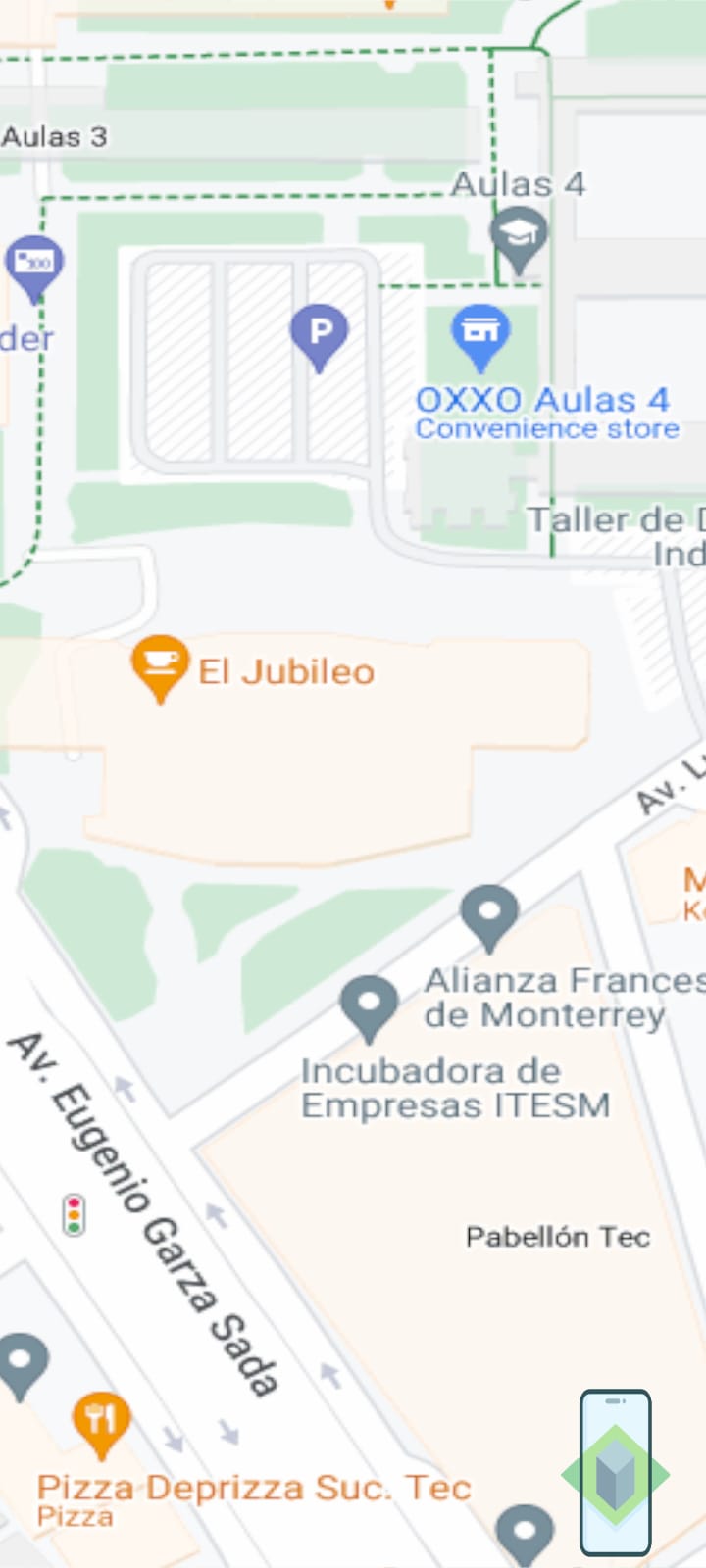
Mapa
-
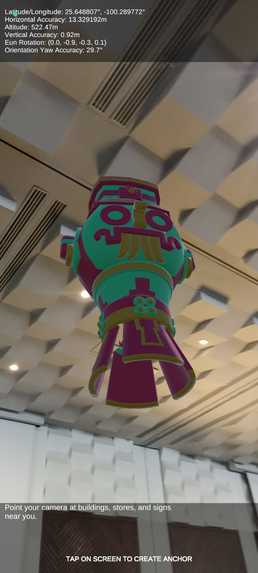
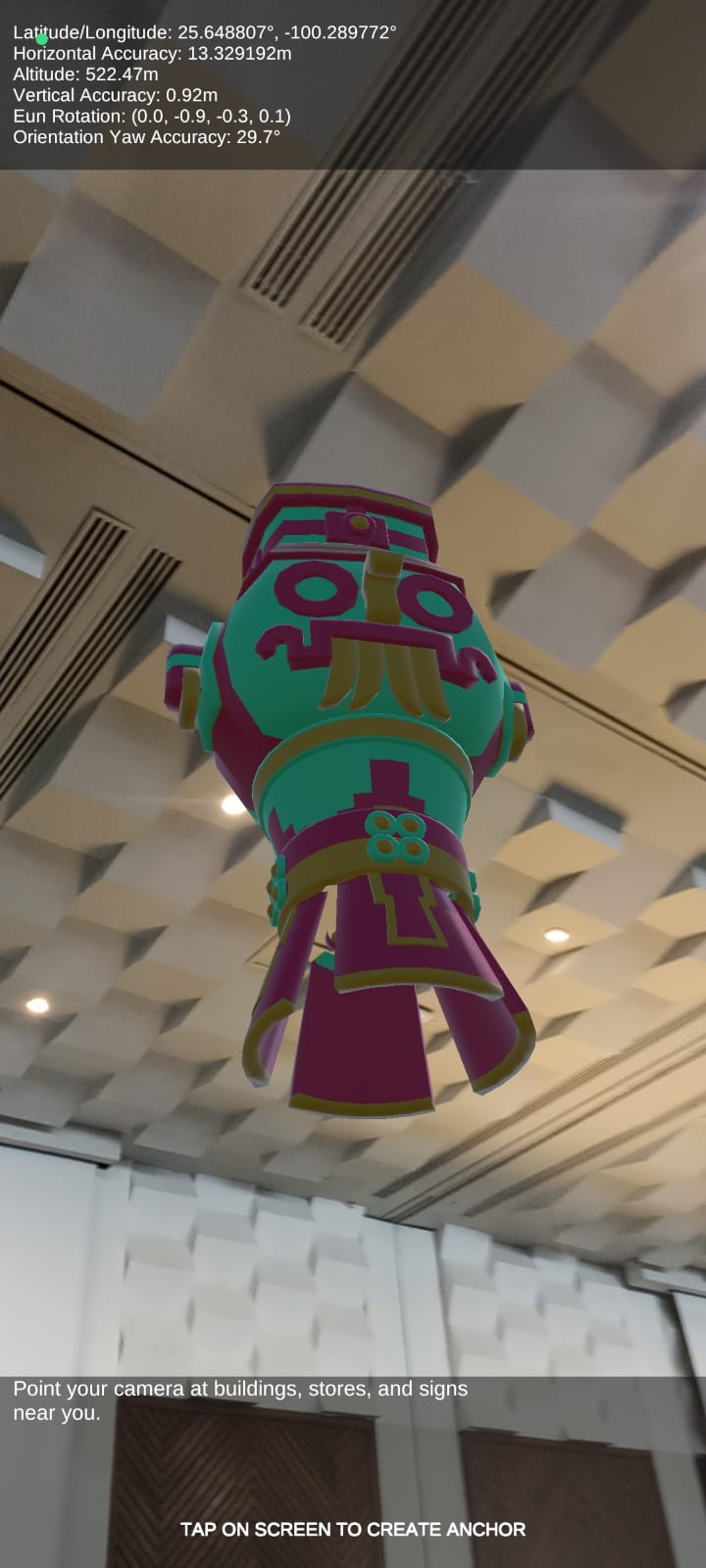
Modelo

Inspiration
Due to the lack of diffusion of some geographical places in the Mexican Republic, many are being wasted for tourism, generating unemployment and a lack of cultural diversity in Mexican society. A point of reference is provided by the research carried out by Trivago1 which presents little-known places that are ideal to visit. Our project presents an alternative that facilitates or simplifies the tour of both highly visited tourist places and those that are little known. According to information provided by the INEGI during 2022, it reported that of the 100% of tourists who visited Mexico, 3.17 million were nationals and 5.93 million were foreigners. The states with the most national tourism visits were: Baja California Sur with 34.60%, followed by Nayarit with 33.10% and Colima with 32.50%. While the states with the lowest percentage of visits were: Zacatecas with 2.6%, Baja California with 2.5% and Tlaxcala with 2.4%. Our application seeks to promote Mexico among Mexicans (without leaving aside foreign tourism) through technological advances such as the use of augmented reality (AR) on mobile devices.
What it does
Without getting bogged down in maps, endless guides or endless internet searches for recommendations. In Mexico you can now discover historical, pre-Hispanic places, magical towns, both small and cosmopolitan cities with our application. Sacbé AR, the mobile application from the company Ixchel Tec, uses the geo-location of your cell phone to display digital and augmented reality content of places of tourist interest. Currently, 96.5% of the Mexican population has a mobile device and since our target client is this, we seek to make accessible the knowledge of our natural, cultural and recreational wealth that our country provides us at an economical cost.
How we built it
Methodology DevOps
It emphasizes close collaboration between development and operation, and is ideal for software projects that require a rapid release cycle. In short, it is a methodology aimed at collaboration and coordination between development and operations personnel, with the aim of improving the quality and speed of software deliveries. Prototype Methodology
It is a way of developing software in which a prototype of the software is created before full development begins. This allows developers to gain a better understanding of what the software should do and how it should work, which in turn can help reduce development time and cost. Rapid Application Development (RAD) It is a software development approach that focuses on producing a working prototype as quickly as possible. The goal of RAD is to reduce development time by speeding up the analysis, design, coding, testing, and deployment stages.
Challenges we ran into
The most challenging part was being able to adapt the use of different modules created with different technologies in a single application. We also faced difficulties in using geolocation, as we had to be very precise in obtaining the correct position of the models placed in the program.
Accomplishments that we're proud of
We are proud to have a functional prototype accompanied by one with its final version. We were able to adapt to the difficulties and provide a solution. We are also proud of creating something that had not been presented before, as it is a completely new concept.
What we learned
We learned that great things can be achieved in a short time if they are well organized. The team focused on task division and mutual support. SacbeAR is our most well-structured project so far. We dealt with pressure in a very good way.
What's next for SacbeAR
Our application plans to make improvements in the future that include facilitating the experience of each user who uses it, making it more intuitive, simple and attractive. Improve the field or area of recognition of structures or surfaces for better precision when presenting a model or information to users. Add to the application what is necessary so that it can be used internationally, mainly by emerging countries so that they can take advantage of their geographical riches and, with the support provided by Google Maps and the applications that emerge to support this type of technology, a application that will allow every citizen to know the space where they live and motivate them to discover new ones.

Log in or sign up for Devpost to join the conversation.