-
-
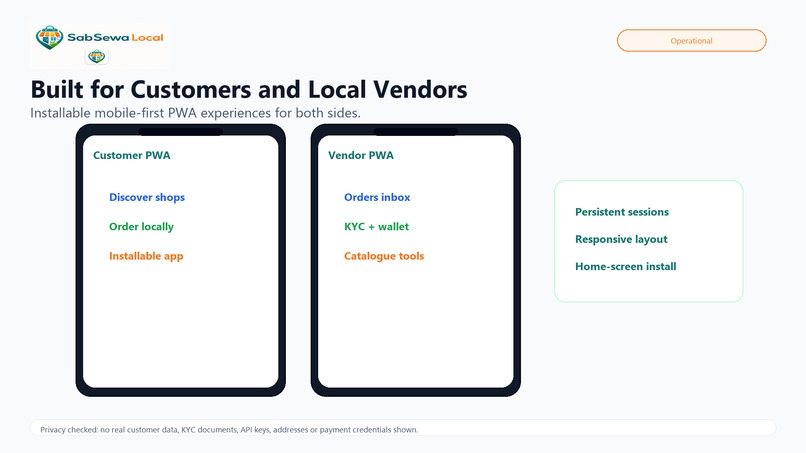
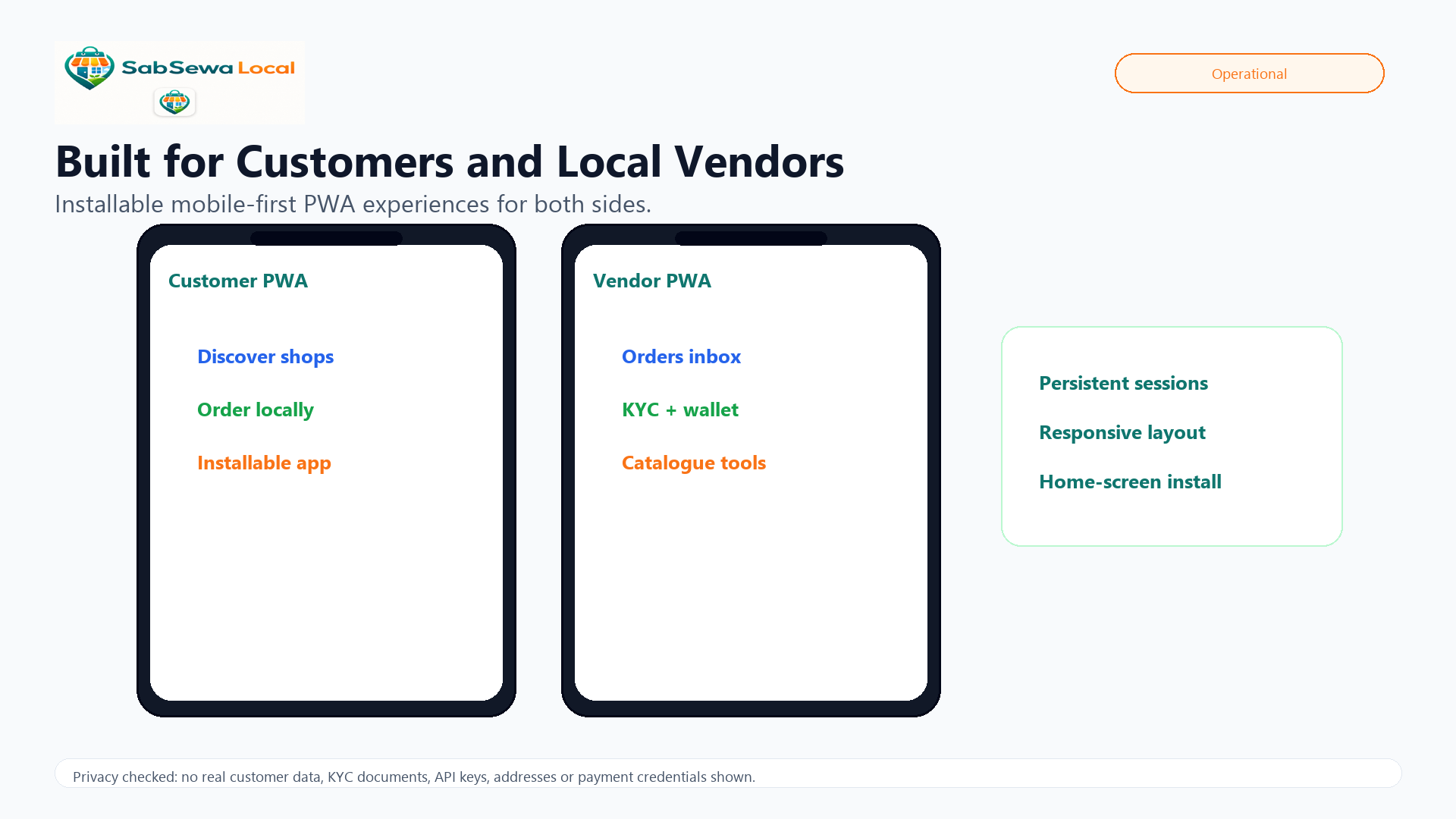
Customer Vendor PWA
-
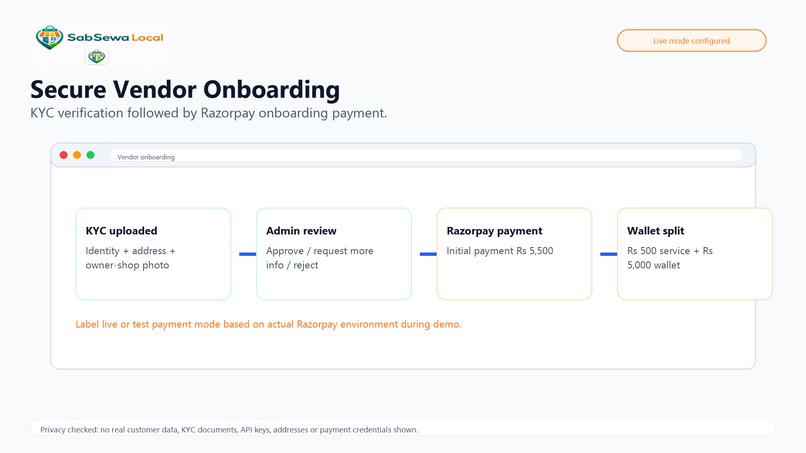
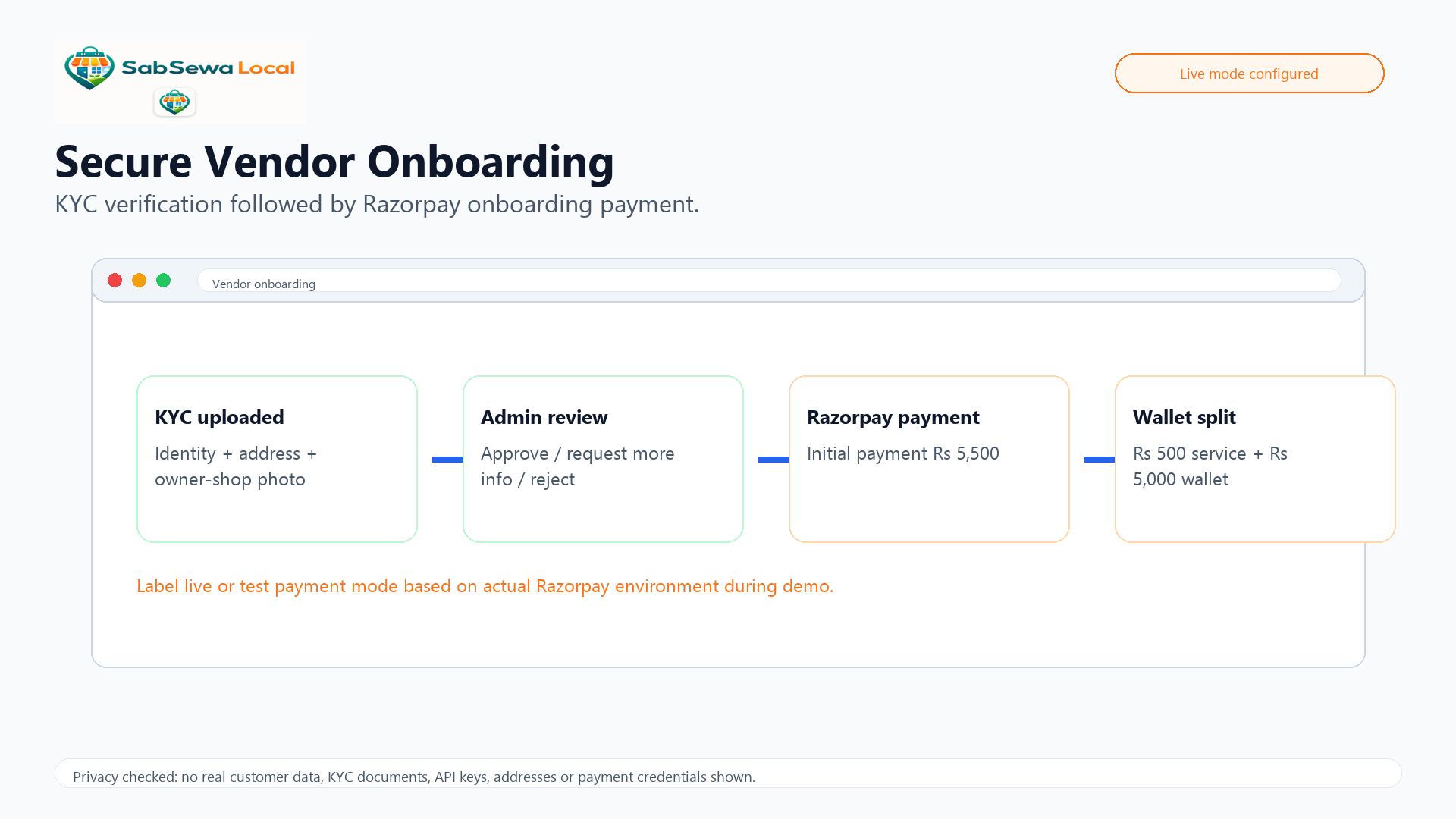
Vendor onboarding Razorpay
-
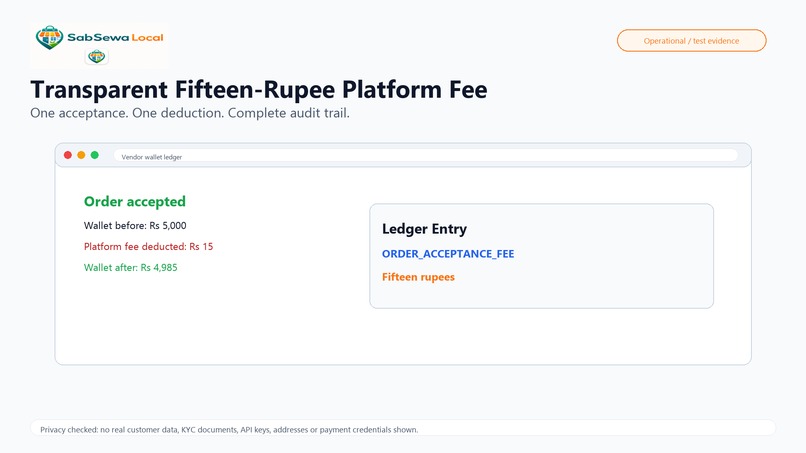
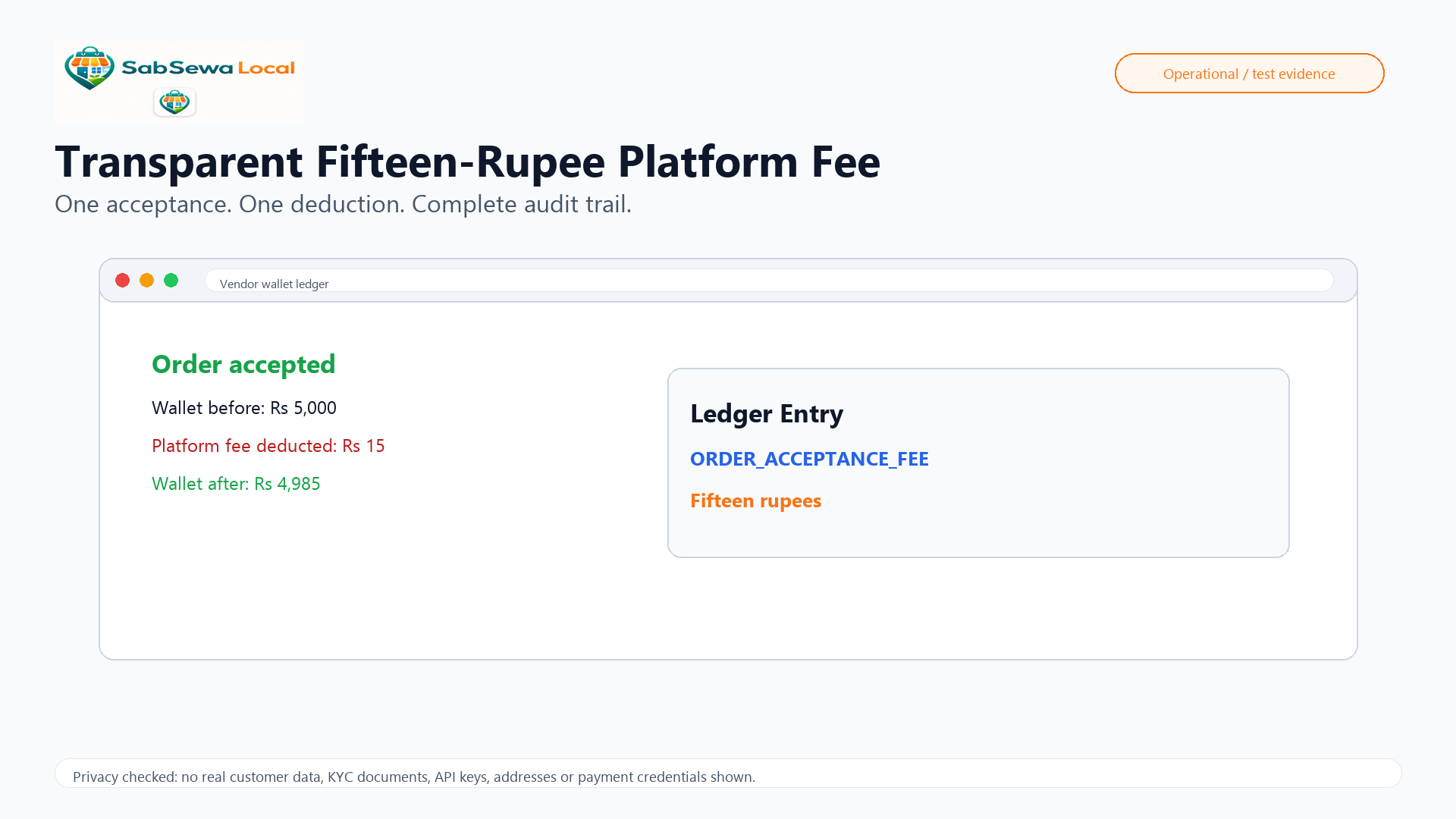
Vendor fee ledger
-
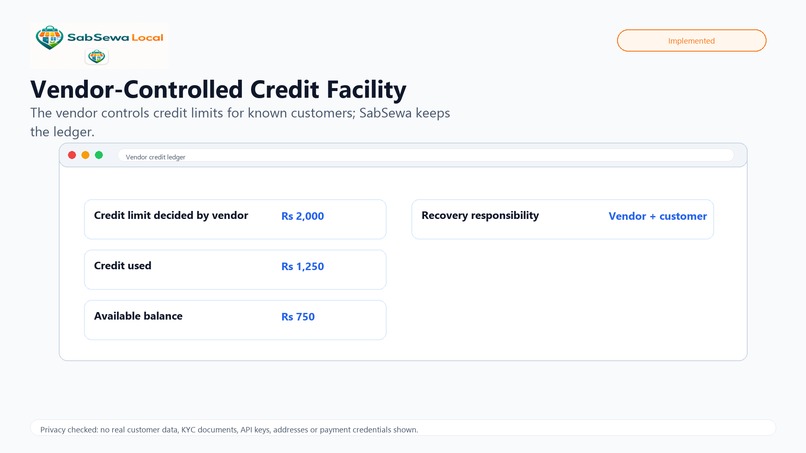
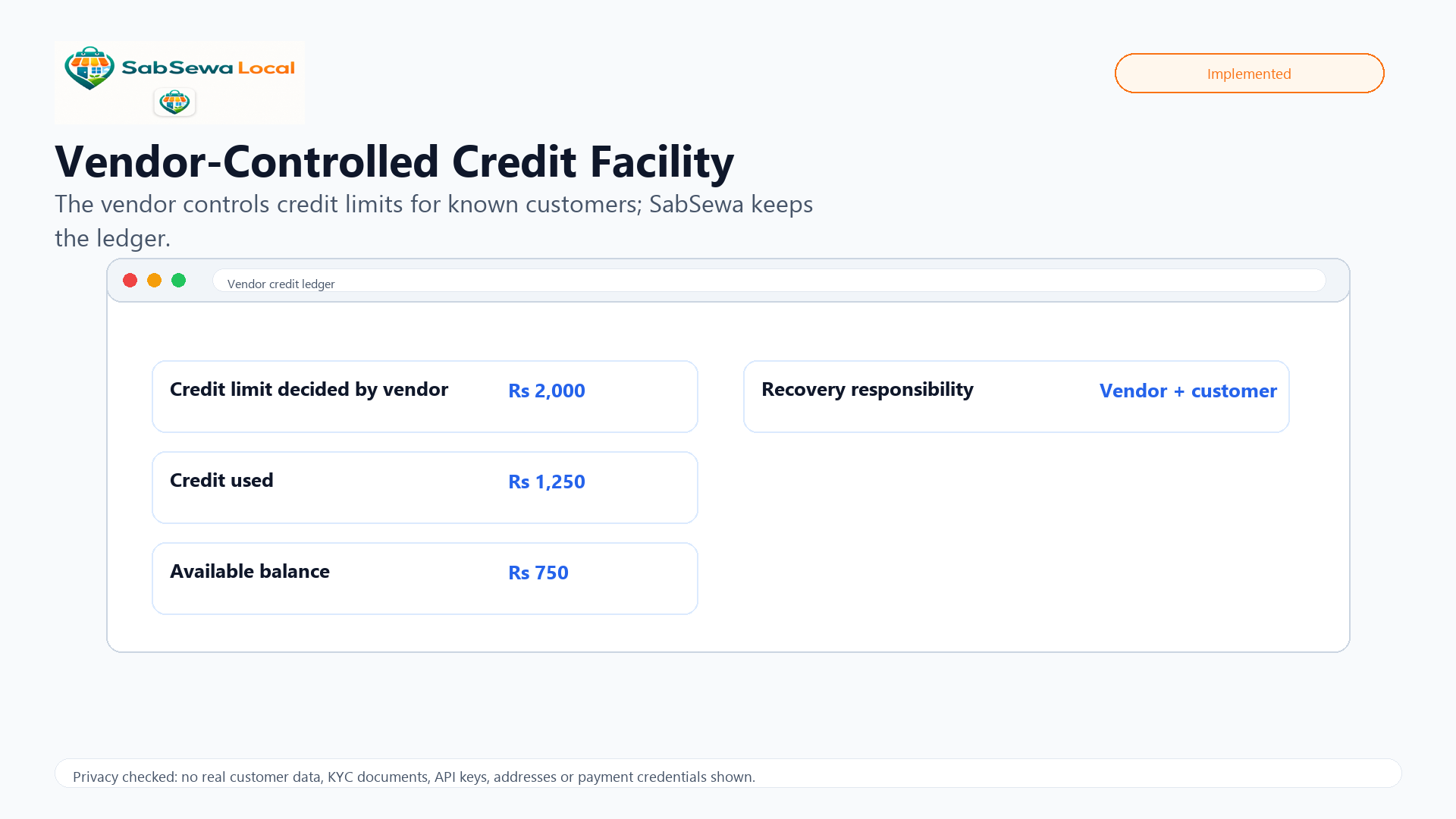
vendor credit facility
-
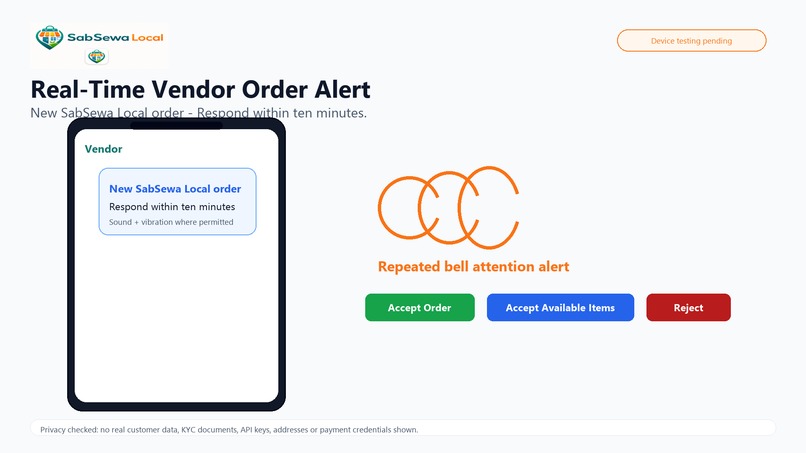
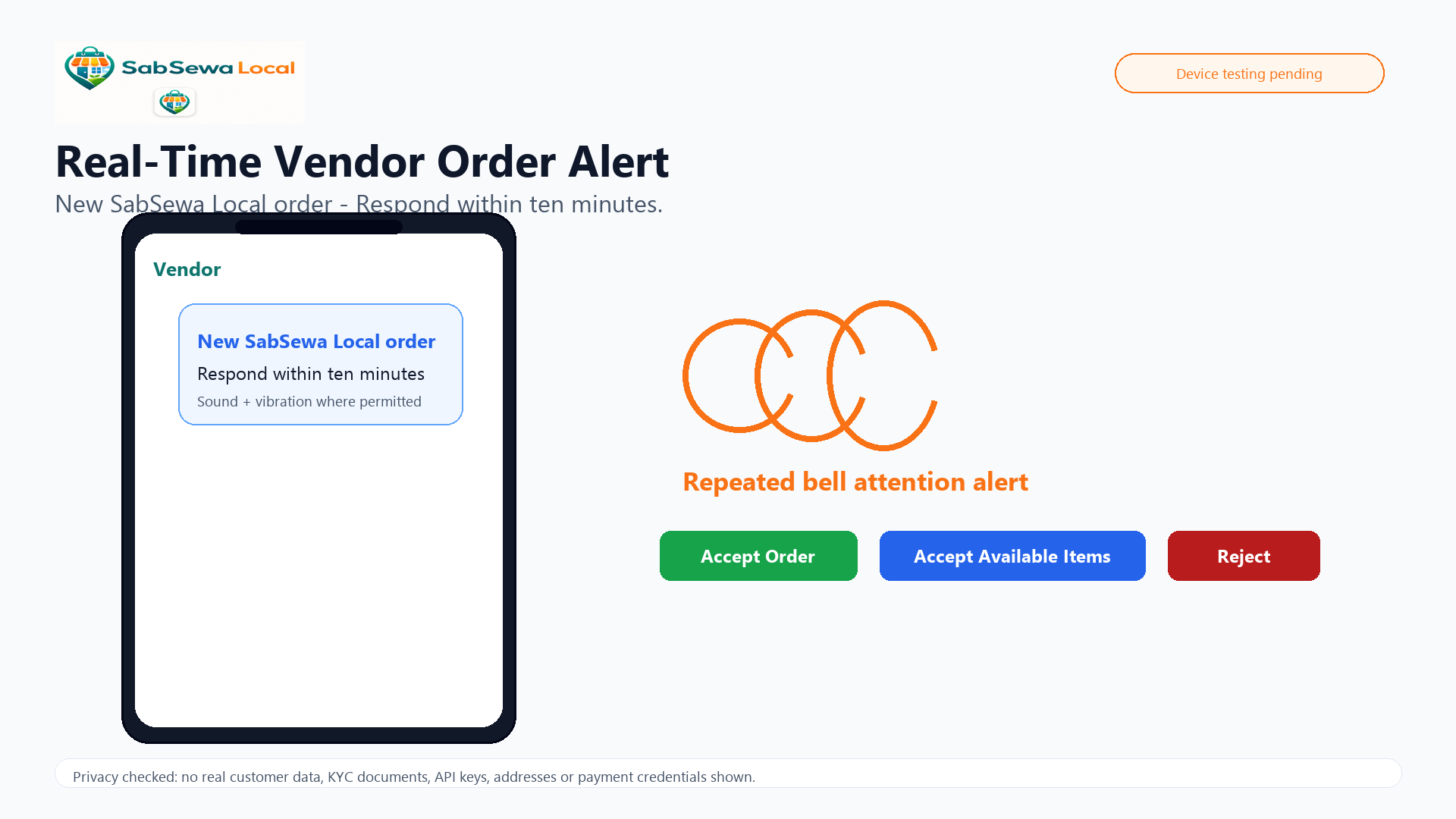
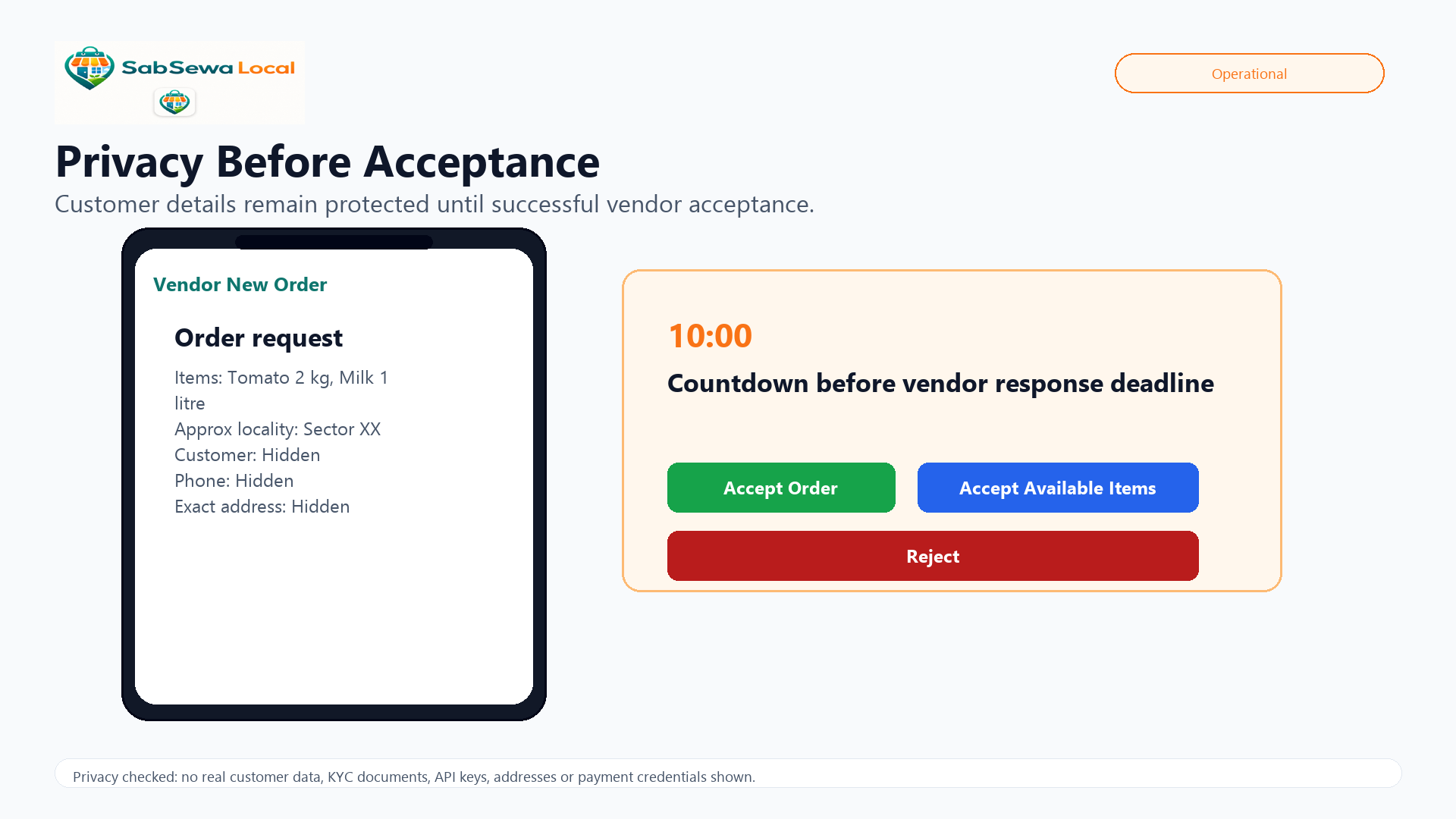
Vendor order alert
-
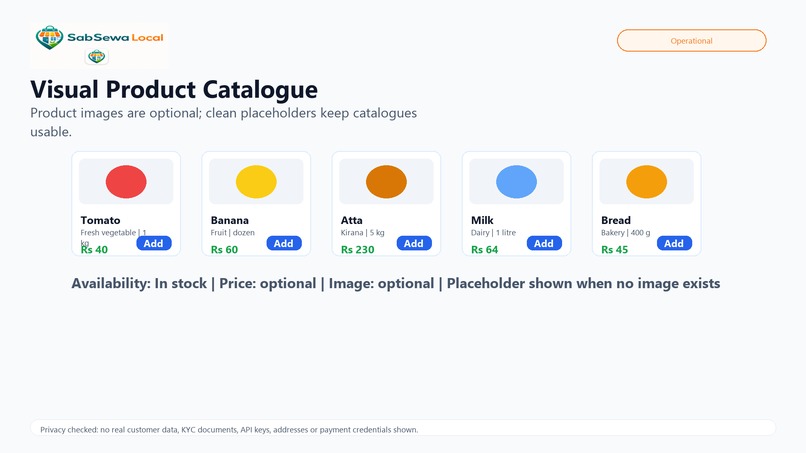
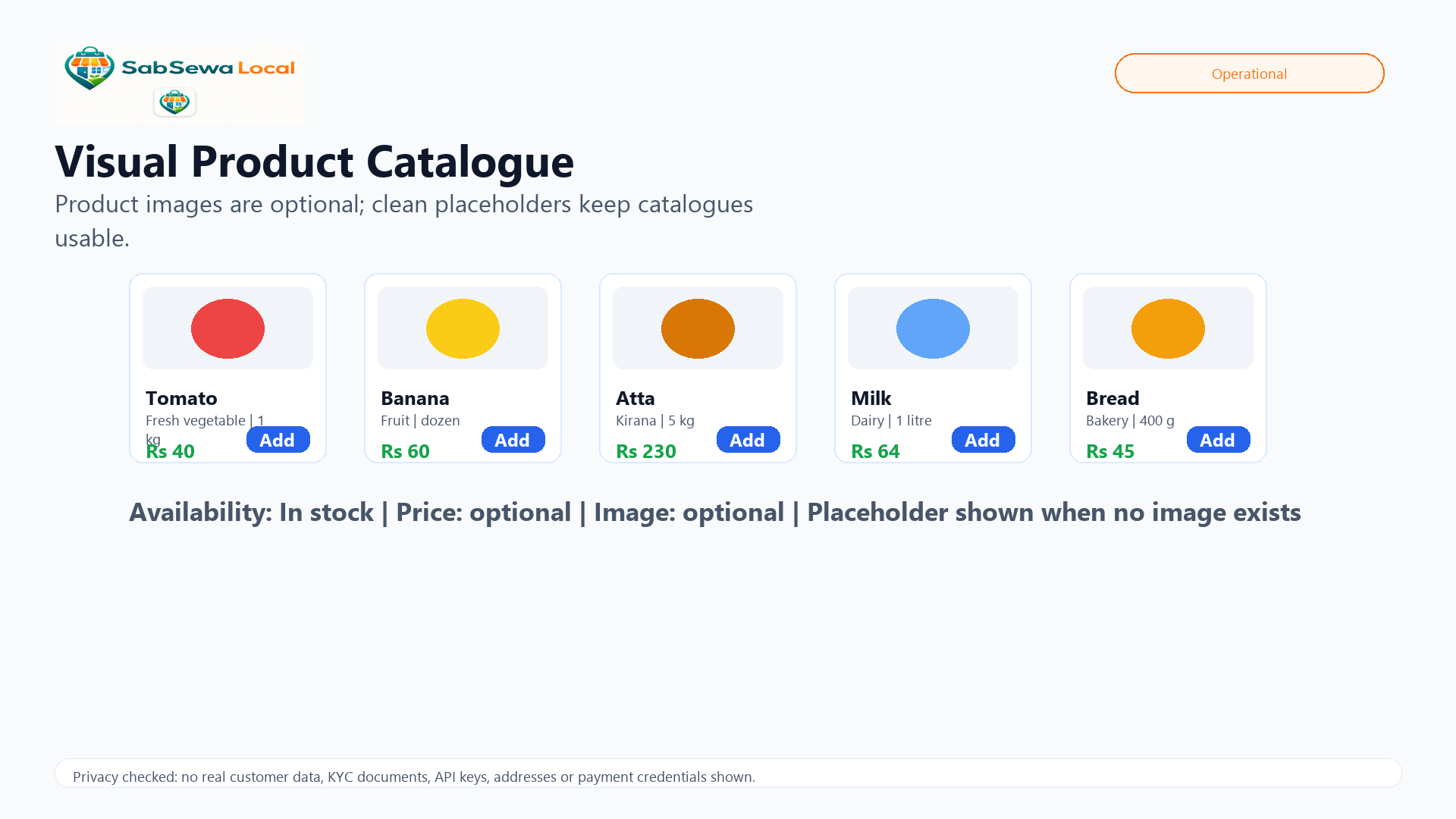
Vendor Product Catalogue
-
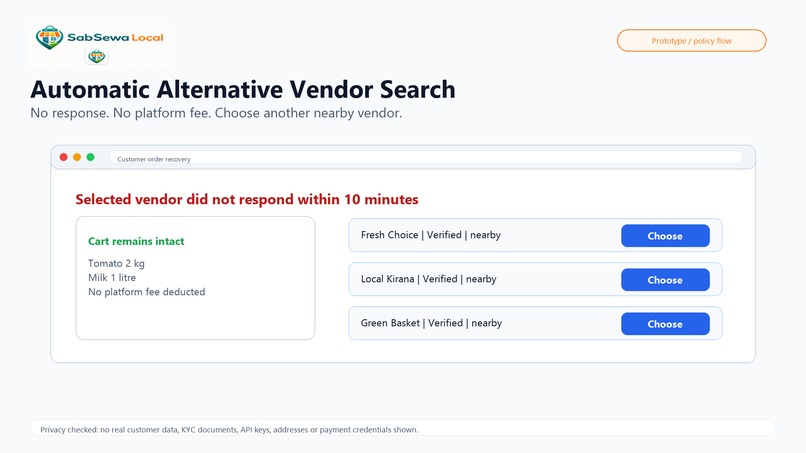
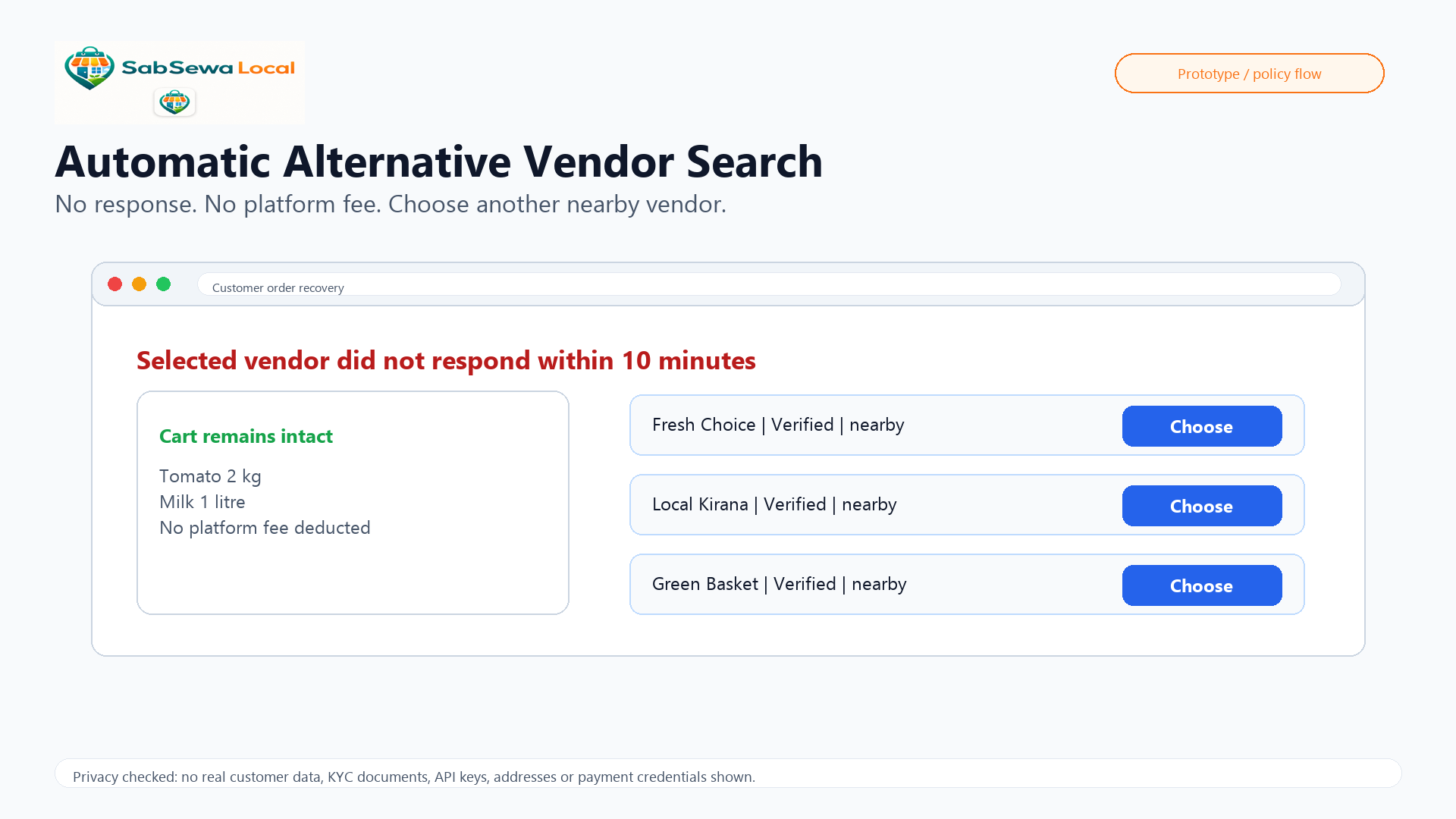
Alternative Vendor search
-
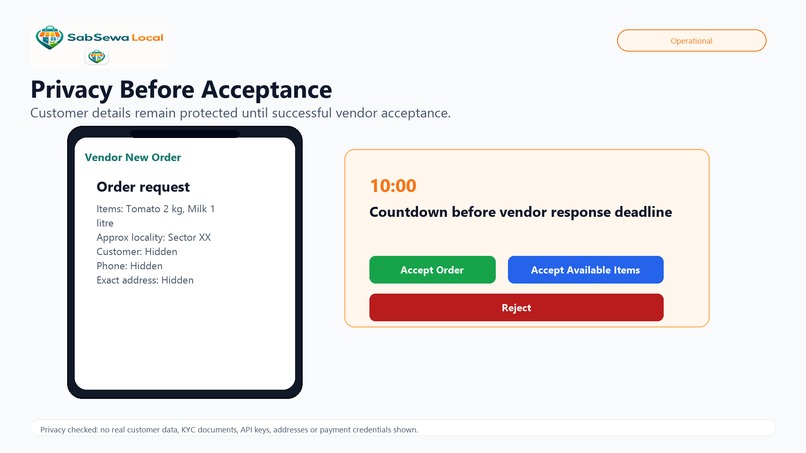
Customer privacy
-
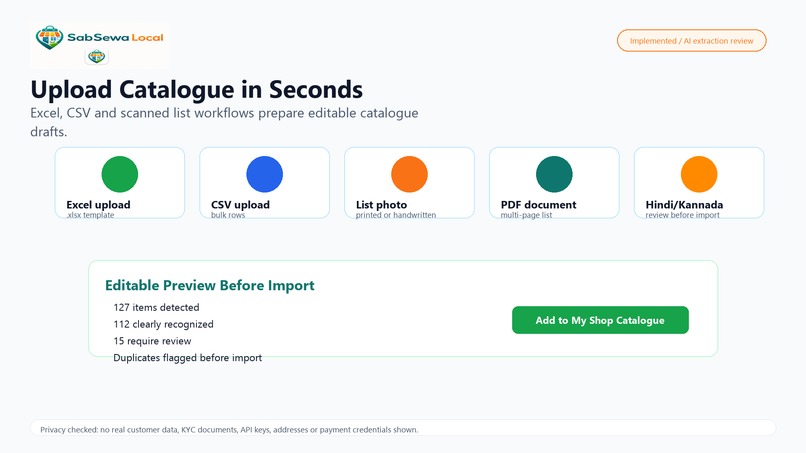
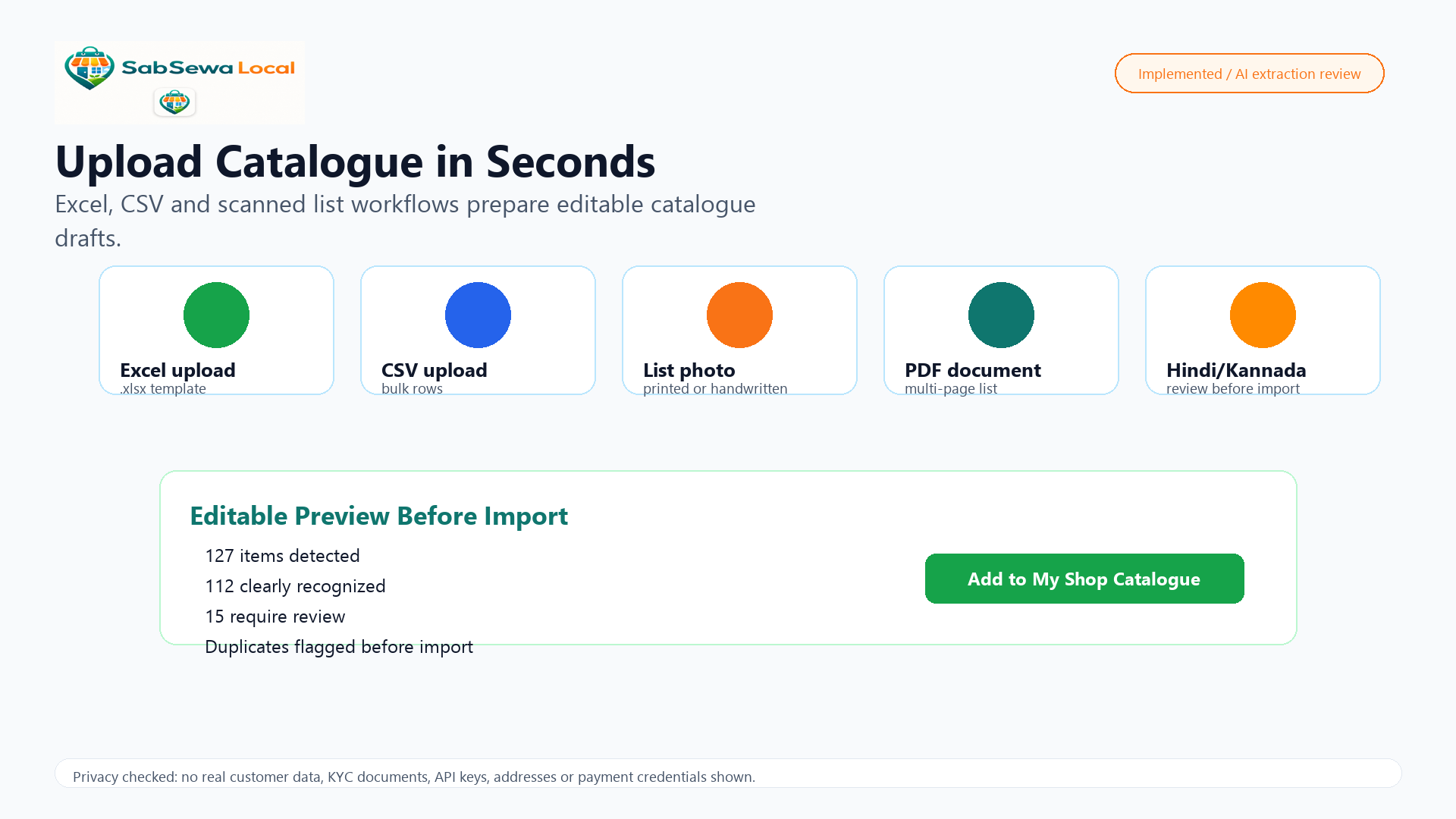
Bulk Catalogue upload
-
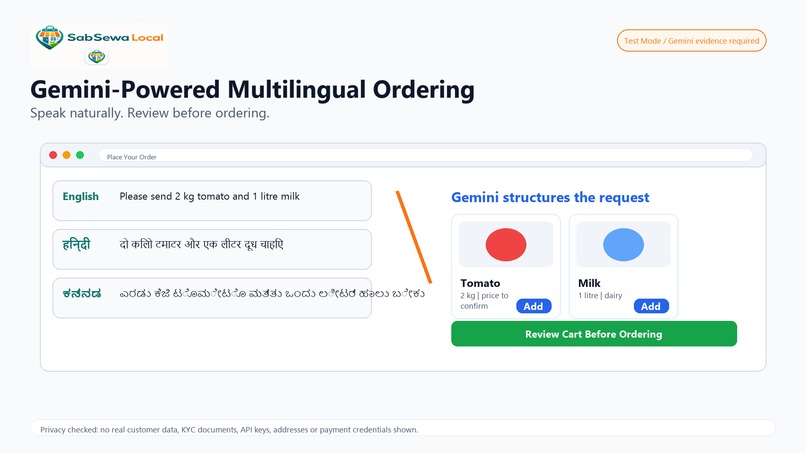
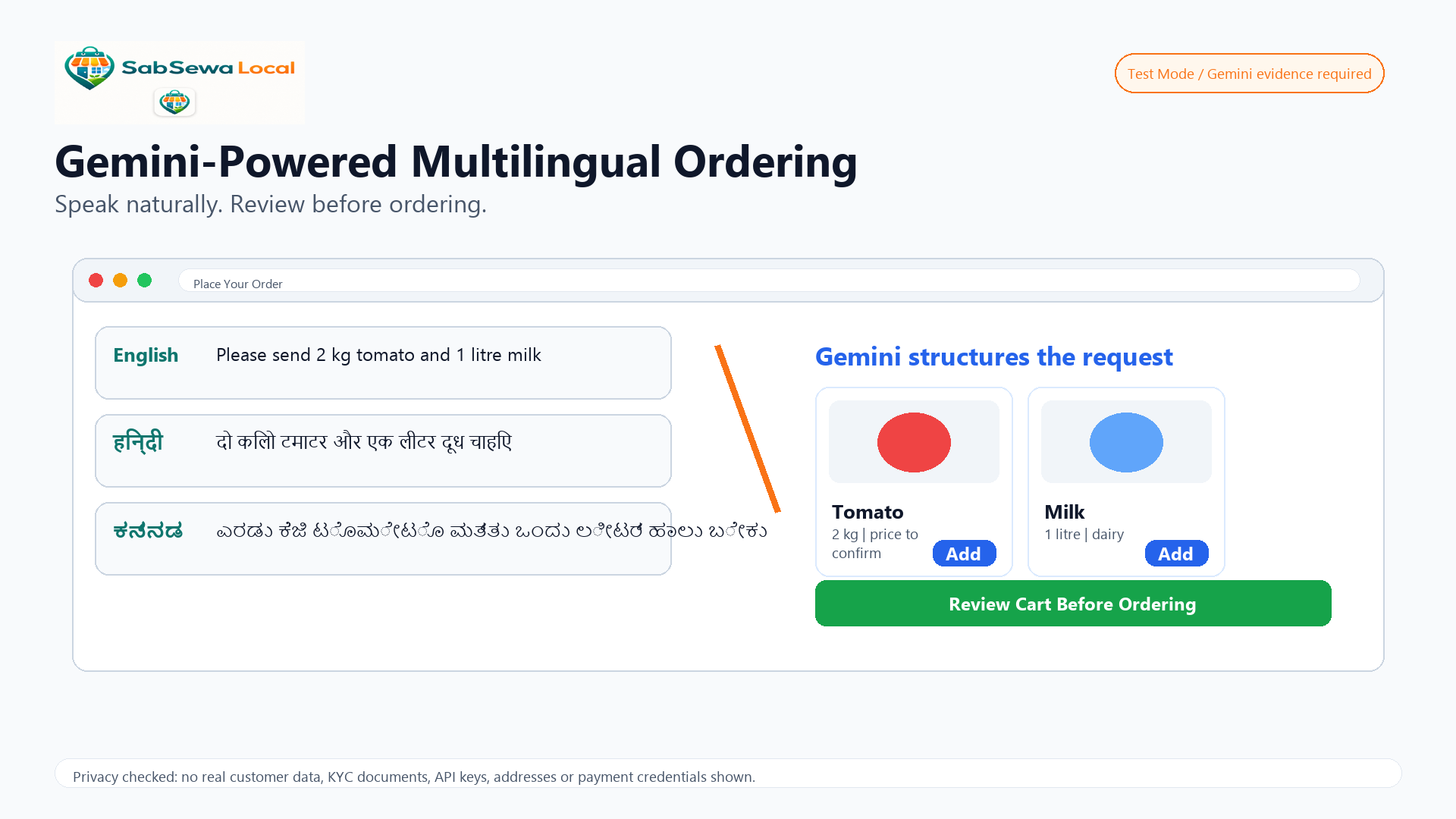
Gemini multilingual ordering
-
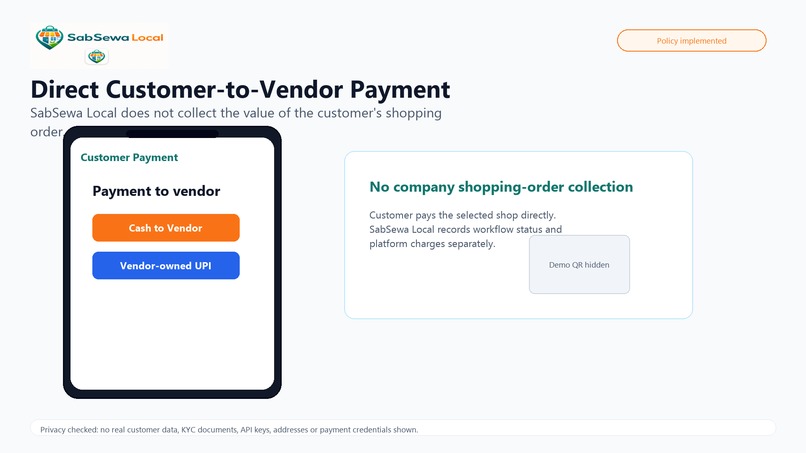
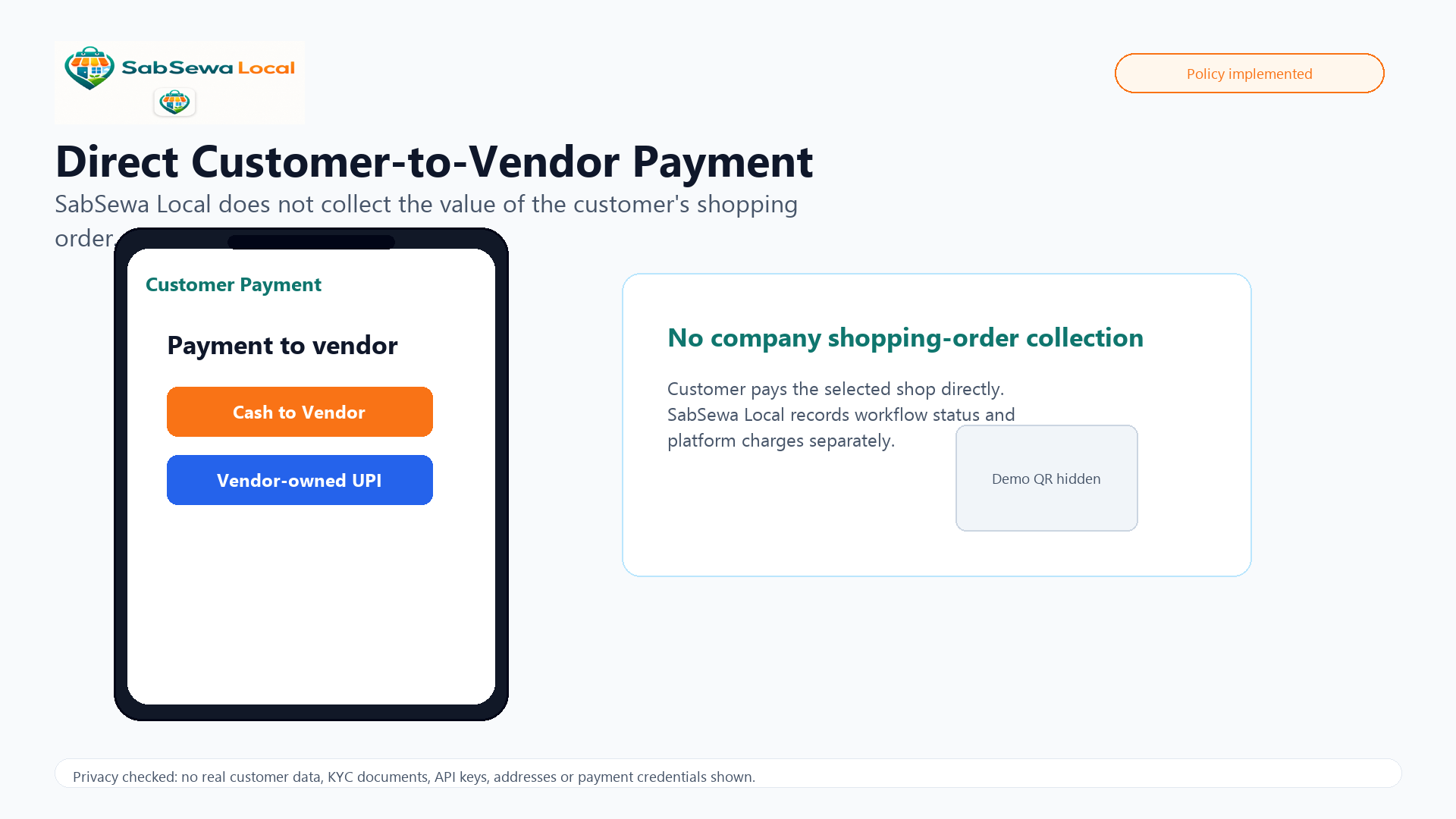
Direct vendor payment
-
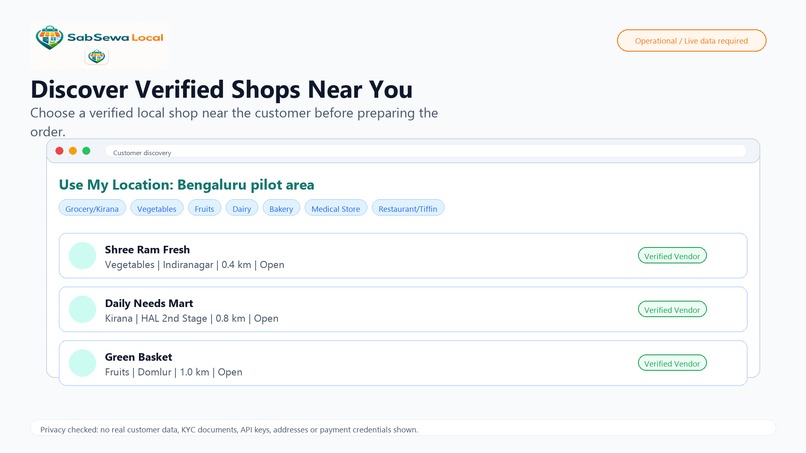
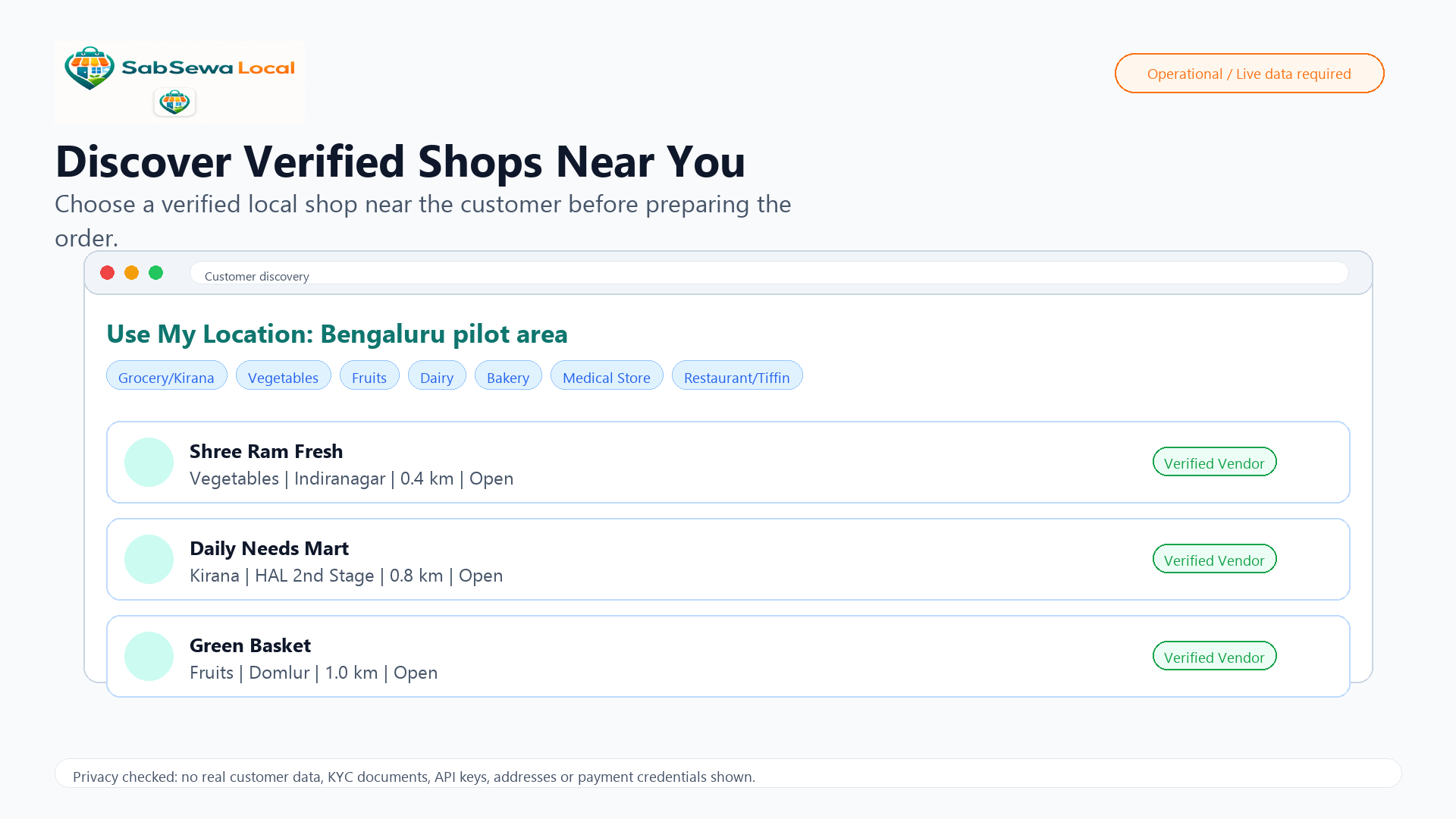
Nearby vendor discovery
-
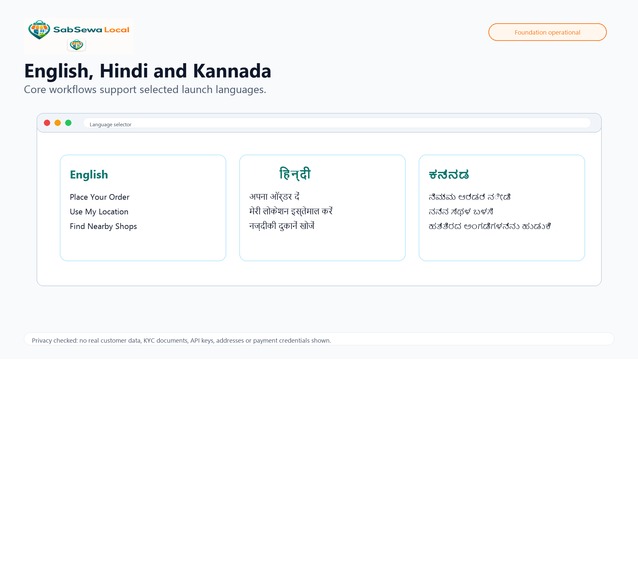
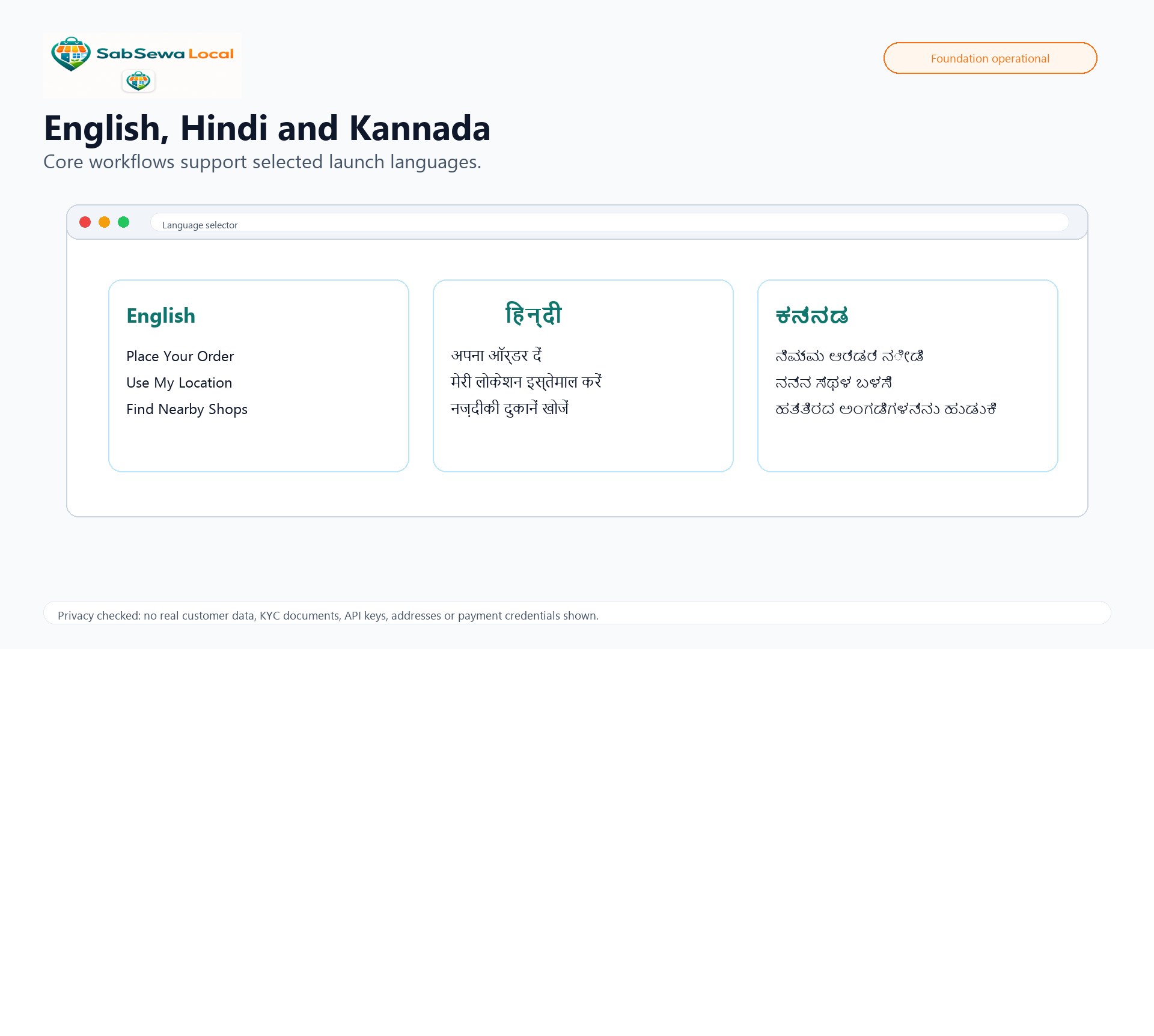
Multilingual interface
-
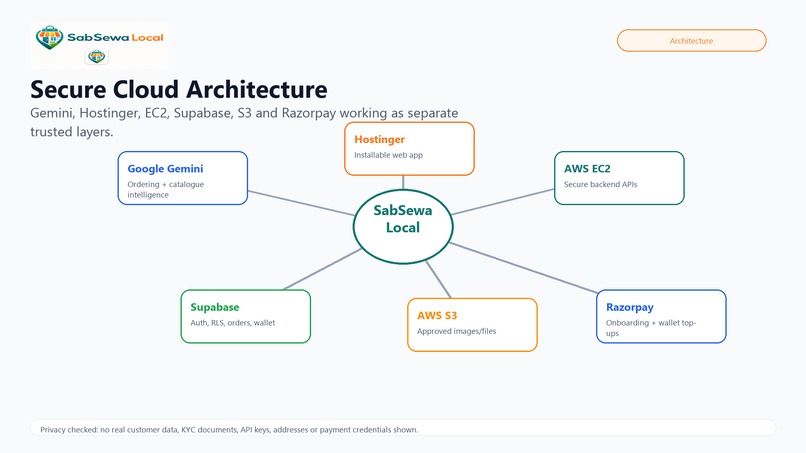
Cloude architecture
-
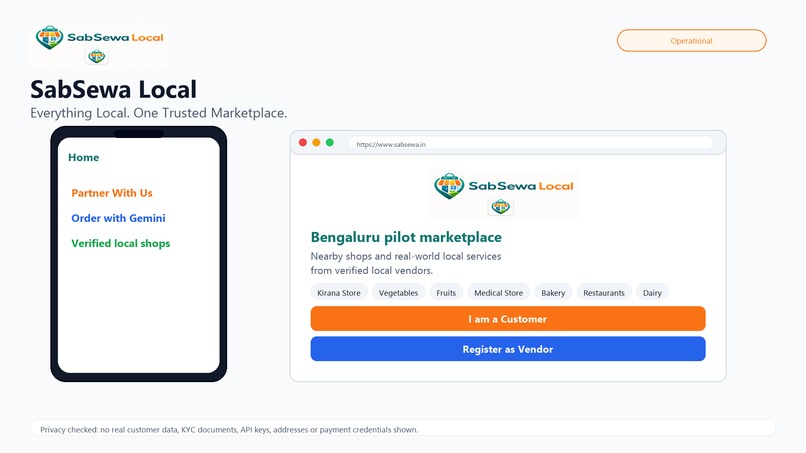
Sabsewa Local Home page
-

Investor pitch

Inspiration
Imagine needing vegetables, milk, groceries, medicines, or another everyday product. Within a few hundred meters of your home, there may be several neighborhood businesses ready to serve you. They know the locality, often know their customers personally, deliver during emergencies, and sometimes even extend informal credit—“Udhaar”—because the relationship has been built over years.
Yet when we need something today, our first instinct is often to open a large e-commerce application and order from a warehouse located several kilometers away.
The shop just around the corner may be physically closer, but digitally invisible.
That contradiction inspired SabSewa Local.
Across India, millions of kirana stores, vegetable and fruit sellers, pharmacies, restaurants, bakeries, dairy stores, hardware shops, home-based businesses, and other neighborhood vendors already have products, customers, local knowledge, and trust. What many of them lack is affordable access to the digital infrastructure and AI capabilities available to larger businesses.
We did not want to build another marketplace that takes control away from local vendors.
We wanted to build technology that puts control back into their hands.
Our belief is simple:
“If technology can connect the world, it should first connect neighborhoods.”
SabSewa Local therefore combines hyperlocal commerce with AI while preserving the independence of local businesses.
The vendor decides what to sell, how much to charge, how to deliver, whether to give credit to a trusted customer, and how to maintain that relationship.
We are not trying to replace the neighborhood shopkeeper.
We are giving the neighborhood shopkeeper digital superpowers.
And at the heart of that transformation is Google Gemini.
What It Does
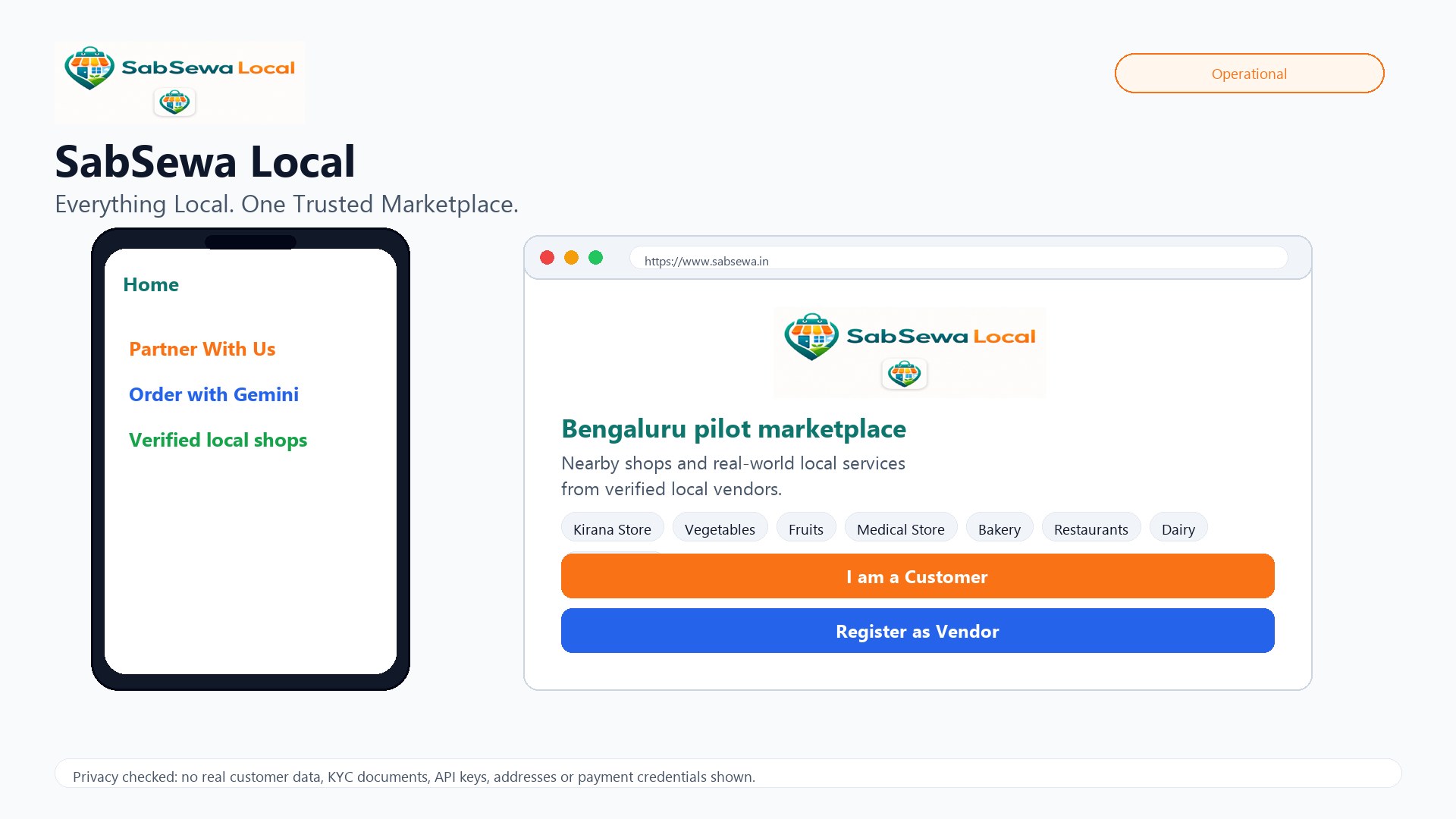
SabSewa Local is an AI-powered hyperlocal marketplace connecting customers with nearby independent vendors.
The platform prioritizes businesses within approximately 500 metres to 2 kilometres and can expand discovery up to around 10 kilometres when the required product is unavailable closer to the customer.
Instead of beginning with distant warehouses, SabSewa asks a different question:
“Who nearby already has what you need?”
For Customers
Customers can:
- Discover nearby local shops and products.
- Search using normal conversational language.
- Search across multiple supported languages.
- Compare vendors based on proximity, products, prices, availability, and other relevant information.
- Order from vendors they already know or discover completely new businesses nearby.
- Choose home delivery or other supported fulfilment options.
- Pay the vendor directly through the vendor's UPI QR code, cash, or another supported method.
- Continue using neighborhood credit or Udhaar where a vendor chooses to offer it.
- Repay outstanding credit later by accessing the vendor's QR code directly from the application.
- Receive dispatch notifications showing items, quantities, rates, and the total amount payable.
- Track order progress and communicate with the vendor.
A customer does not need an existing relationship with a vendor to order from them.
The purpose of SabSewa is precisely to make previously undiscovered neighborhood businesses visible.
Preserving the Neighborhood Credit Relationship
One of SabSewa Local's most distinctive features is something that large marketplaces rarely reproduce effectively:
Trust-based neighborhood credit.
Local shopkeepers have traditionally allowed reliable customers to purchase essential products and pay later.
SabSewa does not eliminate that relationship.
It digitizes it.
A vendor may choose to extend credit to a trusted customer according to their own business policy. The outstanding amount remains visible in the credit ledger, and the customer can access the vendor's QR code later to repay the amount without requiring another delivery.
Timely repayment can help preserve the relationship and allow the vendor to continue extending credit.
We are not merely digitizing shops—we are digitizing neighborhood trust.
For Vendors
SabSewa gives independent vendors their own digital storefront while allowing them to retain control of their business.
Vendors can:
- Complete verified digital onboarding.
- Create one or more independently managed shop terminals.
- Build an online storefront.
- Select products in bulk from the SabSewa Master Product Catalogue.
- Maintain their own prices and availability.
- Replace default catalogue images with photographs of products actually available in their shop.
- Photograph and add new products directly using the phone camera.
- Receive and accept nearby customer orders.
- Define their own delivery policies.
- Offer free delivery above their chosen minimum order value.
- Charge their own delivery fee below that threshold.
- Waive delivery charges for individual customers whenever they wish.
- Accept cash, UPI QR, or provide credit according to their own judgement.
- Maintain independent inventory and customer relationships.
SabSewa does not own the vendor's inventory or delivery fleet.
The local business remains local and independent.
Making Digital Commerce Easier for Small Vendors
One of the biggest barriers for small businesses is not willingness—it is complexity.
A shopkeeper should not have to become a technology expert just to sell online.
SabSewa therefore maintains a centralized Master Product Catalogue.
Instead of typing every product manually, a vendor can select a category and choose multiple products at once.
For example, a vegetable vendor can select all vegetables available in the shop in one operation and immediately build a storefront.
Standard catalogue information can include:
- Product name
- Category
- Subcategory
- Standard image
- Unit
- Search terms
- Multilingual product names
The vendor mainly manages information that is unique to their shop:
- Price
- Stock
- Availability
- Vendor-specific image
- Brand or variant where applicable
This substantially reduces typing, spelling mistakes, onboarding time, and digital-literacy barriers.
Camera-Based Product Upload
If a product does not exist in the Master Product Catalogue—or if the vendor wants to replace the standard image—the vendor can simply:
Open SabSewa → Take Photo → Enter Product Name → Enter Price → Publish
The vendor does not need to photograph the item separately, save it to the gallery, return to the application, and upload it manually.
The application can capture the product directly through the phone camera, optimize the image for storage, and prepare it for the vendor's storefront.
This makes catalogue creation practical even for vendors with limited digital experience.
How Google Gemini Powers SabSewa
Google Gemini is not being used merely as a chatbot.
It functions as the intelligence layer of SabSewa Local.
For customers, Gemini helps understand conversational and multilingual shopping intent.
A customer may ask:
“Where can I get fresh vegetables near me?”
or:
“Which nearby shop can deliver milk today?”
Instead of relying only on exact keyword matching, Gemini helps interpret what the customer actually wants and supports relevant local product and vendor discovery.
For vendors, Gemini can assist with:
- Product identification.
- Product categorization.
- Standardized English product names.
- Multilingual product-name generation.
- Product descriptions.
- Search keywords.
- Duplicate-product detection.
- Catalogue enrichment.
- Local-language accessibility.
- Promotional content.
- Business insights.
- Inventory and demand assistance.
Gemini also supports the product-safety workflow.
When a vendor uploads a new product, AI can examine the product name and image and flag items that appear suspicious, restricted, regulated, or potentially subject to licensing requirements.
Instead of pretending AI can make a final legal determination, potentially sensitive products are held for additional verification where appropriate.
This allows AI to reduce administrative workload while keeping human oversight for important decisions.
AI-Assisted Master Catalogue Growth
Vendor-added products can also help expand the SabSewa Master Product Catalogue.
When an appropriate new product is uploaded:
- It can immediately remain available in the originating vendor's store.
- A provisional Master Catalogue record can be created.
- Gemini can standardize its name and catalogue information.
- Duplicate and risk checks can be performed.
- The product can remain temporarily hidden from other vendors during a review window.
- Administrators can approve, correct, merge, or reject it.
- Low-risk items can move into the reusable catalogue according to configured moderation rules.
This allows SabSewa's catalogue to grow organically with the businesses using it instead of requiring a large team to manually build every product record.
Trusted Vendor Onboarding
Customer trust begins with knowing who is selling to them.
SabSewa therefore includes structured vendor onboarding covering:
- Owner identity/KYC.
- Shop information.
- Business category.
- Applicable licences where required.
- Category-specific documentation.
- Platform onboarding.
- Payment verification.
- Individual shop/terminal activation.
A vendor with multiple physical shops can manage them from the same ecosystem, but each shop is treated as a separate terminal with its own onboarding, catalogue, orders, billing, and operational status.
Verified status can then help customers make a more informed decision before purchasing.
Sensitive KYC information itself is not intended for public display.
Sustainable Vendor Business Model
We wanted SabSewa to remain affordable for small vendors while also becoming commercially sustainable.
Vendors can choose between Pay As You Go and monthly plans.
Pay As You Go
Category-based platform charges apply only to eligible completed orders, currently structured around:
- ₹15 + GST for Fruits & Vegetables
- ₹20 + GST for Kirana / General Store
- ₹25 + GST for Pharmacy / Medical
- ₹25 + GST for Restaurant / Food
- Configurable rates for other categories
Monthly Plans
Current subscription structure:
Standard
- Up to 300 eligible orders/month
- ₹3,000 + applicable GST
Plus
- Up to 750 eligible orders/month
- ₹7,000 + applicable GST
Pro
- Up to 1,500 eligible orders/month
- ₹13,500 + applicable GST
Once the included order limit is crossed, a configurable plan-specific overage charge can apply.
The model is designed so that small vendors can begin affordably while higher-volume businesses contribute proportionately to the infrastructure they consume.
Refundable Security / Advance Wallet
SabSewa also uses a transparent security-deposit and advance-billing mechanism.
For Pay As You Go vendors, the security balance begins at a fixed level and eligible platform charges plus applicable GST can be adjusted against it.
Subscription-plan security levels are linked to the selected plan.
The vendor can see:
- Required security amount.
- Current available balance.
- Platform charges adjusted.
- GST adjustments.
- Recharge requirement.
- Billing history.
If the wallet becomes low, the vendor receives advance notification.
If the available balance is eventually exhausted, only the affected shop terminal may be temporarily placed on billing hold for new orders until the vendor recharges. Existing accepted orders are not simply abandoned.
A successful recharge can automatically restore the terminal.
This creates a scalable billing model without requiring manual collection of small platform charges after every transaction.
Direct Vendor Payments
Another deliberate architectural decision is that SabSewa does not need to collect every customer's purchase value.
For ordinary product purchases, the customer can pay the vendor directly through:
- Vendor UPI QR
- Google Pay
- PhonePe
- Paytm
- BHIM or another compatible UPI application
- Cash
- Vendor-provided credit
This keeps the relationship and transaction between the customer and local business.
Razorpay is used primarily for Vendor → SabSewa transactions such as onboarding, security recharges, subscriptions, storage upgrades, and other platform services.
This avoids unnecessary complexity while preserving vendor independence.
Partner-Led Local Expansion
SabSewa is also designed for community-led expansion.
Approved partners can help introduce SabSewa to local businesses and assist vendors in joining the platform.
When a vendor is onboarded through an approved referral, the Partner ↔ Vendor relationship can be preserved in the system so qualifying future SabSewa platform revenue can be associated with the appropriate partner commission rules.
This creates an opportunity for SabSewa to grow locality by locality instead of depending entirely on centralized advertising expenditure.
AI-Assisted Administration
We also realized that scaling thousands of neighborhood businesses cannot depend on a large manual administrative team.
SabSewa is therefore moving toward AI-assisted operations.
Routine processes can increasingly be automated, including:
- Product categorization.
- Translation.
- Duplicate detection.
- Product-risk triage.
- Catalogue enrichment.
- Billing reminders.
- Storage alerts.
- Subscription notifications.
- Product-review summaries.
- Vendor/order operational alerts.
- Administrative reporting.
Human administrators remain responsible for higher-risk decisions such as:
- KYC approval or rejection.
- Legal or licensing questions.
- Suspicious products.
- Serious disputes.
- Account suspension.
- Financial penalties.
- Security-deposit forfeiture.
The objective is not to replace administrators.
It is to allow a small administrative team to manage a much larger marketplace by concentrating human attention where judgement actually matters.
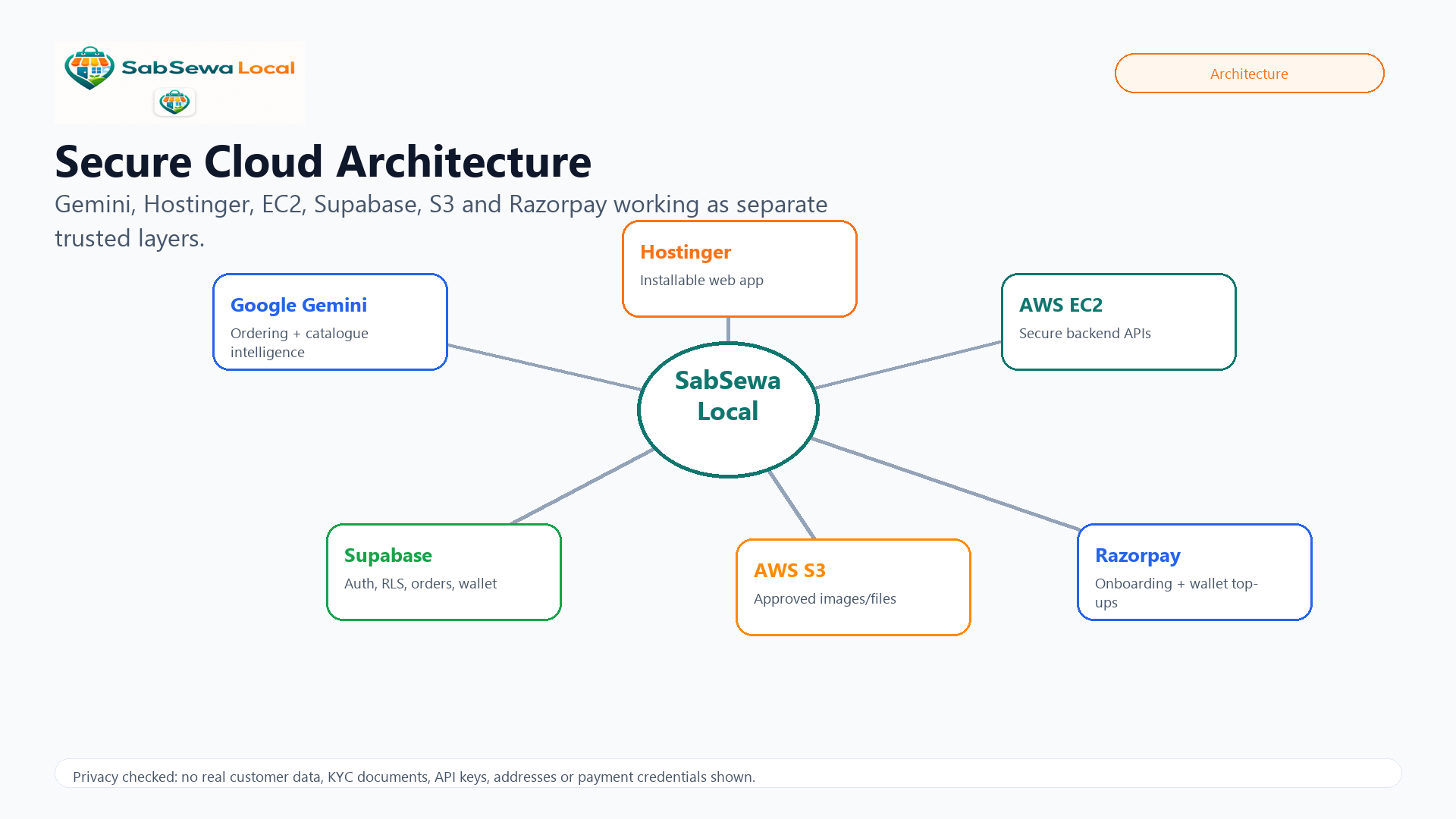
How We Built It
SabSewa Local has been developed with a mobile-first, modular architecture.
Frontend
- React Native
- Expo
- Expo Router
- TypeScript
- Progressive Web App / responsive web experience
Backend & Data
- Supabase
- PostgreSQL
- Authentication
- Row Level Security
- Storage
- Edge Functions
- Real-time data services
AI
- Google Gemini API
- Google AI Studio
Gemini supports natural-language understanding, multilingual experiences, catalogue intelligence, product enrichment, and AI-assisted operational workflows.
Location
Google Maps technologies support hyperlocal vendor discovery and location-aware experiences.
Payments
- Razorpay for Vendor → SabSewa platform transactions.
- Vendor UPI QR/Cash/Credit for Customer → Vendor transactions.
Notifications
Push and in-app notifications are prioritized to reduce recurring communication costs, with paid messaging channels used only where operationally necessary.
Deployment
The web/PWA experience is designed for production deployment while the architecture supports native Android and iOS expansion.
Challenges We Ran Into
The biggest challenge was not simply writing code.
It was deciding what SabSewa should not become.
It would have been easier to copy the traditional marketplace model: centralize inventory, control payments, standardize delivery, and reduce the vendor to another supplier.
We deliberately chose the harder path.
We wanted vendors to retain control.
That required us to rethink:
- Payment architecture.
- Delivery policies.
- Credit.
- Vendor onboarding.
- Individual shop terminals.
- Product ownership.
- Catalogue design.
- KYC.
- Subscription billing.
- Security deposits.
- GST handling.
- Partner commissions.
- Administrative automation.
Technically, we also addressed challenges involving:
- Expo web deployment.
- Cross-platform compatibility.
- Authentication persistence.
- Role-based routing.
- Supabase RLS.
- Admin/CRM workflows.
- Razorpay verification.
- Multilingual persistence.
- Master catalogue scaling.
- Image-storage optimization.
- Secure KYC access.
- AI moderation without over-relying on AI judgement.
Every challenge forced us to understand how a real neighborhood marketplace actually behaves rather than how a theoretical marketplace looks on a whiteboard.
Accomplishments We Are Proud Of
We are proud that SabSewa Local has evolved beyond a simple marketplace prototype.
The platform now represents a broader operating model for neighborhood commerce, including:
- AI-powered hyperlocal product discovery.
- Independent vendor storefronts.
- Vendor-controlled pricing and inventory.
- Master Product Catalogue with bulk selection.
- Camera-based vendor product uploads.
- Multilingual catalogue support.
- AI-assisted catalogue creation.
- Vendor-specific product images.
- Trust-based digital Udhaar.
- Direct customer-to-vendor QR payments.
- Vendor-defined delivery policies.
- Verified vendor onboarding.
- Multi-terminal vendor architecture.
- Razorpay-based platform billing.
- Flexible Pay As You Go and subscription plans.
- Advance security-wallet architecture.
- Partner referral and commission infrastructure.
- AI-assisted administrative workflows.
- A modular foundation capable of supporting a much larger SabSewa ecosystem.
But the achievement we value most is conceptual:
The platform does not require neighborhood businesses to stop behaving like neighborhood businesses in order to become digital.
What We Learned
This project taught us that AI alone does not create impact.
Technology creates impact when it understands the people it is meant to serve.
A small vegetable seller does not necessarily need a complicated ERP.
They may need a camera button that lets them photograph a product and start selling it.
A kirana shopkeeper may not need sophisticated financial software.
They may need a simple screen showing:
Orders received. Wallet balance. Amount to recharge.
A customer may not want to learn the exact catalogue terminology.
They may simply want to ask:
“Where can I get good vegetables nearby?”
We learned that AI is most powerful when it makes technology disappear into the background.
We also learned that automation must have boundaries.
AI can identify patterns, translate languages, categorize products, flag risks, and summarize operational problems.
But identity verification, legal decisions, disputes, and serious enforcement decisions still require responsible human oversight.
Most importantly:
AI should not replace the local entrepreneur—it should increase what that entrepreneur is capable of doing.
What's Next for SabSewa Local
Our next phase is focused on deeper AI-native operations and broader commercial deployment.
The roadmap includes:
- Multilingual voice shopping in Indian languages.
- Gemini-powered conversational commerce.
- Automated catalogue creation from product photographs.
- Smarter duplicate-product detection.
- AI inventory forecasting.
- Predictive local demand analysis.
- Personalized customer recommendations.
- Automated vendor marketing suggestions.
- AI-generated business analytics.
- Conversational business assistance for small vendors.
- Increased administrative automation.
- Better fraud and product-risk detection.
- Digital loyalty programs.
- Offline-first capabilities.
- Native Android and iOS expansion.
- Expansion across multiple neighborhoods and cities.
SabSewa Local is also the first application in the broader SabSewa ecosystem.
Future independent applications include:
SabSewa Pro Verified local labour and home services.
SabSewa SHG Community emergency response and neighborhood mutual assistance.
SabSewa Job Employment opportunities connecting local job seekers, skilled workers, professionals, and employers.
Together, these platforms are intended to create a digital ecosystem built around one central idea:
Use technology to strengthen communities rather than remove the relationships that make communities work.
Because the future of commerce does not have to be only about bigger warehouses, longer supply chains, and increasingly distant transactions.
Sometimes the smartest, fastest, and most trusted marketplace is already there.
It is the one just around the corner.
Built With
- amazon-web-services
- aws-ec2
- css3
- expo-router
- expo.io
- express.js
- gemini-api
- google-ai-studio
- google-cloud
- hostinger.-pwa.-html5
- javascript
- json
- node.js
- pm2
- postgresql
- razorpay
- react-native
- rest-api
- supabase
- twilio
- typescript


Log in or sign up for Devpost to join the conversation.