Inspiration
We were inspired by the applications of AI in healthcare. Since we have previous experience with implementing AI in healthcare, we wanted to see how else AI can be applied to different healthcare areas.
What it does
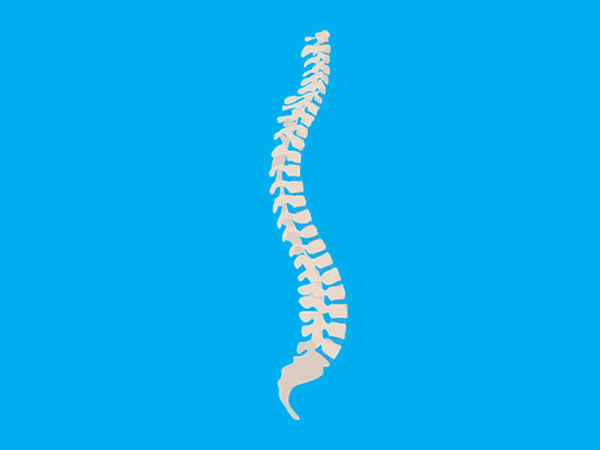
Our system measures the Cobb angle from radiographs of scoliosis patients. The input is first fed through a neural network (which computes landmarks on the spine) and then the Cobb angle is calculated from the landmarks output from the neural network.
How we built it
We built it using deep learning. We used Python, PyTorch and Microsoft Azure in our tech stack.
Challenges we ran into
We had some, but not a lot of experience with PyTorch prior to starting this hackaton. During the hackaton, we had to figure out a lot of PyTorch related things. However, the biggest challenge was the small dataset we were dealing with. We had 481 images (and their corresponding landmarks) intended for training. Dealing with a small dataset is always a challenging task, particularly with deep learning.
Accomplishments that we're proud of
We were able to implement a fully functional system from the ground up. We were faced with frameworks we weren't exposed to much before and with plethora of other challenges. We overcame them all and we're proud of that.
What we learned
We became much more familiar with PyTorch. We also learned how to calculate the Cobb angles from coronal radiographs.
What's next for S4SDet
See where else we can apply our AI skills.
Built With
- annotation
- azure
- custom
- machine-learning
- python
- pytorch

Log in or sign up for Devpost to join the conversation.