

Inspiration
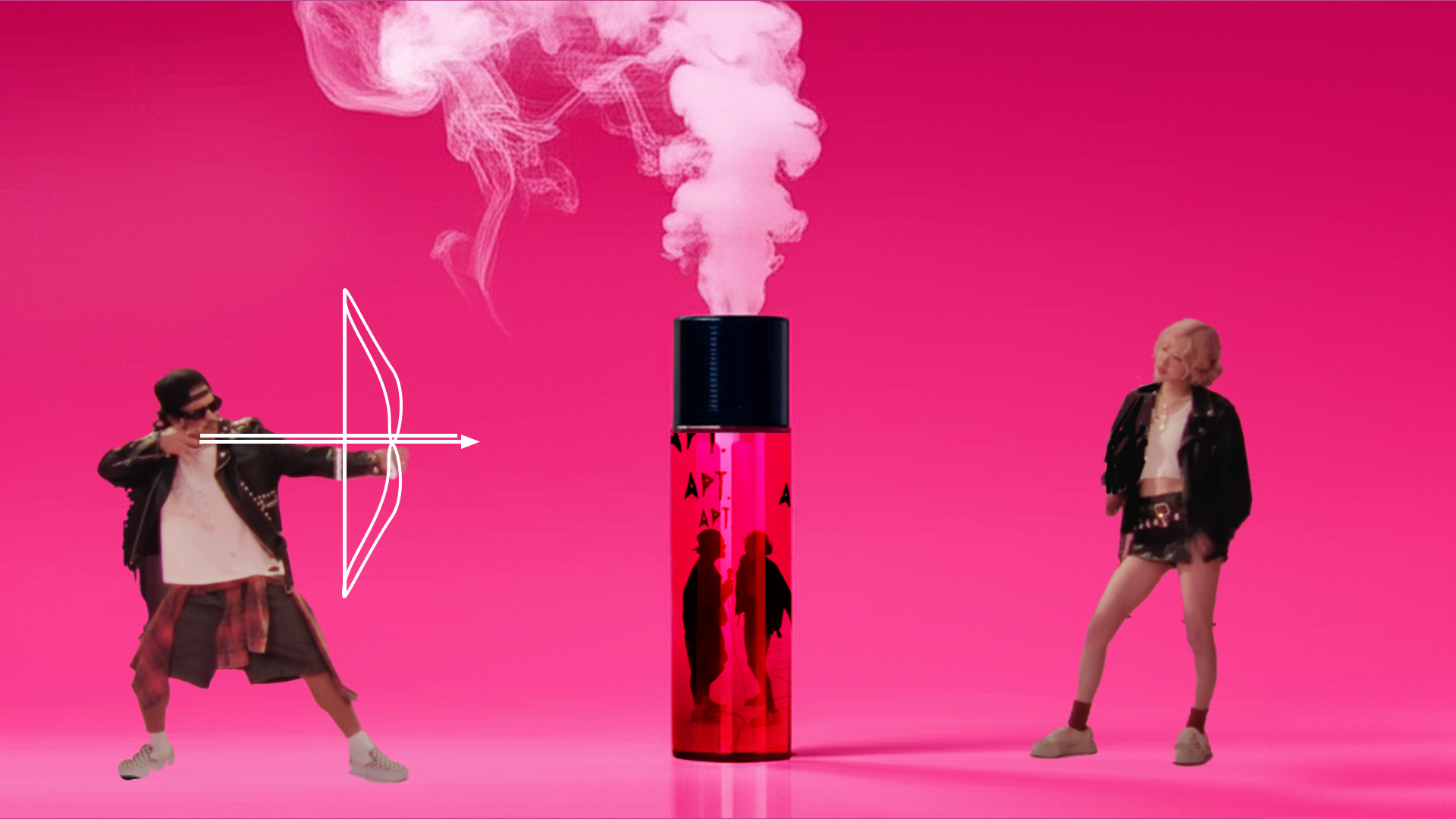
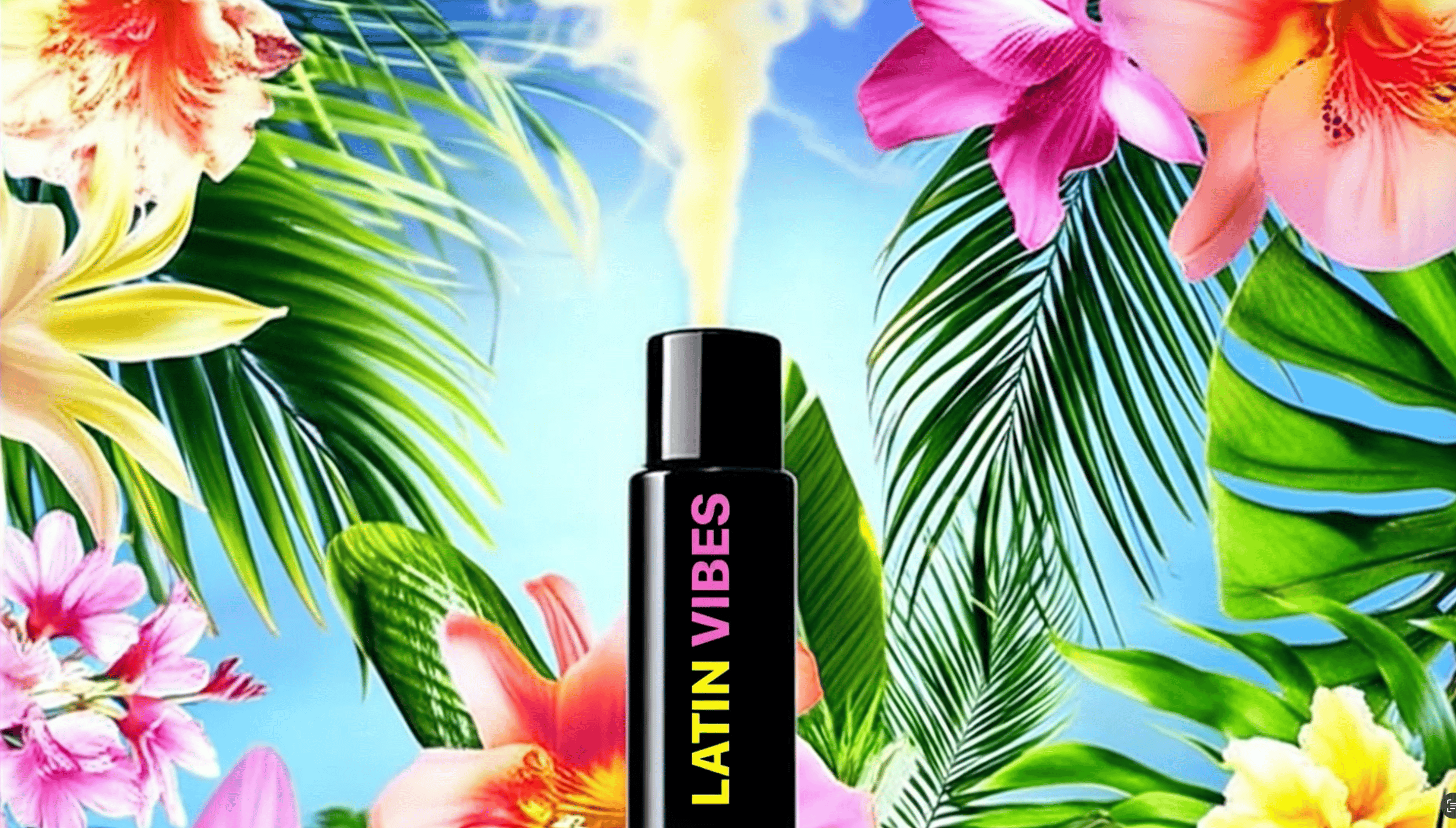
mVibe was born from a desire to merge emotional technology with daily wellness. Music and scent are two of the most powerful emotional triggers, yet they've rarely been connected in a meaningful, personalized way.
The question was simple: What if music could be experienced not only through sound, but also through scent? This led to the creation of mVibe — a multi-sensory platform that brings together AI, music, scent, and smart hardware to enhance emotional experiences.
What it does
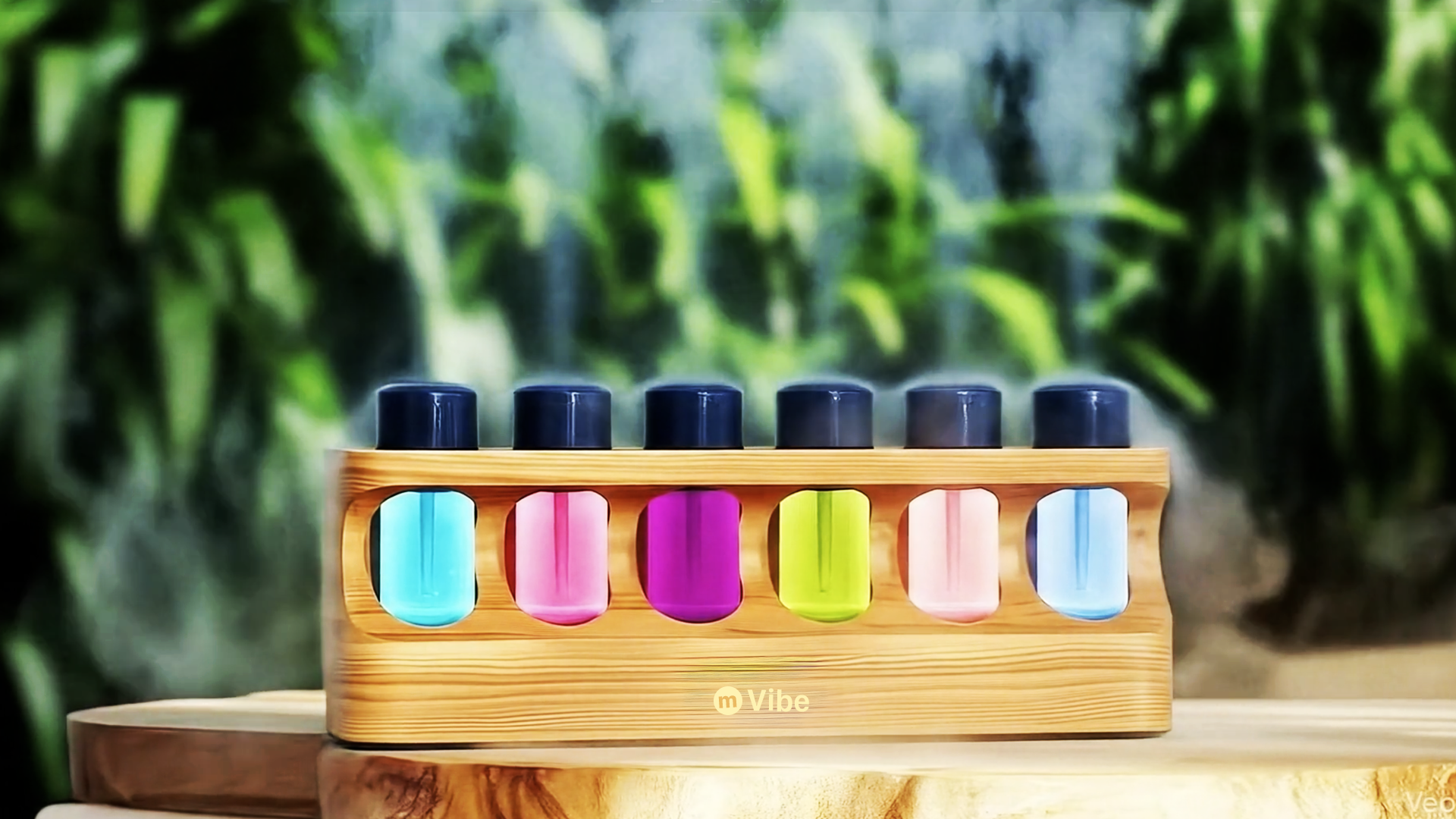
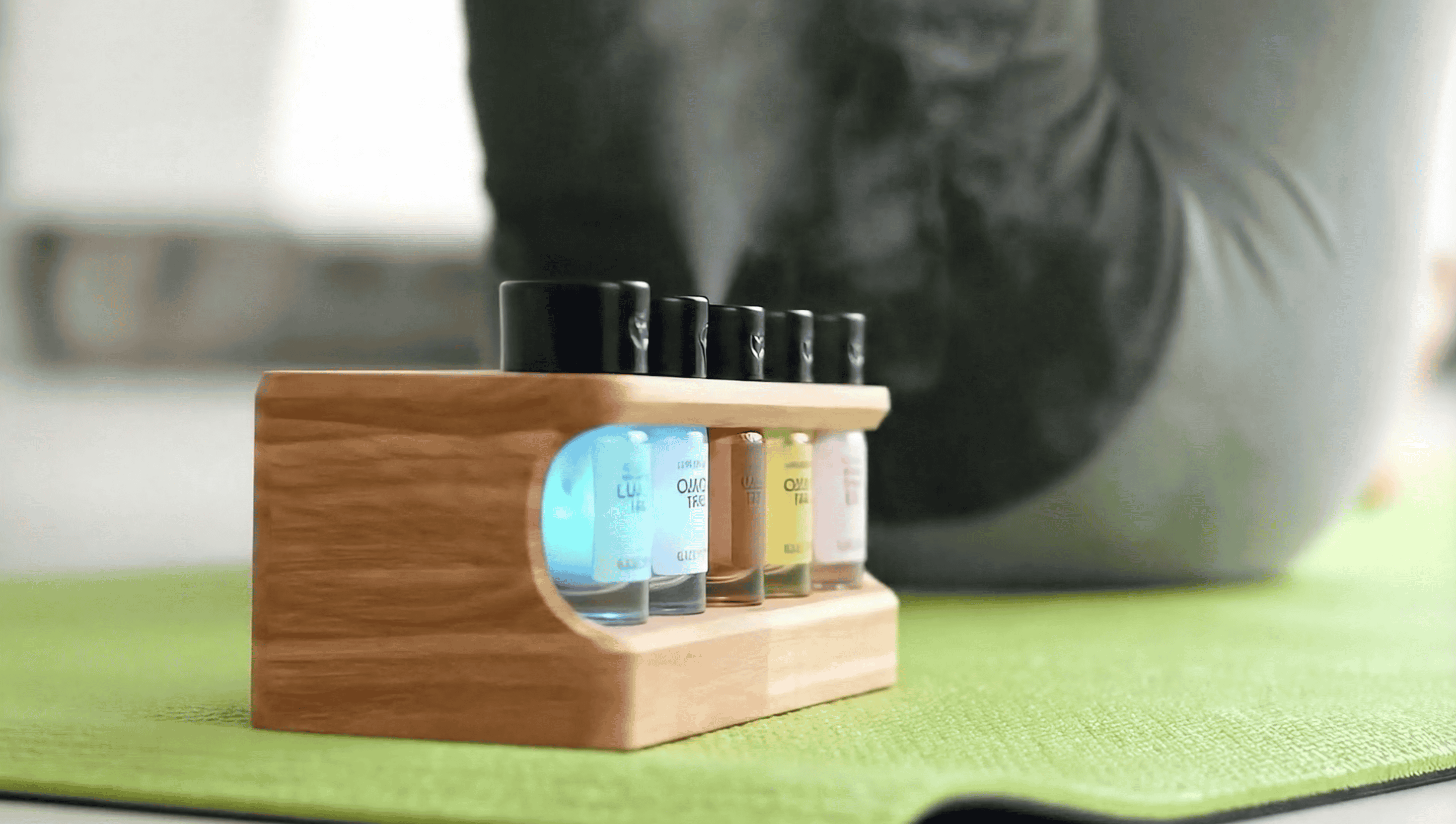
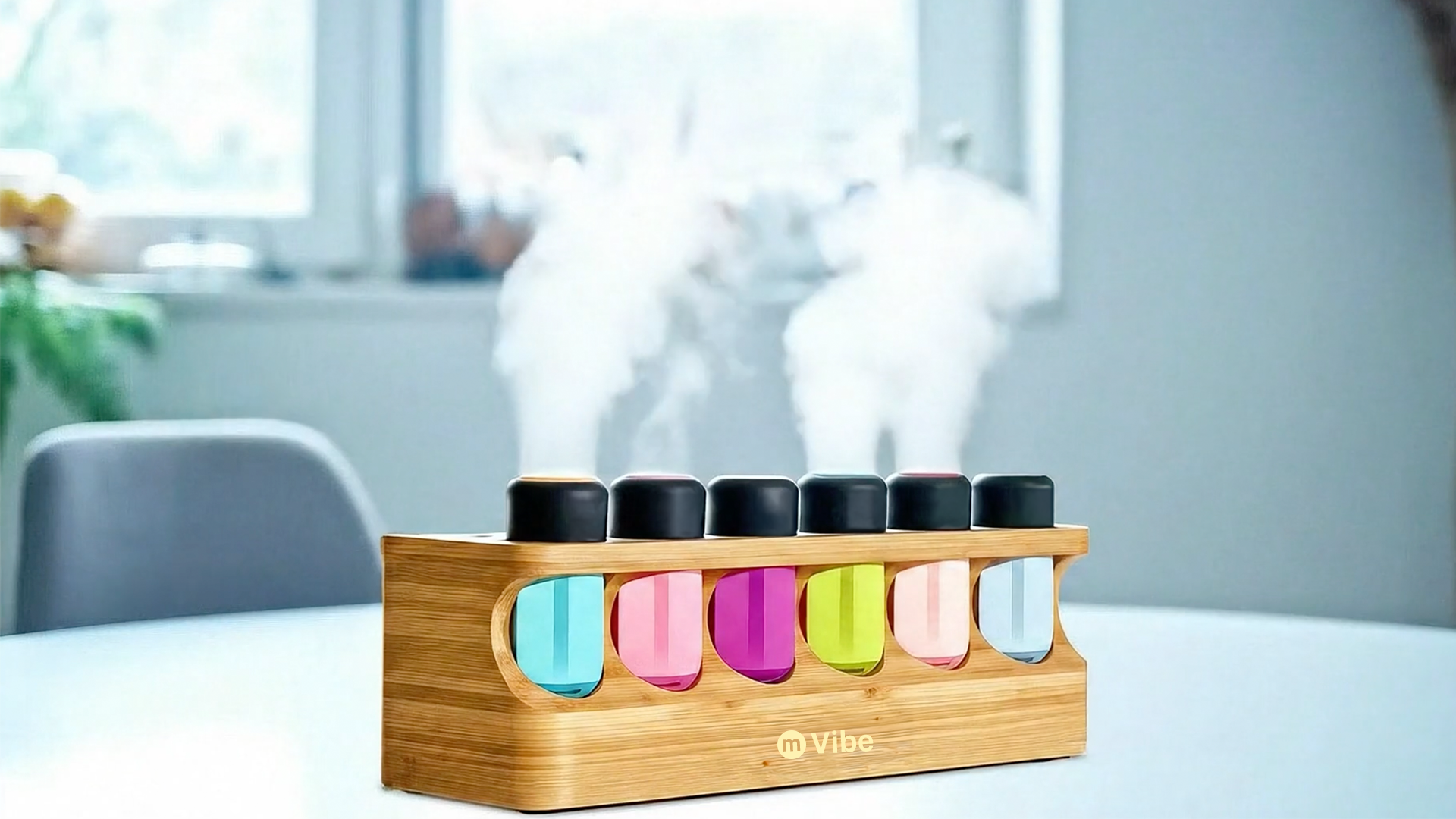
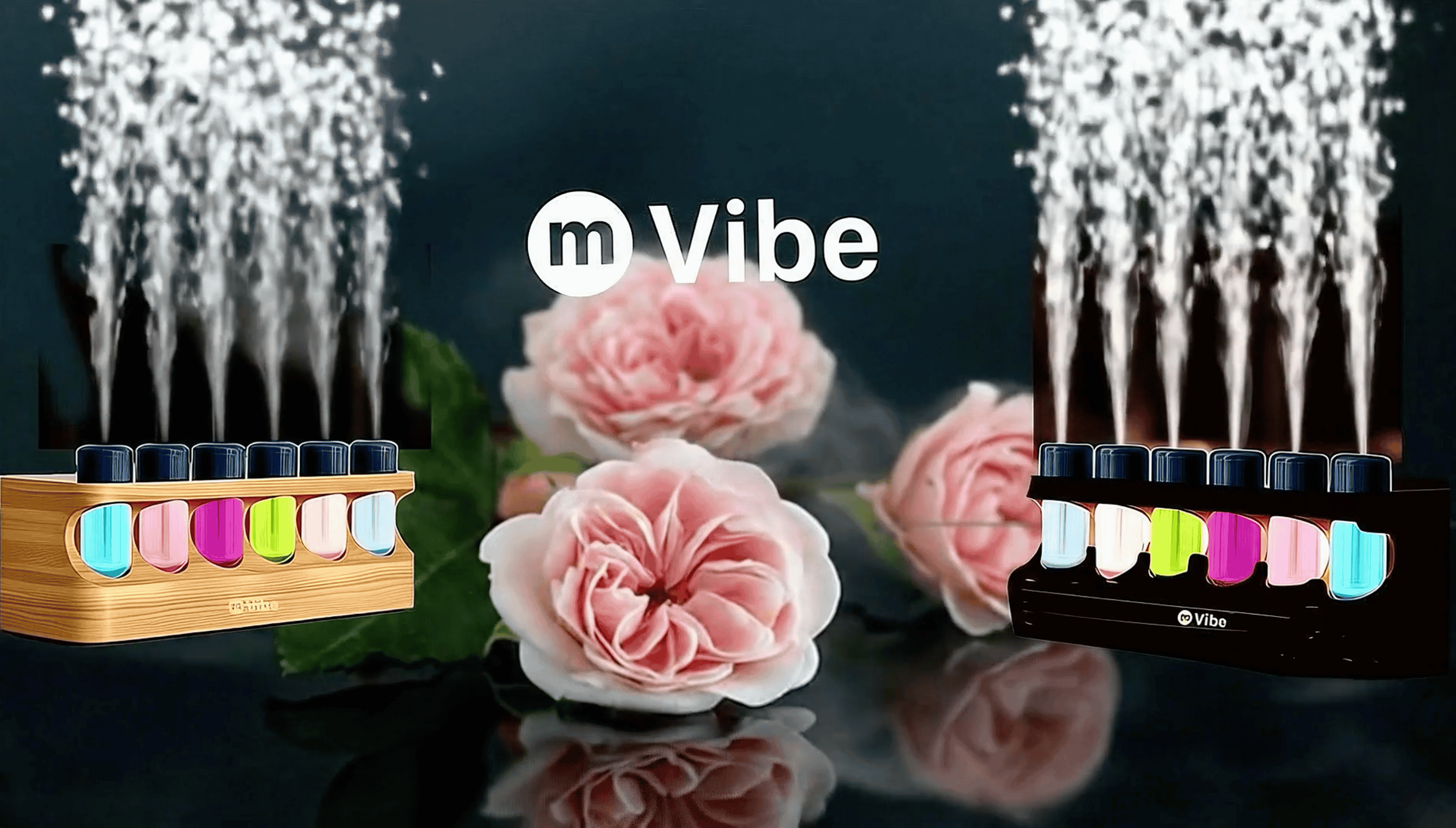
mVibe is an AI-powered scent platform that converts music, mood, and context into personalized aroma experiences — delivered through smart diffuser hardware and a web/mobile application.
Key Features:
AI-generated scent blends based on mood, music, and intention
Smart diffuser with synchronized LED lighting and ultrasonic dispersal
Cross-platform experience built on Bolt, accessible via web and mobile (coming soon)
Integration with Spotify to analyze tempo, genre, and emotional tone
Real-time personalization powered by OpenAI and Tavus
Seamless data and content integration via Pica
Community features: save custom blends, explore trending recipes, follow scent creators, and share personalized blends
How it was built
The digital platform was developed on Bolt to enable a scalable, modular design
The backend integrates Spotify APIs to analyze musical attributes
OpenAI and Tavus were used to power a dynamic scent assistant and personalized wellness agent
Hardware prototyping included a custom Wi-Fi-enabled smart diffuser with ambient LED lighting
Content delivery and user profile interactions were streamlined using Pica
A cloud-based system enables sharing and discovery of scent recipes across a connected user base
Challenges encountered
Translating audio and emotional input into accurate scent profiles
Achieving seamless hardware-software integration for real-time sync
Designing an intuitive user experience for multi-sensory personalization
Balancing AI-driven creativity with safety, scent formulation best practices, and diffuser limitations
Accomplishments
Developed a working prototype of both the platform and diffuser hardware
Successfully integrated multiple third-party systems: Spotify, OpenAI, Tavus, and Pica
Designed a unified digital scent library with save, follow, and share functionalities
Created a modular architecture suitable for future expansion and cross-platform scalability
Received strong positive feedback on emotional impact and multi-sensory engagement during testing
Lessons learned
Multi-sensory design requires a new level of precision and coordination between input, output, and user expectation
Emotional technology is most impactful when customizable and grounded in daily routines
Social features increase retention — users want to explore, remix, and share scent-based experiences
Interoperability with music and wellness ecosystems (e.g., Spotify, meditation apps) adds significant value
What’s next for mVibe
Launch of native iOS and Android apps
Hardware refinement and manufacturing for early access rollout
Deeper integration with music and health platforms (Spotify, Apple Music, Google Fit)
Expansion of scent library through curated influencer and brand partnerships
Scaled personalization powered by enhanced AI agent capabilities via OpenAI and Tavus
Exploration of wellness applications including sleep support, productivity enhancement, and ambient therapy
Built With
- bolt
- netlify
- openai
- spotify
- tavus


Log in or sign up for Devpost to join the conversation.