Inspiration
Humanity has always looked up to the stars in fascination, never more than in times like now when anxiety and isolation are the norm.
What it does
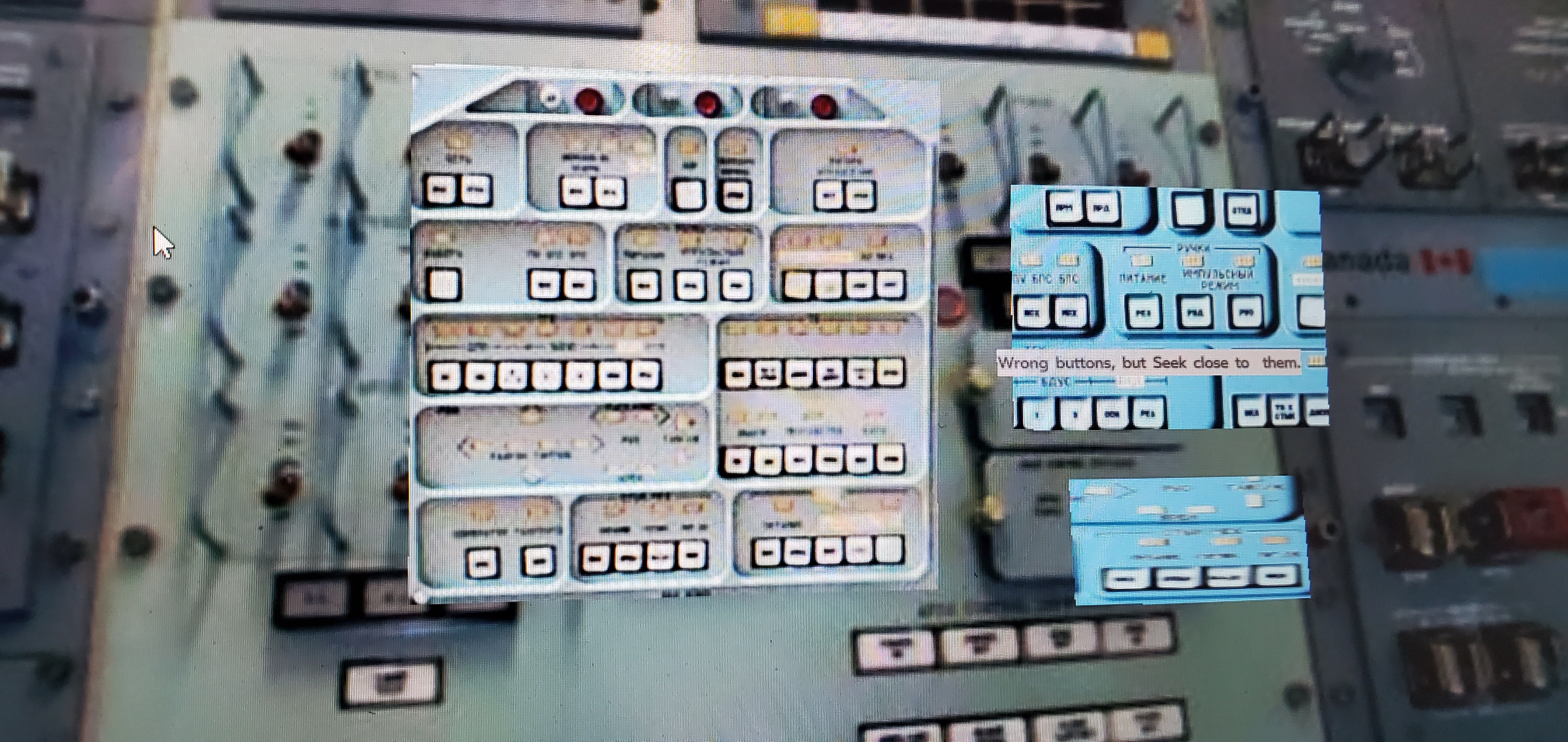
Using VR (or WebVR if you use it in browser) it allows you to interact with elements and puzzles within different sections of the I.S.S.
How I built it
It was built using equirectangular images of the I.S.S. in React. It uses React-360 and Three.js, along with JSX and WebVR extensions to create an interactive VR environment with music, sound effects, lighting and several components.
Challenges I ran into
The code for React-VR (legacy) and React-360 is not as extensively updated or maleable. Debugging can be very time consuming and unpredictable. Core-js and React-native major changes happened or deprecation happened during development.
Accomplishments that I'm proud of
Creating the main VR code and experience solo.
What I learned
How to plan and execute coding for 3D environments. React-native. Patience.
What's next for S.O.S. Space Orbital Station
Including new sections of International Space Station and bringing a new option for mobile with an AR version.
Built With
- css
- html5
- jsx
- pwa
- react
- react-360
- react-native
- three.js

Log in or sign up for Devpost to join the conversation.