-
-
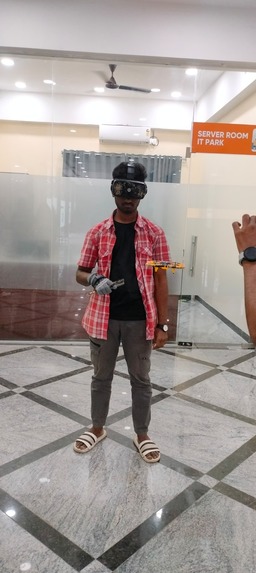
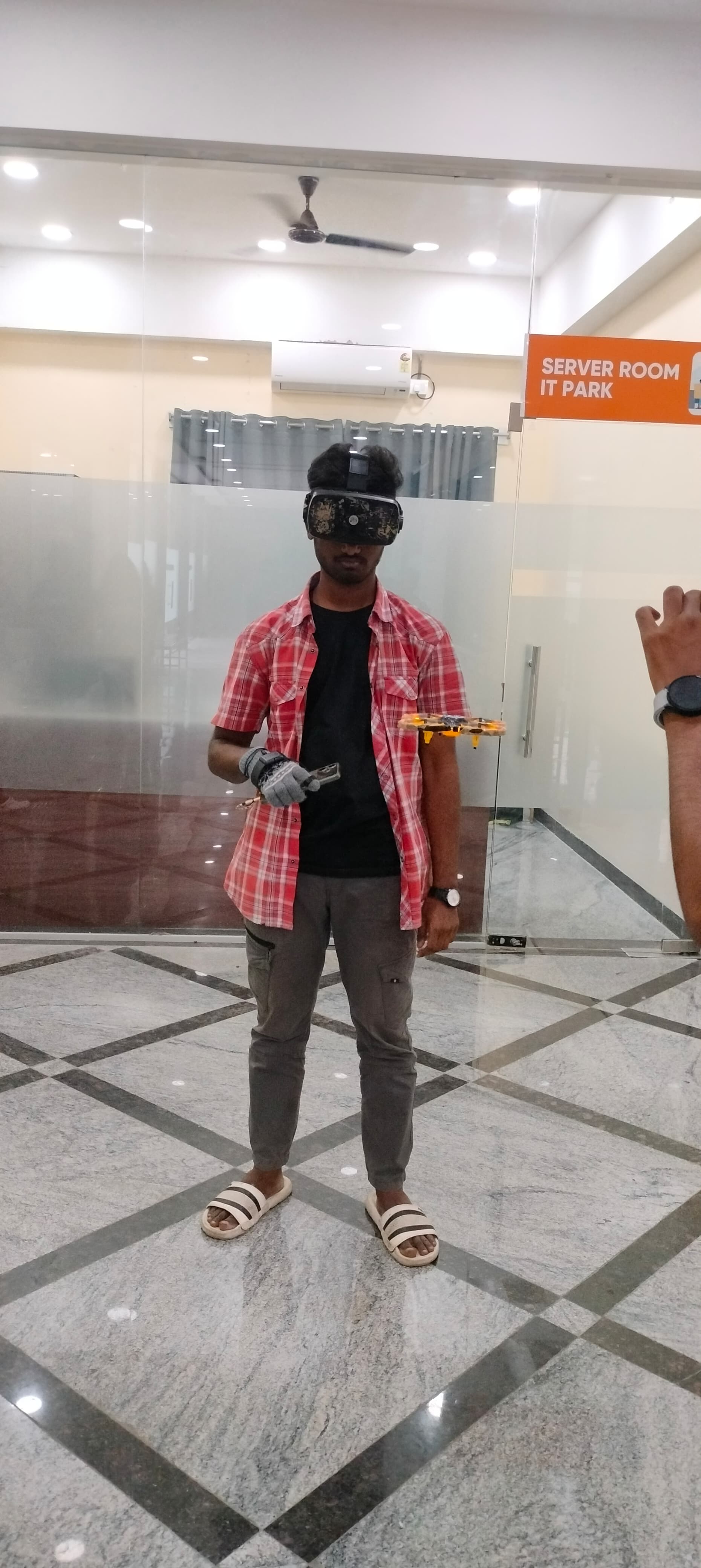
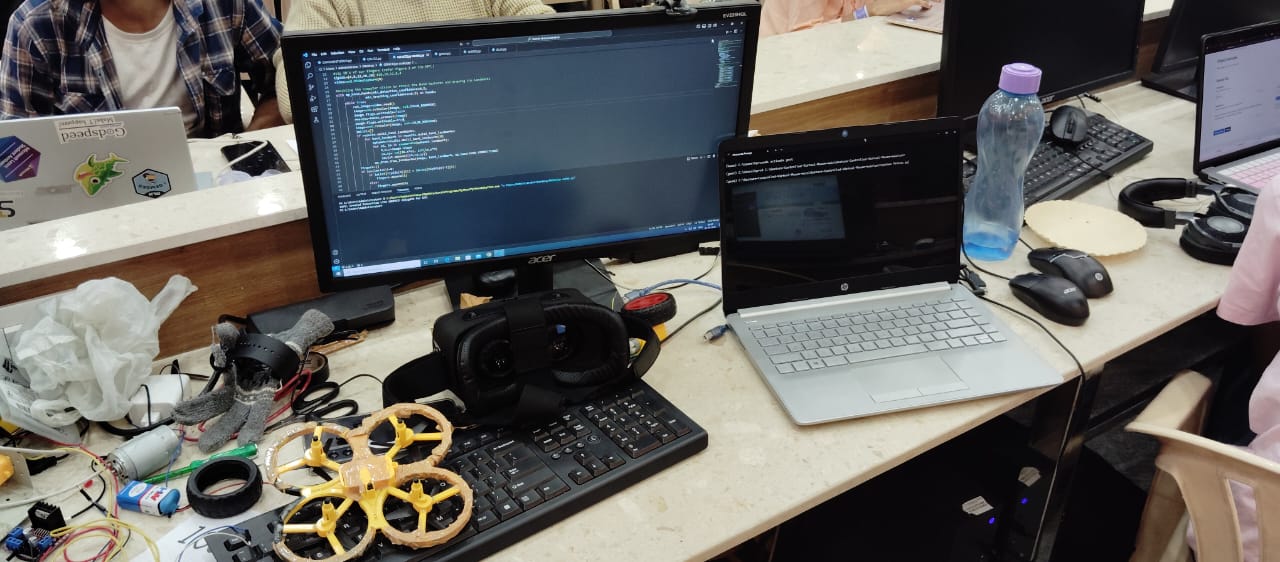
UAV control with Leap Motion and VR.
-
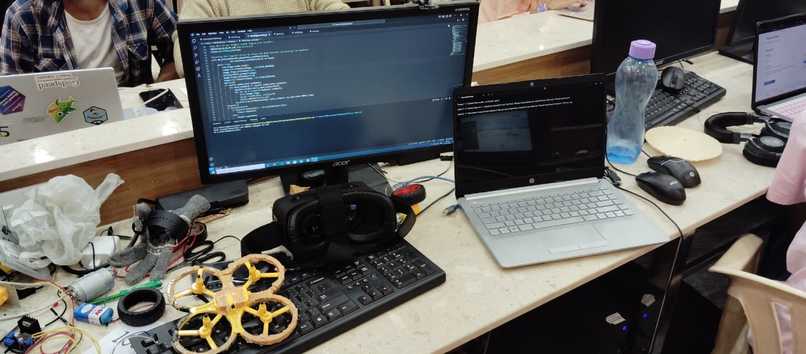
Setup
-
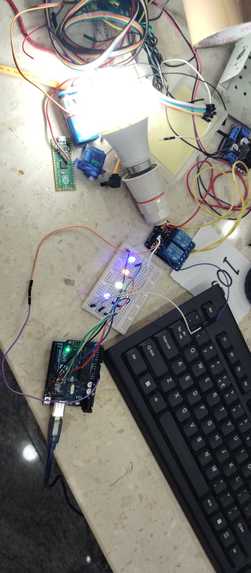
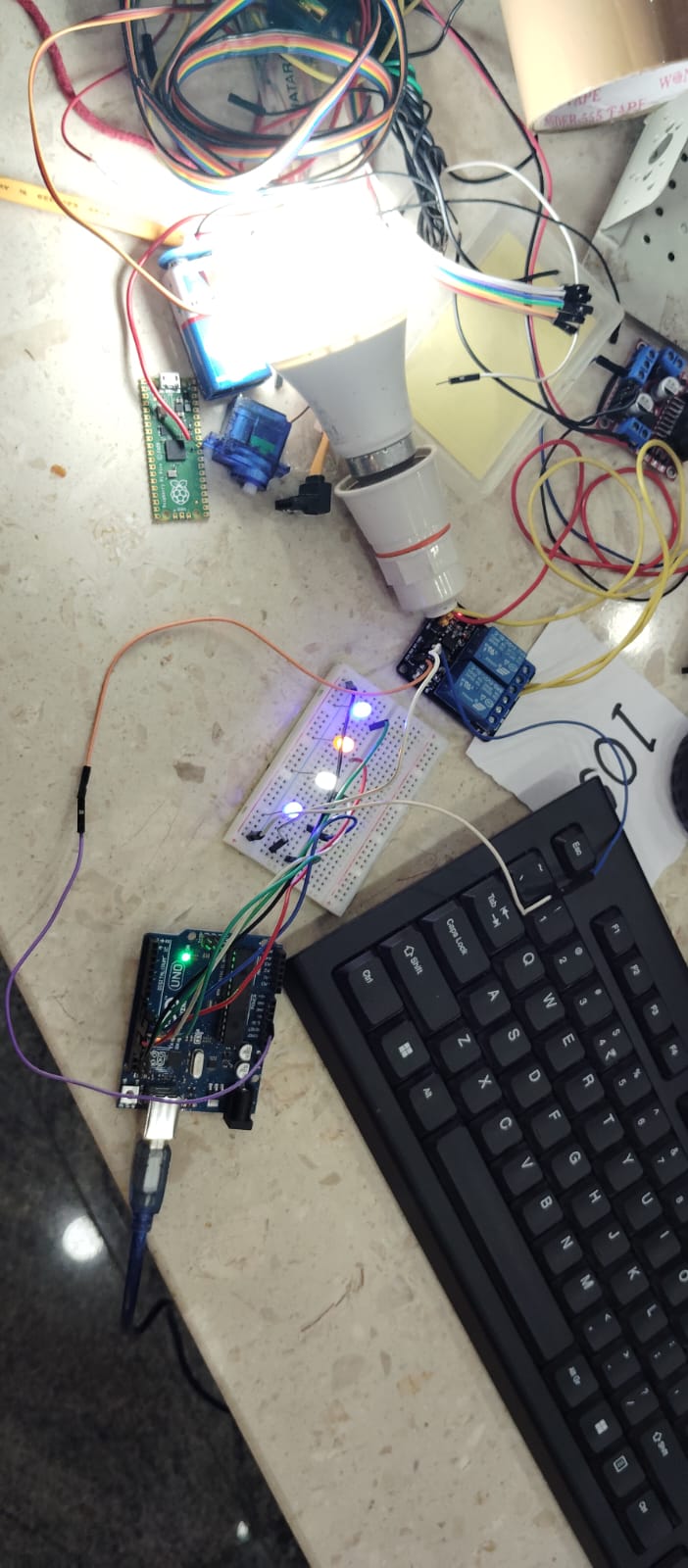
Gesture Robust Arduino Controller Equipment (G.R.A.C.E.)
Inspiration
In today’s world since we are totally surrounded by various gadgets and every device basically has a Interface and a KERNAL OS but we aren't using the full capable usuage of the system, so we develop a HMI based KERNAL control system in order to control all the aspects of the technology i.e., Software interfaces and Hardware controls (both electrical and electronics) as well as interfaces associated to it by using various gestures, leap motion and generative learning, for this can be incorporated in the technology of Smart Living, thus building a sustainable infrastructure community.
What it does
This system, Stochastic Augmented Prolog Processing Helical Interfaced Robust Equipment (S.A.P.P.H.I.R.E.) interface is designed and implement a gesture and sign based KERNAL optimized control system that allows users to interact with electronic devices and interfaces using hand and body movements (the gestures made and the signs shown) instead of traditional input methods such as keyboards, touchscreens or voice commands, so that the system will enable intuitive and efficient control, enhancing user experience (through it’s interface) and a large accessibility control across a wide range of applications and gadgets. Solve the problem of lack of Virtual based Augmented reality available to interpersonally and socially connect with the devices and humans, which is mainly not used in the education, defense and health-care sector, which when implemented enables sustainable living.
How we built it
This HMI is developed using the technologies like Open Computer Vision and advanced Machine Learning concepts like GAN, CNN, etc., for them to be incorporated in an advanced Human Machine Interface, and currently the hardware connections along with the software integration with Restricted Boltzman Algorithm and the Sherrington-Kirkpatrick model, which is being developed by the core software scripting of advanced Python with the power of Prolog processing language, by which we will be trying to attain a multi-controllable KERNAL operating system, which when achieved will be used in order to gain control over every electrical/electronics/software (especially the medical devices and technologies) associated to the vivid technologies created, with the Virtual Reality aspect and the UAV enchanced leap motion control system.
Challenges we ran into
Several challenges need to be addressed that we ran into, for the successful development and deployment of this technology, which are: Gesture Recognition Accuracy. Real-Time Responsiveness. Gesture Sets and Customization. Scalability and Adaptability. User Learning Curve. Robustness and Reliability.
Accomplishments that we're proud of
The Control System is enabled by and integrated through, for a lot of programs, software's and gadgets by changing the mode of integration thorough that and we could control a lot of different types of programs, softwares, electrical items and electronic gadgets by using Machine Learning, Generative Learning, Gestures and Leap Motion, Virtual based Augmented reality available to interpersonally and socially connect with the devices and humans and the shadow mode leap motion interg
What we learned
Building the Stochastic Augmented Prolog Processing Helical Interfaced Robust Equipment (S.A.P.P.H.I.R.E.), we had a rich learning experience across various domains. Here are some of the key lessons and skills we gained: Hardware Integration of the Electronic and Electrical Components. Programming and Software Development with Prolog, Python and Embedded C. Computer Vision and Image Processing. Training Models, Machine Learning and Generative AI. User Interface (UI) and User Experience (UX) Design. Virtual Reality Development. UAV design and Control System. Networking and Communication of Data Transmission.
What's next for S.A.P.P.H.I.R.E.
The future scope of S.A.P.P.H.I.R.E. are as follows: Enhanced Human-Computer Interaction: Hand gesture recognition will play a significant role in making human-computer interaction more intuitive and natural. Users can control devices and interfaces without physical contact. Healthcare Applications: S.A.P.P.H.I.R.E. can aid in touchless control of medical equipment, for the patients with disabilities, making it safer for healthcare professionals and patients. Sign Language Interpretation: Advanced systems can help bridge communication gaps for the hearing-impaired by recognizing and translating sign language gestures. Smart Home Control: The most future scopic aspect of the interface, the Smart Living Home automation systems can be controlled with gestures, making it easier to manage smart appliances and systems. Monitering: Can be enchanced to be used in the surveillance and and monitering the enviroments, especially in the harzardious environments and Defence sectors with the enchanced leap motion control system and the Generative Learning Virtaul Reality. Gaming: Can be enchanced to be intergated in Gaming but replacing or enhancing the consoles and joysticks as the gesture control and the Virtual Augmented Reality aspect is already present.
Built With
- arduino
- atmega
- atml
- augmented-reality
- embedded-c
- flight-control-system
- iot
- obs
- open-cv
- primary-youtube-ingest-server
- prolog
- python
- virtual-reality
- youtube

Log in or sign up for Devpost to join the conversation.