-
-
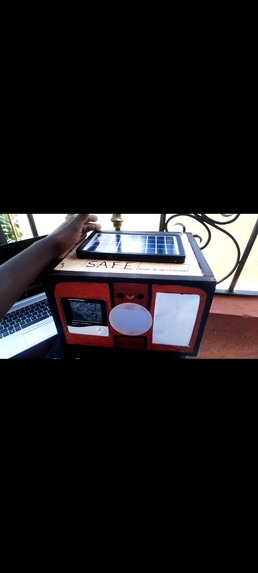
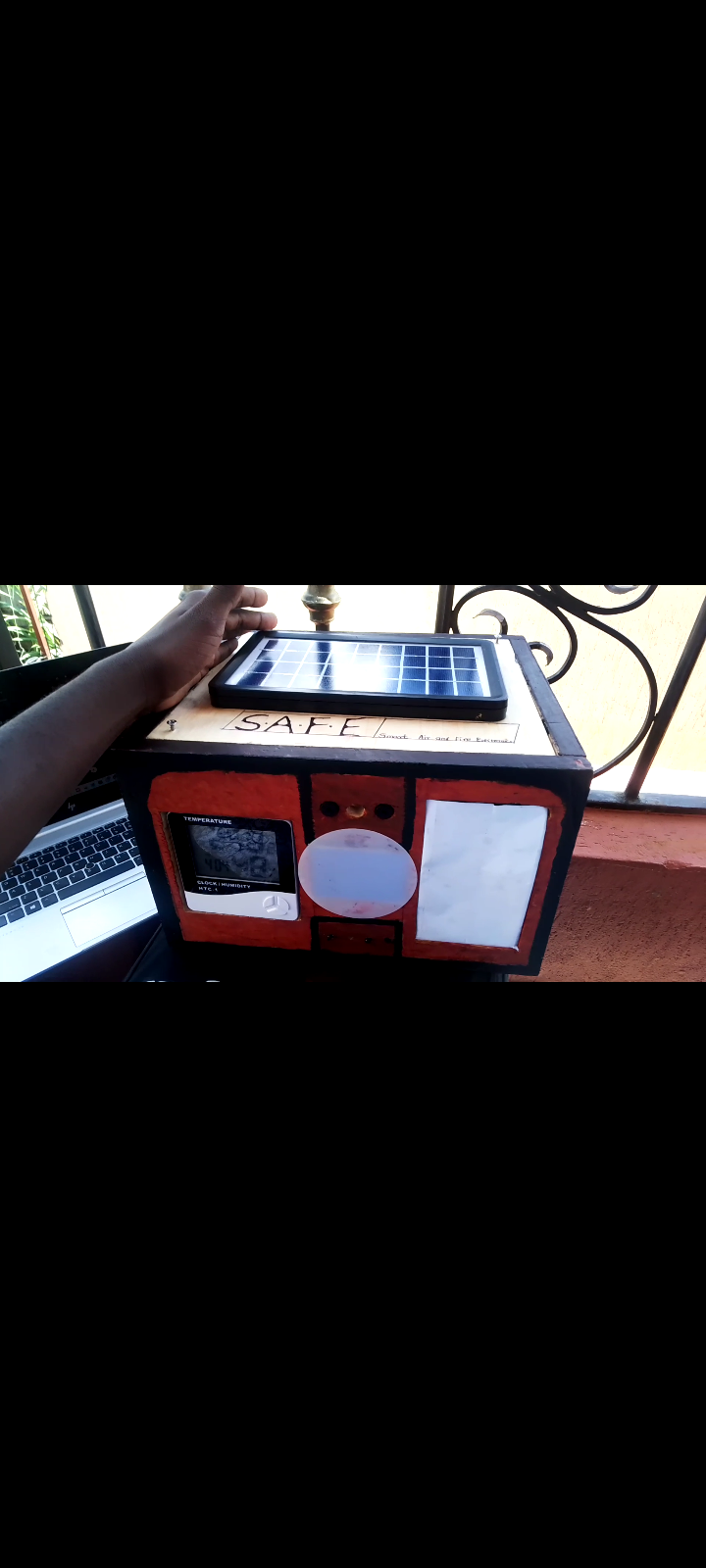
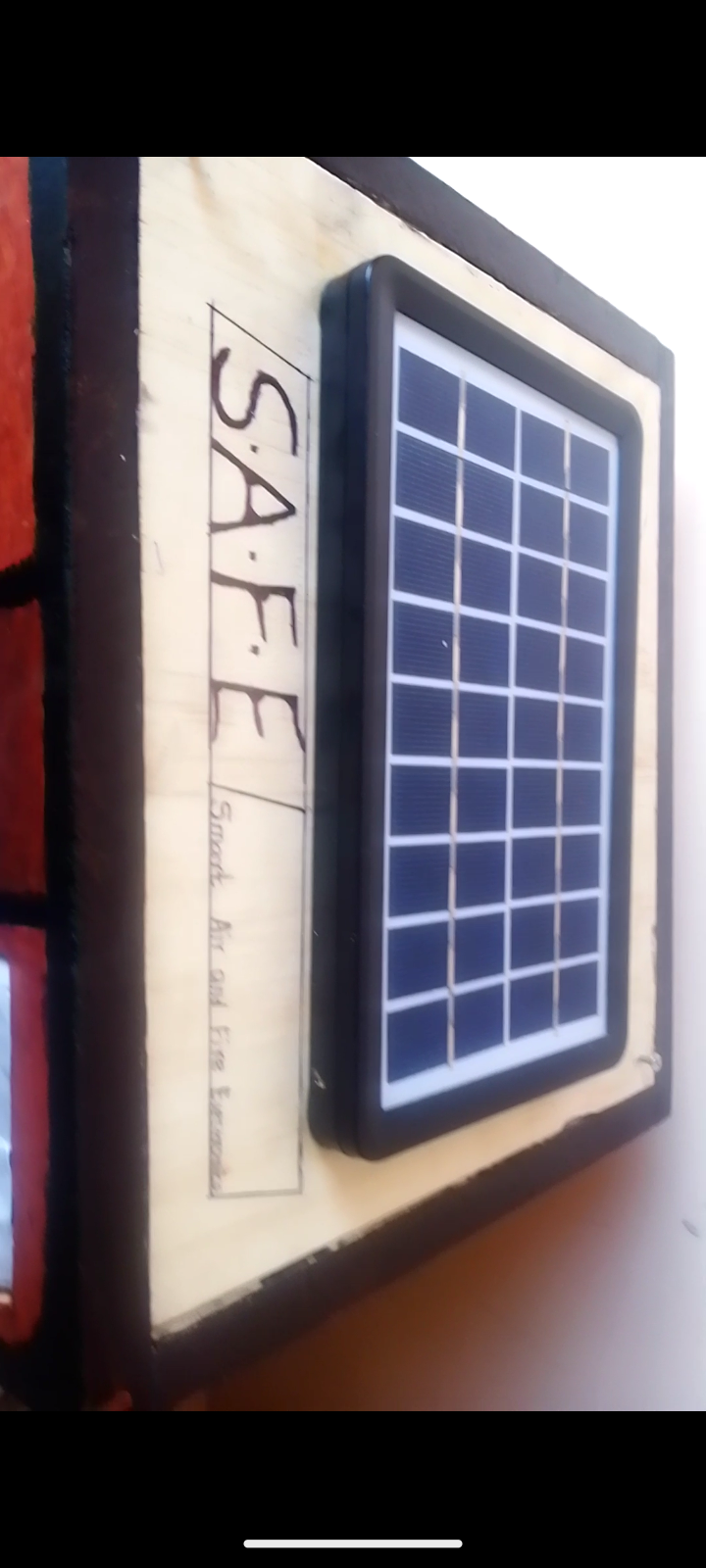
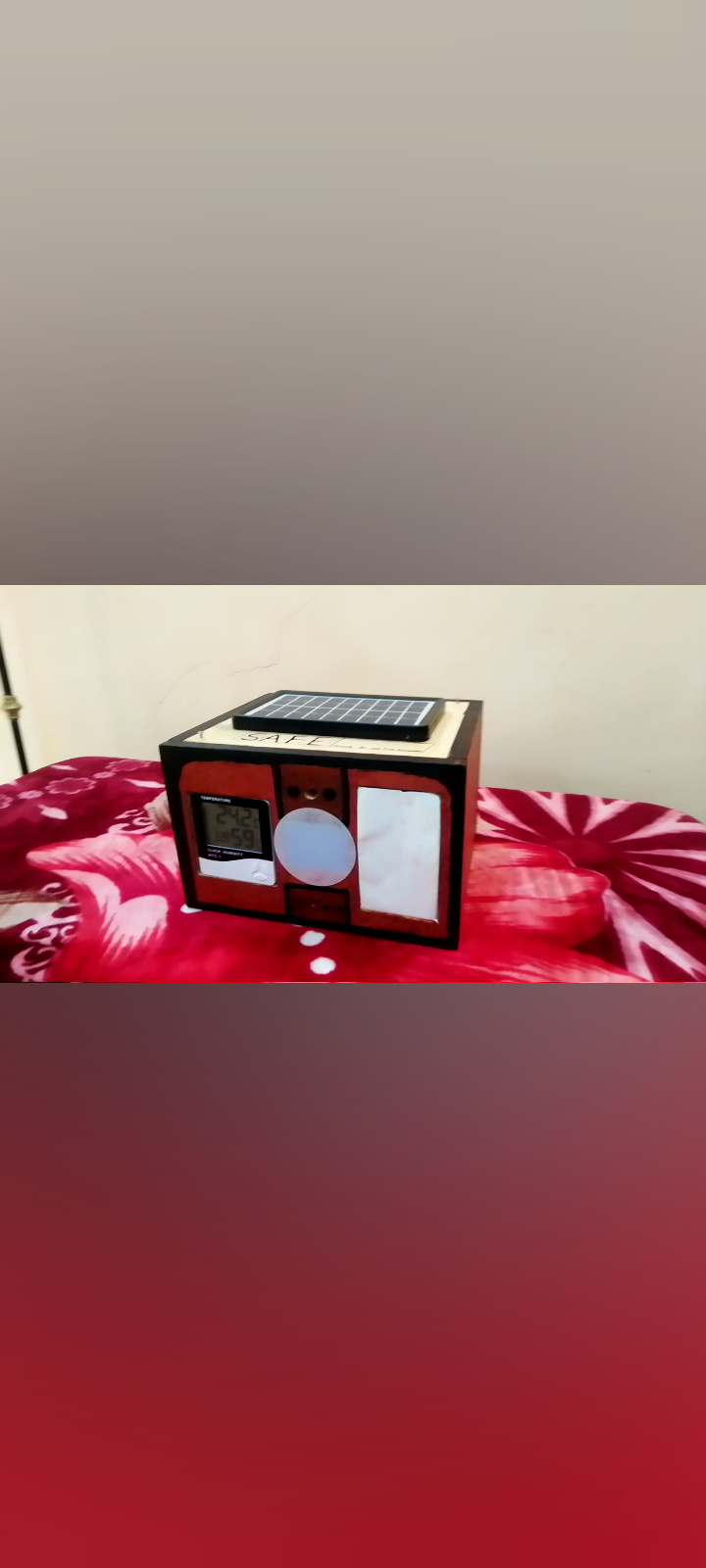
The solar panel
-
-
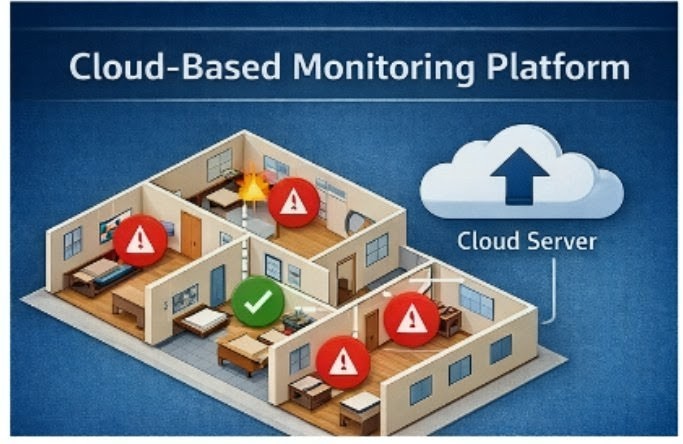
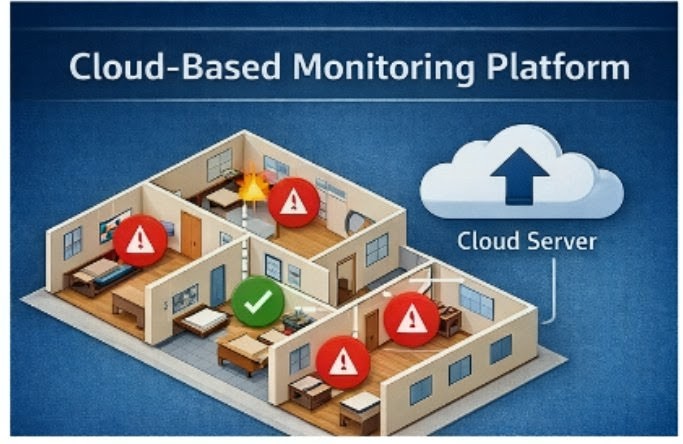
multi-zone detection
-
-
-
-
-
-
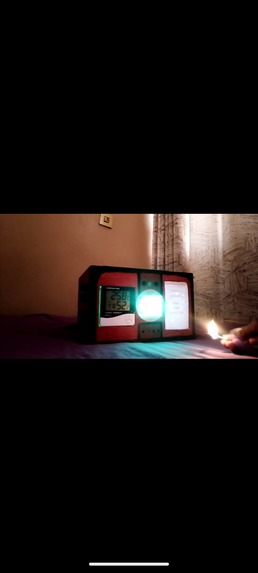
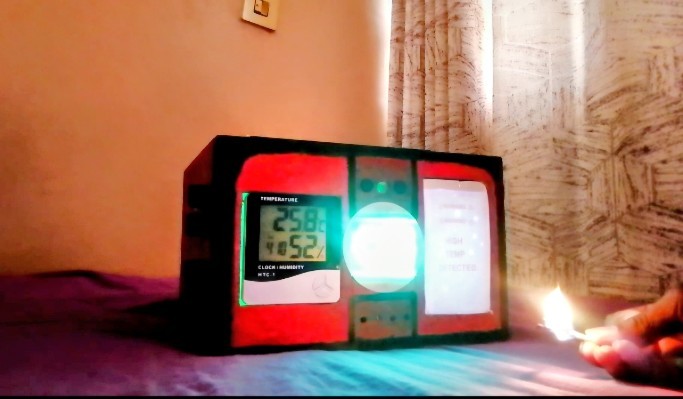
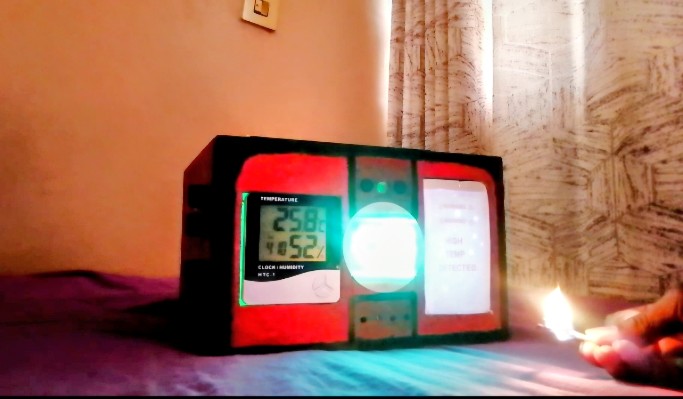
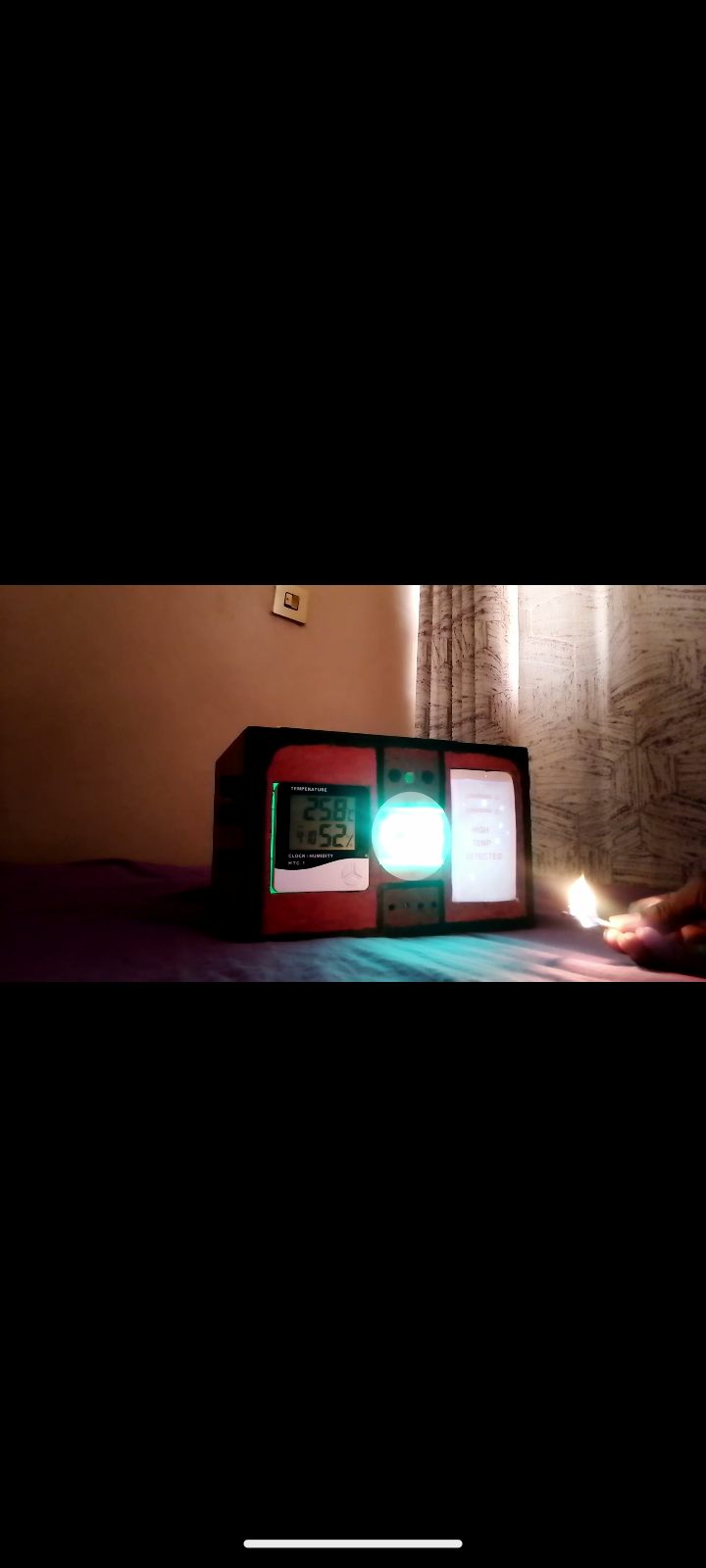
when the device is tuned so that it can detect the smallest flame
-
Inspiration
S.A.F.E. started with a simple question: what if we could detect the early signs of a fire and warn people before it becomes a serious emergency?
As I became more interested in Arduino, electronics and sensors, I wanted to build something that went beyond a simple classroom experiment. Fire can spread quickly, and sometimes even a few extra minutes can make a difference. I wanted to use the electronics I was learning to create something that could provide an early warning and communicate that warning to people.
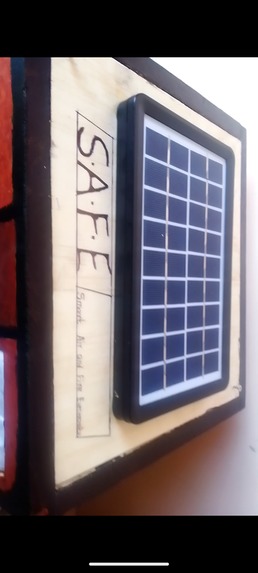
That idea became S.A.F.E. — Smart Air and Fire Electronics.
What it does
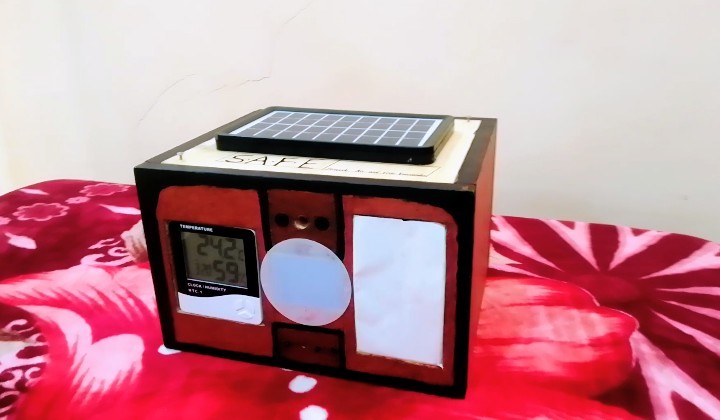
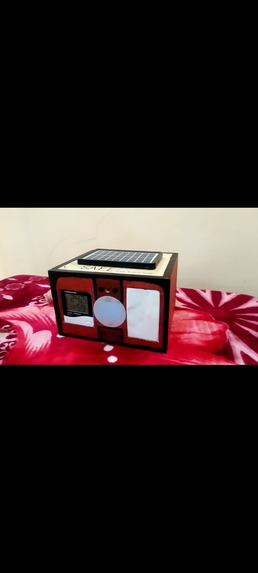
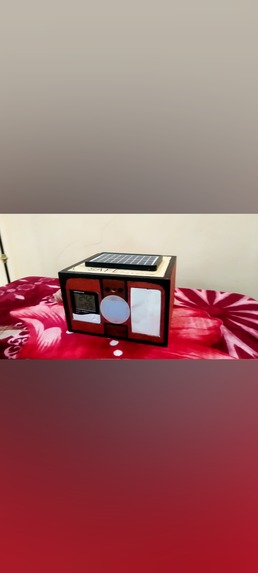
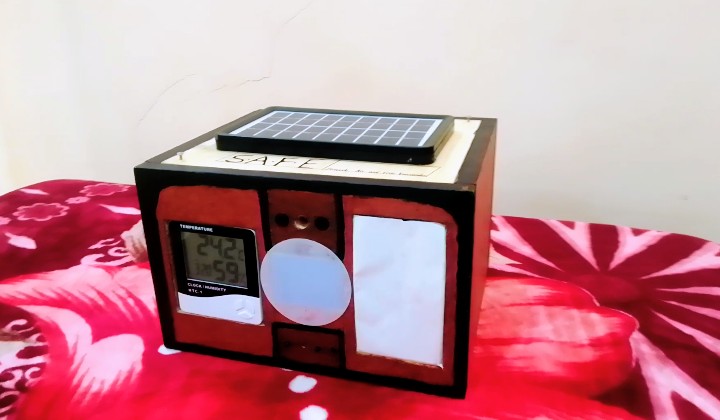
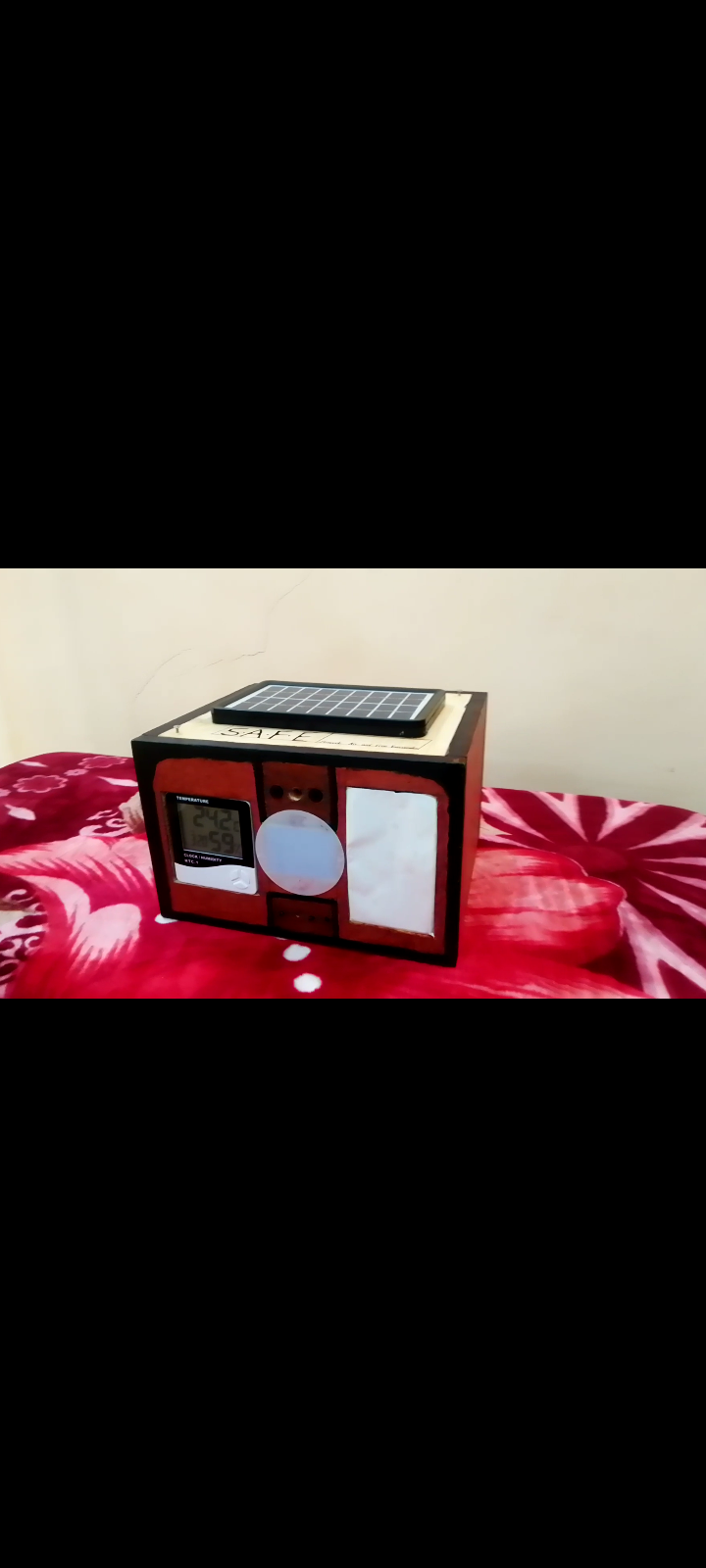
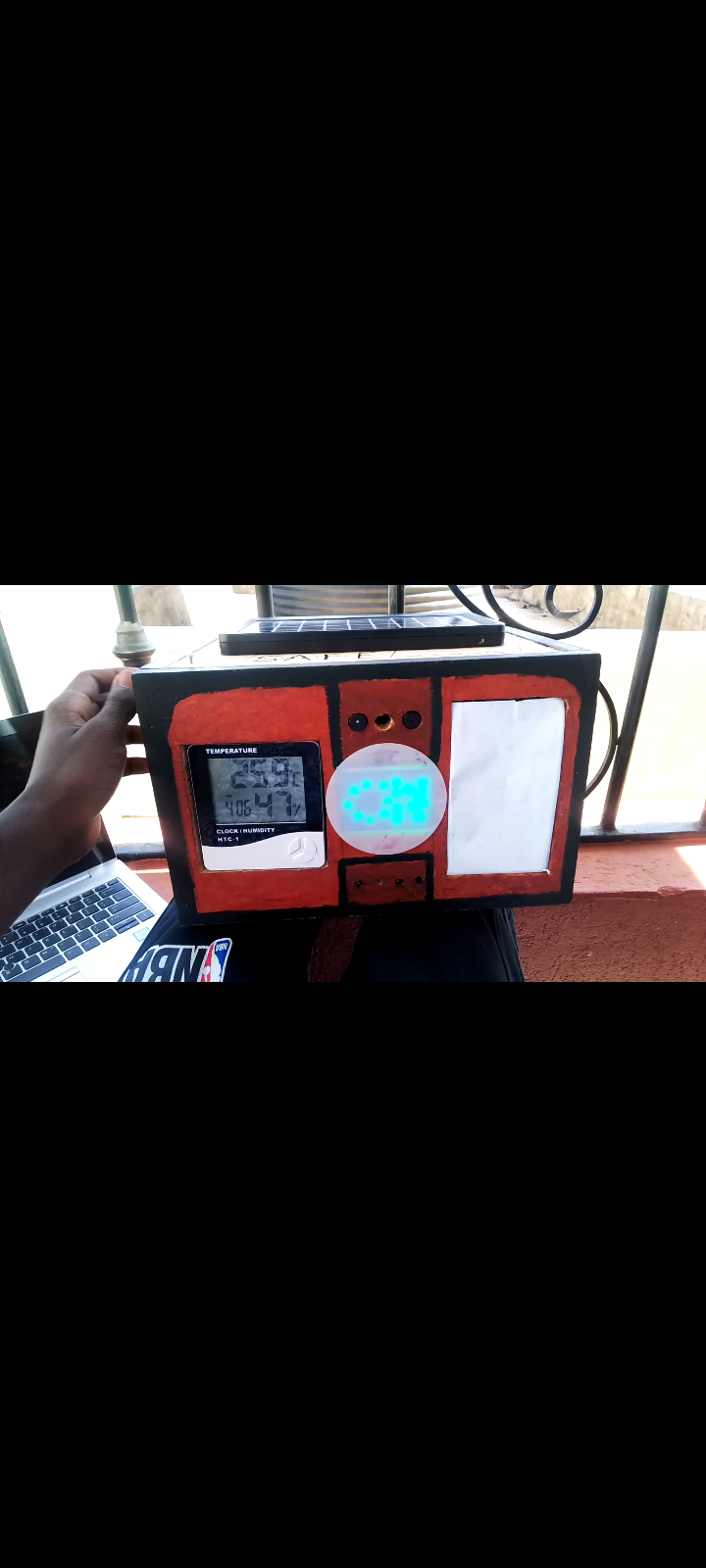
S.A.F.E. is a smart early-warning system that monitors several conditions associated with fire and dangerous environments.
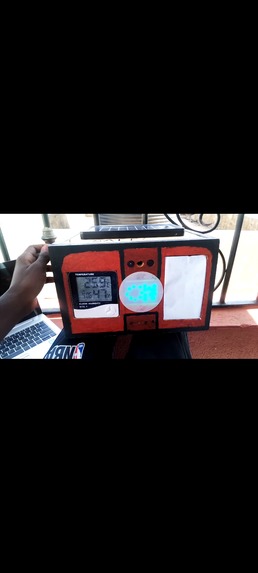
It uses a smoke sensor, temperature sensor and IR flame sensor to monitor its surroundings. An Arduino processes the sensor readings and applies programmed decision logic.
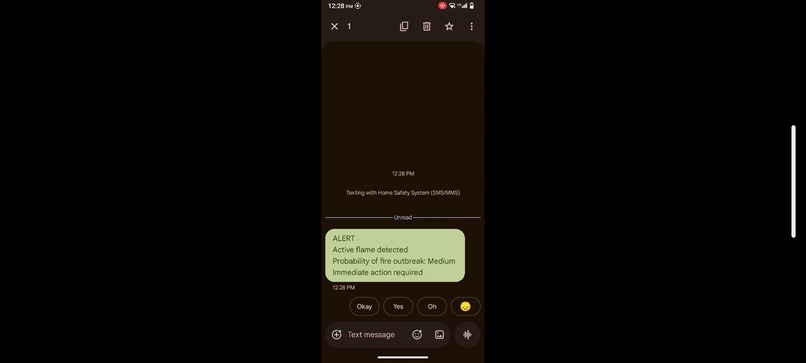
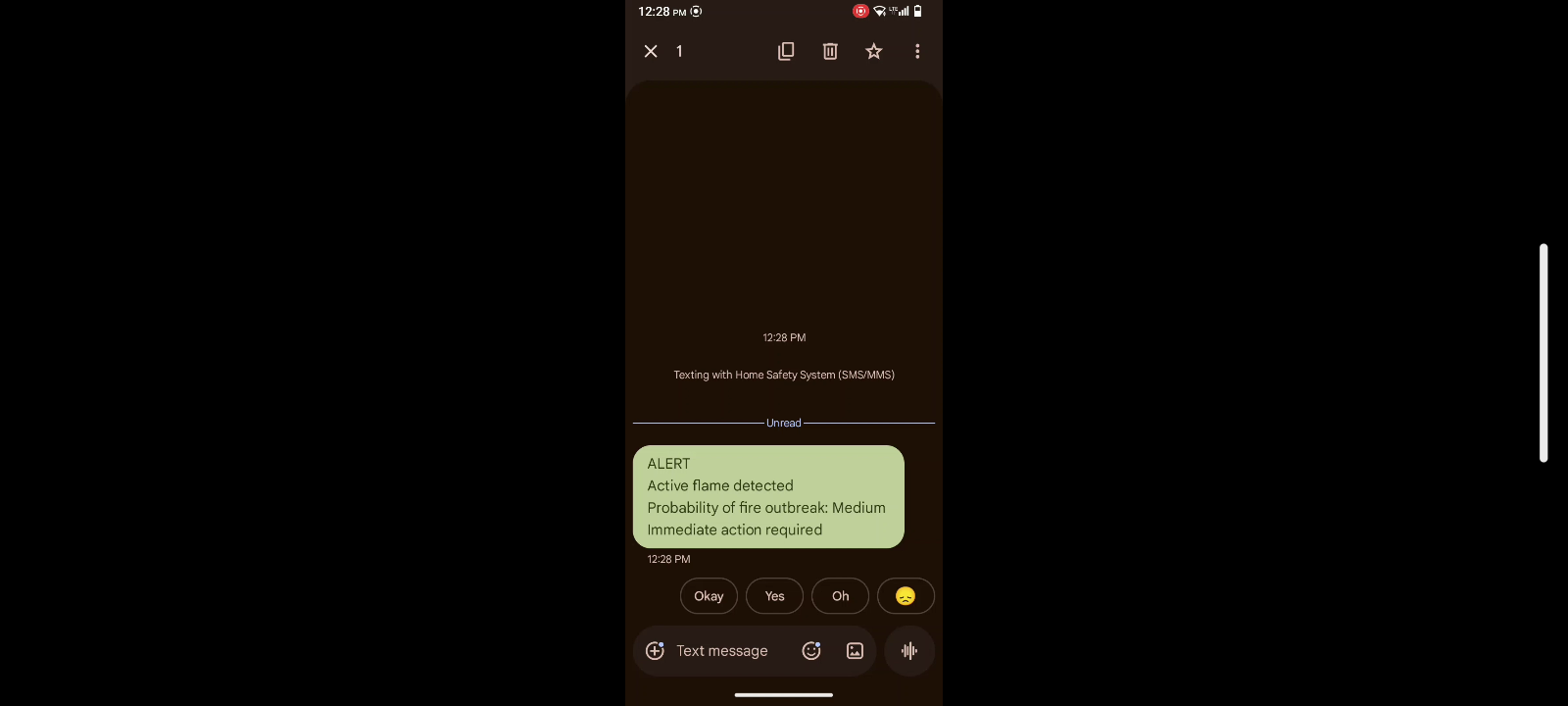
When dangerous conditions are detected, S.A.F.E. can activate a buzzer for a local warning and use GSM to send an SMS alert remotely.
The system also has Wi-Fi and Bluetooth connectivity, allowing room for features such as wireless monitoring, configuration and communication with other devices.
The basic process is:
Sensors → Arduino → Decision Logic → Local & Remote Alert
S.A.F.E. is also designed with a battery and solar power system, allowing it to operate with less dependence on mains electricity.
How I built it
I built S.A.F.E. by first testing the sensors and electronic components individually. I learned how to read their values, connect them to the Arduino and program the Arduino to respond to different conditions.
After getting the individual parts working, I combined them into one system.
I programmed the Arduino to monitor smoke, temperature and flame conditions and developed the logic that determines when an alert should be triggered. I then integrated the buzzer and GSM module so that the system could provide both local and remote warnings.
I also incorporated Wi-Fi and Bluetooth connectivity and worked on the battery and solar power system.
The process involved a lot of testing and troubleshooting. I changed wiring, adjusted thresholds, tested sensor positions and modified the code until the different parts could work together.
Challenges I ran into
One of the biggest challenges was getting consistent sensor readings. Sensors can behave differently depending on their environment, position and electrical connections.
Another challenge was deciding when the system should trigger an alarm. I had to find suitable thresholds so that the system could respond to dangerous conditions without reacting unnecessarily to normal changes in the environment.
Integrating the different communication systems was also challenging. Making the Arduino, GSM, Wi-Fi and Bluetooth components work together required careful testing.
There were also times when something did not work and I had to figure out whether the problem was caused by the code, wiring or hardware. Troubleshooting these problems became an important part of the project.
Accomplishments that we're proud of
I am proud that S.A.F.E. developed from an idea into a functioning safety system.
I successfully combined smoke, temperature and flame detection into one Arduino-controlled system and added multiple ways of communicating alerts.
The system can provide a local buzzer warning and send a remote SMS through GSM. It also has Wi-Fi and Bluetooth connectivity for additional wireless capabilities.
I am also proud of the amount of troubleshooting and experimentation that went into the project. Instead of stopping when something failed, I tested the individual parts, found the problem and worked on improving the system.
Most importantly, I was able to use what I have learned about electronics and programming to build something aimed at solving a real-world safety problem.
What I learned
S.A.F.E. taught me that building a real electronic system is very different from simply designing one on paper.
I learned how to work with different sensors, microcontrollers, communication modules and power systems. I also learned how important testing and calibration are when developing a system that needs to respond to real-world conditions.
I learned that hardware and software have to work together properly. A small wiring problem can look like a programming problem, while a programming mistake can make working hardware appear faulty.
Most importantly, I learned that engineering involves building, testing, failing, troubleshooting and improving until the system becomes better.
What's next for S. A. F. E (Smart Air and Fire Electronics)
The next step is to make S.A.F.E. even more reliable, efficient and practical.
I want to improve the physical enclosure, optimize the battery and solar charging system, collect more testing data and continue improving the detection logic.
I also want to make greater use of the Wi-Fi and Bluetooth connectivity by developing wireless monitoring and configuration features.
Another goal is to continue improving the GSM alert system so that notifications can provide more useful information about what the device has detected.
In the future, I want S.A.F.E. to be adaptable for environments such as schools, homes, workshops and small businesses, where early detection and fast communication can provide valuable extra time to respond.
Detect danger early. Alert people quickly. Give them more time to act.


Log in or sign up for Devpost to join the conversation.