-
-
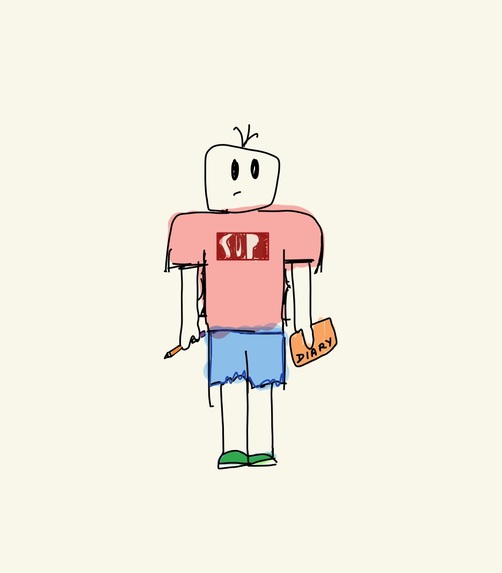
Hey! Thats us!
-
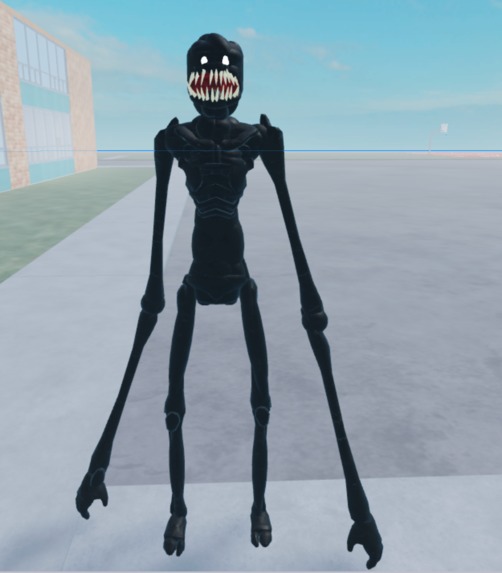
monster goes to school
-
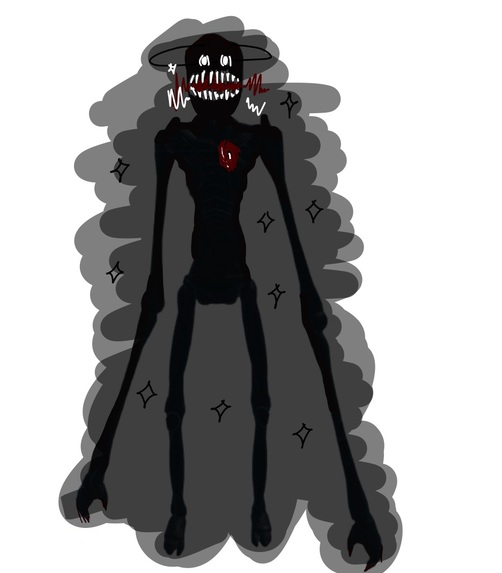
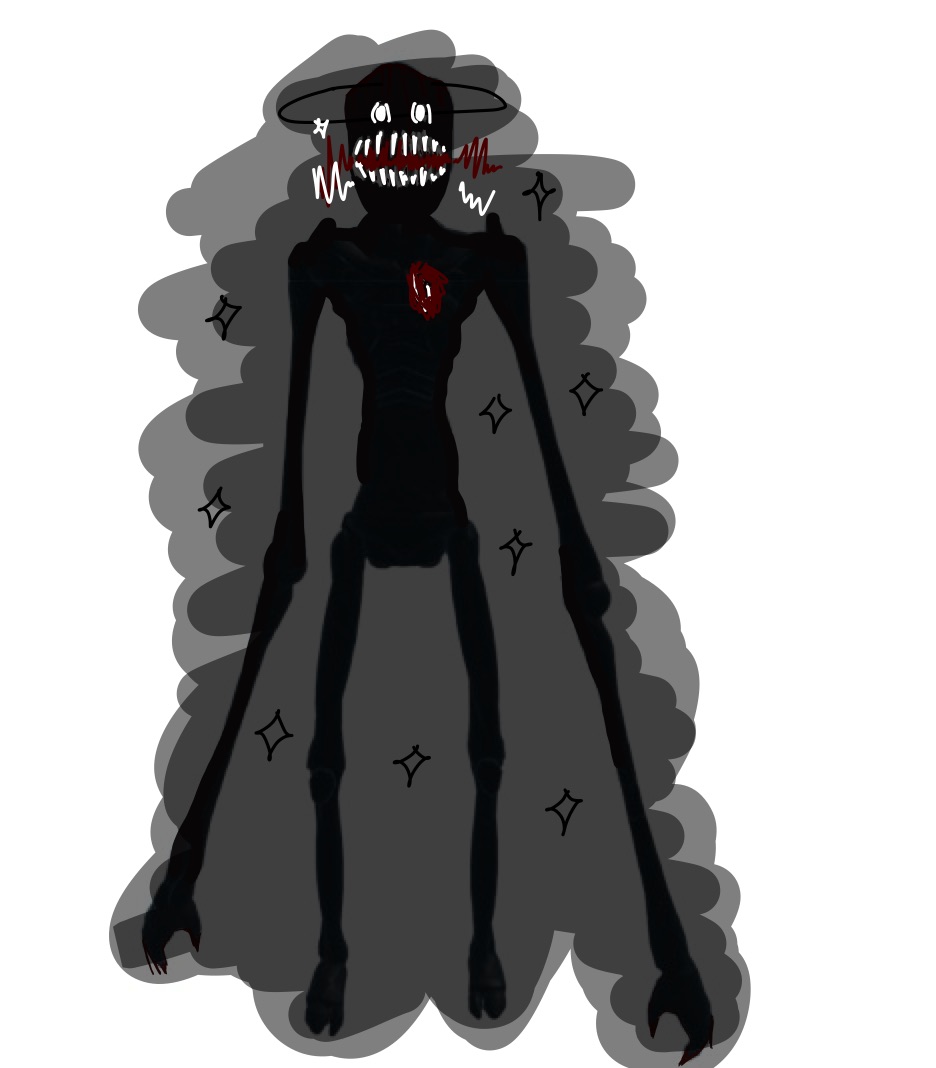
clouded monster --> very scary
-
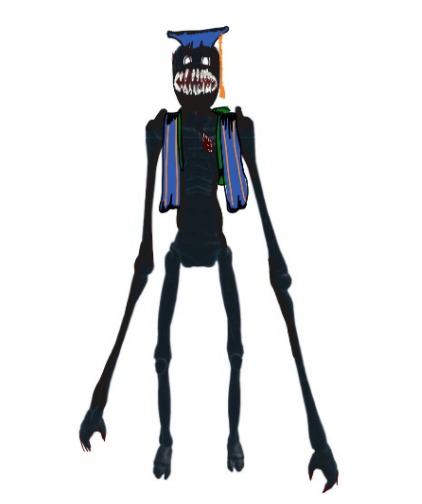
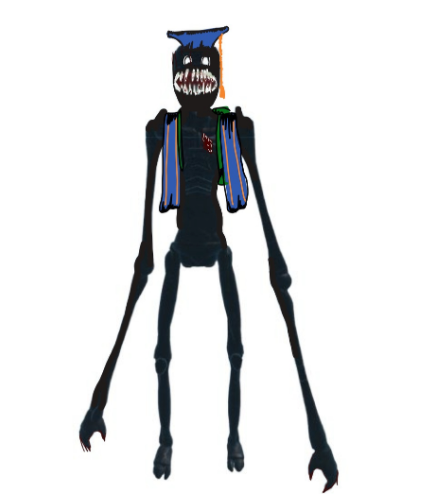
Graduation Monster - Fellow Bruin
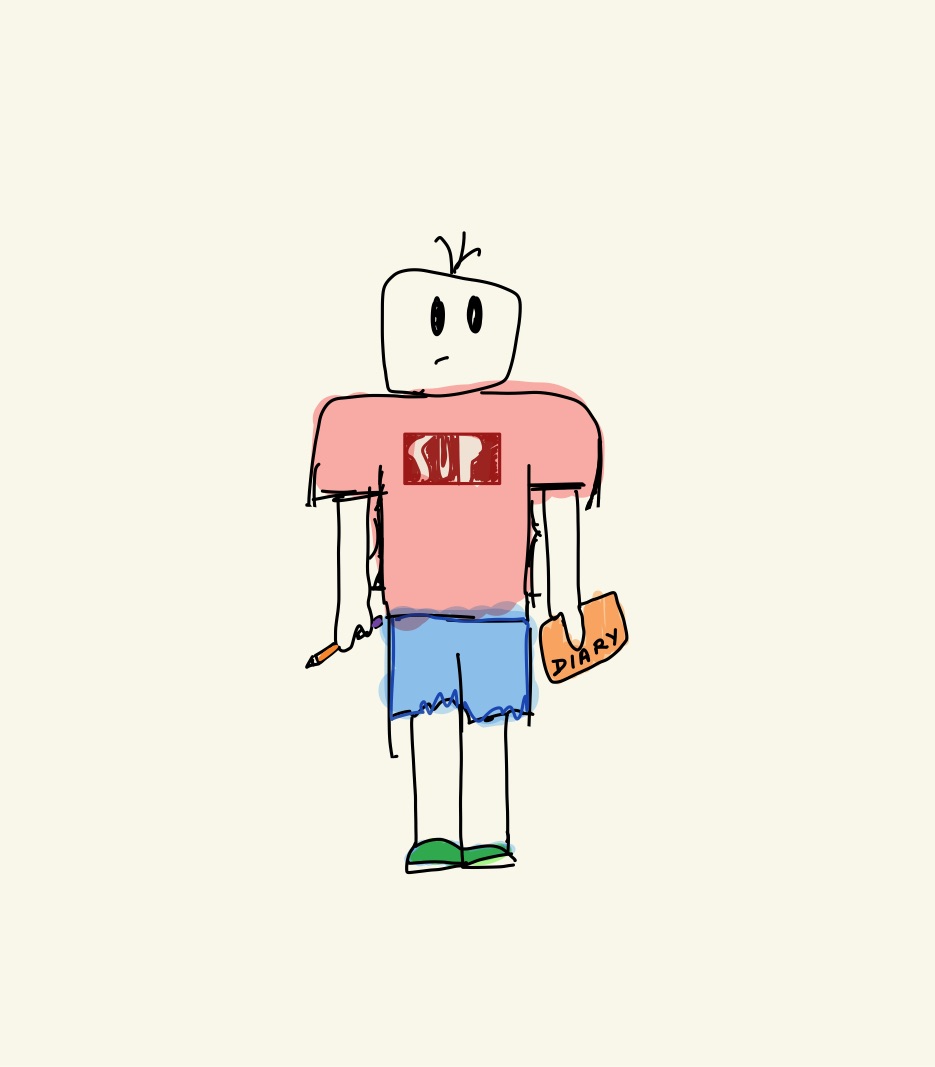
Inspiration
College is a huge milestone, and with all huge milestones come an enormous amount of stress. We wanted to help alleviate that by building a game rooted in the struggles students actually live through during college application season — one that shows stress is natural, but also manageable. Through simple actions like sleeping or making a friend, players can actively reduce that stress in-game. We also leaned into psychological horror, because horror has a way of reframing real anxiety into something you can face. And here's the spoiler: you never fully escape the monster. That's the point. The stress, the pressure, the darkness — it never completely goes away. But that's not a bad thing. It's just part of life. What matters is the steps you take to keep it from consuming you.
What it does
This game is a story-driven psychological horror experience built in Roblox that places players inside a surreal, escape-room-style version of the college application process. The player takes on the role of a high school student trapped in a distorted school, where the only way to escape is to finish their college essay by collecting enough “words” to complete it. The school becomes a physical representation of academic pressure, self-doubt, burnout, and isolation, turning the emotional reality of the application season into something the player can actively explore and survive. Narrative games are especially effective when story and player choice work together to build emotional resonance and agency, which is exactly the structure this game is aiming for.
Rather than teaching mental health through lectures or text-heavy advice, the game uses gameplay to make coping strategies feel meaningful and memorable. Players complete challenges based on real stress-management habits, such as reconnecting with hobbies, resting, asking for support, or stepping away from perfectionism, and those actions directly reward them with clarity, progress, and more words for their essay. That design ties emotional learning to player action, which research and design guidance suggest makes educational narrative games more immersive, relatable, and effective for behavior awareness.
Story and emotion
At the center of the experience is a student trying to write a college essay while feeling increasingly overwhelmed by the invisible pressure surrounding success, productivity, and self-worth. As the story unfolds, the player begins to realize that the school is not just a setting but a reflection of the character’s internal state, with each room, puzzle, and encounter revealing something about anxiety, exhaustion, fear of failure, and the difficulty of asking for help. Strong mental-health-centered game narratives often rely on metaphor and symbolic environments to translate difficult emotions into forms players can understand more intuitively, which fits this game’s horror framing well.
The horror is designed to create emotional intimacy rather than shock alone. The player is not just escaping monsters; they are navigating distorted versions of thoughts and experiences that many students recognize but rarely articulate. That relatability makes the story personal, especially for students who have felt trapped by academic expectations, and it allows the game to raise awareness through empathy rather than explanation alone.
Gameplay and learning
Gameplay is built around collecting words for the essay, solving environmental challenges, and surviving encounters with a pursuing monster that symbolizes depression, burnout, or persistent mental struggle. Each challenge teaches a coping mechanism through action: engaging in hobbies restores momentum, rest improves focus, and reaching out to friends opens new paths forward. By linking emotional recovery to mechanics the player performs themselves, the game makes learning feel interactive and rewarding instead of instructional.
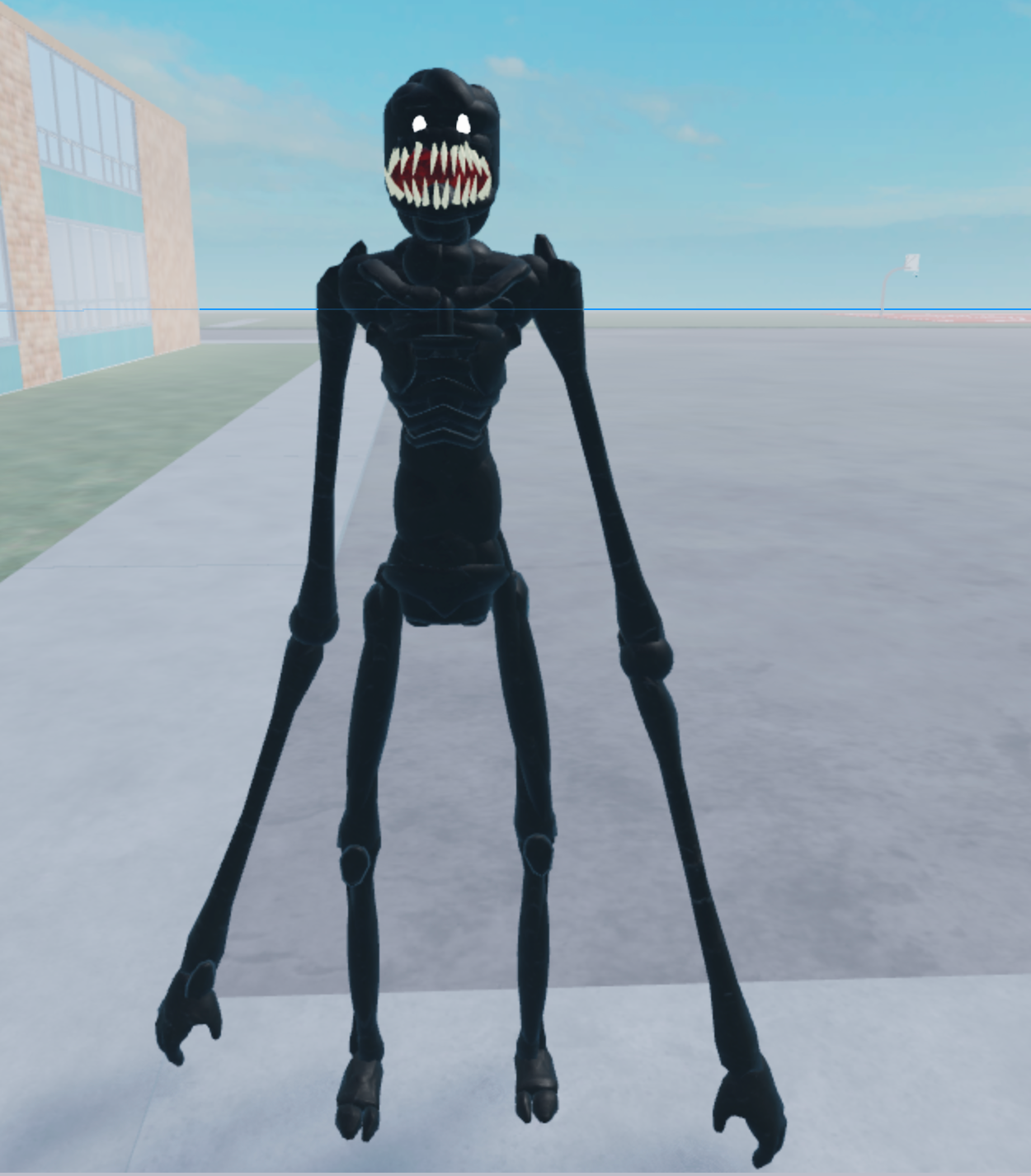
The monster is one of the game’s most important educational tools. It chases the player through the school as stress and hopelessness intensify, visually externalizing the way depression or anxiety can follow someone through every part of life, including academic achievement. The player can push it back, gain clarity, and create distance through healthier choices, but they never fully erase it, reinforcing the idea that mental health struggles are not always solved permanently and that progress often means learning how to live, cope, and move forward alongside them.
Ending and message
By the end of the game, the player completes the essay and escapes the school, creating the feeling of accomplishment and forward motion that comes with surviving a difficult season of life. But in the final reveal, the monster has not truly disappeared; it follows into the next stage, symbolizing that going to college or reaching a milestone does not automatically cure underlying mental health struggles. That ending reframes success not as “becoming fixed,” but as gaining tools, awareness, and resilience while recognizing that the struggle may still exist.
The overall goal is to create awareness around high school and pre-college mental health by combining emotional storytelling with gameplay that is fun, symbolic, and memorable. Instead of simply telling students to take care of themselves, the game lets them experience why rest, support, hobbies, and self-understanding matter, using horror as a powerful metaphor for the pressures they may already know too well.
How we built it
We used a combination of Roblox Studios and Cloudinary to both implement and model our "monster" and world where players can play this game. We interacted effectively with Roblox's integrated AI tool.
Challenges we ran into
We all have never coded a game in Roblox Studios. Getting use to the new settings and syntax was our first hurdle. So many of our initial ideas that we thought we could easily implement were suddenly taking hours and time was definitely not on our side. We decided to streamline our biggest ideas for the game and then split up the work to work most efficiently. Then we ran into another problem with integrating each of the different parts of code: storyboard parts and the actual game mechanism. One last problem we had was with our graphics. We weren't aware that Roblox could only import certain types of images and so the model we made for our "monster" had an extra white background that we couldn't get rid of.
Accomplishments that we're proud of
We are so incredibly proud of being able to learn how to use a new platform in such a short amount of time. In addition, we formed our team 10 minutes before hacking officially started. We had mostly never interacted before that day, but I'm so proud of not only how well we coordinated each part of the game, but also how fun we had with it. There were so many memorable moments of us getting to know each other in our free time and making the most of our time. PS: This is Sahana's first time staying awake past 2
What we learned
We learned more about Roblox and how to develop a game piece by piece. Developing a game took a lot more breakdown of each step than we initially imagined and so every single part took more time than we expected. For our next hackathon, we definitely want to start more minimal and then work our way to our more complex ideas. We also want to set out more buffer time for each feature we want to include so that we don't come as close to the deadline as we did this time.
What's next for S.A.A.W
Looking ahead, we are excited to keep building on S.A.A.W. First, we will be polishing the visuals, starting with cleaning up the monster's appearance in the storyboard section by removing the background to make it look cleaner and more intentional. We also plan to expand the hobby selection so players can build an avatar that truly reflects who they are, making the experience feel more personal and relatable. On top of that, we want to add more mini-games that introduce new and creative ways to manage stress while also raising the difficulty so the game stays engaging. And further down the road, we hope to extend this concept to other mental health conditions beyond depression, exploring what strategies and gameplay mechanics could help players better understand and navigate those experiences too, though that is something we want to take our time with and research thoroughly before diving in.
Try it out here: https://www.roblox.com/games/107373165948805/S-A-A-W
Built With
- lua
- roblox


Log in or sign up for Devpost to join the conversation.