-
-
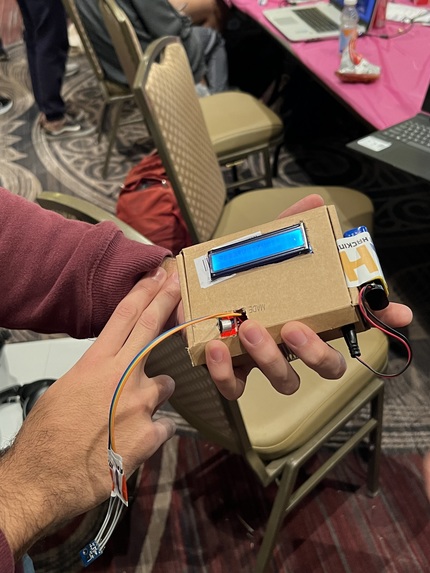
Taking pulse with MedBox
-
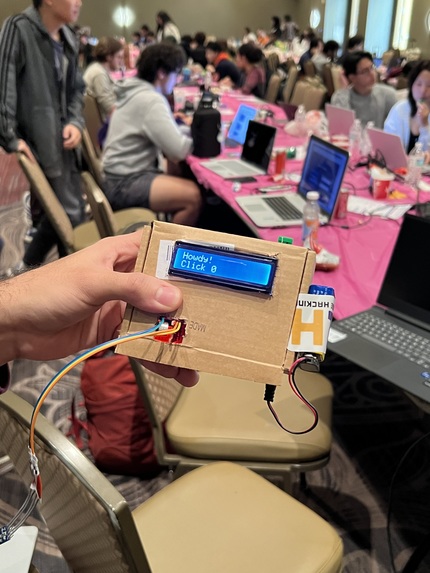
Initial Screen
-
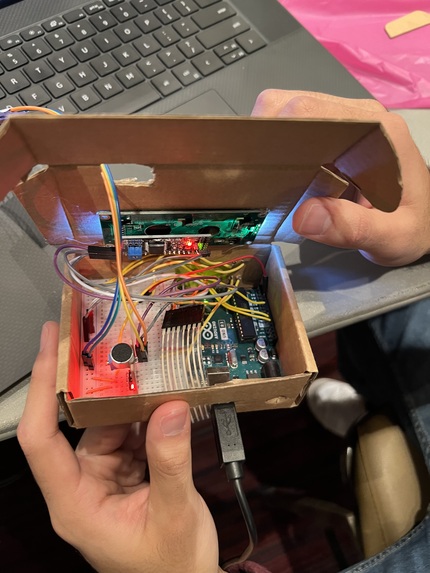
Internals of MedBox
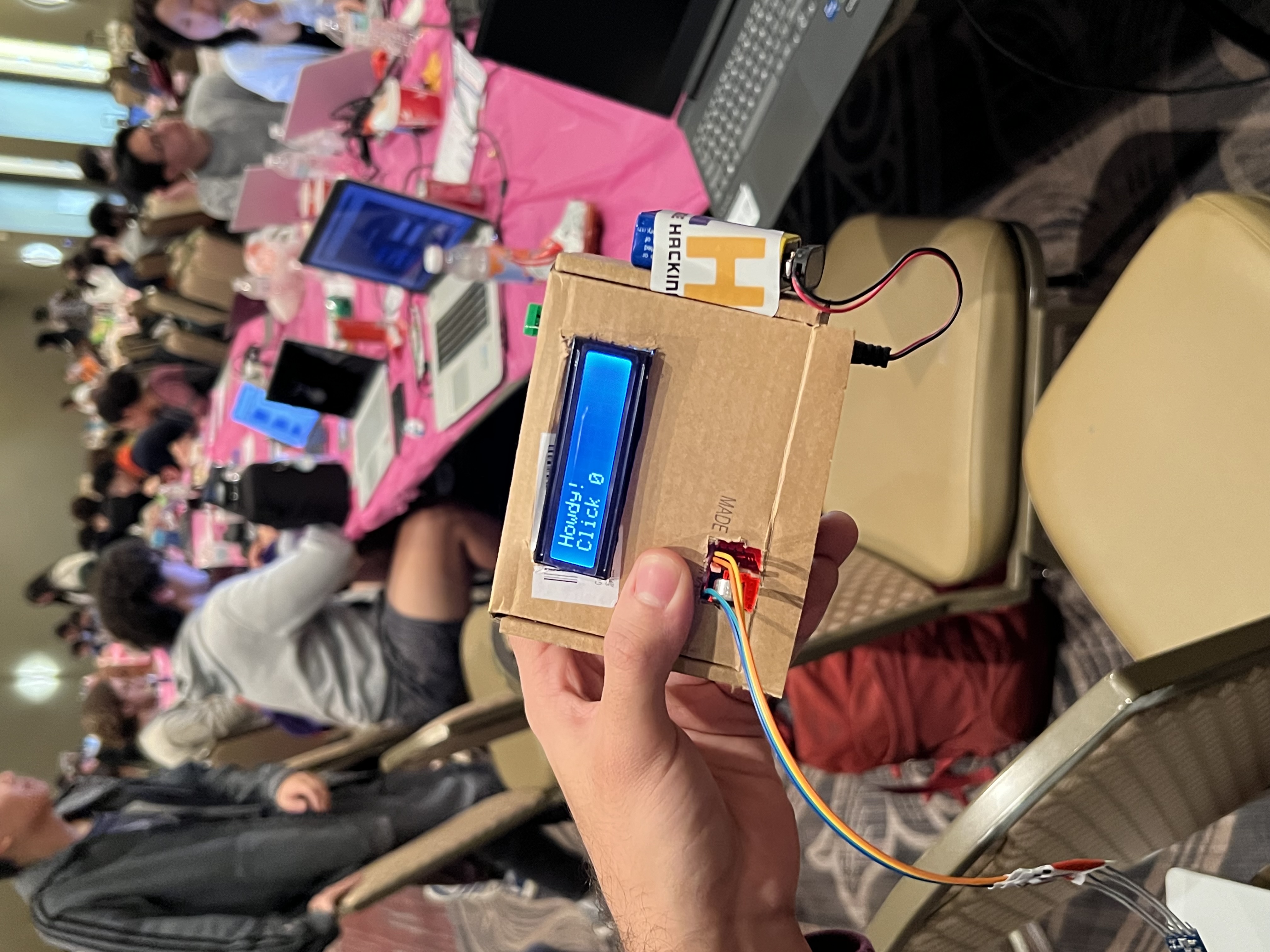
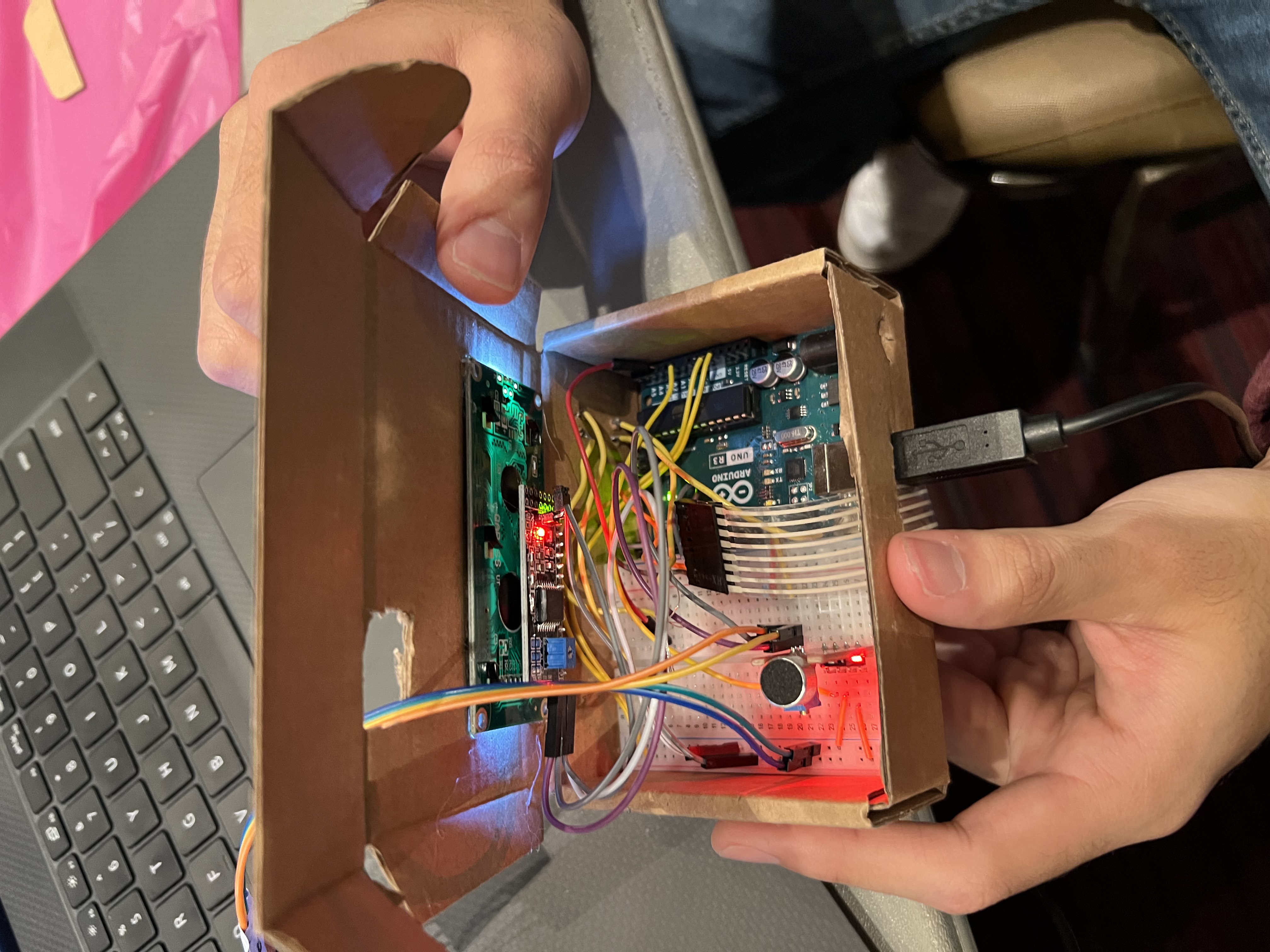
Inspiration
MedBox was inspired by the struggles of healthcare during the height of the Covid-19 pandemic. Throughout this time, social distancing was encouraged, and yet medical care was in higher demand than ever before. It is clear that healthcare needs to become more accessible for all. With the current rise of virtual doctor visits, MedBox aims to provide medical professionals with the data needed to properly diagnose patients from afar, making professional medical care affordable and accessible from anywhere in the world.
What it does
MedBox is a low-cost multi-measuring medical device that sends vital information directly from patient to doctor. It is capable of taking heart rate, breath rate, and temperature measurements and processing the data onboard the device. This not only improves the effectiveness of virtual doctor visits but pathes a way to provide professional healthcare in areas which currently do not have direct access.
How we built it
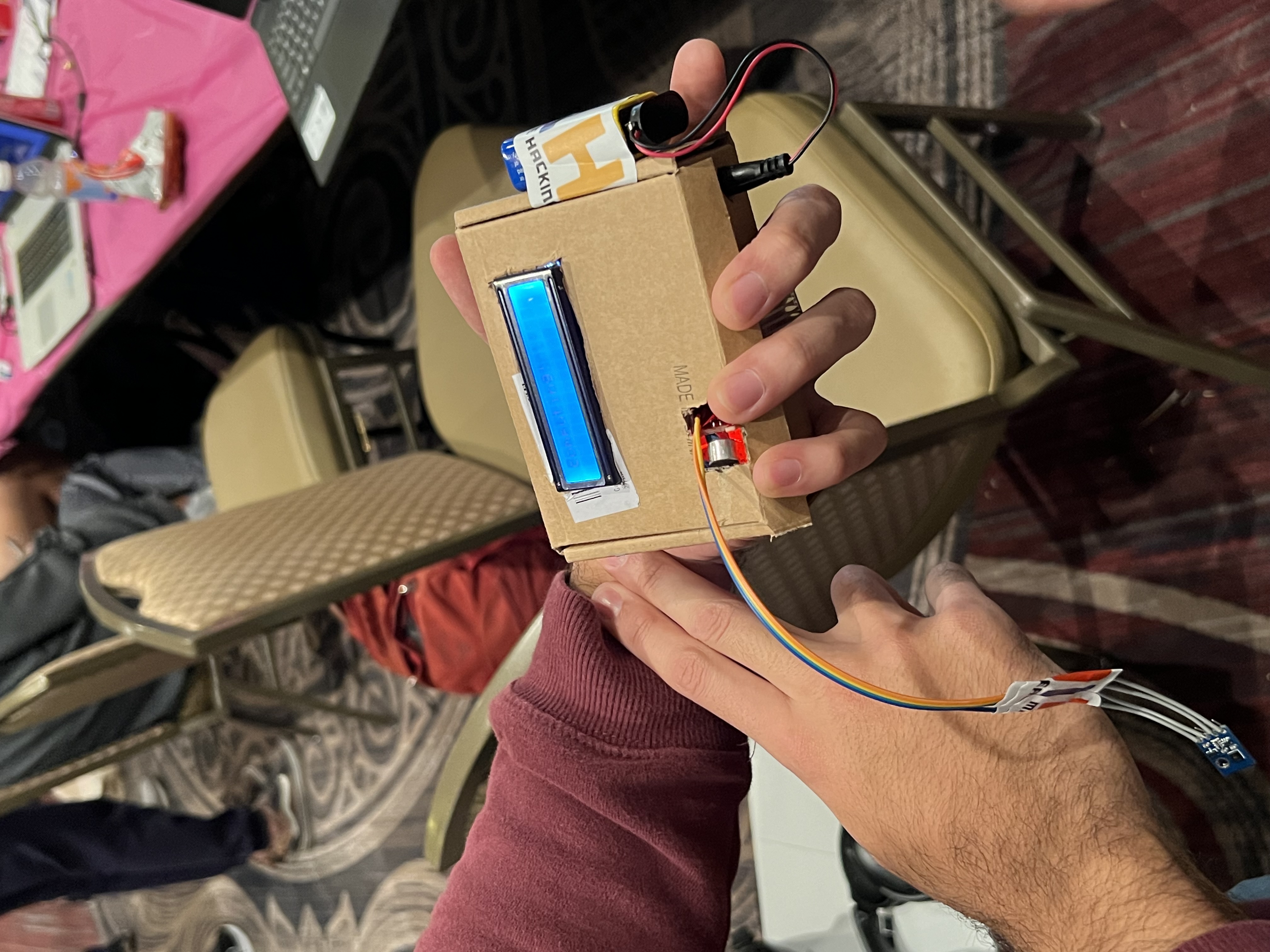
As a team, we decided that the most important measurements for a doctor to have access to were heart rate, temperature, and breath rate. Using a combination of microphones, touch sensors, and a thermometer, we designed a small box that could take these vital measurements.
To take the patient's heart rate, they simply place one hand on their wrist and tap the button each time they feel a pulse. After a period of 60 seconds, an accurate average will be calculated.
The thermometer is intended to take the patient's auxiliary temperature from their armpit, one of the most accurate places to take temperature readings. They place the thermometer under their arm, hold it for 20 seconds, and a reading will be taken.
Lastly, the breath rate is measured through microphones, using an algorithm to detect the number of exhalations. After a period of 60 seconds, an accurate average will be calculated.
Additionally, we found a balance between affordability and reliability, making MedBox out of low-cost materials.
Challenges we ran into
After designing a lightweight PLA housing, we experienced a heart-breaking failed 3D print. With no time to re-print, we improvised with other materials for the housing, making sure to keep the goal of affordability in mind.
Accomplishments that we're proud of
Integrating numerous peripherals into a very hardware-limited Arduino board proved to be challenging. Our ability to work with such strict hardware limitations was especially rewarding.
What we learned
We all expanded our knowledge of signal processing techniques, specifically when processing the microphone input and calculating breaths per minute. Additionally, we also learned how to combine our diverse skillset into one team.
What's next for MedBox
Implementing AI/ML models into the data processing step can provide a crude diagnosis to patients without a doctor. While not ideal, this can prove to be of help in third-world countries and war-torn areas.

Log in or sign up for Devpost to join the conversation.