-
-
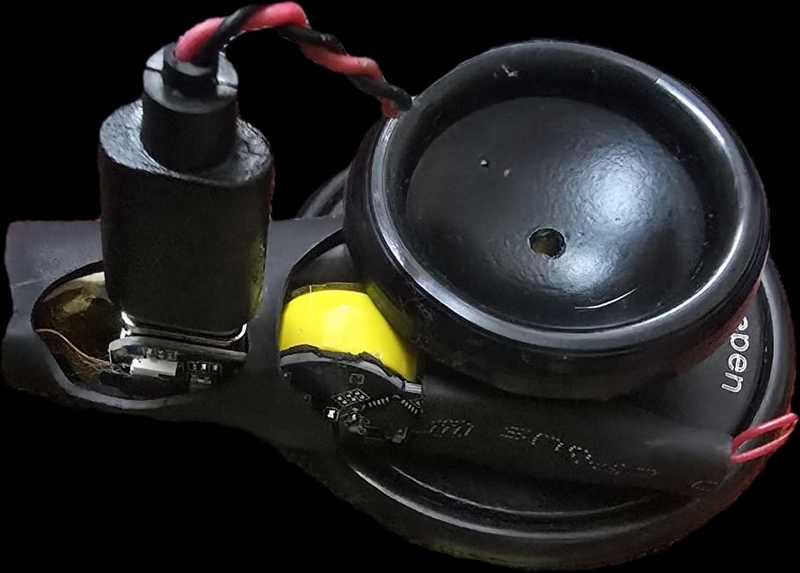
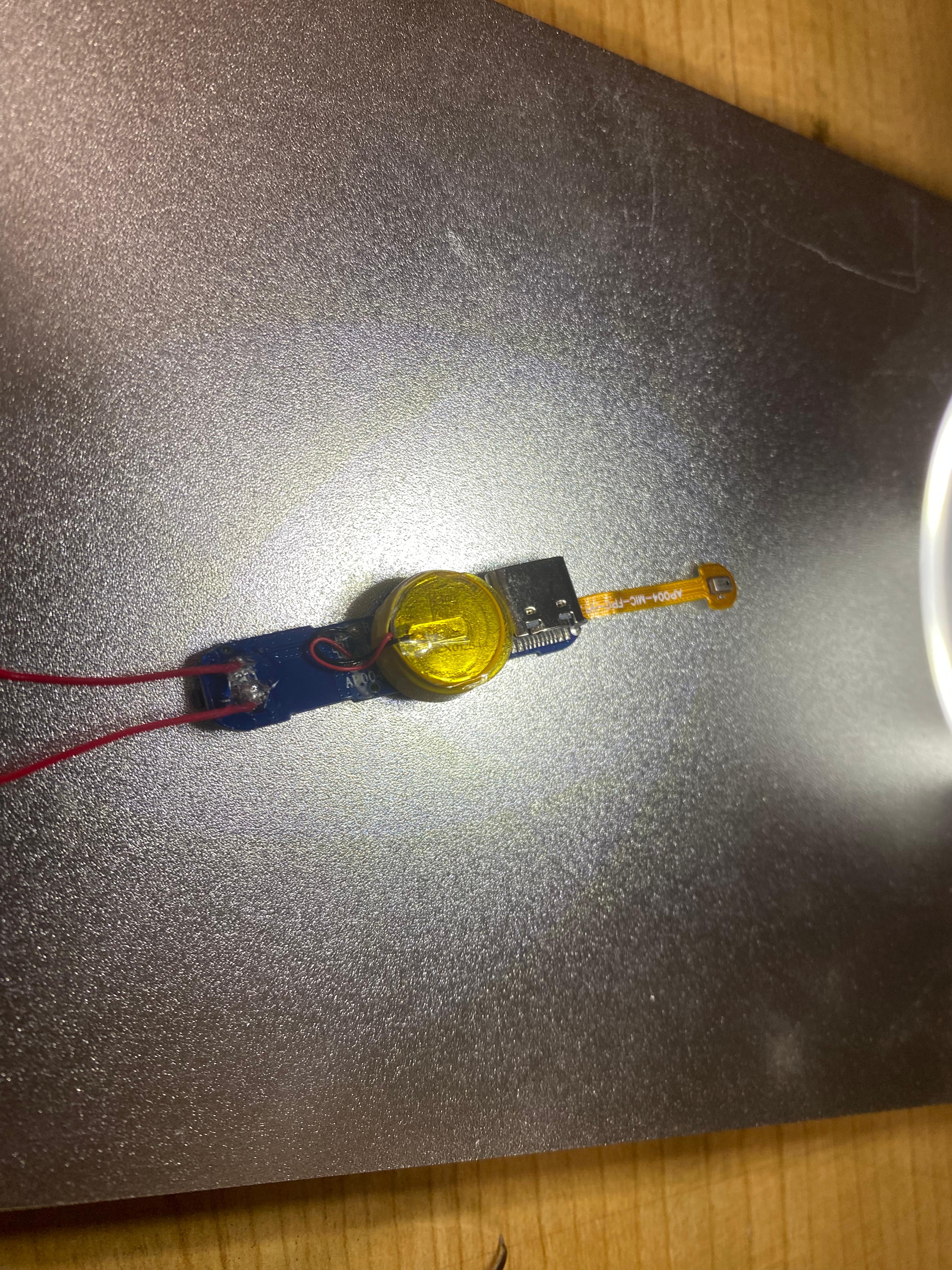
Assembly
-
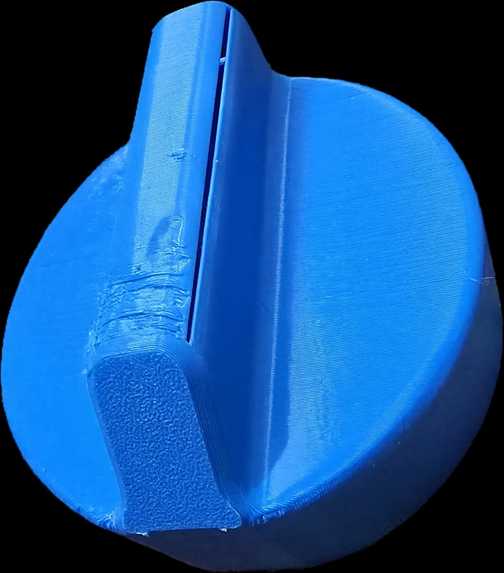
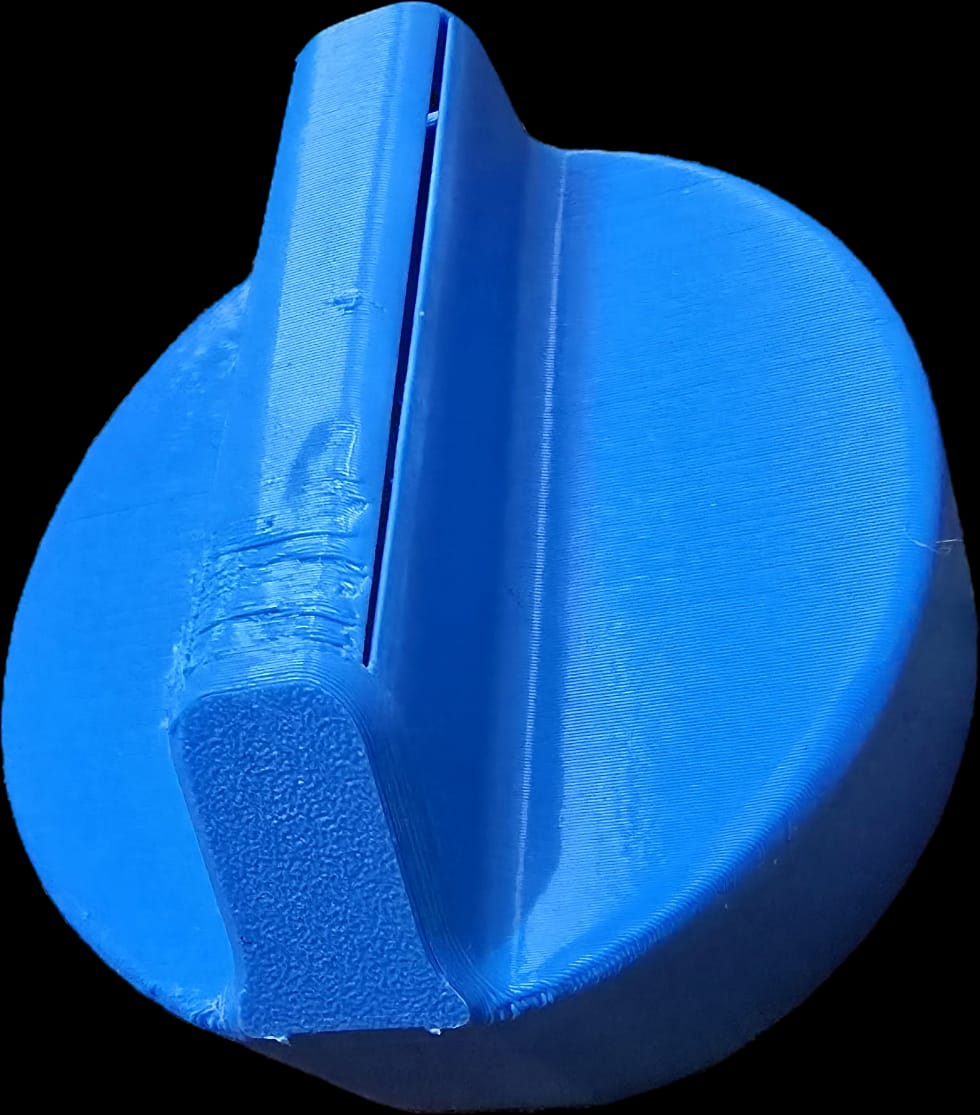
enclosure
-
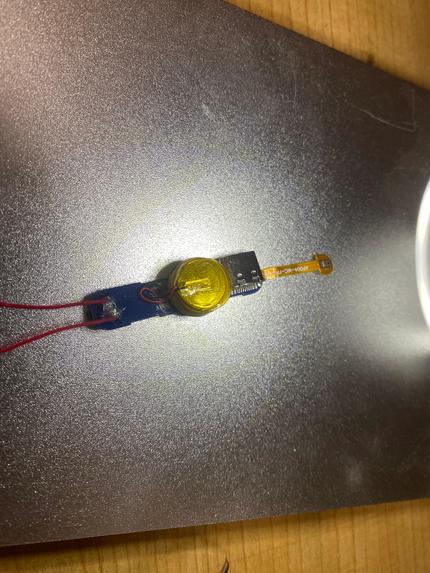
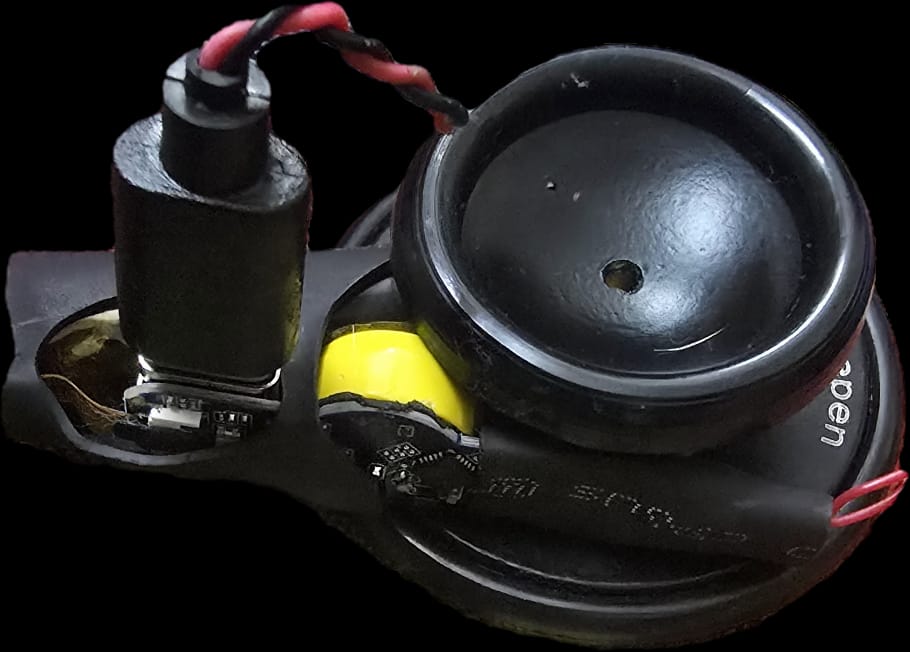
transmitter module
-
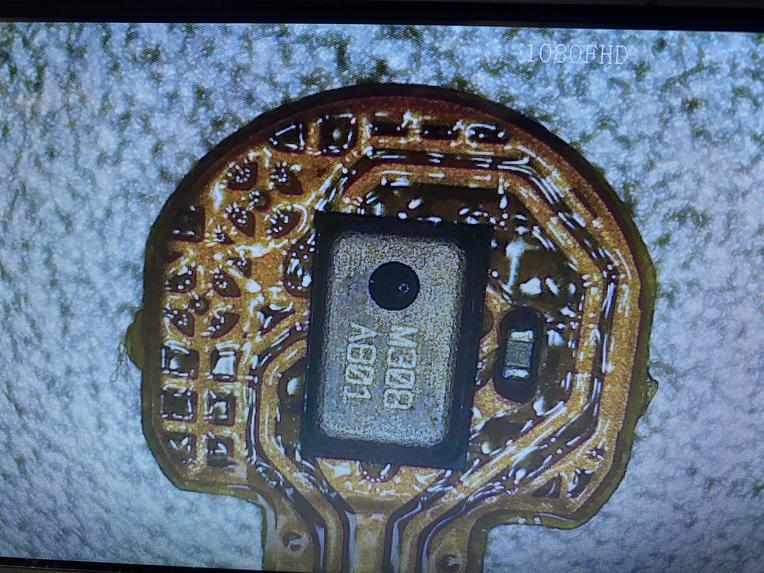
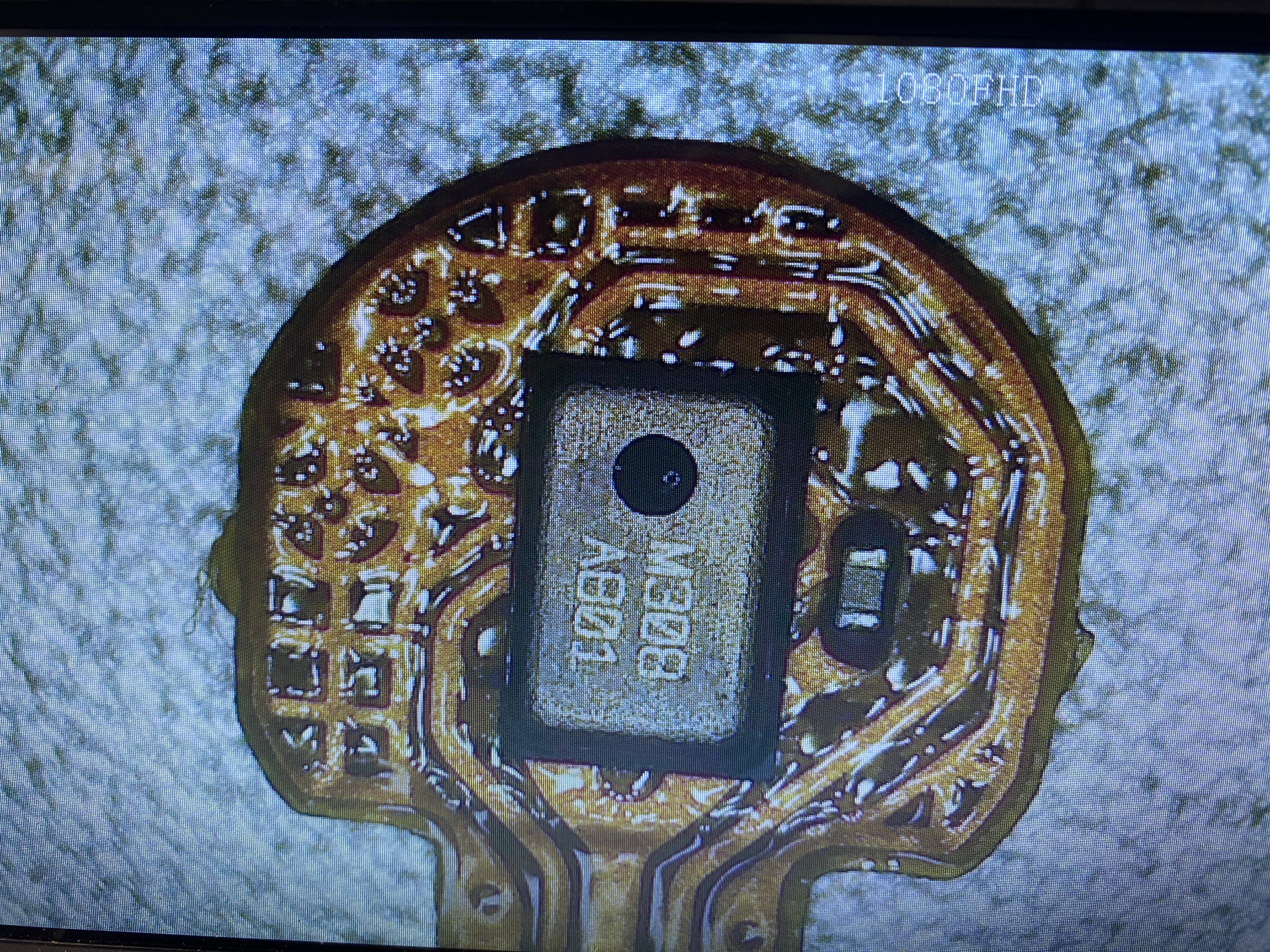
Mic module
-
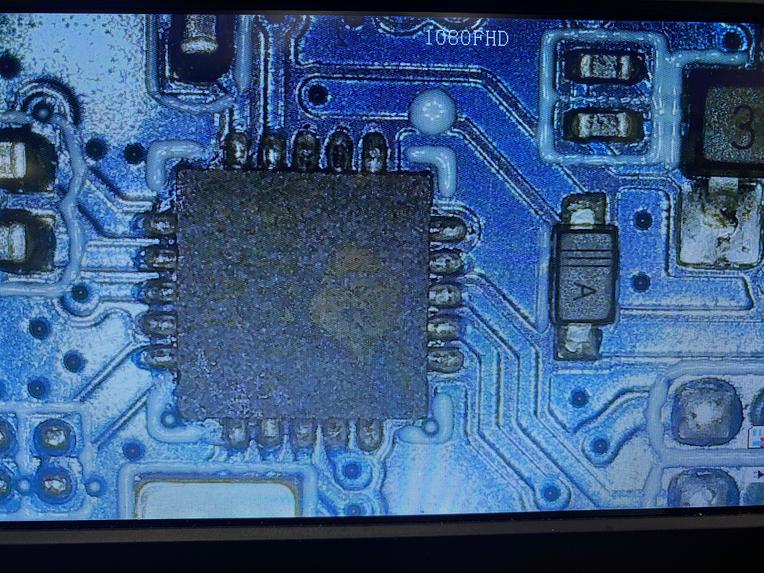
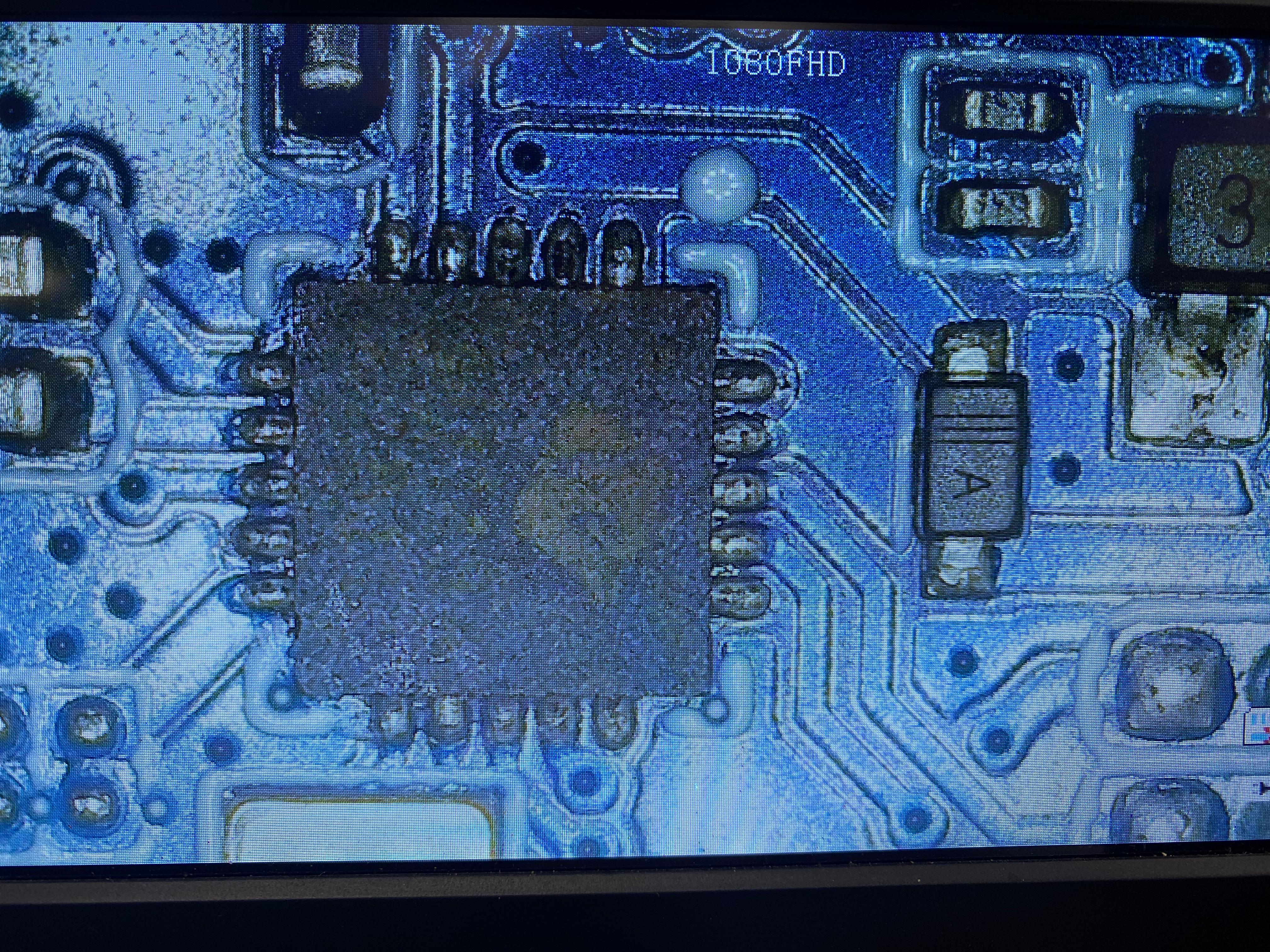
On board microprocessor
-
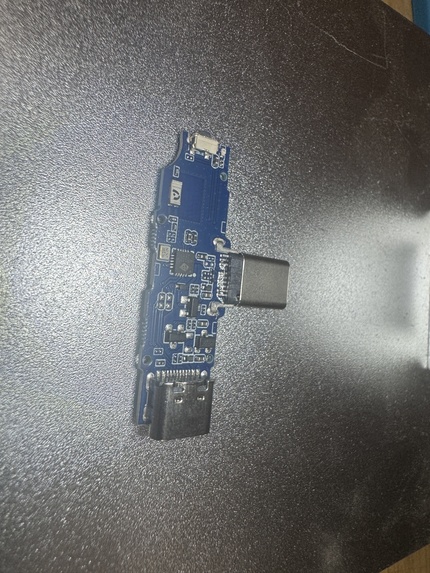
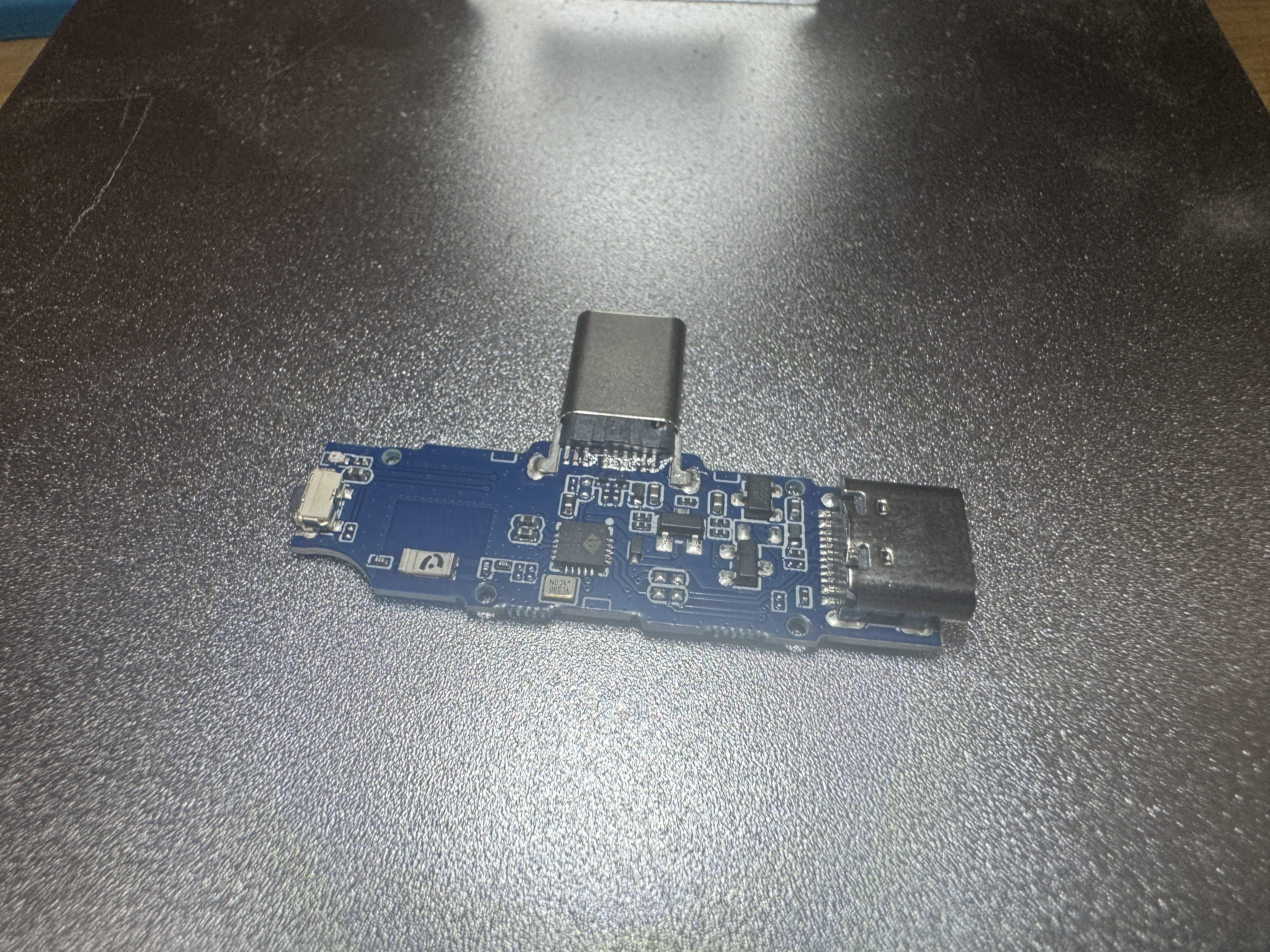
Receiver module
About the Project, RYTHM.IX Inspiration Cardiovascular diseases are still among the major causes of death worldwide, but routine screening is frequently bypassed out of time, expense, limited access to specialists, and post-pandemic shifts in healthcare-seeking attitudes. We were inspired to close this gap with a solution that:
Enables anyone to screen heart health at home, without medical knowledge Leverages AI to identify early indicators of cardiac abnormalities Decreases avoidable specialist consultations and promotes preventive care Our dream: make proactive heart health monitoring as easy as recording a short audio clip.
What We Created RYTHM.IX is an AI-driven heart sound classification system with:
Easy-to-use web dashboard for recording/uploading heart sounds Real-time oscillogram visualization (amplitude vs. time) Deep learning–based classification (e.g., Normal, Murmur, Artifact, Extrahls, Extrastole) Actionable reports with confidence scores Secure data management with end-to-end encryption and AES-128 at rest Cloud-backed processing for scalability Conceptual pipeline:
Capture heart sound via a digital stethoscope or microphone Denoise and segment audio; extract relevant features Run inference with a TensorFlow model Display predictions, waveform plots, and recommendations How We Built It Frontend: Responsive React-based dashboard for recording, uploads, and visualization Audio: Client-side capture and waveform rendering; server-side preprocessing (filtering, segmentation) ML: TensorFlow deep learning classifier trained on labeled heart sound patterns Features: Time–frequency representations (e.g., spectrogram/MFCC variants) and engineered temporal cues Backend: REST endpoints for uploading, inference, and results retrieval Cloud: Scalable model serving and scalable storage Security: TLS for data in transit; AES-128 for data at rest; user authentication and controlled access A standard classification head involves a softmax layer; the confidence for class i is:
Inline: $ P(\text{class}i \mid x) = \dfrac{e^{f_i(x)}}{\sum{j=1}^{K} e^{f_j(x)}} $ Display: $ P(\text{class}i \mid x) = \frac{e^{f_i(x)}}{\sum{j=1}^{K} e^{f_j(x)}} f_i(x) x K $ is the number of classes. What We Learned Signal processing is important: strong denoising and segmentation significantly enhance model stability Feature design + DL: using time–frequency features with CNNs provides improved generalization over raw waveforms on their own in noisy environments UX for healthcare: transparent visualizations and plain language are vital for users who are not experts Security by design: encryption, consent, and data retention options need to be first-class features Model evaluation: environment-like noise testing and stratified validation are crucial to prevent optimistic accuracy Challenges We Faced Noisy real-world recordings: Motion artifacts, breathing noise, friction of clothes needed to be carefully preprocessed Class imbalance: Certain conditions (e.g., extrastole) were less represented; we employed augmentation and weighted losses Thresholding and triage UX: Finding the right balance (sensitivity of early detection, avoiding false alarms) for user trust Latency: Making total round-trip inference remain below seconds on modest networks Regulatory alignment: Designing for future medical compliance and certification Technical Highlights Multi-class classifier for Normal, Murmur, Artifact, Extrahls, Extrastole Oscillogram and time-series display for 2–10 second windows Confidence-sensitive recommendations and retest hints for low-SNR inputs Modular design:
Ease of plugging in better models without UI modification Confidence-weighted decision proposal:
Inline:
Display:
where implements class-specific clinical priority heuristics, and balance confidence vs. priority. Impact Quiet, regular, at-home screening for high-risk groups (elderly, cardiac patients, rural/remote users) Decreases routine clinical volume by prioritizing normal vs. potentially abnormal cases Fosters preventive care and early intervention Next Steps Mobile application with offline capture and subsequent sync Model updates with larger datasets and domain adaptation Clinician portal for longitudinal monitoring Multi-language support and accessibility enhancements Compliance pathway (e.g., clinical validation, certifications) Acknowledgements Constructed with a commitment to accessible health technology and motivated by the imperative to make preventive cardiac care practical, private, and proactive for all.

Log in or sign up for Devpost to join the conversation.