-
-
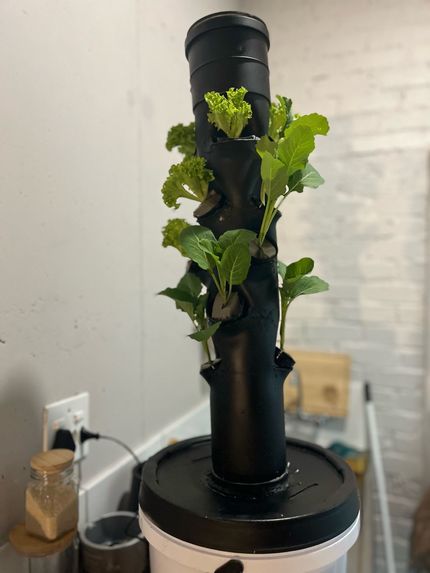
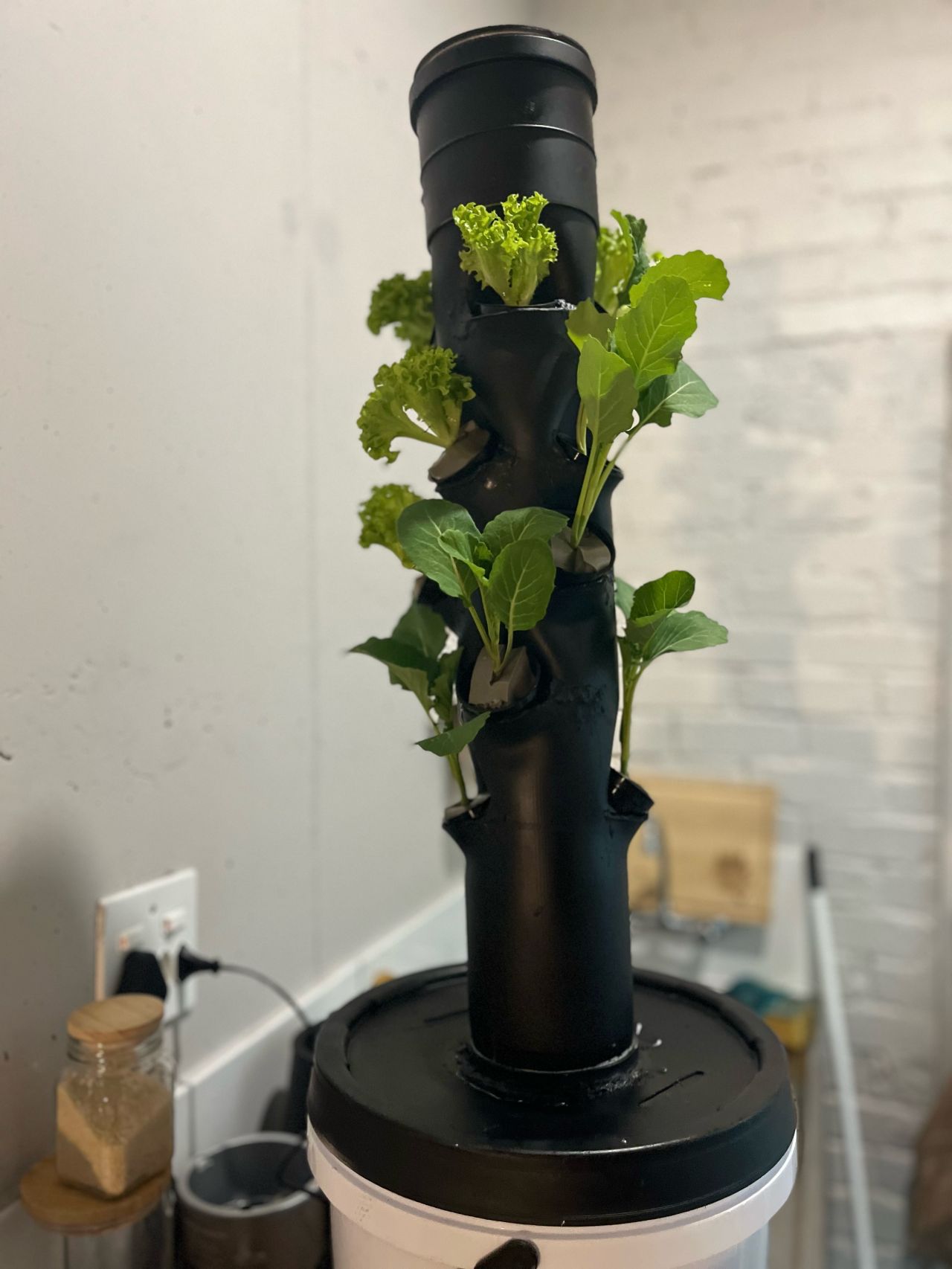
hydroponics tank with NPK, EC sensor sending data to the cloud
-
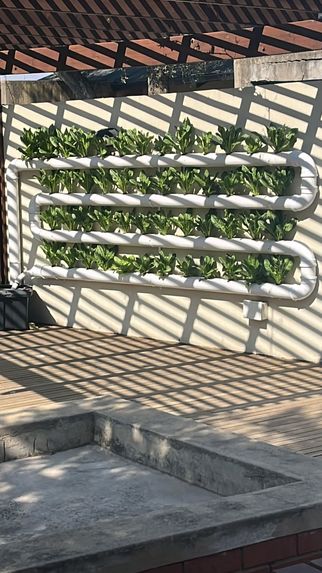
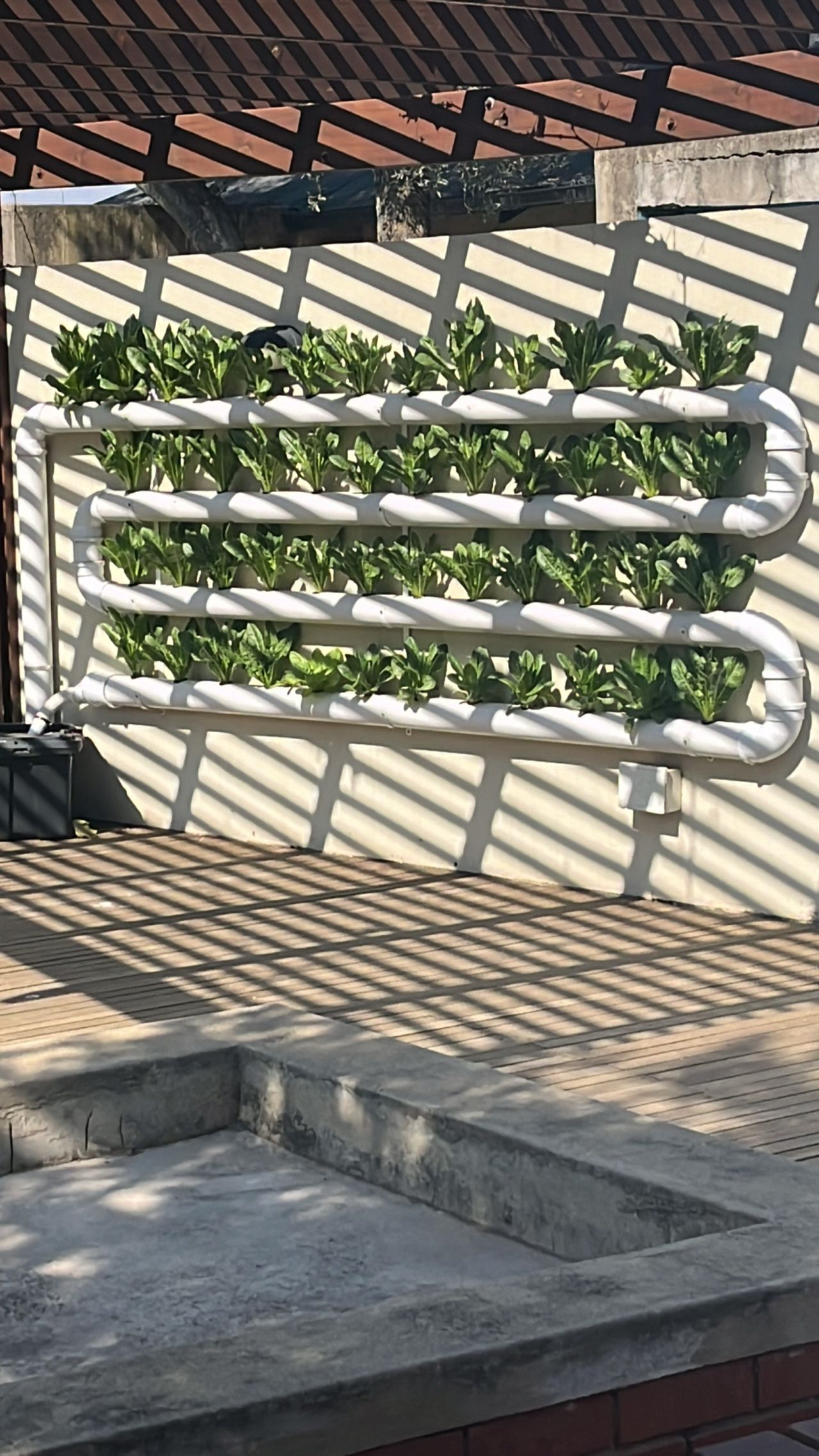
outdoor hydroponics garden with rusero agritech sensors.
-
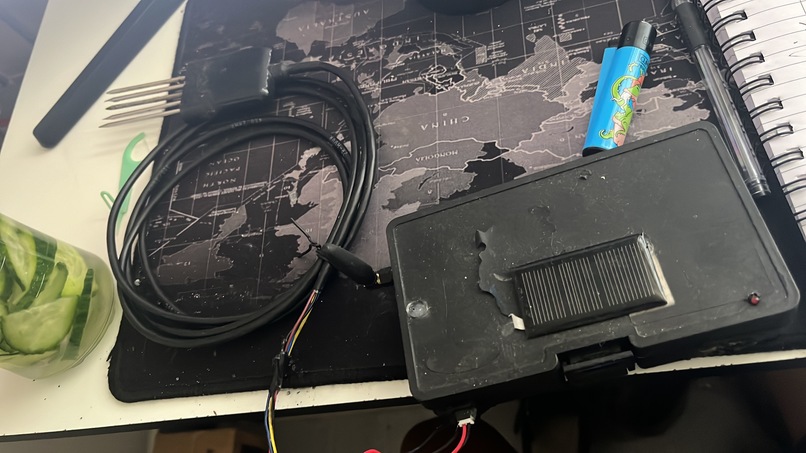
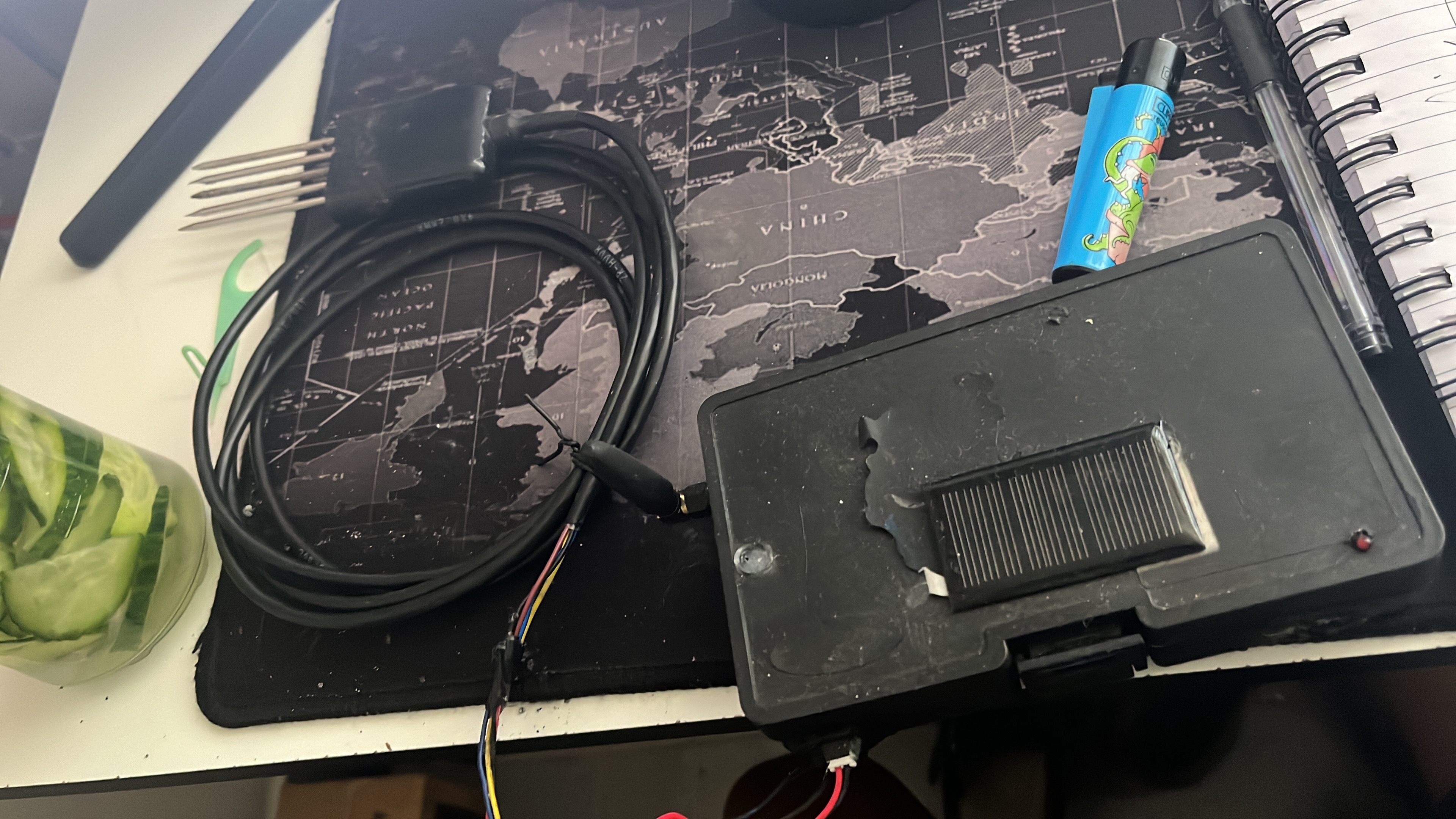
farm slave that monitors soil/water conditions on farm
-
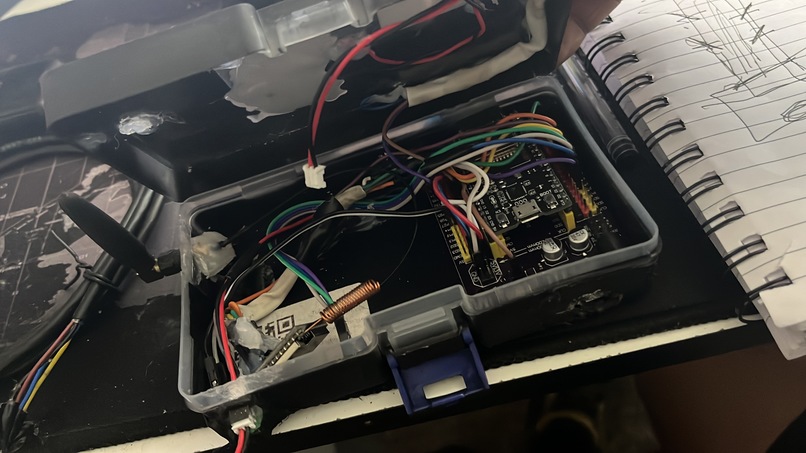
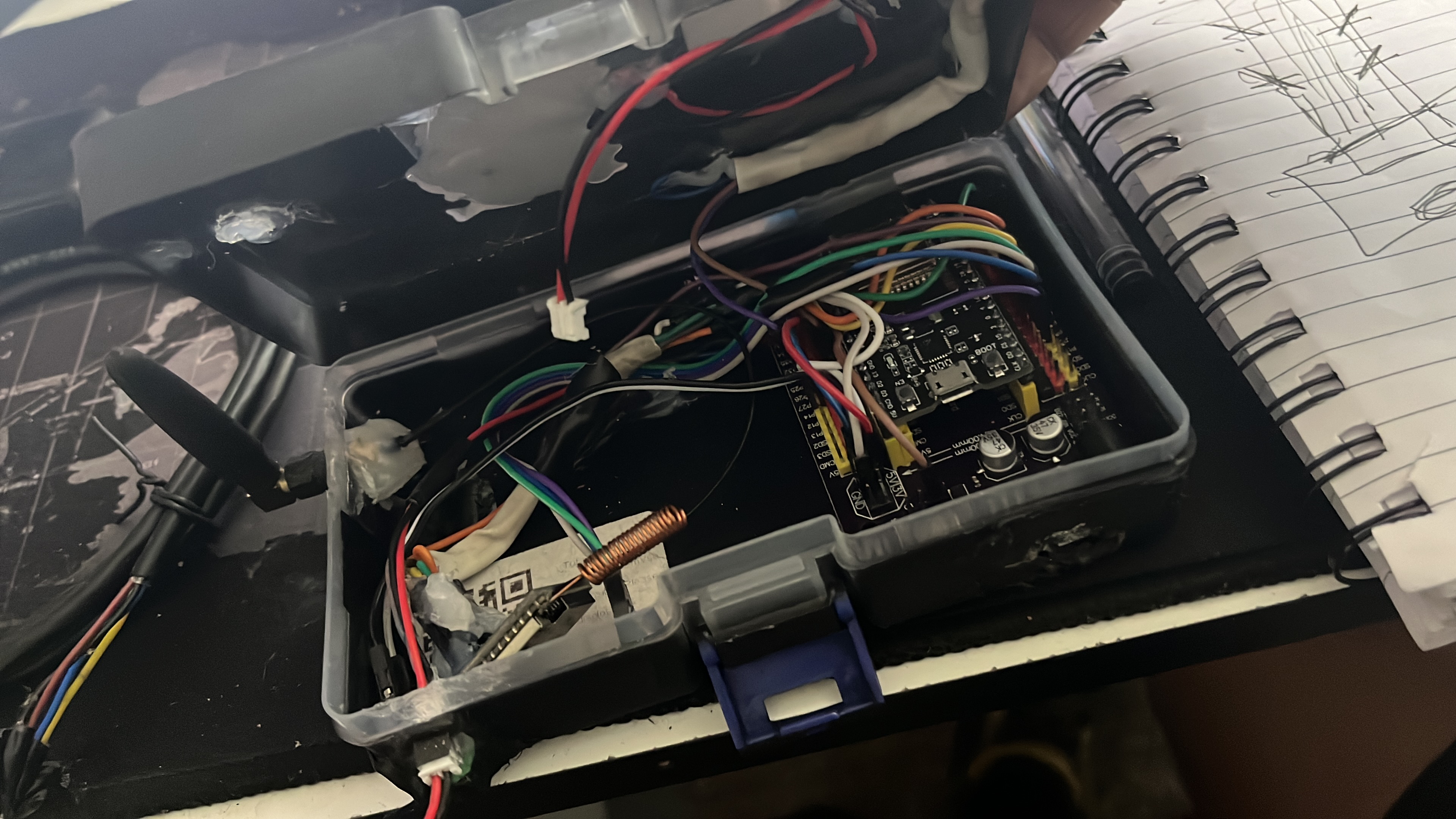
insides on the ai slave box
Inspiration
The inspiration for Rusero came from the pressing need to modernize agriculture, especially in developing countries. Farmers often rely on traditional methods to assess soil health and identify crop diseases, leading to inefficiencies, poor yields, and financial strain. Our vision was to empower farmers by leveraging technology to provide real-time insights into their soil and crops, thus improving decision-making and cutting down unnecessary expenses.
We were motivated by the potential impact this solution could have on communities that depend on agriculture for their livelihood. By blending Internet of Things (IoT) devices and AI-powered disease detection, we aimed to bridge the gap between technology and sustainable farming practices.
What it does
Rusero is an IoT-powered and AI-enhanced platform designed to help farmers optimize crop yield and soil health. It offers the following key functionalities:
Real-time Soil Health Monitoring: Using IoT sensors, Rusero gathers data on soil moisture, pH levels, and nutrient content. This data is sent to the cloud for real-time analysis, helping farmers take timely actions to improve soil conditions.
AI-Powered Crop Disease Detection: Rusero uses machine learning models (TensorFlow-based) to detect diseases in crops such as tomatoes, maize, and potatoes. Farmers can upload images of crops via WhatsApp, and the system quickly identifies potential diseases, offering suggestions for treatment.
WhatsApp-based Chatbot (Phil/Firimoni): Farmers can interact with a user-friendly chatbot to receive updates on soil health, get notified of crop diseases, set reminders, and receive actionable advice. The bot simplifies communication and ensures farmers without tech experience can still benefit from advanced insights.
Predictive Recommendations: Based on the soil data and crop health status, Rusero provides recommendations on optimal fertilizer use, irrigation schedules, and disease management, ensuring farmers make data-driven decisions.
How we built it
Building Rusero required a combination of IoT, AI, cloud computing, and chatbot integration. Here’s a breakdown of how we built each component:
1. IoT Sensors and Data Collection
- We used IoT sensors to monitor soil parameters like moisture, pH, and nutrient content (e.g., nitrogen, potassium, and phosphorus levels). These sensors are connected to a Raspberry Pi Zero 2 W, which acts as the local gateway, collecting data from the field.
- To enhance data processing capabilities, we integrated a Coral USB accelerator with the Raspberry Pi to perform real-time, edge-based computations, reducing latency and improving response times in remote farming locations.
2. AI-Powered Crop Disease Detection
- We trained machine learning models (using TensorFlow) to detect crop diseases in tomatoes, maize, and potatoes. These models were built using image datasets of healthy and diseased plants.
- The models are deployed in the cloud and receive image inputs from farmers through WhatsApp. They analyze the images and return predictions with confidence scores, allowing farmers to identify diseases early and take preventive actions.
3. Cloud Infrastructure
- The collected sensor data is sent to the cloud for further processing and storage. We utilized Google Cloud Platform to handle data storage, processing, and model inference at scale.
- We also set up a cloud database to store historical soil data and disease diagnosis results, which helps in providing farmers with predictive analytics and recommendations.
4. Chatbot (Phil/Firimoni)
- We integrated a WhatsApp chatbot using Twilio’s WhatsApp API. The bot allows farmers to interact with the system in a conversational manner, checking their soil health, getting alerts, and asking for disease diagnoses.
- The chatbot is built using LangChain, which enables us to integrate an LLM-powered conversational AI that understands farmers' queries and responds with contextually relevant information. This makes the experience seamless for farmers who may not have extensive technical knowledge.
5. Retrieval-Augmented Generation (RAG) System
- To provide rich, context-aware advice, we used RAG methodology. Farmers can ask detailed questions about their crops or farming techniques, and the system retrieves relevant data and generates insightful answers based on their specific situation.
- We used FAISS (Facebook AI Similarity Search) as our vector store for efficient similarity searches, integrated with Gemini embeddings from Google Generative AI for fast and accurate retrieval of relevant documents or knowledge.
6. Frontend for Data Visualization
- We developed a web-based dashboard using ReactJS to visualize real-time sensor data, historical trends, and recommendations. This dashboard is accessible by farm managers for a more detailed analysis of their farm’s performance.
7. Persistent Data & Notifications
- We added a persistent notification system via the WhatsApp bot, which sends real-time alerts and reminders to farmers about soil health, required actions, or weather conditions. This helps farmers stay on top of their crops without needing to constantly check the system.
Challenges We Ran Into
Building Rusero came with several challenges that pushed us to innovate and optimize at every stage:
1. Hardware Integration
- One of the biggest challenges was ensuring smooth communication between the IoT sensors and the esp32. We faced issues with sensor calibration and connectivity in rural areas where stable power and internet connections are limited.
2. Model Accuracy and Generalization
- Training the AI models to detect crop diseases accurately was difficult because of varying environmental conditions, lighting, and plant stages. We had to gather diverse data to ensure that the model could generalize well across different farm settings.
- Fine-tuning the model to work efficiently on images captured with basic mobile phones, often in low light, required extensive preprocessing and data augmentation techniques.
3. User Adoption and Accessibility
- Many farmers are not familiar with advanced technology, so making the system intuitive was critical. We faced challenges in designing an interface that was simple, user-friendly, and accessible via WhatsApp, which many farmers are already comfortable using.
- Ensuring the chatbot could handle various dialects, languages, and non-standard text input was another hurdle, requiring additional natural language processing (NLP) optimizations to improve user experience.
4. Scaling the System
- As more farms and farmers started using the platform, scaling the backend infrastructure to handle the increased data load and maintain real-time analysis became a challenge. We had to ensure that our cloud architecture and databases could scale elastically to meet the demands of a growing user base.
- Handling a large volume of sensor data and ensuring its accuracy over time required us to implement sophisticated error detection and recovery mechanisms.
6. Predictive Analytics and Recommendations
- Providing actionable insights and recommendations based on sensor data and disease detection proved to be challenging. We needed to ensure that the advice given to farmers was accurate and contextually relevant, which required building a robust recommendation engine that could adapt to varying environmental factors.
- Integrating historical data and learning from patterns to offer more accurate predictions for future farming decisions was another complex challenge that involved continuous model retraining and optimization.
Despite these challenges, overcoming them allowed us to build a more resilient and scalable platform that is well-suited for real-world farming conditions.
Accomplishments That We're Proud Of
Throughout the development of Rusero, we achieved several key milestones that we’re proud of:
1. Successfully Integrating IoT and AI for Precision Agriculture
- We’re proud of building a fully functional system that combines IoT sensors and AI-powered disease detection. This integration allows farmers to monitor their soil health and crop diseases in real time, providing actionable insights that directly impact farm productivity.
- This solution enables even small-scale farmers to benefit from advanced technologies without requiring significant technical knowledge or investment.
2. Real-Time Crop Disease Detection
- One of our most significant achievements was training and deploying accurate TensorFlow models capable of detecting crop diseases from images captured on basic mobile devices. This feature empowers farmers to prevent crop loss by identifying diseases at an early stage, something traditionally only accessible to large commercial farms with expensive equipment.
3. Creating a Seamless User Experience with WhatsApp Chatbot
- We’re proud of building an intuitive, user-friendly interface in the form of the Phil/Firimoni WhatsApp chatbot. Farmers can interact with the system in a conversational manner, checking soil health, getting disease diagnoses, and receiving reminders—all through a platform they are already familiar with.
- This has increased the accessibility of our solution, ensuring that farmers with minimal technological experience can still use it effectively.
4. Scalability of the Platform
- We designed a scalable system that can handle increasing volumes of sensor data and growing numbers of users. Our backend infrastructure can support farms of various sizes, and the system can seamlessly integrate new sensors and data points as needed.
- The use of cloud infrastructure ensures that as more farmers adopt the platform, it can easily scale to meet the increased demand without compromising on performance or data accuracy.
5. Empowering Farmers with Predictive Insights
- By combining historical data with real-time sensor data, we’ve built a predictive analytics engine that gives farmers recommendations tailored to their specific needs. This accomplishment allows farmers to optimize their input costs (e.g., water, fertilizer) while improving crop yields.
- The system’s ability to provide proactive recommendations, such as when to irrigate or fertilize crops, has significantly enhanced decision-making for farmers.
6. Making a Positive Impact on Agriculture
- Ultimately, we are proud of the positive impact Rusero is having on farmers' lives. By offering an affordable and accessible solution, we are helping to improve food security, increase crop yields, and reduce operational costs for farmers.
- We’ve seen early adopters of the platform experience tangible improvements in crop health and productivity, which validates our approach and inspires us to continue evolving the system.
These accomplishments reflect the hard work, technical innovation, and passion behind the development of Rusero, and we’re excited to see how it continues to evolve and impact the agricultural sector.
What We Learned
Building Rusero has been a learning journey that provided us with valuable insights across multiple domains. Here are some of the key lessons we learned:
1. Importance of Real-Time Data
- We realized that real-time data is critical for farmers to make informed decisions about their crops and soil health. By providing immediate insights on soil conditions and crop diseases, we empower farmers to take timely actions that can significantly improve crop yields and prevent losses.
- Understanding the complexity of data collection from IoT sensors in remote environments taught us how to optimize the system for reliability and low-latency responses.
2. Balancing Technology with User Experience
- We learned that while advanced technology is important, its success hinges on the user experience. Farmers, who may not be familiar with complex systems, need simple and intuitive interfaces to interact with. This led us to prioritize user-friendly solutions like the WhatsApp chatbot, which makes advanced AI and IoT technology accessible even to non-tech-savvy users.
- Keeping the interaction conversational and leveraging platforms that users are already familiar with was key to the project's success.
3. Model Training and Data Generalization
- Training models to detect crop diseases accurately across various conditions (lighting, weather, and plant stages) was a valuable lesson. We learned that data diversity is crucial for machine learning models to generalize effectively. Collecting a wide range of data samples and augmenting them helped us improve the model's accuracy.
- Additionally, ensuring that the models work well with low-resolution images from farmers' phones required careful preprocessing and augmentation.
4. Scalability and System Optimization
- Building a scalable platform capable of handling large amounts of sensor data while maintaining real-time performance taught us the importance of efficient cloud architecture. We learned how to design systems that can elastically scale, ensuring the platform remains responsive and cost-effective as more users and data points are added.
- Optimizing data storage and retrieval for fast analytics and predictions was another key learning that will help us as the system expands.
5. Collaboration and Feedback
- Working closely with farmers and field experts taught us that user feedback is essential for creating a solution that meets real-world needs. By constantly iterating based on their input, we were able to refine the platform and make it more practical for day-to-day farming operations.
- Collaboration with experts in agronomy, AI, and hardware helped us address technical challenges and improve the overall functionality of the system.
6. Impact of Predictive Analytics
- We learned that combining historical data with real-time data unlocks the full potential of predictive analytics. Farmers can plan better when they know not only the current state of their soil and crops but also receive predictions on when and how to irrigate, fertilize, or prevent disease outbreaks.
- Predictive insights can truly transform farming by optimizing resource usage, reducing costs, and increasing yield, which reinforced the importance of continuous model improvement and adaptation.
In summary, Rusero taught us the importance of blending cutting-edge technology with practical, use
What's Next for Rusero AgriTech
The journey of Rusero doesn’t end here. We have several exciting features and improvements planned to further enhance the platform and broaden its impact on the agricultural sector:
1. Building a Dashboard with NDVI and DRI Analysis
One of our major upcoming features is the integration of NDVI (Normalized Difference Vegetation Index) and DRI (Drought Resilience Index) analysis into our platform. By incorporating satellite/drone data, we aim to provide farmers with a more comprehensive view of their crops' health and environmental conditions.
The NDVI analysis will allow farmers to monitor plant health based on satellite/drone imagery, giving them a bird’s-eye view of their fields and helping them identify areas with poor vegetation growth. This analysis will help detect early signs of stress or disease, providing farmers with even more powerful insights to optimize their farm management.
DRI analysis will provide an assessment of the farm’s resilience to drought, helping farmers prepare for adverse weather conditions and adjust their irrigation strategies accordingly. This feature will be critical in regions prone to water shortages.
2. Expanding Crop and Disease Models
- We plan to expand our AI-powered disease detection models to include more crop varieties beyond tomatoes, maize, and potatoes. This will make Rusero even more versatile and beneficial to a wider range of farmers, allowing them to detect diseases in different crops with the same level of accuracy.
- We are also exploring the integration of pest detection models to help farmers identify infestations early and take preventive measures.
3. Advanced Predictive Analytics
- We will continue to improve our predictive analytics engine by incorporating more sophisticated algorithms that can not only predict the best times for irrigation and fertilization but also provide long-term yield forecasts based on current and historical data.
- With these enhanced predictions, farmers will be better equipped to plan their farming activities and manage resources more efficiently, leading to better yields and reduced costs.
4. Deeper Integration with IoT Devices
- As the platform grows, we aim to support more types of IoT sensors and devices that can provide additional data points, such as real-time weather conditions and pest monitoring. This will allow for even more detailed analysis and recommendations based on a fuller picture of farm conditions.
- We are also exploring drone integration to collect high-resolution aerial imagery that can complement satellite data for more precise crop health monitoring.
5. Global Scaling and Local Customization
- As we look to expand beyond our current regions, we plan to adapt Rusero for global scalability while ensuring that it remains locally customized to the specific needs of farmers in different countries. This includes integrating region-specific data sources (e.g., local satellite services) and tailoring disease models based on crop varieties common in each region.
- Language and dialect support will be enhanced further to ensure Rusero is accessible to farmers in diverse linguistic and cultural backgrounds.
6. Partnerships and Collaborations
- We aim to form partnerships with agricultural organizations, government agencies, and research institutions to continually improve the platform and ensure it aligns with industry standards and emerging agricultural trends.
- By collaborating with experts in agronomy and sustainability, we plan to make Rusero a leading tool in precision agriculture and a key driver of sustainable farming practices.
By continuously innovating and expanding our platform, we are committed to making Rusero the go-to solution for farmers looking to optimize their operations through technology. We believe that these upcoming features will further empower farmers to make informed, data-driven decisions and contribute to a more sustainable and productive agricultural future.


Log in or sign up for Devpost to join the conversation.