

Inspiration
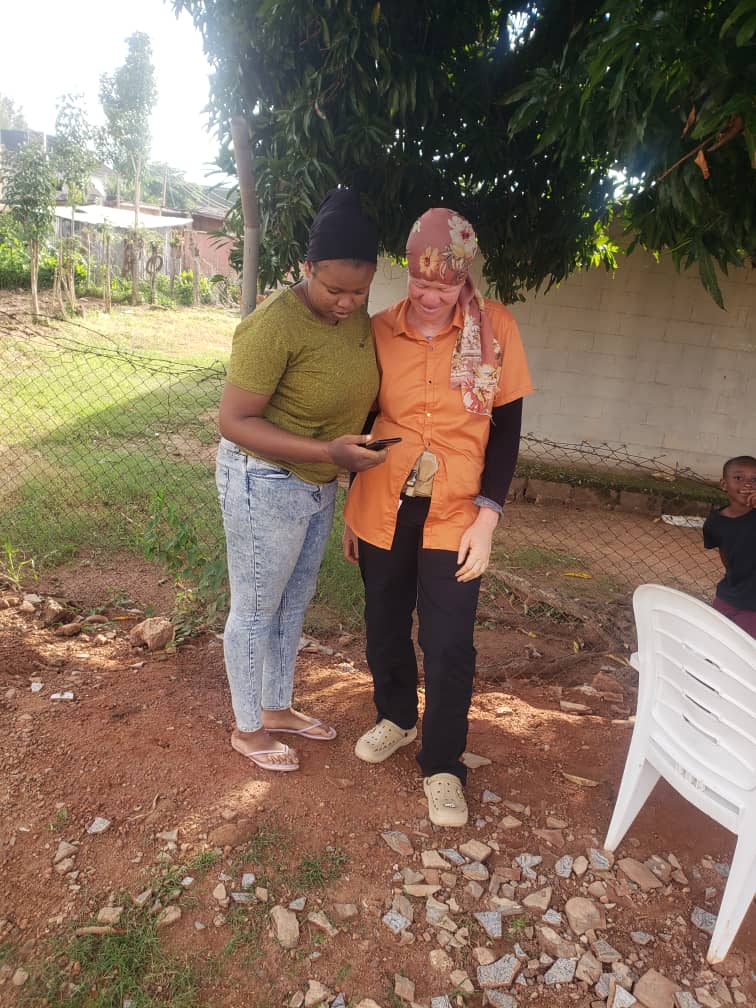
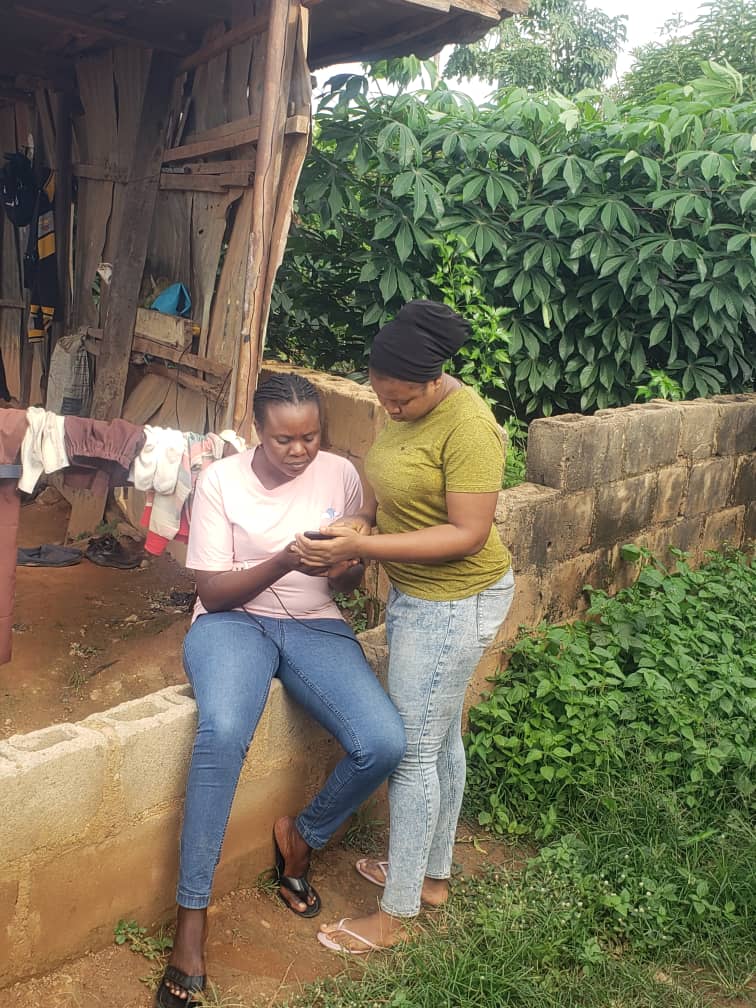
Our inspiration came from observing how rural communities in Africa are often excluded from the formal financial system. Many people lack access to bank branches, internet, or digital education. As data scientists and developers with roots in such communities, we asked: How might we bring basic financial literacy and banking simulations offline, in local languages, and at ultra-low cost? This question led to the idea of the Rural Digital Finance Hub a solution at the intersection of FinTech, EdTech, and CivicTech.
What it does
The Rural Digital Finance Hub is a two-part solution:
- Phase 1: A mobile-first financial literacy app built with HTML that works on browsers, teaching rural users about saving, budgeting, credit, and secure transactions.
- Phase 2: An offline ATM Simulator APK that mimics basic banking functions like:
- Checking balances
- Deposits and withdrawals
- Micro-saving and credit simulation It uses local languages, intuitive UI, and runs without internet. A lightweight blockchain ledger logs simulated transactions for transparency—ideal for tracking microloans and savings groups. ## How we built it
- Frontend: HTML, CSS, and JavaScript for the financial literacy module
- Mobile App (APK): Built using Apache Cordova, Java JDK, and the Android SDK to wrap HTML/CSS/JS into a native Android experience
- Ledger System: Implemented using JavaScript localStorage for offline data persistence and JSON-based transaction logging to simulate lightweight blockchain behavior without external dependencies
- Languages: Integrated local language text/audio using JSON and custom voice assets
- Testing: Conducted a field pilot with 20 rural users and tracked engagement via offline logs and feedback surveys Our next step is deploying the APK on Raspberry Pi, transforming it into a solar-powered financial kiosk using Raspbian OS and GPIO-based hardware interface. ## Challenges we ran into
- Cordova required manual configuration of Android SDK paths and gradle builds
- Ensuring offline media and logic ran smoothly on low-memory devices
- Translating complex financial terms into understandable local dialects
- Managing device compatibility with older Android versions ## Accomplishments that we're proud of
- 72% increase in user confidence during our pilot phase
- Successfully delivered a fully offline Cordova-based ATM simulation
- Achieved seamless language switching.
- Attracted interest from cooperative banks and clean energy partners
- Preparing for hardware deployment via Raspberry Pi in Q4 2025 ## What we learned
- Building with Cordova and native SDKs gave us more control but required in-depth platform knowledge
- Offline-first design must account for storage, caching, and intuitive UX
- Language and cultural relevance are just as important as technical features
- Simplicity and stability outweigh flashy design in rural deployments
- Open-source tools like Cordova can power real-world solutions when used creatively
Above all, we learned that bridging digital gaps in underserved areas means designing with empathy, clarity, and sustainability in mind.
## What's next for Rural Digital Finance Hub Our immediate next step is the deployment of the ATM simulator on Raspberry Pi to create rugged, solar-powered kiosks that can serve entire rural communities—even in areas with no smartphones or electricity. We are also working on: - Hardware integration: Connecting low-cost touchscreens and solar panels to Raspberry Pi units
- Voice navigation: Adding offline voice instructions for non-literate users
- Biometric authentication prototype: Exploring integration with fingerprint modules for identity-less verification
- Partnership building: Finalizing collaborations with local banks, cooperatives, and NGOs
- Monitoring & evaluation dashboard: Creating an offline-compatible admin panel to track kiosk usage, financial literacy scores, and user engagement metrics
Looking ahead, we aim to expand our impact by:
- Incorporating mobile health insurance and land registry tools
- Piloting community-based e-voting features
- Training local youth to maintain and run the kiosks for job creation and sustainability We envision the Rural Digital Finance Hub evolving into a modular civic-tech platform—supporting everything from savings to civic engagement—all powered locally and offline.
Built With
- android
- android-studio
- apache
- built-with-html
- css
- google-text-to-speech-(offline)
- java-jdk
- javascript
- javascript-localstorage
- json
- studio
- visual
- windows-os


Log in or sign up for Devpost to join the conversation.