-
-
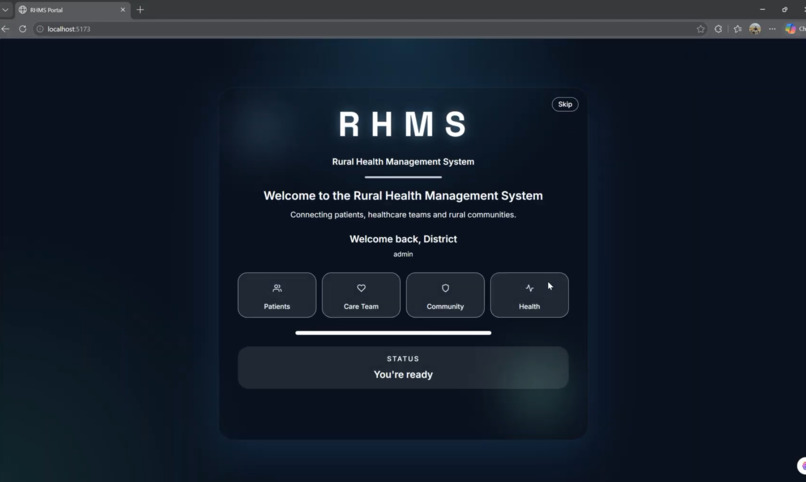
Loading page
-
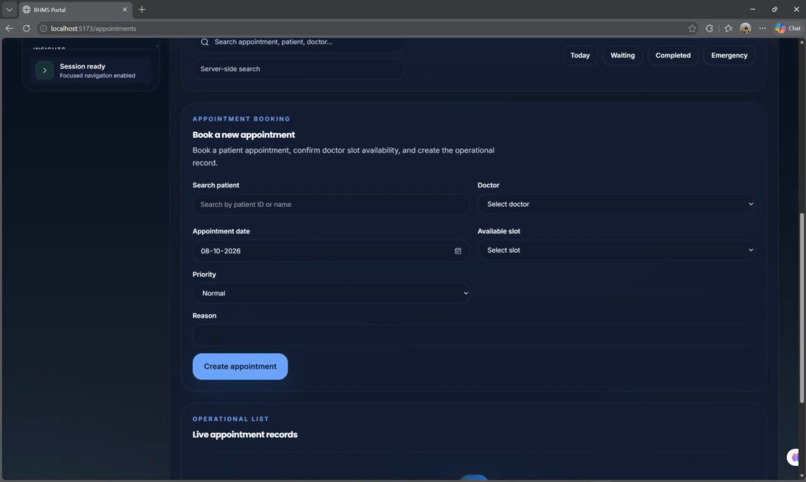
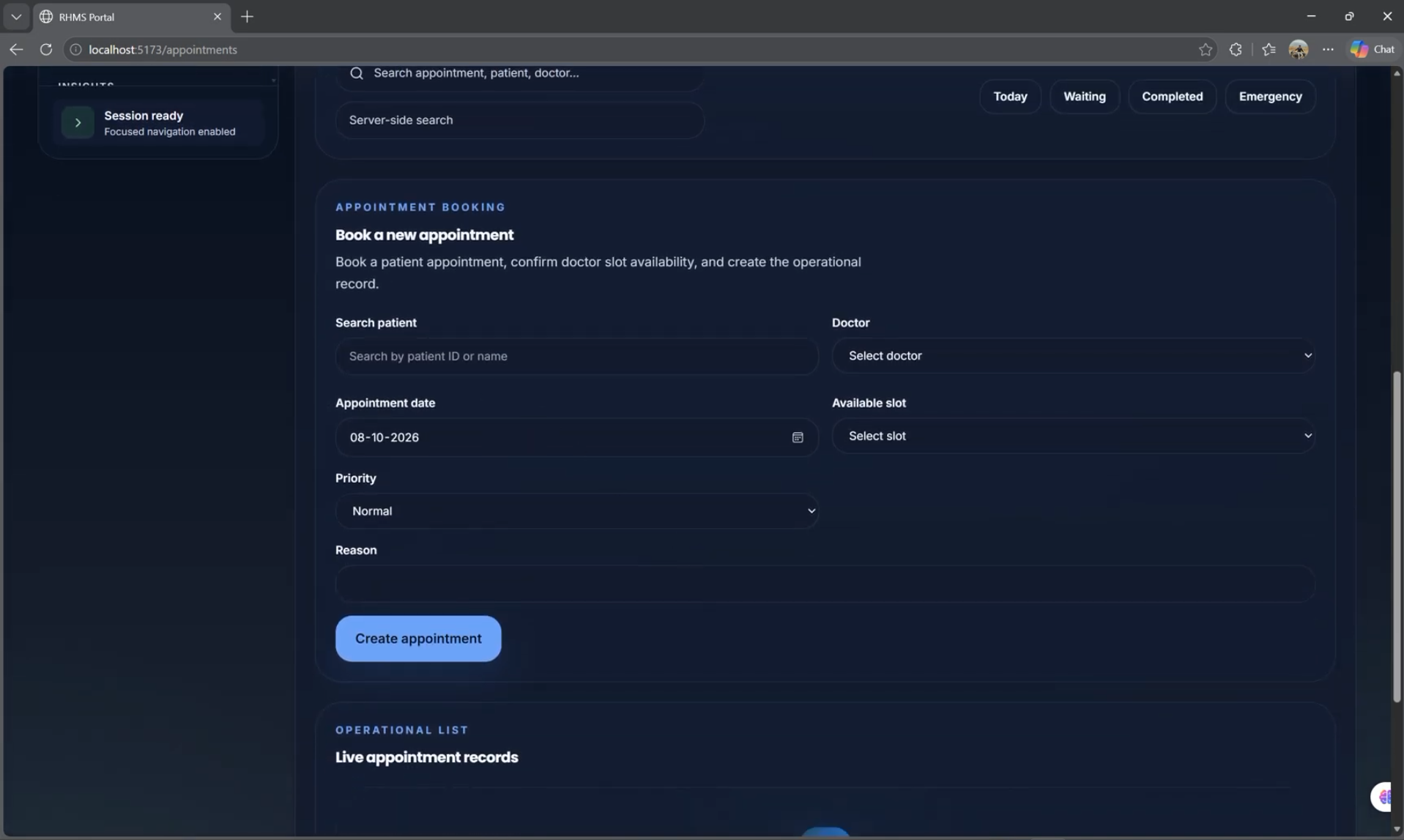
Appointment
-
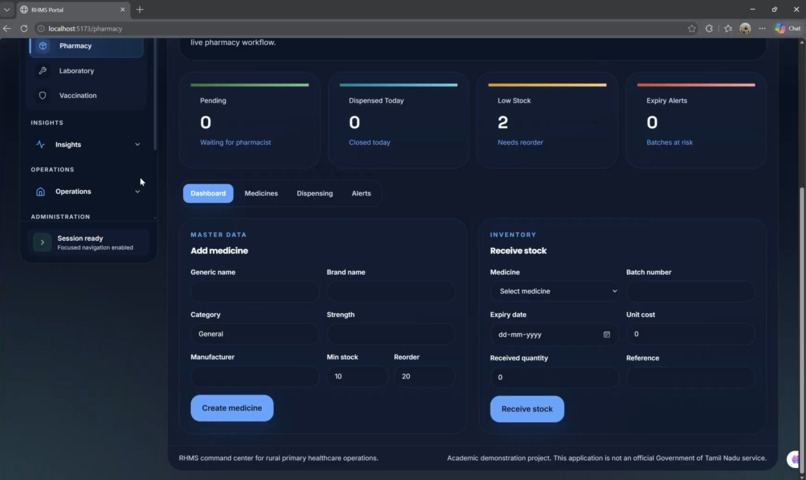
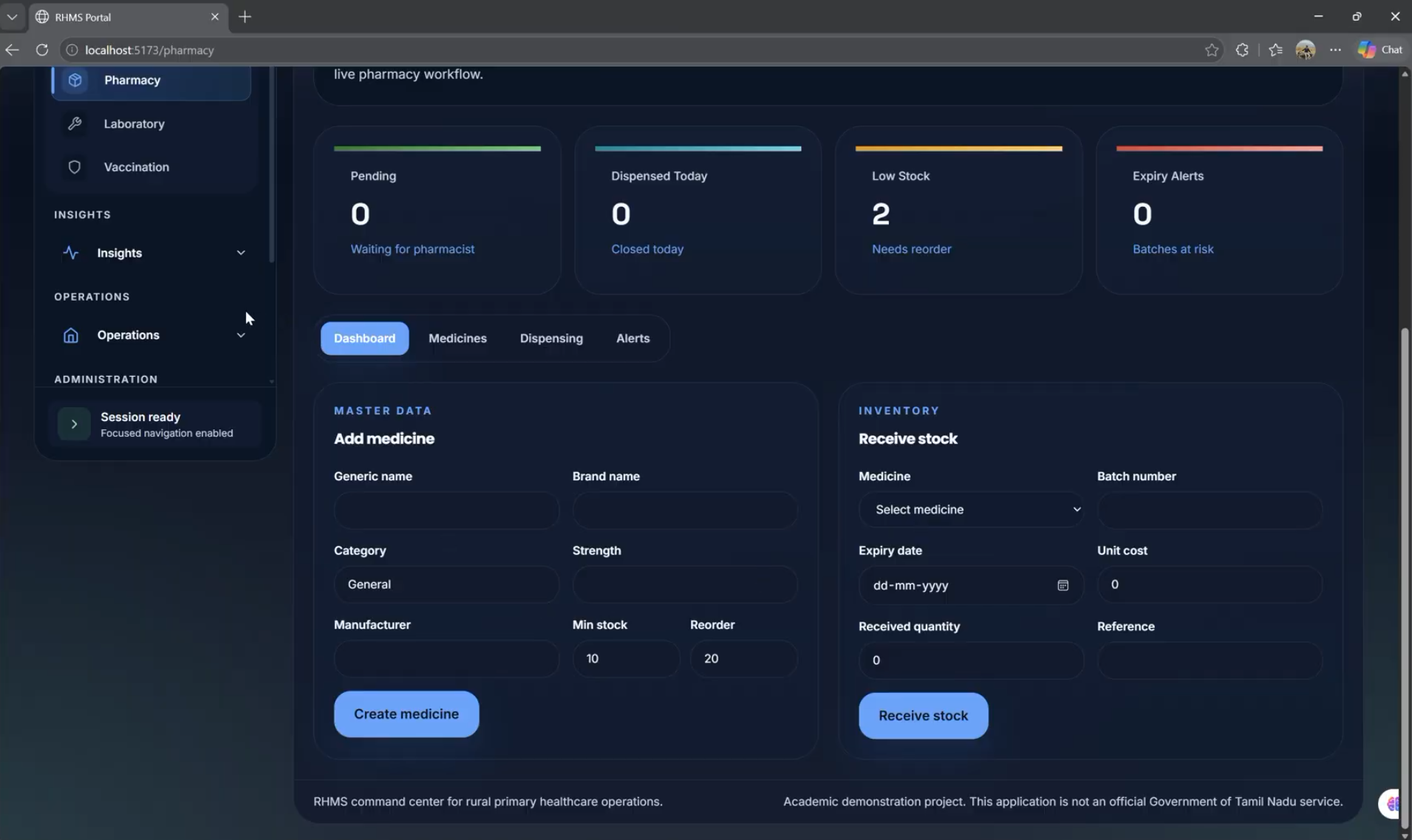
Pharmacy
-
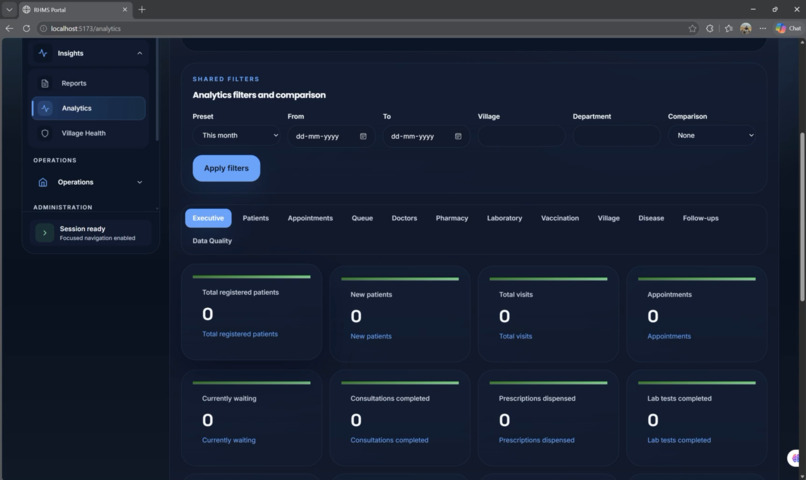
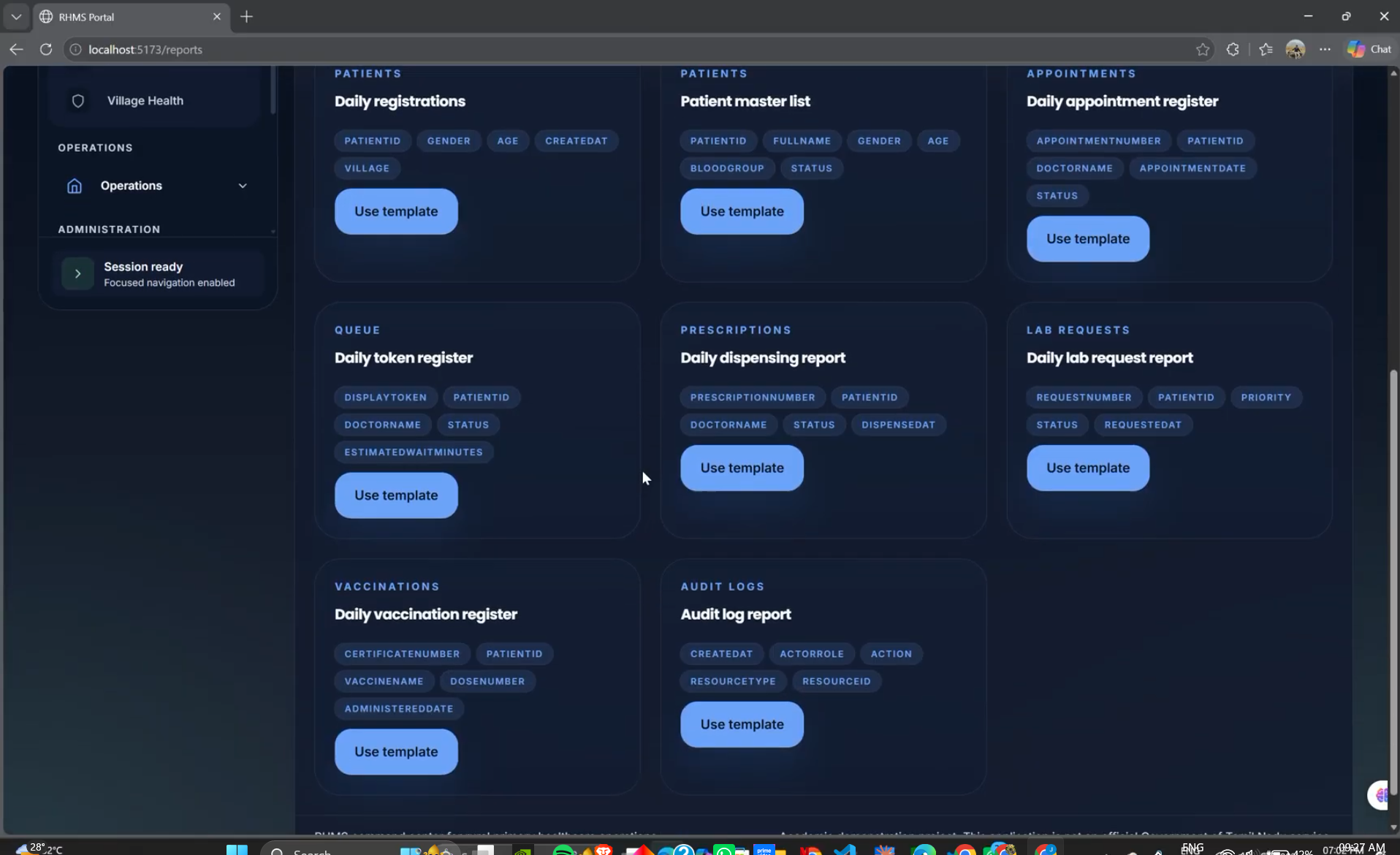
Analytics
-
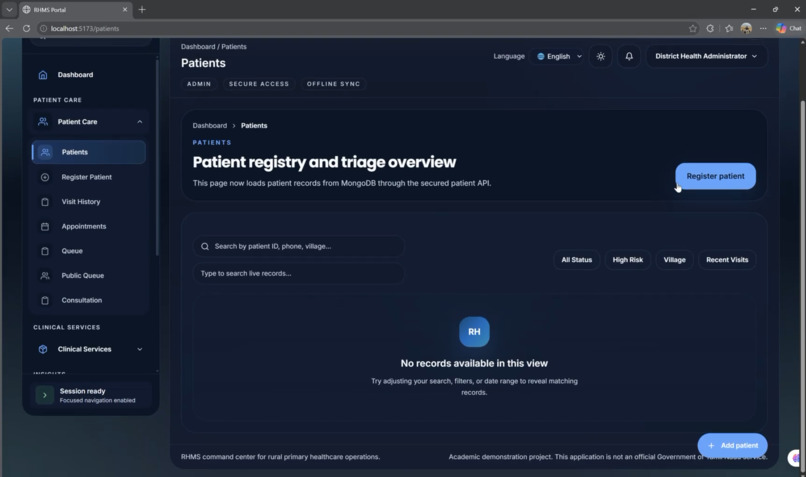
Patient registry
-
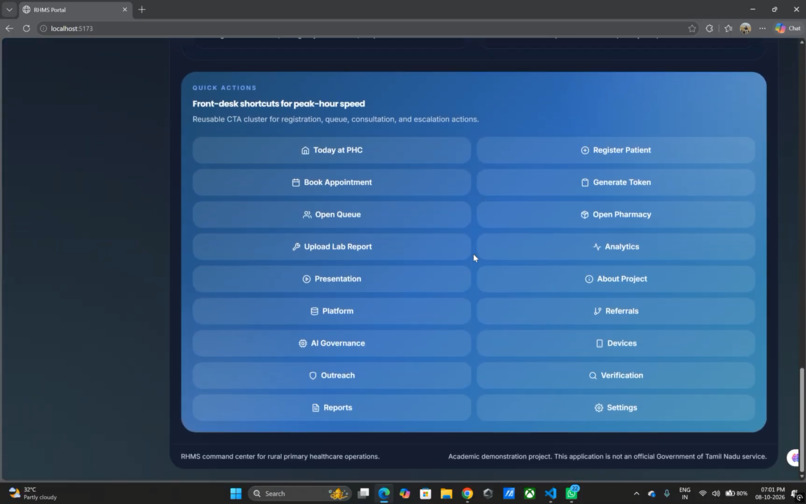
Shortcuts
-
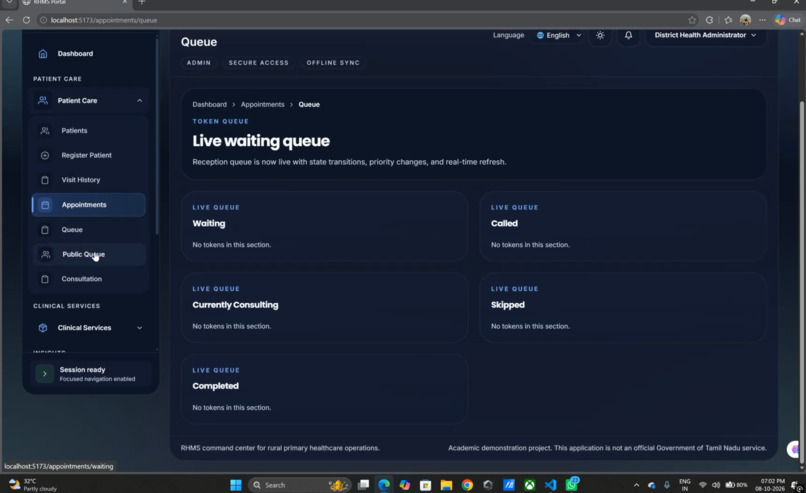
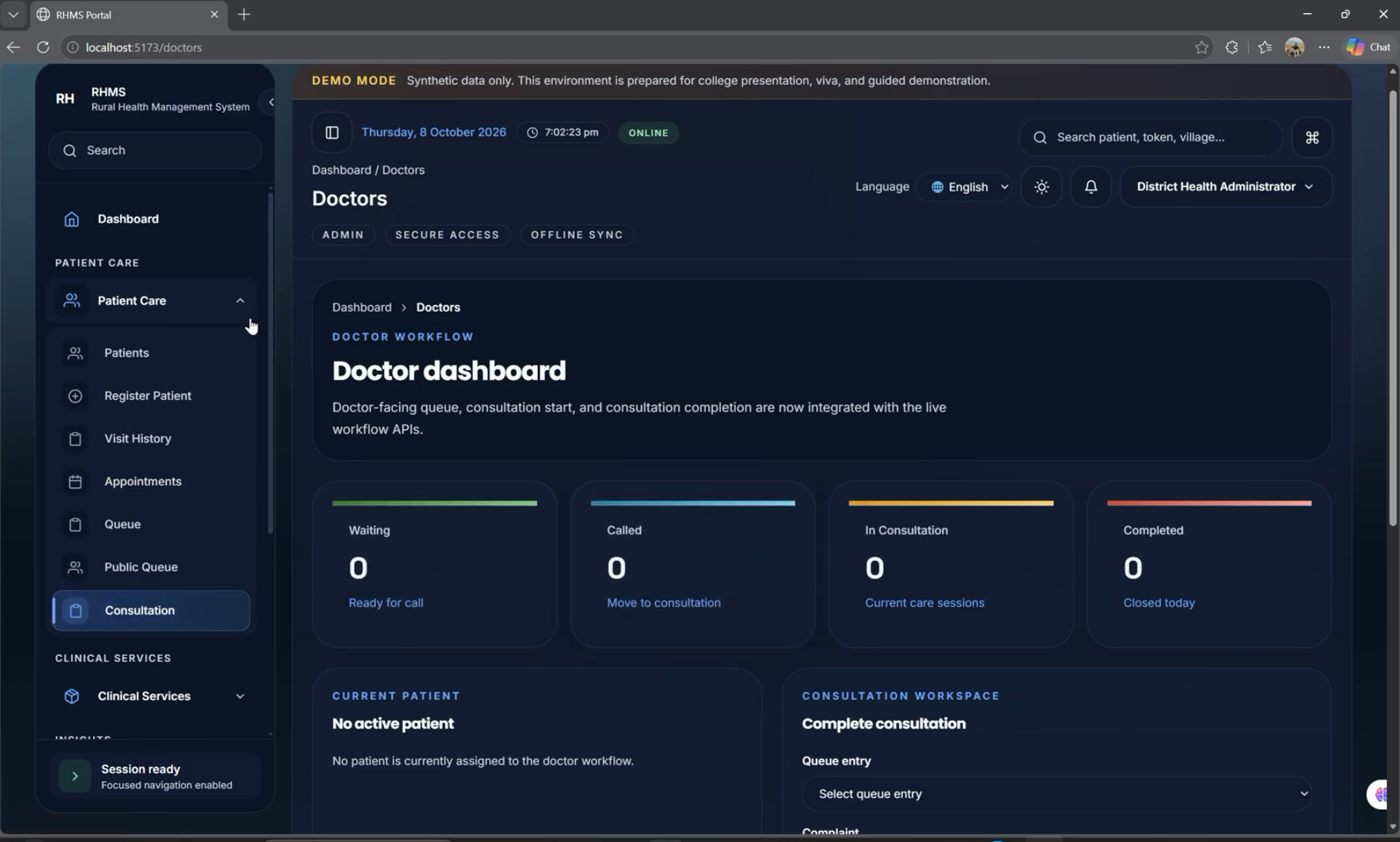
Queue
-
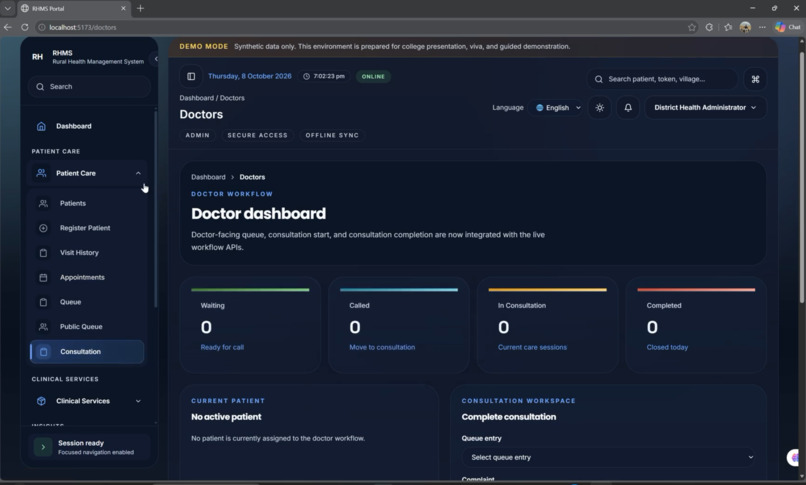
Doctor Dashboard
-
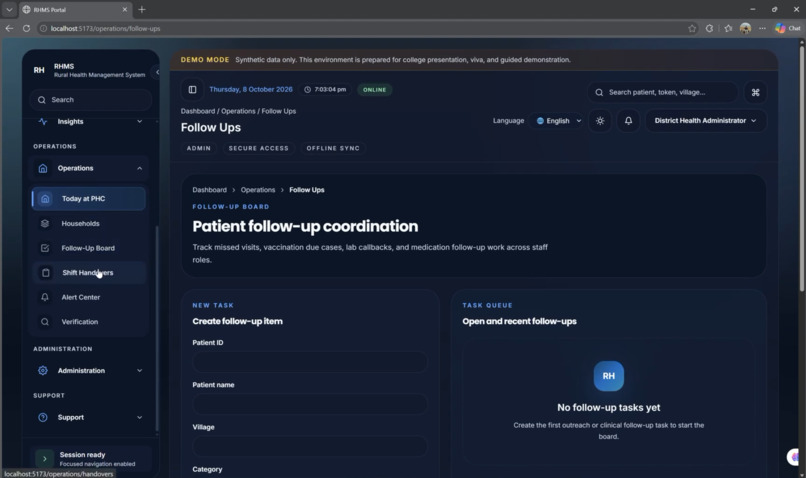
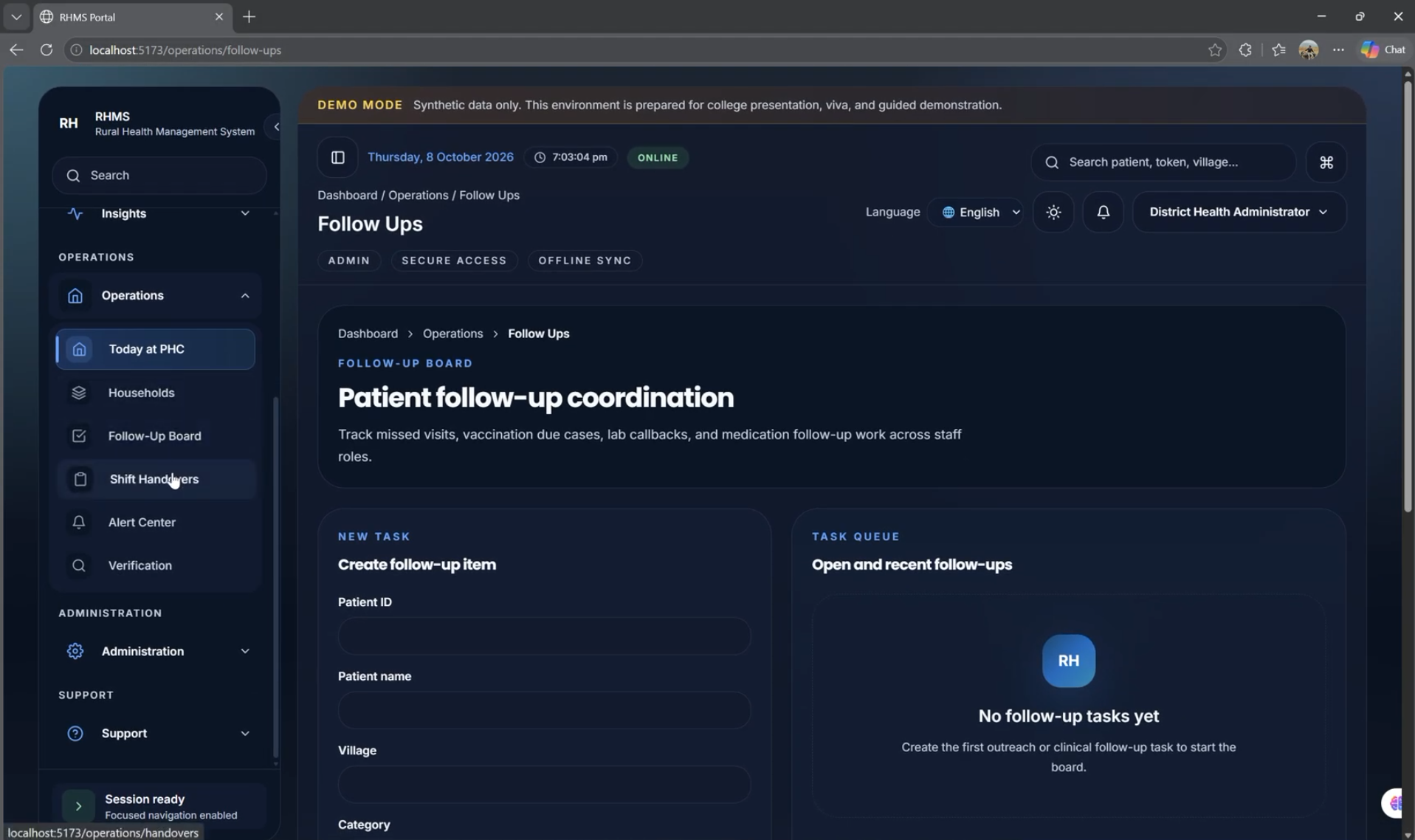
Doctor follow-ups
-
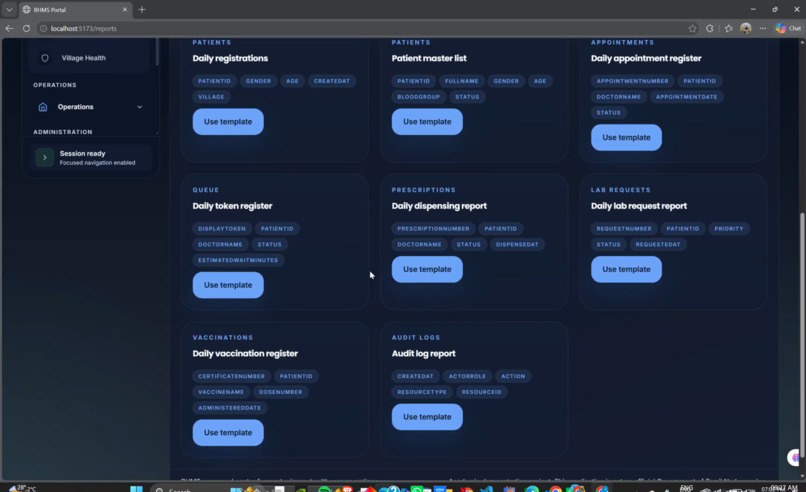
Insights(AI)
-
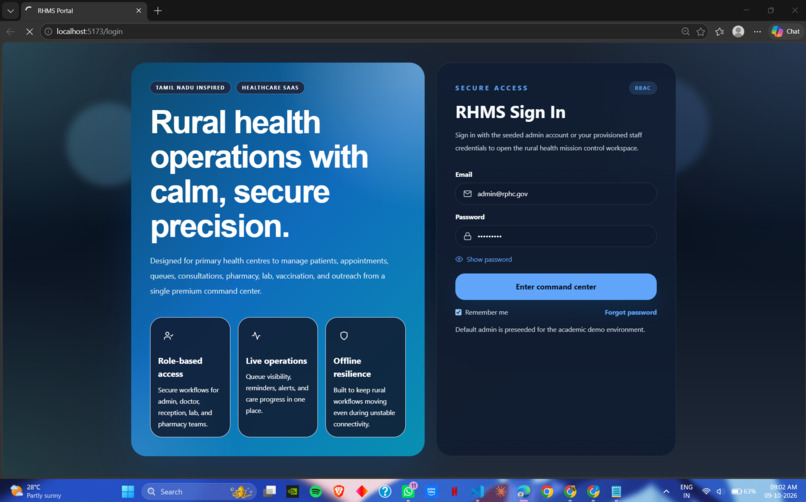
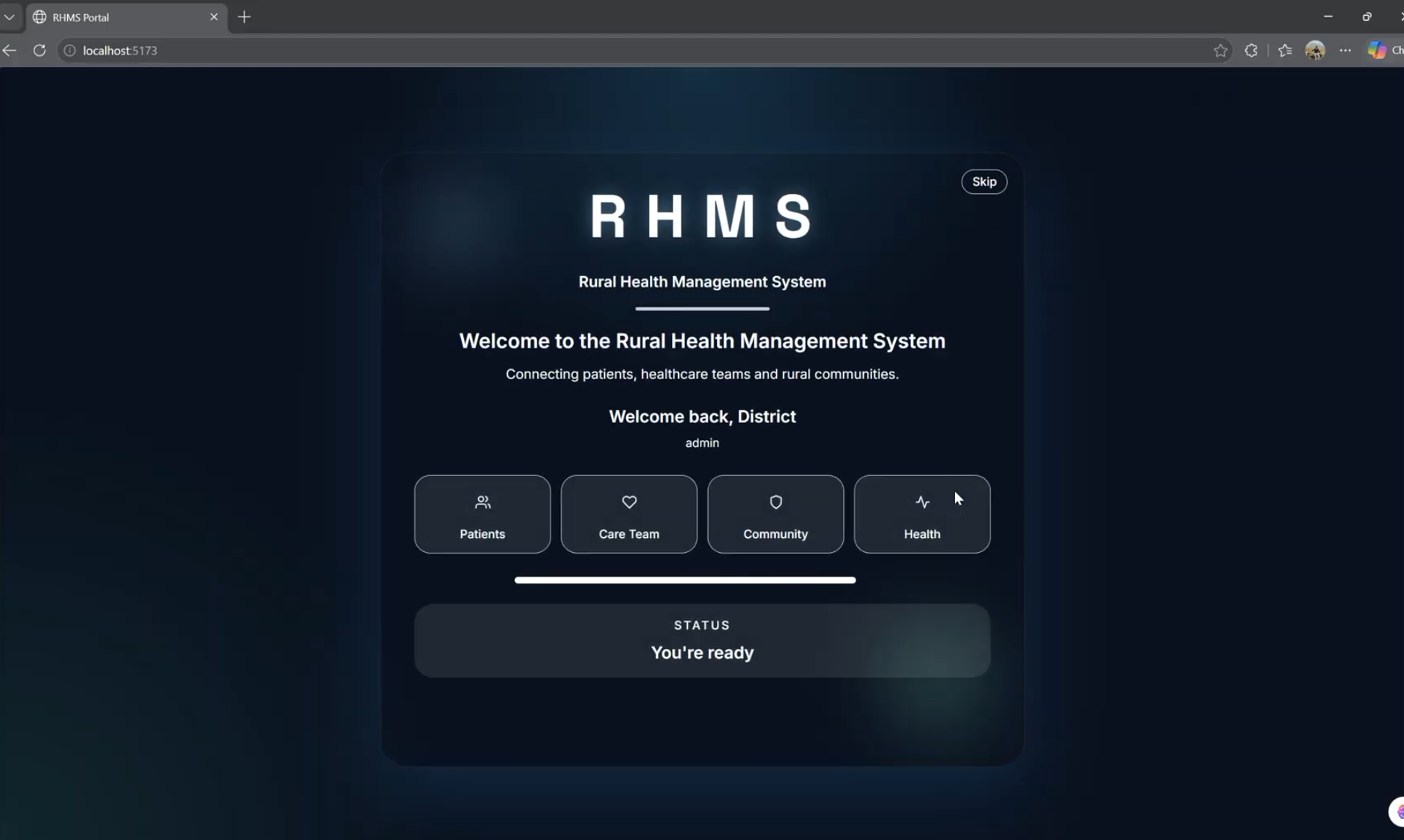
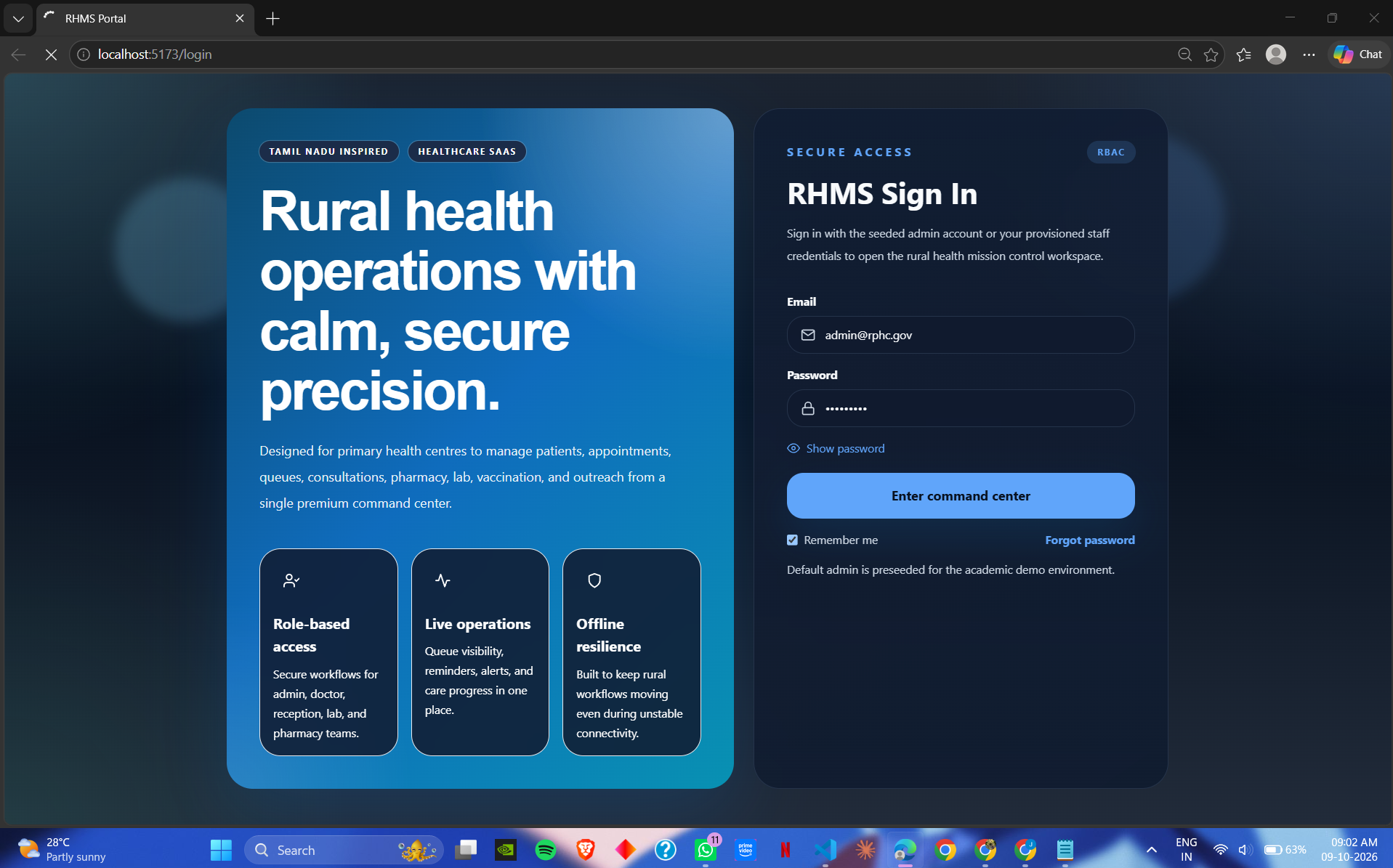
Landing page
-
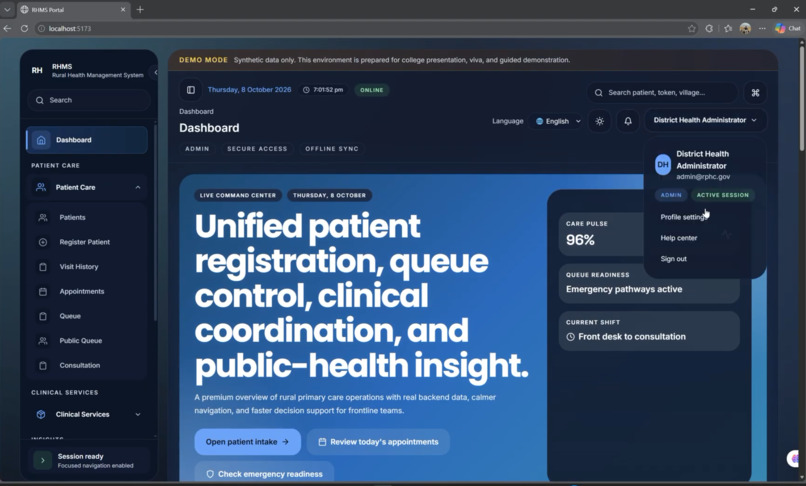
Main page
-
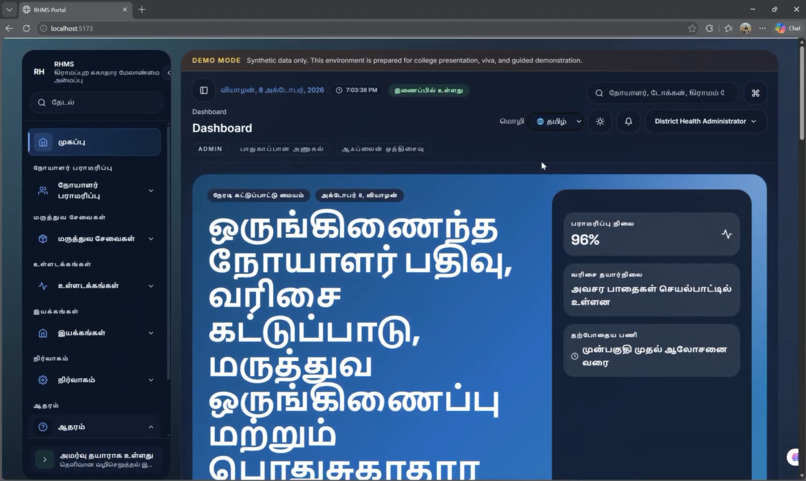
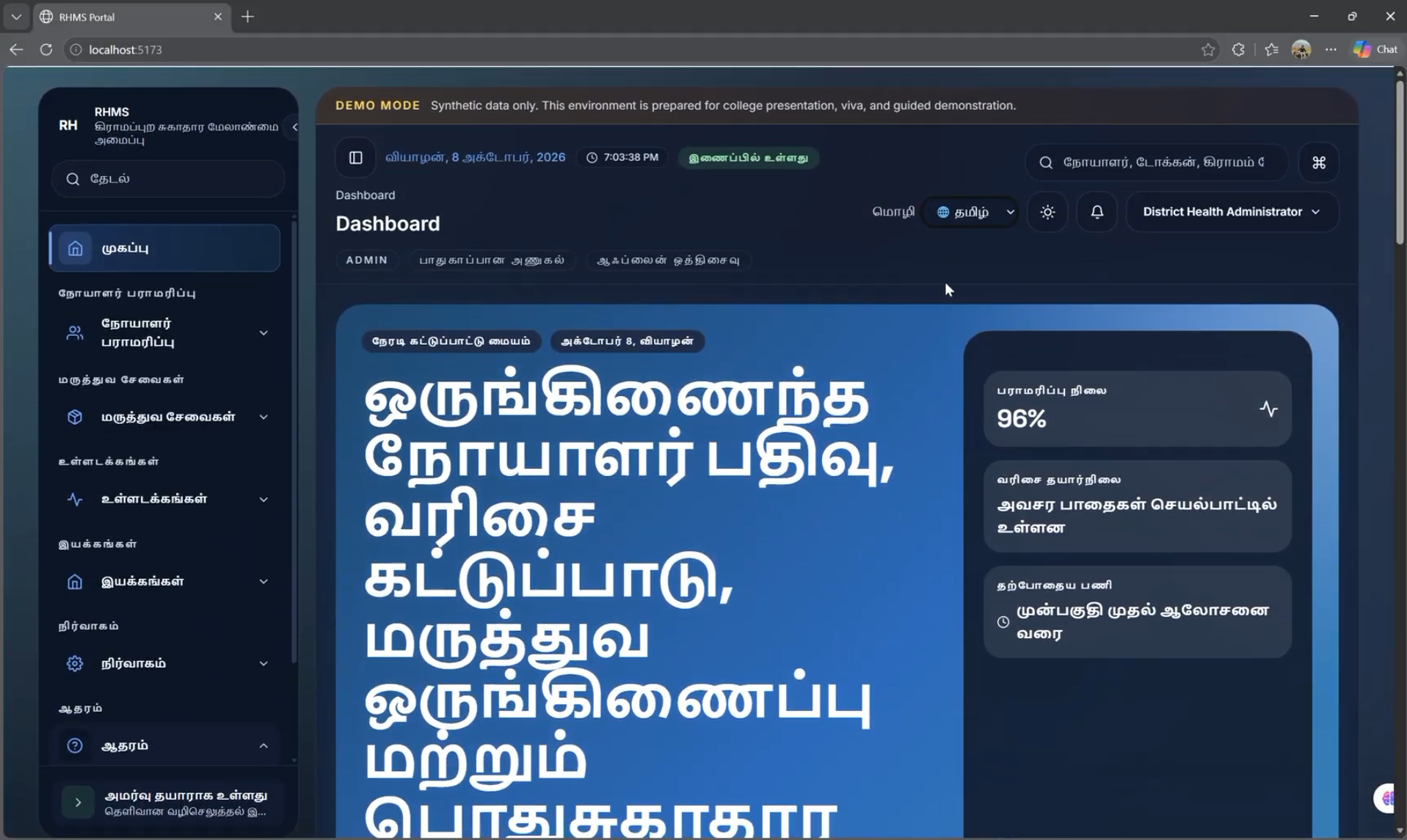
Tamil language supported
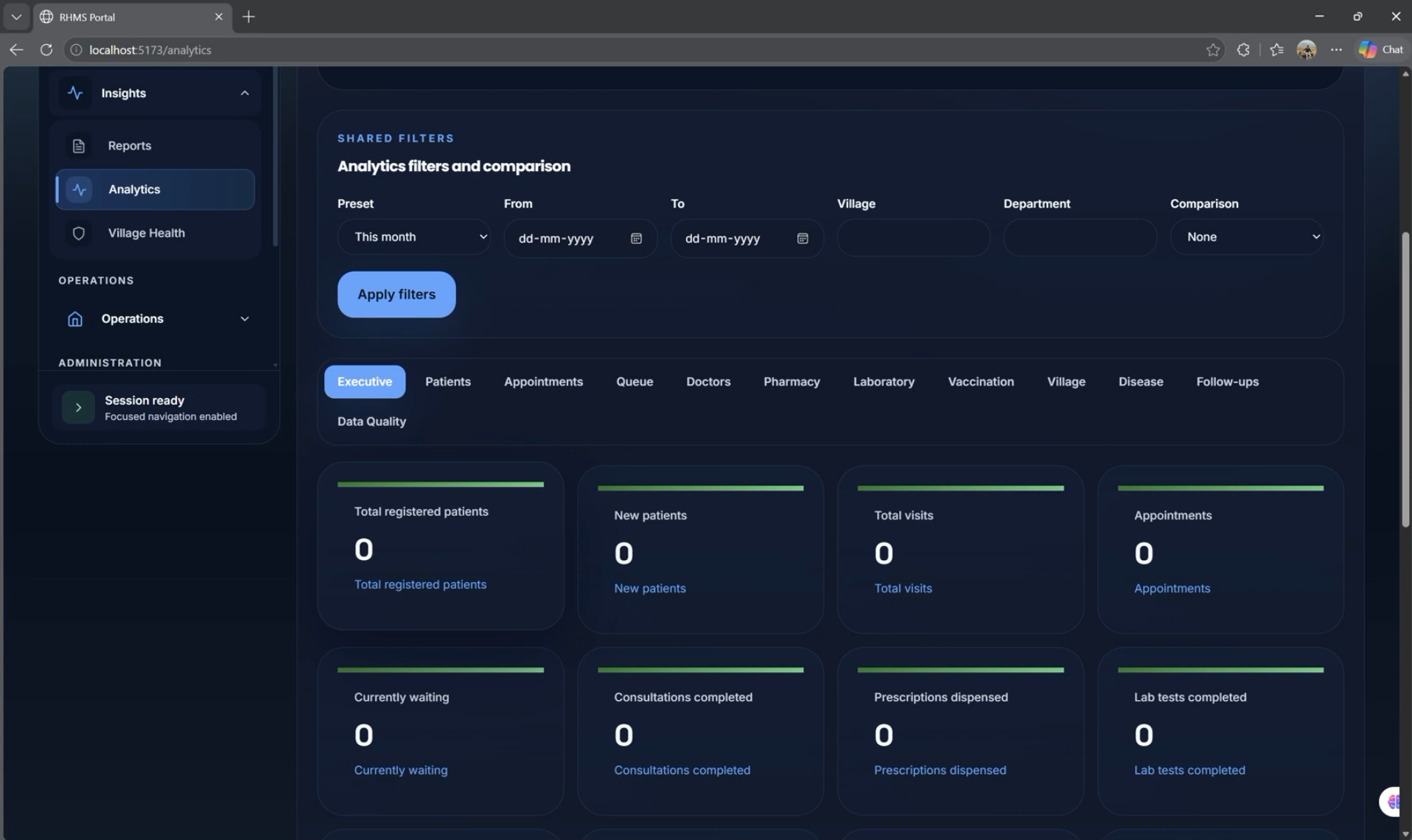
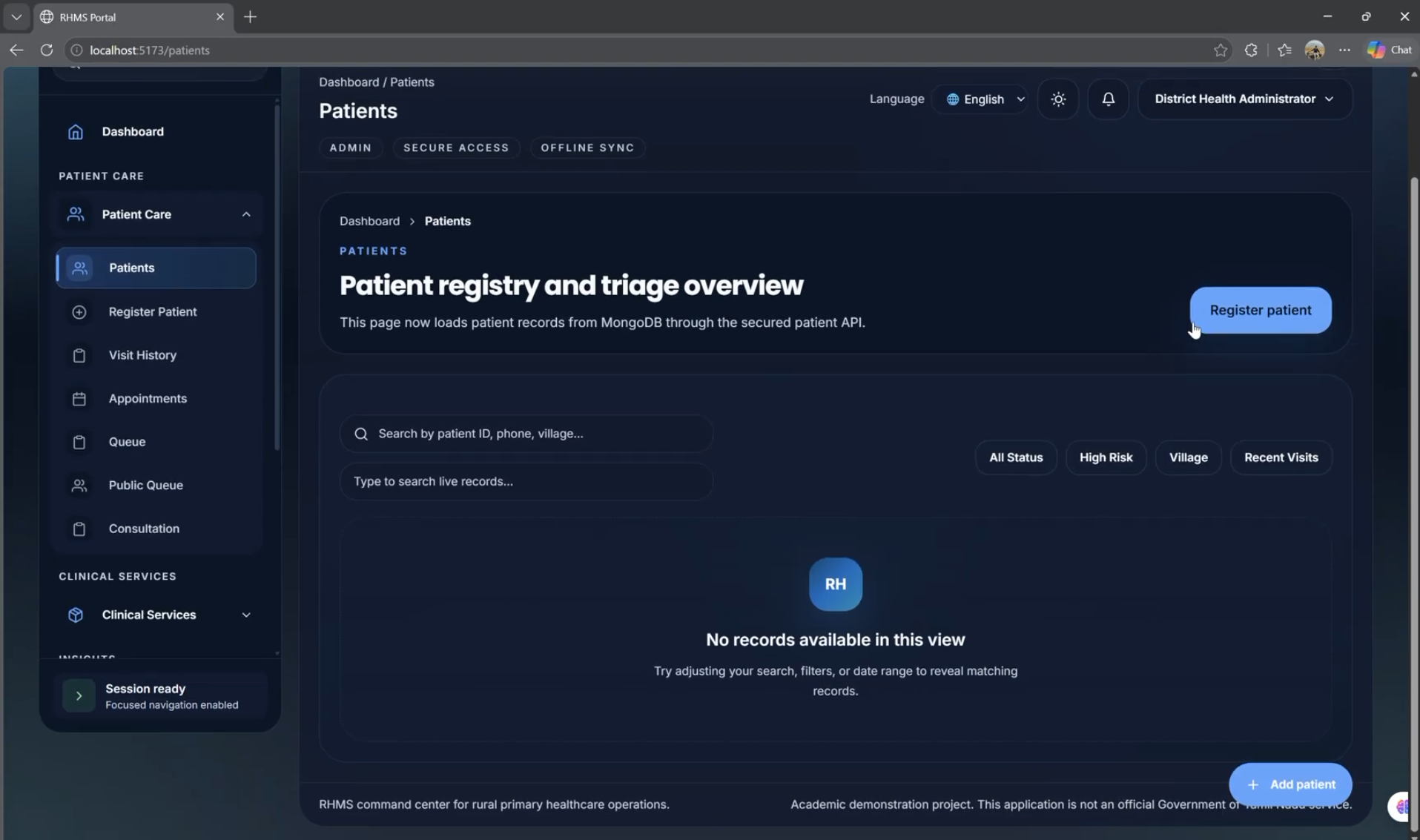
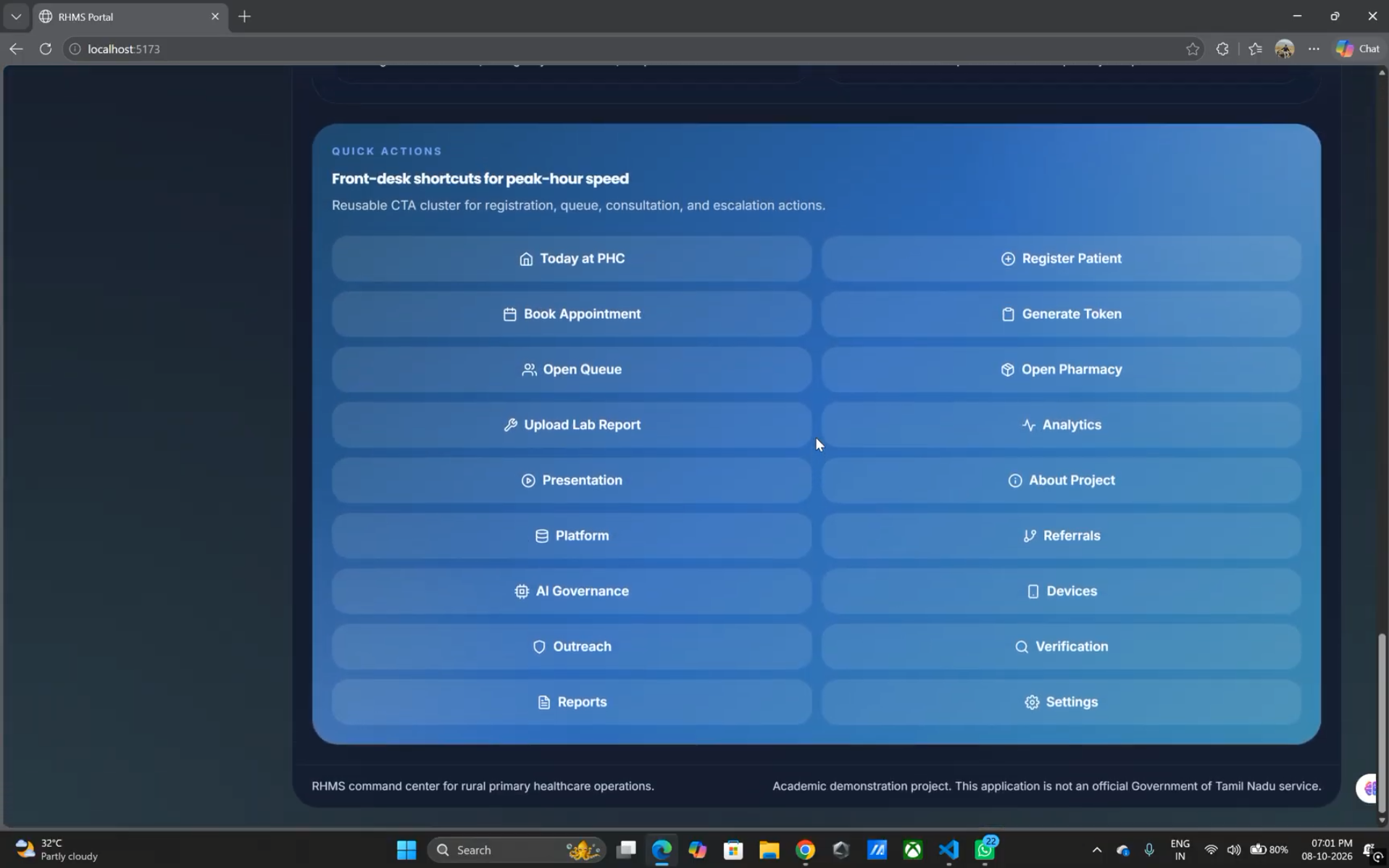
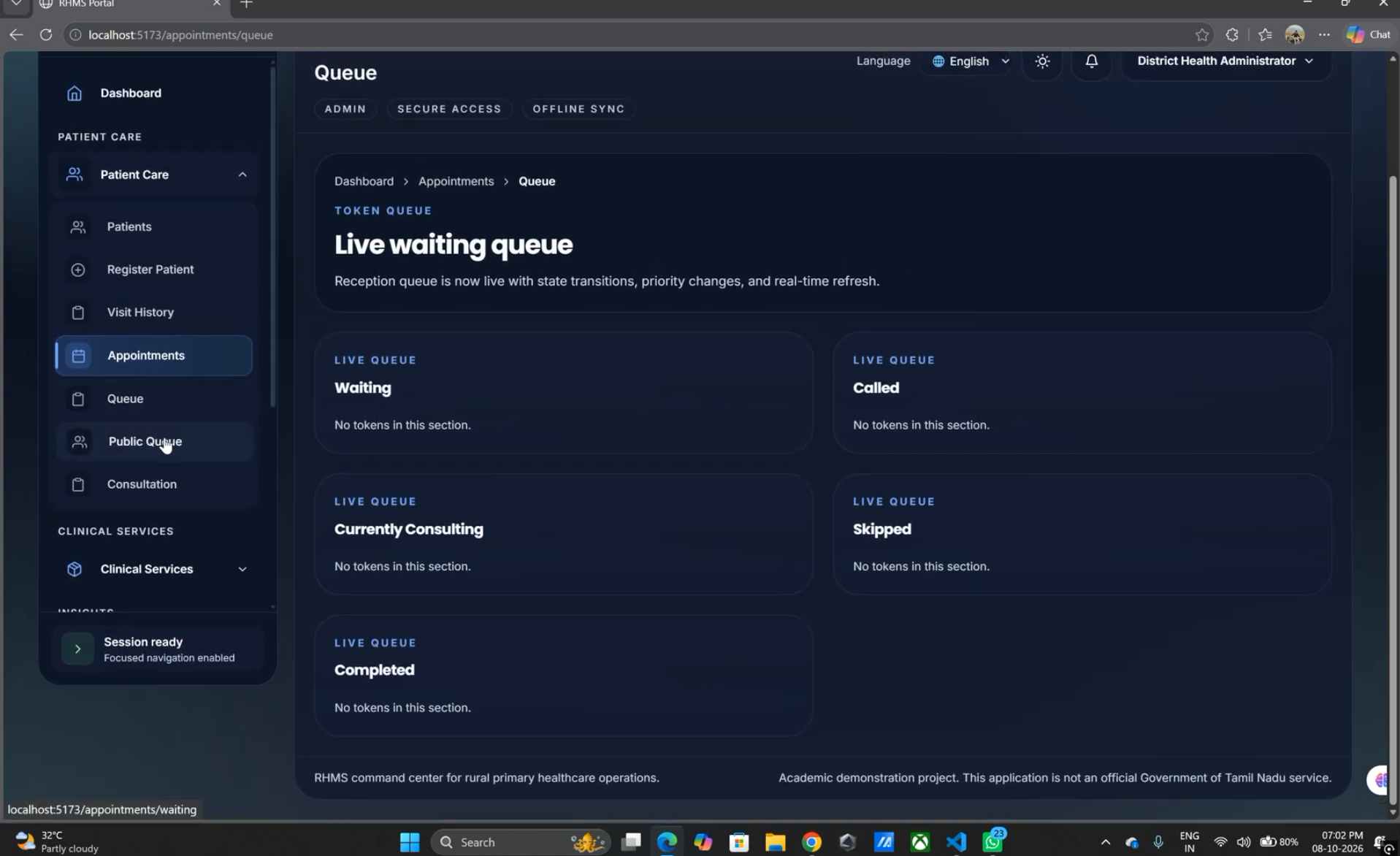
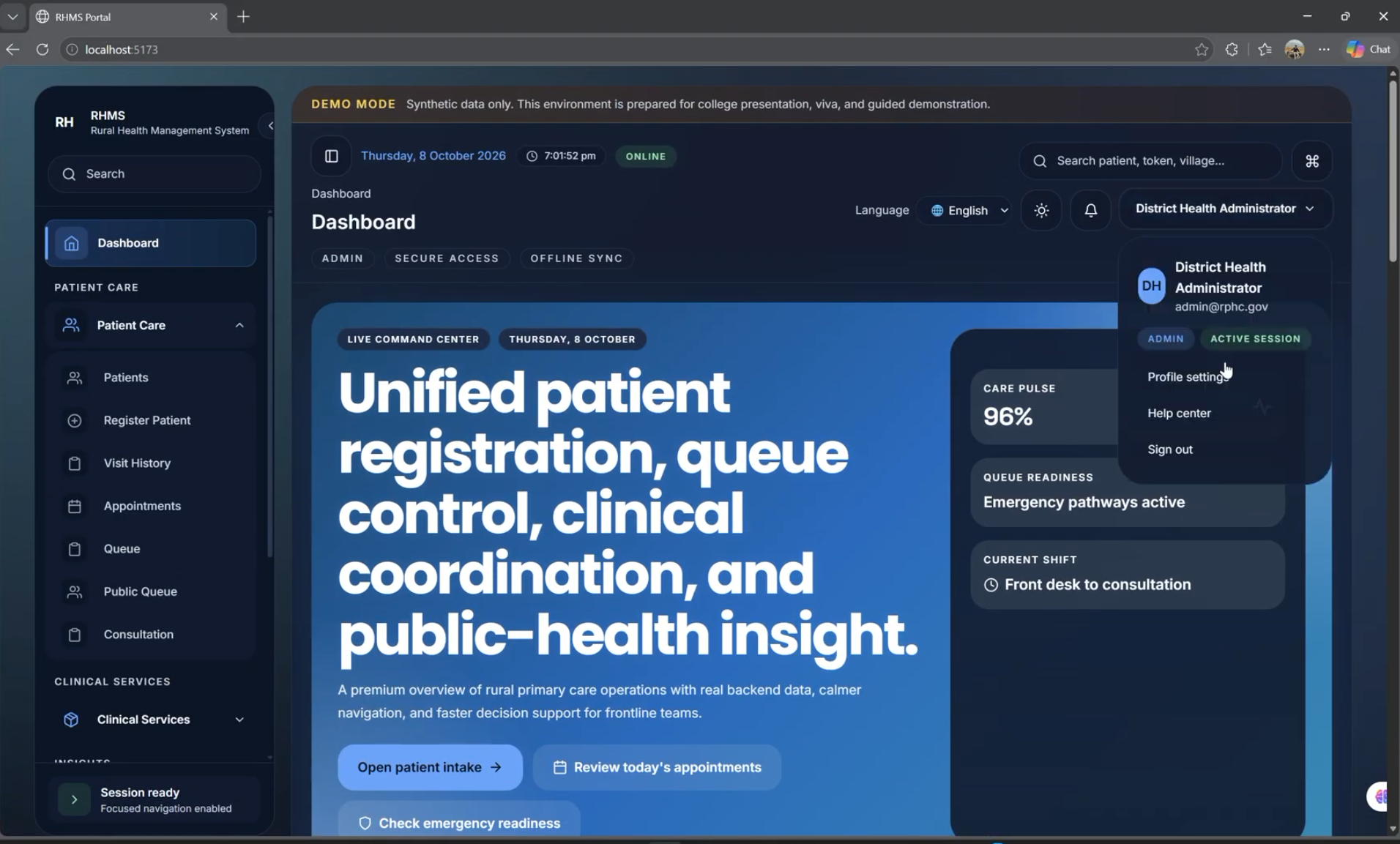
Inspiration
Rural primary health centres often manage patient registration, appointments, queues, consultations, laboratory requests, medicines and vaccinations through disconnected records. RHMS was created to bring these daily workflows into one coordinated system.
What it does
RHMS helps health-centre staff register patients, schedule appointments, check in patients, generate department and priority-based queue tokens, and progress the queue through consultation.
A completed consultation can create linked visit details, prescriptions, laboratory requests and follow-up appointments. Pharmacy workflows validate medicine batches and stock before dispensing, while laboratory workflows track requests through result and review stages. Real-time updates help relevant staff and public queue displays stay informed.
How we built it
The system uses a React-based progressive web application frontend, a Node.js and Express backend, MongoDB with Mongoose for linked operational records and transactions, Socket.IO for role-targeted real-time updates, and IndexedDB for selected offline drafts and cached data.
Challenges we ran into
The key challenge was keeping multiple health-centre workflows connected without allowing invalid queue or laboratory status changes. We addressed this with controlled state transitions, linked records and transactions for selected multi-record operations such as check-in, consultation completion and dispensing.
What's next
We plan to extend RHMS with an AI assistant for guided staff support, while keeping human review and safe operational controls central to the system.


Log in or sign up for Devpost to join the conversation.