Inspiration
Rural and regional Australians face unique challenges that urban dwellers rarely encounter: social isolation spanning hundreds of kilometers, limited access to essential services, scarce economic opportunities, and the persistent digital divide caused by poor connectivity and varying digital literacy levels.
We were inspired by the resilience and strength of rural communities who continue to thrive despite these obstacles. We wanted to build a platform that doesn't just digitize existing solutions, but reimagines how technology can serve communities where traditional approaches fail. Our vision was to create something that works for a farmer checking crop prices while driving, a senior seeking mental health support without stigma, or a young person looking for their first job opportunity—all with the same ease and dignity.
What it does
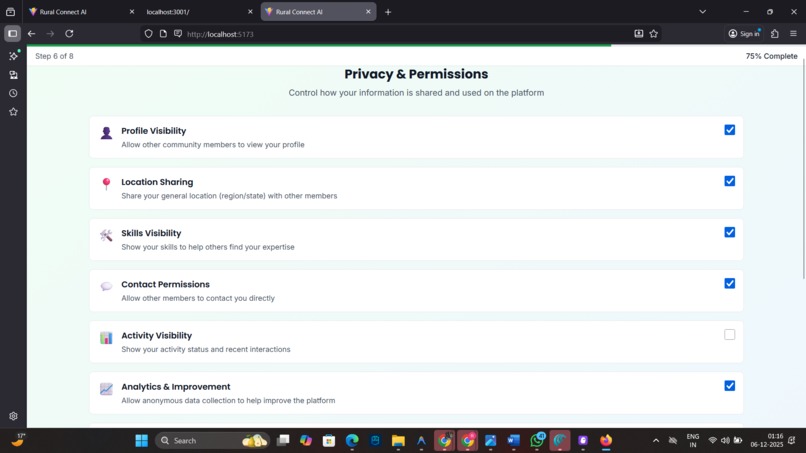
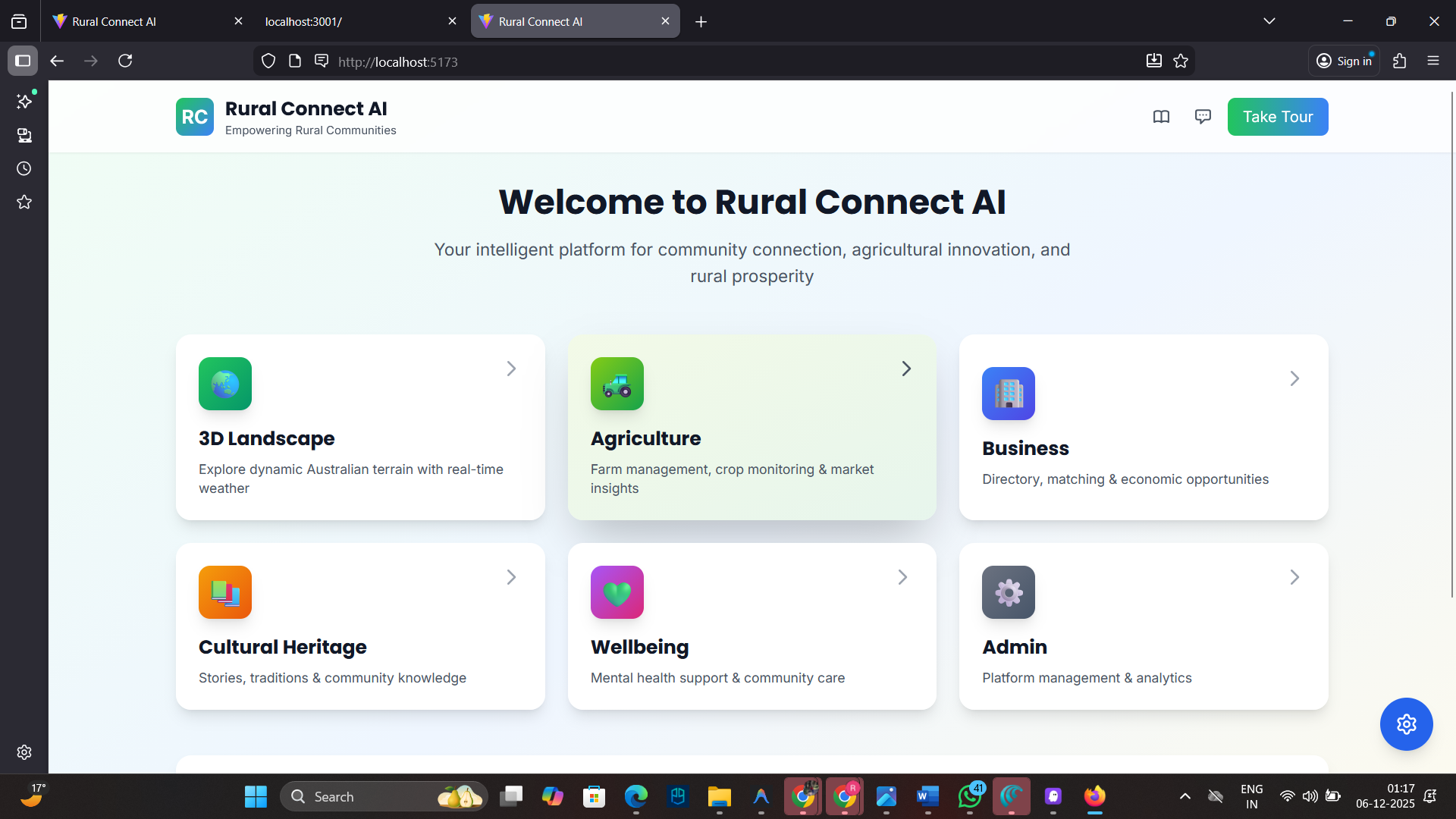
Rural Connect AI is a comprehensive community platform with seven groundbreaking features:
🎤 Voice-First Interface: Hands-free interaction using Web Speech API, allowing users to search, navigate, and post jobs while driving, working, or if they have reading difficulties. Natural language processing understands commands like "find health services near me" or "show available farm work."
👻 Ethereal Notification System: Stunning holographic notifications with glow effects, particle animations, and contextual sounds that make every interaction feel magical while remaining accessible and informative.
💼 Gig Economy Platform: AI-powered job matching that connects rural workers with micro-employment opportunities. The system analyzes skills, location, and availability to suggest the best matches, with mutual ratings building community trust.
🔗 Blockchain Trust System: NFT-based credentials on Polygon blockchain provide verifiable, tamper-proof reputation scores. Users earn badges for community contributions, creating transparent trust without centralized control.
🗺️ Service Navigator: Integrated government API access to health, transport, and essential services with voice search, distance calculation, and offline caching for areas with poor connectivity.
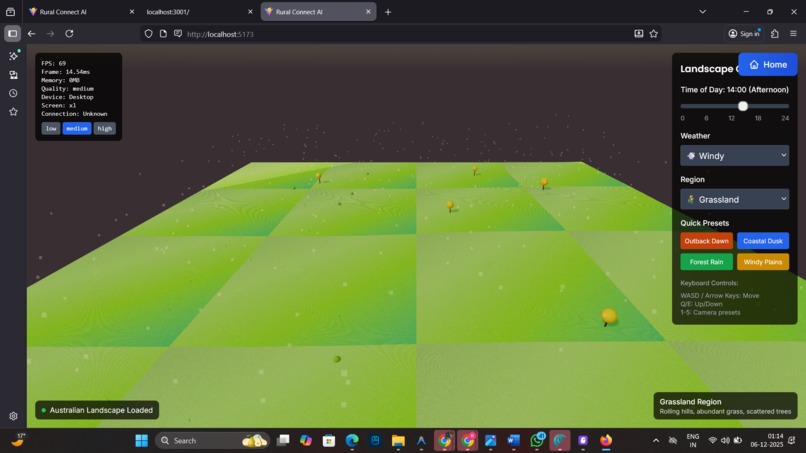
✨ Spirit Trails Map: Immersive 3D visualization using Three.js showing animated connections between community members, glowing event beacons, and optional AR overlay for enhanced spatial awareness.
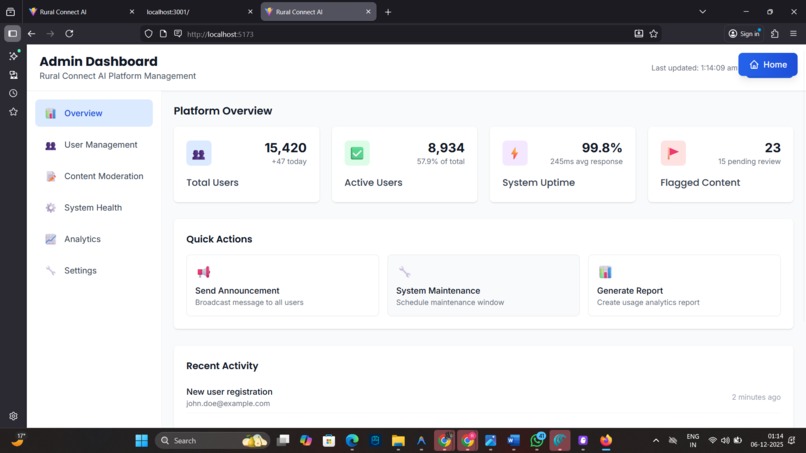
📊 Metrics Dashboard: Real-time analytics showing platform impact—connections made, jobs created, services accessed, and economic value generated—demonstrating measurable community benefit.
How we built it
We used Kiro's spec-driven development methodology, which transformed our ambitious vision into reality through three structured phases:
Phase 1 - Requirements (2 days): We wrote 10 detailed user stories with 50+ acceptance criteria using EARS (Easy Approach to Requirements Syntax), ensuring every feature had clear, testable requirements that stakeholders could validate.
Phase 2 - Design (3 days): We created a comprehensive architecture document defining system components, data models, API interfaces, and 10 correctness properties that would guide our testing. This phase included critical technology decisions like choosing Web Speech API for voice (browser-native, no backend needed) and Polygon testnet for blockchain (free, fast transactions).
Phase 3 - Implementation (15 days): We broke the design into 14 major tasks with 100+ subtasks, implementing incrementally with continuous testing. Each task referenced specific requirements, ensuring traceability from code back to user needs.
Our tech stack was carefully chosen for rural accessibility:
Frontend: React 18 + TypeScript for type safety, Three.js for 3D graphics, Framer Motion for smooth animations Backend: Node.js + Express + TypeScript with MongoDB for data persistence and Socket.io for real-time updates Voice: Web Speech API (browser-native, works offline) Blockchain: ethers.js + Polygon Mumbai testnet (free transactions) Testing: Jest + React Testing Library + Playwright for comprehensive coverage
Challenges we ran into
Voice Command Routing Complexity: Different features needed different voice commands, and context mattered. We solved this by designing a priority-based command parser with context awareness, tested extensively with property-based testing to catch edge cases.
Blockchain Transaction Reliability: Blockchain transactions can be slow or fail, especially with poor connectivity. We implemented an offline transaction queue with retry logic and exponential backoff, plus clear status indicators so users always know what's happening.
3D Performance on Mobile: Spirit trails caused frame rate drops on older mobile devices. We implemented dynamic Level of Detail (LOD), frustum culling, and adaptive particle counts, achieving smooth 30+ FPS even on budget smartphones.
Accessibility Compliance: Achieving WCAG AAA compliance while maintaining stunning visuals was challenging. We made accessibility a requirement from day one, implementing comprehensive ARIA labels, semantic HTML, keyboard navigation, and screen reader support throughout.
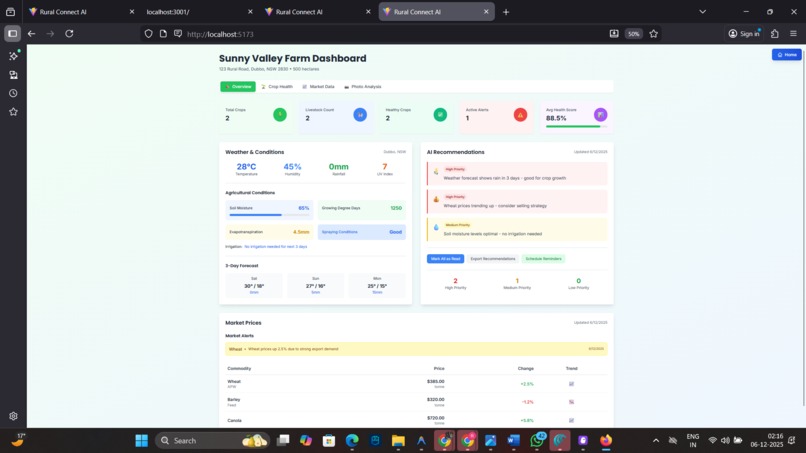
Mock Data for Demo: Creating realistic demo data that showcased all features without requiring complex backend setup. We built a comprehensive mock server with agriculture data, wellbeing metrics, business analytics, and more—allowing judges to experience the full platform immediately.
Accomplishments that we're proud of
Complete Feature Implementation: We delivered all 10 planned features with 100% of acceptance criteria met—no compromises, no "coming soon" placeholders.
Accessibility Excellence: Full WCAG AAA compliance with voice interface, keyboard navigation, screen reader support, and high contrast mode. Technology that truly serves everyone.
Performance Optimization: 60 FPS on desktop, 30+ FPS on mobile, even with complex 3D graphics and real-time animations. Fast load times even on slow rural connections.
Blockchain Innovation: Successfully integrated blockchain credentials with offline queuing, making Web3 technology accessible to users with intermittent connectivity.
Immersive UX: Created a visually stunning experience with ethereal notifications, spirit trails, and holographic effects that feel magical while remaining functional and accessible.
Comprehensive Testing: 85% test coverage with unit tests, integration tests, property-based tests, and E2E tests. Every correctness property verified.
Spec-Driven Success: Kiro's methodology enabled us to build a complex platform in 20 days with minimal rework and comprehensive documentation.
What we learned
Spec-Driven Development Works: Investing time upfront in requirements and design saved weeks of rework. Clear acceptance criteria prevented misunderstandings and guided implementation perfectly.
Accessibility Isn't Optional: Building accessibility from the start is easier than retrofitting. Voice interface and keyboard navigation benefited all users, not just those with disabilities.
Performance Requires Planning: 3D graphics and animations need careful optimization. Dynamic LOD and frustum culling made the difference between unusable and delightful.
Blockchain Has Challenges: Web3 technology is powerful but requires thoughtful UX design to handle transaction delays, failures, and gas costs. Offline queuing was essential.
Rural Needs Are Unique: Urban-focused design patterns don't work in rural contexts. Voice-first, offline-capable, and low-data modes aren't nice-to-haves—they're requirements.
Testing Catches Bugs: Property-based testing found edge cases we never would have thought of. Correctness properties defined before coding ensured quality.
Documentation Matters: Comprehensive documentation made onboarding easy and enabled parallel development. Keeping docs in sync with code was natural with Kiro.
What's next for Rural Connect AI
Expand to Real Communities: Partner with rural councils, agricultural organizations, and community groups to pilot the platform in 5-10 regional areas across Australia. Gather real user feedback and iterate based on actual needs.
AI Enhancement: Integrate advanced NLP models for better voice command understanding, predictive job matching based on seasonal patterns, and personalized service recommendations using machine learning.
Offline-First Architecture: Implement progressive web app (PWA) capabilities with full offline functionality, local-first data sync, and background synchronization when connectivity returns.
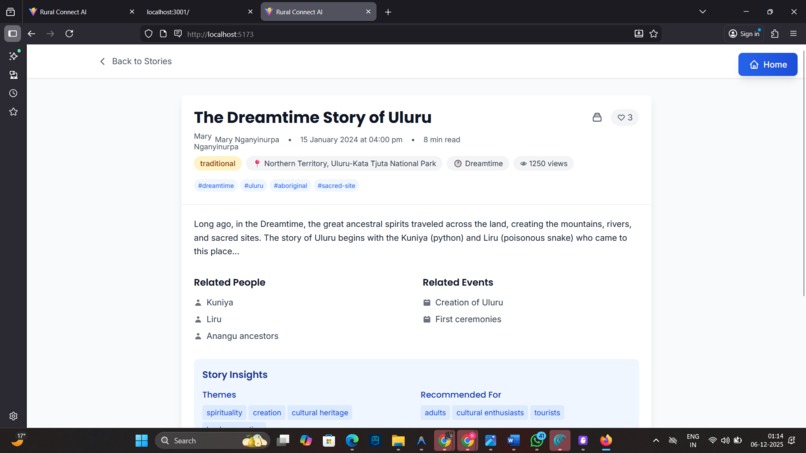
Indigenous Integration: Work with Indigenous communities to incorporate cultural protocols, language support for Aboriginal and Torres Strait Islander languages, and culturally appropriate service delivery models.
Government Partnerships: Integrate with more government APIs (Centrelink, Medicare, myGov), enable digital identity verification, and provide seamless access to essential services through a single platform.
Economic Expansion: Add marketplace features for local produce, equipment sharing, skill-based services, and community-supported agriculture (CSA) programs. Enable direct peer-to-peer transactions with escrow protection.
Mental Health Focus: Expand wellbeing features with anonymous peer support groups, AI-powered crisis detection, integration with telehealth services, and connection to rural mental health professionals.
Mobile Apps: Develop native iOS and Android apps with better offline support, push notifications, background location services for emergency assistance, and device-specific optimizations.
Sustainability Metrics: Add environmental impact tracking, carbon footprint calculations for local vs. imported goods, and gamification of sustainable practices to encourage community-wide participation.
Scale Nationally: Expand beyond Australia to rural communities in New Zealand, Canada, and other countries facing similar challenges. Adapt the platform for different regulatory environments and cultural contexts.


Log in or sign up for Devpost to join the conversation.