About Runlytics
Inspiration
As AI systems become more advanced, managing experiments, prompt versions, agent workflows, and performance metrics has become increasingly difficult. Developers often rely on scattered spreadsheets, logs, screenshots, and multiple tools to track progress. I wanted to build a single platform that simplifies this process and gives AI builders clear visibility into how their models and agents perform.
That idea became Runlytics — an intelligent observability and experiment tracking platform for AI workflows.
What It Does
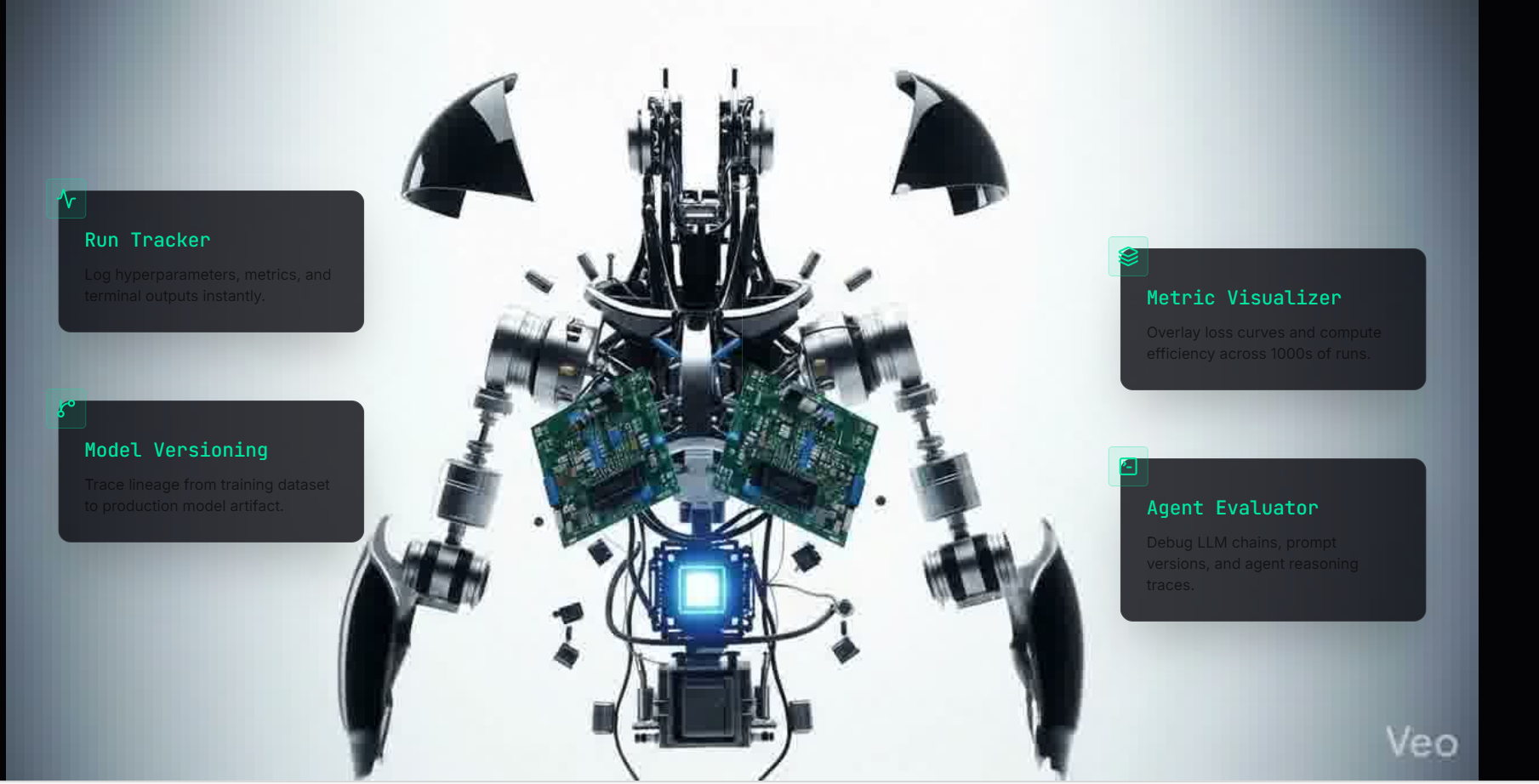
Runlytics helps developers:
- Track AI experiments and runs in real time
- Monitor agent performance and success rates
- Compare prompt versions and model outputs
- Visualize latency, failures, and performance trends
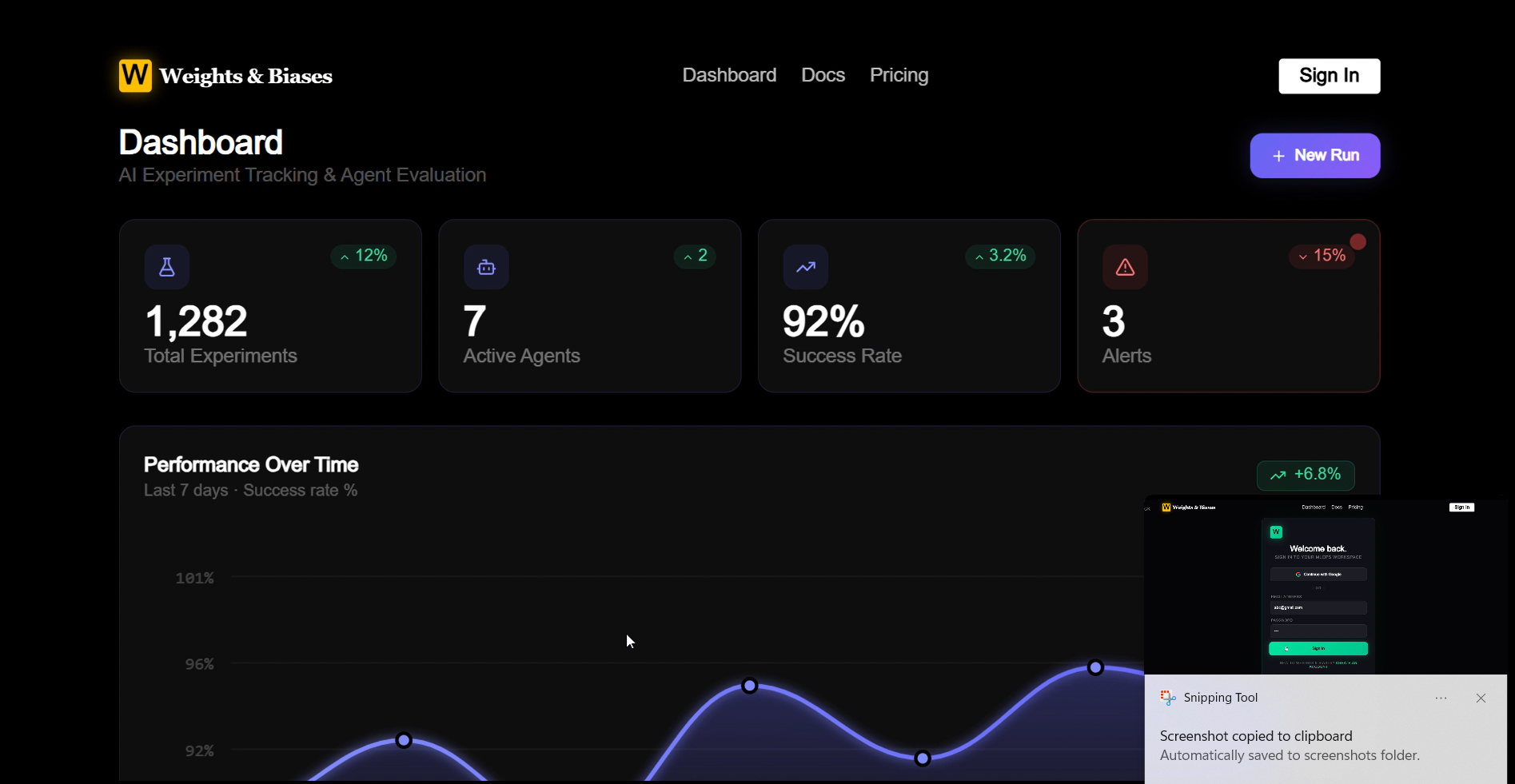
- Organize workflows in one centralized dashboard
It acts as a control center for teams building AI products.
How I Built It
I designed Runlytics as a modern full-stack web platform using:
- Next.js for frontend and backend routes
- React for dynamic UI components
- Tailwind CSS for sleek responsive design
- Prisma ORM for database management
- MongoDB / PostgreSQL for scalable data storage
- Chart libraries for analytics dashboards
The system architecture includes:
- Dashboard Layer – Displays metrics, charts, recent runs, alerts
- Tracking Engine – Stores experiments, prompts, logs, outputs
- Analytics Layer – Measures performance trends and agent efficiency
- Version Control Layer – Tracks prompt iterations and rollbacks
Challenges I Faced
Building Runlytics involved several real-world engineering challenges:
Database Integration
Connecting multiple database systems and handling schema design for experiments, runs, prompts, and users required careful planning.
Real-Time Monitoring
Designing dashboards that feel live and responsive while keeping performance smooth was a key challenge.
Clean UX for Complex Data
AI observability tools often become cluttered. I focused on keeping the UI intuitive and minimal while still showing critical metrics.
Prompt Version Tracking
Creating a Git-like structure for prompts required thinking beyond standard CRUD design.
What I Learned
Through this project, I gained hands-on experience in:
- Full-stack product development
- Database schema design
- API architecture
- Data visualization dashboards
- Product thinking for AI developer tools
- Debugging deployment and integration issues
I also learned that great developer tools are not only about features — they are about clarity, speed, and trust.
Future Vision
Runlytics can evolve into a full enterprise platform with:
- Multi-user collaboration
- Team workspaces
- Agent trace replay
- Cost optimization insights
- Fine-tuning experiment tracking
- CI/CD integrations for AI models
Final Note
Runlytics is built with the vision of making AI development measurable, manageable, and scalable.
Build better AI systems with visibility.
Built With
- 3d
- css
- html
- javascript
- python
- readme


Log in or sign up for Devpost to join the conversation.