-
-
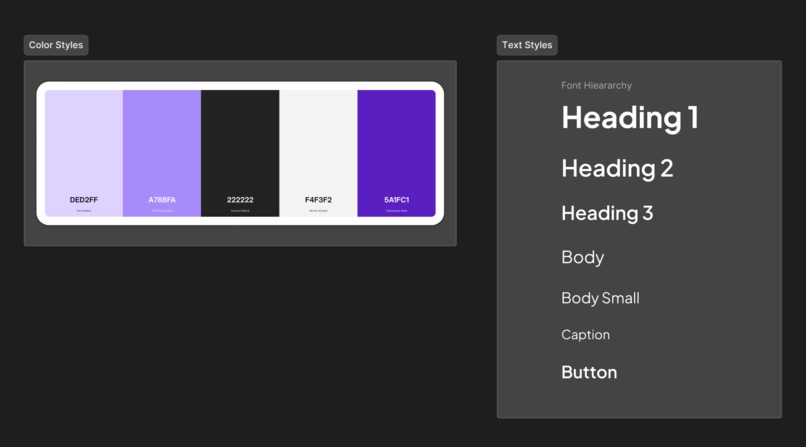
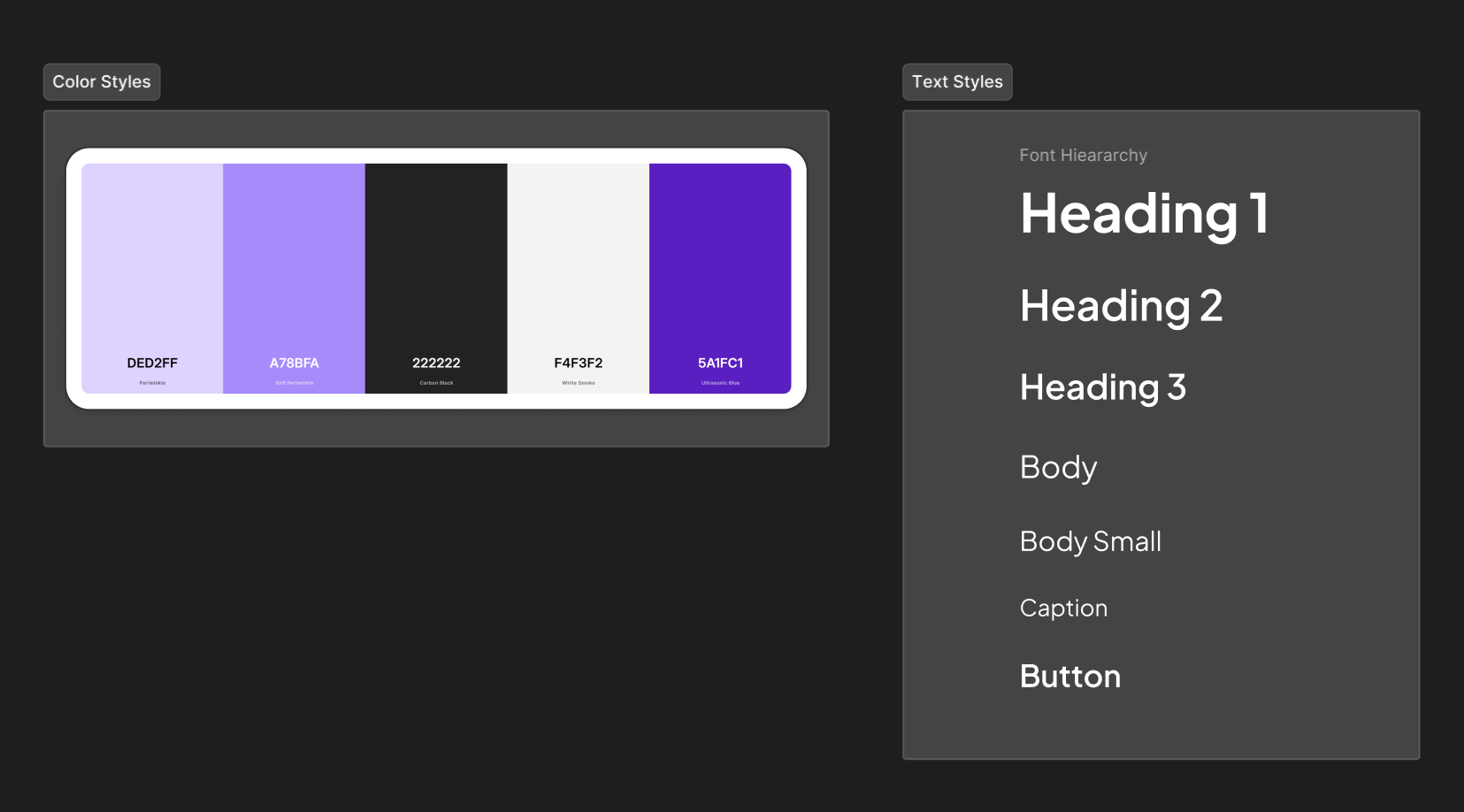
Color Palette and Font Hierarchy
-
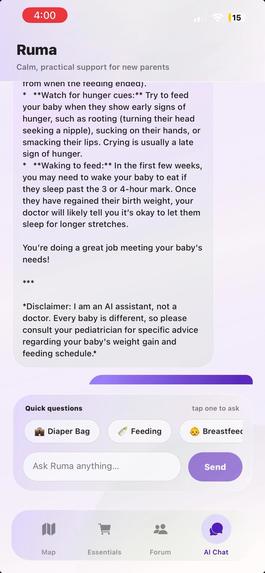
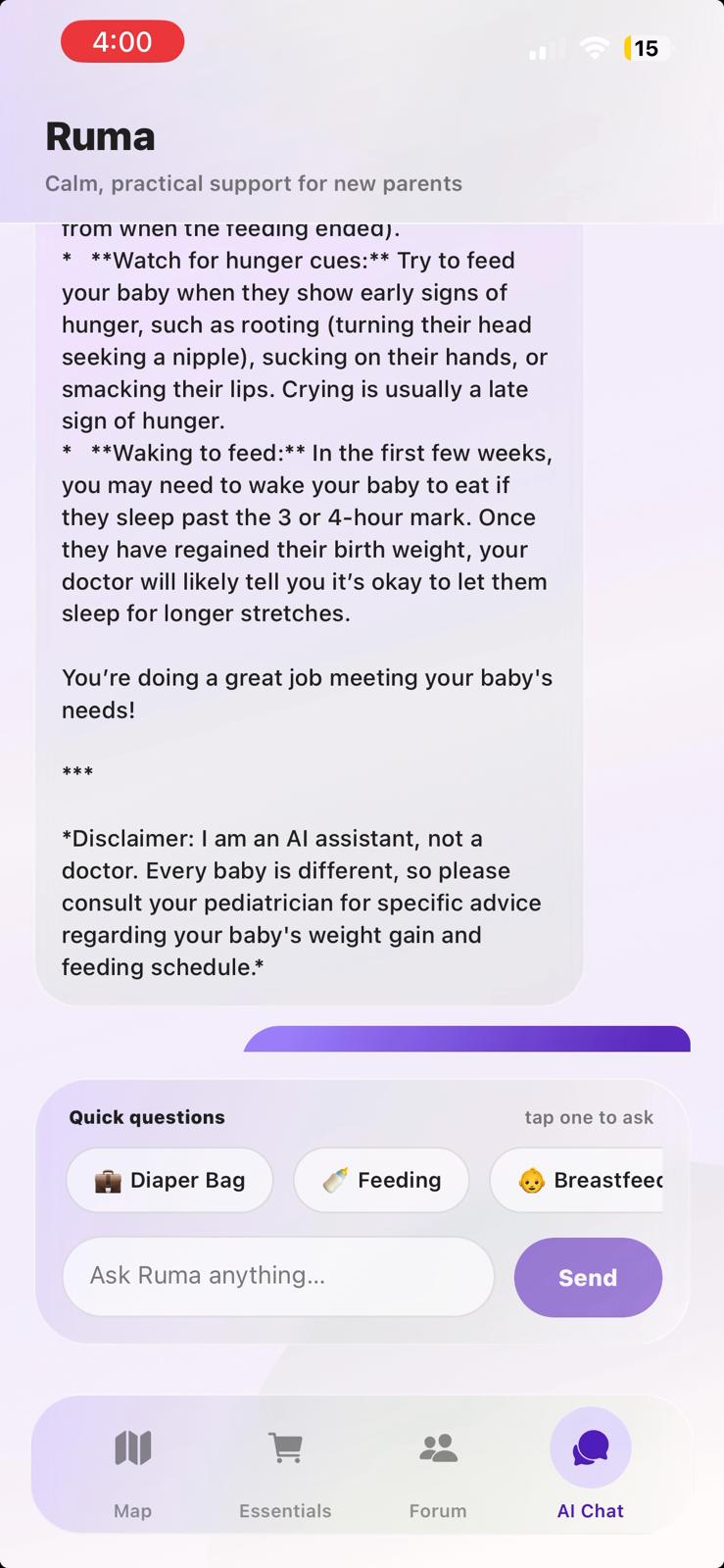
Example Chat
-
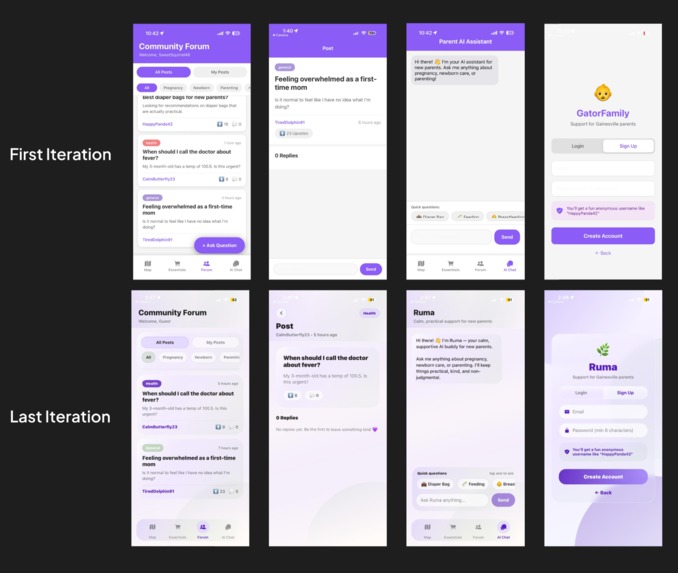
UI Iterations Set 2
-
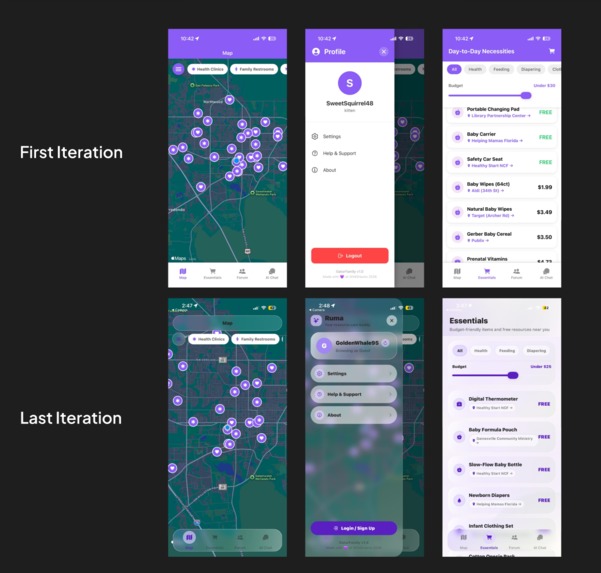
UI Iterations Set 1
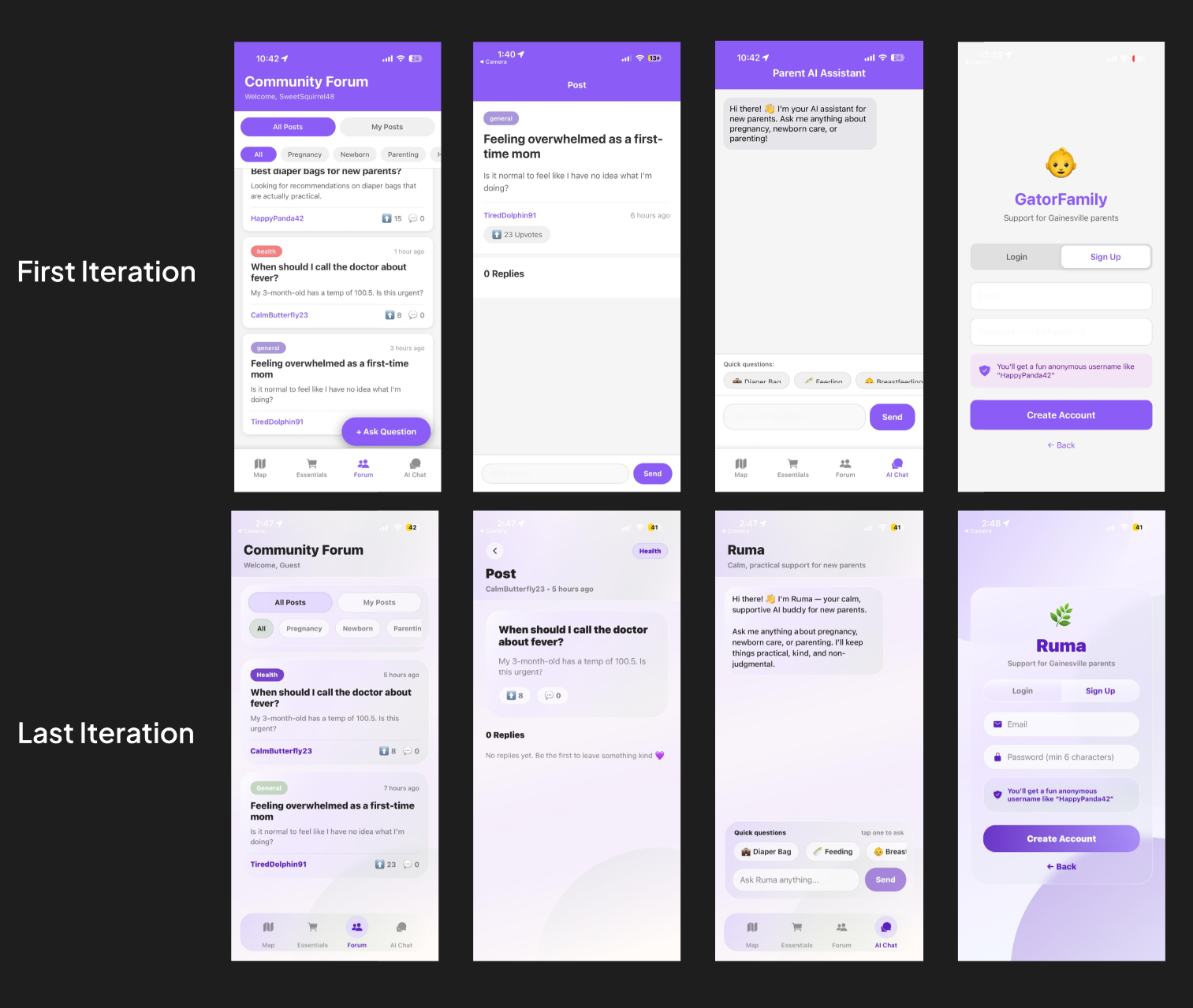
When we thought of Ruma, we were inspired by all of the real struggles new and expecting parents face. Many do not know where to find affordable baby needs, clinics that accept Medicaid, or even where family-friendly resources are located. We wanted to think of a way to combine all of these issues and provide a one-stop solution that provides these essential resources, anonymous community support, and AI-powered guidance.
Ruma is an easy to navigate mobile app that includes:
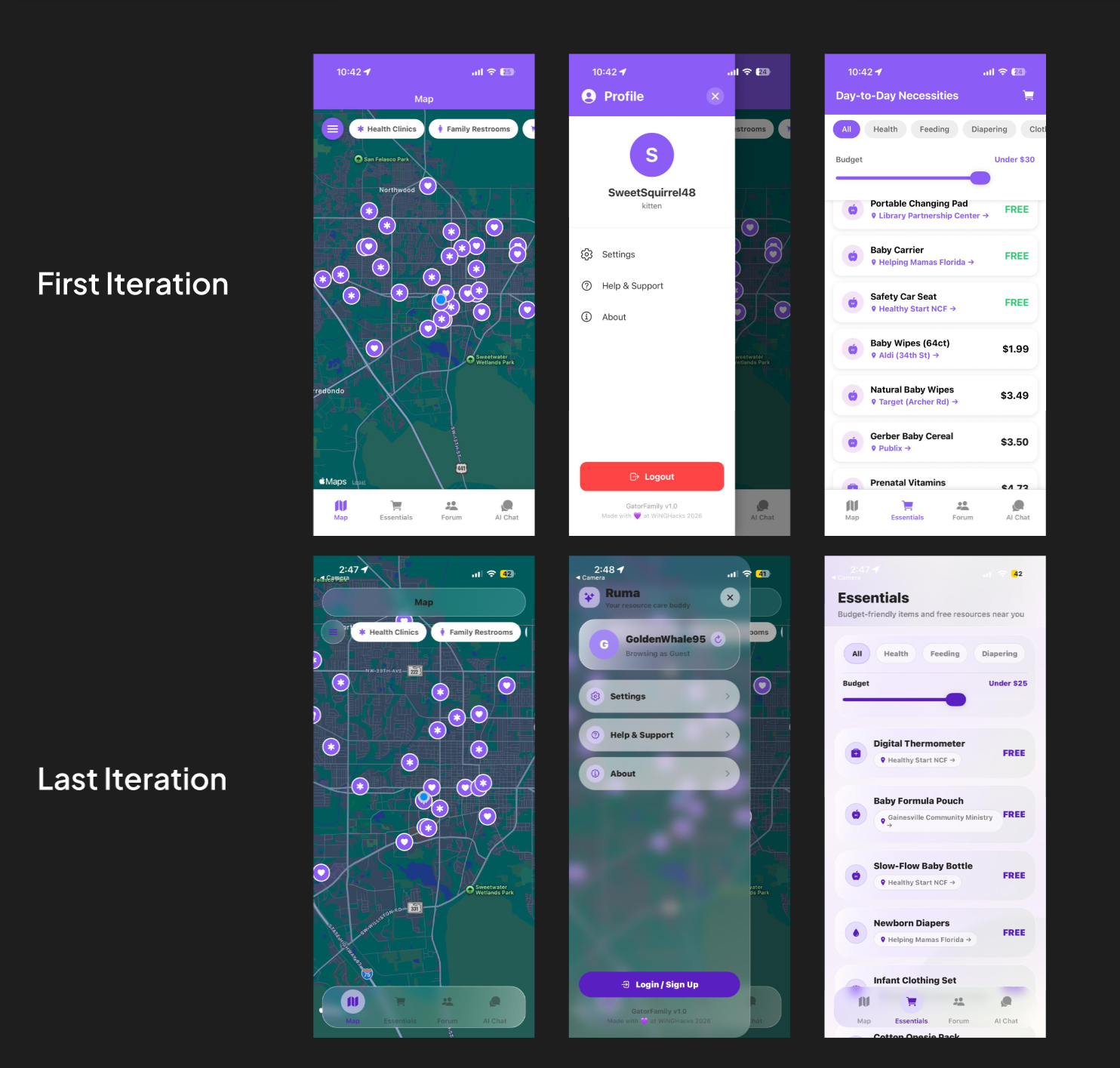
- Interactive Resource Map: Displays health clinics, family restrooms, baby supply stores, and Medicaid-accepting facilities
- Smart Shopping Assistant: Helps users find affordable baby essentials under a specific budget, with direct navigation to store locations shown on the map
- AI Chatbot: Powered by Google's Gemini AI, offering 24/7 support for parenting questions with quick-prompt shortcuts
- Anonymous Community Forum: A safe space where parents can ask questions and share experiences using randomly-generated anonymous usernames like "HappyPanda42"
- Persistent User Accounts: A secure login system that remembers users and maintains their post history All features are integrated into a unified tab-based interface with a purple theme.
Frontend: React Native with Expo Router for mobile development and seamless navigation, TypeScript for type safe code, and custom components for reusable UI elements Backend: Python Fast API, MongoDB Atlas for clinic and product data storage, and map integration for location services AI Integration: Google Gemini API for chatbot responses and AI bot training for tailored parenting support State Management: AsyncStorage for local data and React Context API for authntication state
As a team of three freshmen, nearly every tool we used was completely new to us. One major obstacle we encountered involved merge conflicts in GitHub. When attempting to merge a large set of changes, we experienced severe buffering, system permission blocks, and even moments where we believed we had lost critical code. Instead of panicking, we approached the issue methodically, utilizing the terminal. We recovered our work, reorganized our project structure, and successfully merged into the main branch. The learning curve was mainly it.
We are proud of our work ethic and dedication to this project. We are proud of the navigation system specifically because of how much work we put in merging everything and getting all of our code to work together. We are also proud of the real-time data for the map we were able to implement and learn how to use MongoDB. It was a completely unfamiliar database for us, but we were determined to use it to have a live backend with actual clinic and store data.
We learned a lot more about all of the technical platforms we used and mentioned above. We also worked on our soft skills like time management because of the short turnaround, coming up with feasible ideas, effective debugging, communication with eachother, and learning how to convey our ideas to others. Most importantly, however, we learned that building for vulnerable populations requires extra attention to accessibly, simplicity, and empathy to create a safe, judgement-free space.
In the future, we would love to focus more on connectivity and making sure each of our features are both visibly and technically connected. We want to also expand verified local resource databases to provide more personalized information, partner with community organizations, and enhance user personalization further. We are excited to see where this idea could go!
Built With
- chatgpt
- claude
- css
- expo.io
- figma
- gemini
- html
- javascript
- mongodb
- python
- react-native
- tailwind
- typescript


Log in or sign up for Devpost to join the conversation.