-
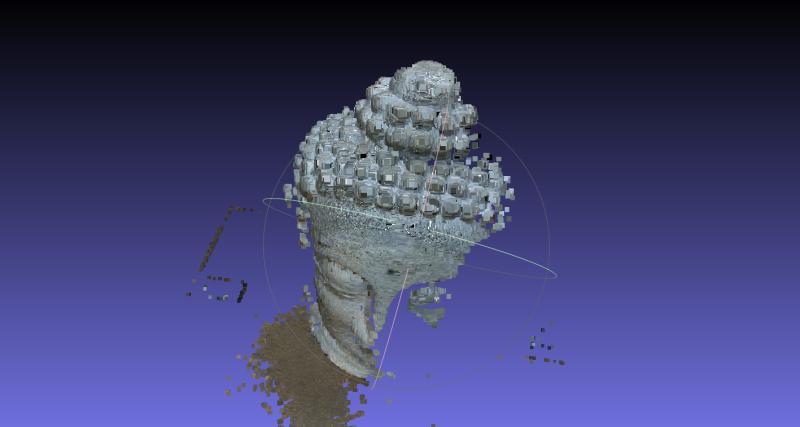
sample 1 front view
-
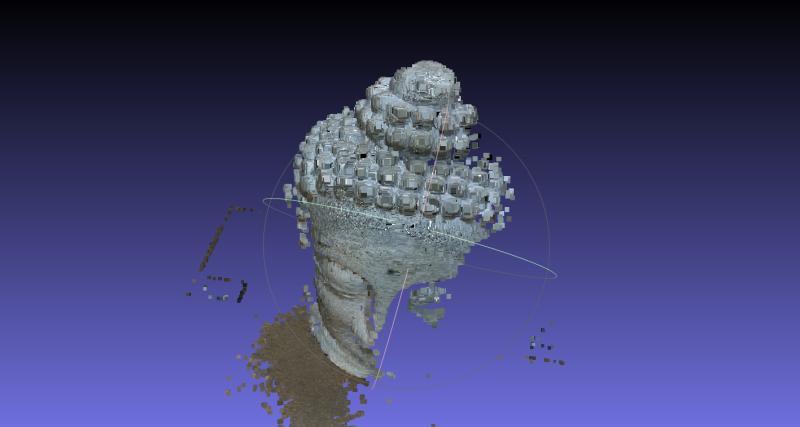
3d view
-
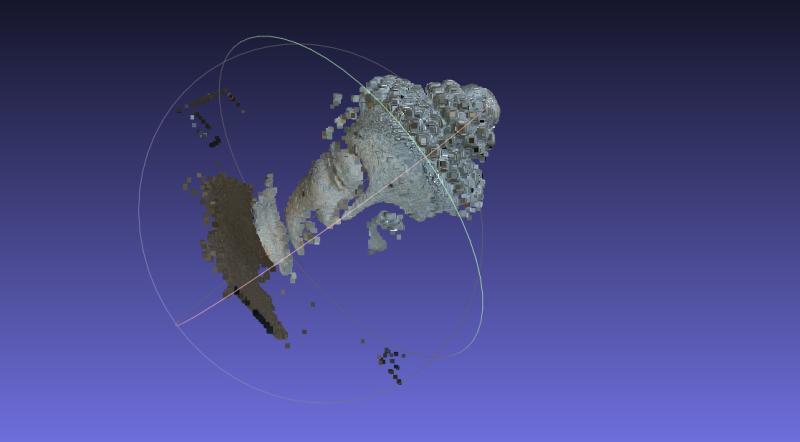
x and y axis view
-
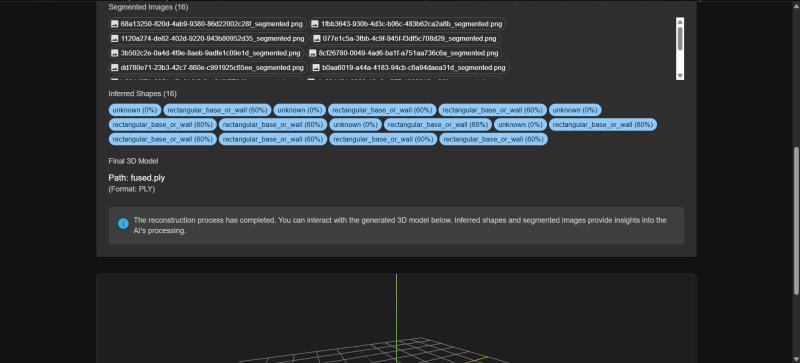
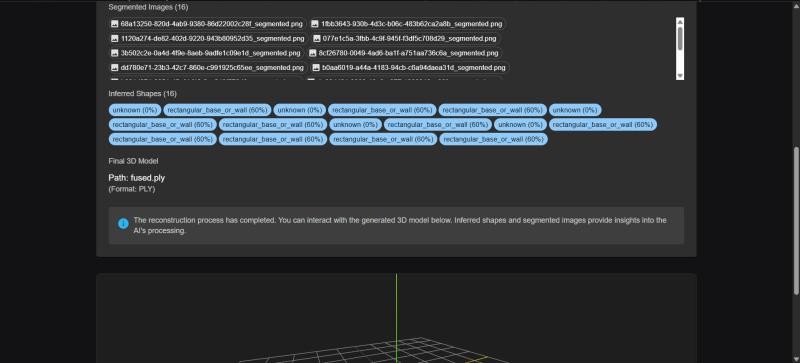
website phase 1 (structered images )
-
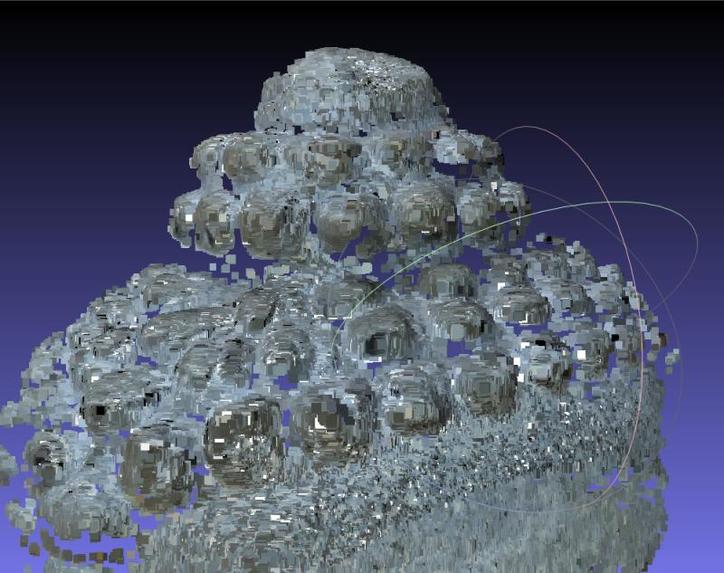
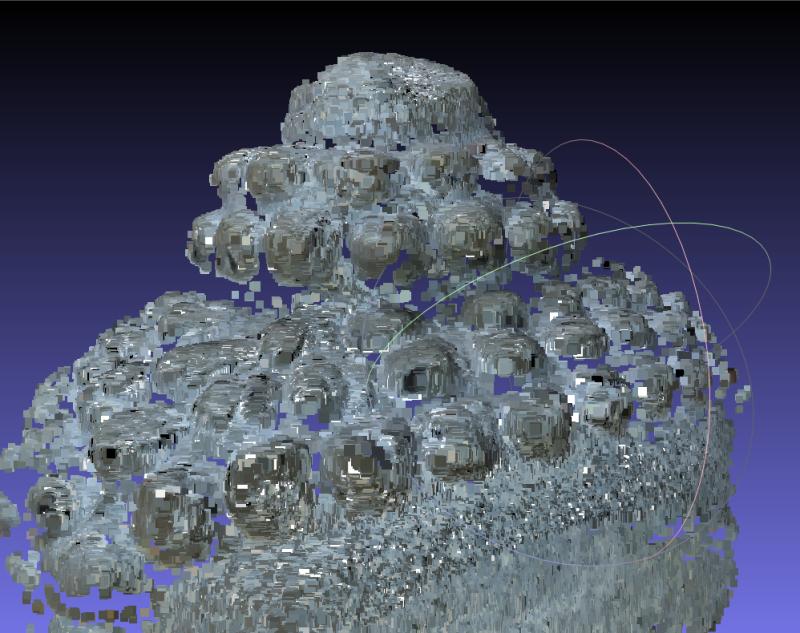
detailed view with meshlab
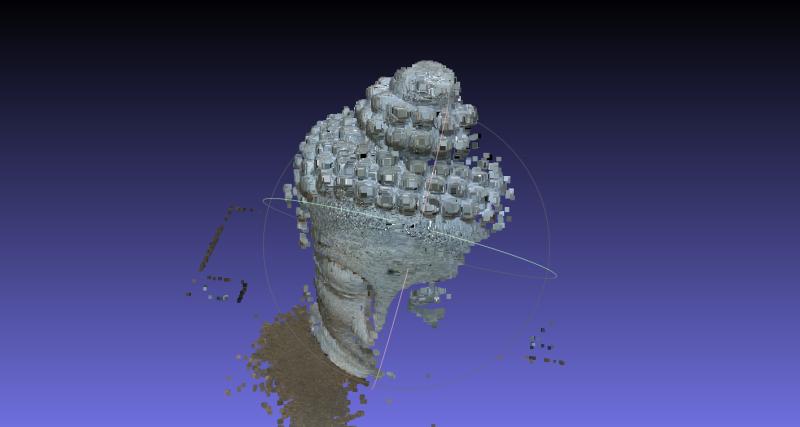
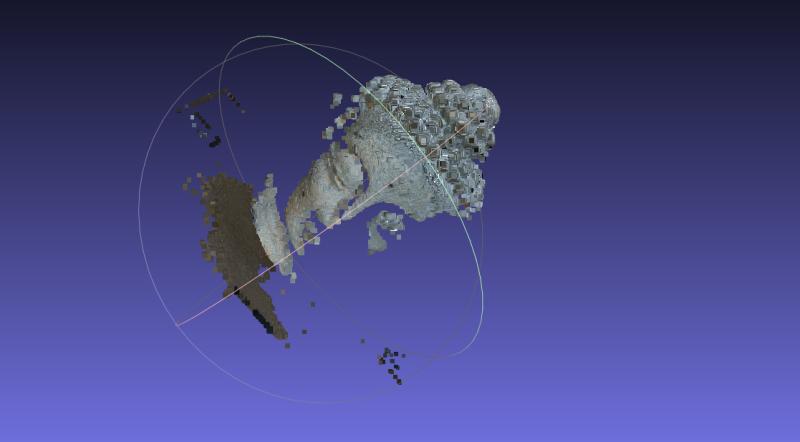
Inspiration
We were inspired by the idea of time travel and the possibility of bringing lost civilizations, monuments, and cultural heritage back to life. What if ruins weren’t just broken pieces of the past, but the foundation to reconstruct full realities? That question gave birth to Ruins to Reality
What it does
How we built it
Frontend: HTML, CSS, JavaScript
Backend: Node.js + Express.js
Version Control: Git & GitHub (resolved large file issues with Git LFS)
Planned Integrations: MongoDB for storage, Three.js/WebGL for 3D rendering, AI/ML models for intelligent reconstruction.
Reconstructs ruins (incomplete data or structures) into 3D models. Provides a time-machine themed user experience to make the process engaging. Currently deployed as a prototype (server + basic frontend) with more features coming soon
Challenges we ran into
First-time GitHub deployment → faced repo setup and push errors.
Handling large files over 100 MB → learned and applied Git LFS.
Balancing time constraints with ambitious goals → decided to launch a minimal “Coming Soon” MV
Accomplishments that we're proud of
Successfully deployed our first GitHub-hosted project 🎉.
Designed a unique branding concept (time travel + AI).
Built the foundation for future AI + 3D systems.
What we learned
Setting up and managing GitHub repositories.
Importance of documentation and creative storytelling (README with emojis & time-travel theme).
How to start simple and expand gradually instead of trying to build everything at once.
What's next for Ruins to Reality AI-Powered 3D Reconstruction System
Add AI-powered 3D reconstruction models (using TensorFlow/PyTorch).
Integrate MongoDB for structured data.
Build an immersive 3D explorer UI with React + Three.js.
Deploy a fully functional AI chatbot + interactive demo site.


Log in or sign up for Devpost to join the conversation.