Inspiration
The inspiration for Category 3 – AI Drafting Assistant/Drafting Predictor (LoL) came from how much esports we consume, especially LEC and LCK. From day one we felt connected to this challenge, so we poured in our experience as League of Legends spectators and our computer‑science background.
What it does
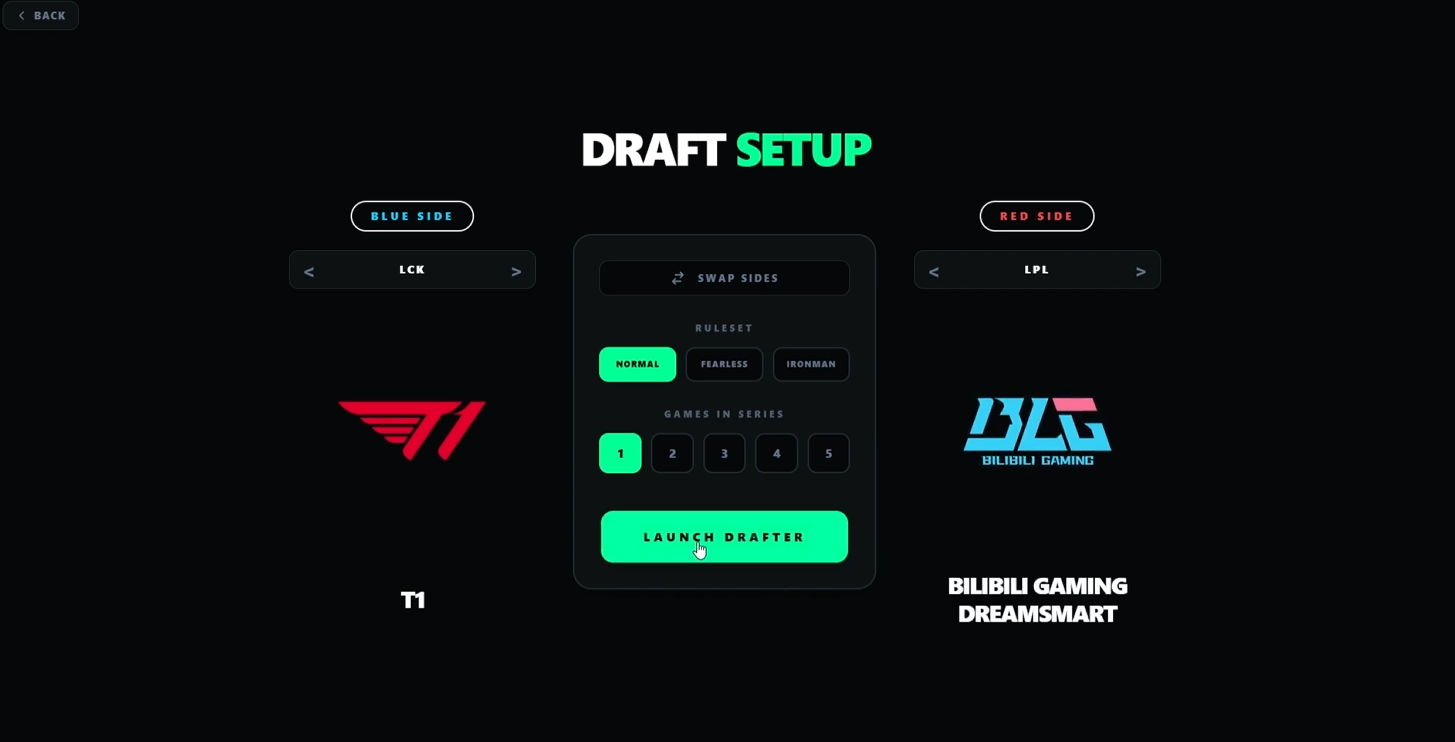
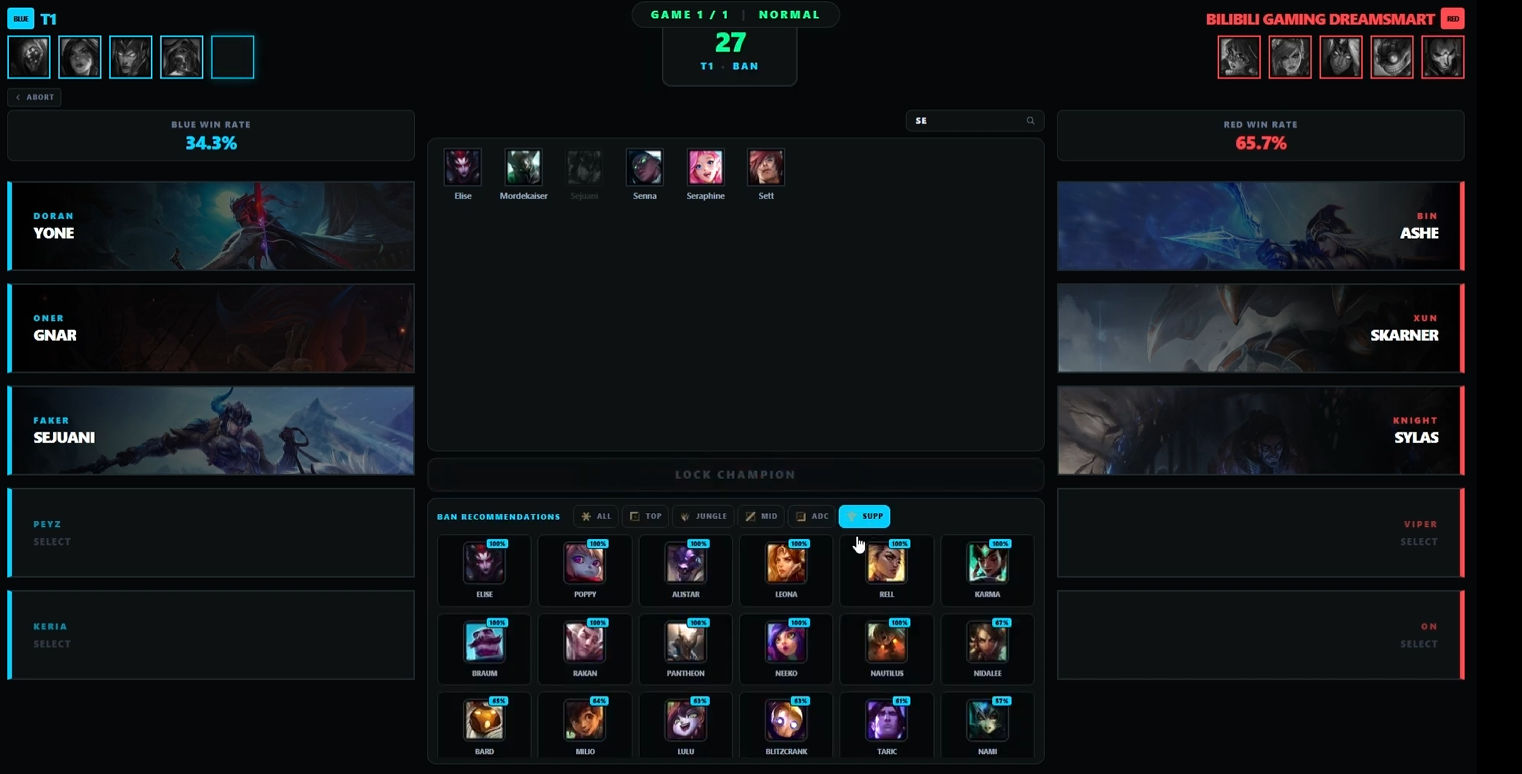
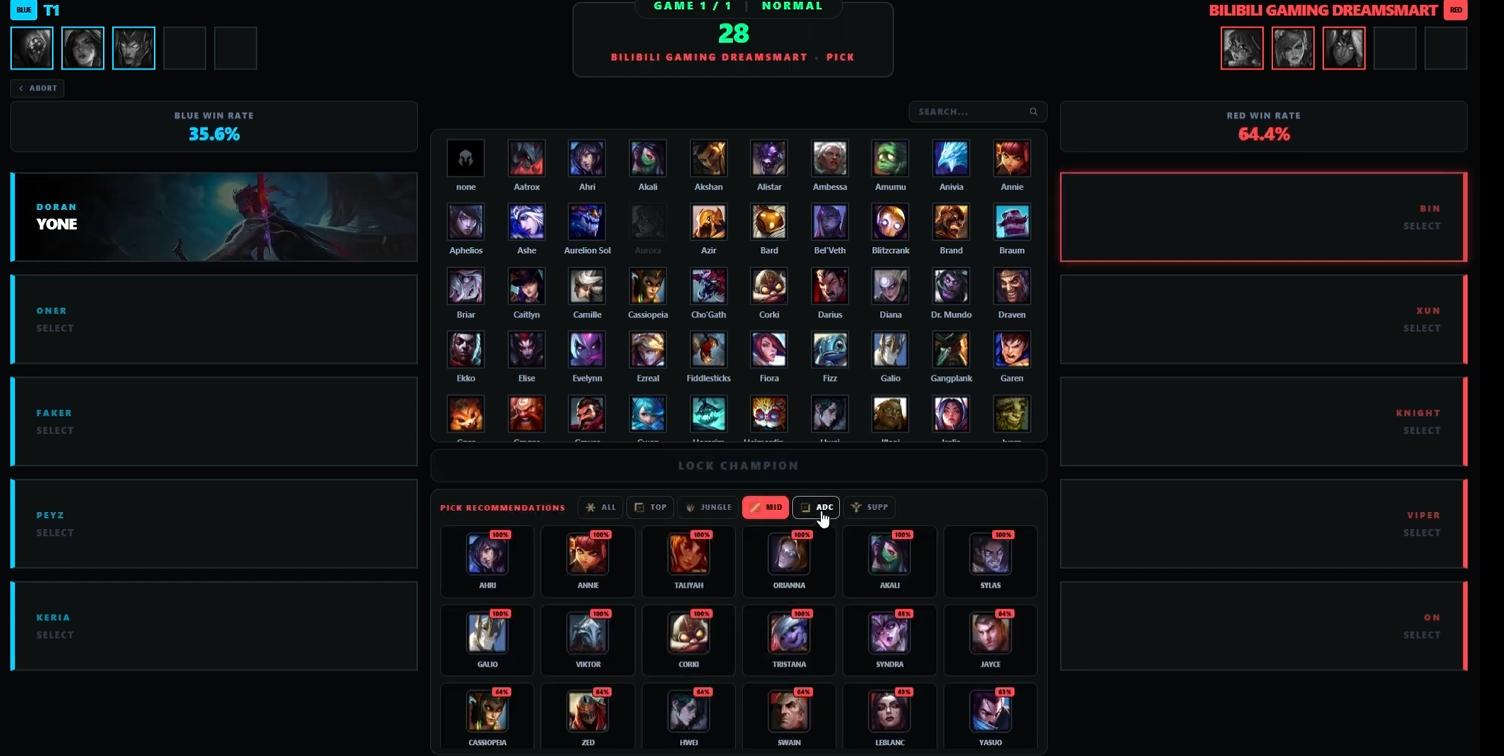
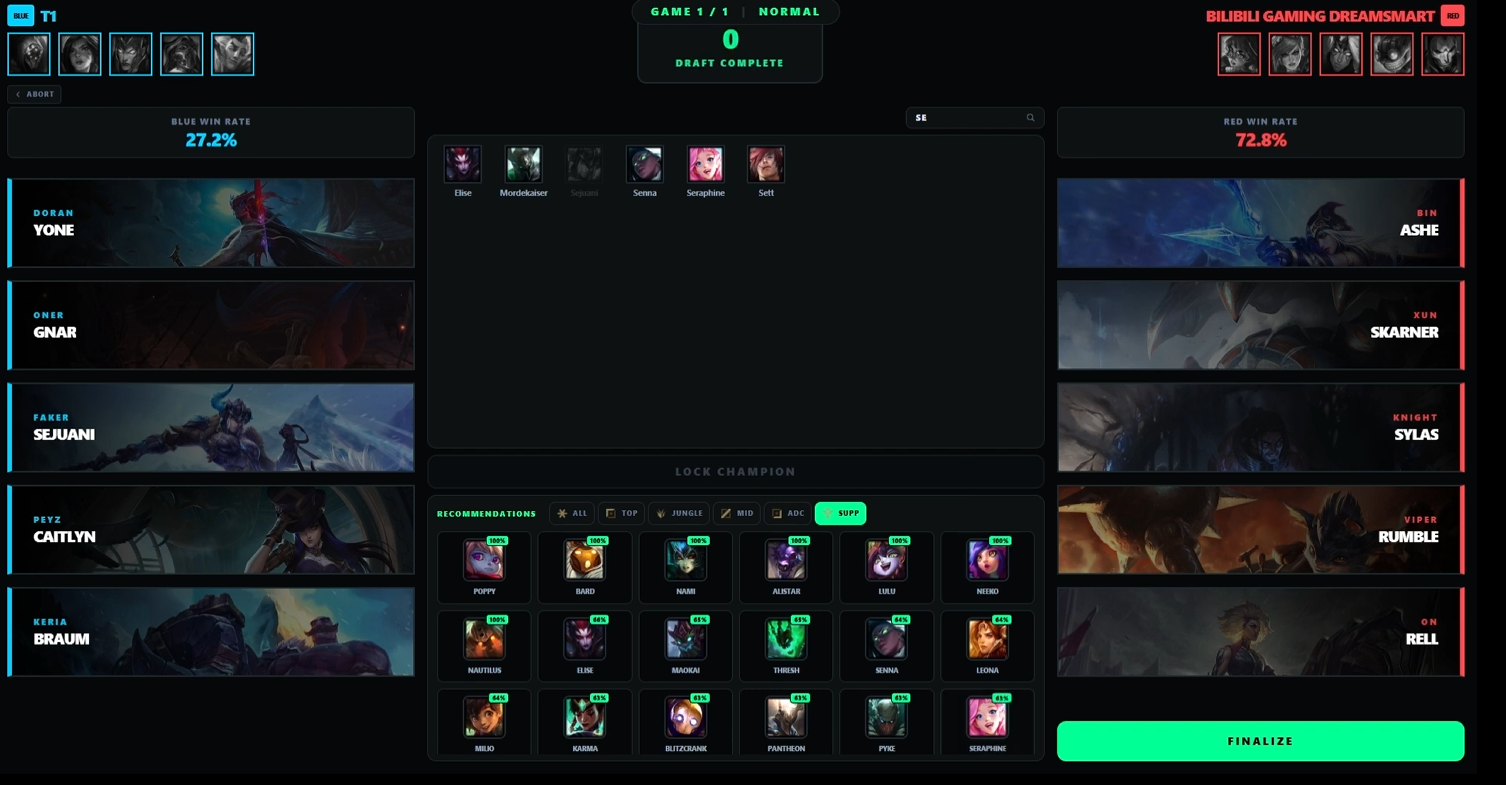
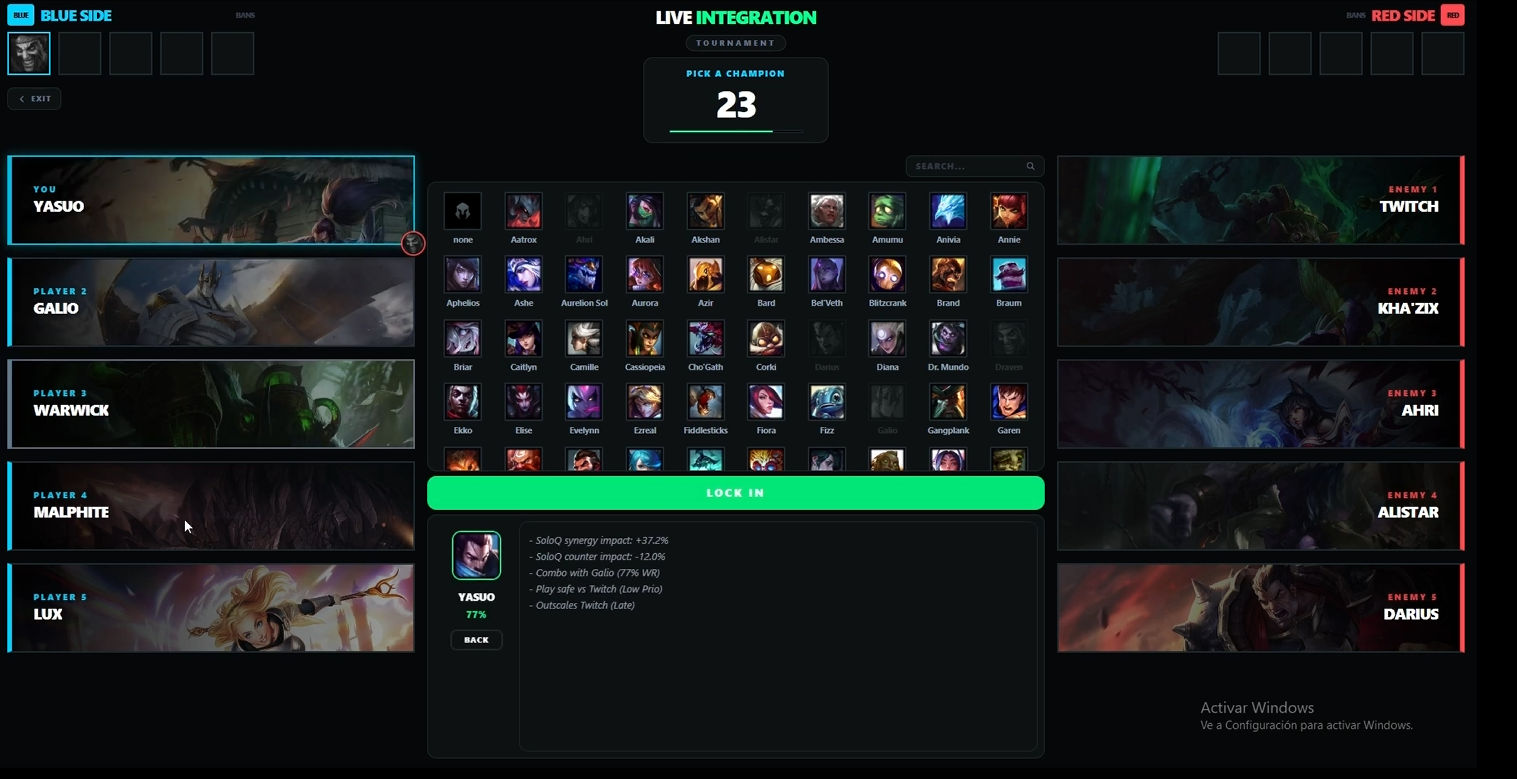
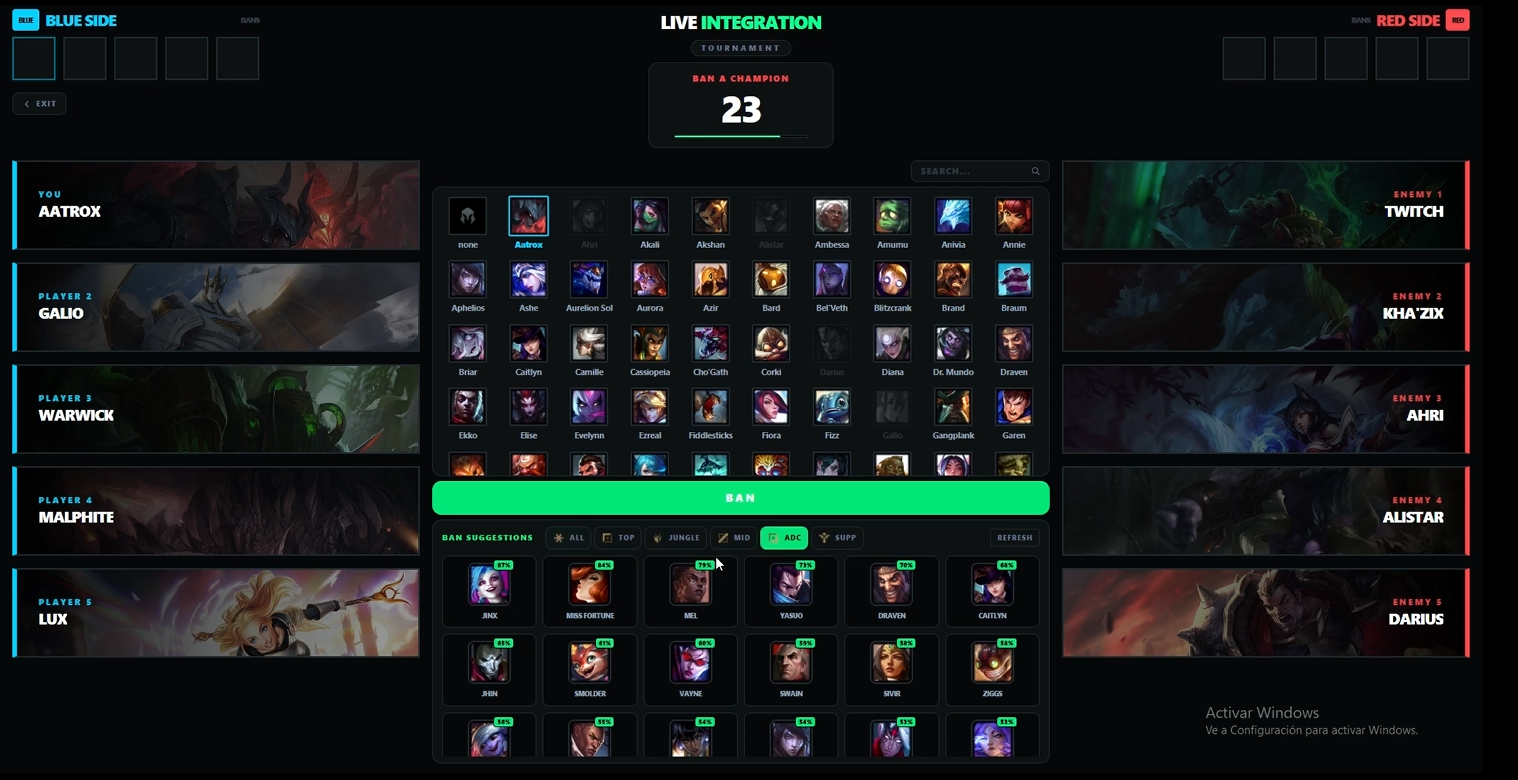
Atom.gg predicts the best picks and bans during a League of Legends draft. A huge part of the game is decided before the match starts, so we built a machine‑learning engine that provides real‑time win‑probability and champion recommendations. The app lets you simulate drafts between professional teams from the top competitive leagues, and it also includes a mode designed for real drafts in the League of Legends client.
How we built it
We built the desktop app with Tauri, React, and TypeScript because it is lightweight, secure, and fast for cross‑platform development. The AI core uses XGBoost models trained in Python, with feature engineering and experimentation done in Jupyter notebooks. For professional match data, we rely on GRID’s GraphQL API (provided by the hackathon), and for official League of Legends data we use Riot’s API. The pipeline parses raw game JSONs into a structured SQLite database that feeds the model.
Challenges we ran into
League of Legends has countless variables—champions, roles, itemization, objectives, player preferences, patches, and more. That complexity makes modeling hard and demands a large volume of high‑quality data. On top of that, the game evolves every few weeks, which means models can go stale quickly and data needs constant refreshing. Even with those hurdles, we decided to push through and build something reliable.
Accomplishments that we’re proud of
We’re proud to have a fully functional application that delivers real‑time, high‑value draft guidance with measurable impact. As computer‑engineering students, it’s especially meaningful to prove what we can build by combining what we learn in university with our own independent work.
What we learned
We learned a lot: large‑scale JSON processing, building data pipelines, massive data collection, and applying real machine‑learning models in a production‑style desktop app. We’re truly grateful to Cloud9 and JetBrains for making this hackathon possible.
What’s next for Atom.gg
Given the real potential we’ve seen, we plan to continue improving the system and move toward a production‑ready service with a stronger model, fresher data, and a smoother user experience.
Built With
- css
- graphql
- html
- ipynb
- javascript
- json
- python
- react
- rust
- sqlite
- tauri
- typescript

Log in or sign up for Devpost to join the conversation.