-
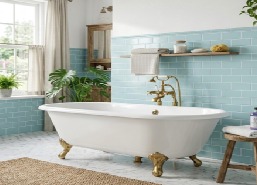
Classic Porcelain Habitat
-
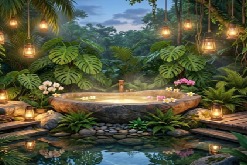
Tropical Lagoon Habitat
-
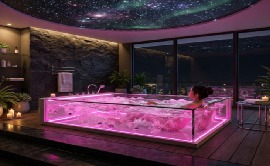
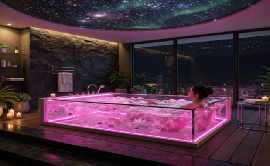
Infinity Spa Habitat
-

Lava-Latte Duck
-

Artic Teal Duck
-
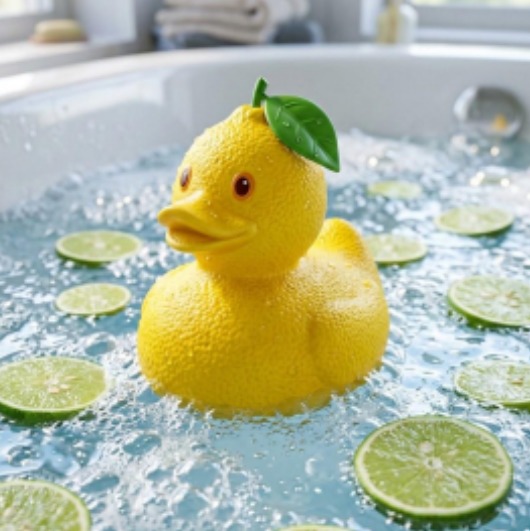
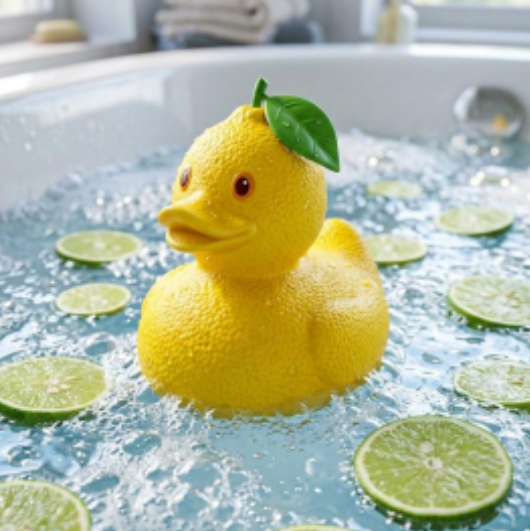
Citrus Squeeze Duck
-

Galaxy Glider Duck
-
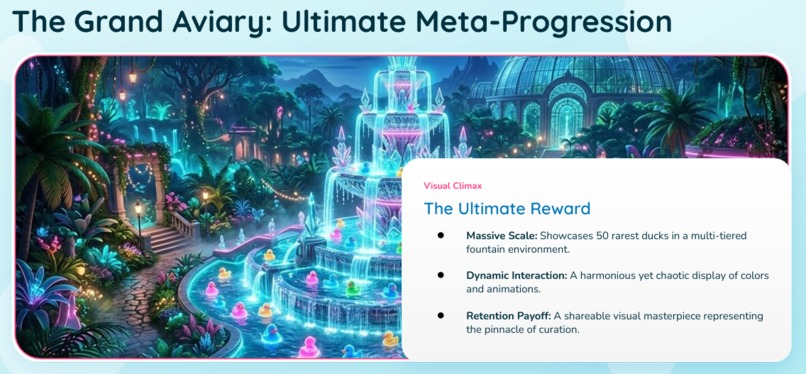
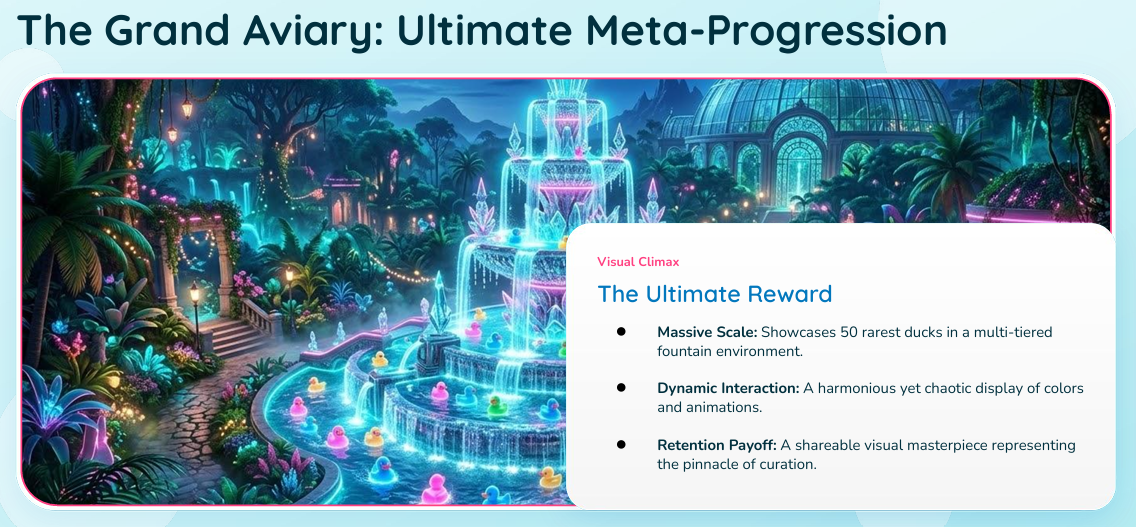
The Grand Aviary
-
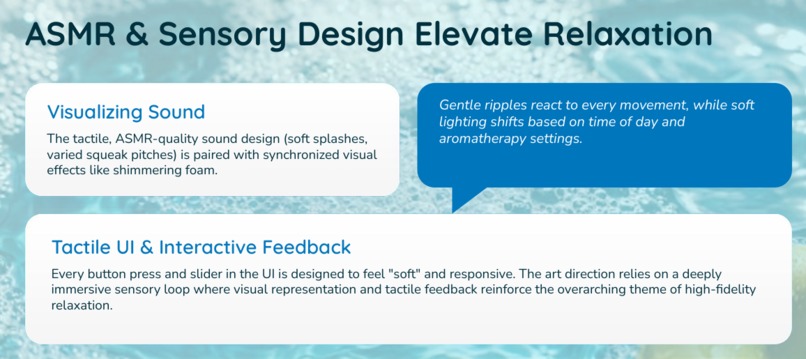
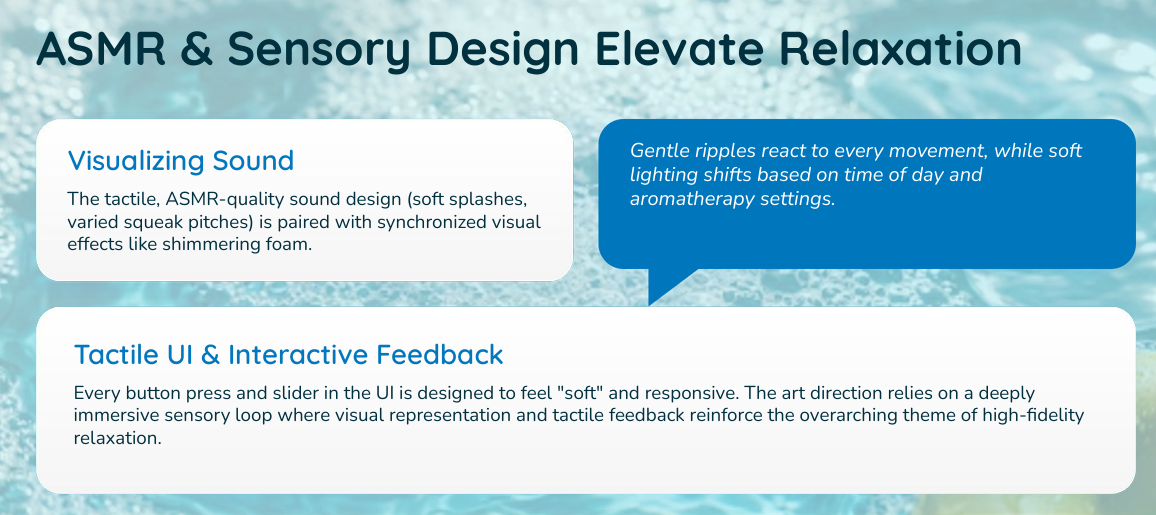
ASMR and Sensory Design



Inspiration
I was inspired by the popularity of cozy, low-stress games that focus on creativity, collection, and relaxation rather than competition. I wanted to create a lighthearted experience that combines the universal appeal of rubber ducks with satisfying progression systems and calming sensory feedback.
My goal was to design a game that players could enjoy in short sessions while still feeling a sense of discovery and accomplishment.
What it does
Rubber Duck Habitat Curator is a simulation and management game where players create and customize bath habitats to attract and care for unique rubber duck species.
Players adjust environmental variables such as:
- Water temperature
- Bubble density
- Lighting and aromatherapy (future features)
By creating ideal conditions, players increase duck happiness and earn Squeak Currency, which can be used to unlock:
- New duck species
- Habitat upgrades
- Additional customization options
Players track their discoveries in the Duck Dex and ultimately work toward building the Grand Aviary, a showcase featuring their rarest ducks.
How I built it
I designed the game around a four-stage gameplay loop:
- Prepare – Adjust habitat settings.
- Introduce – Place ducks into the habitat.
- Curate – Monitor happiness and earn currency.
- Expand – Unlock new content and customization options.
The MVP includes:
- Environmental sliders for temperature and bubble density
- Habitat compatibility tracking
- Duck placement mechanics
- Happiness-based currency generation
- Duck collection tracking through the Duck Dex
I also developed the visual direction around clean interfaces, soothing animations, and ASMR-inspired sound effects to reinforce the game's relaxing atmosphere.
Challenges I ran into
One of the biggest challenges was balancing depth with accessibility. I wanted habitat management to feel meaningful without becoming overly complex.
Another challenge was defining a realistic MVP scope. While I envisioned features such as:
- Advanced breeding
- Social trading
- AR integration
- Expanded environmental systems
I needed to focus on building and validating the core gameplay loop first.
Creating intuitive player feedback was also critical. Players need to immediately understand how habitat changes affect duck happiness and progression.
Accomplishments that I'm proud of
- Creating a relaxing gameplay loop that remains engaging over time
- Designing a collection system centered around the Duck Dex
- Establishing a scalable foundation for future content
- Combining customization, progression, and sensory design into a cohesive experience
- Defining a realistic MVP that prioritizes player experience and production feasibility
What I learned
This project reinforced the importance of focusing on core gameplay before expanding features.
By concentrating on the Prepare → Introduce → Curate → Expand loop, I was able to identify which mechanics delivered the most value to players.
I also learned how important immediate visual and audio feedback is in simulation games. Responsive systems help players understand the impact of their decisions and create a stronger sense of reward.
What's next for Rubber Duck Habitat Curator
Future development plans include:
- Aromatherapy and mood lighting systems
- Seasonal migration events
- Additional duck species and habitats
- Daily challenges and progression systems
- Advanced duck breeding mechanics
- Social trading and collection sharing
- An AR-powered Duck Cam experience
My long-term goal is to grow Rubber Duck Habitat Curator into a standout cozy simulation game while preserving the relaxing, stress-free experience that defines its identity.


Log in or sign up for Devpost to join the conversation.