-
-
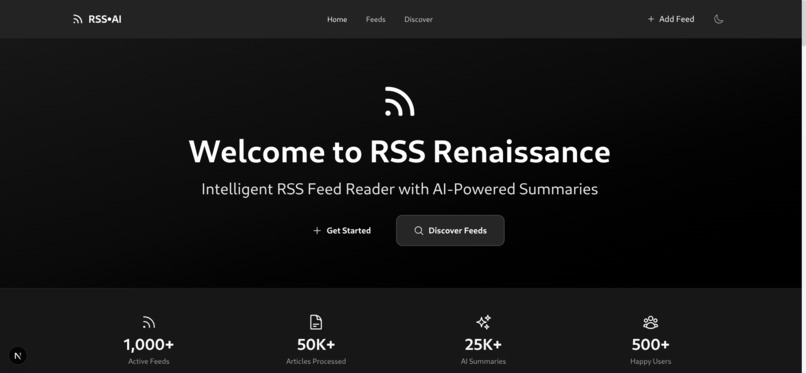
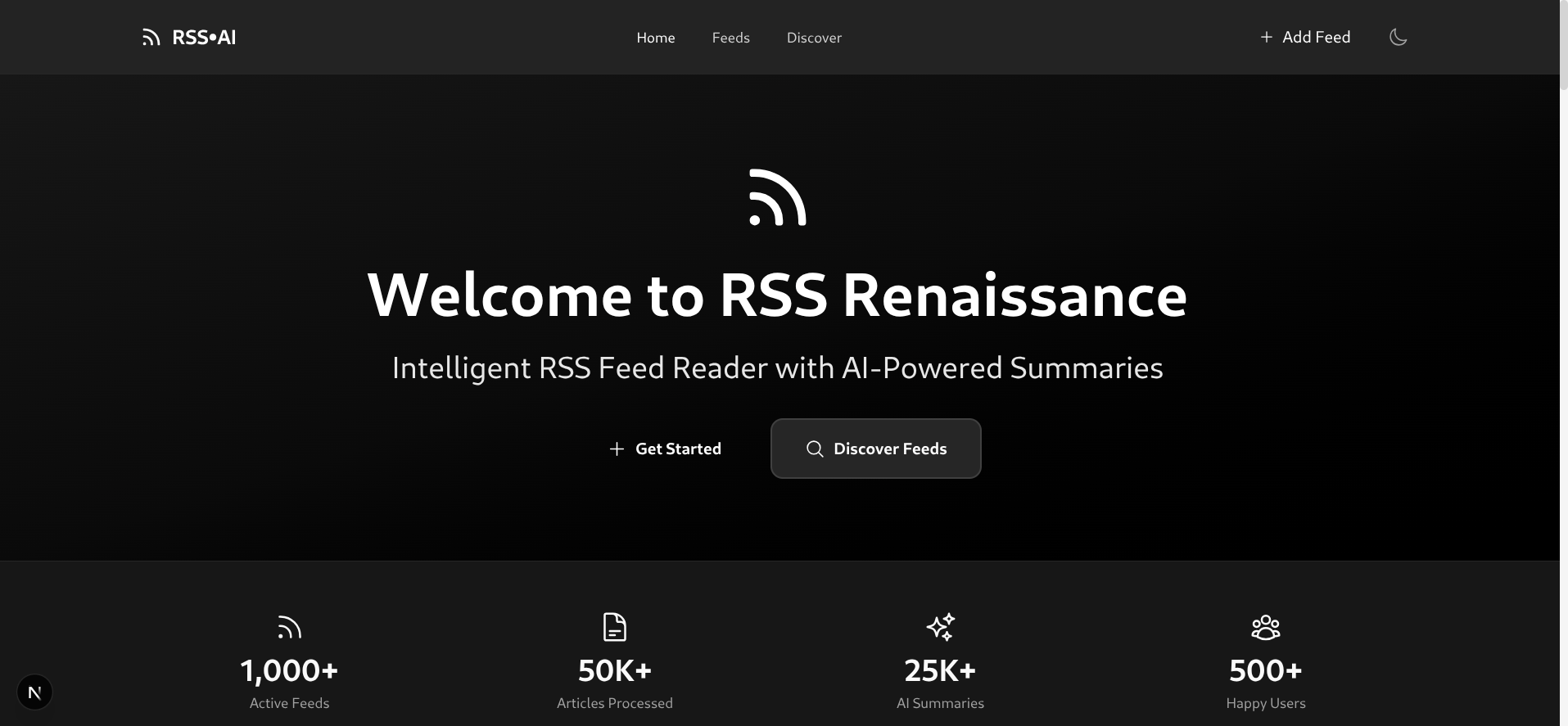
Welcome page of RSS Renaissance
-
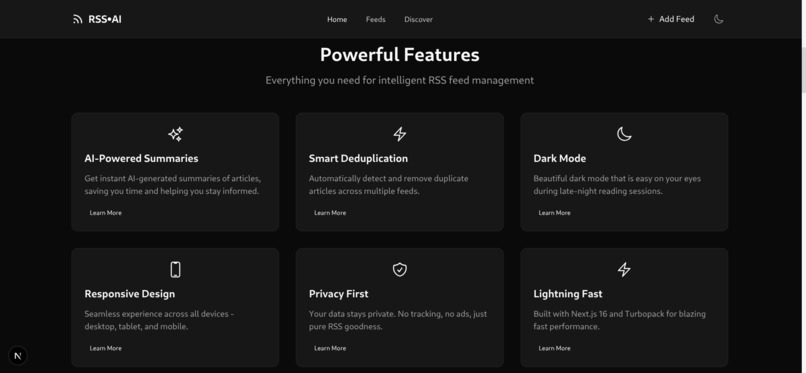
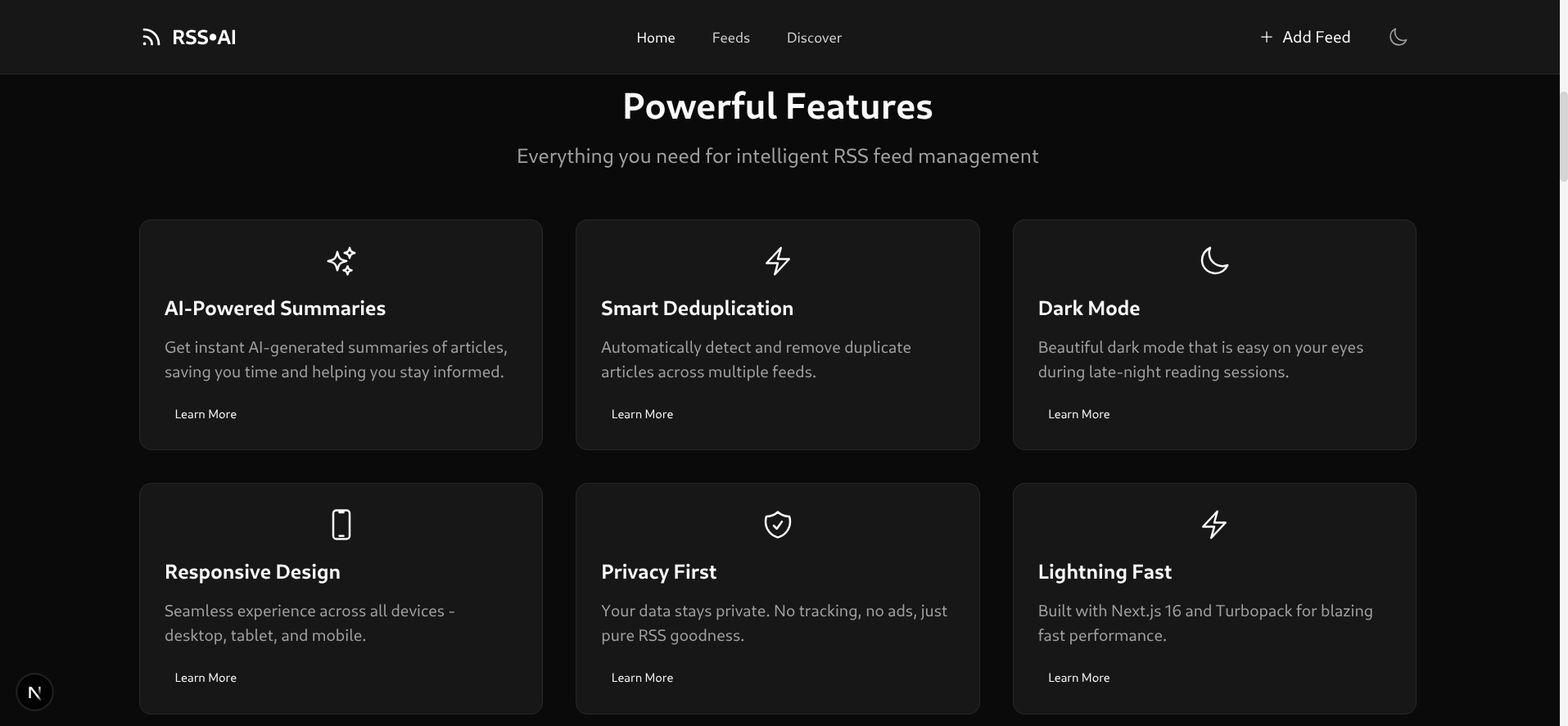
Features page showcasing what RSS Renaissance can do
-
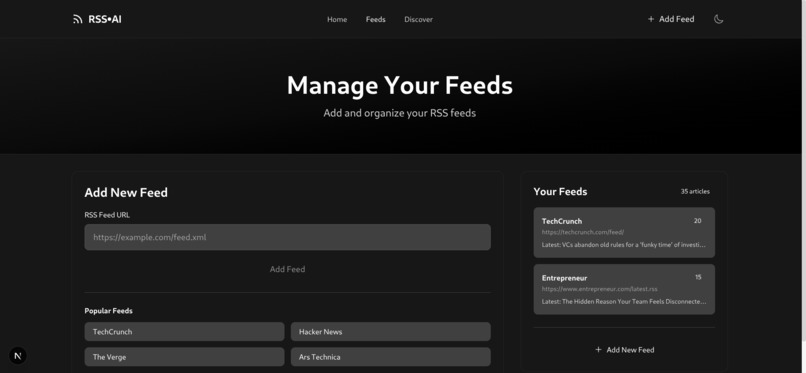
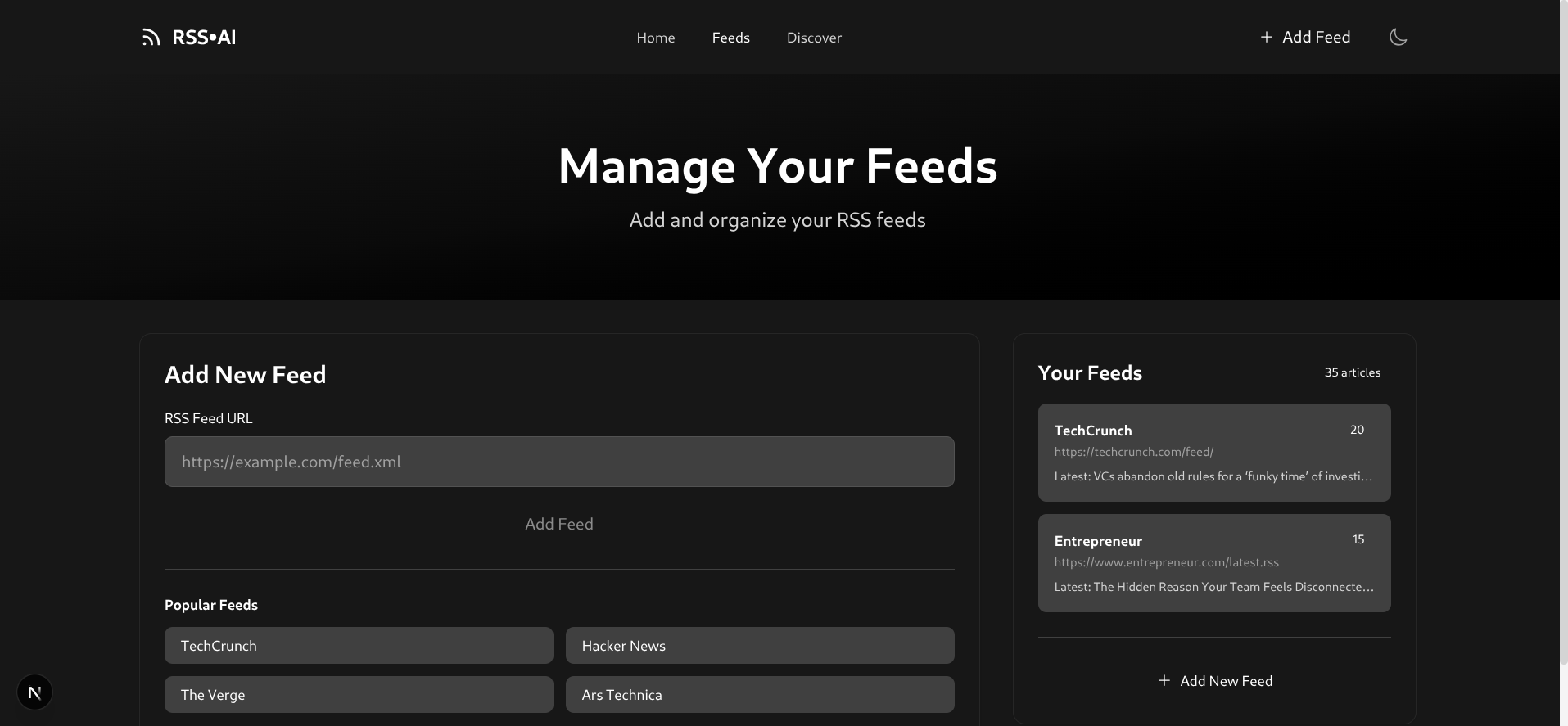
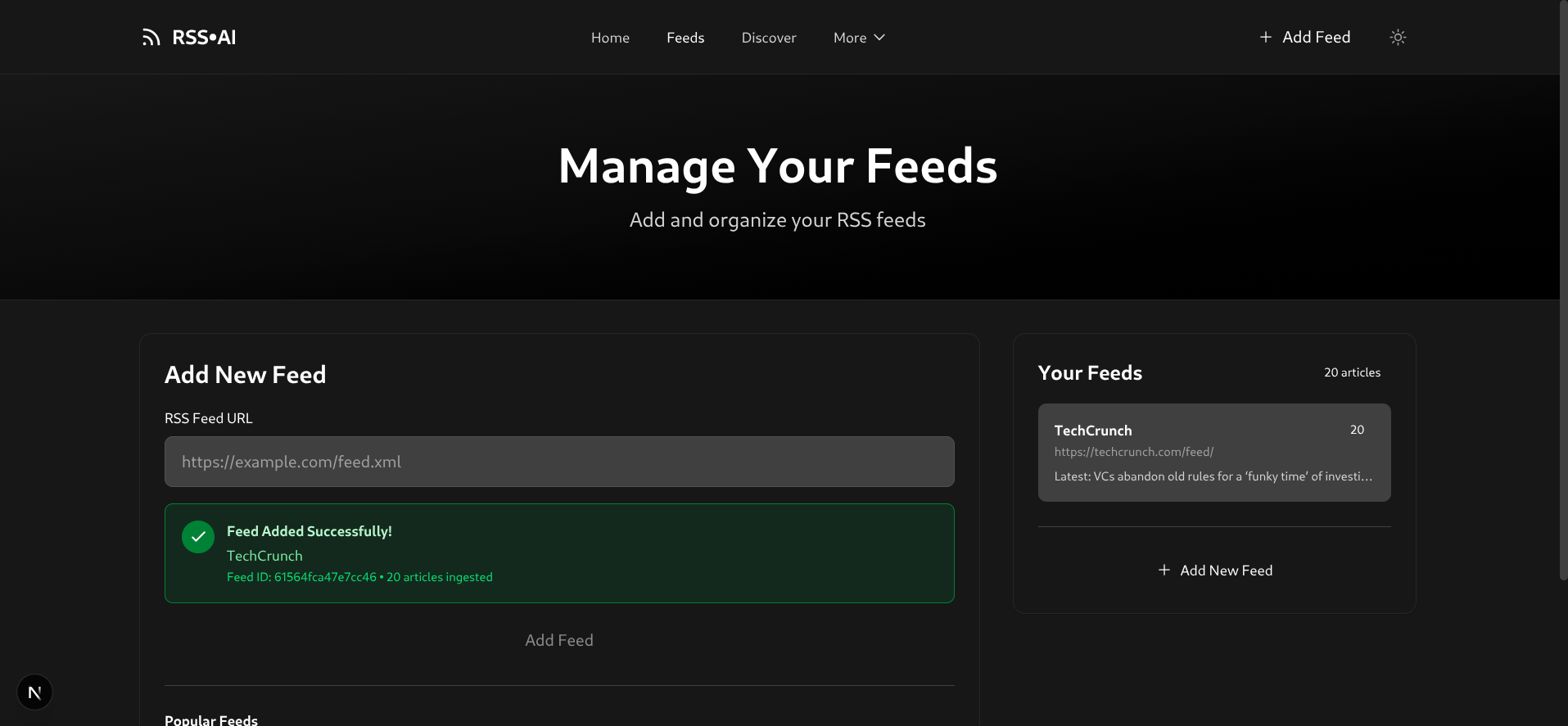
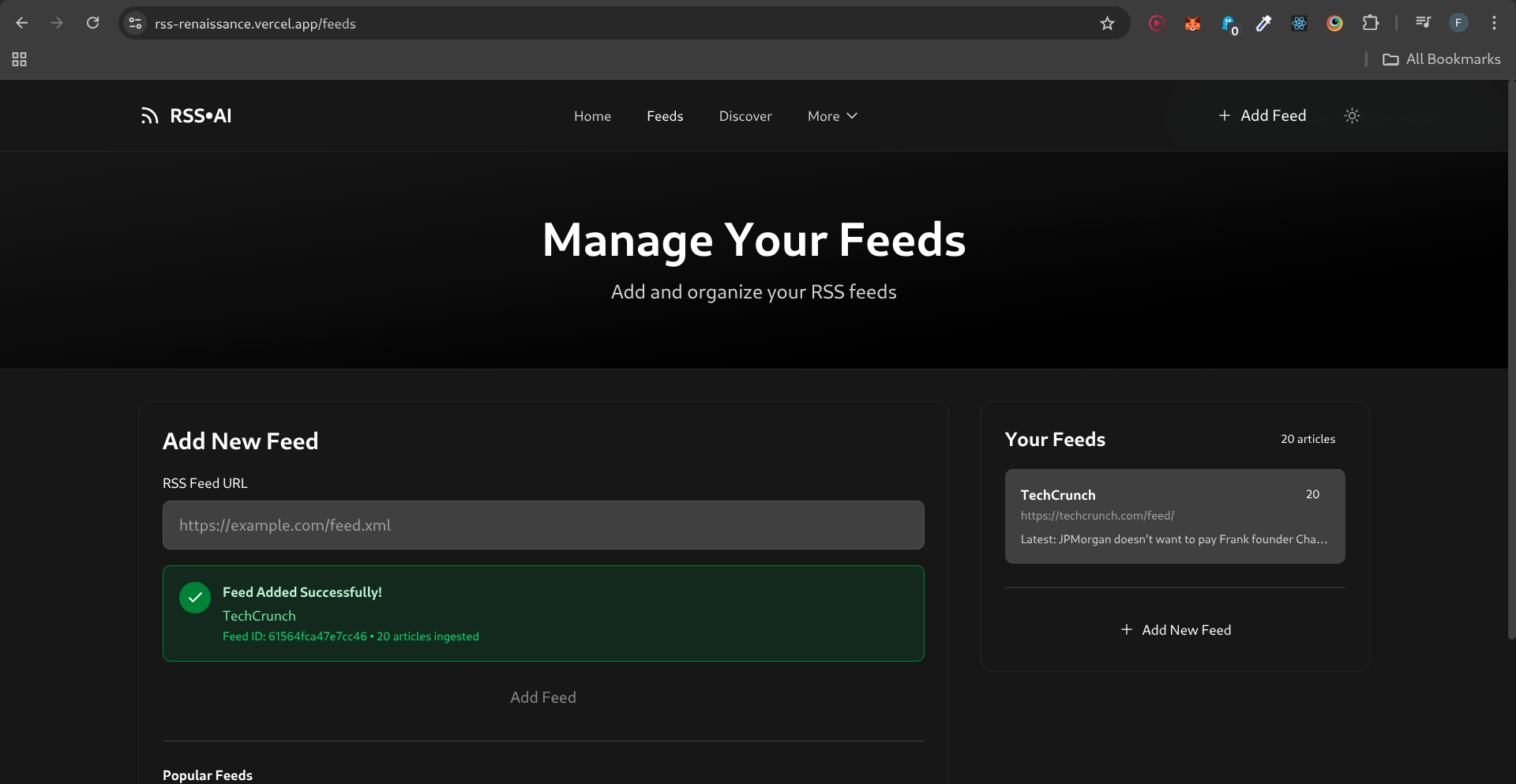
A dedicated screen where users paste any RSS feed URL.
-
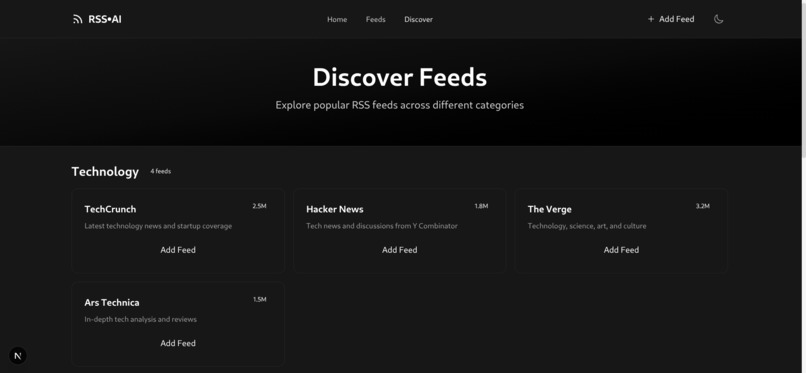
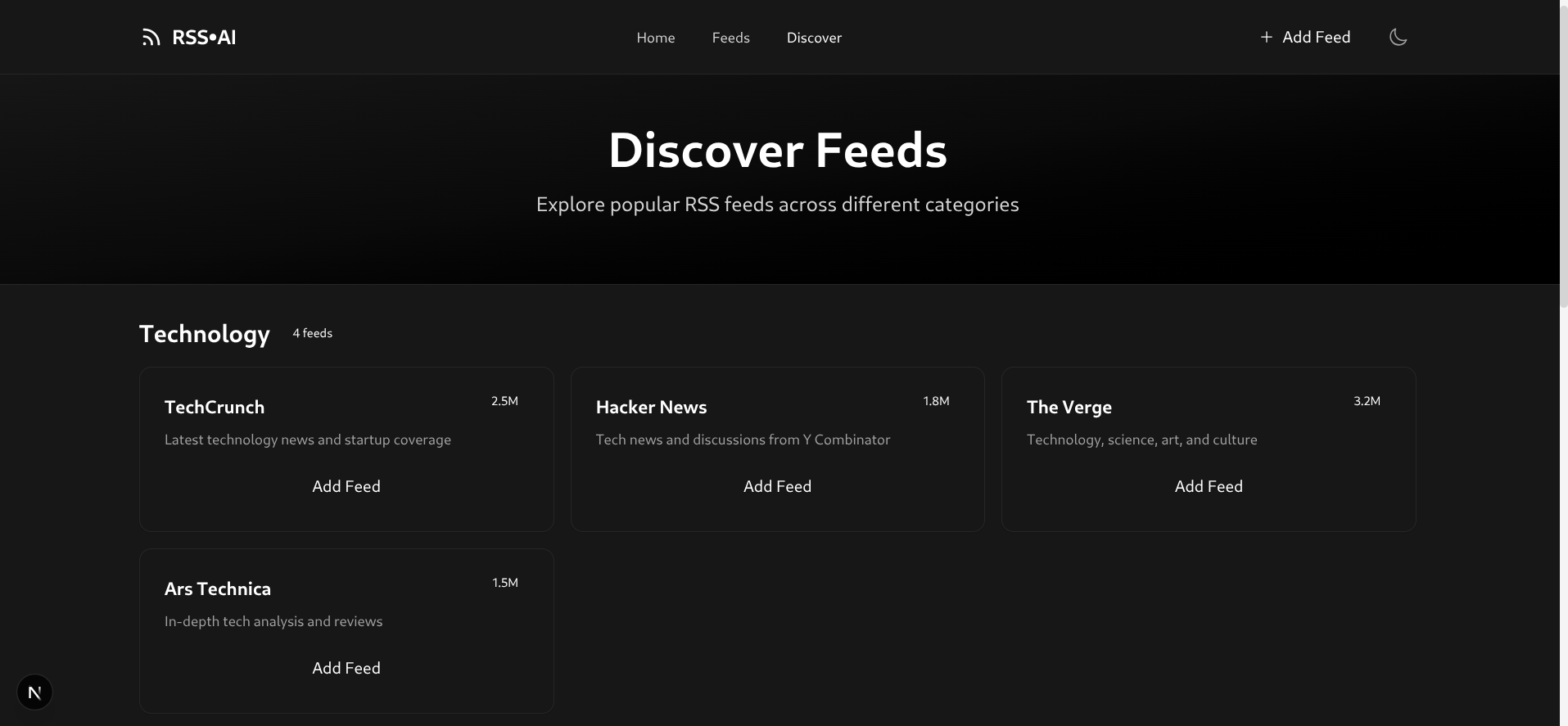
Discover page with examples of feeds you can add
-
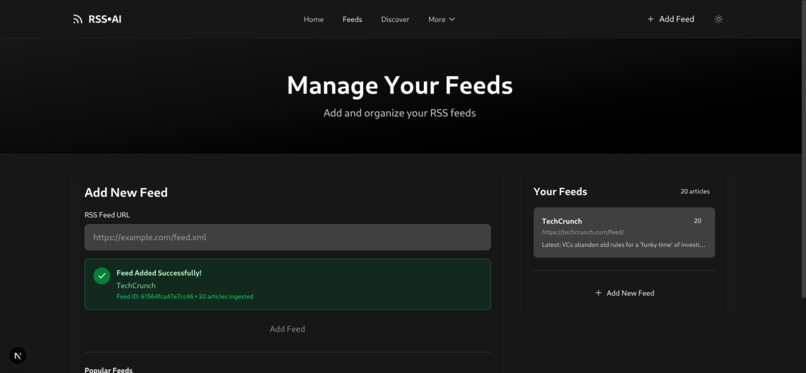
Adding feed
-
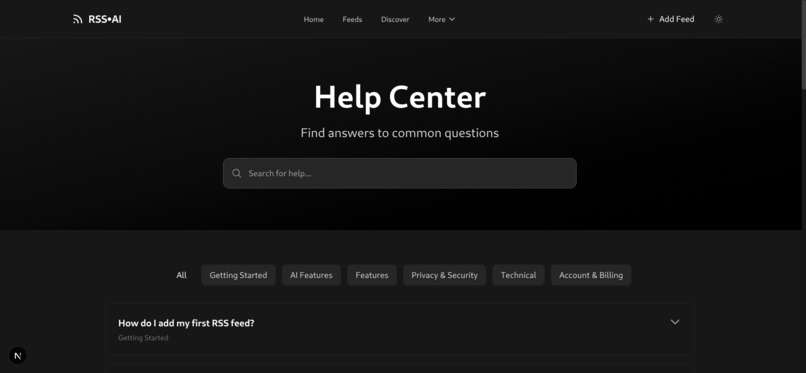
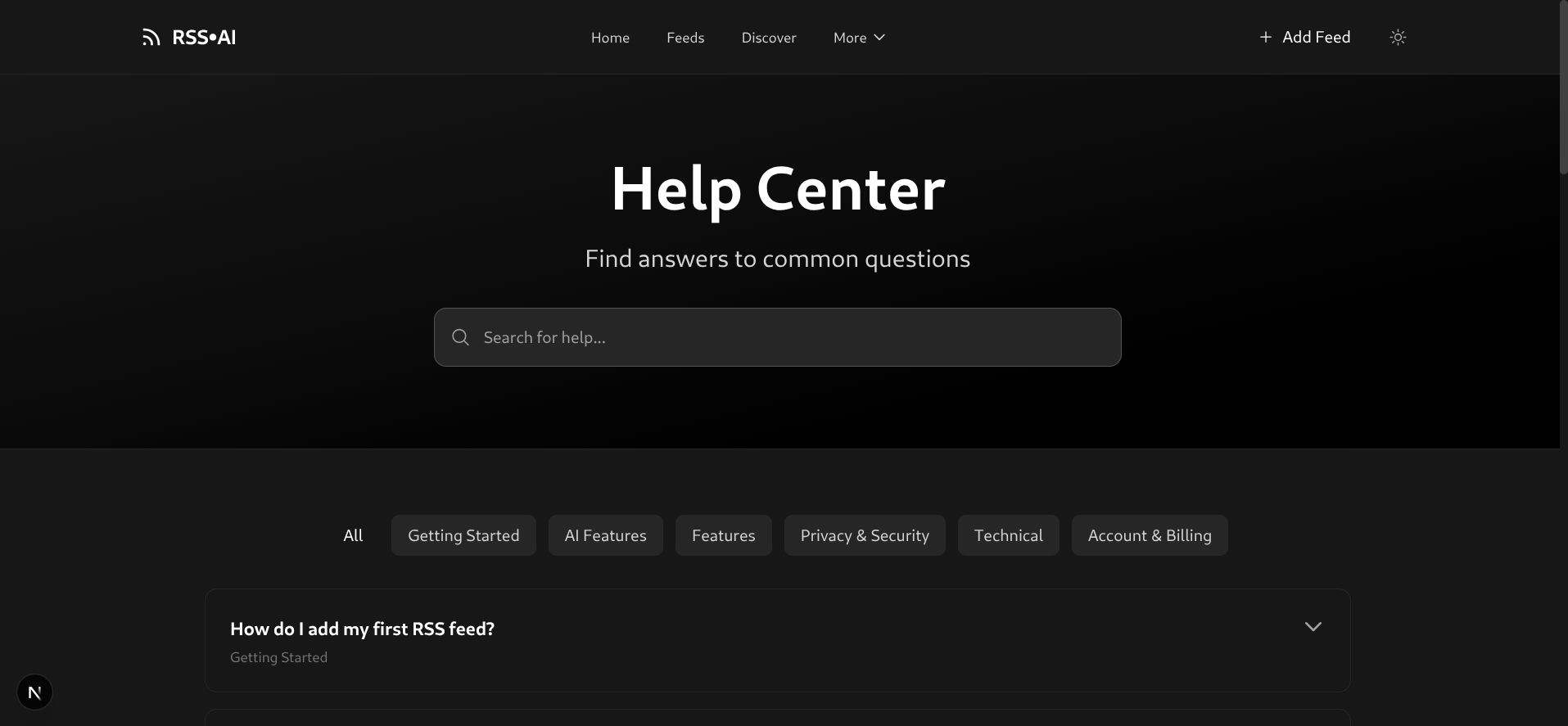
Help Center
-
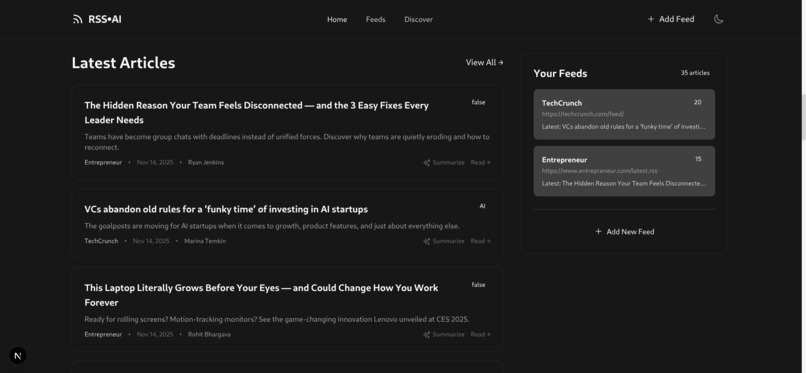
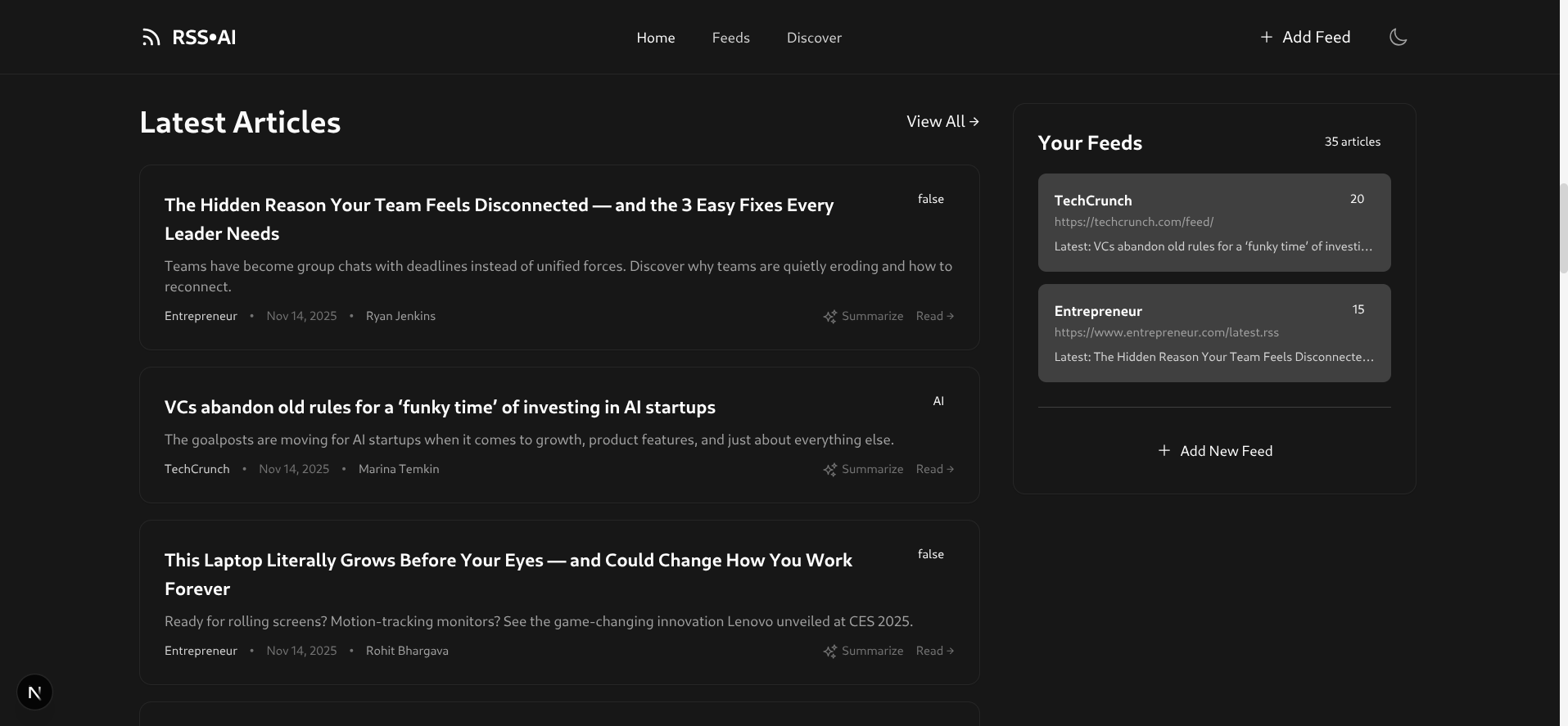
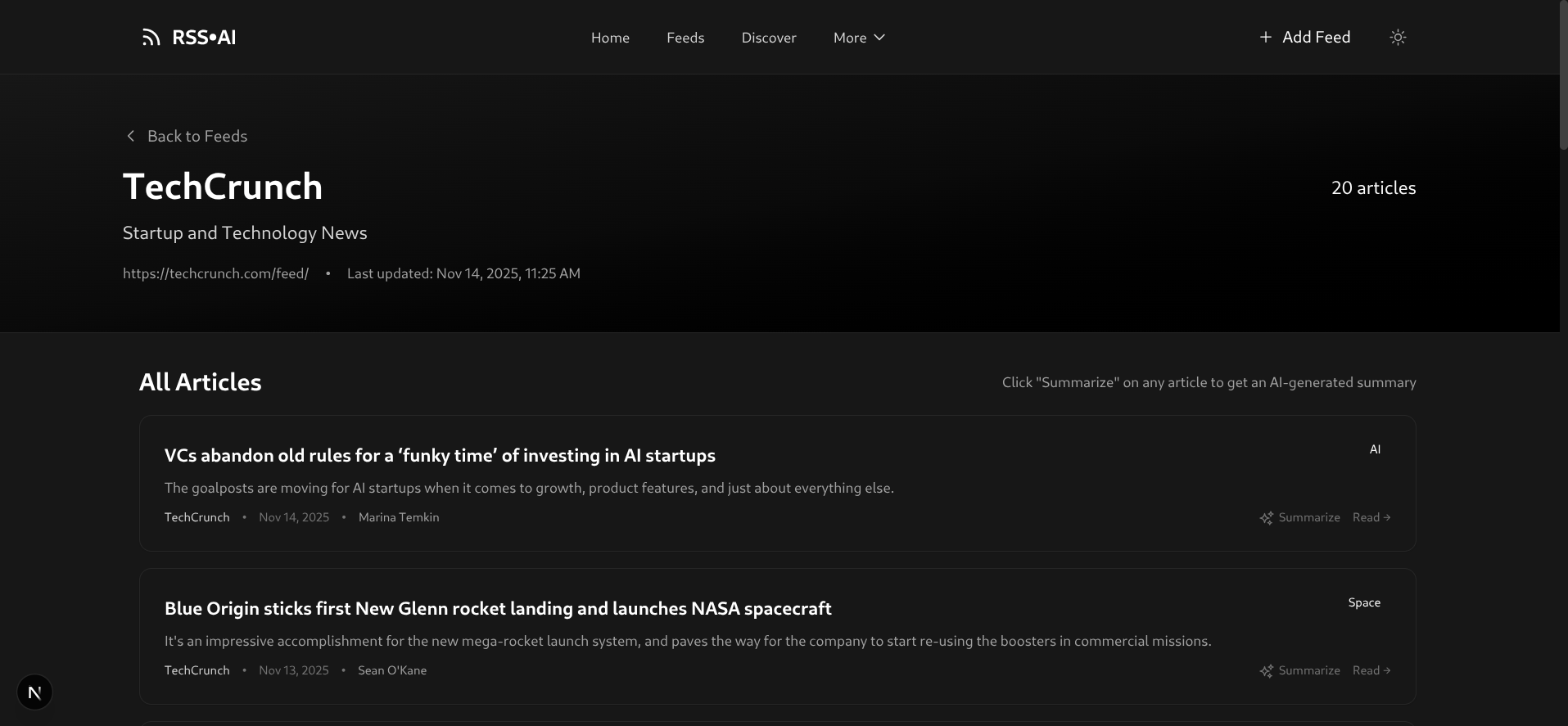
A stripped-down list of articles fetched from multiple feeds, displayed in a clean and organized layout.
-
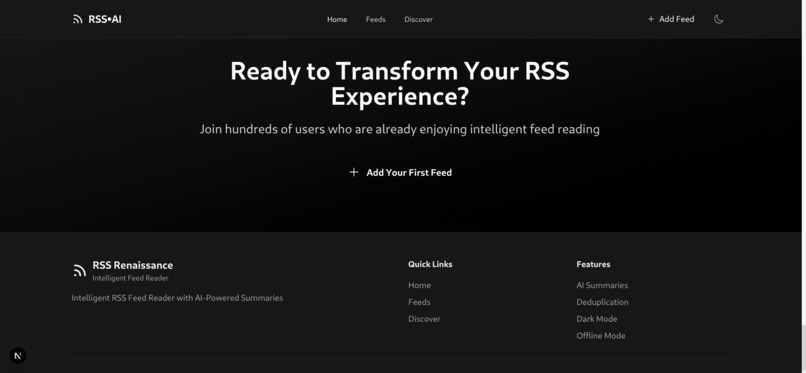
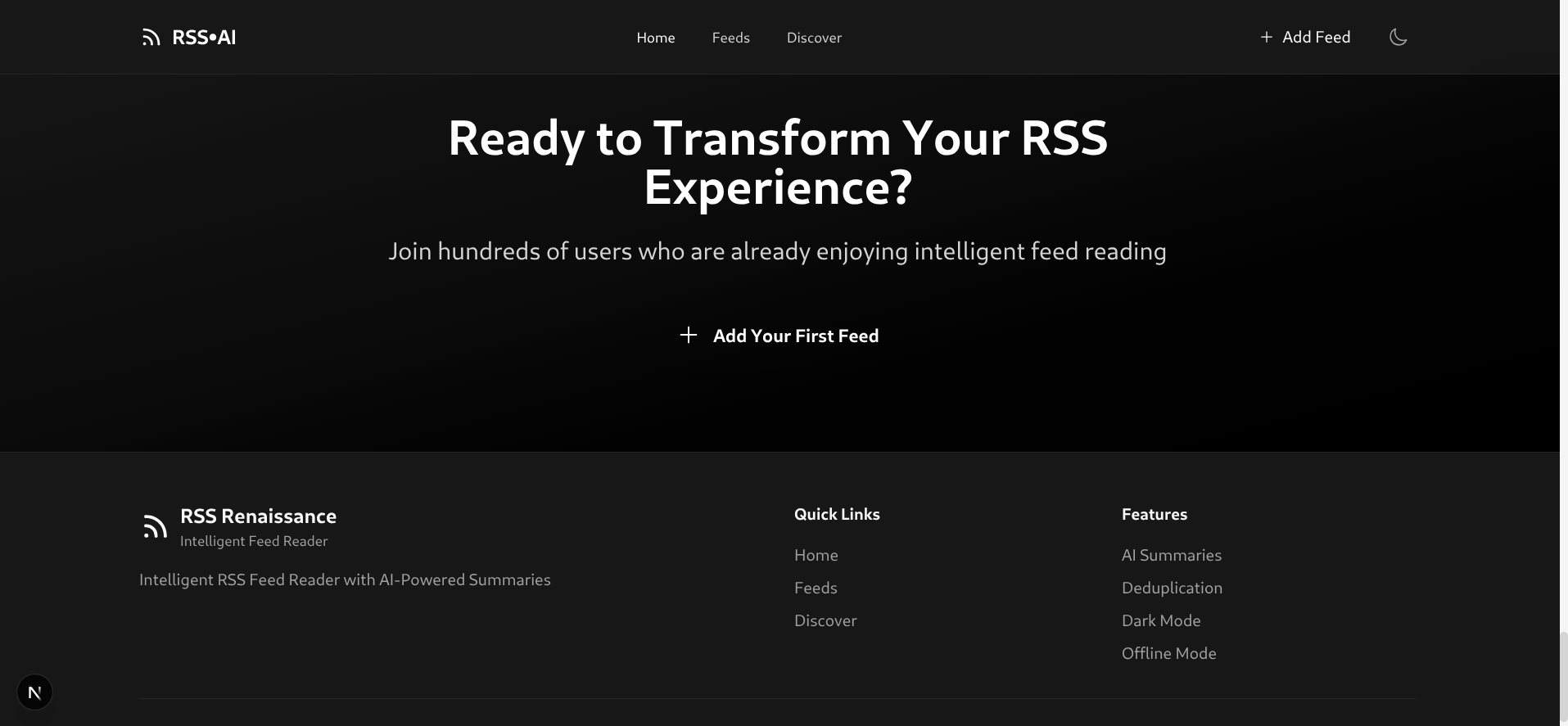
Call to action section on the home page
-
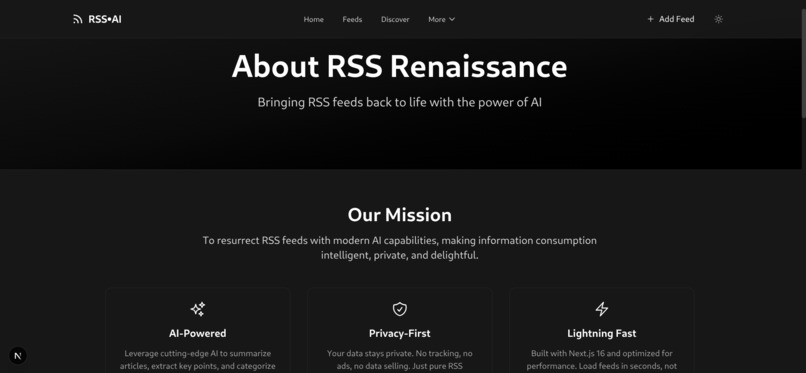
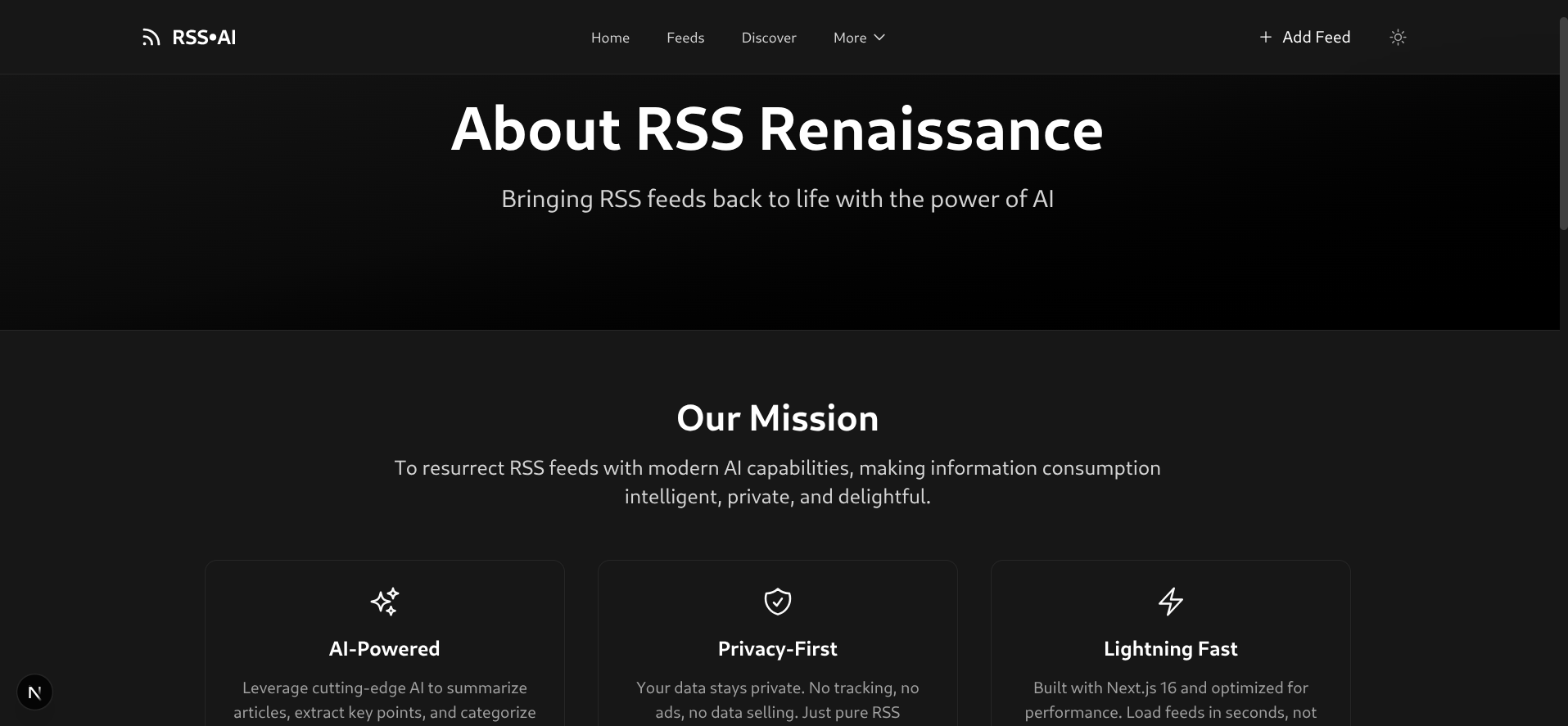
About RSS Renaissance page
-
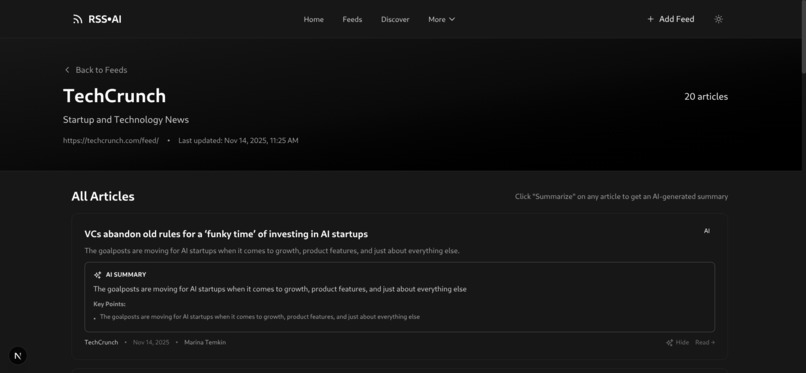
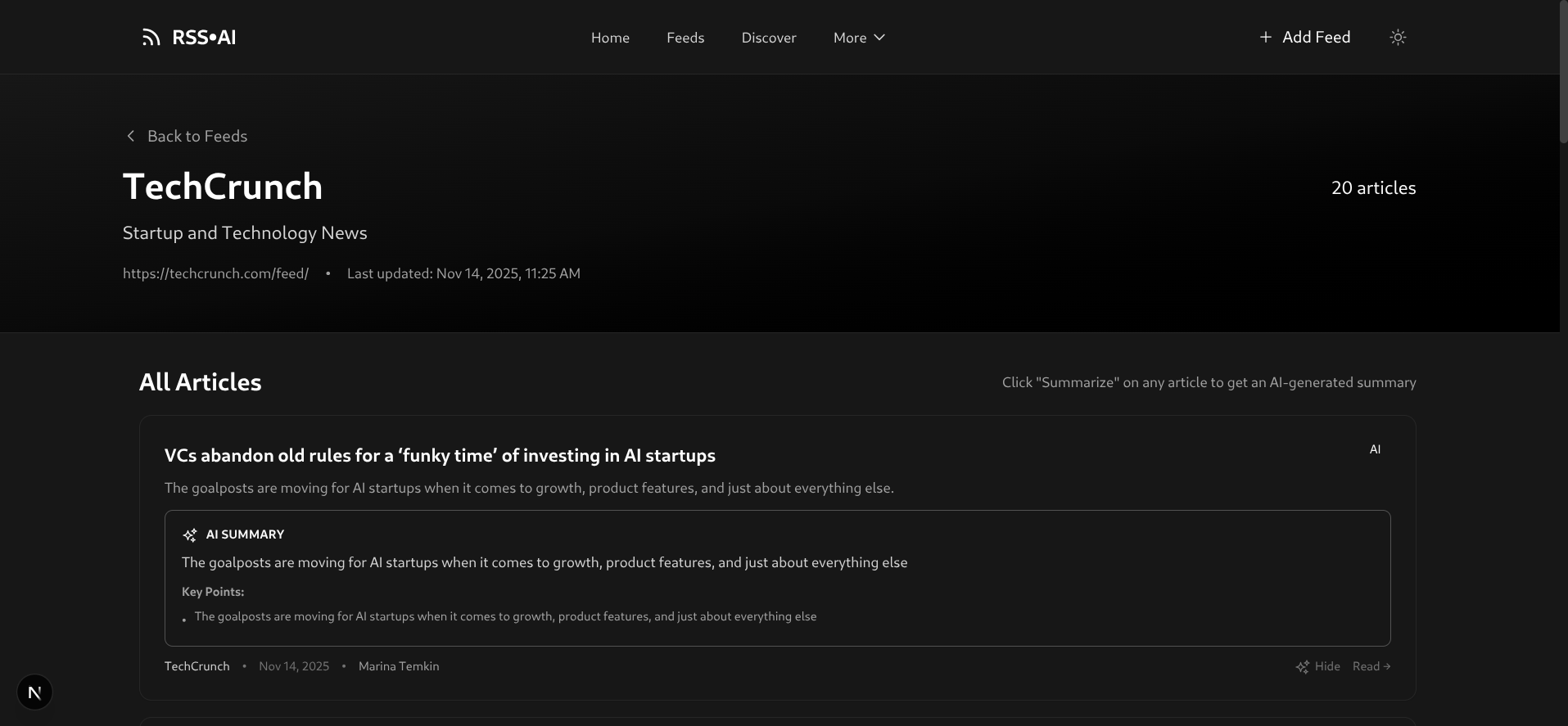
A full article view with an AI-generated summary at the top.
-
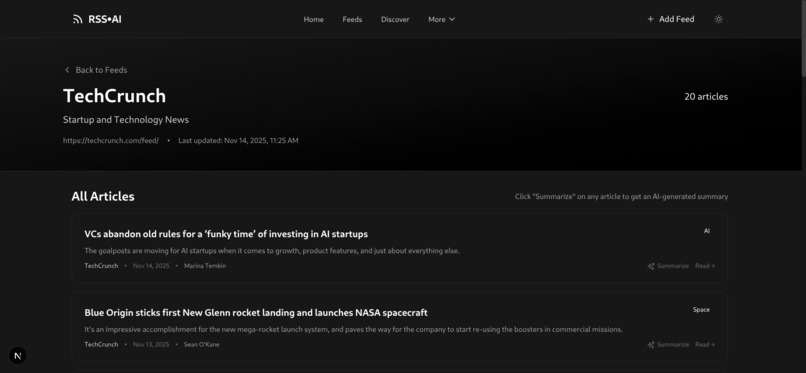
A stripped-down list of articles fetched from multiple feeds, displayed in a clean and organized layout.
-
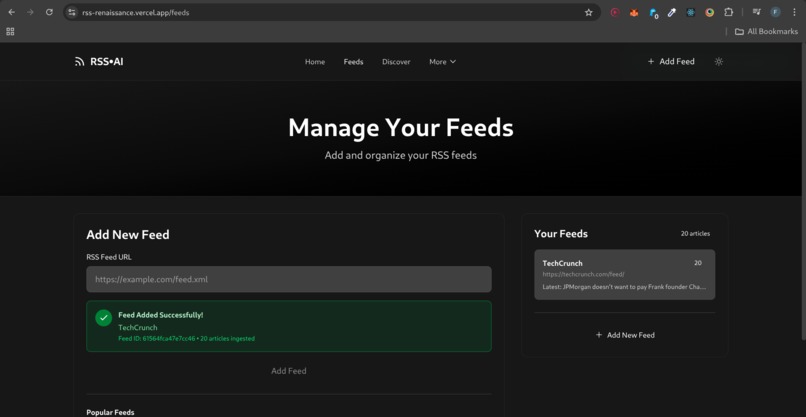
Dashboard showing the user’s active feeds, recently ingested articles, and quick actions.
-
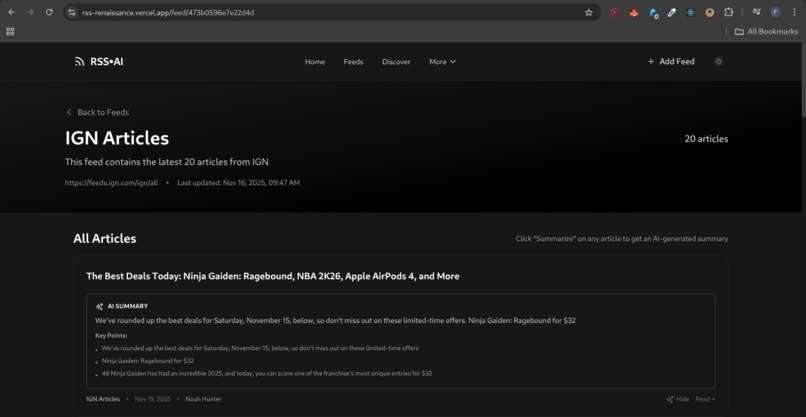
A detailed article view with an AI-generated summary

Inspiration
The project began with a simple but powerful realization: people are overwhelmed by information, not lacking it. Every day, countless articles, updates, and insights appear across the web, but traditional RSS readers still deliver them in raw form—long lists of unread content that demand attention and time. I wanted something better. I wanted a tool that could help people learn faster, stay informed effortlessly, and cut through noise without sacrificing depth. RSSRenaissance emerged from this need: the desire to reinvent an old protocol using modern intelligence.
What it does
RSSRenaissance transforms any RSS feed into an AI-enhanced reading experience. Instead of just showing links, it automatically fetches articles, interprets them, and generates concise summaries that highlight the most important insights. Users get a clean, fast interface where they can browse content, understand key points within seconds, and stay informed without the overwhelm. It acts as a personal information assistant—always active, always simplifying, and always helping users consume knowledge more efficiently.
How we built it
The platform was built using a modern, production-ready stack centered around Next.js, which powers both the frontend and the backend API. TailwindCSS provides a clean and responsive visual design, while PostgreSQL (Neon) stores structured content and metadata. Redis was introduced to achieve fast caching and efficient feed processing. AI summarization is powered by OpenAI models, with carefully engineered prompts and system instructions to ensure high-quality results.
The entire system was rapidly developed using Kiro’s assistance through spec-driven development, code generation, workflow automation, and iterative prompt refinement. The combination of Next.js APIs, serverless deployments, and AI-assisted tooling enabled a fast, scalable, and reliable build process.
Challenges we ran into
Building RSSRenaissance presented several challenges. RSS feeds come in a wide variety of formats, so parsing and normalizing their data required careful handling and fallback logic. Integrating AI summarization introduced limits such as rate throttling and the need for accurate prompt design, which led to improvements in caching, queuing, and content evaluation. Deploying both the API and frontend in a unified Next.js environment also required disciplined management of environment variables and server-side behavior. Creating a minimalist yet powerful user experience meant making thoughtful choices about design and functionality.
Accomplishments that we're proud of
One of the biggest achievements was delivering a fully functional, production-quality AI reader within a short timeframe. The product successfully blends classic RSS with modern AI, offering an intuitive experience that genuinely improves how people consume information. I’m proud of the seamless architecture, the clean UI, the reliability of the summarization pipeline, and the efficiency gained through Kiro-driven development. It demonstrates how modern tools empower developers to build sophisticated applications quickly and elegantly.
What we learned
This project highlighted how transformative AI-assisted development can be. By combining traditional engineering with smart prompting, clear specifications, and iterative refinement, development became faster and more predictable. I learned the value of prompt clarity, the importance of designing APIs with future scalability in mind, and the impact of building simple user experiences that amplify intelligence rather than clutter it. I also gained deeper understanding of content processing pipelines, caching strategies, and serverless deployments.
What’s next for RSSRenaissance
The next phase of the project includes expanding RSSRenaissance into a more complete intelligent reading platform. Planned features include a browser extension for instant article summarization, better topic clustering, personalization features, analytics that show reading patterns, and a mobile application for on-the-go consumption. Additionally, integrations with platforms like Telegram, Slack, and Discord will allow summaries to be sent directly to users wherever they prefer to read. The long-term vision is to make RSSRenaissance the fastest, clearest, and most effortless way to learn from the internet.
Built With
- git
- github
- neon
- next.js
- nextjsapi
- openai
- postgresql
- prismaorm
- react
- redis
- rss
- shadcn/ui
- tailwindcss
- typescript
- vercel


Log in or sign up for Devpost to join the conversation.