-
-
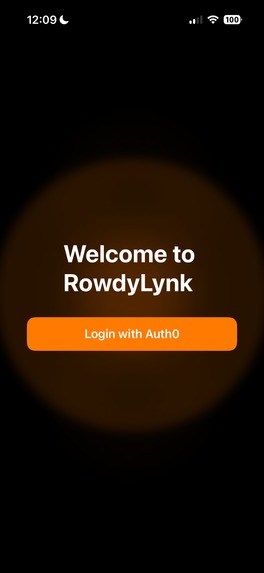
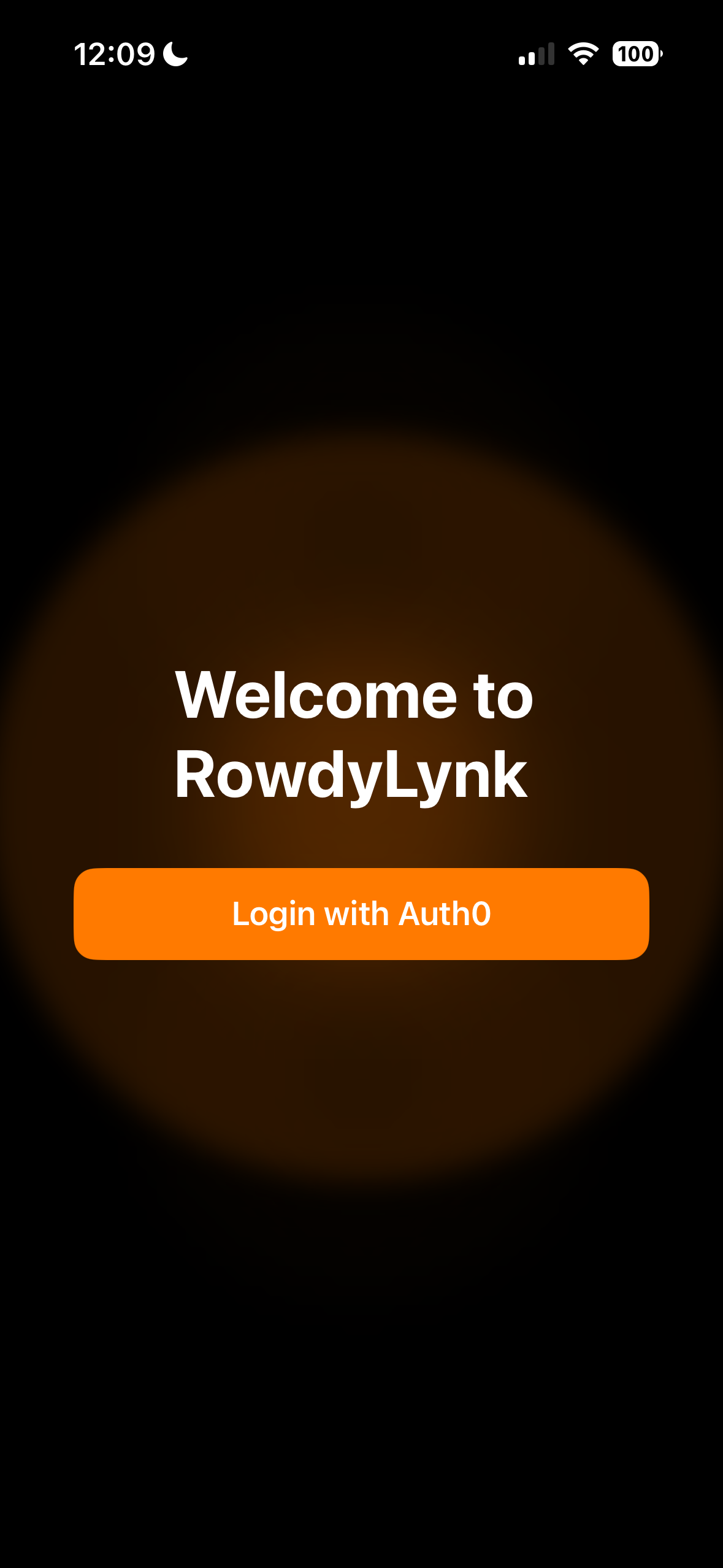
Login page
-
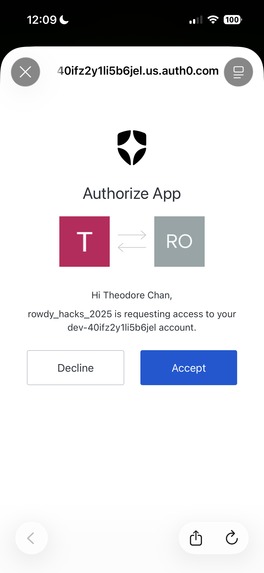
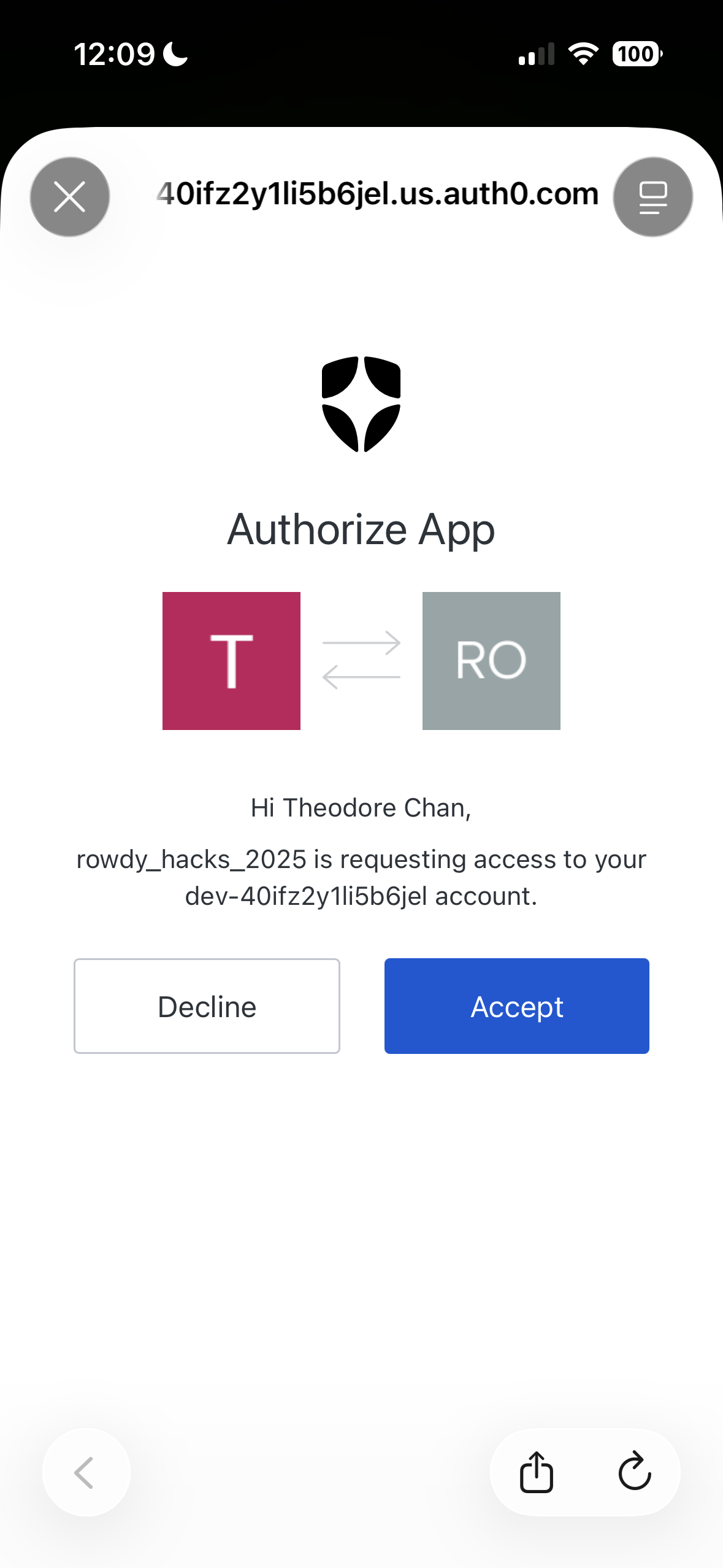
Auth0 login
-
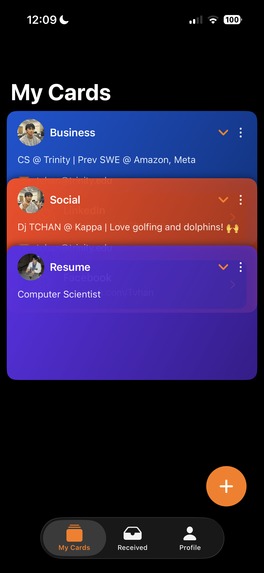
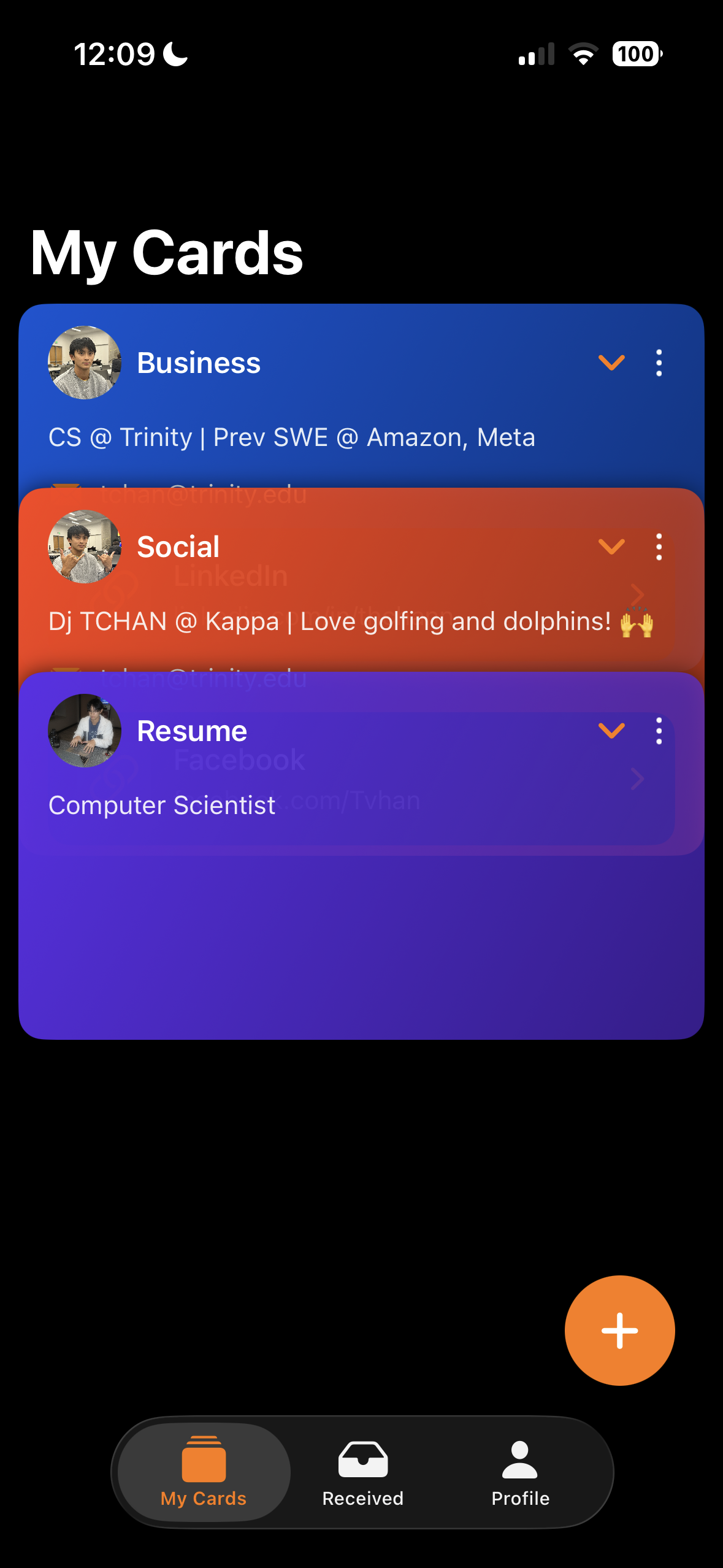
View all your cards
-
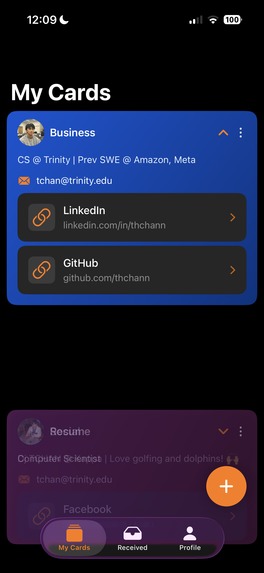
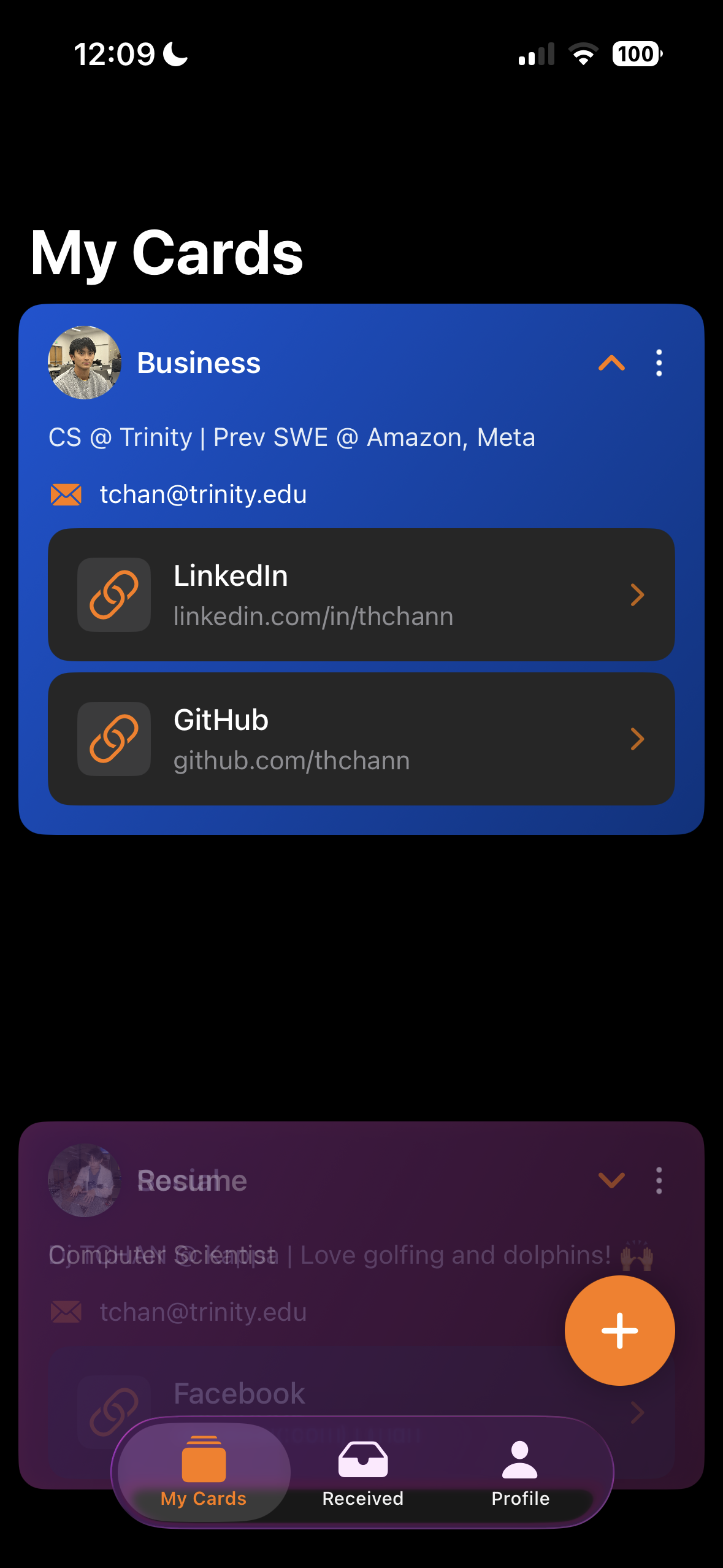
View a single card
-
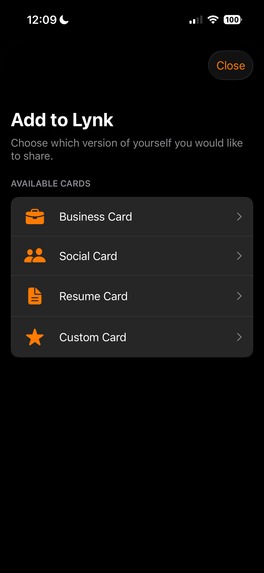
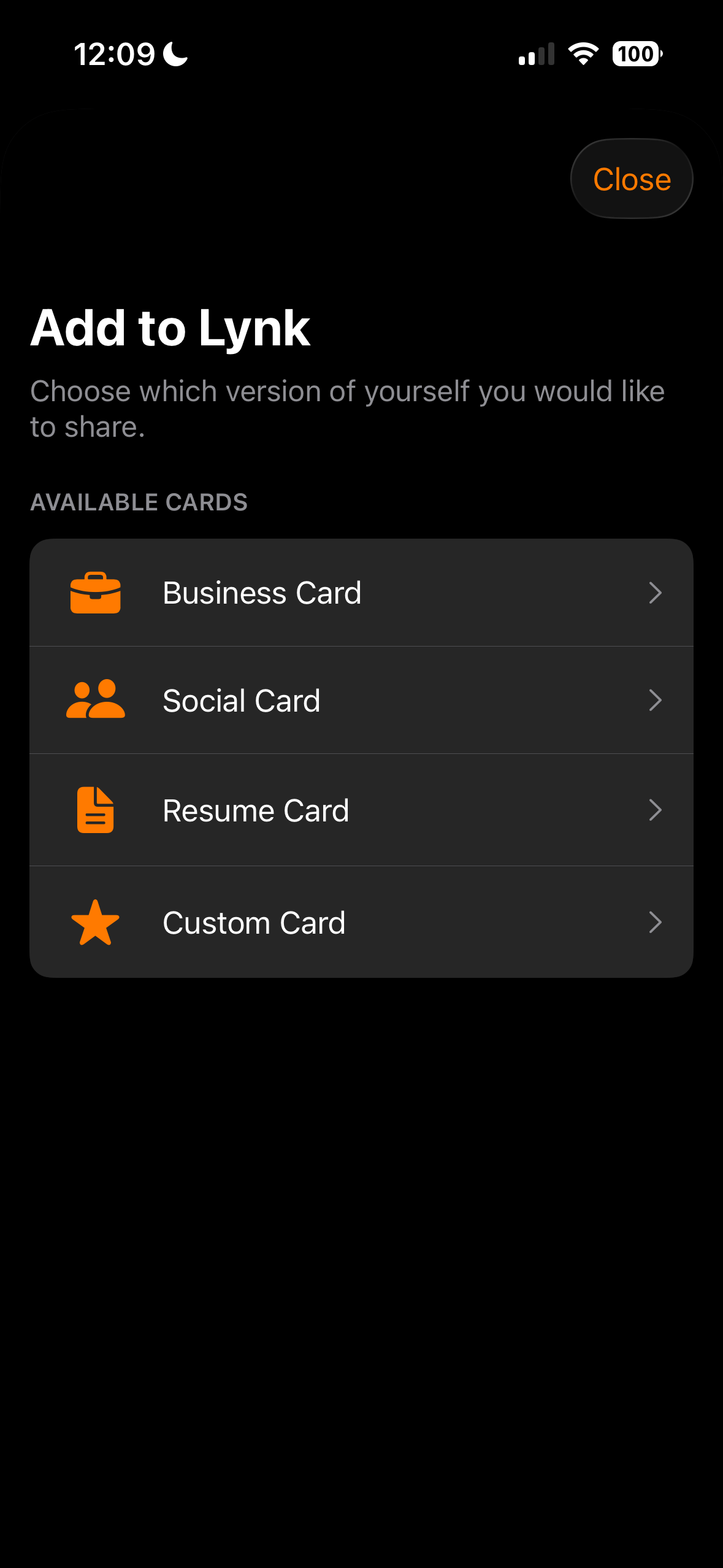
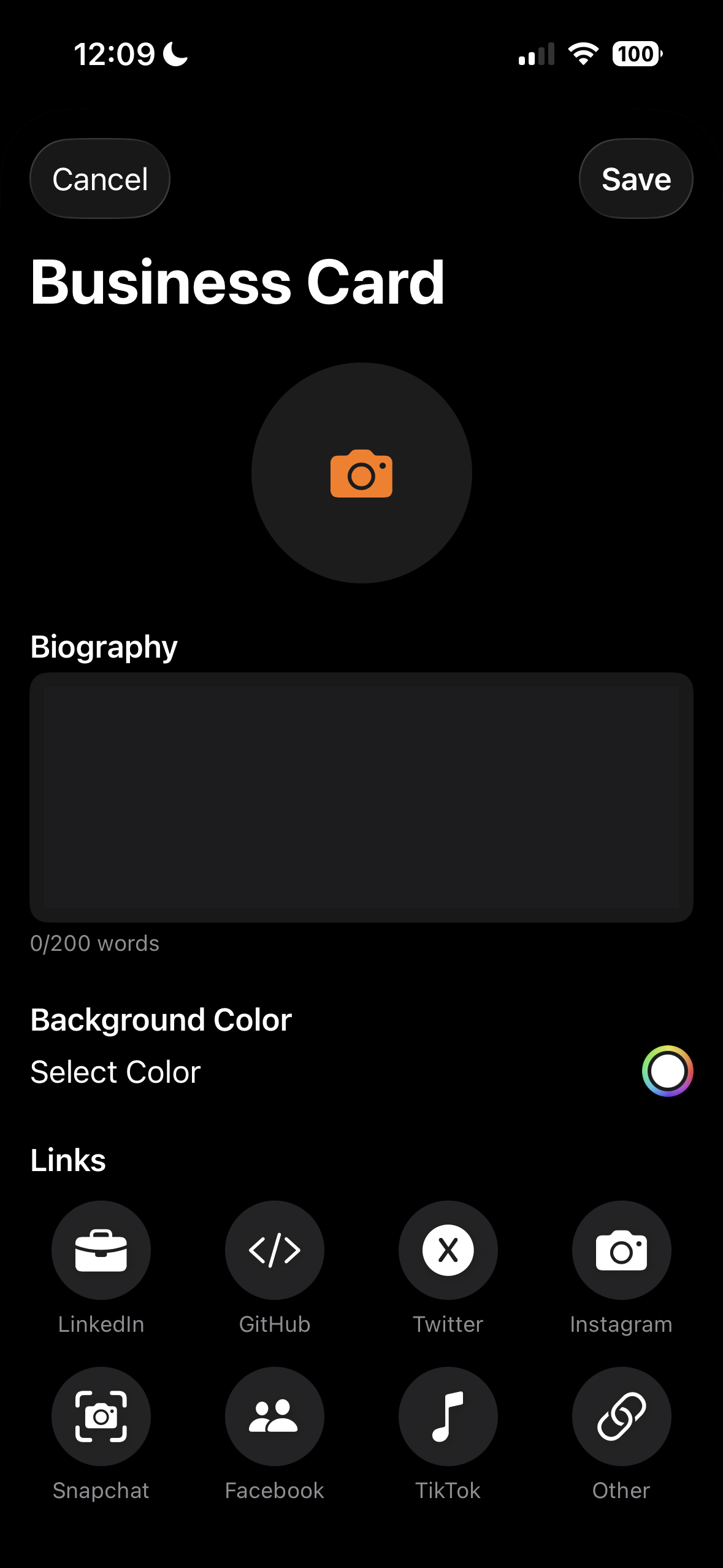
Define type of card you want
-
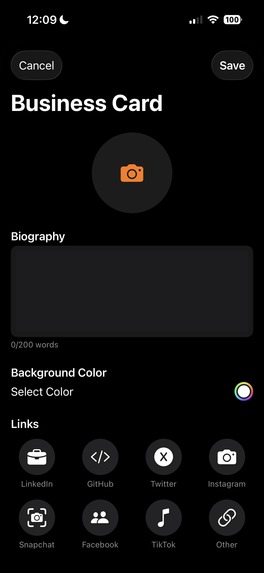
Based on card selection pick your card - Business
-
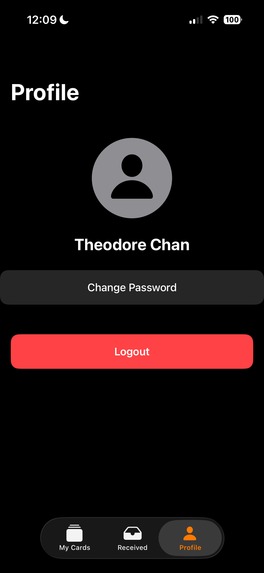
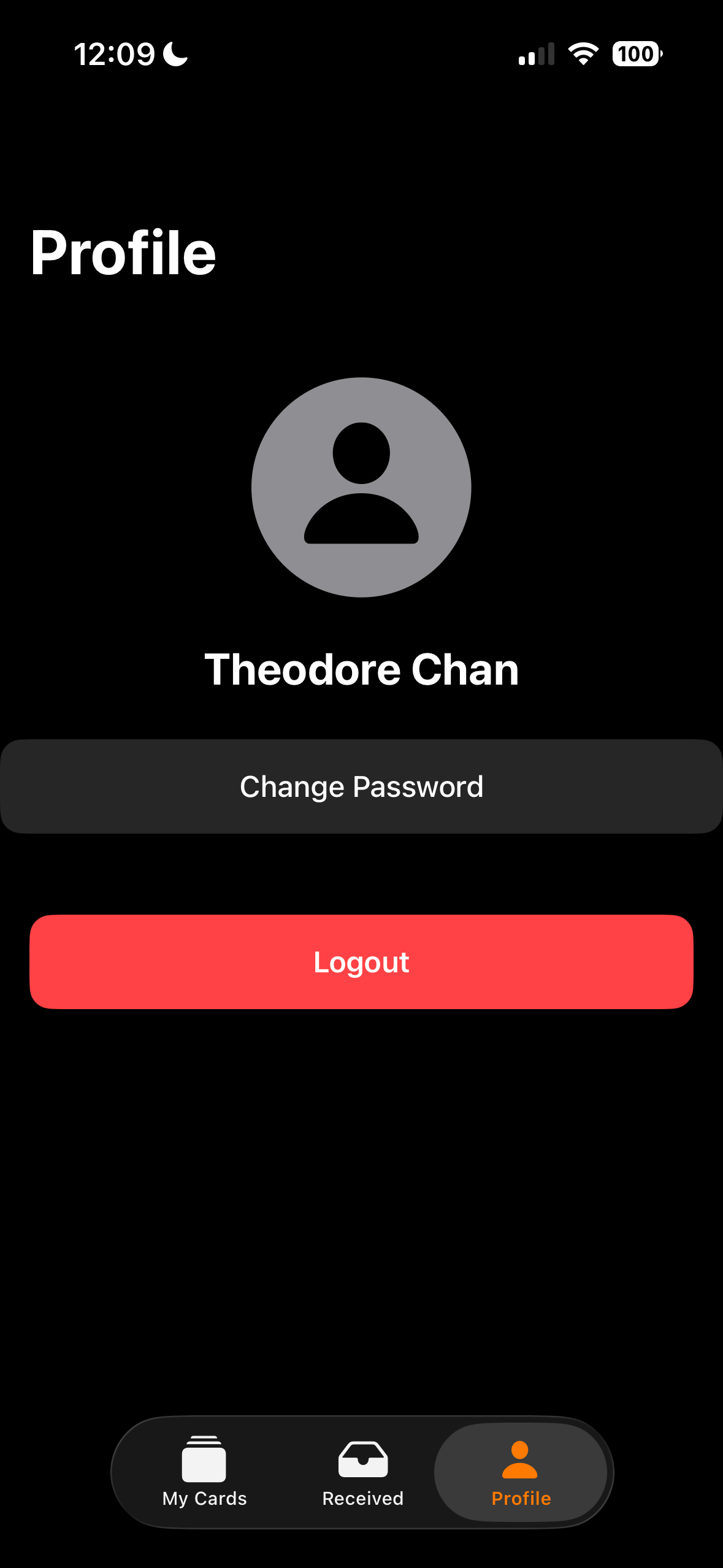
Account page
Inspiration
One day while in line to pay for food with Apple Pay we realized how effortless transactions were nowadays because of NFC connection. We didn’t have to pull out a card, type in any information, or even think. We just double-clicked, scanned, and were done with the interaction.
Why doesn’t everything feel that smooth? We meet amazing people at hackathons, events, cafes, and parties, but when it’s time to actually connect, it’s messy. We fumble through LinkedIn, scan a QR code, maybe we might even text each other and the spark of the moment dies out in that instant.
Networking today has gone digital, but not personal. The business card has passed away, and nothing has risen up to replace it. So we built Rowdy Lynk: an Apple Wallet built for people. A way to share who you are with a single tap.
What it does
Rowdy Lynk lets you share who you are with a single tap. You open the app, choose a card, and tap phones to exchange it. It's as simple as that.
Each card comes fully customizable, so you can decide which version of yourself you'd like to share with the world. Create a business card to network, a social card to meet friends, or a portfolio card to express yourself.
Share cards with friends, coworkers, and recruiters, and stay in touch on all of their socials.
How we built it
Rowdy Lynk was built as a native iOS app using SwiftUI and a FastAPI backend, which we hosted on Railway. On the frontend, we designed a modular card system, which enabled users to create multiple card identities. These cards are managed through view models that are connected to networking layer services that run through both the front and backend.
We implemented Apple's Networking framework to establish direct, peer-to-peer connections between iPhones, allowing users to instantly exchange cards.
The FastAPI backend provides endpoints for users and cards, all of which are secured through Auth0 authentication and sent to a MongoDB database hosted on MongoAtlas, and stores user data so identities and cards persist across sessions.
Altogether, these technologies power a smooth "tap-to-connect" experience where users decide exactly what version of themselves they'd like to share with the world.
Challenges we ran into
Originally, we wanted to utilize Apple's tap-to-share NFC functionality, but after realizing Apple blocks that functionality, we pivoted to Multipeer Connectivity, which was an unstable system that only connected phones some of the time. We finally landed on Apple's more reliable network framework, utilizing Bonjour services to mimic Apple's NFC connections.
Additionally, Xcode didn’t make things easy. Using SwiftUI for the first time was challenging, but utilizing AI tools to help learn syntax and functionality helped the process run smoothly. And when the app was up and running, we knew it was worth the challenge.
Accomplishments that we're proud of
Getting our FastAPI backend fully deployed on Railway was a huge win! It felt surreal seeing our endpoints live. This also wasn't just for looks, the backend deployment was a necessity as we were building the app on an iPhone, where localhost wouldn't be able to reach.
Integrating Auth0 was another major milestone, where we encountered countless configuration issues. So finally seeing users sign in and sync properly between the app and backend felt incredibly rewarding.
Most importantly, making our "tap-to-share" come to life was the reason this whole project was worth. Braintstorming approaches and tackling obstacles made the final process of seeing two phones share a card seamlessly more than worth the struggle.
What we learned
From a technical standpoint, we learned how to integrate iOS frontend (Swift) with Fast-API and Railway backend, managing payload transfers through Multipeer connectivity, while consistently implementing RESTful requests.
From a team and process standpoint, we collaborated to tackle hundreds of coding issues under tight time-constraints, scoped our project realistically and ensured that aesthetic of our frontend matched the consistency of our backend, and produced a demo that we are all proud of.
What's next for Rowdy Lynk
Next, we want to take Rowdy Lynk beyond the hackathon prototype and make it into an accessible tool that people use everyday. We plan to polish the UI, take a deeper dive into SwiftUI, and maybe even reach out to Apple about enabling NFCs.
Built With
- auth0
- fastapi
- mongodb
- networkframework
- swiftui


Log in or sign up for Devpost to join the conversation.