-
-
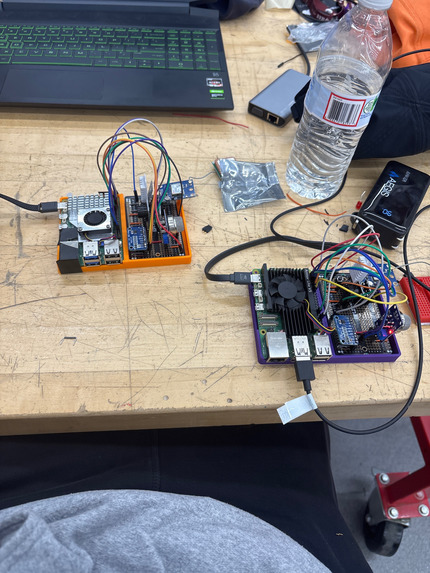
Prototype #3
-
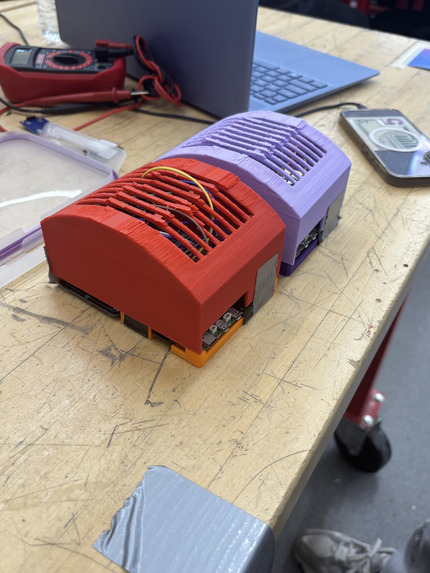
Prototype #4
-
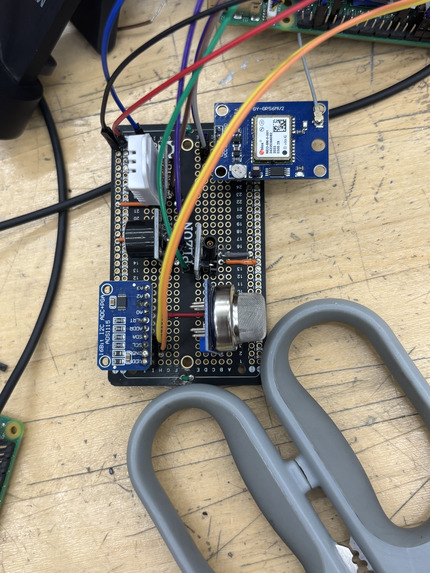
Prototype #2
-
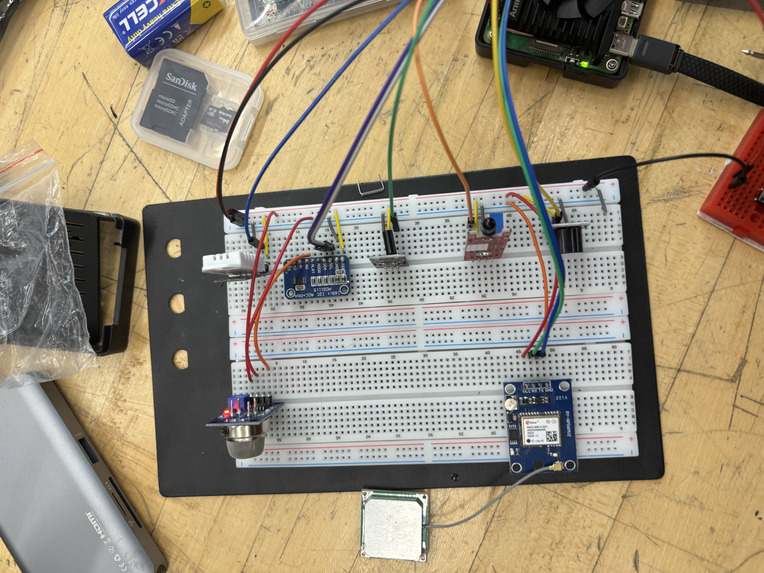
Prototype #1
Inspiration
Natural disasters don't just create one emergency, they create hundreds simultaneously across massive areas. As a result, an enormous amount of first responders/volunteers risk their lives to serve communities they love. However, due to the large scale efforts, communication becomes increasingly difficult.
We built RouteZero to fix that.
What it does
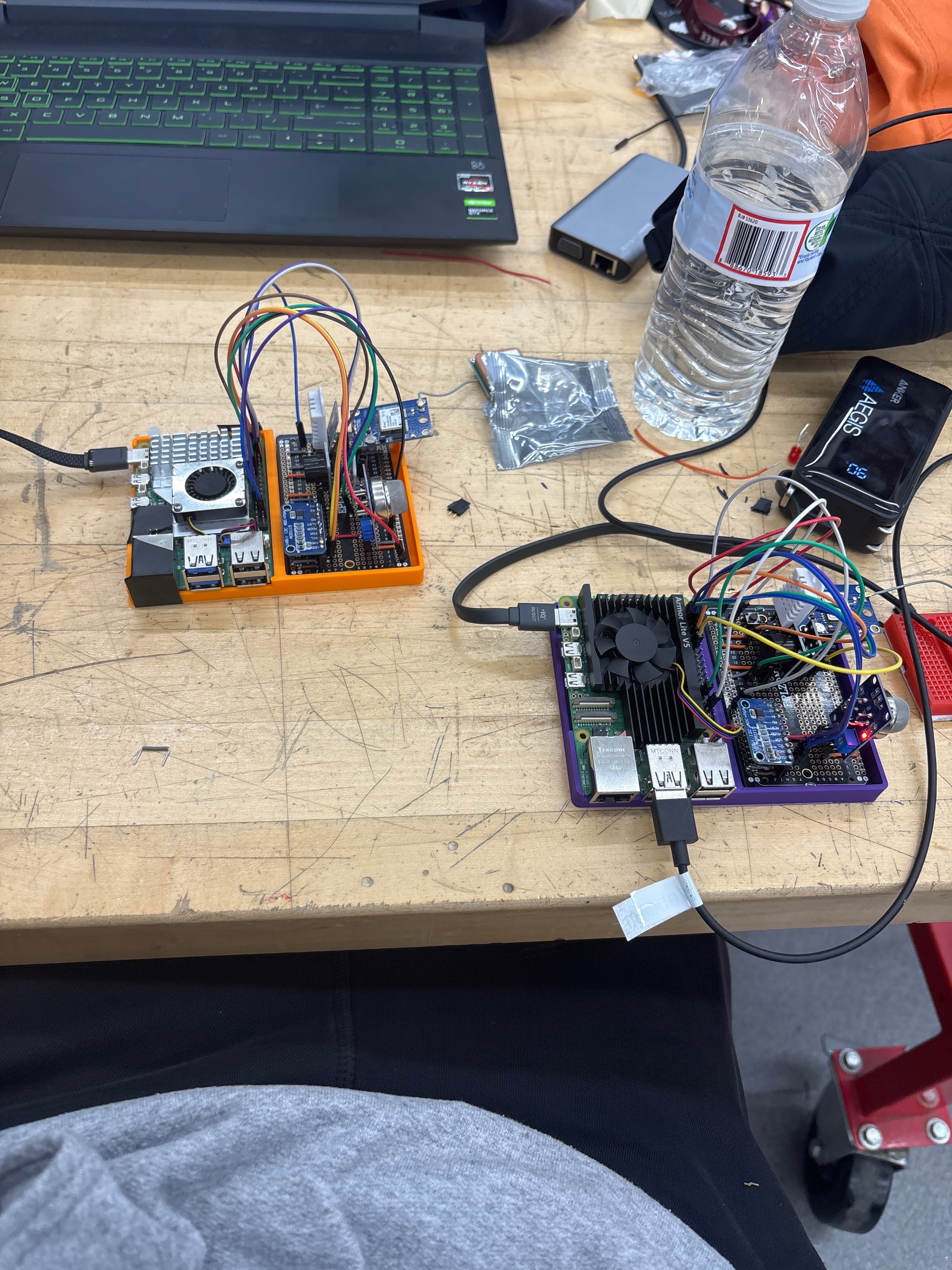
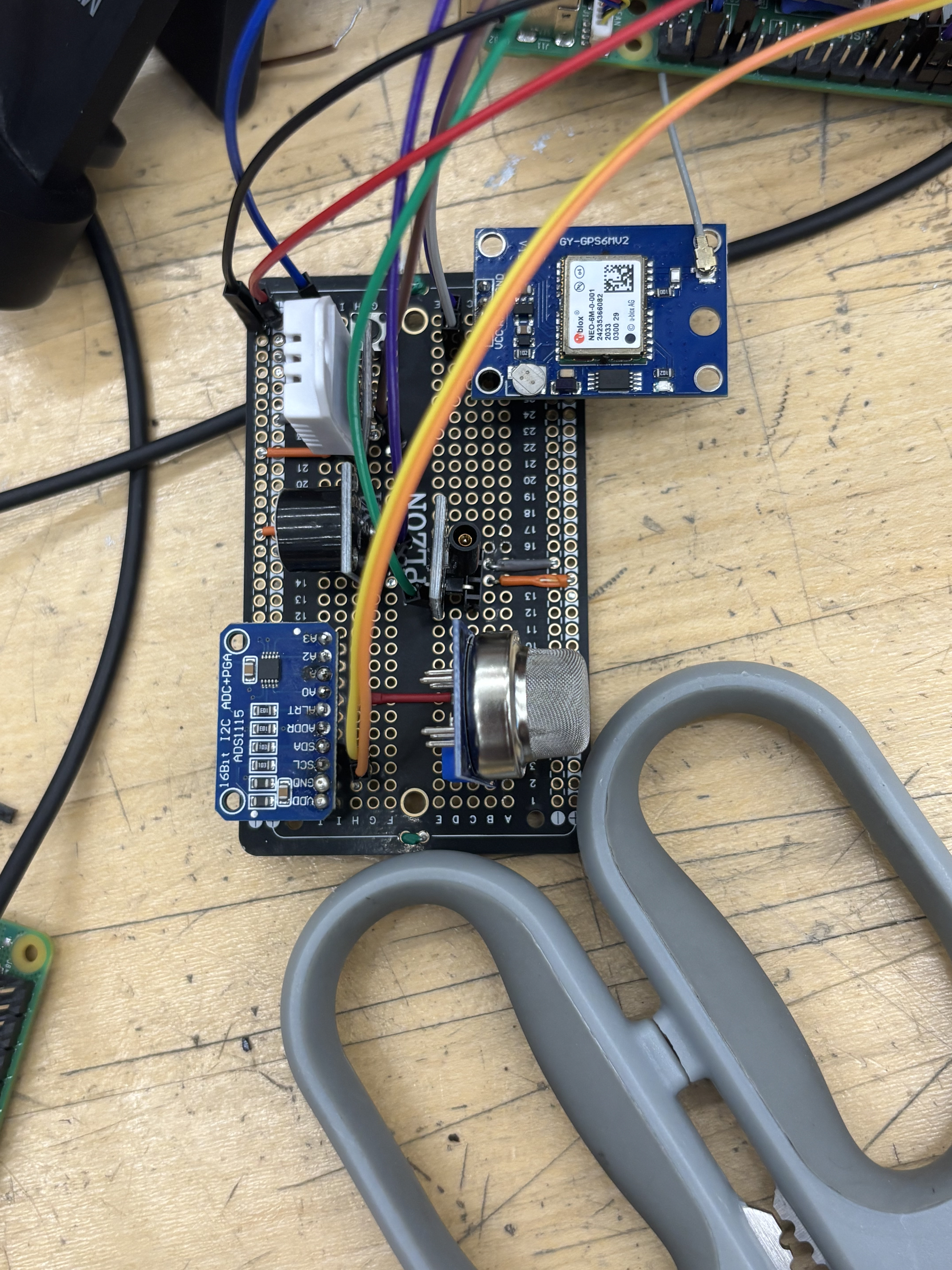
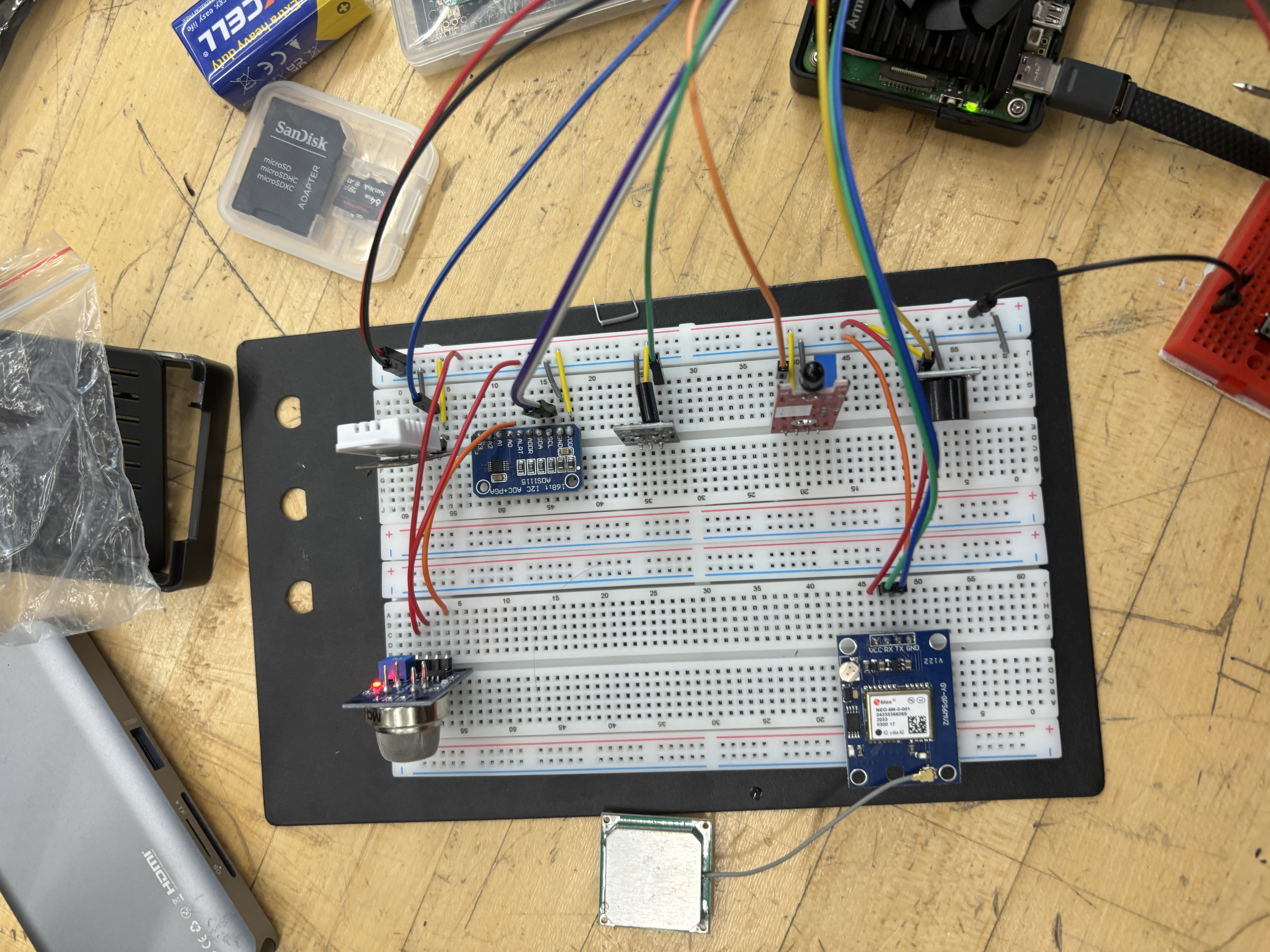
RouteZero is an AI-powered dispatch system for natural disasters. Field units deployed with first responders across a disaster zone communicate with a centeral server, allowing responders to communicate effectivly. When any responder speaks a request, the system processes it, makes a routing decision using an LLM based on the current state (sensor data), and informs every relevant team with no human coordinator required. RouteZero also uses long-term memory, reading and writing to an external file so it never loses context over a long-running disaster response.
How we built it
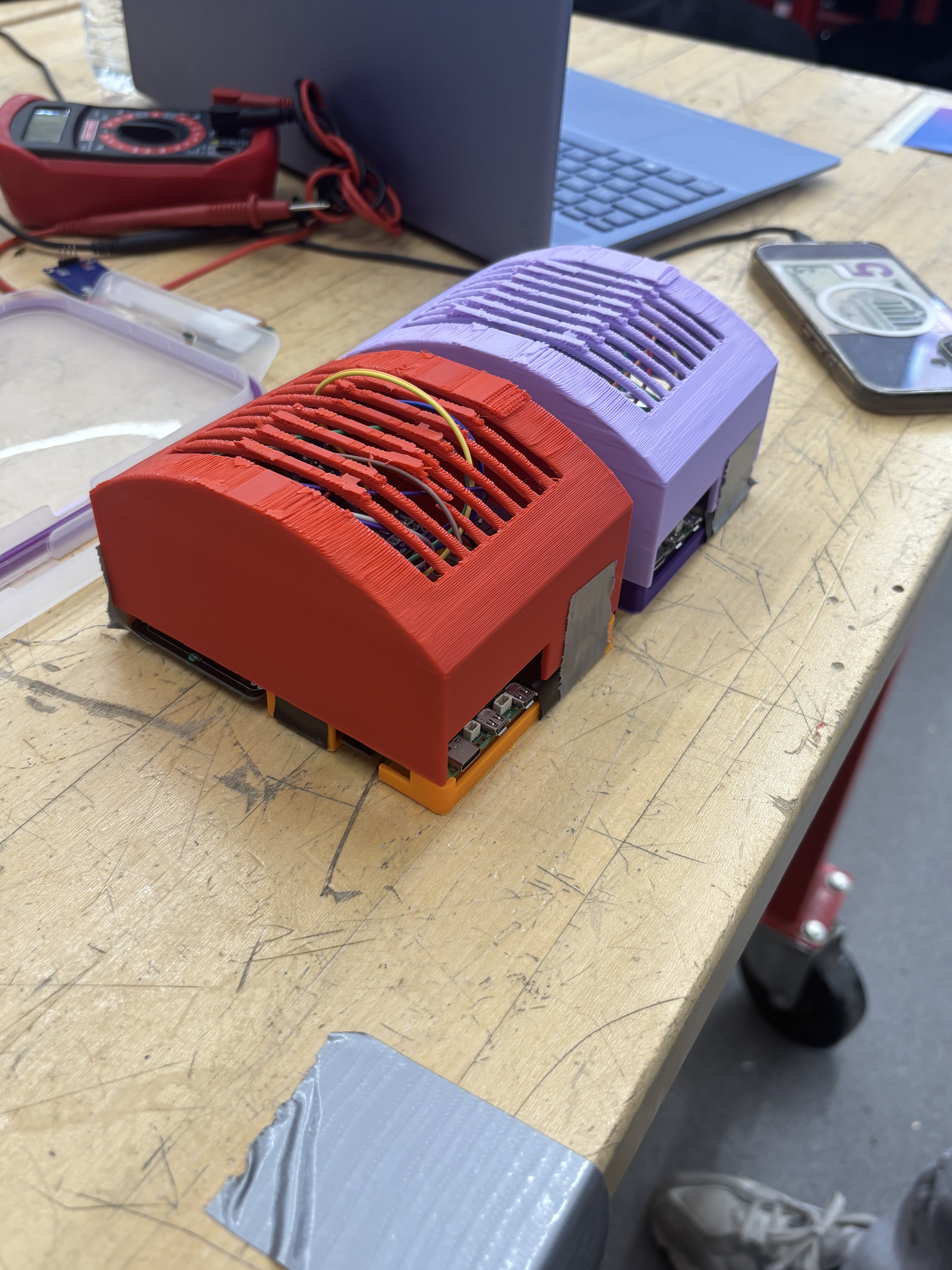
We built the field units with Raspberry Pis with AirPods Pro for audio input and output, using Openai's Whisper for speech transcription and a text-to-speech pipeline for responses. Each unit communicates with a central LLM server that handles routing logic and memory management. The system runs on PipeWire for audio, PyAudio for recording, and a heartbeat protocol to keep the server updated even with periods of inactivity.
Challenges we ran into
Getting reliable Bluetooth audio on Raspberry Pi was harder than expected. We kept running into ALSA configuration errors and unstable connections, even after multiple fixes. Audio would randomly drop or fail to route correctly, despite trying different pairing methods.
Accomplishments that we're proud of
End-to-end voice dispatch working on real hardware. A responder can speak a request, the system transcribes it, reasons about the full disaster zone, and broadcasts a response within seconds. This all happens almost instantly.
What we learned
Reliable communication infrastructure can't be taken for granted in disaster scenarios. Which is exactly the problem we were solving. We also learned that memory management is critical for AI in long-running operations. An LLM without memory is useless after the first hour of a disaster response, and small models start hallucinating.
What's next for RouteZero
Expanding the pyramid, deploying multiple field units per sector with regional LLM coordinators above them. We also want to integrate live sensor feeds into the enviorment as well like flood gauges, seismic monitors, and wildfire smoke detectors so the system can act not only based on first responders on field. Long term, we want to partner with local emergency agencies to run real-world tests.
Built With
- cad
- css3
- fastapi
- protoboard
- python
- raspberry-pi
- react
- typescript


Log in or sign up for Devpost to join the conversation.