Inspiration
---->It is very challenging for the logistics industry as plans for delivering goods are never static. Drivers can be unavailable, there might be new urgent deliveries, traffic conditions will change, and the cost of operations would not remain constant throughout the day. However, most of the route optimization tools create one solution only and then transfer the responsibility of making decisions to the human operator. ---->We wanted to develop a different product than a mere route optimizer. With the emerging possibilities of using AI agents, we thought of creating an agent that would have the ability to comprehend its operational goals, reason and make rational decisions, and act on its own. ---->Our product, RouteIQ AI, is an Autonomous Logistics Operations Agent that enables agentic decision-making along with route optimization.
What it does
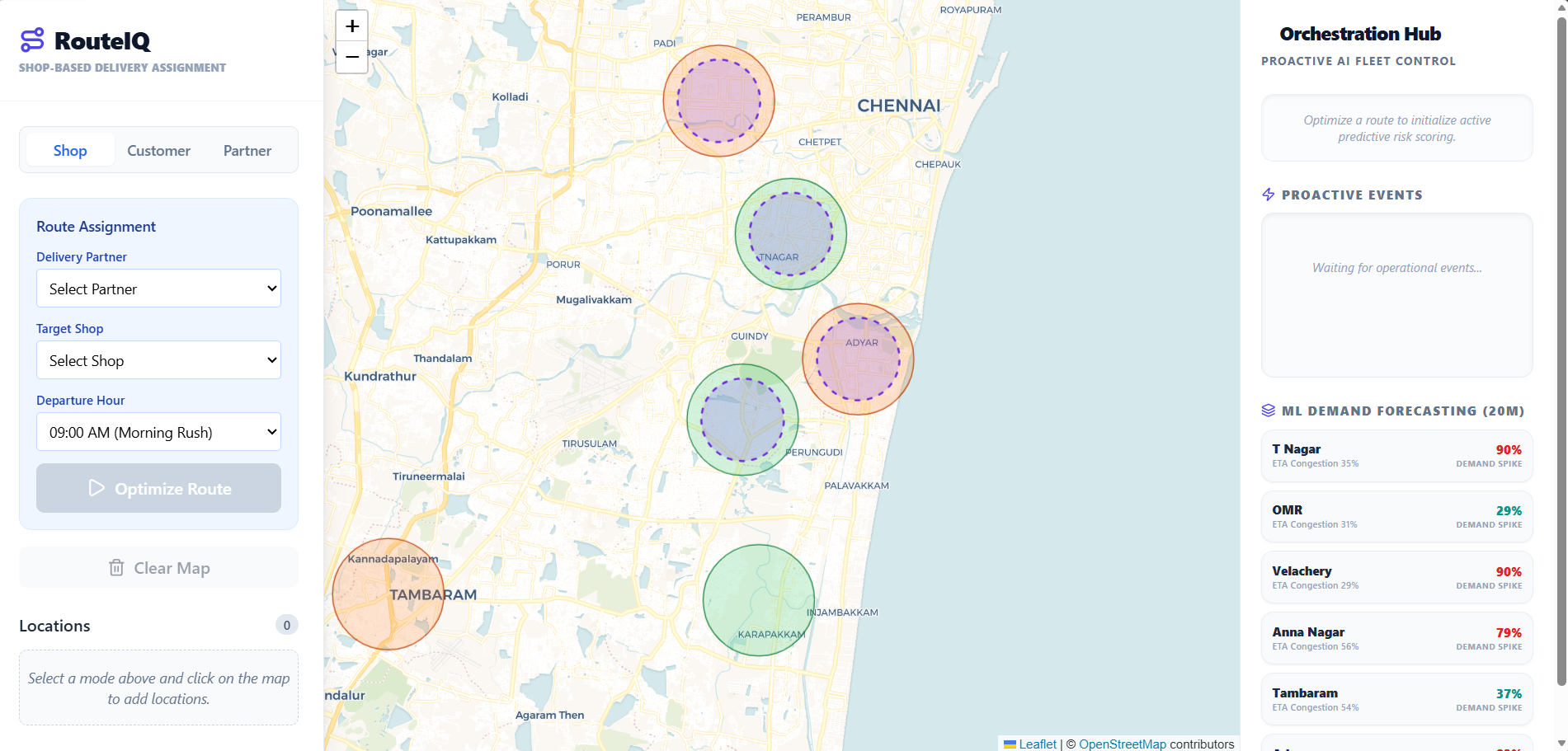
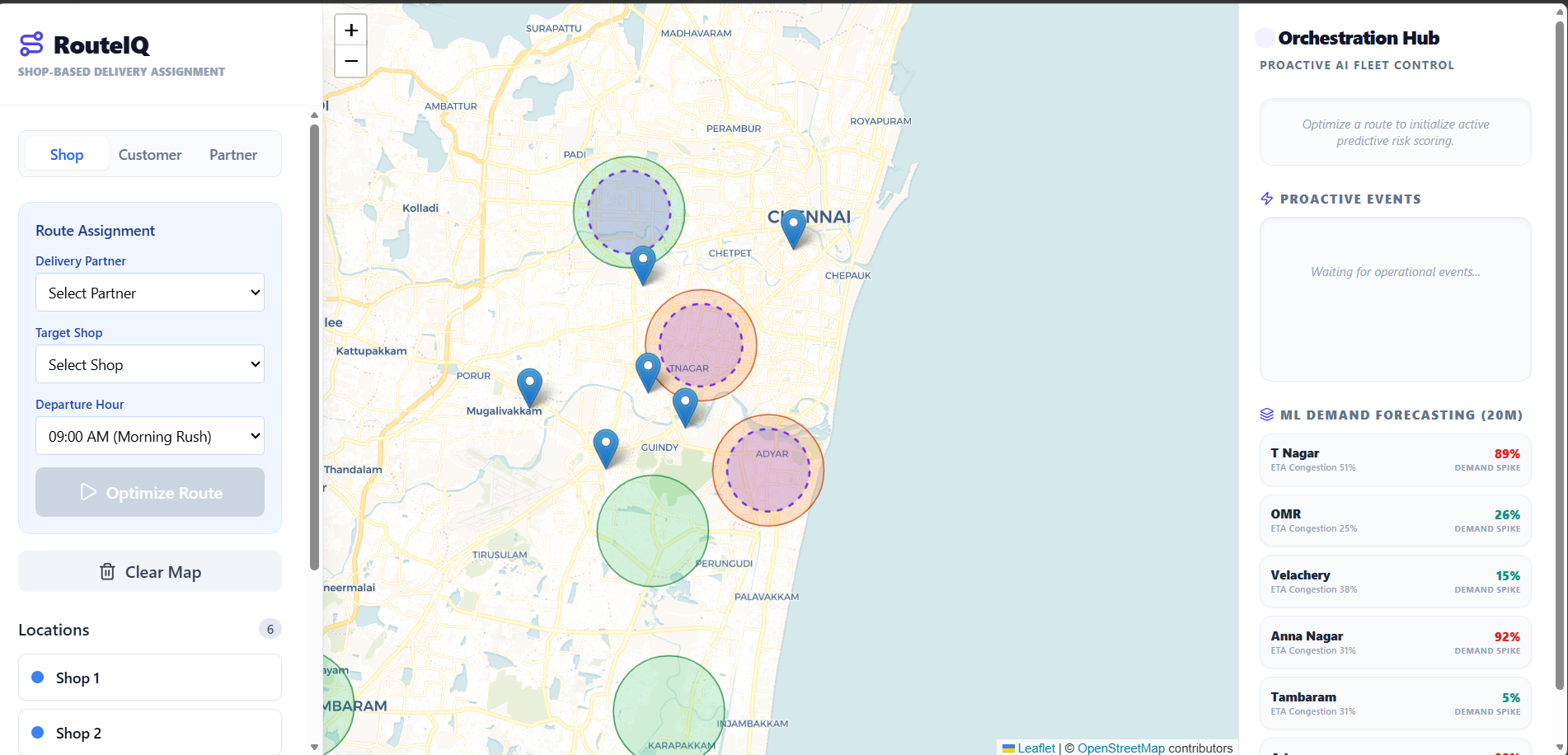
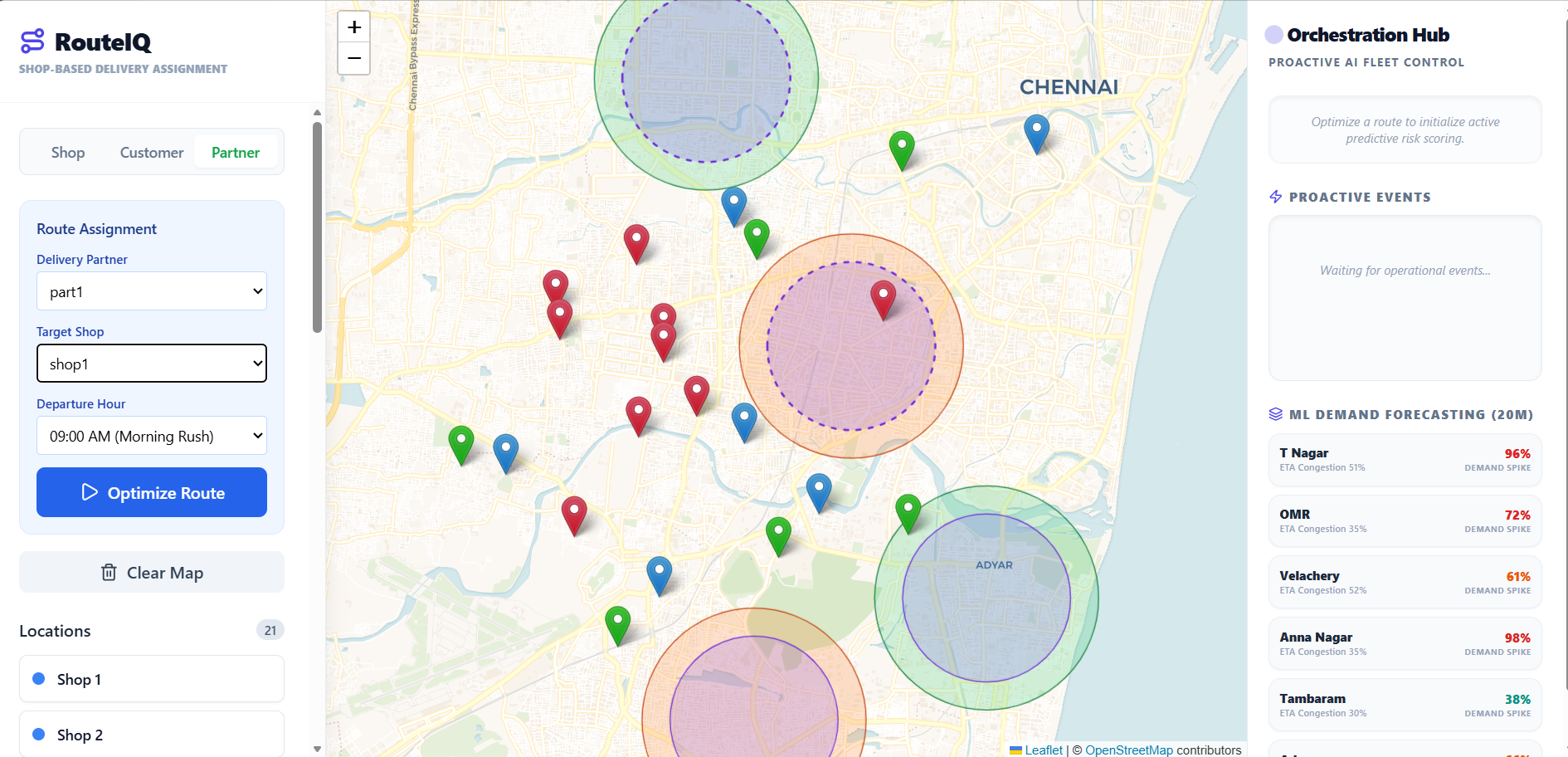
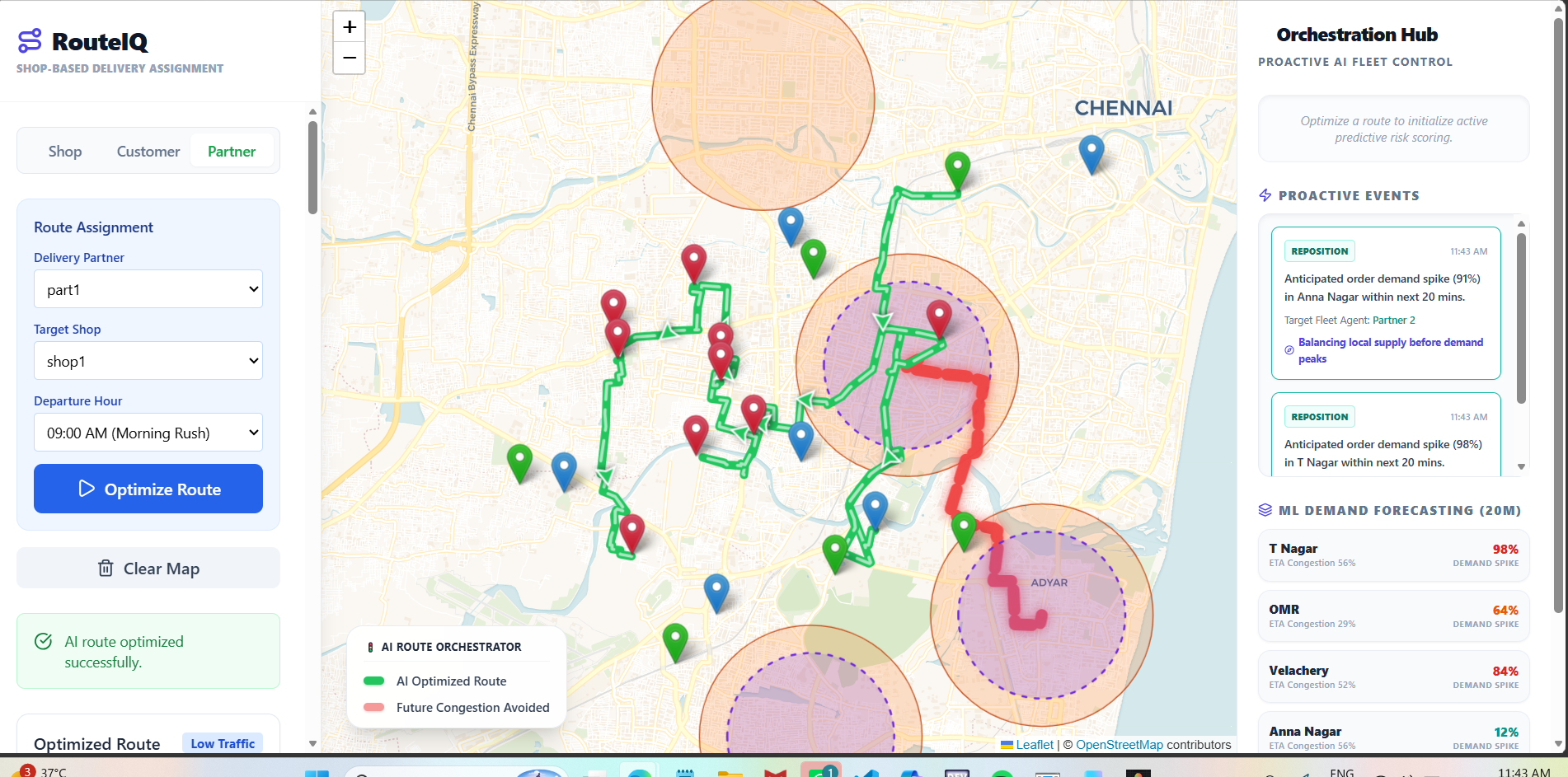
RouteIQ AI elevates the concept of traditional route optimization into a smart logistics operations platform. The agent is able to: -->Analyze the delivery requests along with other limitations. -->Plan optimal routes among several delivery vehicles. -->Reroute delivery vehicles in case of absence of drivers. -->Handle urgent deliveries without affecting existing plans. -->Provide suggestions for route optimizations. -->Keep track of fleet operations and performance. -->Save, access, and manage the logistics data using MongoDB. -->Provide explanations about all its decisions. With RouteIQ AI, logistics managers do not need to respond actively to changes; they only have to wait while it optimizes their operations automatically. Example: All that the manager needs to do is say, "Today, driver Ravi cannot make the deliveries. Please plan accordingly and keep extra fuel cost minimum." And the agent does everything from analyzing to reporting.
How we built it
RouteIQ AI is a product of a modern AI-agent architecture as follows: Front-end: React Tailwind CSS Leaflet.js for routing visuals Back-end: FastAPI Python Optimization engine: Google OR-Tools VRP Solver OpenRouteService for intelligent routes and distance computations AI Layer: Gemini for reasoning, planning, and orchestration of decisions Google Cloud Agent Builder for orchestration of workflows of agents Data Layer: MongoDB Atlas Integration of MongoDB MCP Server for secure access to tools Workflow of Agent: Receive logistics objective from the user. Get deliveries, drivers, and vehicles' details using MongoDB MCP. Perform analysis of constraints and objectives. Perform route optimization with Google OR-Tools. Modify assignment and operations data. Provide recommendations in readable form. Thus, it is evident that this architecture helps RouteIQ AI go beyond answering queries and be an action-oriented logistics agent.
Challenges we ran into
The biggest hurdle was connecting the legacy of optimization algorithms with those of agentic AI processes. Route optimization engines perform well in determining optimized routes; however, these engines lack awareness of any organizational goals, such as: -->Reduction of operational costs. -->Dealing with driver unavailability. -->Ensuring that urgent orders get delivered first. -->Minimizing disruption of routes. An orchestration process needed to be devised where the Gemini algorithm would make sense of the organizational goals, choose the right tools, and optimize the route. Another challenge was ensuring that route changes could be explained.
Accomplishments that we're proud of
Successfully transformed a route optimization software solution into an independent logistics operations agent. Bridged AI reasoning with route optimization algorithms mathematically. Provided the ability to plan routes dynamically, depending on real-life situations. Developed an agent able to independently conduct logistics operations planning and re-planning. Developed an architecture ready for various types of logistics operations – from deliveries to transportation and retail.
Most significantly, RouteIQ AI shows what an AI agent is capable of transitioning from providing answers to action-taking.
What we learned
During this assignment, we have learned about the importance of gaining skills in:
Designing agentic AI systems Multiple steps in reasoning processes AI tool orchestration and invoking Route optimization using VRP approach Integration of MongoDB MCP Development of explainable AI for decision making
The most important lesson that we have learned through this is that the future of logistics will not just involve automation, but intelligent autonomy.
What's next for RouteIQ : An Autonomous Logistics Operations Agent
We see RouteIQ AI becoming a holistic logistics command center in the future.
Some future improvements include: Traffic-aware route planning. Predictive demand forecasting. Recommendations for fleet maintenance. Analytics on driver performance. Optimization of carbon emissions. Management of multiple warehouses. Automatic exception management for deliveries.
Ultimately, we have envisioned developing an AI copilot for logistics that can help organizations make decisions quickly and efficiently.
Built With
- docker
- fastapi
- github
- google-cloud-agent-builder
- google-gemini
- google-or-tools
- leaflet.js
- mongodb-atlas
- mongodb-mcp-server
- openrouteservice-api
- python
- react.js
- restful-apis
- tailwind-css
- vehicle-routing-problem-(vrp)
- vercel

Log in or sign up for Devpost to join the conversation.