By 2030, substantially reduce waste generation through prevention, reduction, recycling and reuse
Urgency of the Problem: The world generates 2.01 billion tons of municipal solid waste annually, with at least 33% of that not managed in an environmentally safe manner. With rapid urbanization and population growth, this issue is becoming increasingly urgent. Environmental Impact: Improper waste management contributes to soil, water, and air pollution, negatively impacting biodiversity and contributing to climate change. By focusing on waste reduction, we can help mitigate these environmental issues. Economic Efficiency: Implementing effective waste management strategies can lead to economic benefits, such as cost savings from efficient resource use and new jobs in waste management and recycling industries. Social Responsibility: Waste reduction is not just an environmental issue but also a social one. It’s about changing societal attitudes towards consumption and waste, promoting a more sustainable and equitable world.
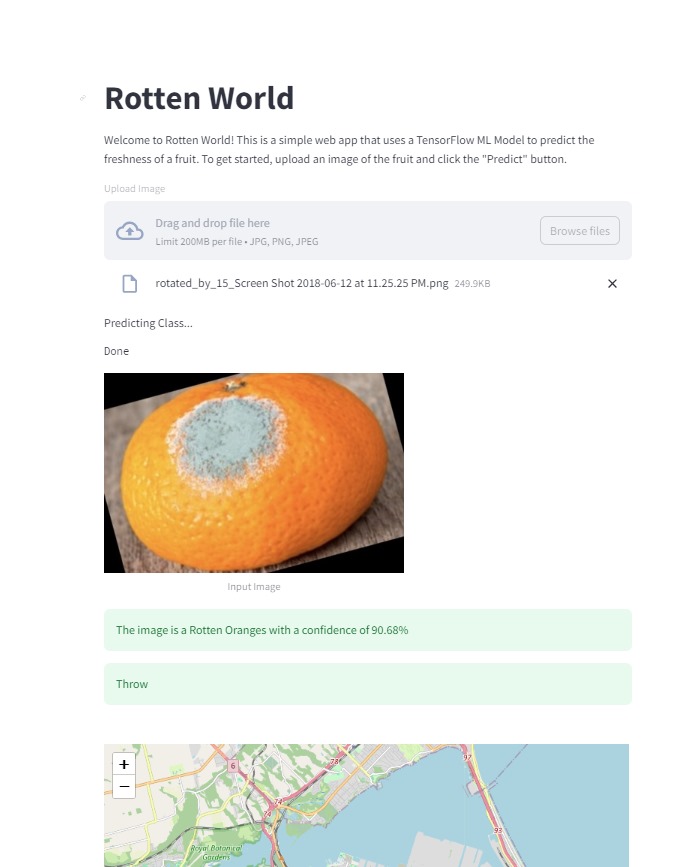
Our team has developed a comprehensive plan to obtain feedback from real users and test our design. Here’s how we plan to do it:
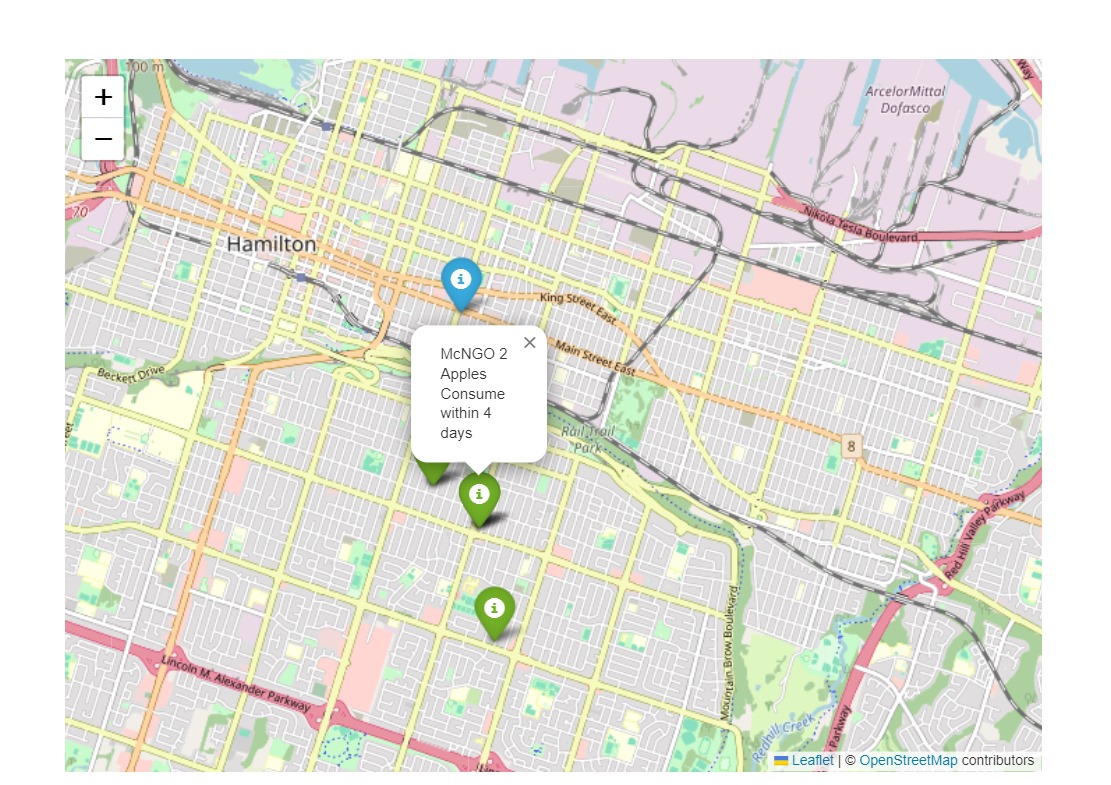
User Testing: We have trained an AI model using TensorFlow to identify rotten fruits. This model not only determines whether a fruit is rotten or not, but also estimates the number of days the fruit can be preserved if it’s not rotten. This feature will be tested with a diverse group of users to ensure its accuracy and usefulness. Feedback Collection: We will collect user feedback through various channels such as surveys, interviews, and user testing sessions. This will help us understand the user’s experience with our system, their likes and dislikes, and areas for improvement. Community Engagement: Our program also provides information about where the identified fruit is available. This feature is particularly aimed at assisting individuals in need. We plan to engage with local communities and organizations to test this feature and gather feedback.
Enhancing the AI Model: We will continue to improve the AI model’s accuracy and capabilities. As we collect more data from user interactions, the model will become more robust and reliable, making it more useful to a larger audience. User-Friendly Interface: We will continually refine our website’s user interface based on user feedback to ensure it is intuitive and easy to use, even for individuals with little to no technical background. Partnerships: We plan to partner with local communities, organizations, and businesses. These partnerships will help us reach a larger audience and have a greater impact. Public Awareness Campaigns: We will conduct public awareness campaigns to educate people about the importance of waste management and how our project can help address this issue. Localization: We will adapt our project to different regions by considering local languages, cultures, and waste management practices. This will make our project more accessible to people around the world. Infrastructure Scaling: As our user base grows, we will scale our server infrastructure accordingly to handle the increased traffic and ensure smooth operation.


Log in or sign up for Devpost to join the conversation.