-
-
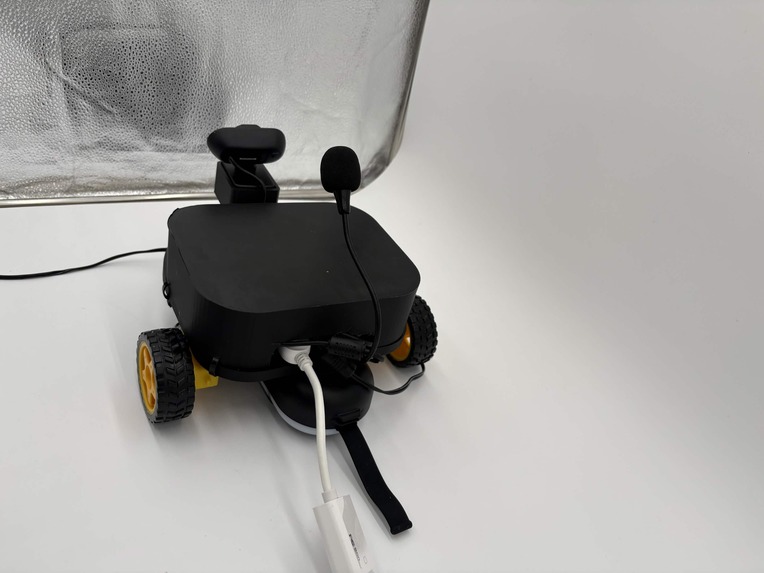
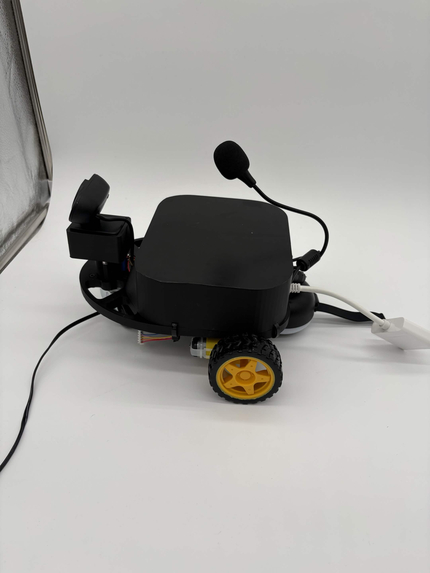
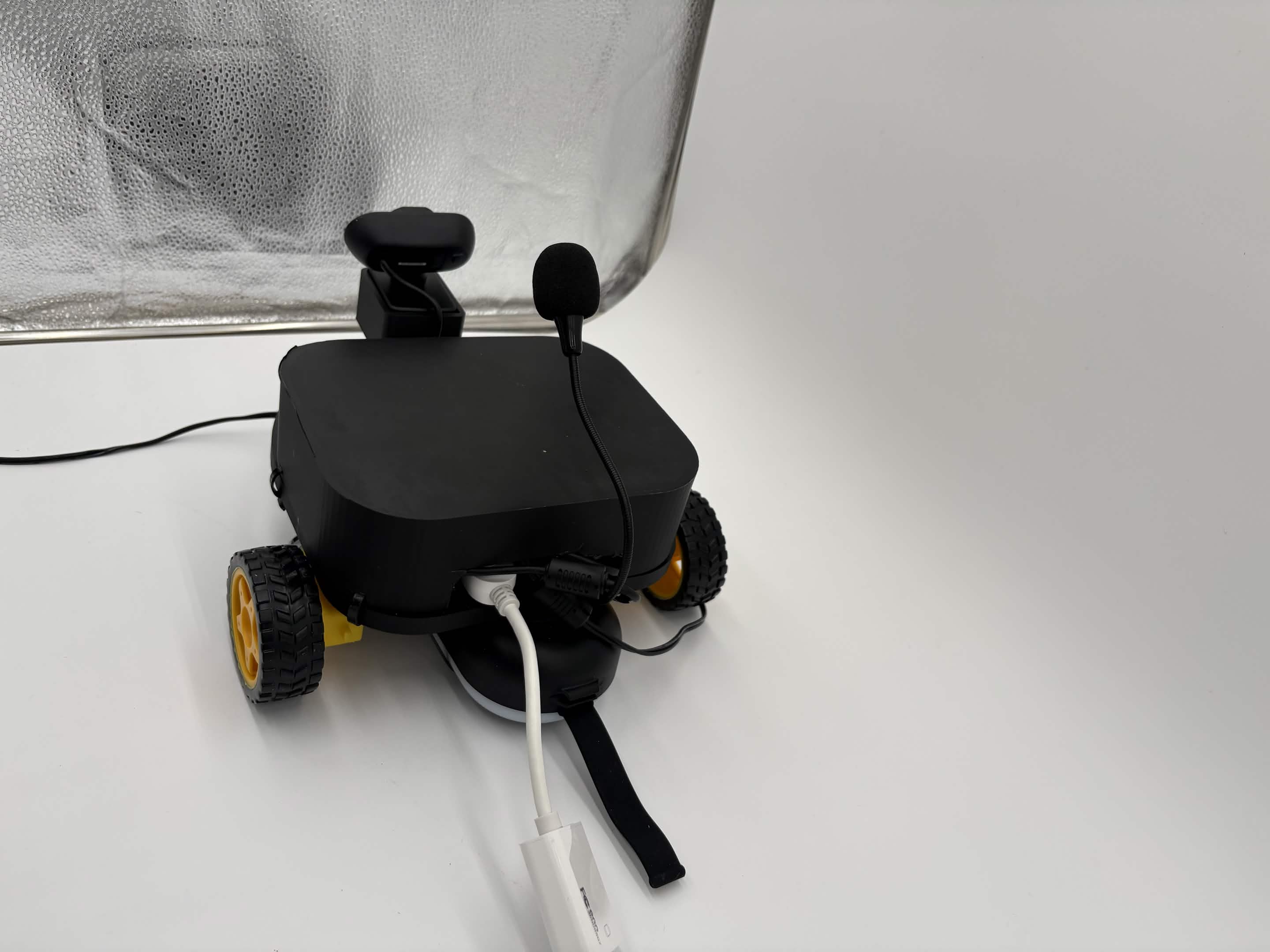
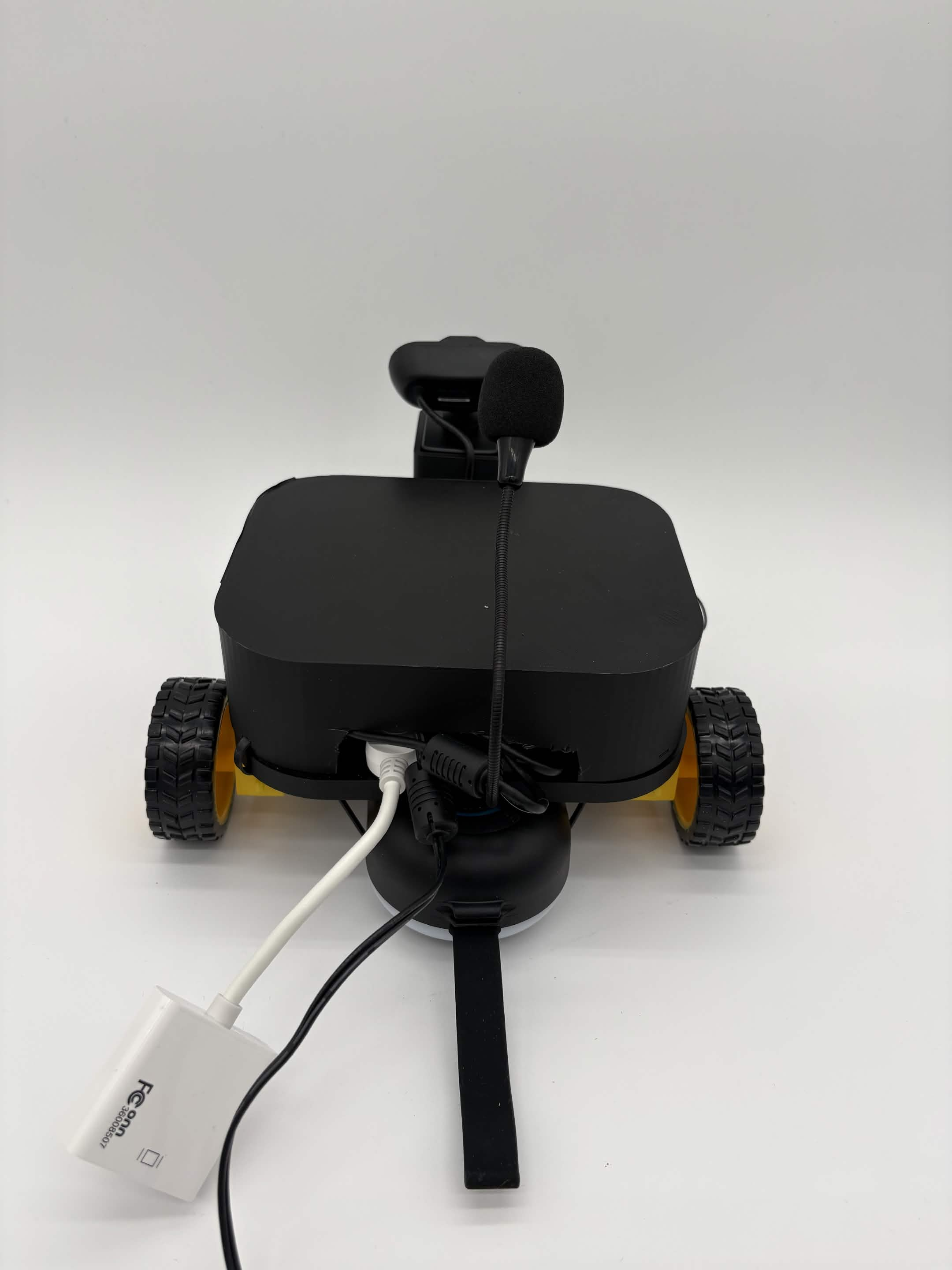
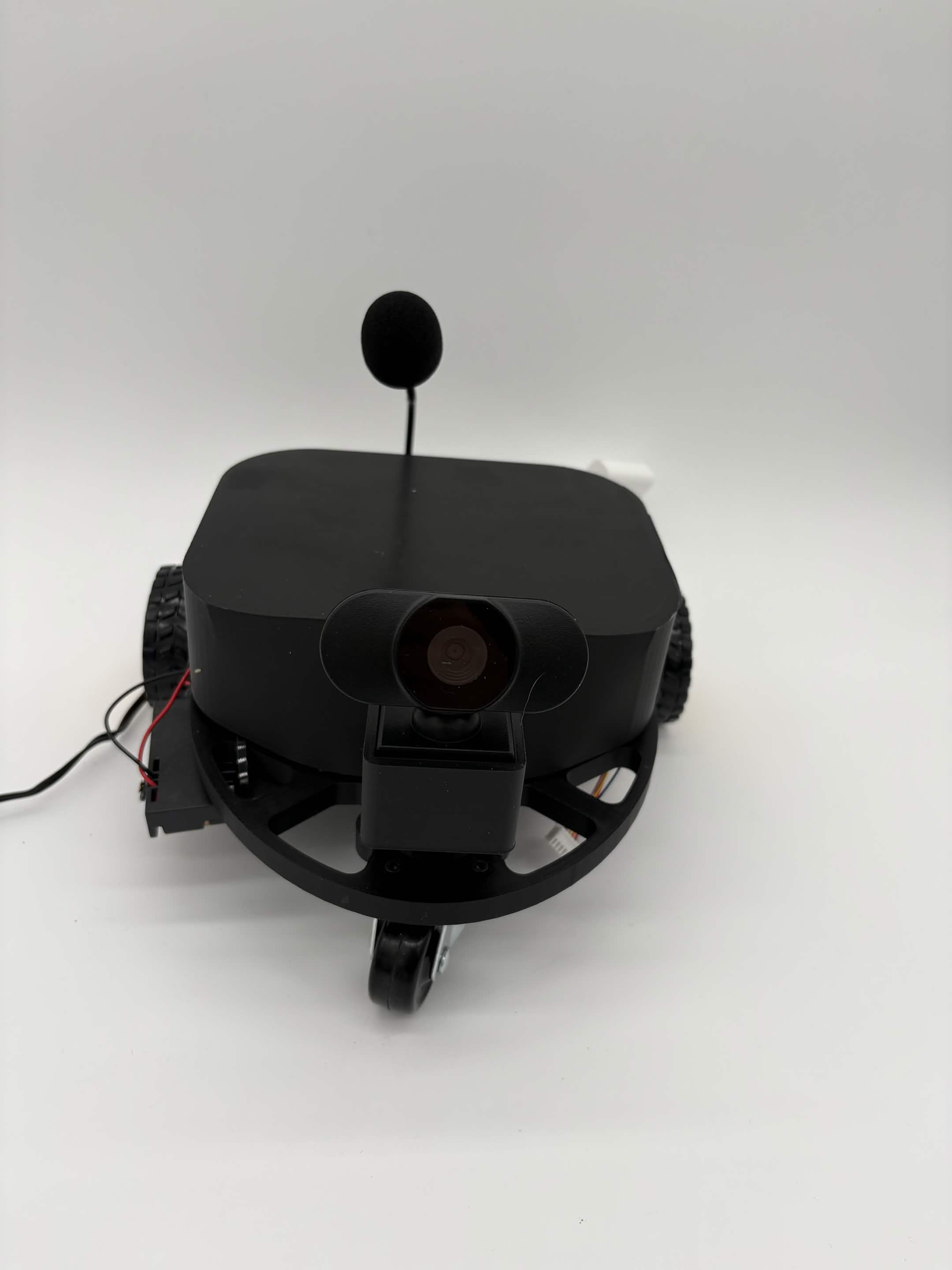
Rosey Back Angle displaying the port hub
-
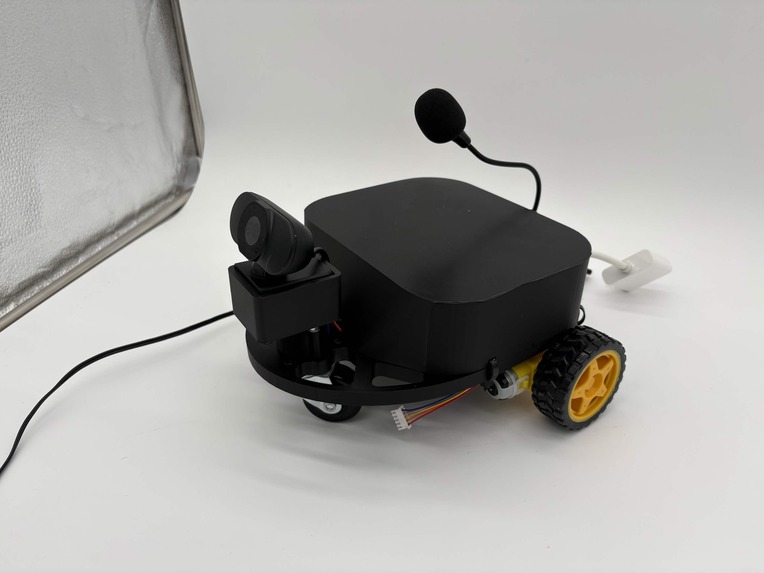
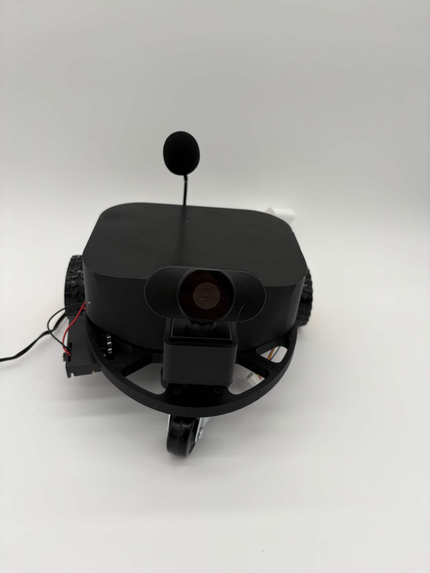
Rosey Isometric
-
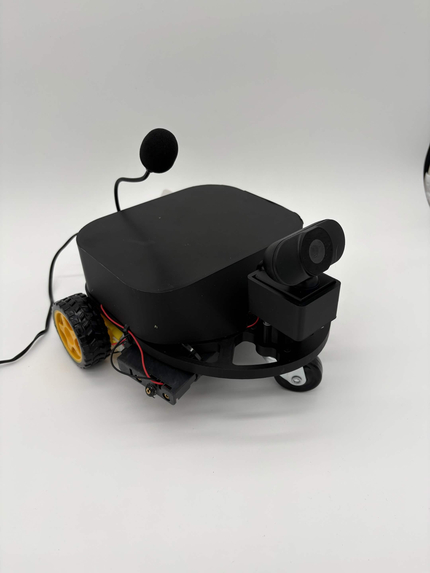
Rosey Isometric
-
-
-
-
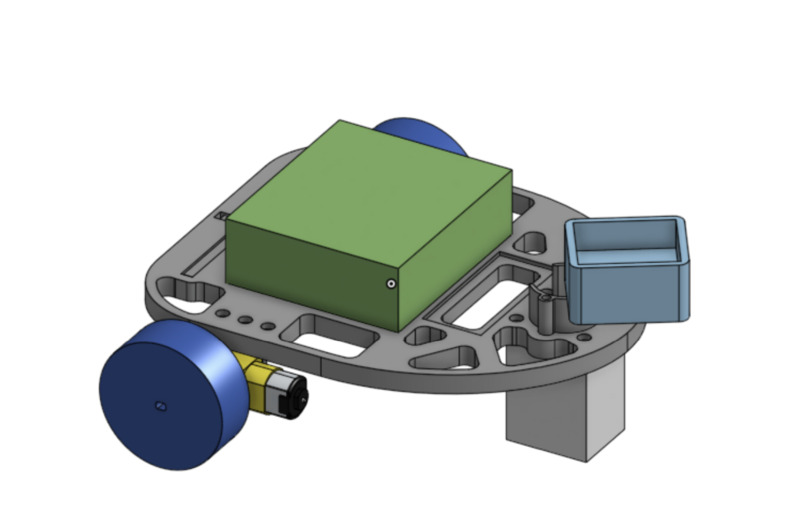
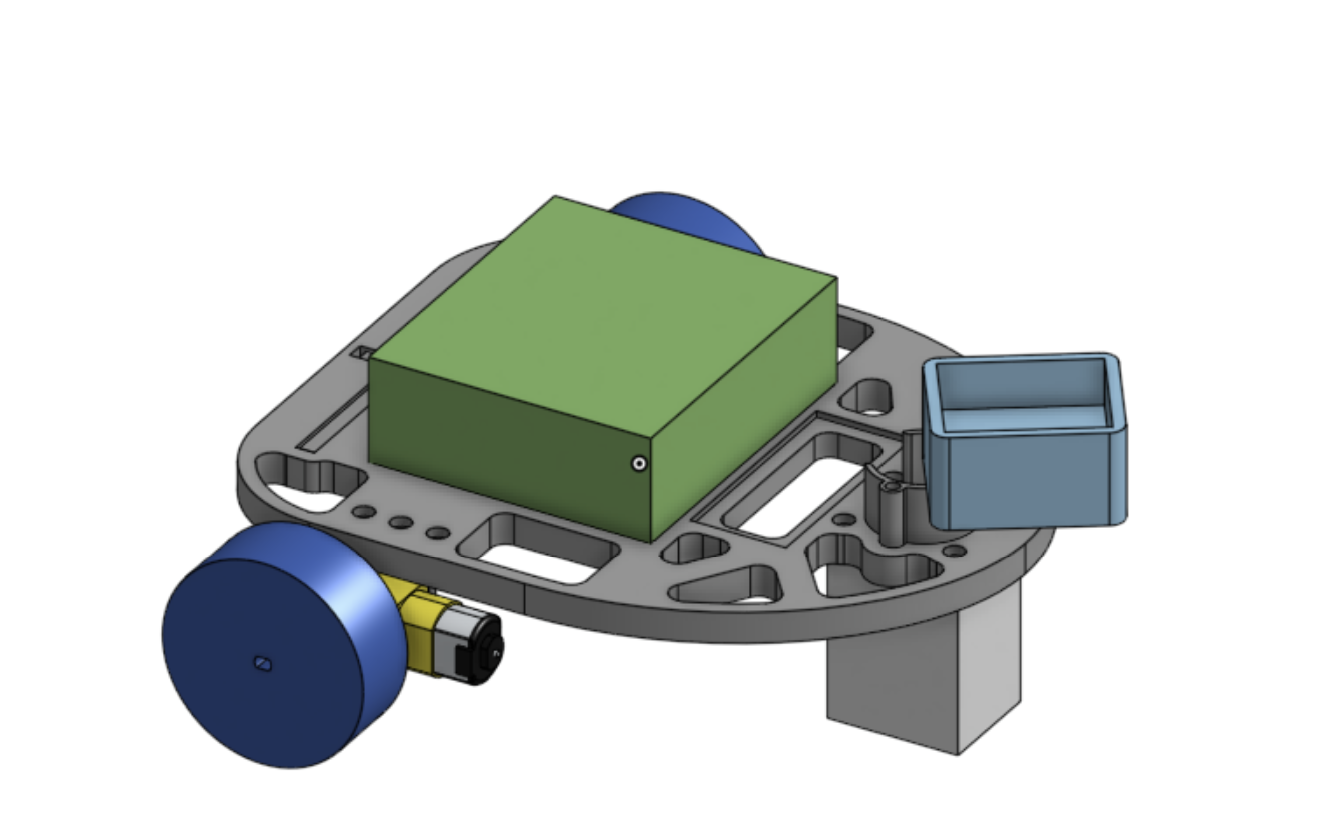
Rosey Early Assembly CAD
Inspiration
This project was inspired by one of our teammates, whose grandparent suffered a fall earlier this year. It is terrifying to imagine someone you love injured on the floor with no way to reach help. Across the U.S., over 12 million senior citizens live alone—meaning this is a reality families face every day. Seniors deserve the dignity of aging in place, and we wanted to build a non-invasive safeguard that protects their independence without feeling like intrusive surveillance.
What it does
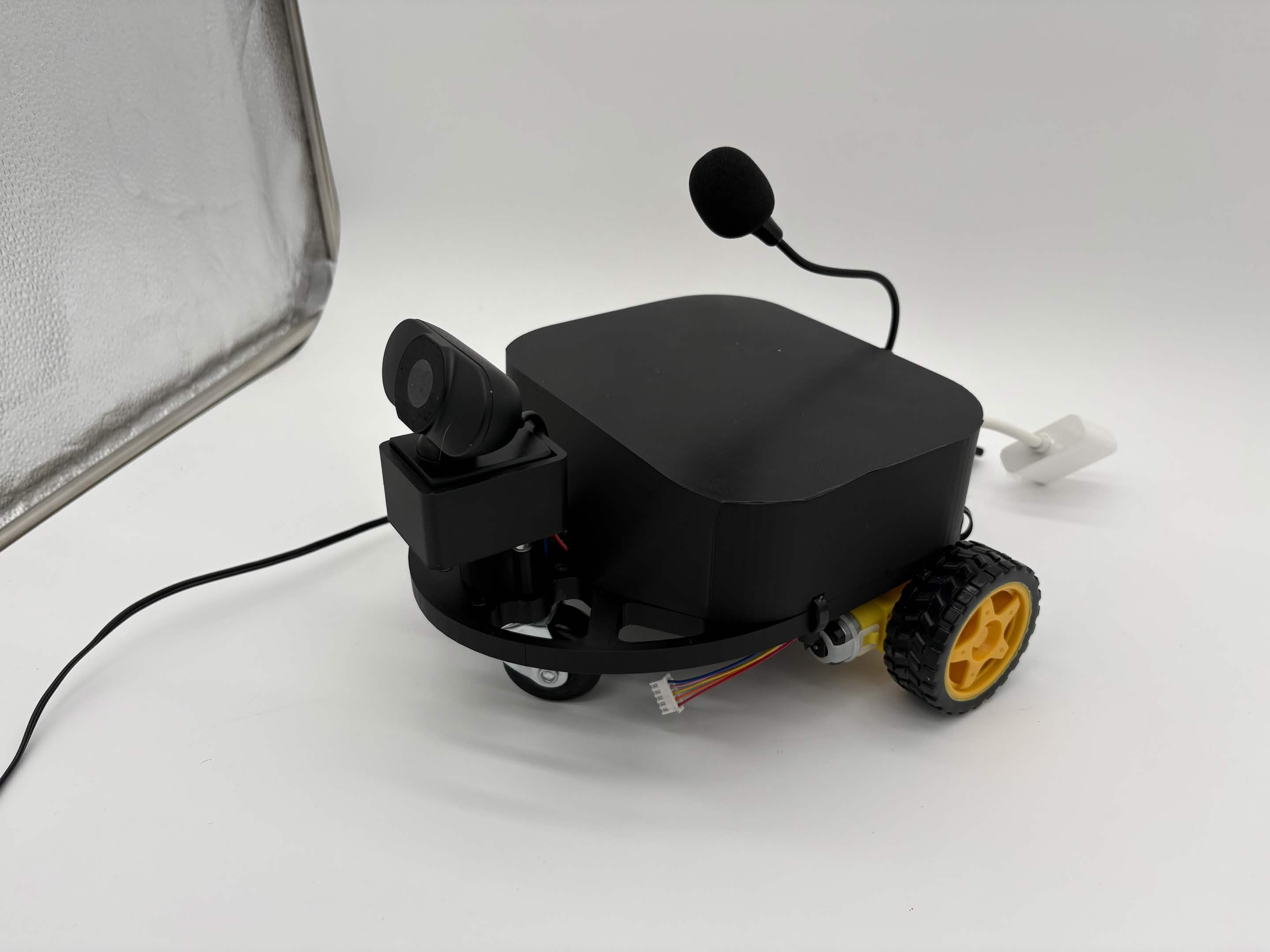
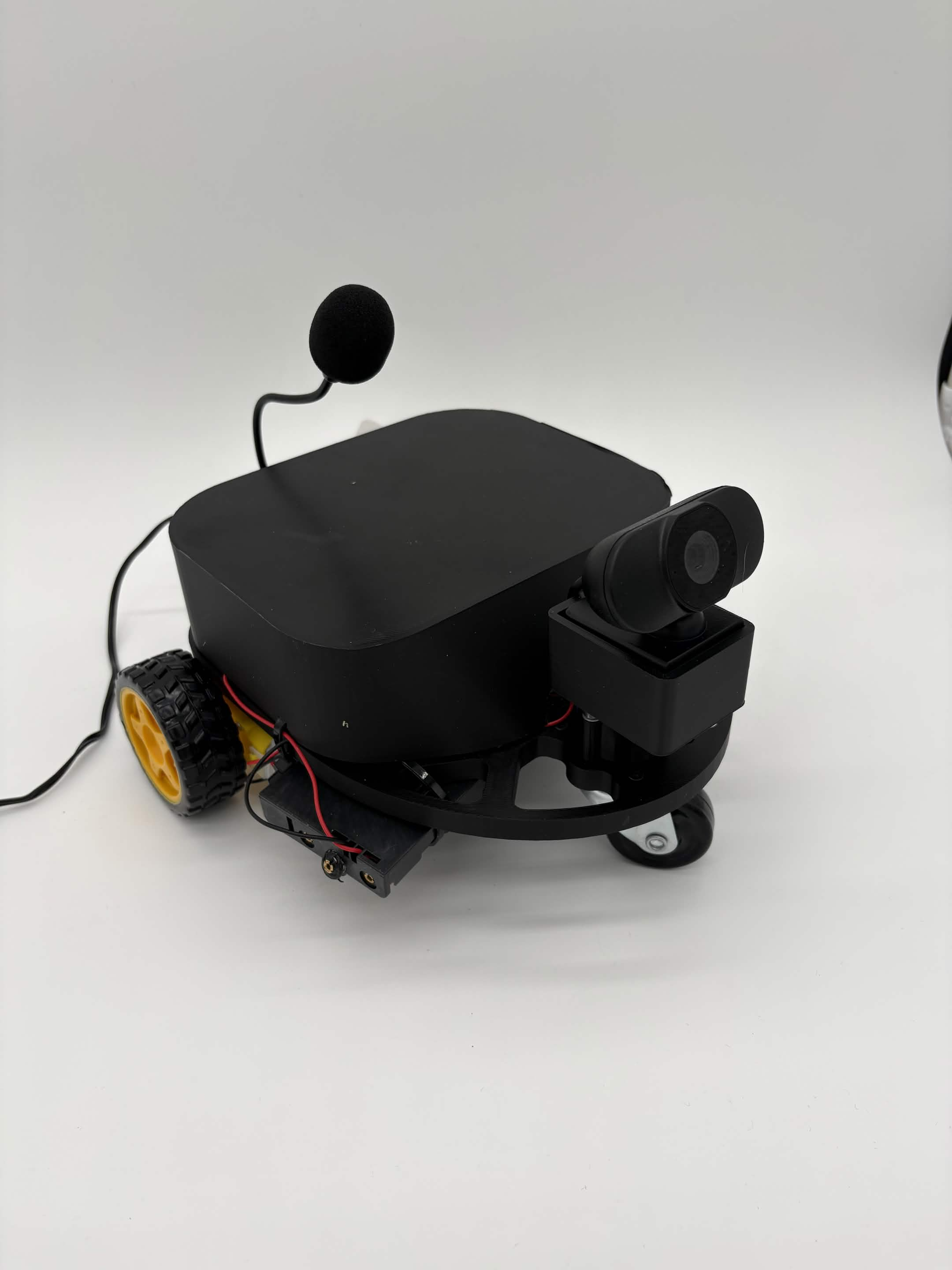
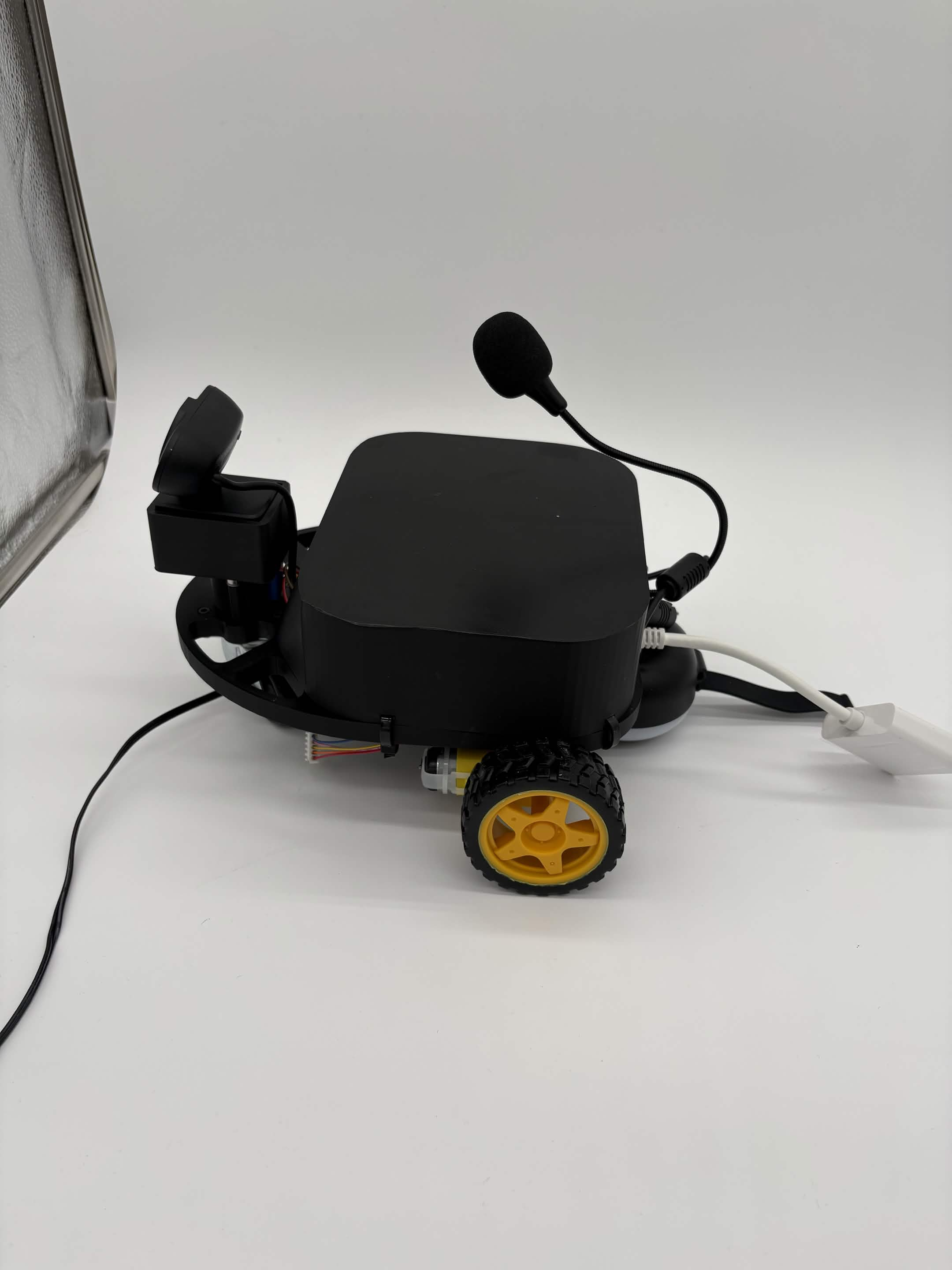
Rosey is a three-wheeled mobile caretaking robot designed to support seniors living alone while preserving their autonomy:
Autonomous Tracking & Navigation: Rosey follows the user around utilizing an Open CV model that tracks it's user. As the user moves around, Rosey will rotate and follow closely behind them.
Hands-Free Voice Companion: Powered by an NVIDIA Jetson Orin Nano, an onboard microphone, and a speaker, Rosey connects to Claude to answer everyday questions on demand: checking the weather. picking out an outfit, reading off dinner ingredients, or setting medication reminders.
Active Fall Detection & Emergency Response: Using onboard computer vision models, Rosey continuously monitors for falls. If a fall is detected, Rosey immediately navigates to the user, asks for verbal confirmation that they are okay, and if there is no response or help is needed she will automatically alert the registered emergency contact in the app..
Rosey acts as both an everyday companion and an active guardrail for worst-case scenarios—giving seniors their freedom, and their families peace of mind.
How we built it
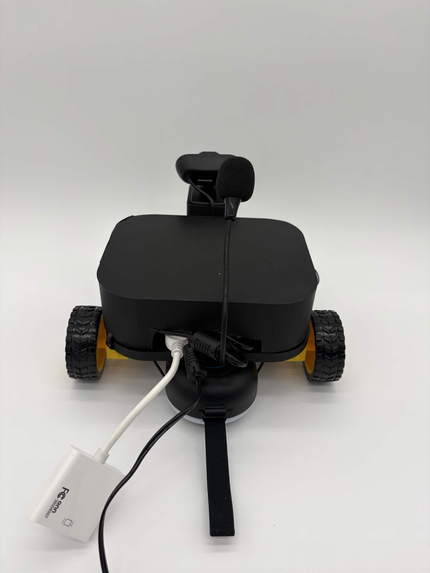
Rosey brings together custom mechanical design, embedded systems, and edge AI on a reliable mobile chassis. We modeled the custom frame in Onshape to house the NVIDIA Jetson Orin Nano, power distribution, and sensor array. For locomotion, we engineered a rear-wheel-drive (RWD) drivetrain driven by two DC motors paired with a front caster wheel for stability and tight-radius turning inside home environments. On the software side, utilized a OpenCV model on a webcam to auto detect user proximity.
Challenges we ran into
- Drivetrain & Chassis Redesigns: When our originally planned stepper motors were unavailable, we pivoted to DC motors and had to rapidly redesign our Onshape chassis to accommodate unexpected control boards and tighter internal clearances.
- Power Delivery: Off-the-shelf power options couldn't meet our voltage requirements, so we wired our own custom series battery pack to reliably supply 12V to the drivetrain and electronics.
- Audio Pipeline Workarounds: Integrating audio on the Jetson posed hardware compatibility hurdles, requiring us to pivot from our original wired speaker plan to a wireless audio workaround on the fly.
- Motor Drivers: We initially implemented the motor controls on a bread board, but this resulted in unexpected voltage spikes and motor misfires. To over come this, we ended up protoboarding the entire final motor driving circuit which ended up making it reliable.
Accomplishments that we're proud of
- Hardware Adaptability: Pivoting across motor architectures, custom power packs, and chassis revisions mid-hackathon without losing momentum.
- Clean Mechanical Integration: Packaging the Jetson Orin Nano, custom 12V battery pack, sensors, and RWD drivetrain into a cohesive, functional footprint.
- End-to-End Impact: Delivering a working prototype that solves a real, deeply personal problem for seniors and their families.
What we learned
Over the course of the build, our team gained hands-on experience in rapid hardware improvisation, CAD modeling in Onshape, custom 12V battery pack fabrication, embedded electrical integration, and deploying edge computer vision alongside conversational AI.
What's next for Rosey
Rosey was built as a modular platform with plenty of room to grow. Moving forward, we plan to:
- Refine the Industrial Design: Enclose the electronics in a cleaner, more home-friendly, and impact-resistant shell.
- Upgrade Mobility: Develop a more sophisticated suspension and drivetrain system capable of handling thresholds, thick rugs, and eventually stairs.
- Add Active Camera Gimbal Control: Mount the 1440p webcam on a motorized vertical tilt mechanism so Rosey can dynamically adjust its field of view to track users whether they are standing, seated, or on the floor.
Built With
- bambu
- claude
- dc
- jetson-nano
- jlab
- onn
- ryse
- stepper


