-
-
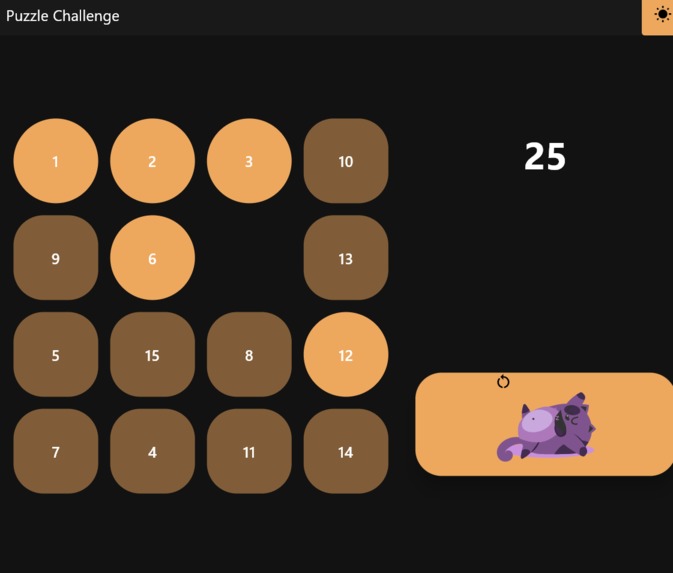
DARK tablet
-
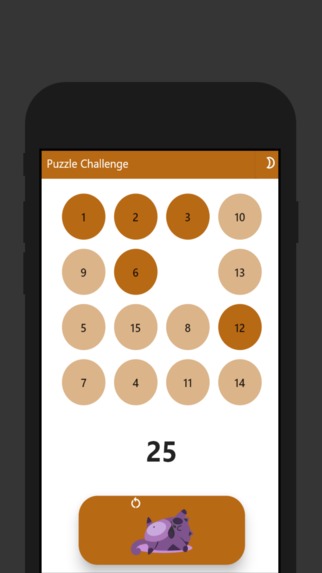
light mobile store
-
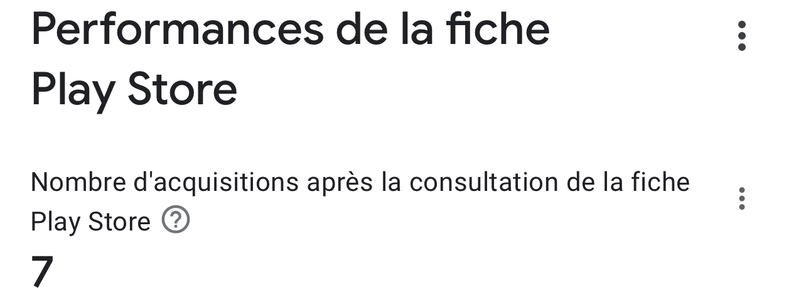
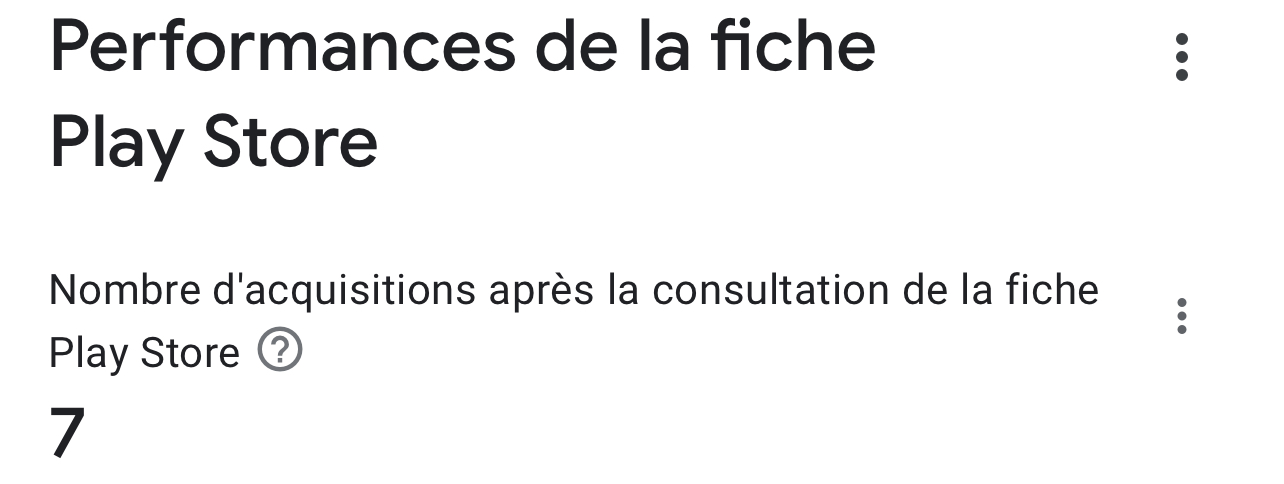
users from playstore
-
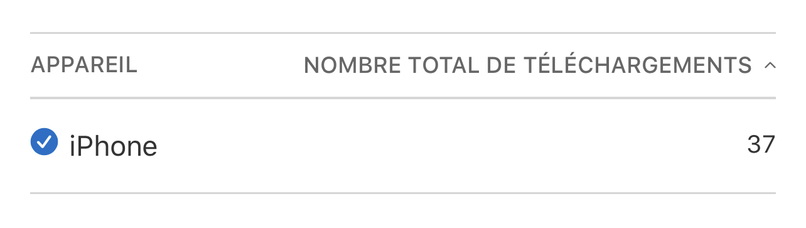
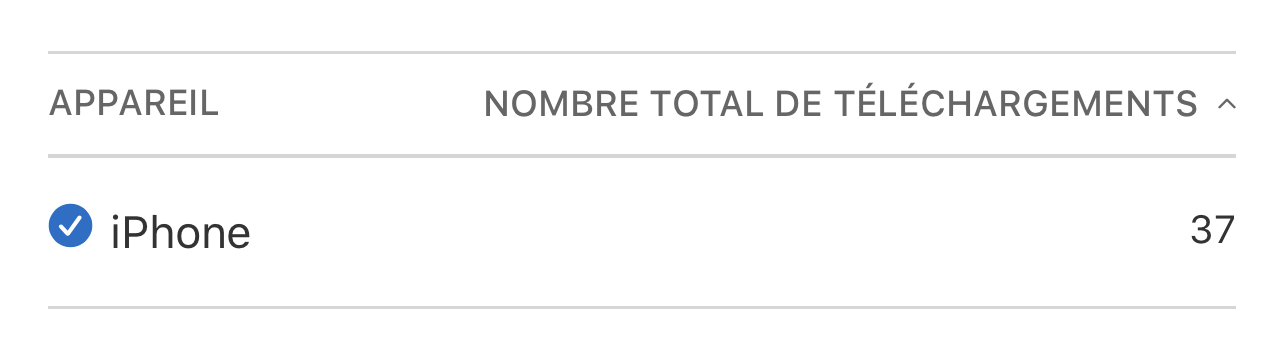
users from appstore
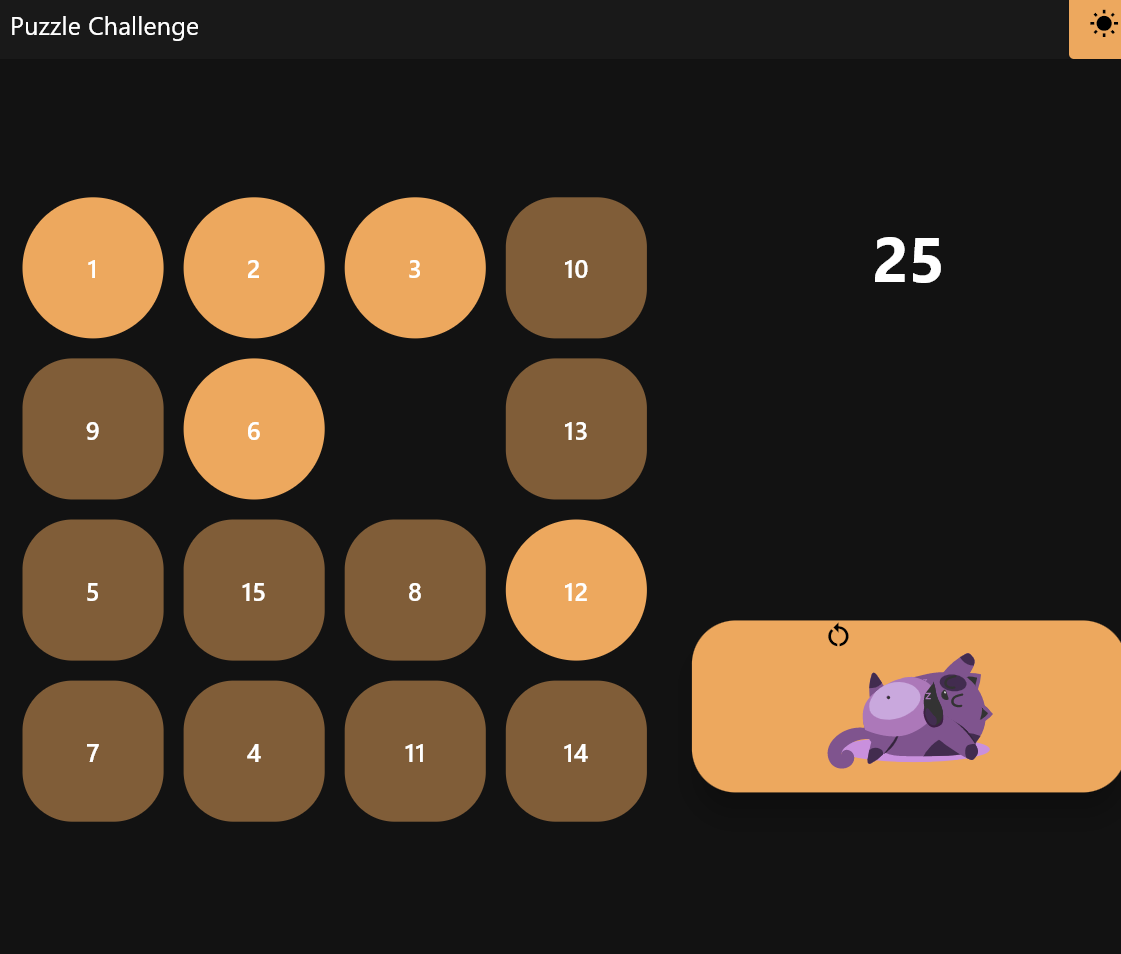
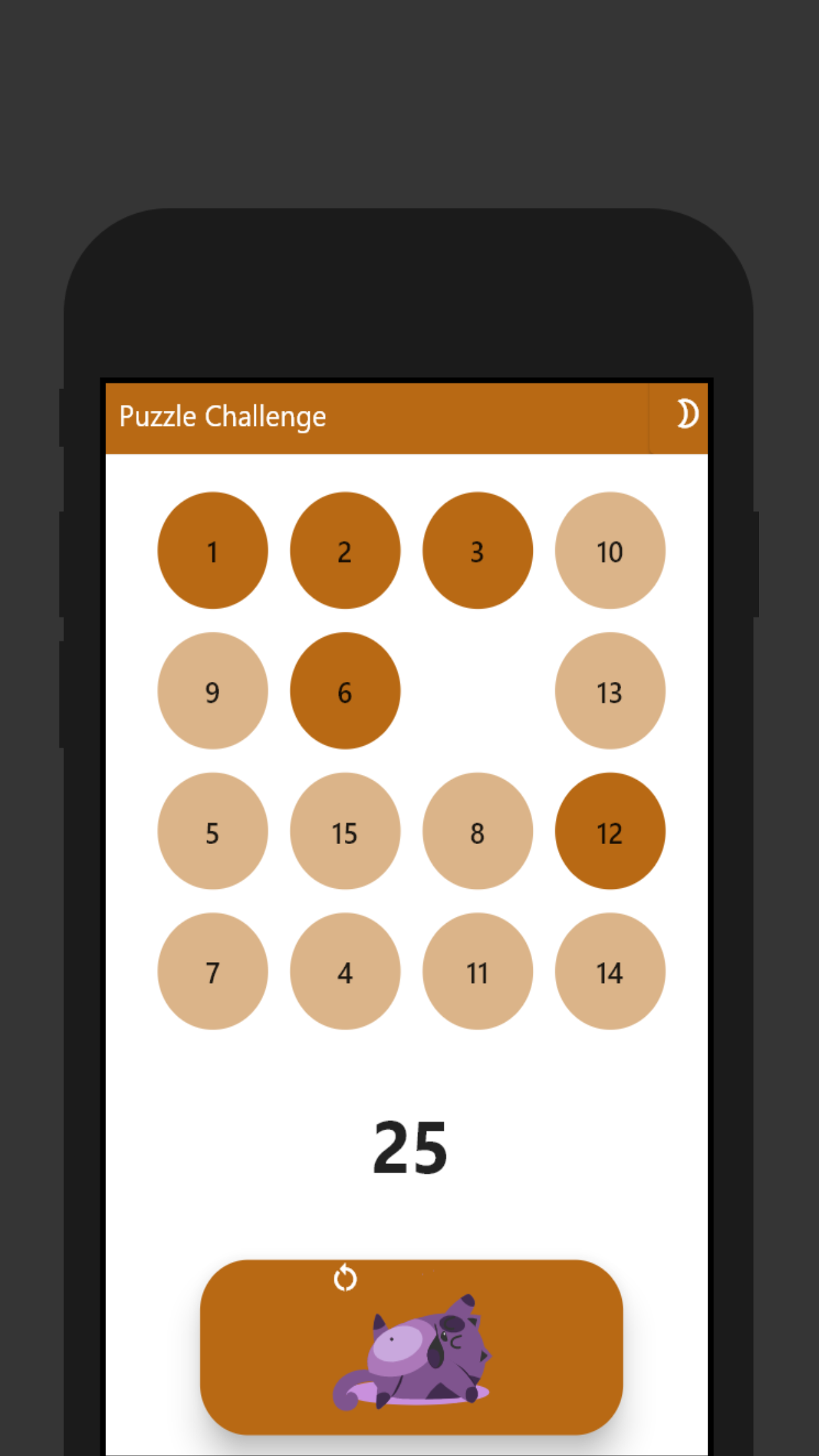
The puzzle respects the rules, only the visual and sensory aspects change. I consolidated my global knowledge, I also improved my projects structuration and I’ve learned a lot of new things for this challenge:
-Animations I’ve explored different types of animation, learned about explicit and implicit animation to know what will fit with my needs.
-Themes Set up of a theme inside a project, to change it when needed (dark and light mode).
-Responsive and multi-plateform Design responsive depending on the screen dimension, and depending on the device. Available for WEB / MOBILE (IOS & ANDROID) / DESKTOP
-Deployement Both mobile store (appstore and playstore for my first time). As well as github.io and firebase host for the web (for my first time). Windows store too (for my first ime).
-State management I deepened my knowledge on state management.
-Bonus (what I liked) Haptic vibration (when placed correctly on mobile phone), share on instagram your score.
Is this solvable?
Depending on your data structure, I think there are several ways to go. The initial way from my point of view should be to place the pieces randomly on the puzzle, then check if it’s mathematically solvable. If yes, the player can play, if not then mix again (do the same operation until it’s mathematically solvable).
My way is different, I started from the solved puzzle and then I moved piece by piece randomly. Only 100 moves are necessary for a good mix, I chose 300 just to be sure. The puzzle is solvable because we started from the solved puzzle! Have fun.
Built With
- dart
- flutter


Log in or sign up for Devpost to join the conversation.