Inspiration
What it does
How we built it# Inspiration
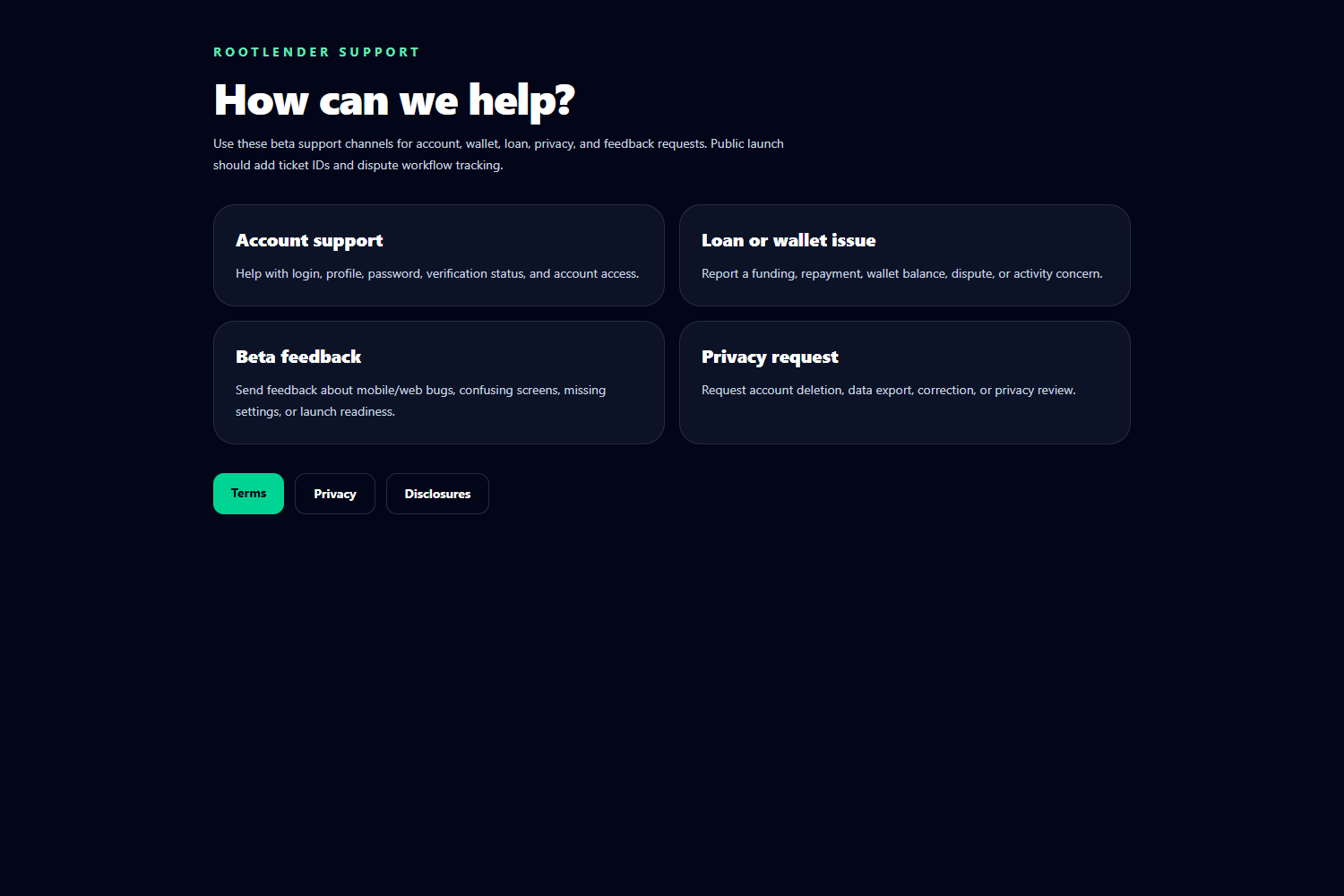
Traditional lending often leaves people behind. Many individuals struggle to qualify for small personal loans because they have limited credit history or few borrowing options. At the same time, people who are willing to lend money lack tools that help them evaluate risk and make informed decisions.
I created RootLender to explore how artificial intelligence can make peer-to-peer lending more transparent, accessible, and educational. Rather than replacing human judgment, RootLender uses AI to help borrowers better understand their finances while giving lenders additional insights to support their decisions.
What it does
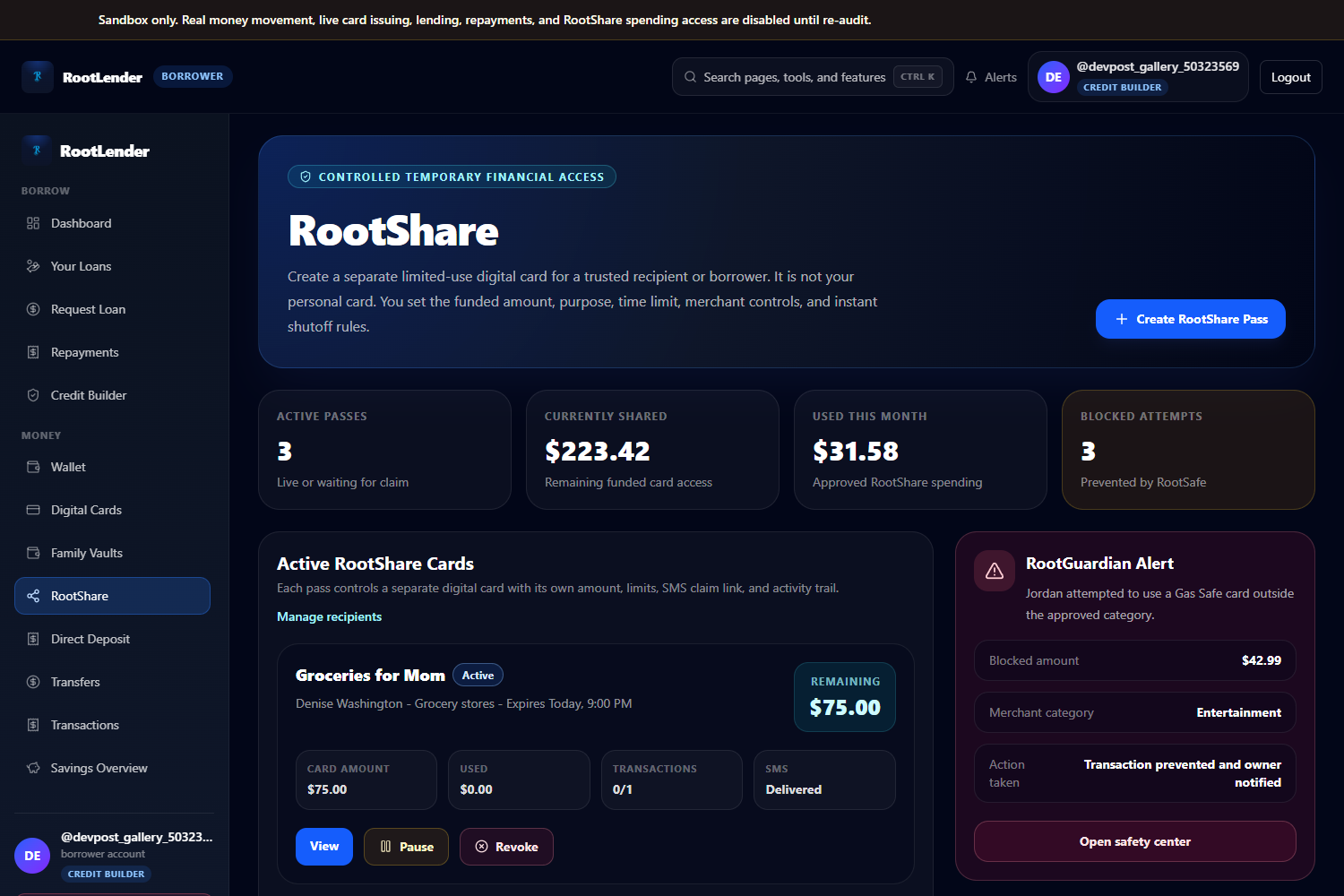
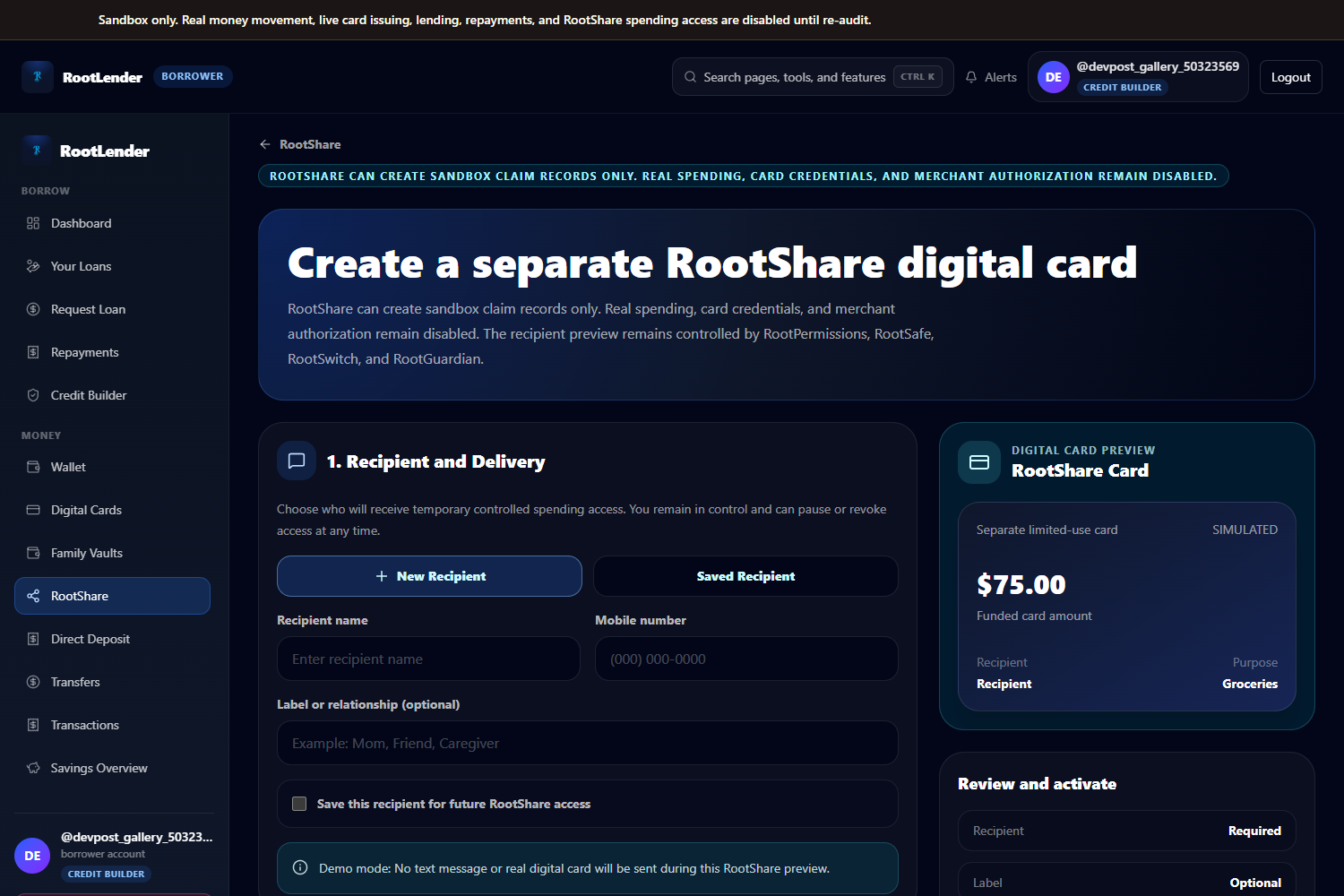
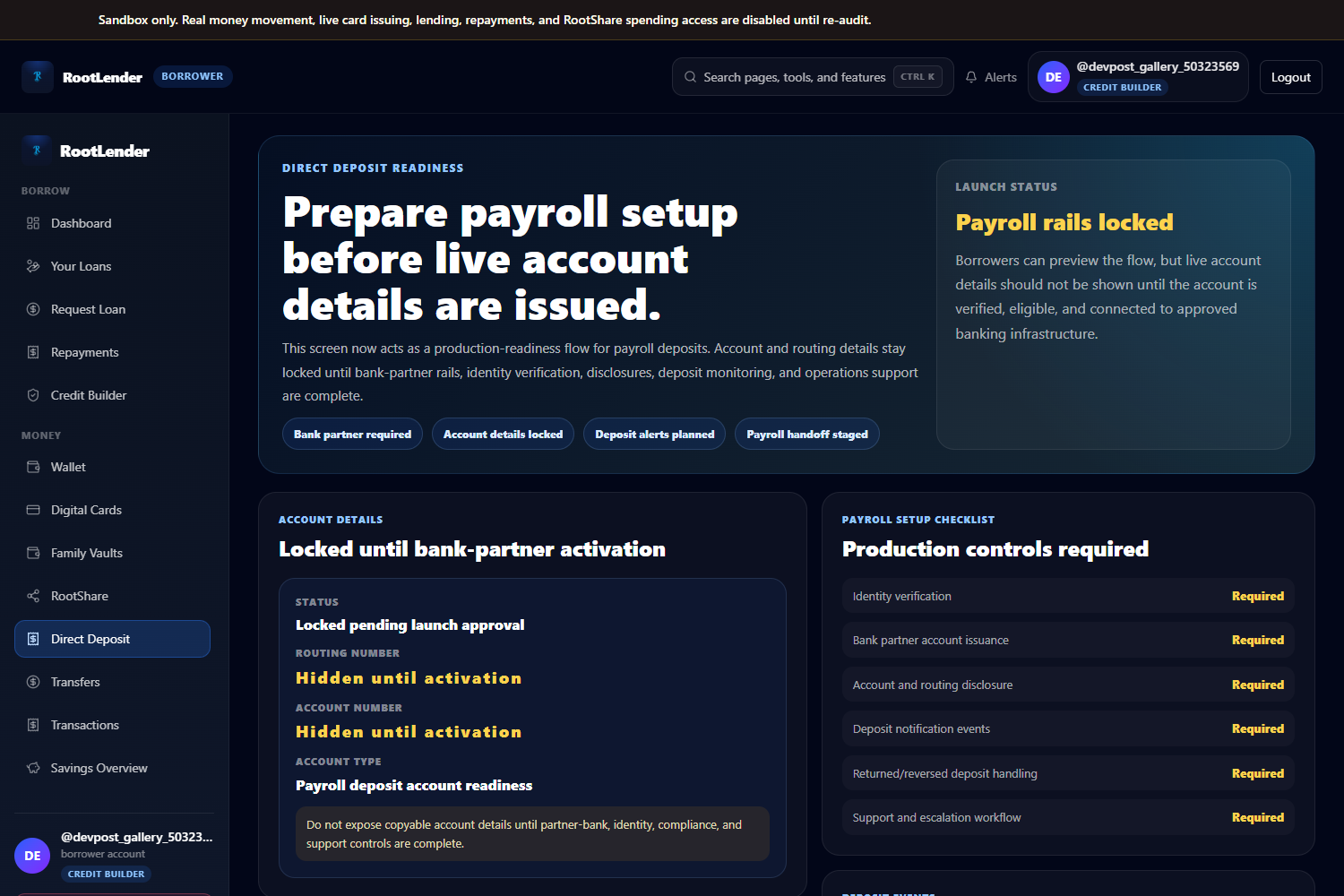
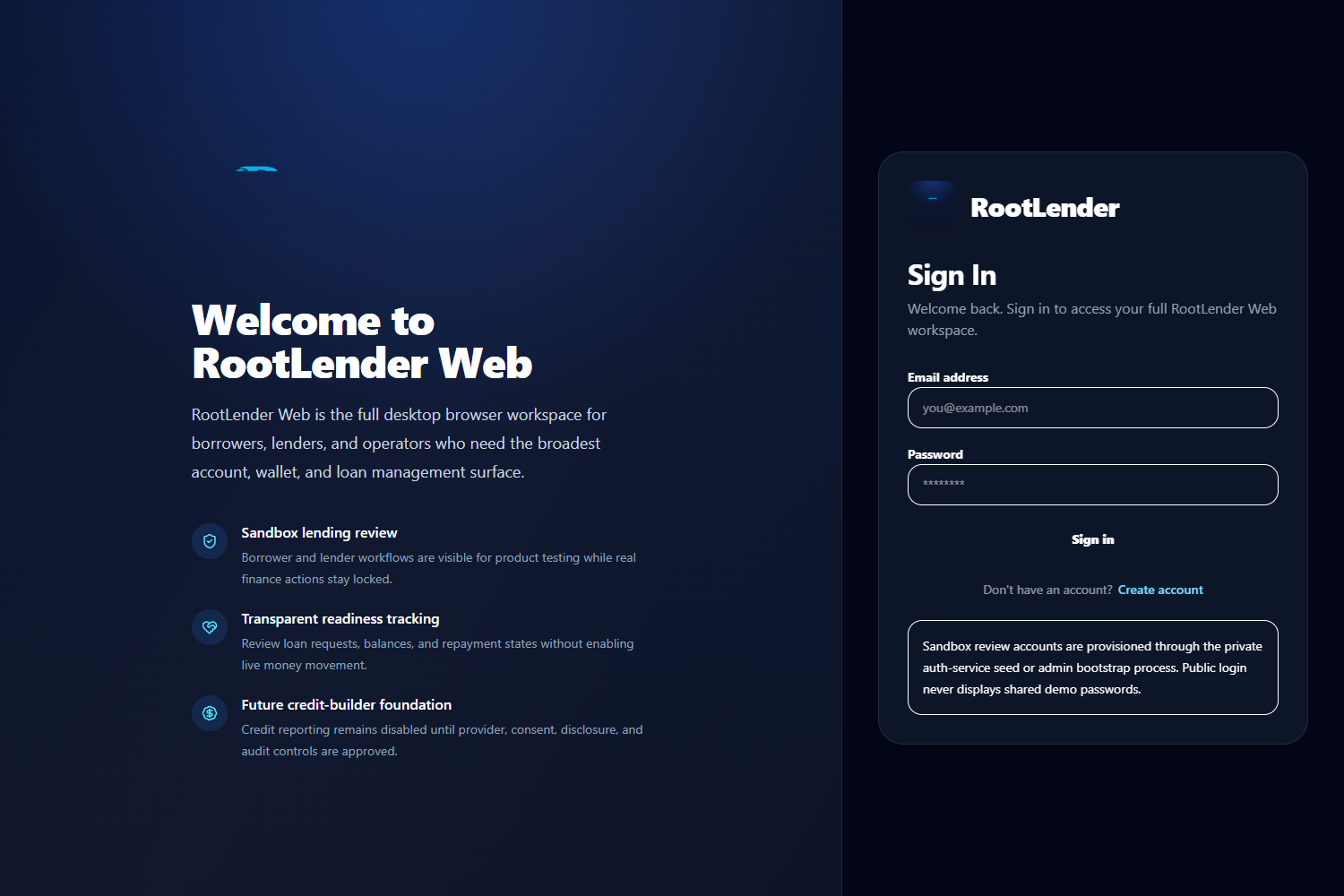
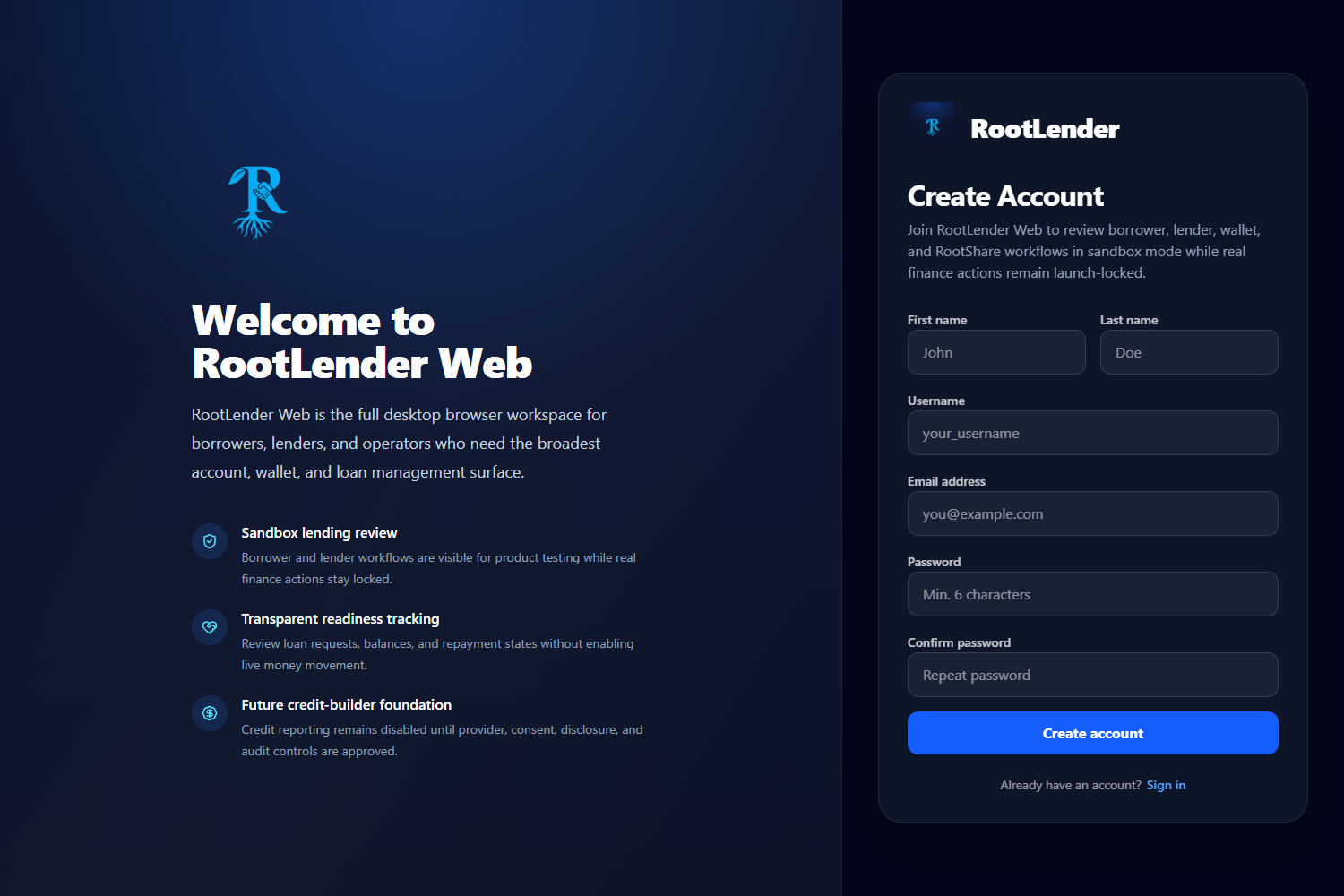
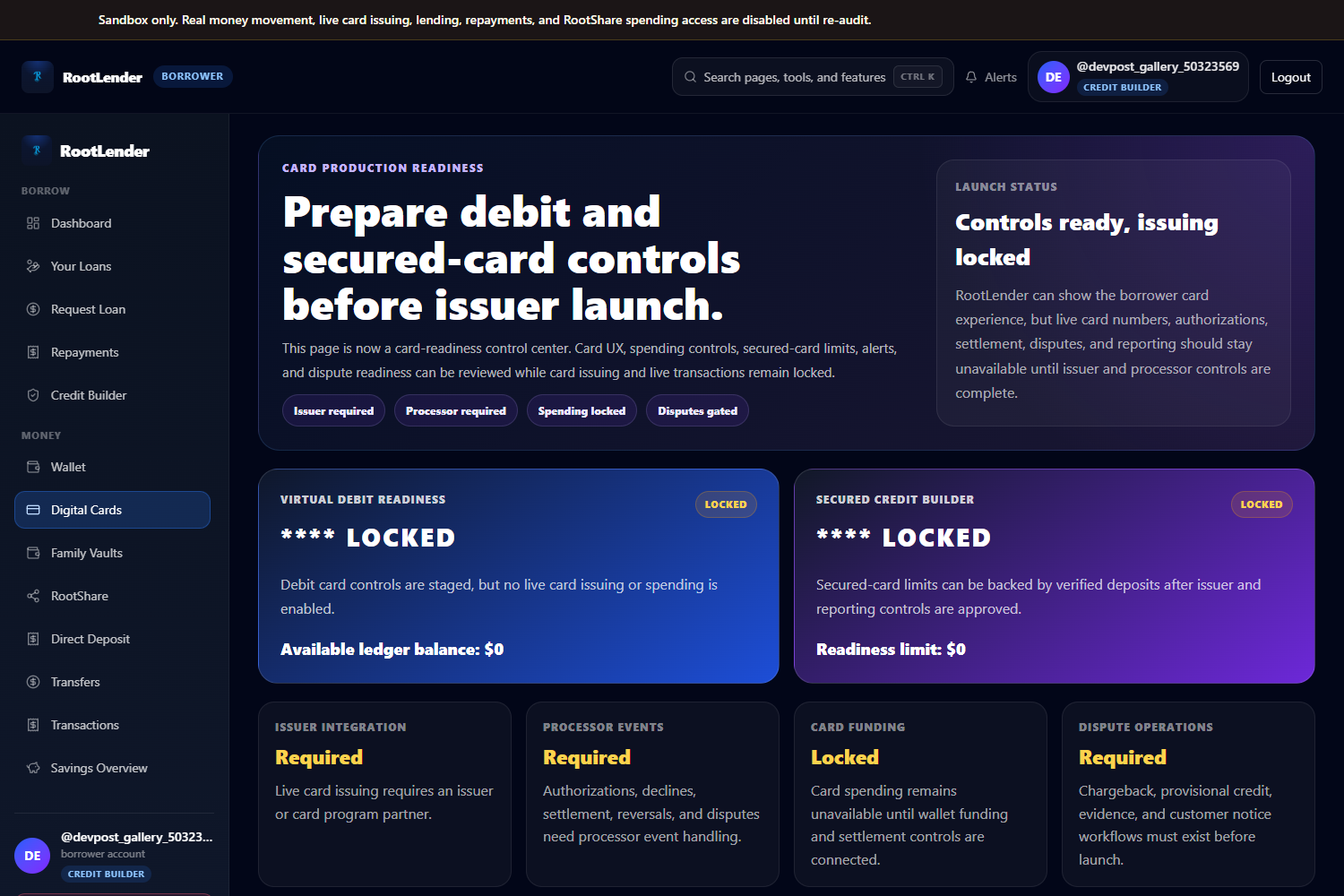
RootLender is an AI-powered peer-to-peer lending platform that connects borrowers and lenders through a modern web application.
The platform provides:
- Secure user authentication
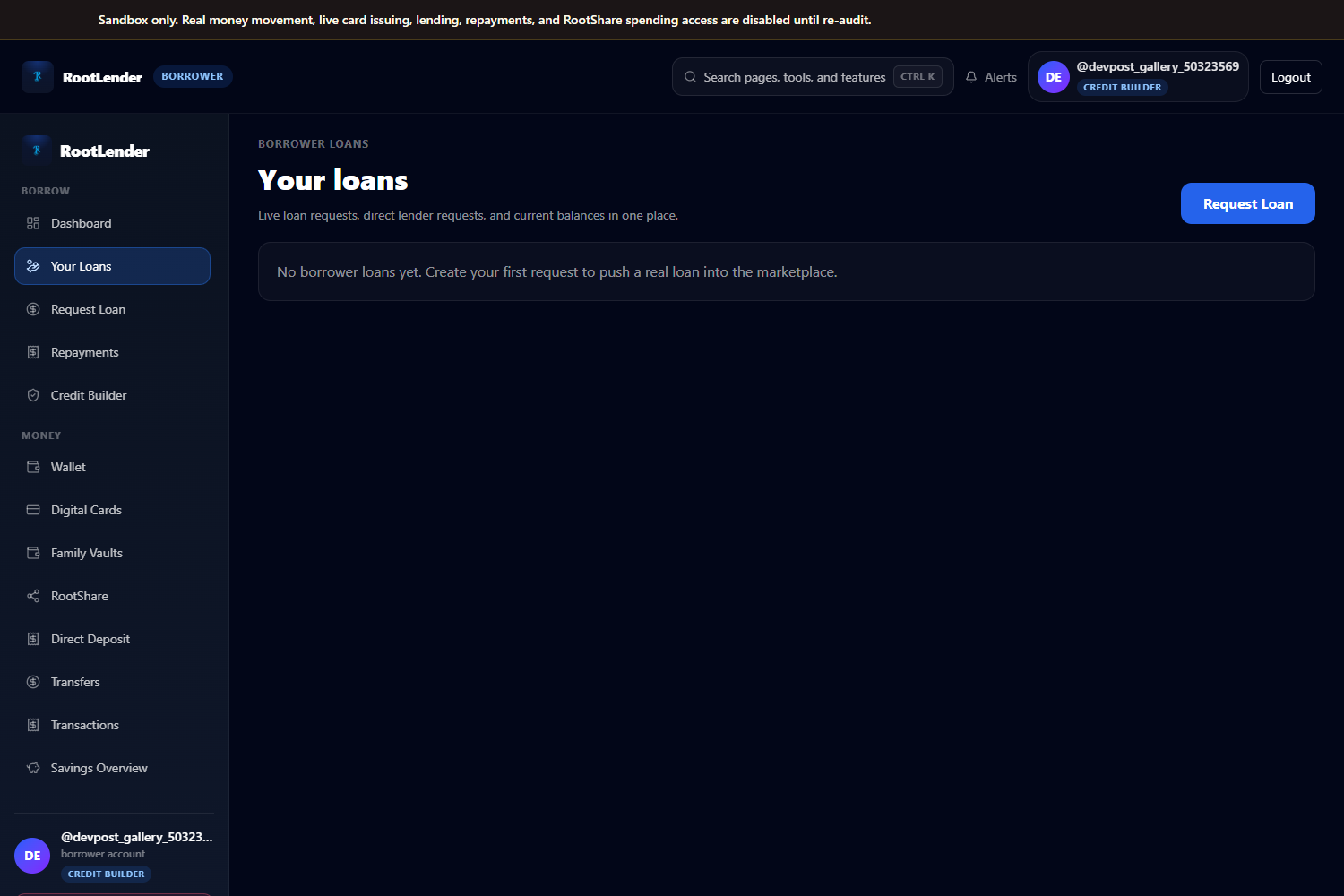
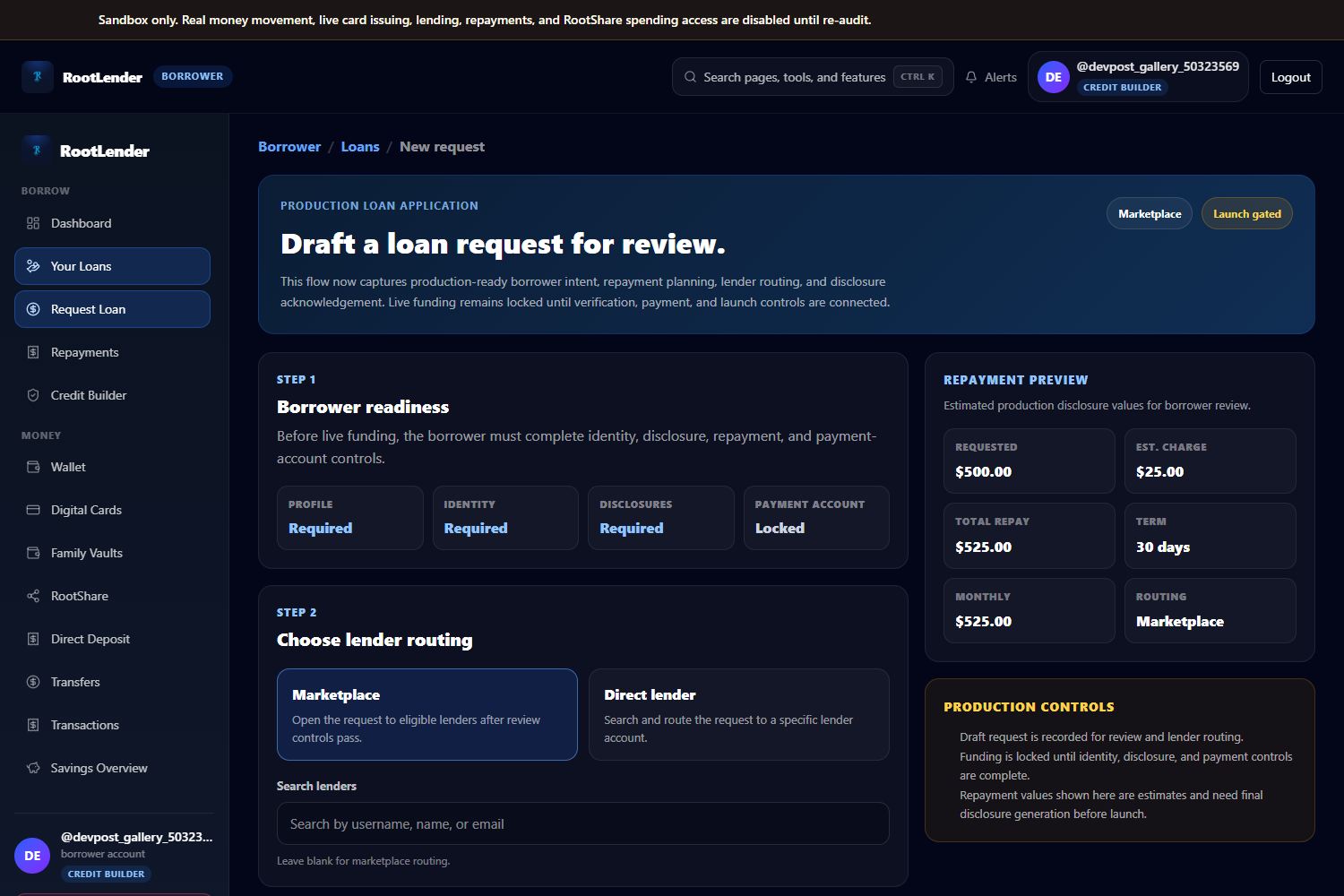
- Borrower loan requests
- Lender loan review workflow
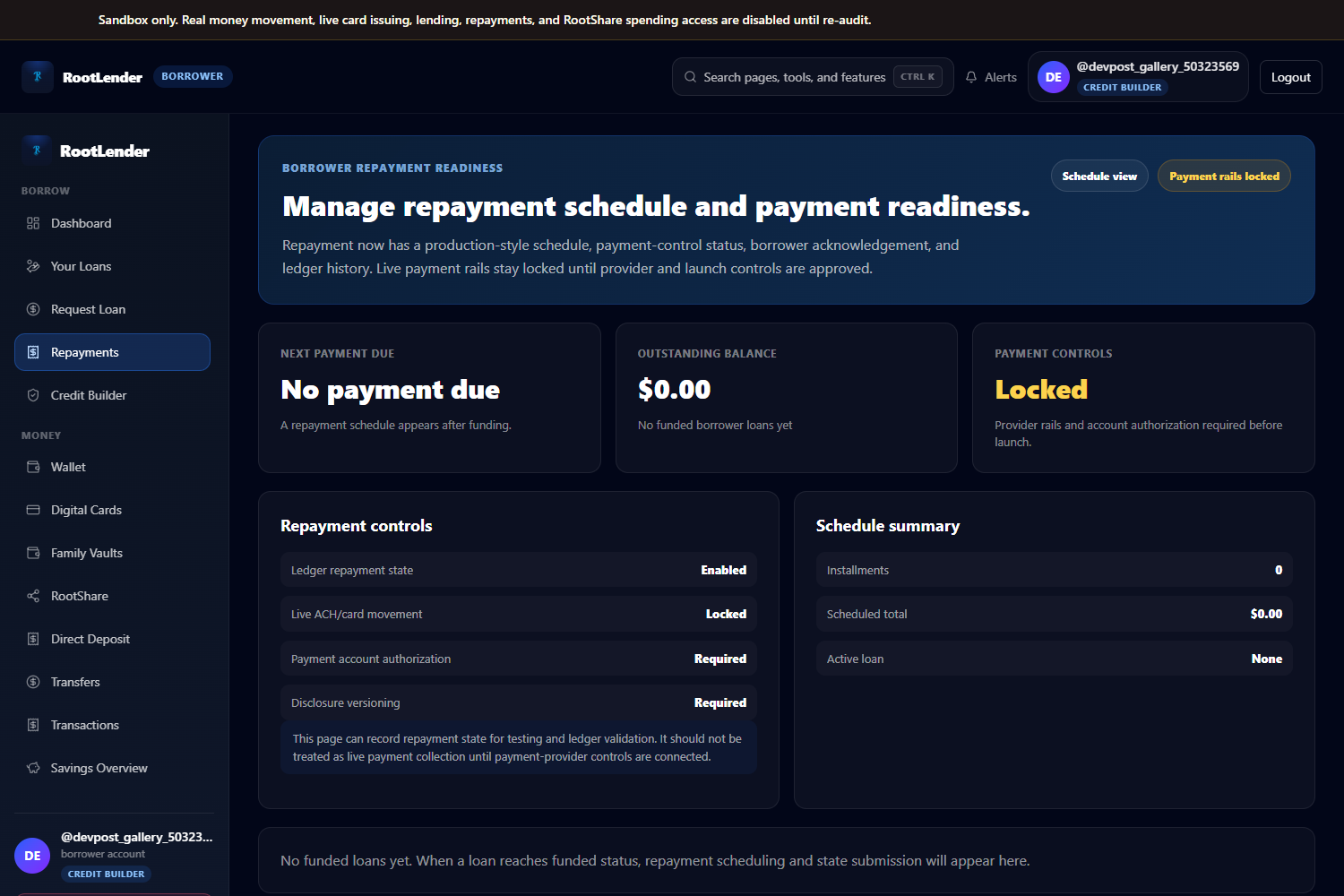
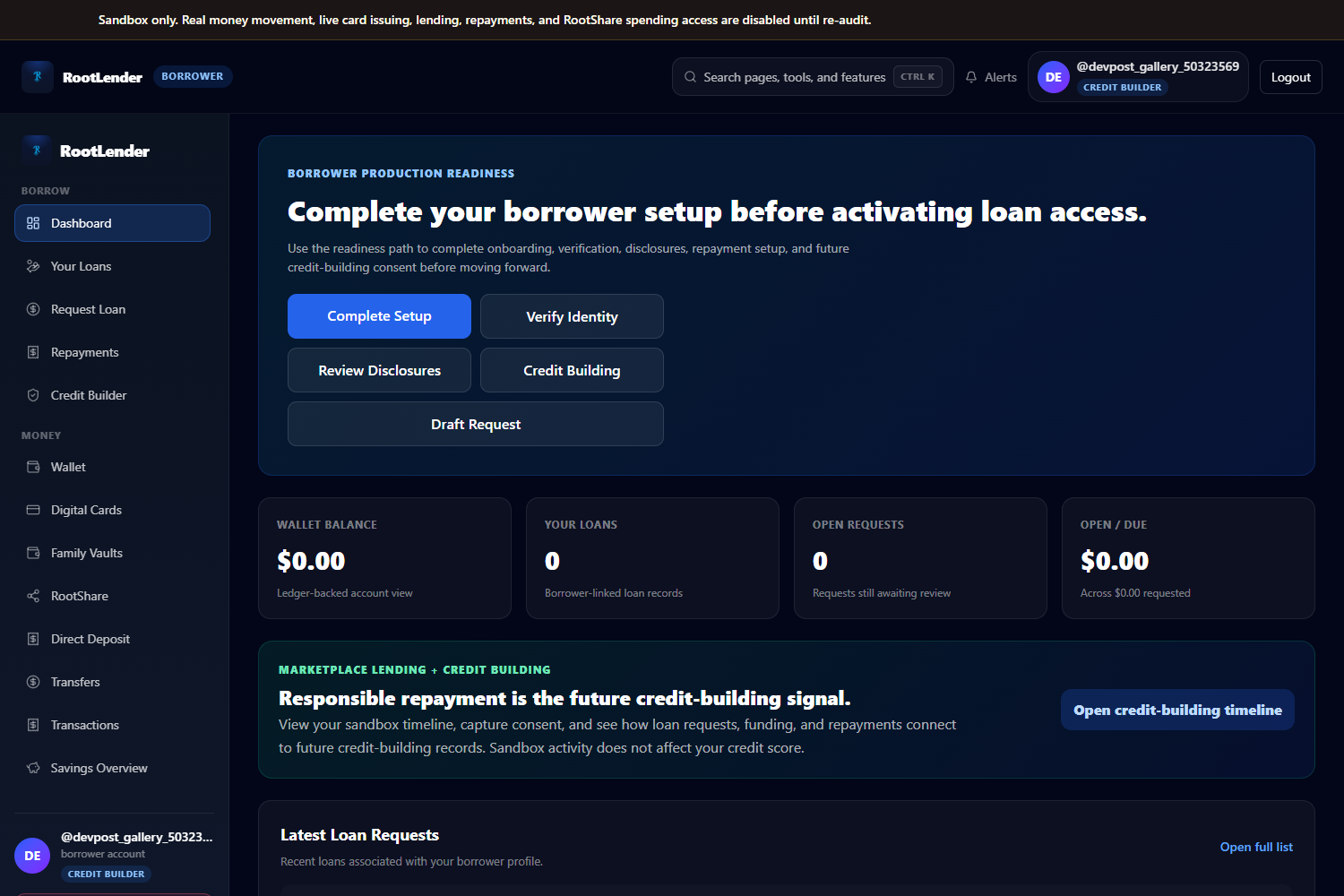
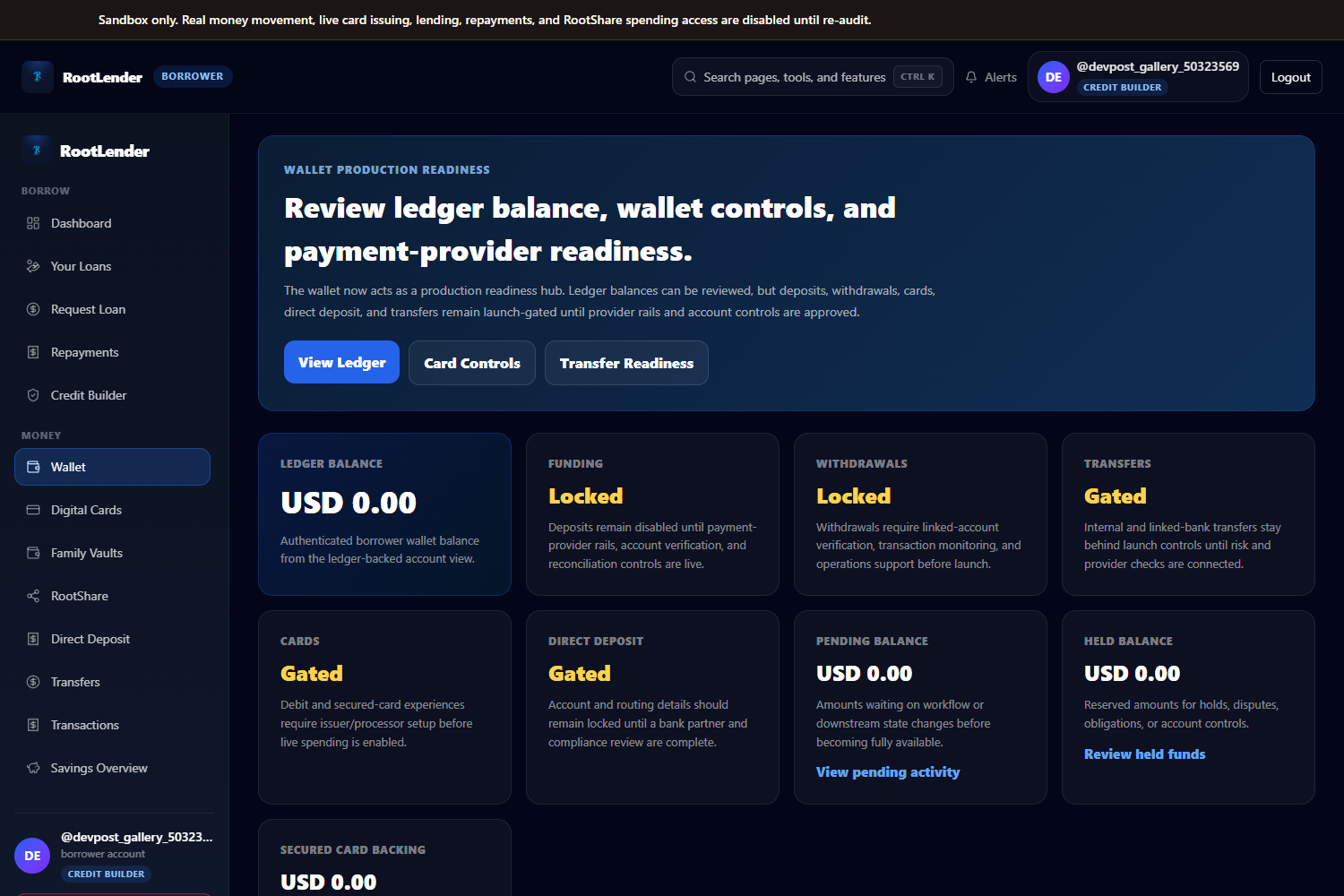
- Loan management dashboard
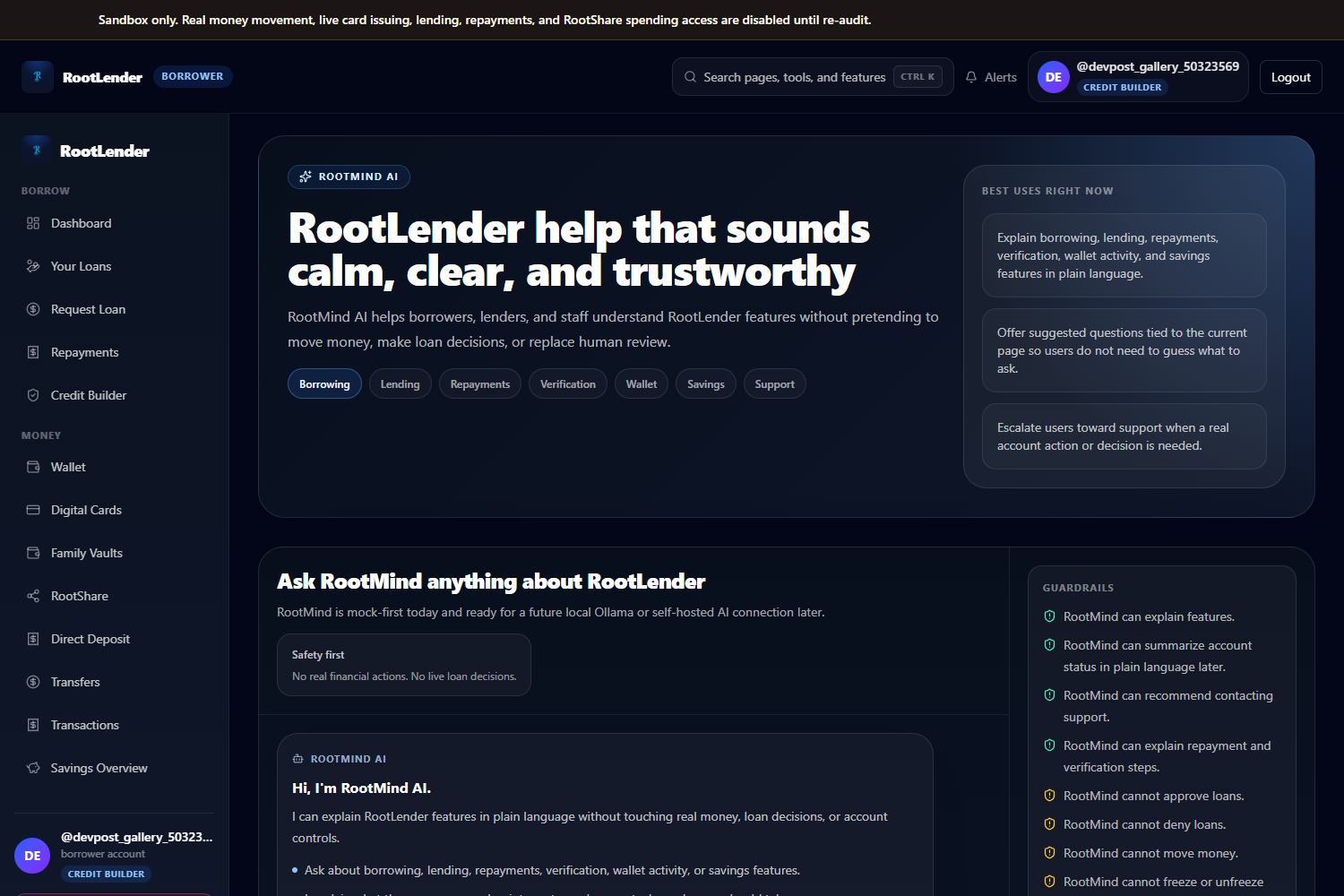
- AI-assisted financial guidance
- AI-generated lending insights
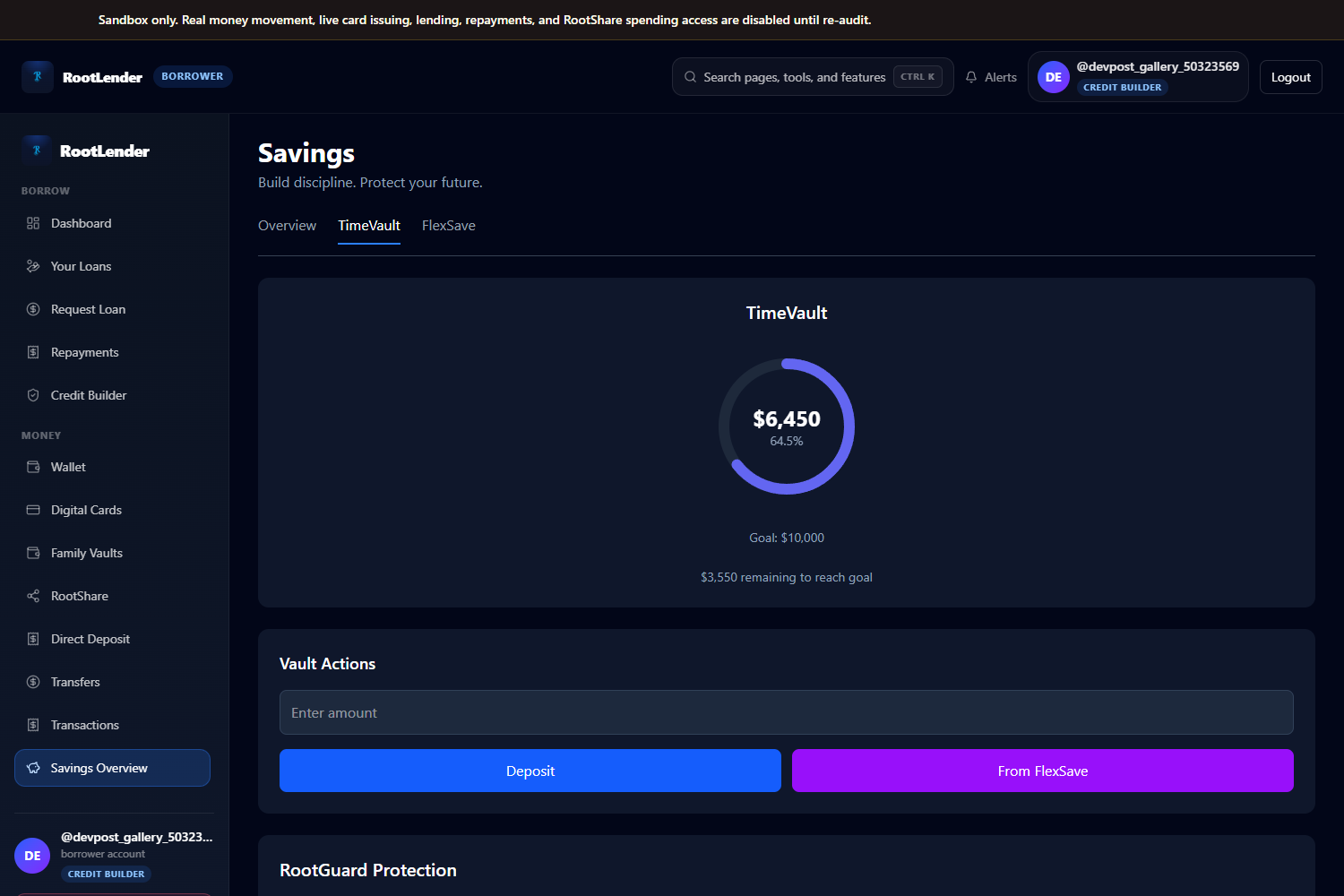
- Credit-building focused workflows
- Scalable cloud-ready architecture
RootLender is designed to evolve into a complete financial ecosystem that promotes responsible borrowing and lending.
How we built it
Frontend
- Next.js
- React
- TypeScript
- Tailwind CSS
Backend
- FastAPI
- Python
- REST APIs
- JWT Authentication
Database
- PostgreSQL
- SQLite
Infrastructure
- Docker
- AWS
- Cloudflare
- GitHub
Artificial Intelligence
During OpenAI Build Week, I used Codex and GPT-5.6 to accelerate development, improve implementation, generate production-quality code, iterate on application architecture, and refine the overall user experience.
AI was also integrated directly into RootLender to provide intelligent assistance for borrowers and lenders through financial guidance, contextual explanations, and lending insights.
Build Week additions
RootLender is an existing project that was meaningfully extended during OpenAI Build Week.
The work completed during the event focused on expanding AI capabilities, improving the application architecture, refining the user experience, and enhancing the overall platform using Codex and GPT-5.6 throughout development.
Challenges we ran into
Building financial software requires balancing usability, security, scalability, and transparency.
Some of the biggest challenges included:
- Designing intuitive lending workflows
- Creating AI features that assist without replacing human decision-making
- Maintaining a scalable architecture
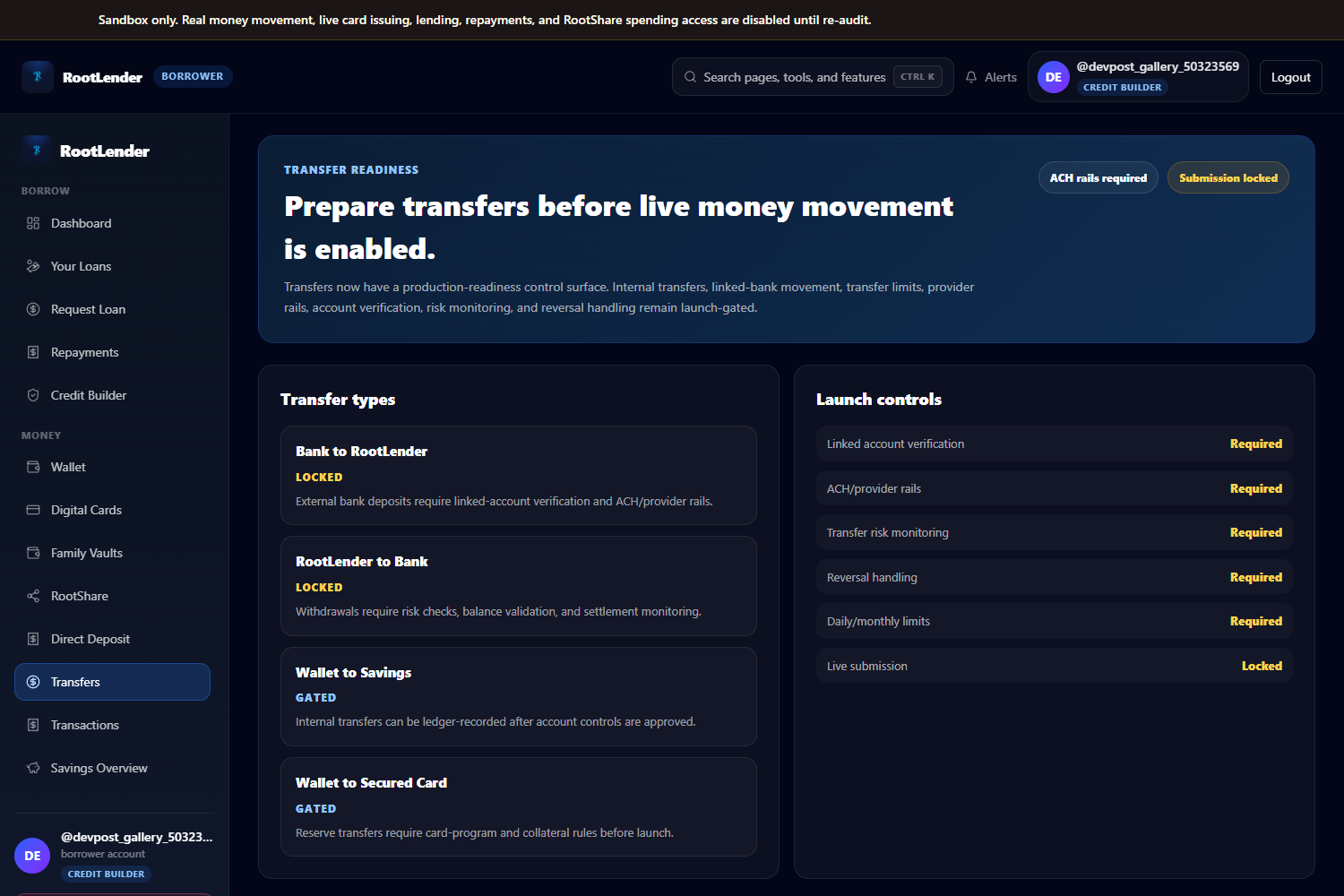
- Planning for future payment processing and financial integrations
Accomplishments
- Built a scalable full-stack platform
- Integrated AI into meaningful financial workflows
- Designed a modern cloud-native architecture
- Created a foundation for future credit-building services
What we learned
This project demonstrated how AI can improve financial software by helping users make better decisions rather than making decisions for them.
It also reinforced best practices for building secure APIs, scalable backend services, and production-ready web applications.
What's next
Future development includes:
- Live payment processing
- Enhanced AI financial coaching
- Advanced lender analytics
- Credit reporting integrations
- Fraud detection
- Mobile applications
- Expanded automation
- Additional financial wellness features
RootLender's long-term vision is to become an intelligent peer-to-peer lending platform that helps people build stronger financial futures through responsible borrowing and lending.
Challenges we ran into
Accomplishments that we're proud of
What we learned
What's next for RootLender
Built With
- amazon-web-services
- api
- cloudflare
- codex
- css
- docker
- fastapi
- git
- github
- gpt-5.6
- jwt
- next.js
- openai
- postgresql
- python
- react
- rest
- sqlite
- stripe
- tailwind
- typescript

Log in or sign up for Devpost to join the conversation.