-
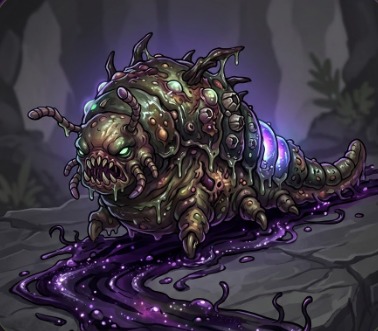
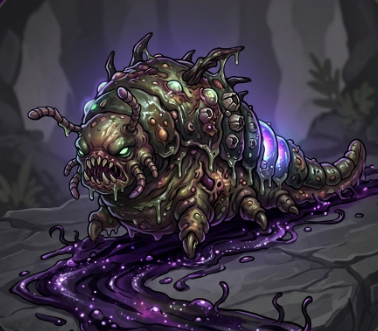
Rot Slug
-
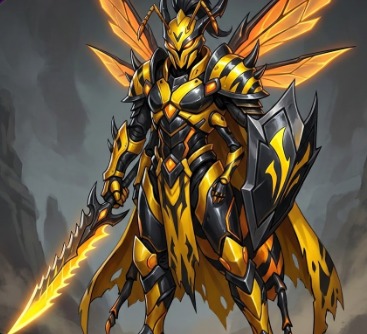
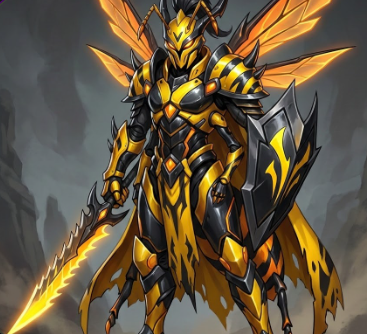
Wasp Knight
-
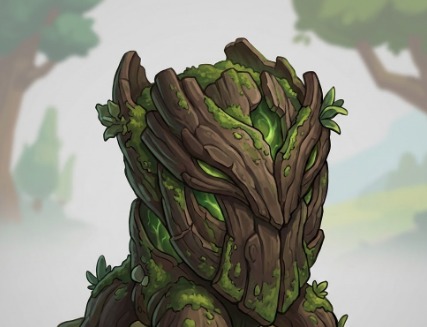
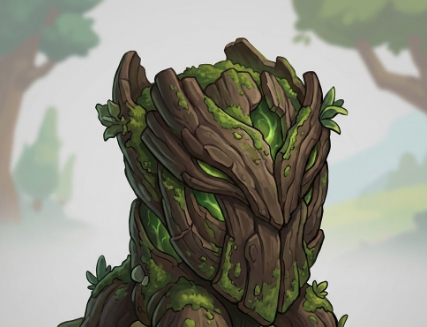
Barkguard
-
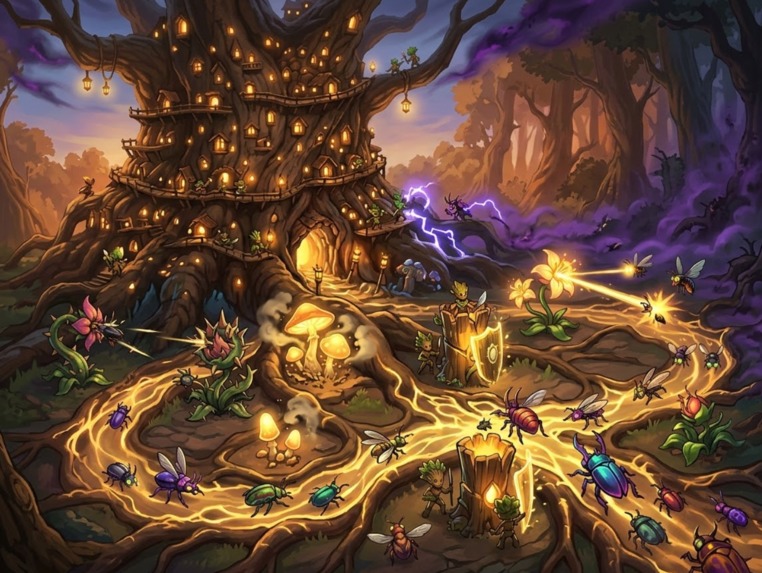
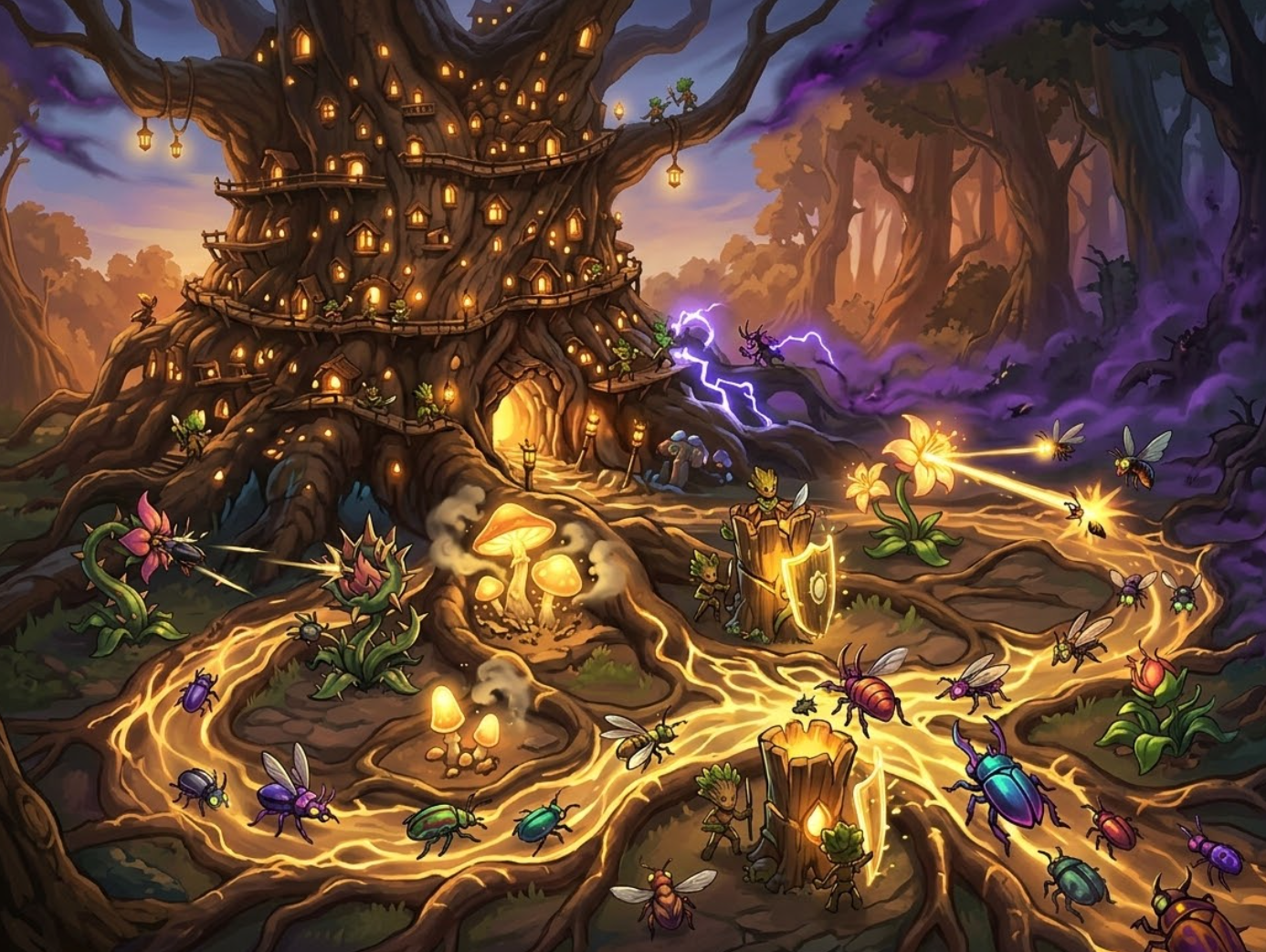
Heartwood Tree-City
About the Project
Rootbound Rampart is a portrait-mode mobile tower defense strategy game built around one central idea: grow the battlefield, not just the towers.
Instead of defending along a fixed enemy path, players grow living root paths from the Heartwood, a tree-city under attack from insect corruption. Every root segment becomes both the enemy route and a strategic structure where players can graft defensive plants. The player shapes the battlefield, places organic defenses, manages resources, survives waves, and restores the tree-city over time.
Inspiration
The inspiration came from wanting to rethink tower defense around player-created pathing. Most tower defense games ask players to place towers around a map that already exists. I wanted the map itself to become the player’s main strategic tool.
The visual idea came from the contrast between cozy restoration and tactical pressure: a warm, glowing tree-city protected by roots, flowers, spores, thorns, and bark defenses while corrupted insects push toward the Heartwood. That gave the project its core identity: a game that feels inviting, readable, and strategic, but still has real stakes.
What I Built
This submission is a complete pre-production package for a production-ready mobile game concept. It includes:
- A Game Design Document defining the concept, target player, core loop, combat systems, progression, retention, and future expansion.
- A Player Journey Map showing the first 15 minutes of gameplay, including the first meaningful choice, difficulty ramp, emotional beats, and return hook.
- A Visual Concept Package showing the game’s art direction, tower and enemy concepts, UI wireframes, color palette, shape language, biomes, and first-session storyboard.
- A Production Plan describing the MVP, build sequence, technical dependencies, hard parts, and testing approach.
Core Gameplay
The core loop is:
Preview infestation → Grow roots → Graft defenses → Survive wave → Harvest resources → Choose upgrade → Restore the Heartwood
Players manage three resources:
- Water for growing and repairing roots.
- Nutrients for grafting and upgrading towers.
- Sunlight for active abilities and special mutations.
The main strategic tension is deciding how much to invest in root pathing versus tower strength. A longer root path buys more time, but costs resources that could have been spent on defenses. A shorter path saves water, but gives enemies a faster route to the Heartwood.
What I Learned
The biggest design lesson was that a strong hook only works if every artifact supports it. Once the hook became “the player grows the battlefield,” every other system had to reinforce that idea: the UI, enemy design, resource economy, progression, visual language, and MVP scope.
I also learned the importance of keeping the MVP small. Rootbound Rampart could become a large game with many biomes, enemy families, social systems, and daily events, but the production plan focuses on the smallest version that proves the core loop:
- One biome.
- Five waves.
- Three tower types.
- Three enemy types.
- One boss.
- Root path editing.
- One upgrade screen.
That smaller scope makes the concept easier to test and easier to build.
Challenges
The hardest challenge was balancing ambition with production readiness. The concept has a lot of expansion potential, but the submission needed to feel buildable, not just imaginative.
The main design risks are:
- Making editable root paths readable on a mobile screen.
- Preventing invalid or exploitative paths.
- Balancing root growth against tower placement.
- Keeping the portrait UI clear during combat.
- Making the player understand, without over-explaining, that the root path is both the enemy path and the strategic canvas.
The solution was to keep the first playable milestone extremely focused: the player sees the Heartwood, drags a root path, starts a wave, and watches enemies follow the path they created. If the player understands “I grew the path, and the enemies followed it,” the core idea is working.
Why It Matters
Rootbound Rampart is designed to feel familiar enough to understand quickly, but original enough to stand apart from a standard tower defense game. The player is not just reacting to a map. They are shaping it.
The goal is a mobile strategy game where every victory feels authored by the player’s layout decisions, and every return session promises a new way to grow, defend, and restore the living world.
Built With
- typscript


Log in or sign up for Devpost to join the conversation.