
Inspiration
Interior design is full of inspiration, but the process of turning that inspiration into a real room is still surprisingly fragmented.
People save rooms they love on Pinterest, browse furniture across dozens of websites, and use visualization tools to see individual products in a space. But there isn't an easy place to explore endless possibilities, design an entire room, and visualize it using real furniture and décor that you can actually buy.
That is the problem we wanted to solve with Roomsy.
We were inspired by the best parts of existing experiences: Pinterest for inspiration, IKEA Place for visualization, and The Sims for creative freedom. But each solves only one part of the journey. Roomsy brings these ideas together and adds something we felt was missing: the ability to freely create with real, shoppable furniture and décor — including furniture you find anywhere online or already own.
We wanted to make interior design feel less like a shopping task and more like a creative playground — a place where you can experiment with different styles, discover products, and see what your ideas could actually look like before buying anything.
What it does
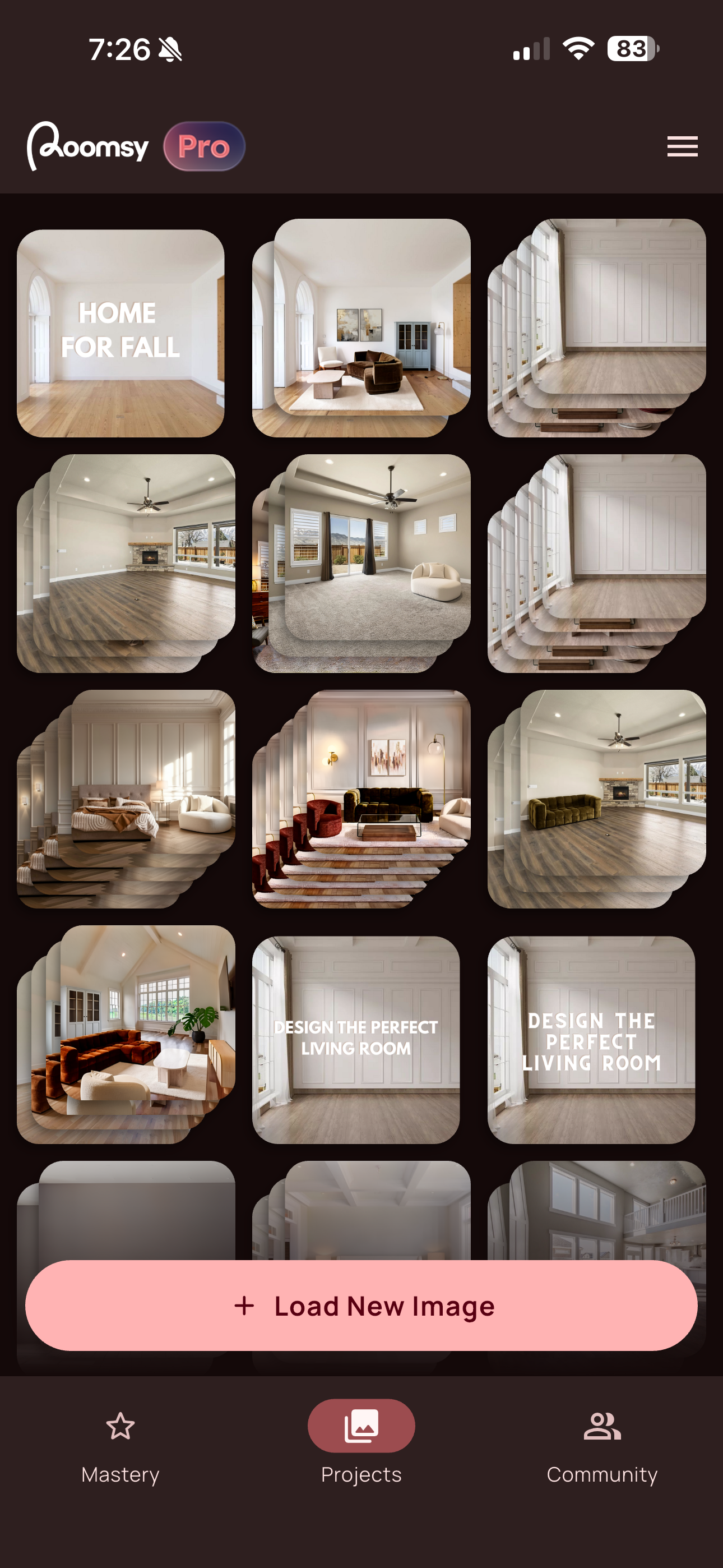
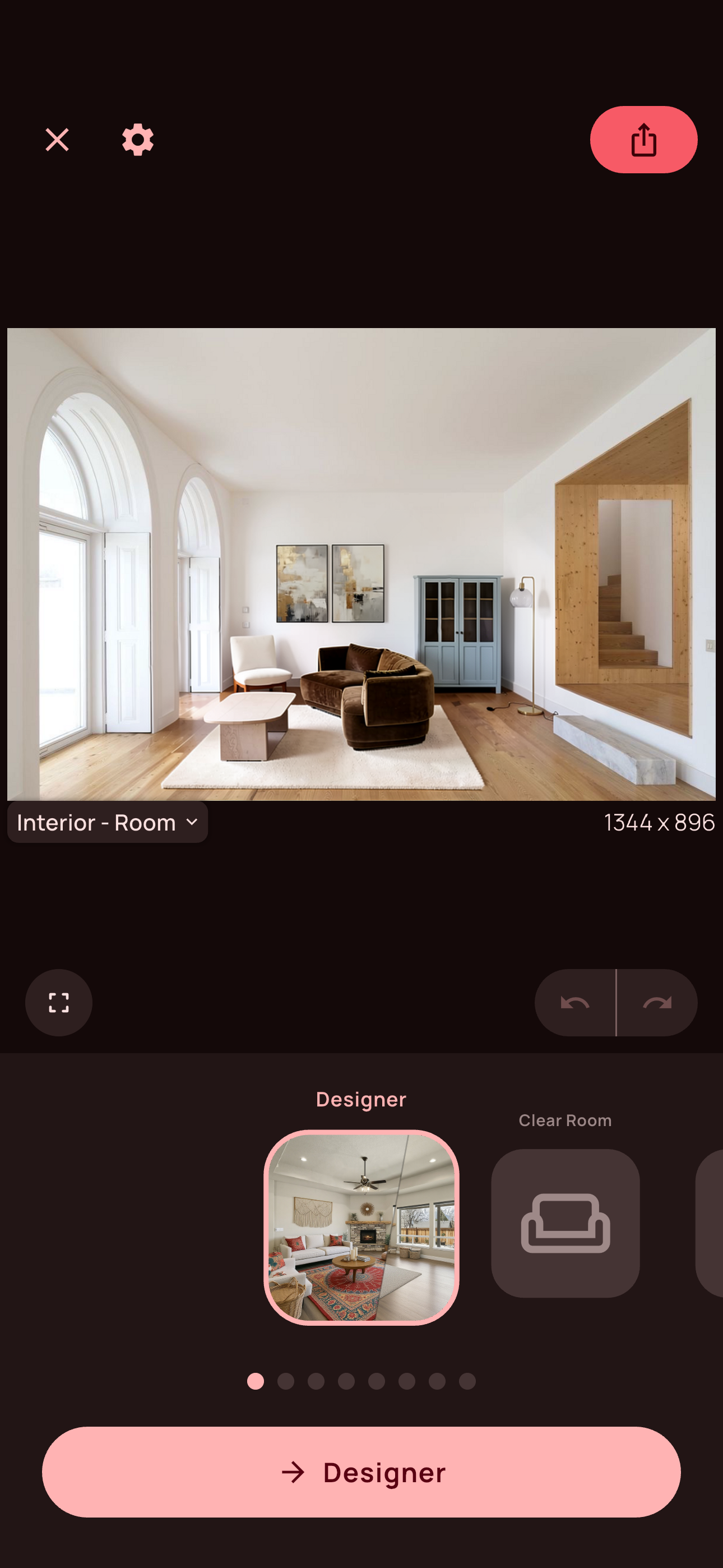
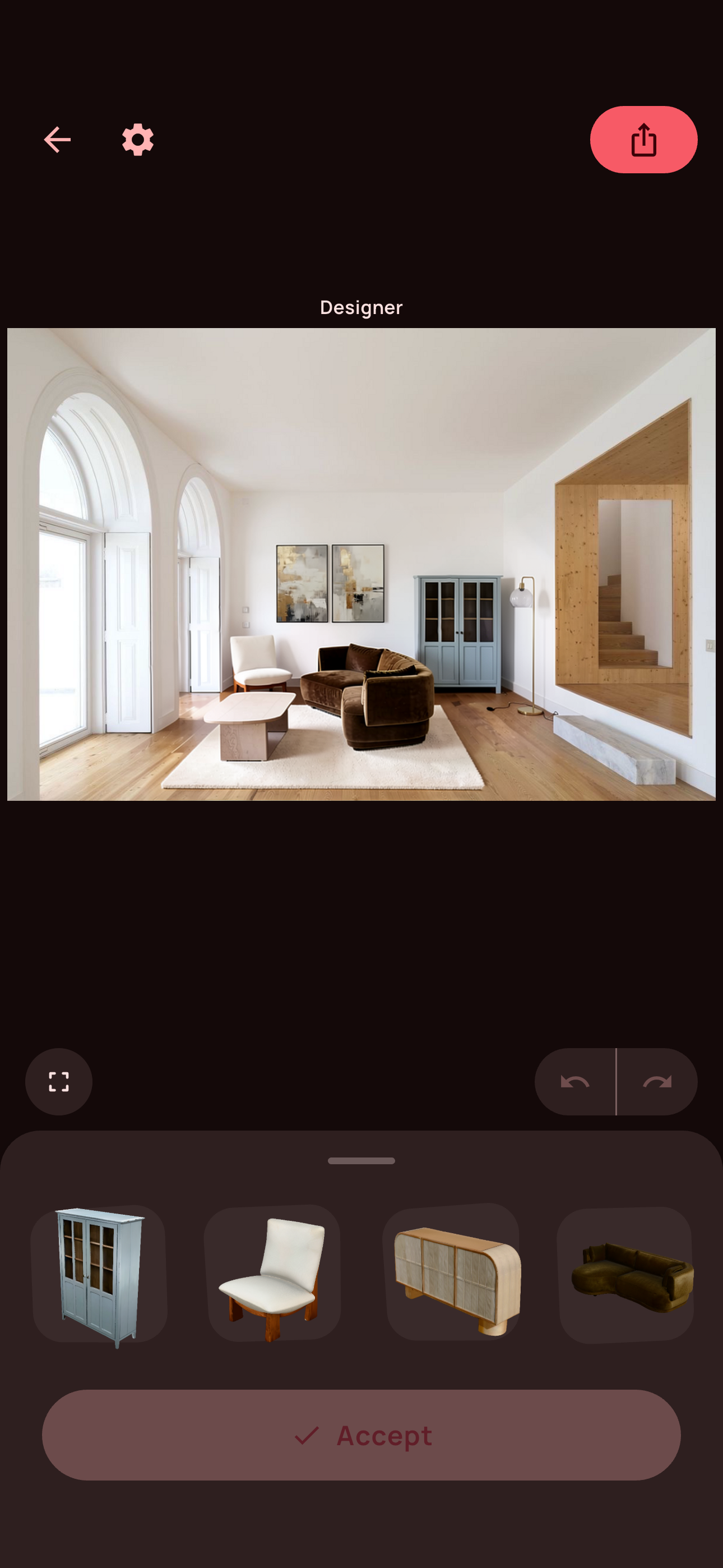
Roomsy is a creative platform where anyone can design and visualize rooms using real furniture and décor.
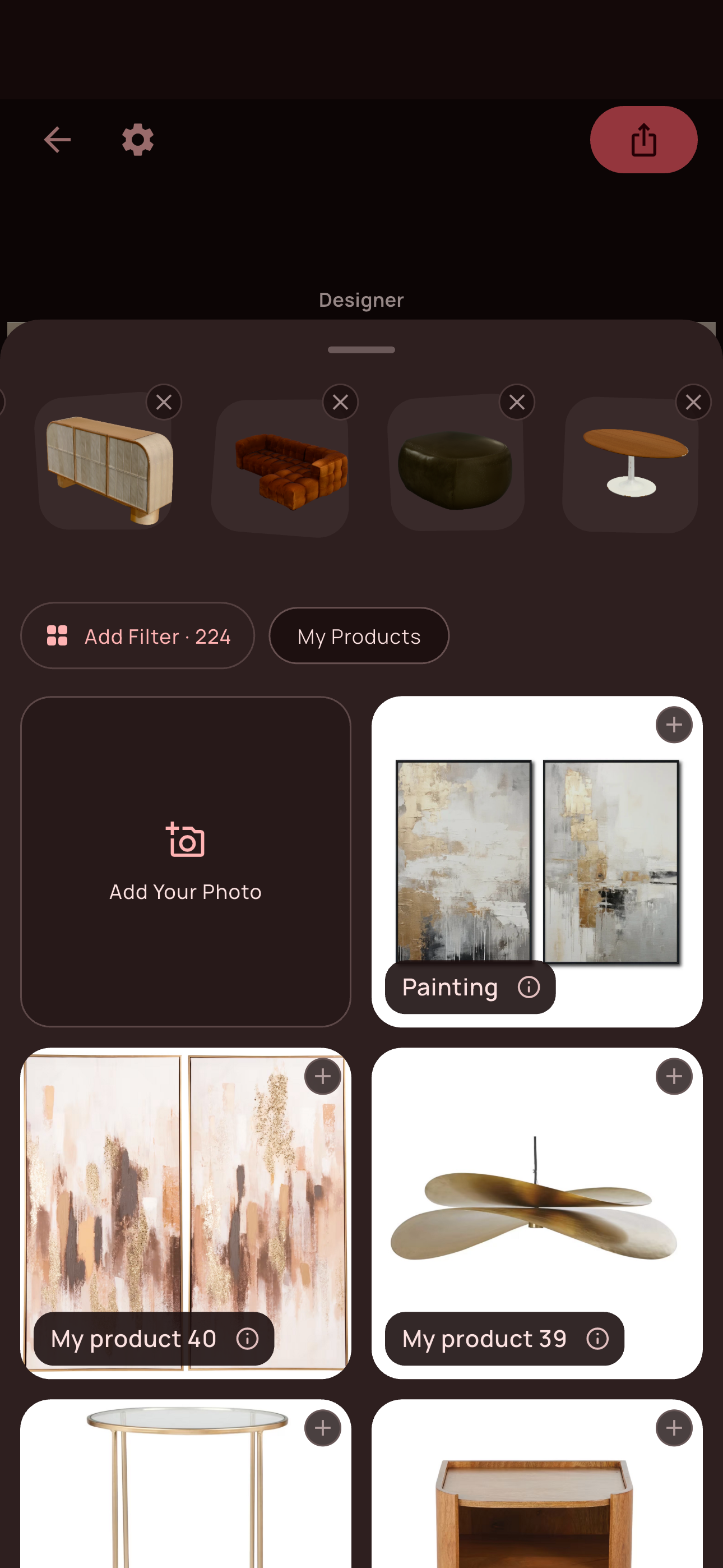
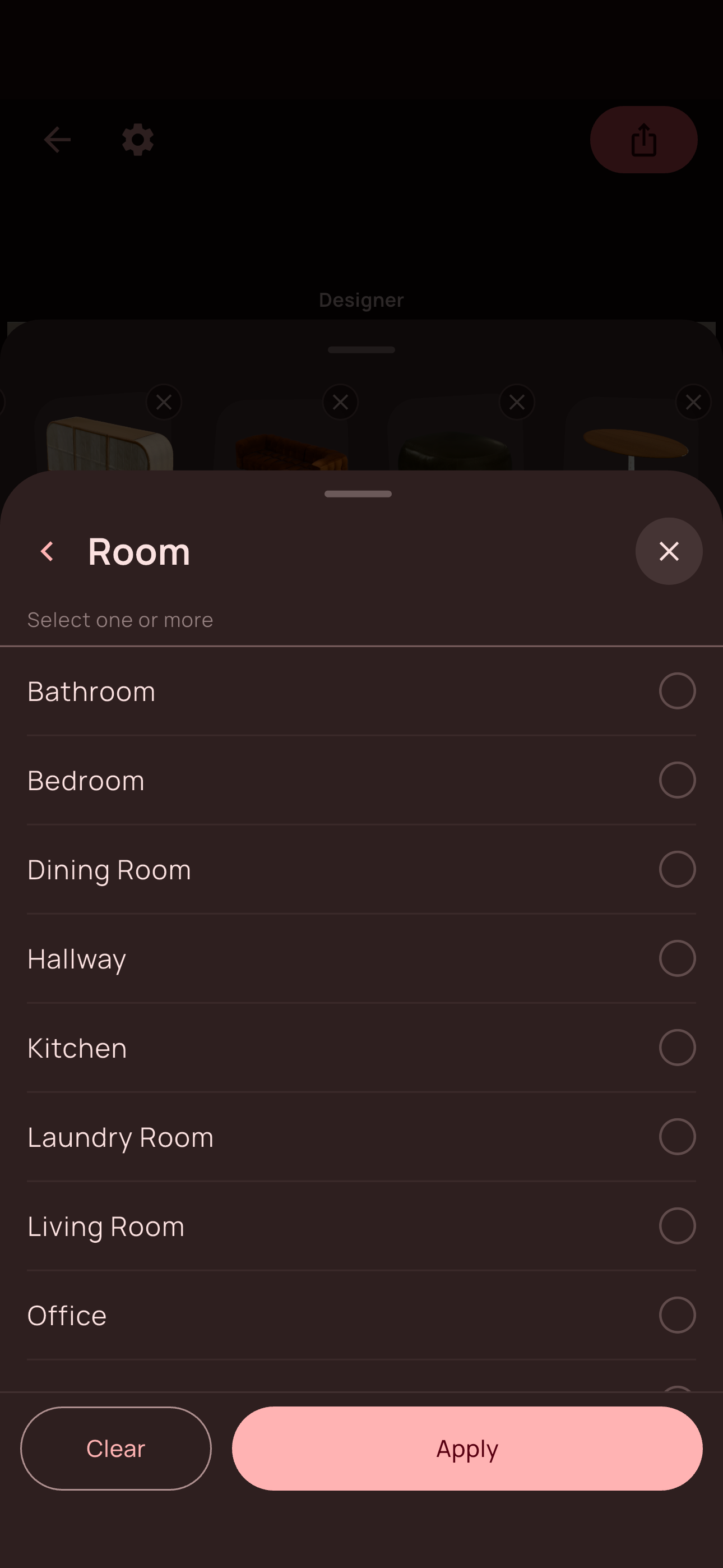
Users can explore a catalog of real, shoppable products by room, style, brand, area, and product type, then mix and match pieces to create their own spaces.
But users aren't limited to the furniture in our catalog. They can also import photos of their own furniture or images of furniture from any online store, giving them the freedom to use virtually any piece they want in their designs.
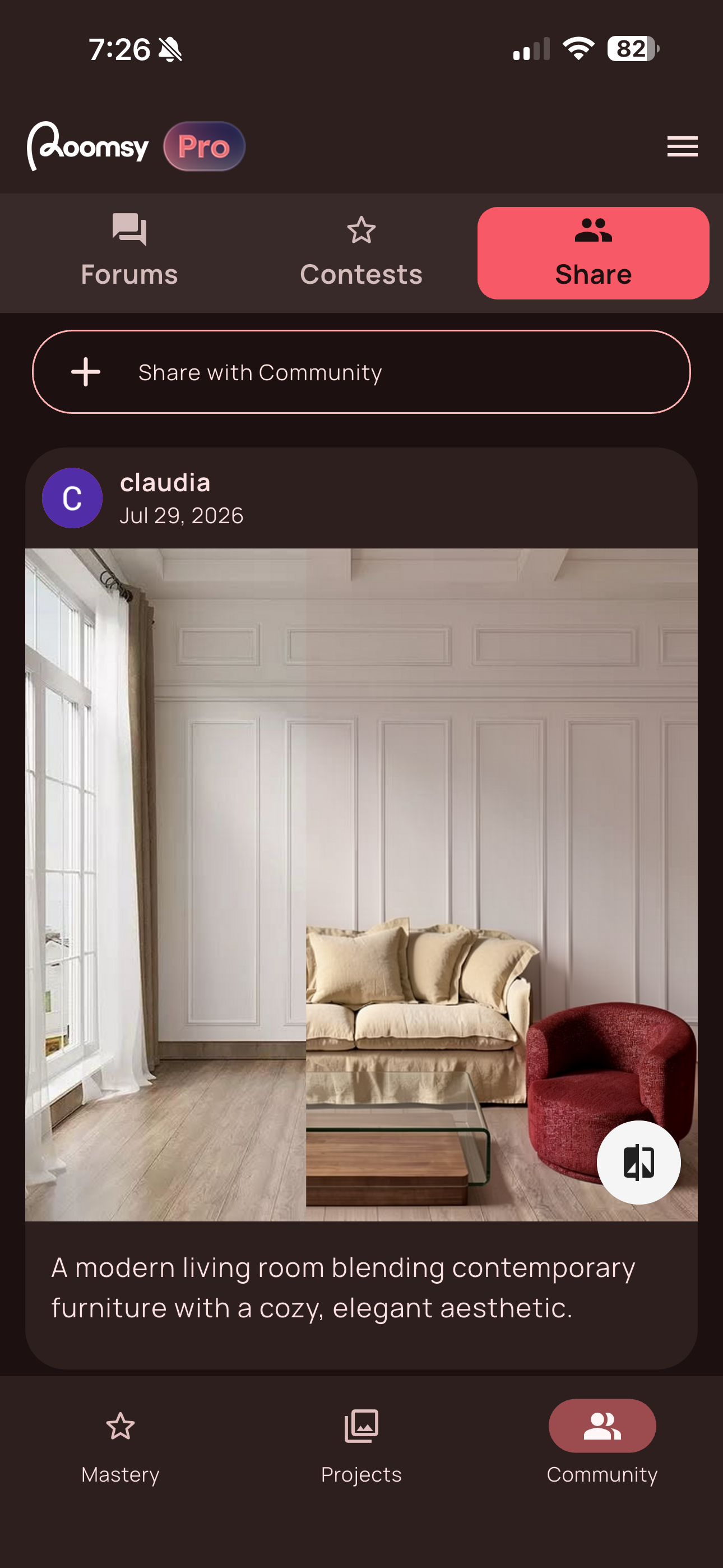
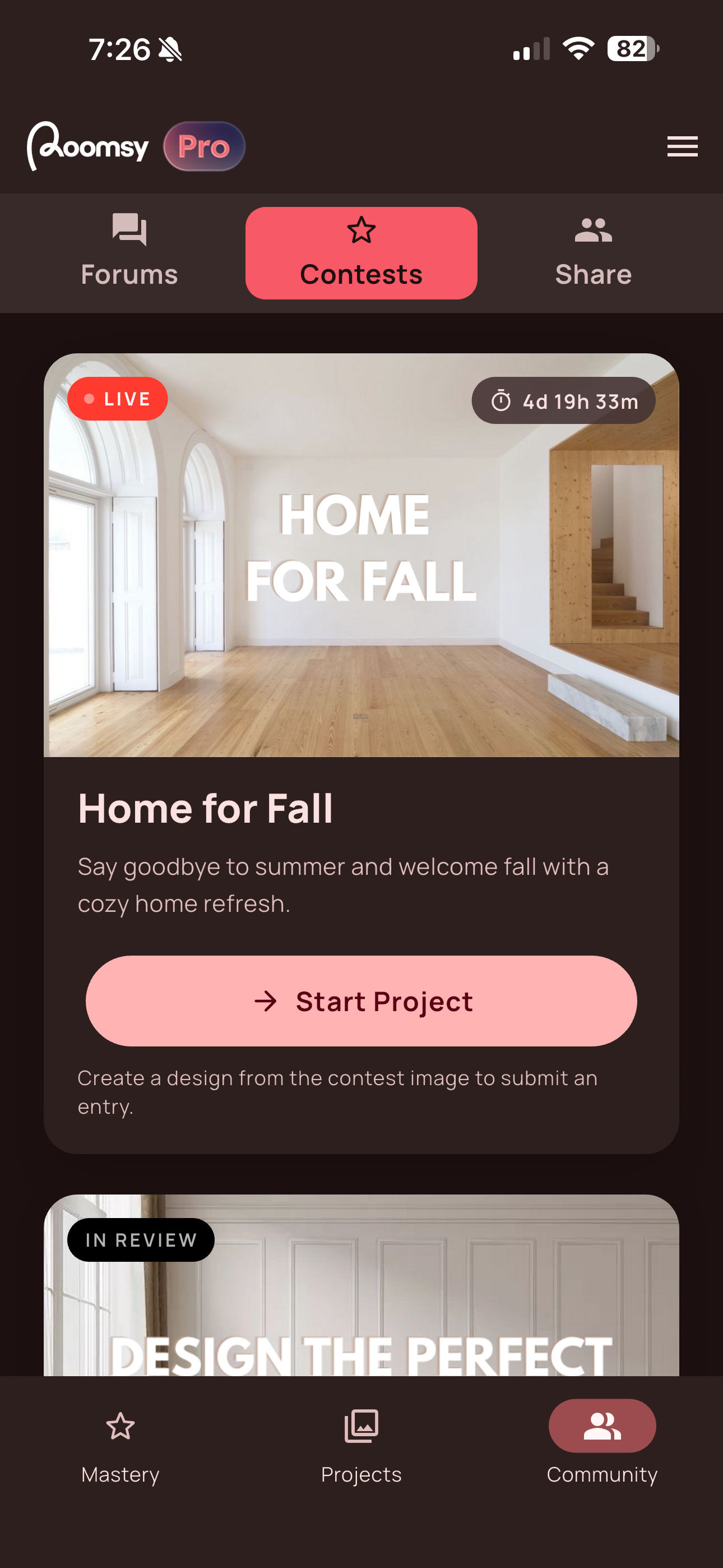
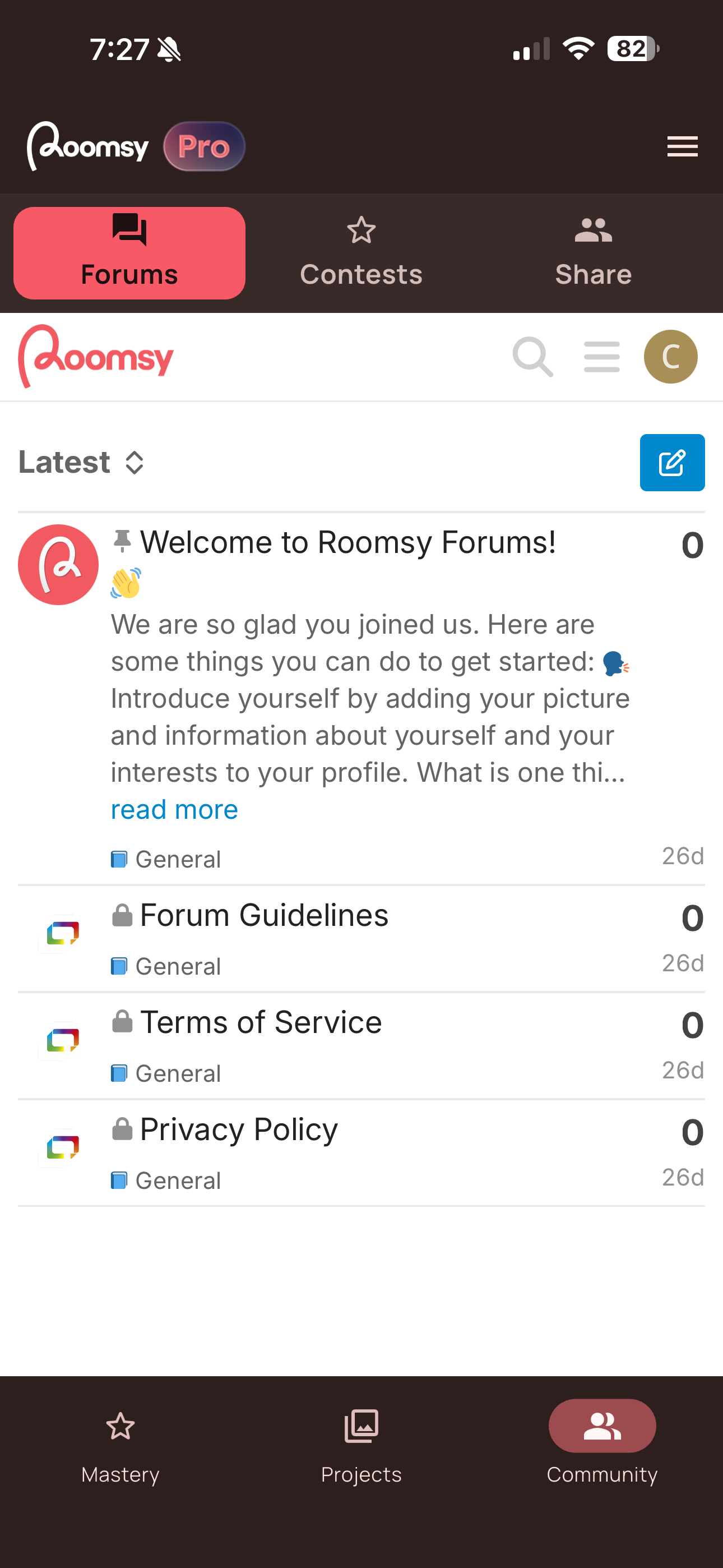
AI-powered visualization helps users see how their ideas could come together, while the community experience lets them share designs, vote on rooms, participate in challenges, and discover inspiration from other creators.
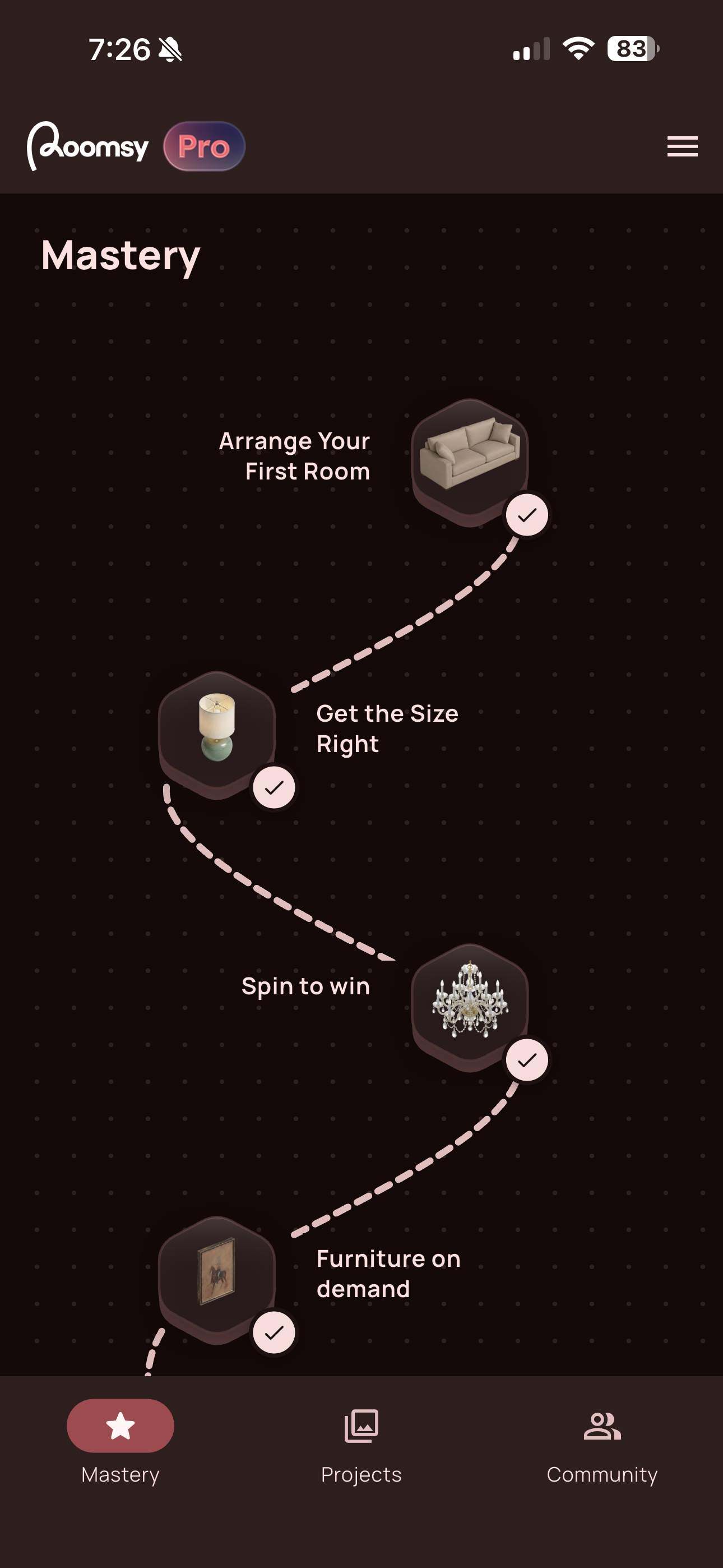
Users can start by exploring sample rooms for free, or use their own spaces with Pro to visualize real design projects.
The core idea is simple: don't just browse furniture — create with it.
How we built it
We built Roomsy as a mobile-first experience combining three core components: real furniture discovery, room visualization, and creative community features.
The product is designed around the way people naturally approach interior design. Instead of starting with a product search, users can explore a room, discover furniture they like, experiment with different combinations, and build a complete vision.
We designed the furniture experience to feel more like a digital designer's mood board than a traditional shopping catalog. Products become creative building blocks that users can combine to develop their own style.
We also built the experience to be flexible beyond our own catalog. Users can bring in their own furniture photos or furniture images from any online retailer, making the creative possibilities much broader than a fixed product library.
We integrated RevenueCat to manage Roomsy's Pro subscription and in-app purchase infrastructure, allowing us to build monetization directly into the product from launch.
Challenges we ran into
Our biggest challenge was bringing inspiration, shopping, visualization, and creativity together without making the experience feel complicated.
Having real products introduces another layer of complexity: there are potentially thousands of furniture and décor combinations, and we wanted users to have as much creative freedom as possible without overwhelming them.
We also wanted to avoid limiting creativity to products in a predefined catalog. Supporting furniture imported from users' own collections and from anywhere online meant designing the experience around flexibility rather than a closed product library.
We had to rethink the traditional furniture-shopping experience. Instead of designing Roomsy around "find a product and buy it," we designed it around "explore an idea and create something."
As a new consumer product, we also had to learn quickly from real users and continuously refine the experience, onboarding, and positioning based on how people actually interact with Roomsy.
Accomplishments that we're proud of
We're proud to have taken Roomsy from an idea to a fully launched consumer platform that brings together real furniture, visualization, and creative design in one experience.
We're especially proud of creating an experience where real furniture isn't just something you browse or purchase — it's something you can create with.
We're also proud that users aren't restricted to a single furniture catalog. They can bring virtually any piece into their creative process, whether it's something they already own or something they've discovered from an online store.
We believe Roomsy offers a different way of thinking about furniture discovery: instead of starting with what is available to buy, users can start with what they want to create and then discover the real products that can bring that vision to life.
What we learned
We learned that giving users creative freedom doesn't mean giving them endless complexity. The challenge is building an experience where powerful capabilities feel simple and intuitive.
We also learned that the product's positioning is just as important as its technology. Roomsy could be described as an interior design app, a furniture discovery platform, or a visualization tool, but none of those descriptions fully capture the experience.
What makes Roomsy different is the combination of creative freedom, real products, and visualization — allowing people to move from inspiration to creation to a real-world purchase, while still giving them the freedom to use furniture from anywhere.
What's next for Roomsy
We're focused on expanding the real furniture and décor catalog, making product discovery even more personalized, and giving users more creative ways to design their spaces.
We're also continuing to develop the community experience through challenges, voting, sharing, and new ways for people to discover what others are creating.
Longer term, we see an opportunity to connect the creative side of Roomsy more directly with furniture brands and retailers, giving them a new way to showcase real products in the context of complete, inspiring rooms.
Our goal is to make Roomsy the place where people discover furniture, experiment with ideas, design the rooms they dream about, and find the real products to bring those ideas to life — whether they come from Roomsy, their own home, or anywhere online.
Built With
- ai
- flutter
- revenuecat

Log in or sign up for Devpost to join the conversation.