-
-
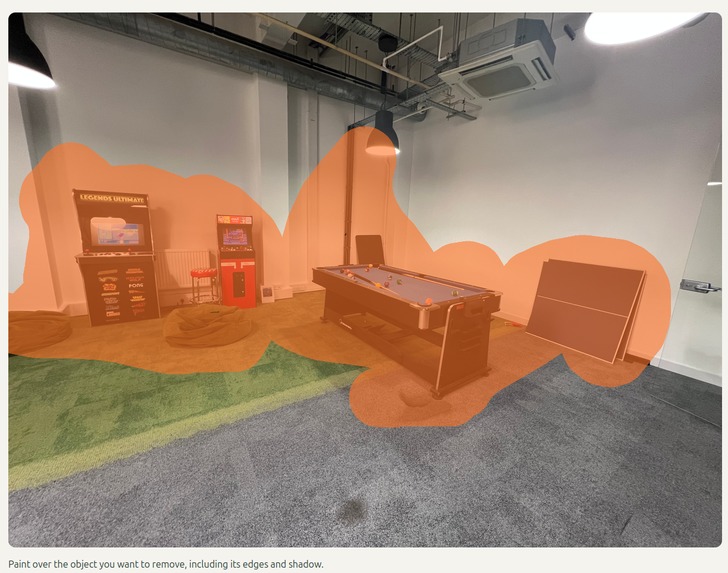
step1
-
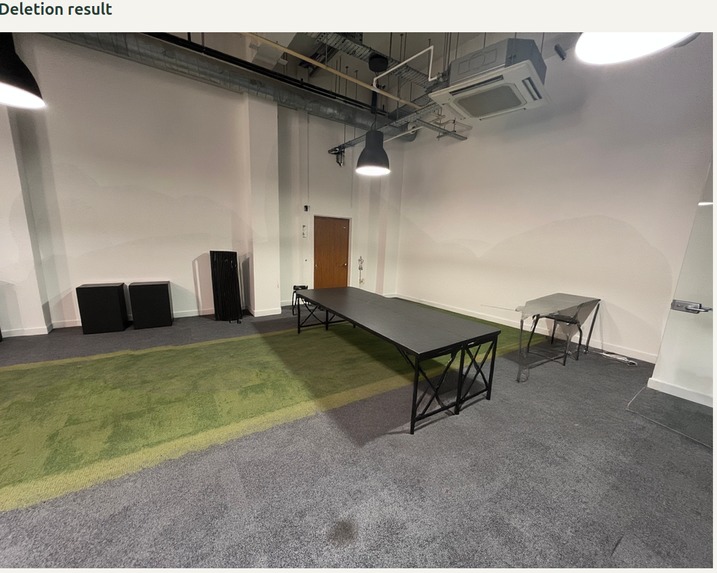
step2
-
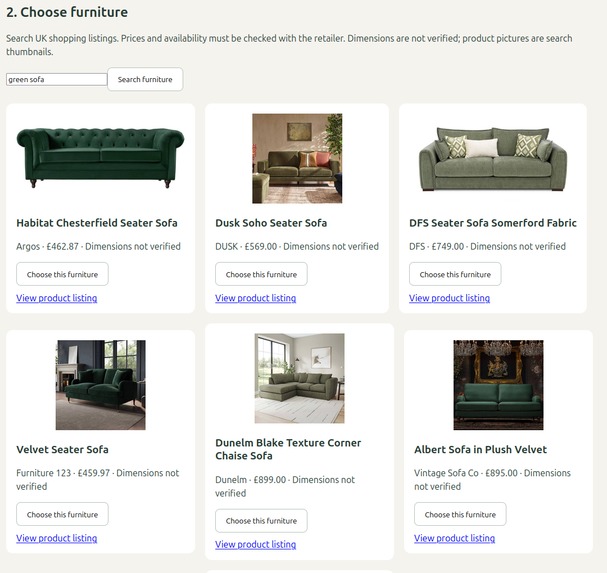
step3
-
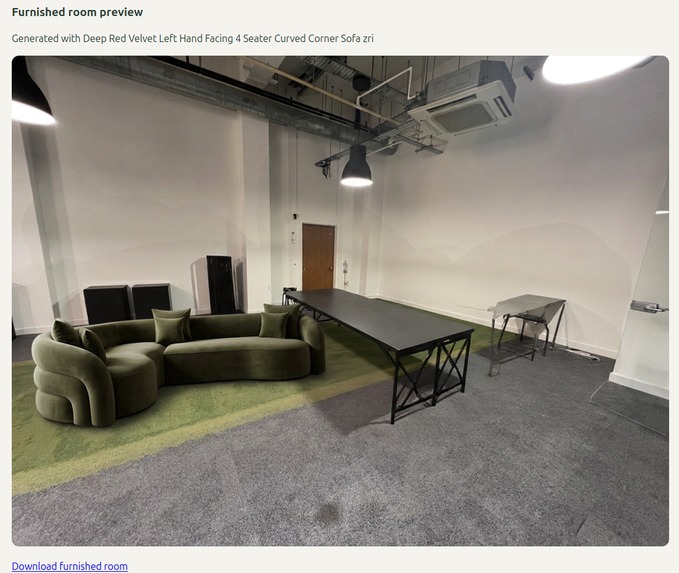
step4
-
step5
Inspiration
Buying furniture online is easy, but imagining how it will actually look in your own room is much harder. We wanted to bridge the gap between online furniture shopping and interior visualisation by letting users redesign their real space before making a purchase.
The idea behind RoomShift AI is simple: start with a photo of your current room, remove what you no longer want, find real furniture online, and use AI to visualise what the room could become.
What it does
RoomShift AI turns a room photo into an interactive AI-powered redesign experience.
Users can:
- Upload a photo of their own room.
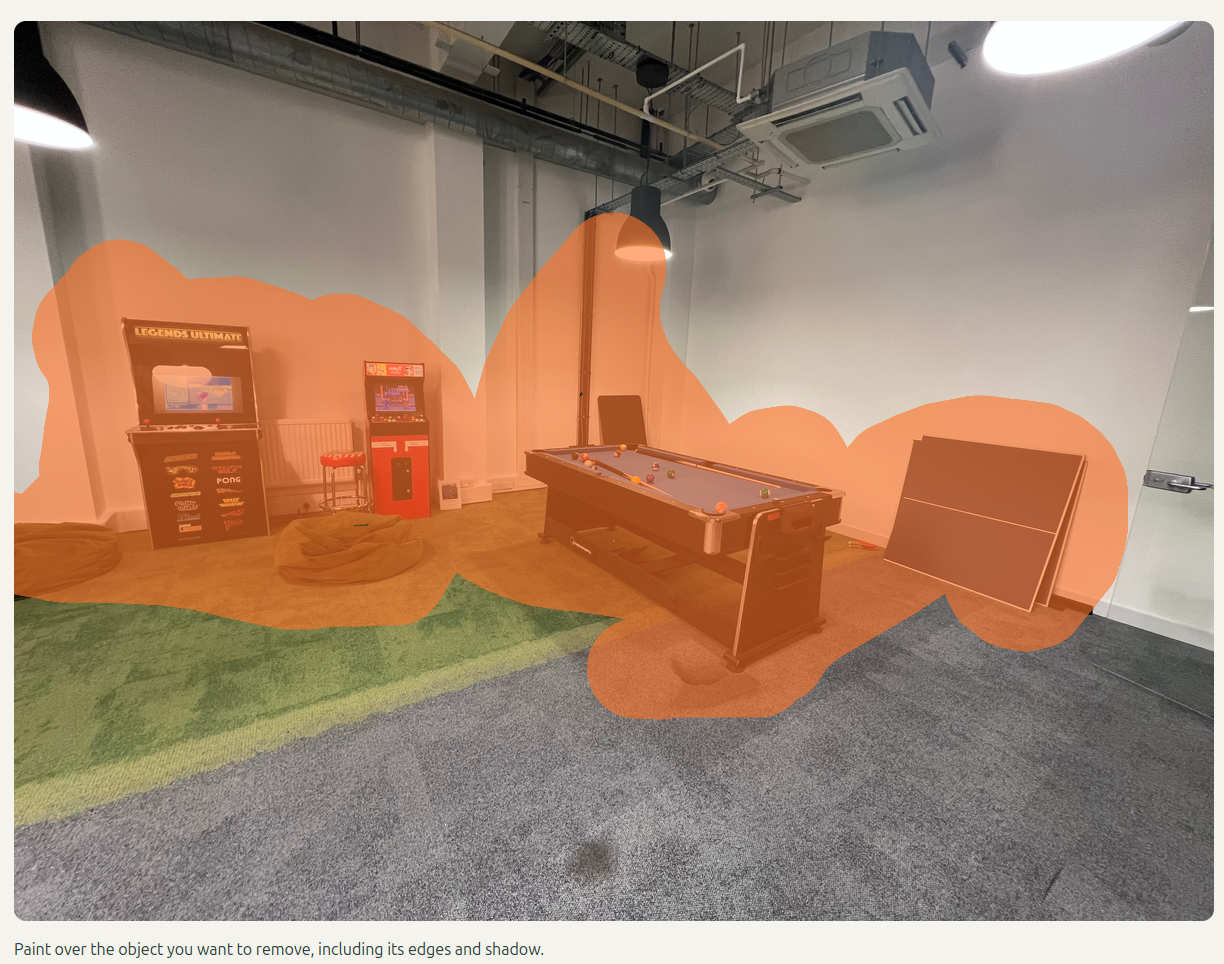
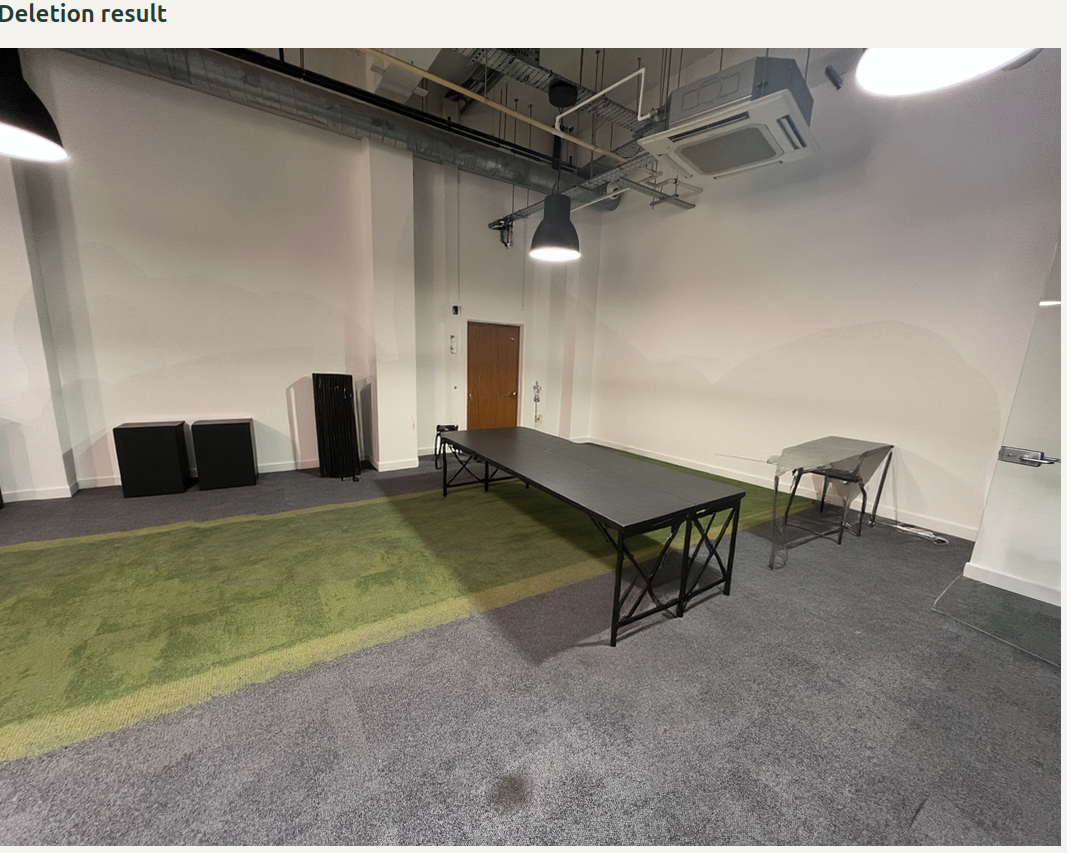
- Select and remove unwanted furniture.
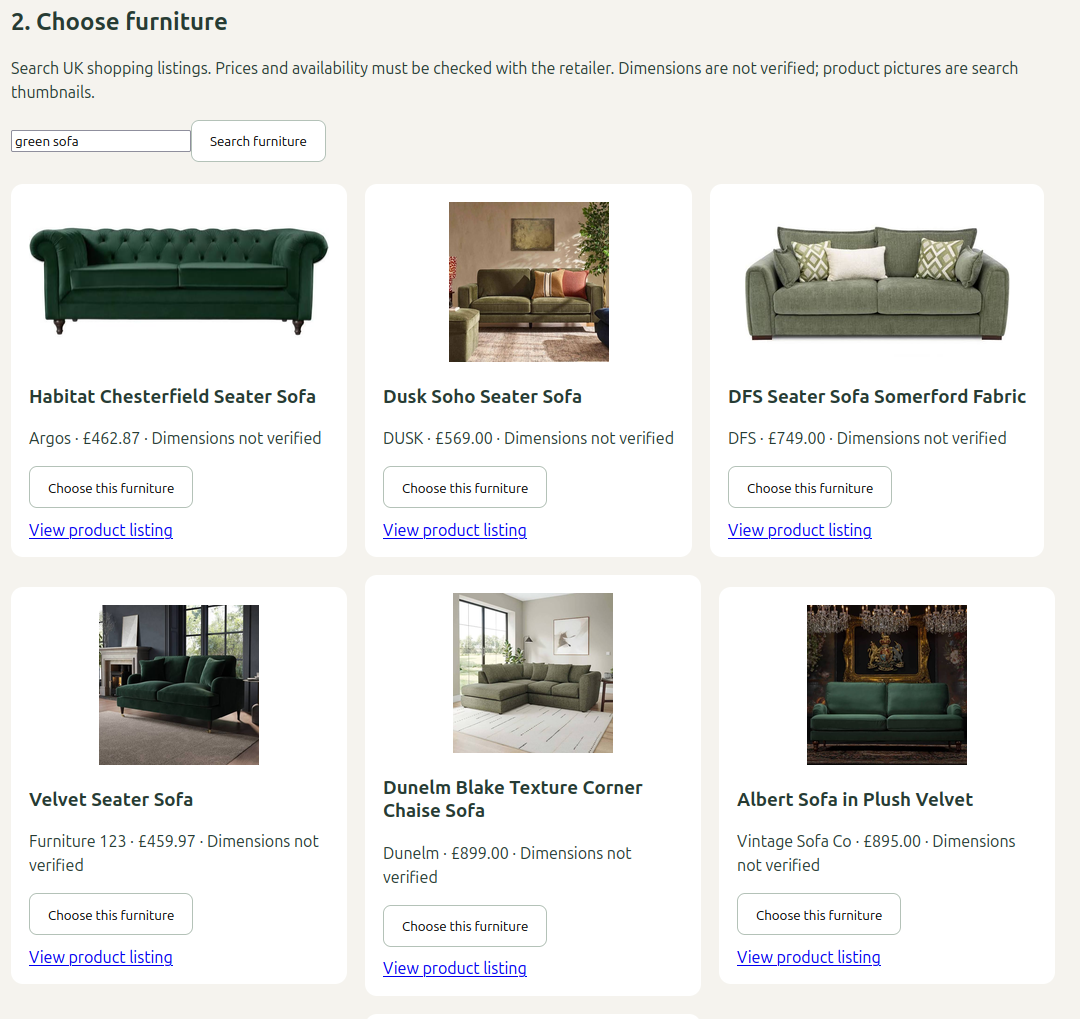
- Search for real furniture products from online shopping results.
- Select a product and describe where they want it placed.
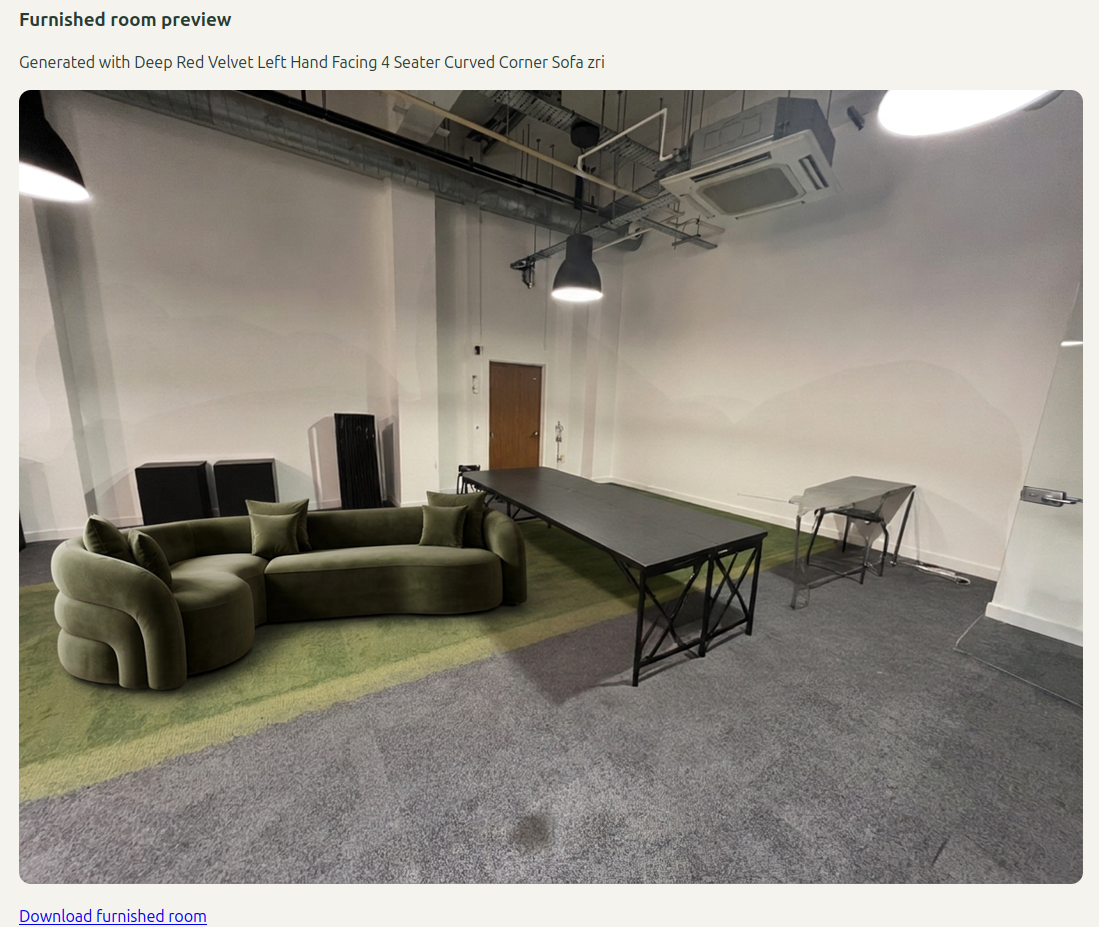
- Generate an AI preview showing that product inside their room.
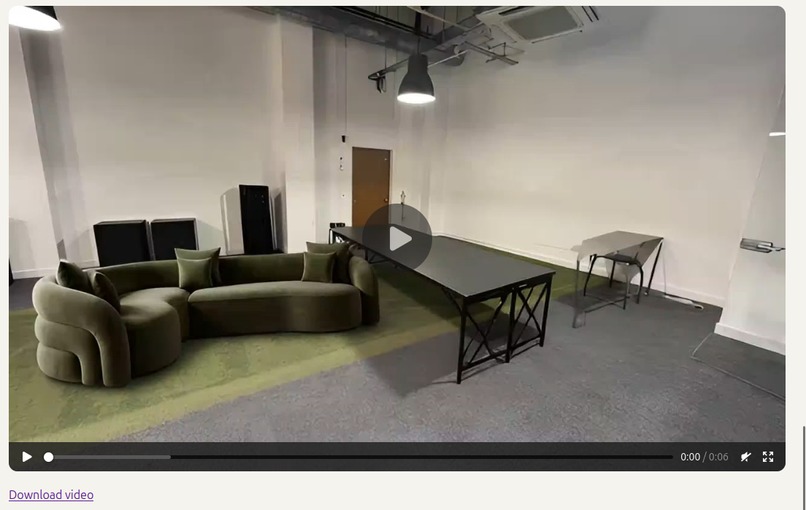
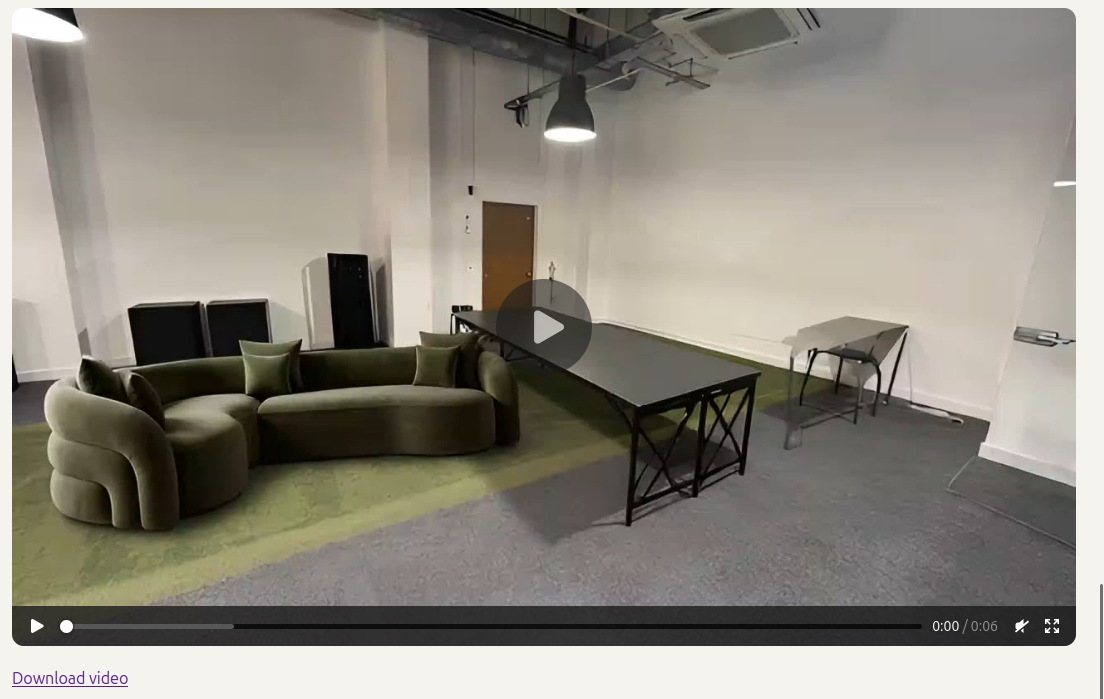
- Turn the redesigned room into a short AI-generated video.
This creates an end-to-end journey from "this is my room now" → "this is what I could buy" → "this is what my room could look like."
How we built it
We built RoomShift AI as a browser-based application with a Python backend and an HTML/JavaScript frontend.
The system connects several AI and search components into one workflow:
- Runware is used for selected-object removal and room clearing.
- Google's image model through Runware generates the redesigned room using both the original room and selected furniture as visual references.
- SerpApi Google Shopping provides real furniture search results.
- Reactor Helios converts the final redesigned room into a short generated video.
Rather than building each feature as an isolated demo, we connected them into a single user workflow where outputs from one stage become inputs to the next.
Challenges we ran into
One of the biggest challenges was preserving the original room while making targeted changes. Generative image models can unintentionally modify walls, lighting, windows, flooring, or other furniture when the goal is to change only one object.
Furniture placement was another challenge. A product image from a shopping result does not contain complete information about its real-world scale, orientation, or how it should interact with the geometry of the room.
We also had to integrate multiple external services with different APIs, image formats, response structures, generation times, and failure modes while keeping the experience simple for the user.
Accomplishments that we're proud of
We're particularly proud that RoomShift AI became an end-to-end working prototype rather than just an image-generation demo.
A user can start with their own room photograph, remove existing furniture, discover a real product, place it into their room using natural-language instructions, and finally generate a video of the redesigned space.
We also built the application so users can upload their own images rather than being restricted to a predefined demonstration room.
What we learned
We learned that building a useful generative AI product is not just about choosing a powerful model. A large part of the challenge is connecting models, external data, user interaction, and generation steps into a reliable workflow.
We also saw the limitations of current image generation when precise spatial relationships, product identity, scale, and preservation of the original environment all matter simultaneously.
Most importantly, we learned how multiple AI capabilities can be orchestrated to turn a simple user request into a complete interactive experience.
What's next for RoomShift AI
The next step is to make RoomShift AI more spatially aware.
We would like to add room and furniture dimensions so generated designs reflect whether a product can actually fit in the available space. We also want to improve product-appearance preservation, support more furniture categories, and allow users to compare several alternative designs.
Ultimately, RoomShift AI could evolve from an AI visualisation prototype into a bridge between furniture discovery, spatial planning, and online shopping.
Built With
- css
- google-shopping
- helios
- html
- javascript
- python
- reactor
- rest
- runware
- serpapi

Log in or sign up for Devpost to join the conversation.