Inspiration
I love a good whodunit, and I wanted to see what it would feel like if the suspects were standing in my own living room. AI characters seemed like the obvious way to make them talk, but they still need a fixed script to maintain a good mystery with motivations, so the best way to do that was by mapping new environments to templates.
What it does
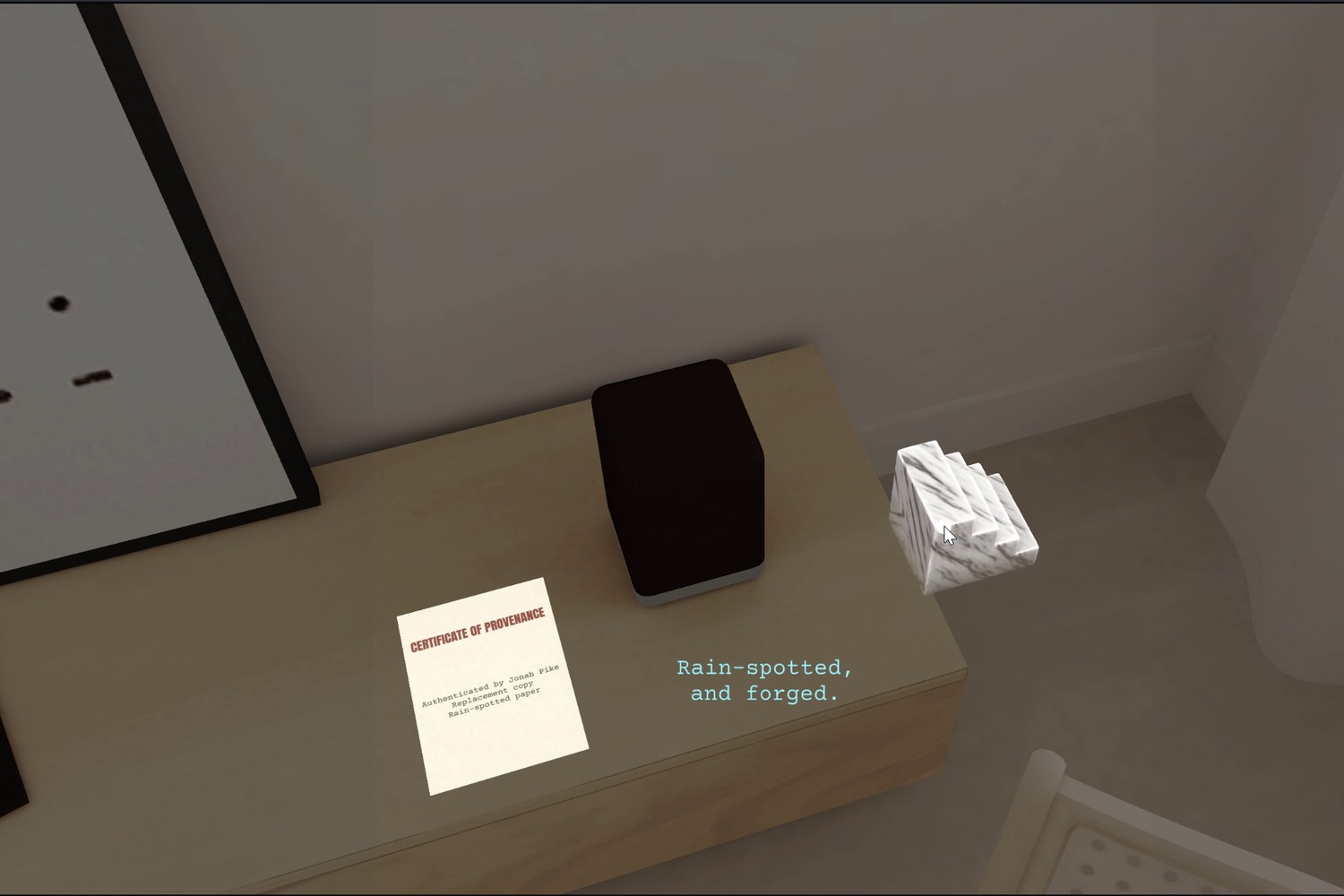
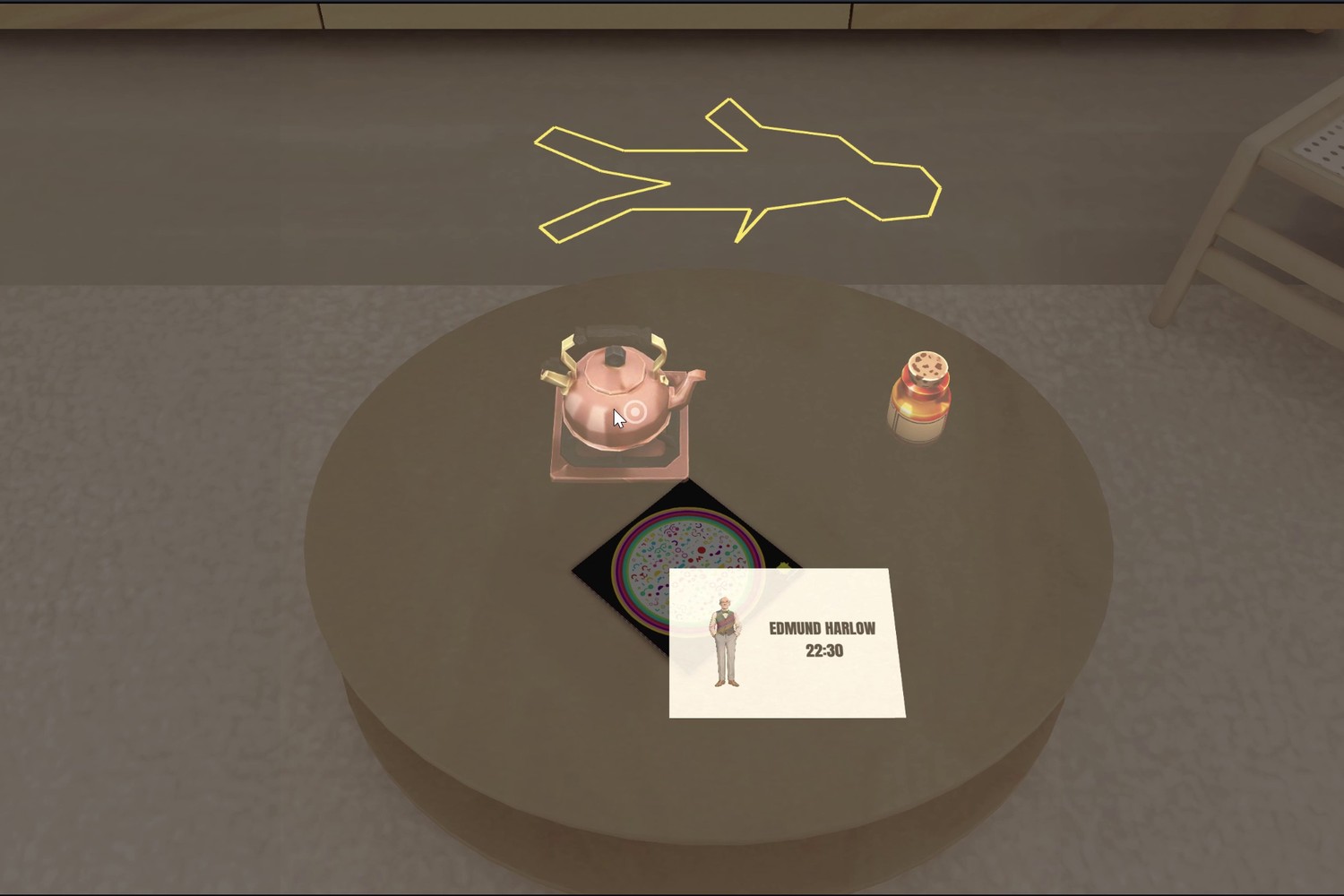
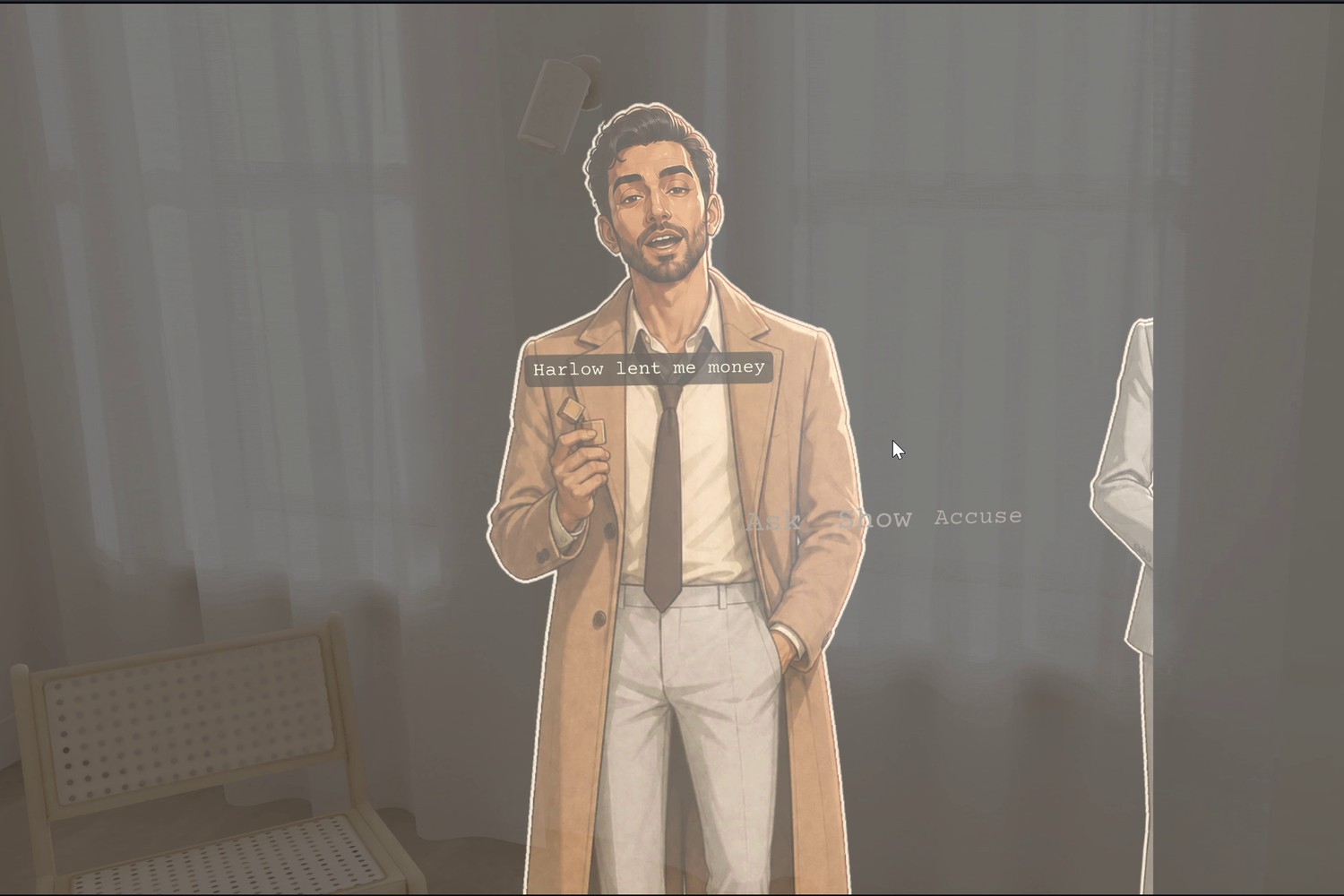
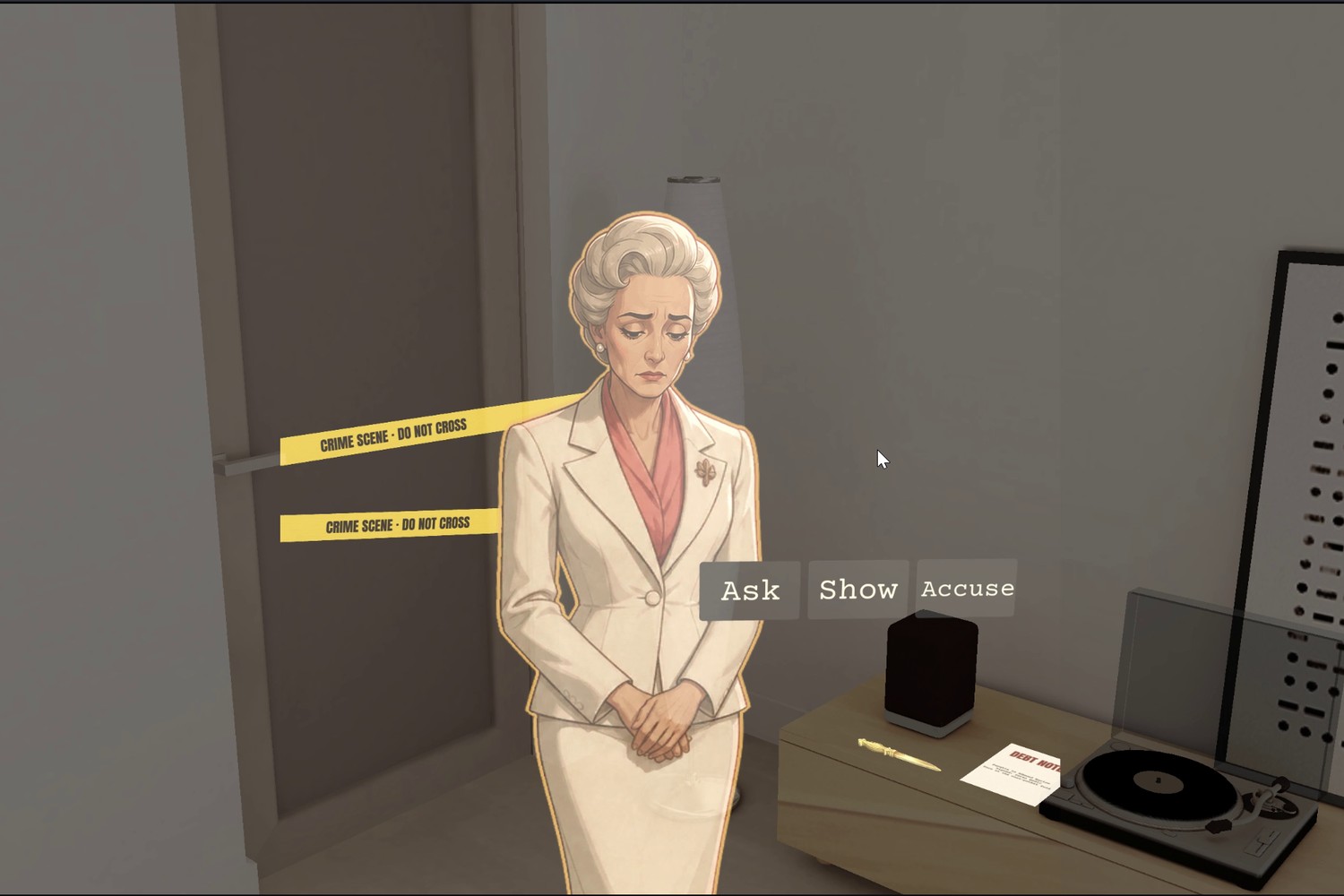
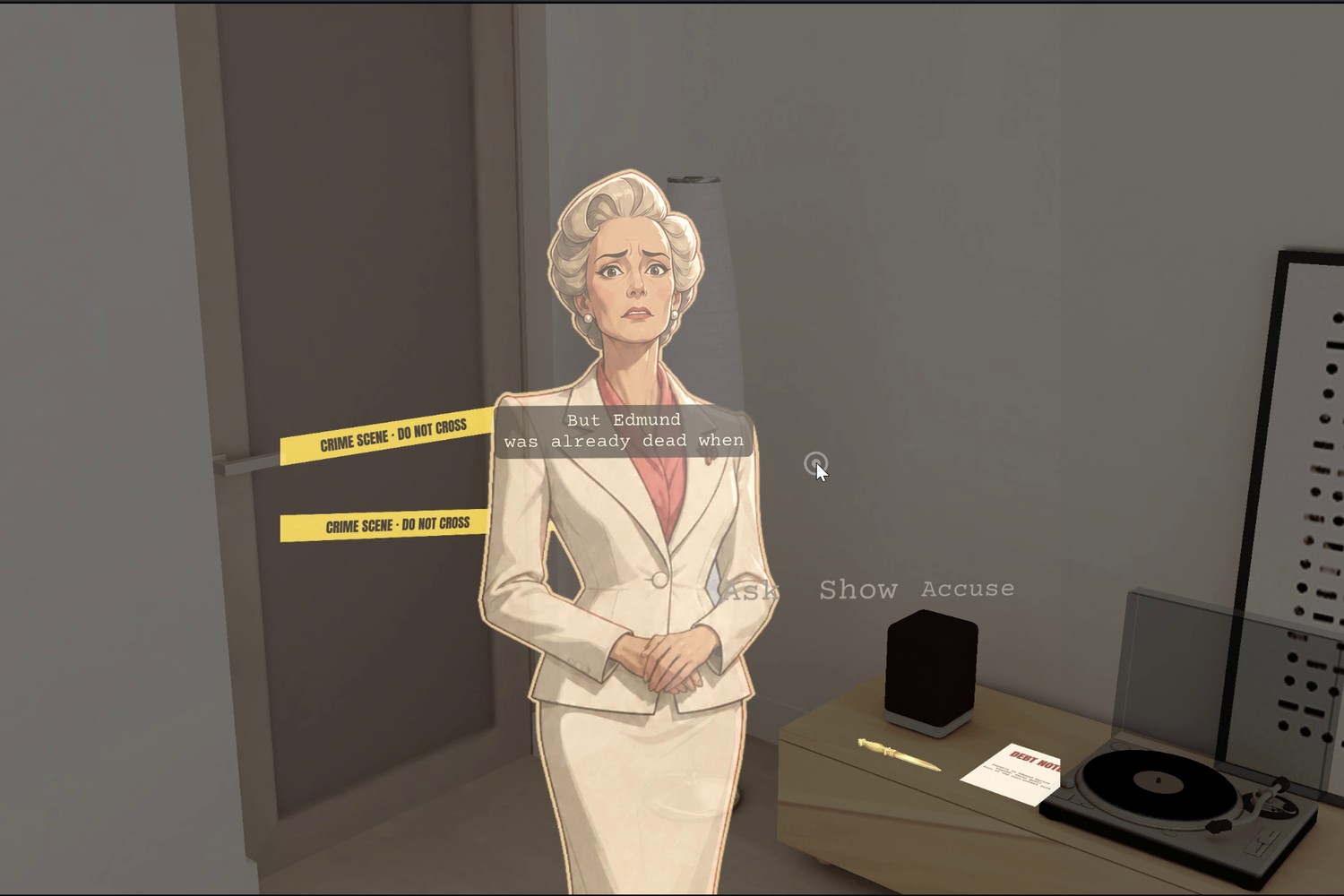
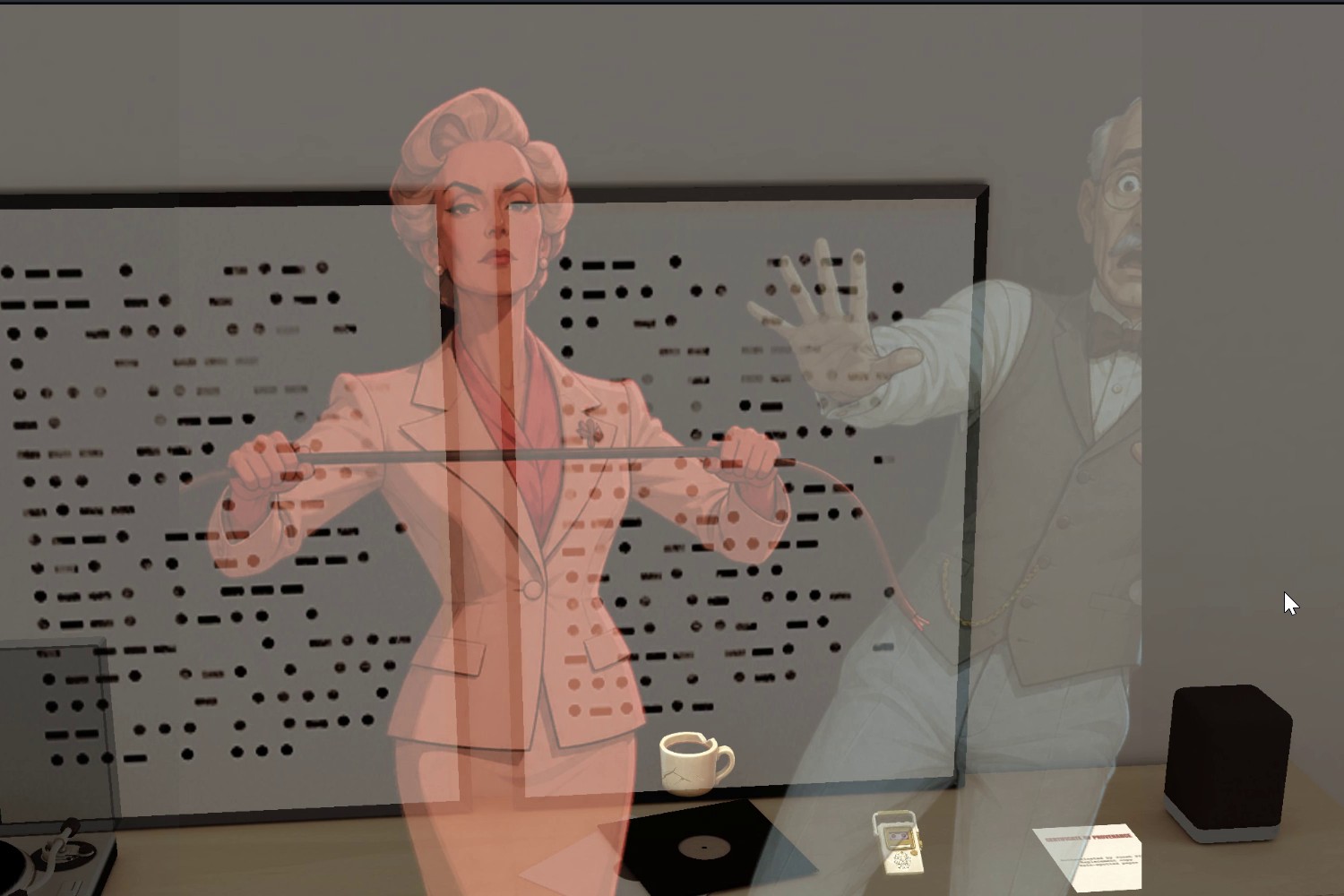
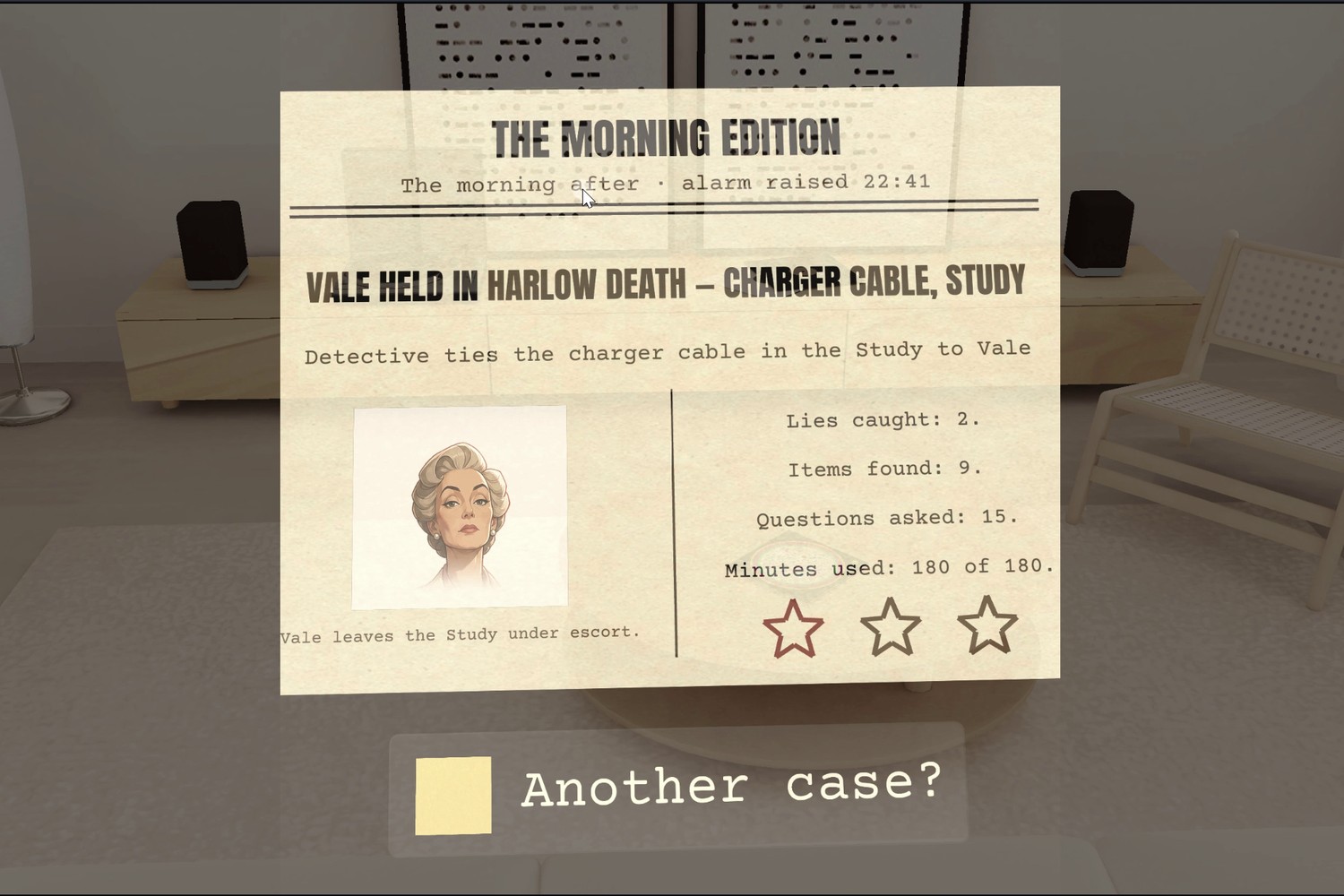
Edmund Harlow is dead, and four guests were in the house that night. In Roomscript they're standing in your room. You can question them and find their alibis, motivations, and lies. Connect their alibis to the environment, prove a lie with the evidence, and make them crack. When you think you know, you name who, where and with what.
How we built it
Underneath is a TypeScript rules engine that decides every fact, lie and verdict before you start, and a solver checks that the case can actually be solved. The voices are ElevenLabs voices designed for each character. If you type your own question, Gemini answers live through Snap's Remote Service Gateway, and the answer is checked against what that suspect is allowed to say before it's spoken.
I planned it with the plan-lens skill from Devpost Learn. Codex and Claude Code built it in Lens Studio through CLAD and the Lens Studio MCP, and LEAF tests played through the game to check each goal from the plan. The character art came from an OpenAI image model and the props from Snap's text-to-3D generator.
Challenges we ran into
I started with an absurdly long feature list, a case board, palm menus, UV dusting, statements you dragged across the room, and dynamic voice input and output. When I actually played it, the voices were the only part that worked well, for the rest, lines cut each other off, buttons jumped around, and the UI was very clunky. Too many mechanisms were difficult to keep coherent in AR with a limited FoV. So, I switched focus into making the UI more subtle, stripped out unnecessary stuff, and focused on the central idea. I got some good ideas on how to improve the UI from the SPECS Live Review session.
Accomplishments that we're proud of
I'm proud of how simple it ended up with one voice at a time, one row of buttons, and you investigate by walking around, especially since the first versions had a really complicated UI. Also, the fact that the case is always fair and makes sense in the situations, the AI can't answer anything if that does not match the rules.
What we learned
Designing for glasses is different from designing for a screen. Every feature I removed made the game easier to follow.
What's next for Roomscript
Getting it onto real Spectacles, since so far it's only been tested in Lens Studio's Preview. After that, a fully AI native case, where the guests are voice agents that dynamically switch their stories, cover up lies, and get emotional, would be a really cool experience IMO.
Built With
- clad
- claude-code
- codex
- elevenlabs
- gemini
- leaf
- lens-studio
- lens-studio-mcp
- openai
- remote-service-gateway
- snap-spectacles
- spectacles-interaction-kit
- typescript
- ui-kit
