Inspiration
Millions of K–12 students lack reliable home broadband. Estimates range from 5 to 12 million in the U.S., creating a “homework gap” that deepens educational inequity. At the same time, around 1 in 5 Americans rely solely on smartphones for internet access; among low-income households (< $30K/year), it’s 28%. Room160 leverages ubiquitous SMS to bridge this divide, bringing AI-powered homework help to students who are otherwise offline.
What it does
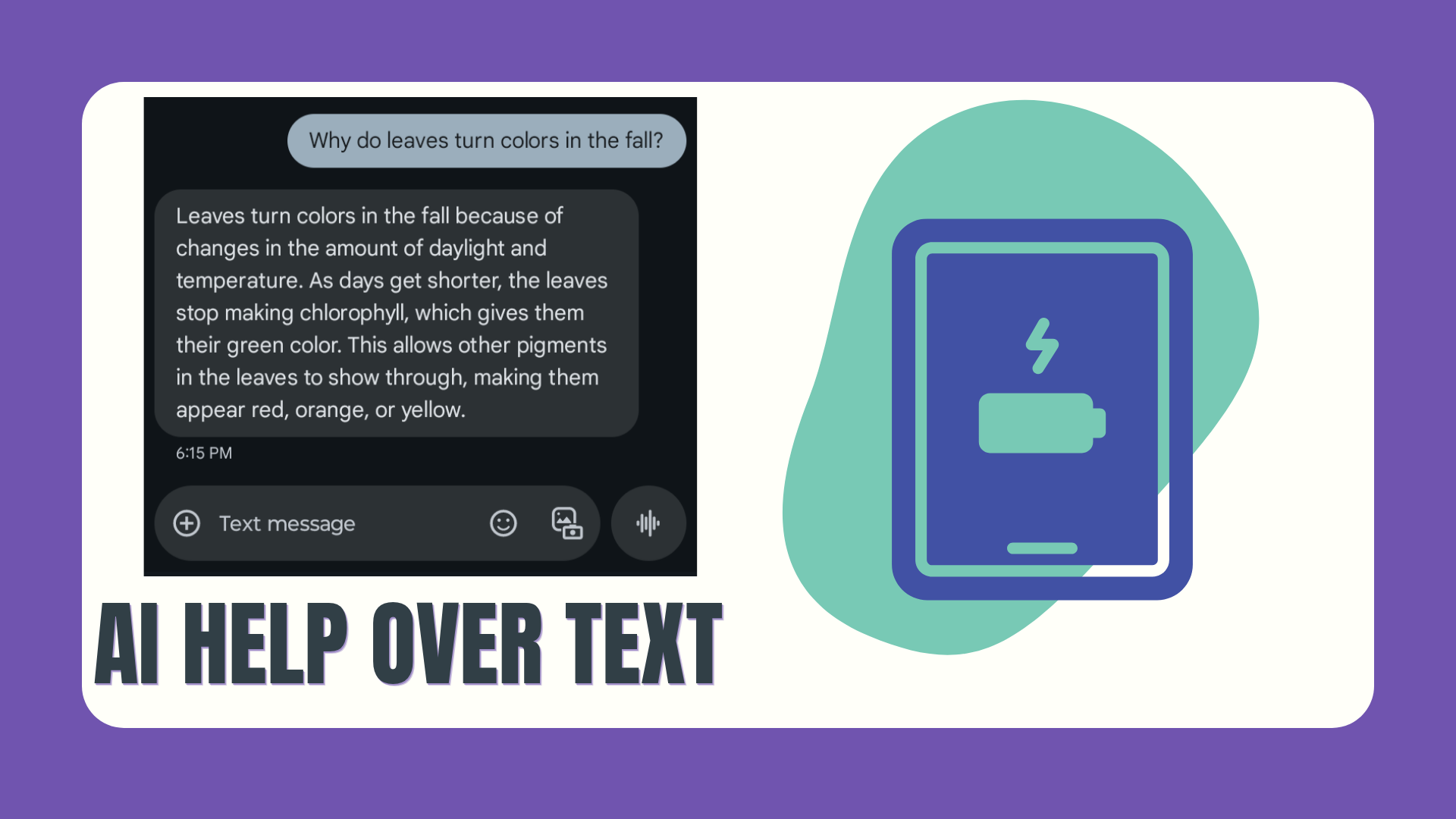
Room160 enables students to text homework questions and receive:
⏱️ Instant responses from Amazon Bedrock’s Claude 3 Haiku AI, grounded in a safety-first system prompt. This ensures that, even without home internet, no student is left behind in the generative AI revolution in education!
🧑🏫 Teacher escalation—questions with @teacher or flagged topics are forwarded via email to the educator
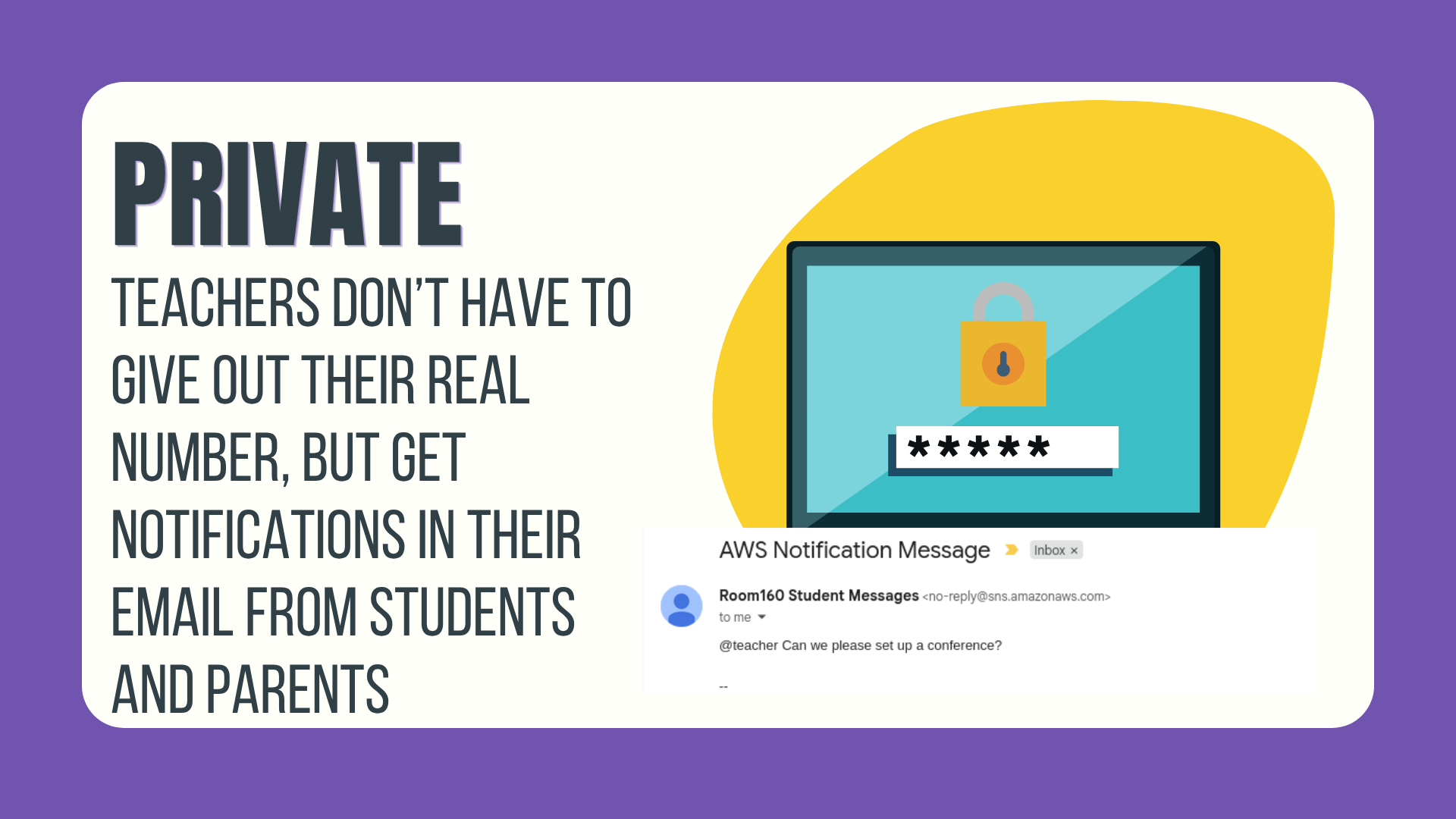
🔒 Privacy & control—students interact via SMS, and teachers respond through email, keeping the teacher's personal number private and making it easy to flag messages for school administration as needed.
Room160's name is inspired by the 160 character limit on SMS messages, however there is no limit to what you can learn while using it! AI messages can be multi-part but are engineered to be concise, and students can send messages to their teachers that are as long as they wish.
How we built it
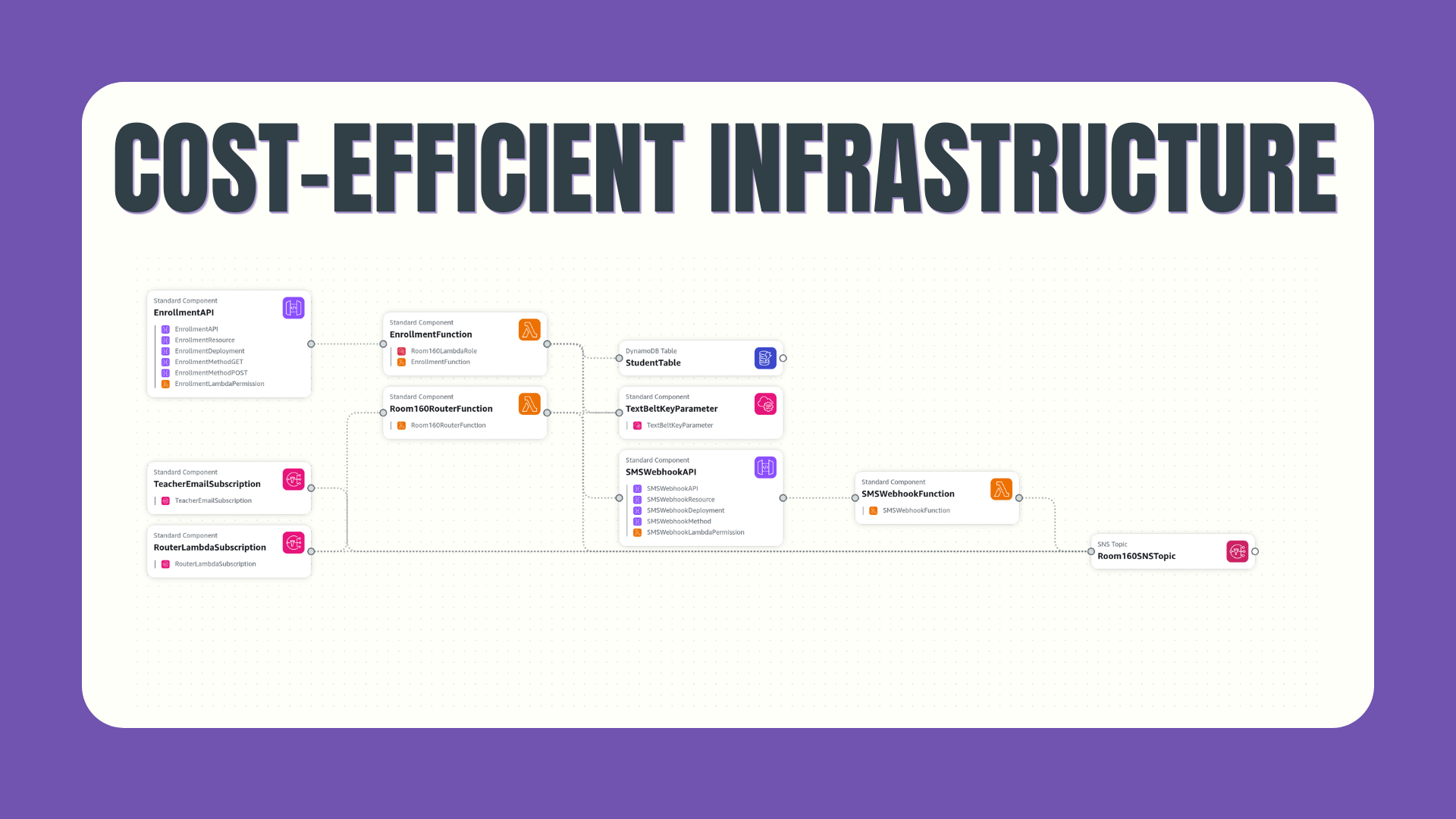
- AWS services: Lambda, DynamoDB, SNS/email notifications, and Bedrock for generative AI
- Connectivity layer: SMS via TextBelt's API for reach to basic phones
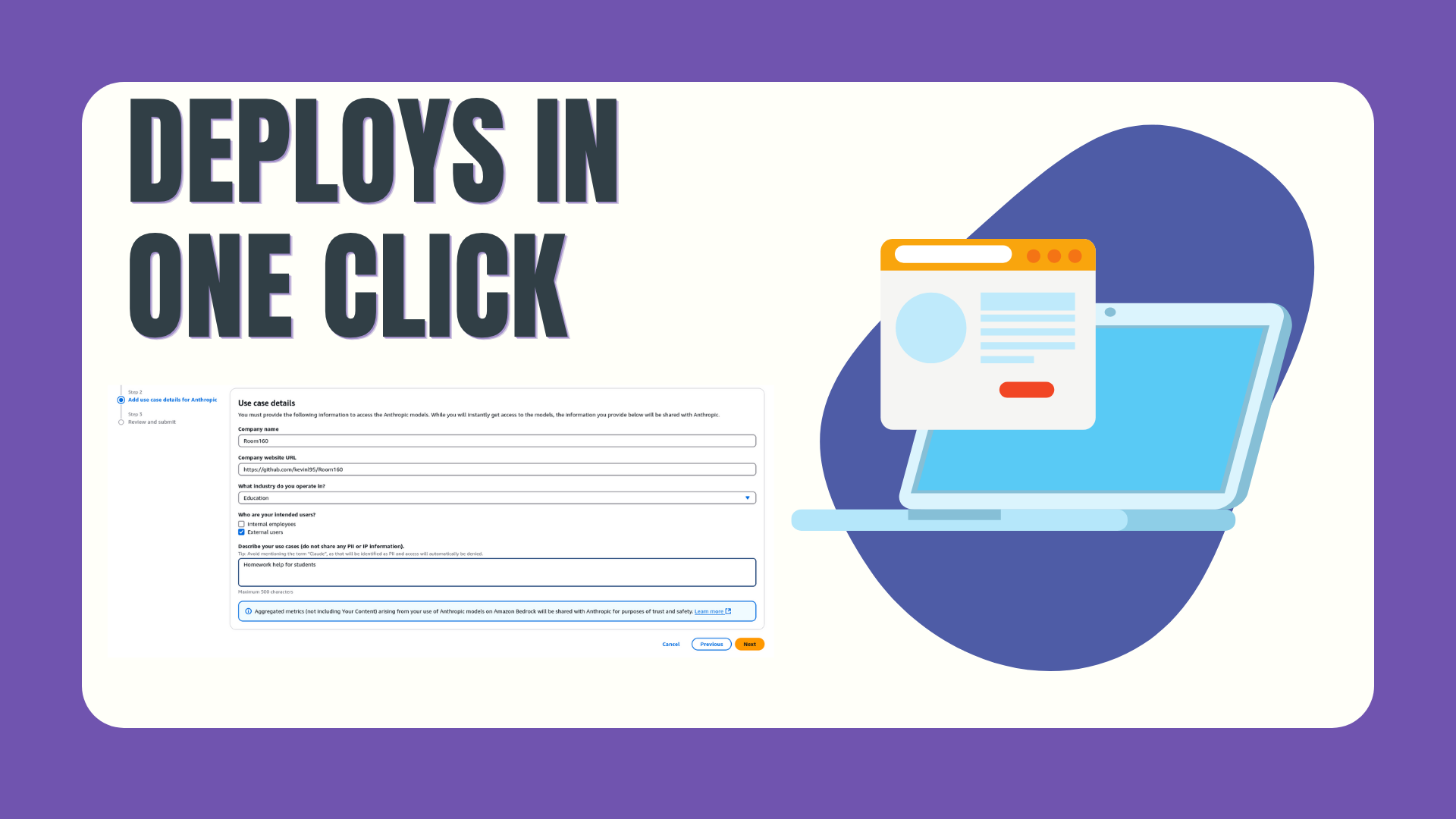
- CloudFormation template: one-click deploy, with parameter flags for teacher email, SMS API key, and AI enable/disable. Room160 is deployable via a single “Launch Stack” button, allowing any educator or nonprofit to get started without writing code or managing cloud infrastructure.


- Engineering features:
- System prompt anchoring Claude for educational tone and content safety
- AI toggle to reduce when needed (teacher-only mode)
- Session enrollment via web form, using DynamoDB to manage student lists
Challenges we ran into
- AI safety: ensuring the AI stays age-appropriate required a strong system prompt and adding a fallback to the teacher.
- SMS and cloud costs: Parameters for all cloud configurations were carefully selected to minimize costs for educators, such as the use of Anthropic's Claude Haiku model. TextBelt was selected as the SMS service used because of its global reach and responsiveness, as well as because teachers can pre-pay for as many messages as they need. Further, it does not require nearly the level of scrutiny and bureaucratic headache for registration required by competing vendors like Twilio.
- User onboarding: AWS' API Gateway makes it easy for teachers to bulk-enroll students with by simply entering them into a simple webform. Additionally, an extensive deployment guide with pictures and step-by-step instructions has been prepared!
Accomplishments that we're proud of
✅ Full SMS + AI + teacher escalation flow, deployed with a single CloudFormation click
✅ System prompt guardrails that ensure safe, curriculum-aligned responses
✅ Affordable for educators: each SMS costs less than $0.01; AI responses ~$0.002 each
✅ Educational equity by design: closes the homework gap for millions with under‑internet access
What we learned
- Accessibility matters: SMS reaches students who are invisible to app-based solutions
- Simplify onboarding: teachers won’t go through business verification required by vendors like Twilio just to send messages. You must pick services that are as frictionless and predictable as possible. They also don't want to learn to be cloud experts- nor should they. It was important that Room160 be deployable with a single click without needing to fuss with scripts or setting up any code locally.
- AI governance: simple prompts plus fallback are essential to maintain trust in educational contexts. Generative AI understandably introduces anxiety for a classroom as it could generate anything, regardless of if it is appropriate. It is important to emphasize safeguards and limitations so educators feel comfortable.
What's next for Room160: AI Homework Help for Students Without Internet
- Enable bi-directional messaging from a teacher's email by creating a bridge between SNS and the Lambda functions that send messages to students.
- Find services that enable educators outside the USA to use Room160. As of the time of writing, TextBelt only supports responding to messages using US numbers.
- Field testing- deploy Room160 and gather as much feedback from classrooms for the 2025-2026 school year
- Cost-cutting- continue to find places where the infrastructure can be made simpler and cheaper to reduce costs
Built With
- amazon-bedrock
- amazon-cloudformation
- amazon-dynamodb
- amazon-sns
- api-gateway
- aws-lambda
- claude-3-haiku
- html
- python
- sms
- textbelt-api

Log in or sign up for Devpost to join the conversation.