Inspiration Seeing how easily standard AI detectors fail the second a synthetic image gets screenshotted, compressed, or shared on social media.
What it does A lightweight binary classifier that flags AI-generated images with 98.9% accuracy and a 0.9994 AUC, engineered to remain resilient against severe real-world degradations like JPEG compression and noise.
How we built it Fine-tuned a pretrained ConvNeXt-Tiny backbone via PyTorch on the CIFAKE dataset inside a Google Colab T4 environment, backed by an aggressive, physics-informed Albumentations pipeline.
Challenges we ran into Preventing the model from overfitting to pristine, high-resolution training artifacts and forcing it to learn robust structural cues that survive lossy re-encoding.
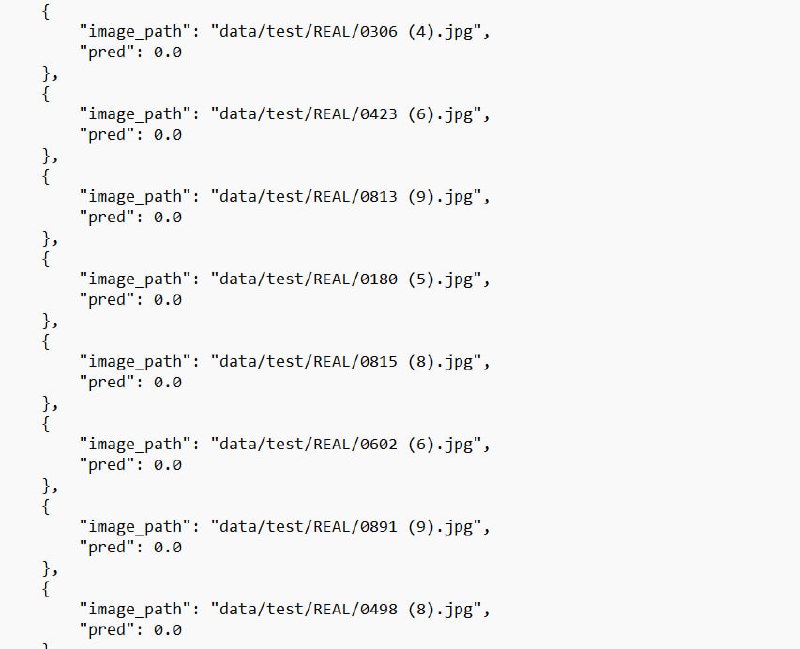
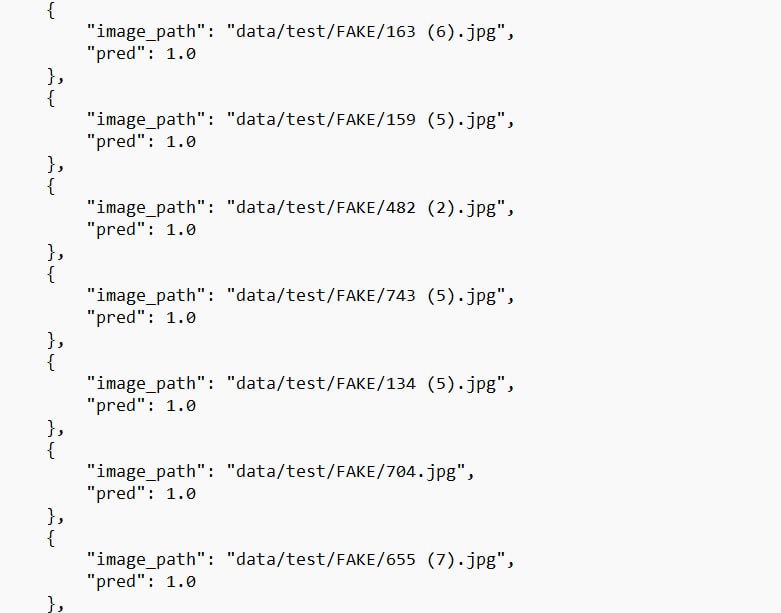
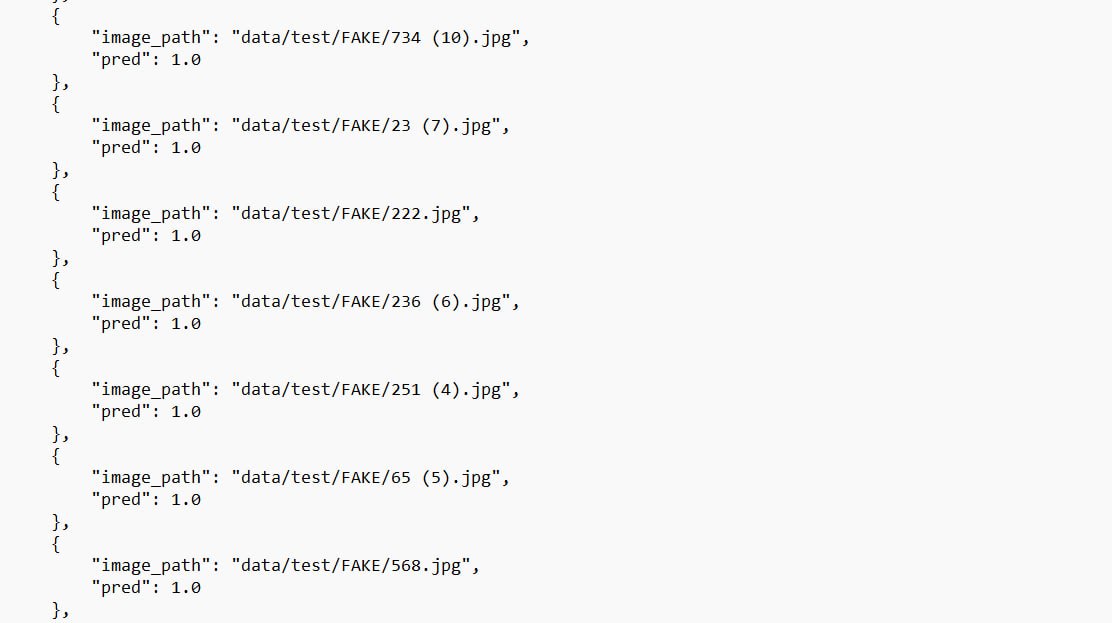
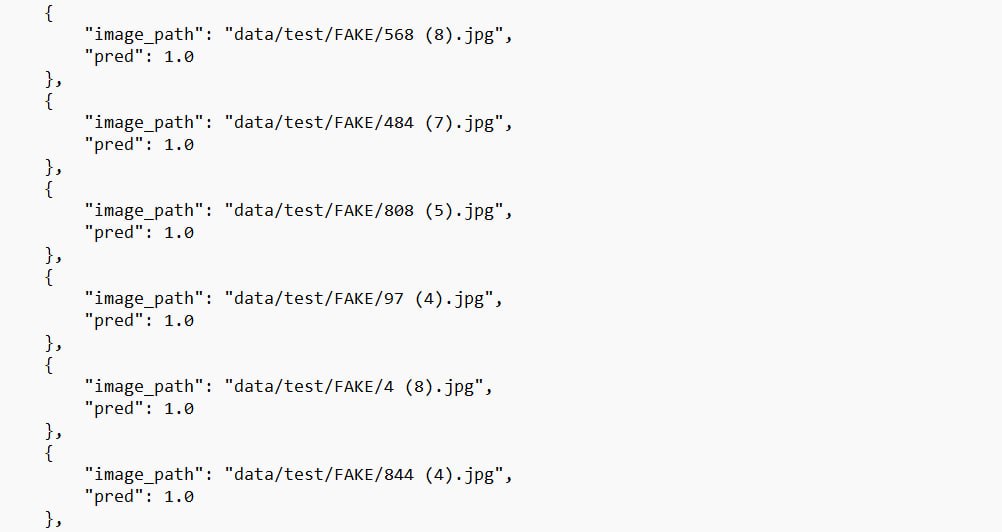
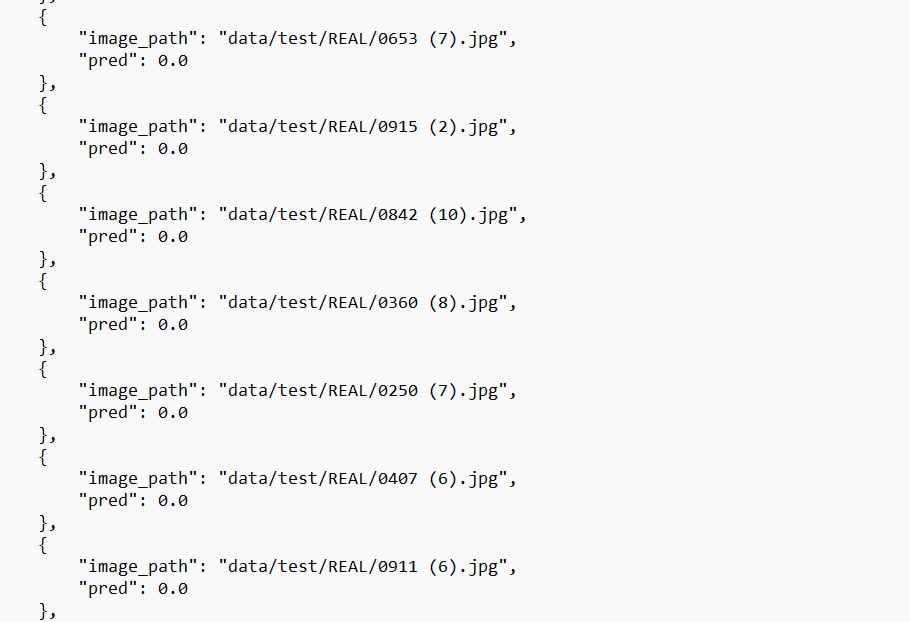
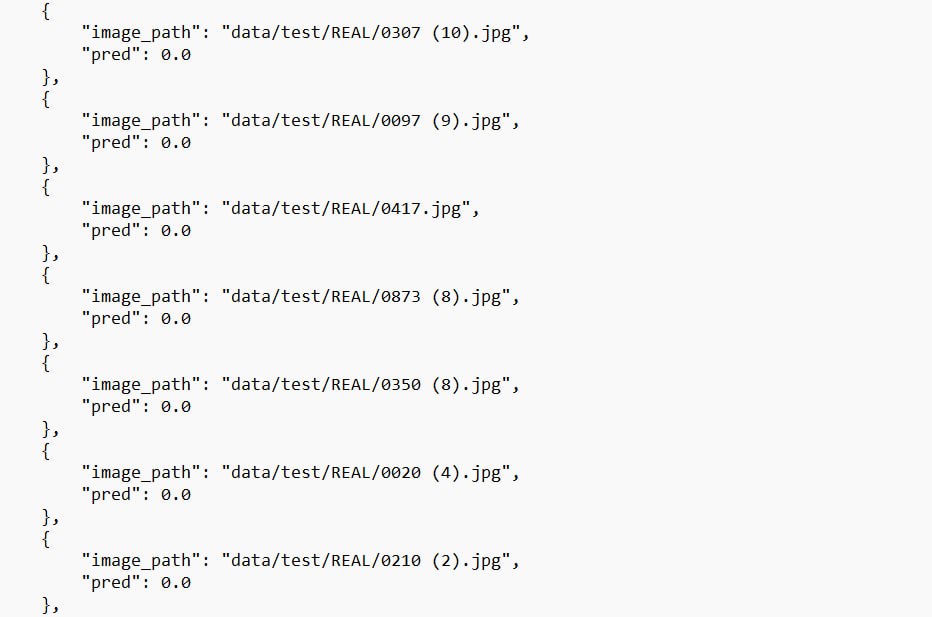
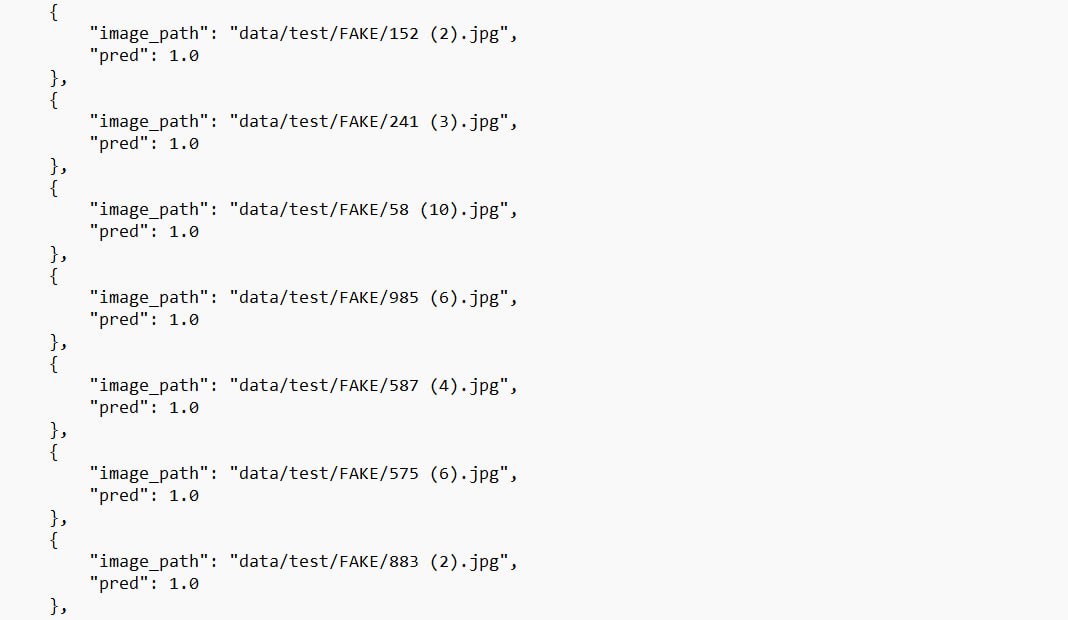
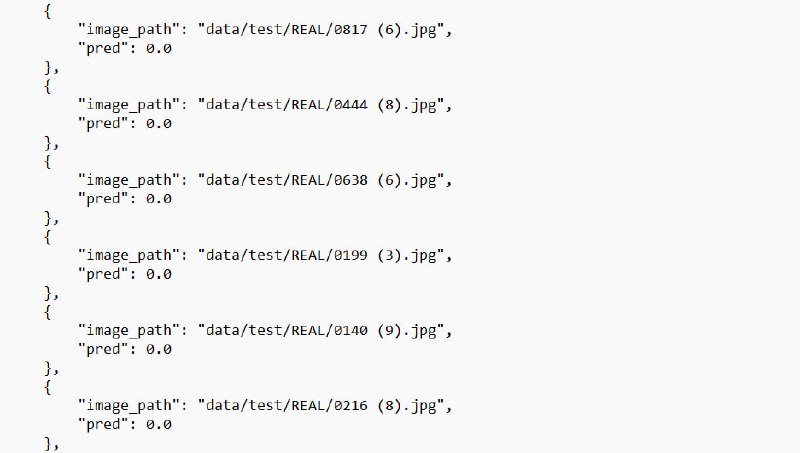
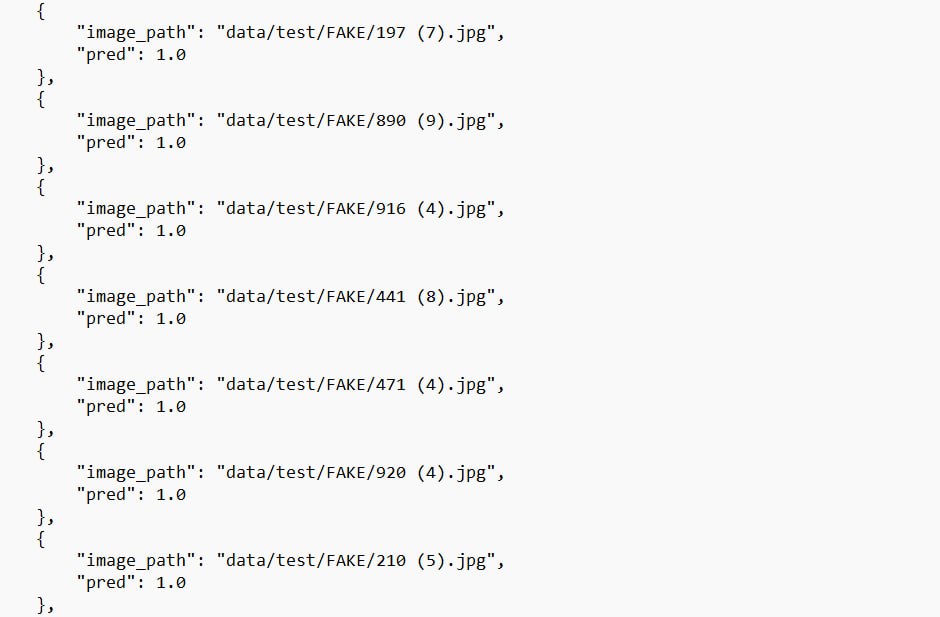
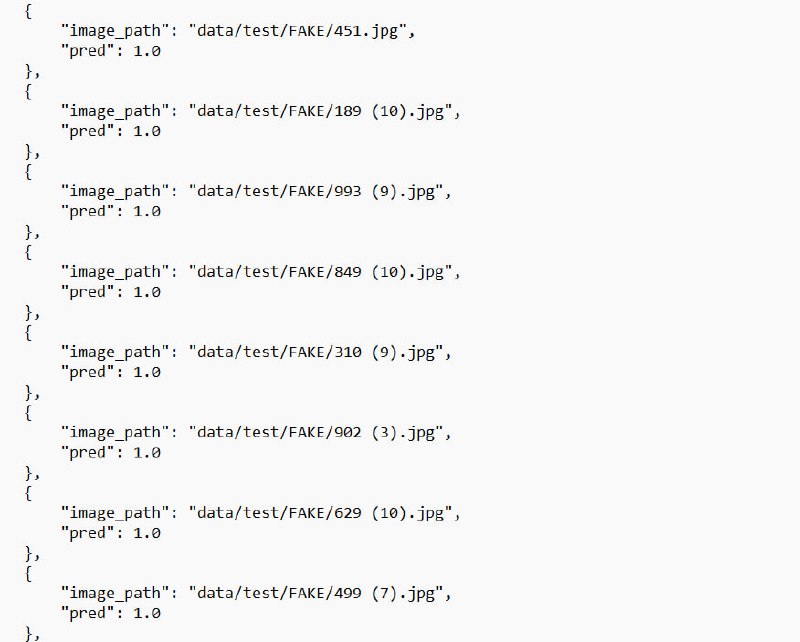
Accomplishments that we're proud of Achieving top-tier performance metrics (0.9994 AUC) while keeping the model strictly lightweight, and successfully executing batch inference across 20,000 test images.
What we learned Data augmentation pipelines tailored to real-world physical distortions are far more critical for generalization than raw model capacity or training from scratch.
What's next for Robust Detection of AI-Generated Images Expanding the augmentation suite to handle multi-format video deepfakes and deploying the pipeline as a real-time browser extension for instant verification.
Built With
- albumentations
- convnext-tiny
- google-colab
- jupyter
- kaggle
- opencv
- pandas
- python
- pytorch
- scikit-learn
- timm
- tqdm


Log in or sign up for Devpost to join the conversation.