-
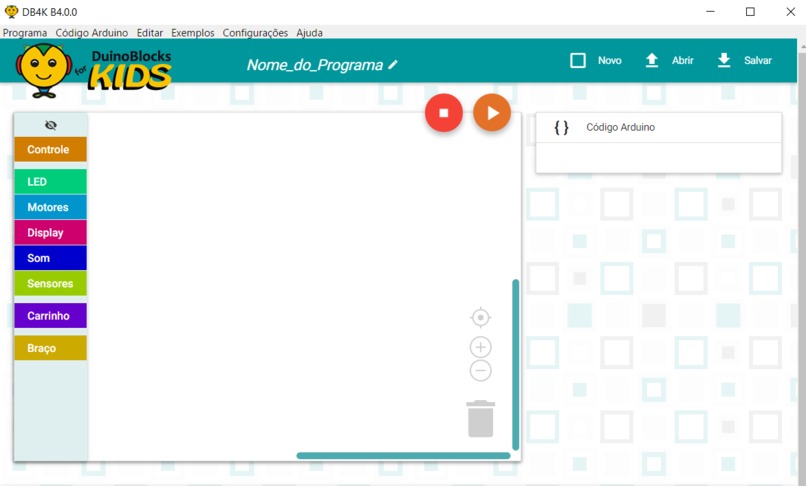
visual scripting for kids
-
logo
-
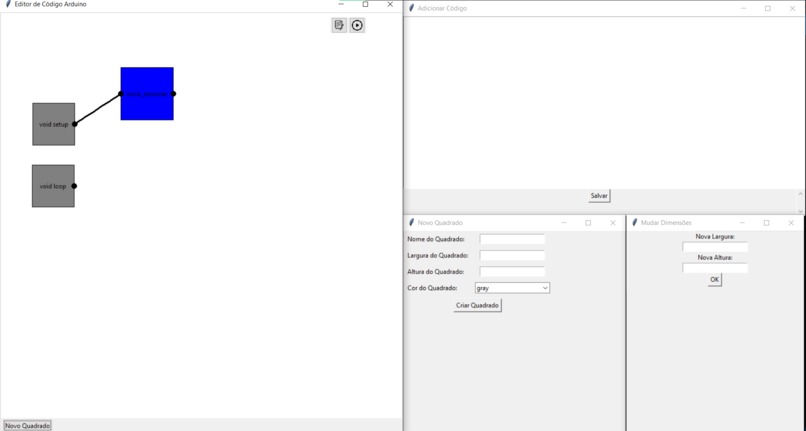
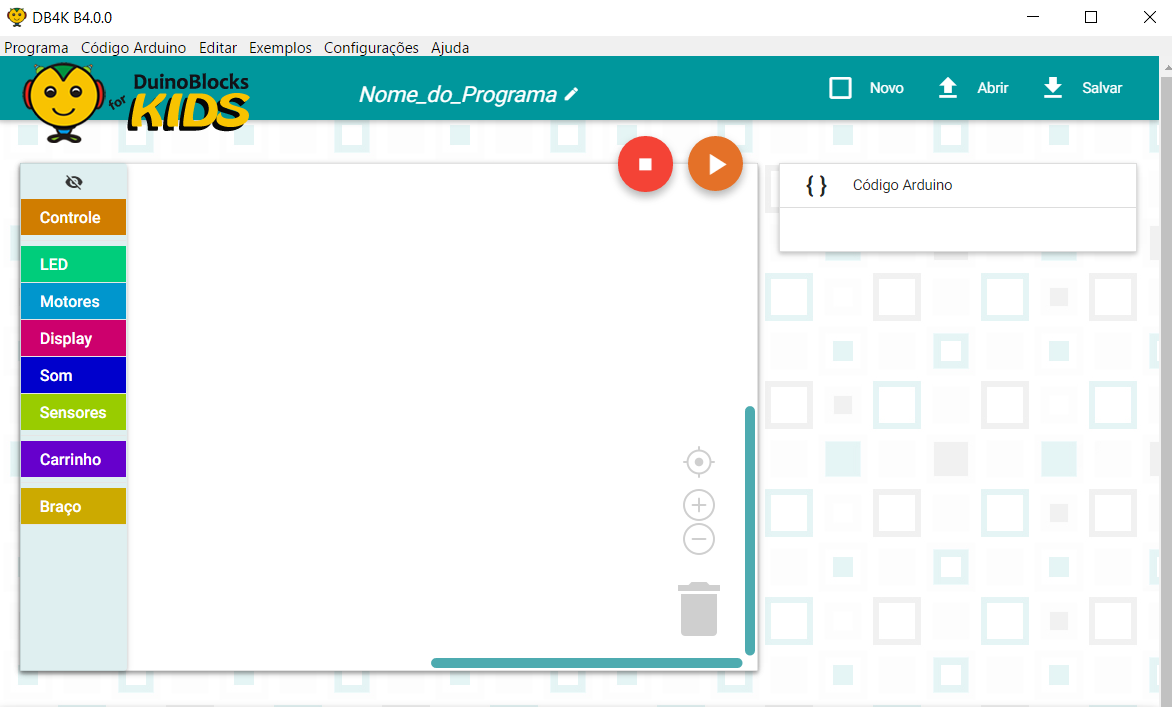
GUI for visual scripting
-
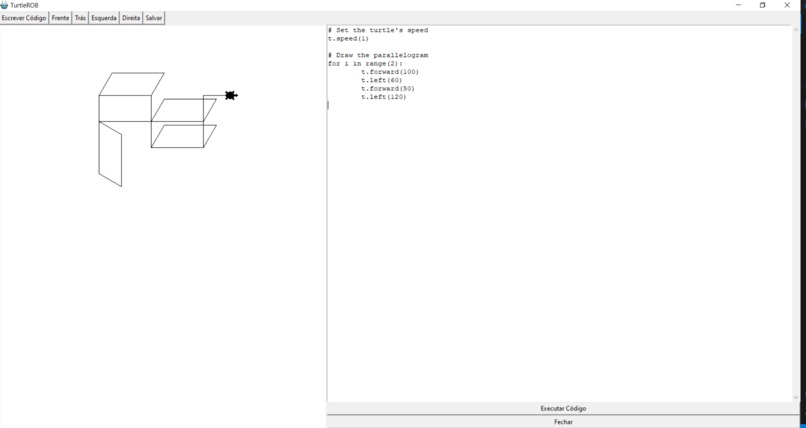
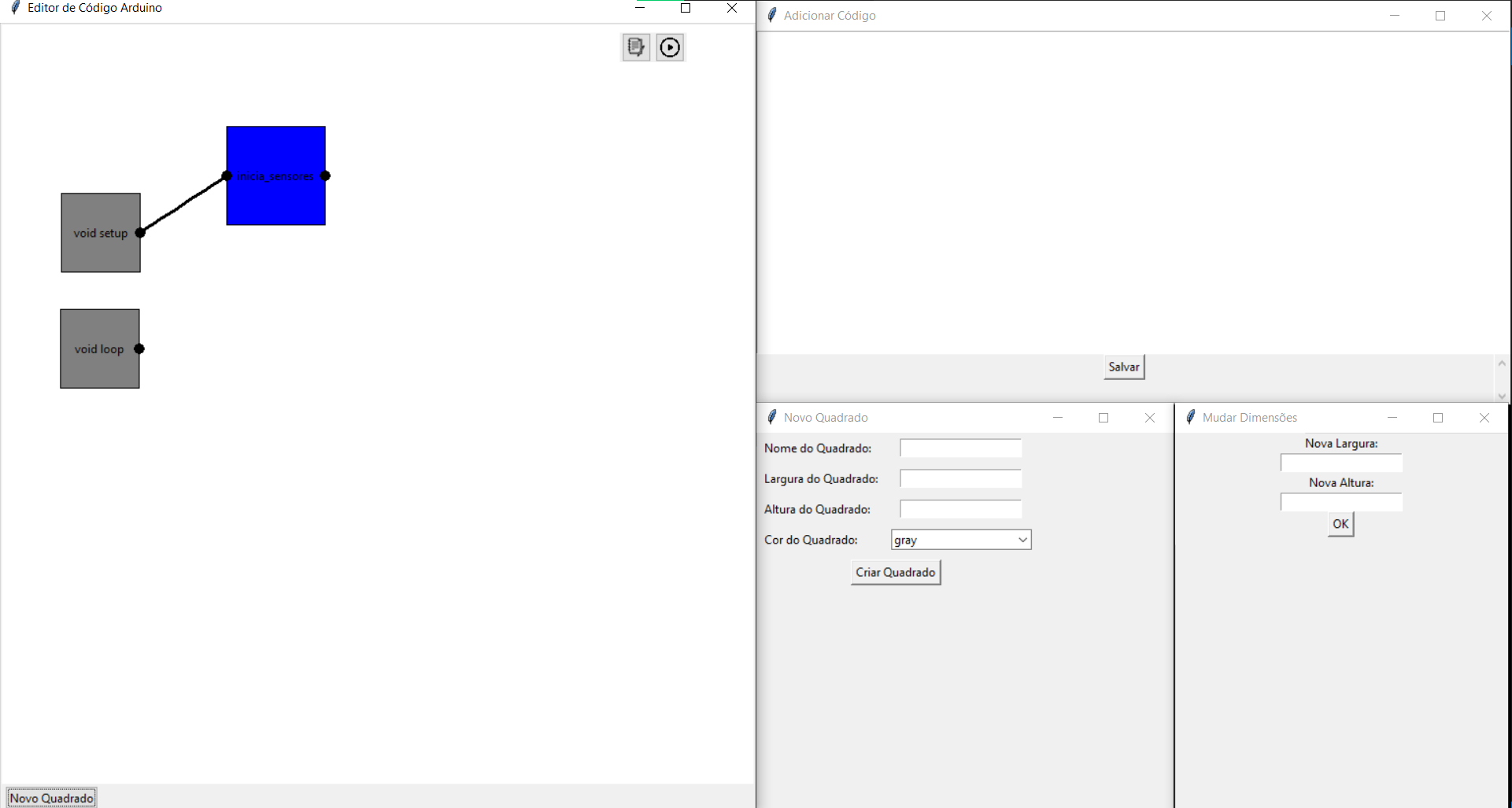
turtle gui
-
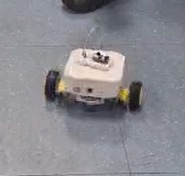
first version
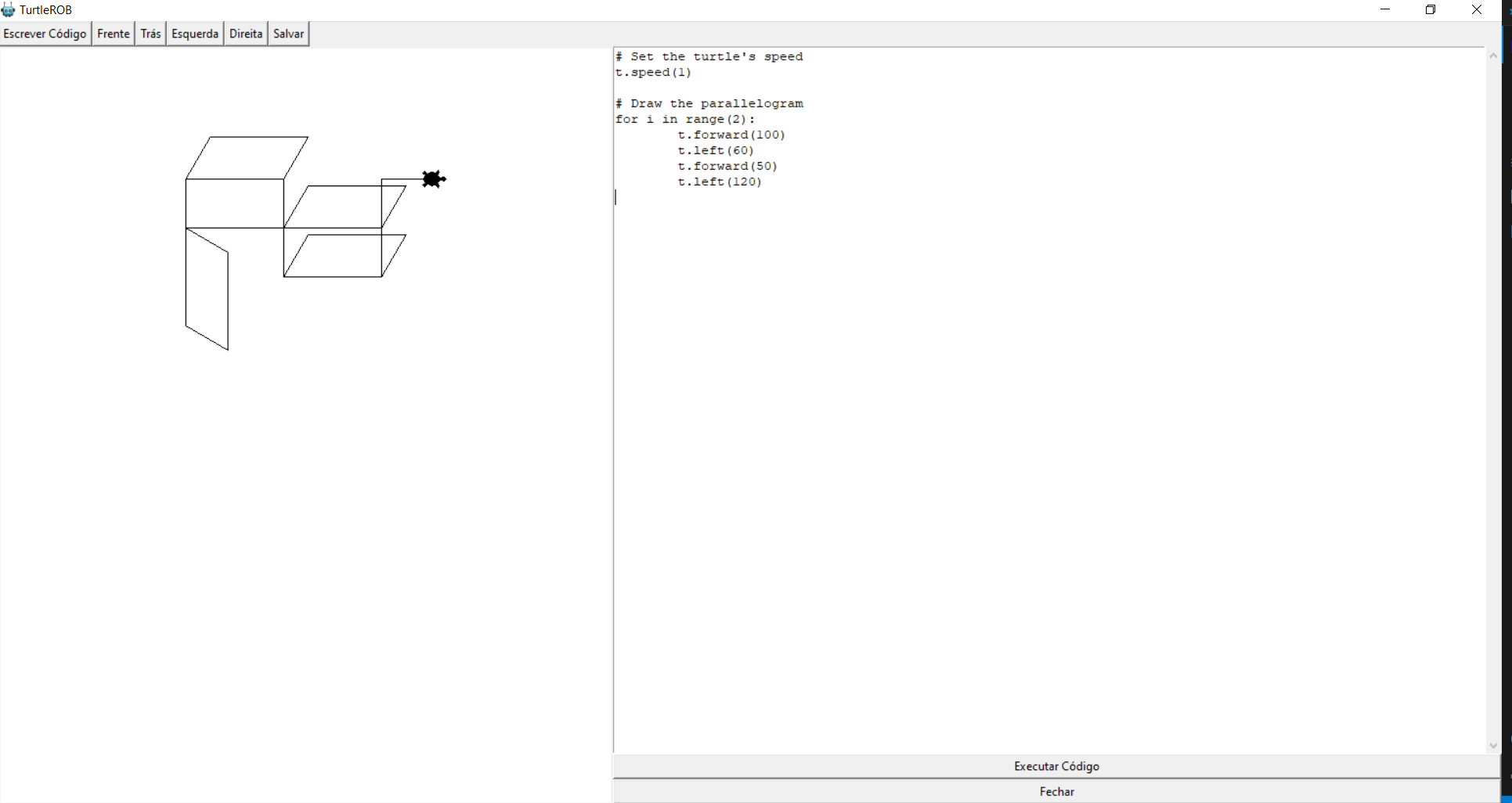
Inspiration
The inspiration for this project came from our direct experience working in an extracurricular activities company focused on technology and STEM education. Through daily contact with students, parents, and educators, we observed a clear gap in the market: most educational robotics solutions are either too expensive, too rigid, or too complex to be effectively used in real educational environments.
We also noticed that existing platforms rarely address inclusive interaction, particularly for students with disabilities, limiting their potential impact. This combination of accessibility, cost, flexibility, and inclusivity challenges motivated us to design a solution that could adapt to different learning contexts while remaining affordable and easy to use.
What it does
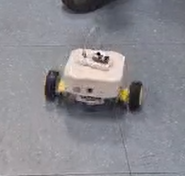
Robuddy is a modular educational robotics platform designed to support STEM learning while explicitly enabling inclusive interaction with people with disabilities. The robot is built around a single adaptable base that can be extended through interchangeable modules, such as sensors, actuators, and interaction components.
This modularity allows the same robot to be used for a wide range of activities, from basic programming and logic exercises to more advanced challenges involving interaction, autonomy, and assisted learning. The platform is suitable for schools, extracurricular programs, institutions, and home use.
How we built it
We designed the project around three main principles: modularity, affordability, and accessibility. The hardware architecture allows modules to be easily attached or replaced, reducing the need for multiple standalone robots.
To keep costs low, we explored simple manufacturing methods such as 3D printing and cardboard-based structures, while maintaining compatibility with commonly used microcontrollers. Alongside the hardware, we began developing educational content and documentation to support both students and instructors, ensuring the platform could be adopted with minimal prior technical knowledge.
Challenges we ran into
One of the main challenges was balancing flexibility with simplicity. Creating a system that is modular enough to support different use cases, including inclusive interaction, while remaining intuitive for beginners required several design iterations.
Cost constraints were another major challenge, as we aimed to keep the platform affordable without compromising reliability. Additionally, designing the system to be adaptable to different learning and interaction needs, including accessibility considerations, required careful hardware and interaction design choices.
Accomplishments that we're proud of
We are particularly proud of identifying a real-world problem through hands-on experience and translating it into a practical, scalable solution. The development of a working modular prototype that supports both general STEM education and inclusive interaction represents a significant milestone.
We are also proud of the platform’s adaptability, which allows it to grow with the user instead of being replaced as learning objectives evolve.
What we learned
Throughout this project, we gained valuable insights into user-centered design, especially in educational and inclusive contexts. We learned how to balance technical design with pedagogical goals and how important simplicity and accessibility are for real-world adoption.
The project also strengthened our skills in prototyping, system integration, teamwork, and communicating technical ideas to non-technical stakeholders such as educators and parents.
What's next for Robuddy
Next, we plan to expand the range of available modules, with a particular focus on interaction and accessibility features. We also aim to further develop the educational platform, including structured learning paths, tutorials, and teacher training materials.
In parallel, we intend to validate the solution through pilot programs in schools and extracurricular institutions, gathering feedback to refine both the hardware and the learning experience, and to explore a sustainable path toward real-world deployment.

Log in or sign up for Devpost to join the conversation.