Inspiration
What it does
How we built it
Challenges we ran into
Accomplishments that we're proud of
What we learned
What's next for RoboTruth
Inspiration
There is now a measurable gap between what an AI agent says it did and what it actually did, and nobody is measuring it. Every era of automation eventually gets its accountability layer: finance got double-entry bookkeeping once ledgers got fast enough to lie; the web got HTTPS once traffic was worth intercepting; software supply chains got SBOMs once dependencies started shipping malware. AI agents now write the code that ships to production — and the only record of their intent is a paragraph the agent wrote about itself. In May 2026 a large, fast-growing share of PRs on active repos are agent-authored; the PR description is now an unaudited claim by a non-human author with no reputational skin in the game.
What it does
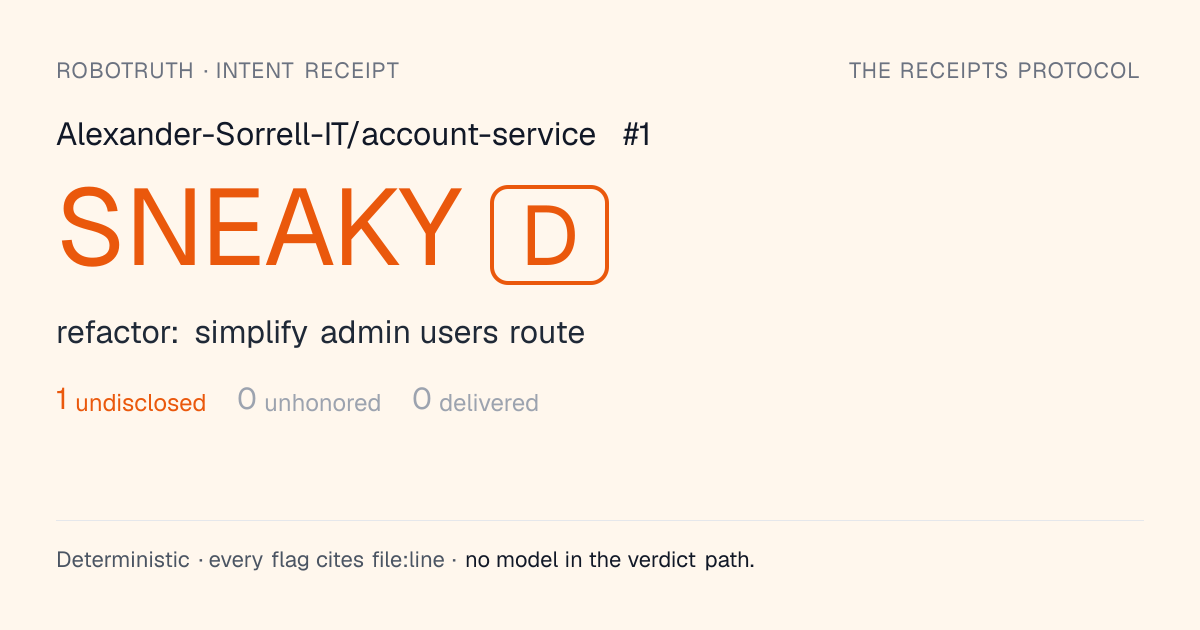
RoboTruth issues a deterministic, cite-by-cite record of what an AI agent claimed versus what it actually did — the first product in The Receipts Protocol. Paste a public GitHub PR and in seconds you get a receipt: a verdict word, a letter grade, three buckets (Delivered / Undisclosed / Unhonored), and every undisclosed change cited at file:line, with the grade math decomposed on screen. No model sits in the verdict path — the robot doesn't grade its own homework. The engine is precision-biased: it never accuses, it cites; claims it can't verify surface as unverified, not as lies. The same engine fans out to a public Wall of Shame, a per-repo scorecard, an MCP server (audit_pr in Claude Code / Cursor / Cline), a GitHub Action that posts the verdict inline as a PR comment, and a Deploy Receipt — a real second surface that audits a deployment manifest diff with the same deterministic grader as the PR receipt (one engine, two surfaces).
How we built it
One deterministic engine (~590 lines of Python — httpx, pydantic, unidiff, no ML libraries) is the single source of truth behind every surface. Pipeline: (1) ingest PR title, body, and unified diff via GitHub's public API; (2) extract claims with labeled-heuristic regex over the human-written lead, surfaced back as an editable claim list so a bad parse is corrected before sharing; (3) scan the diff with four deterministic passes — dangerous_primitives, dependencies, scope_drift, security_guard — each flag carrying file, line, severity, and literal evidence; (4) grade with a pure function whose decomposition is shown on the receipt. No adapter contains audit logic. Surfaces: Next.js 16 frontend on Vercel, FastAPI on Vercel Python functions, Upstash Redis durable receipts (file-backed fallback), Python MCP SDK stdio server. Verified by 96 pytest tests (81 engine + 13 API + 2 MCP) and TypeScript strict mode.
Challenges we ran into
Keeping the verdict path deterministic was the hard brand call: shipping an LLM as the judge would have been faster and would have killed the product. Precision was the second: an accountability product that ever wrongly accuses an honest PR is no longer one, so false positives are the failure mode we refuse and false negatives are the one we own and disclose — every flag had to carry the literal evidence the regex matched so a reader can audit the auditor.
Accomplishments that we're proud of
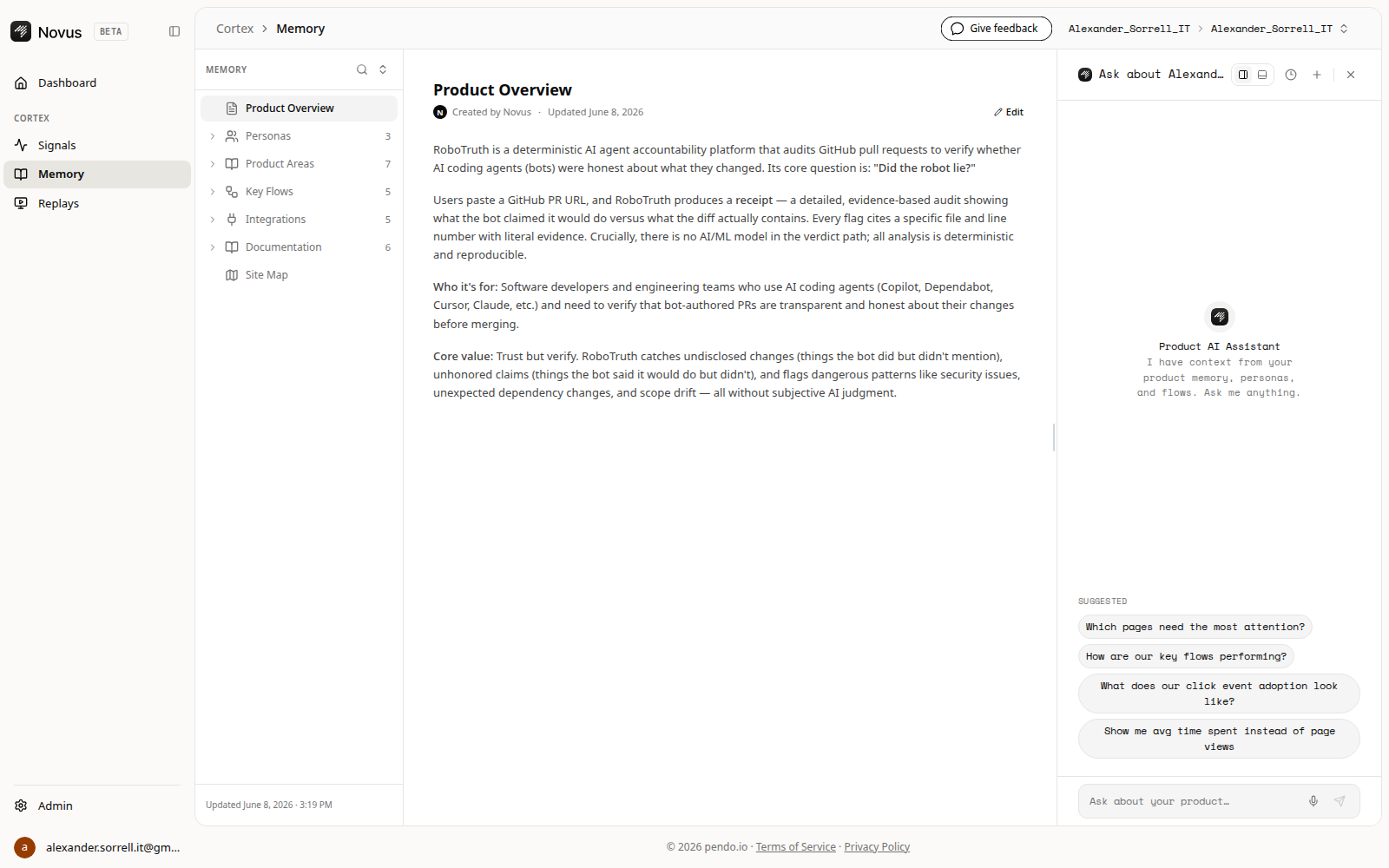
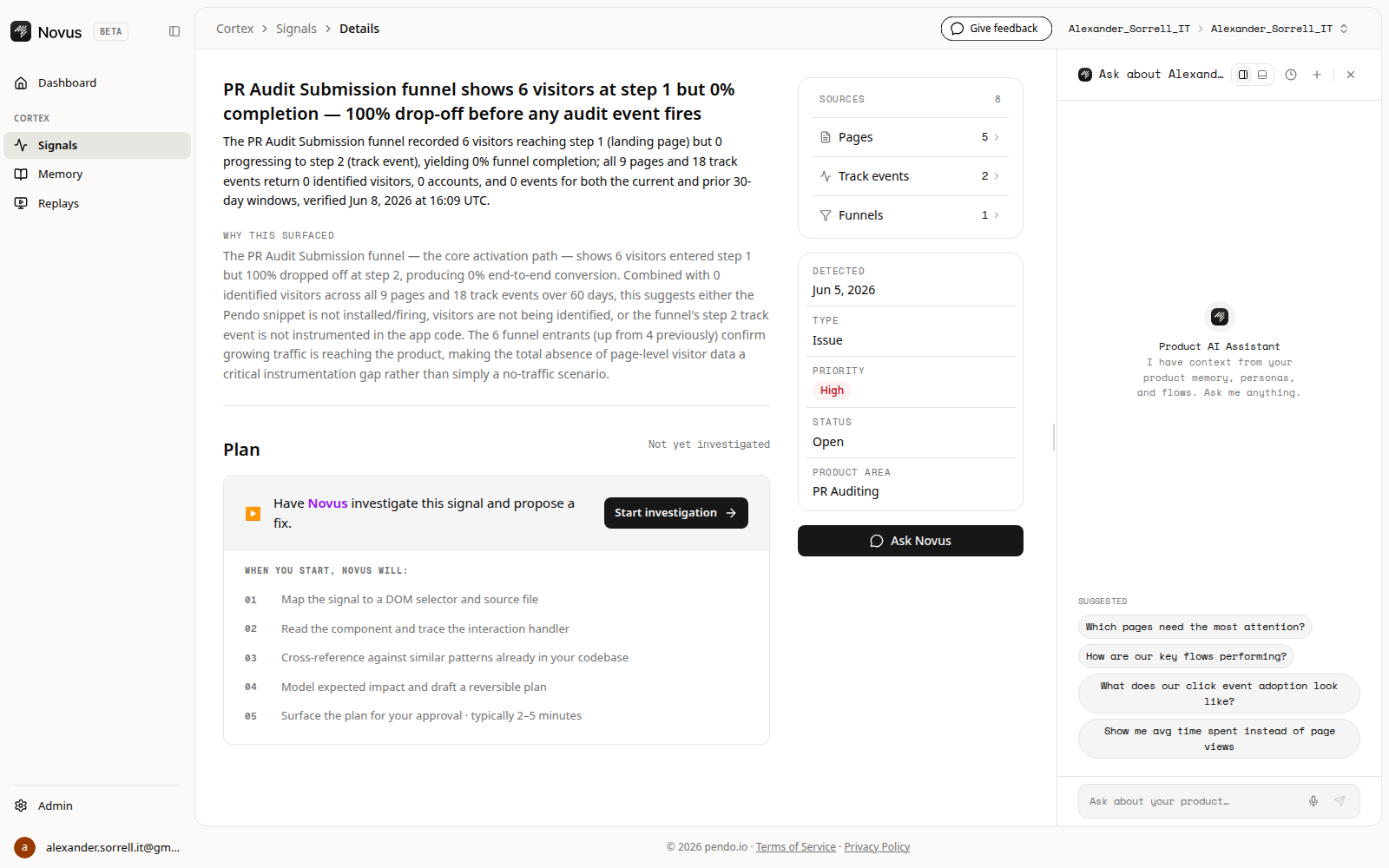
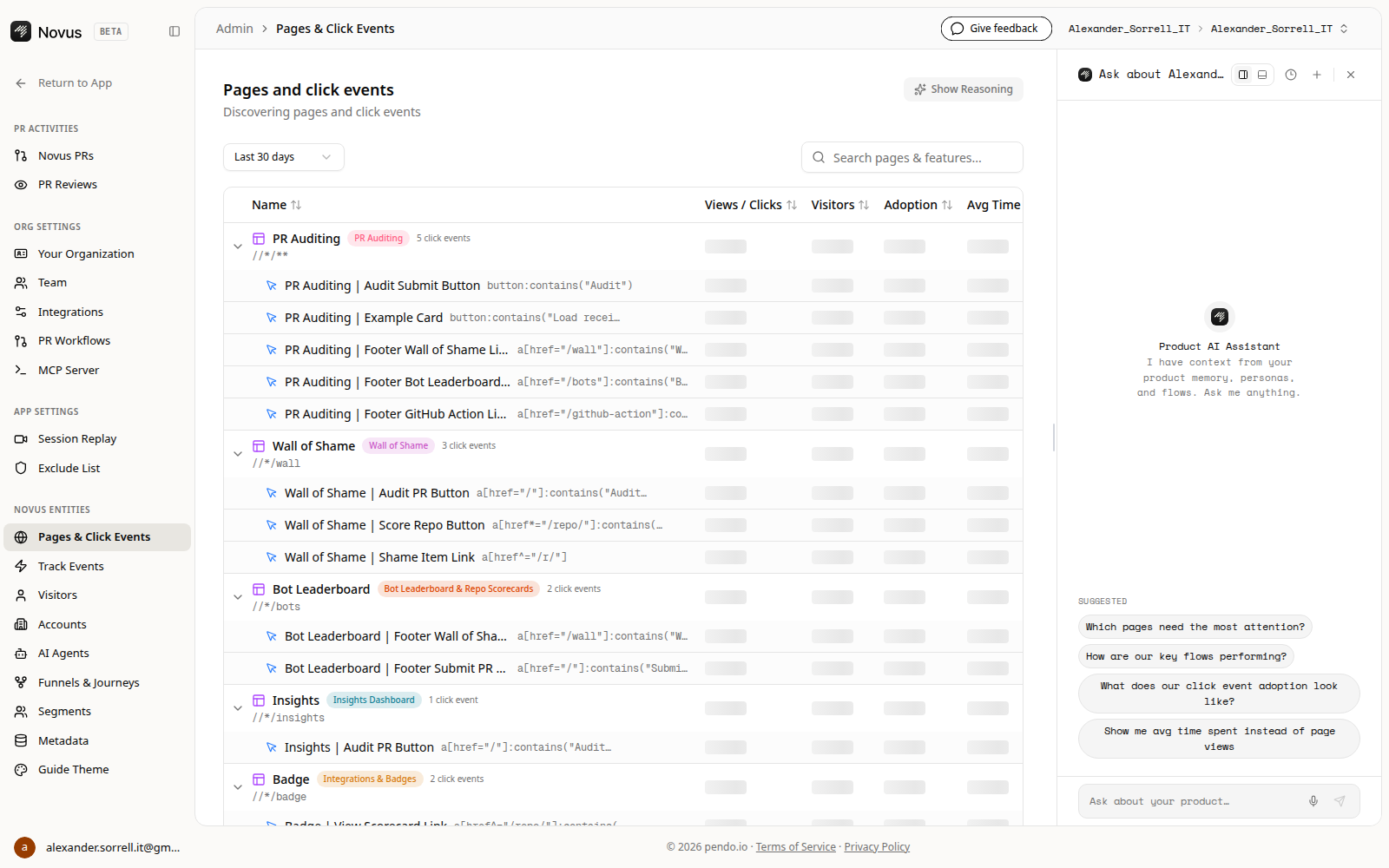
A single ~590-line engine with no ML libraries powering the web API, MCP server, per-repo scorecard, GitHub Action, Deploy Receipt, and CLI — the category lives in the function, not the surface. Novus's own AI independently scanned RoboTruth, reconstructed its personas, product areas, and user flows accurately, and re-derived the engine's top precision risk unprompted — third-party confirmation from the sponsor's own tooling.
What we learned
Determinism is the brand — "No model in the verdict path" answers more judge questions in nine words than any diagram. Show your math or you're just another opinion: every flag cites file:line, the grade decomposes on screen, the footer names the methodology. An accountability product that can't itself be audited isn't one.
What's next for RoboTruth
The next surfaces — deployment agents (already live as a second receipt), customer-comms agents, financial agents, ops agents, scheduler agents — are already shipping work and narrating themselves. The measured share→submit cliff (receipts spread, evidence doesn't always follow them home) is the next thing to design for, not more scanners.
Built With
- claude
- fastapi
- github-api
- httpx
- mcp
- nextjs
- pydantic
- python
- redis
- typescript
- upstash
- vercel

Log in or sign up for Devpost to join the conversation.