


Epilepsy is the most common neurological disorder in the world, affecting around 50 million people worldwide. The number of Epilepsy cases worldwide is estimated at 5 million per year. Approximately 49 people per 100 000 live in high-income countries and 139 per 100 000 people live in low and middle-income countries suffer from epilepsy each year. About 80% of epilepsy patients live in low and middle-income countries. Moreover, they lack access to expert surgeons and treatment facilities. Digital twins and Virtual Reality offer supplementary training solutions for epilepsy surgery skills development taking advantage of highly immersive consumer-level technologies. A systematic review of 15 articles was conducted using the PRISMA, Published between January 2014 - June 2022. The prototype is being developed by an interdisciplinary team of engineers, computer science, health science, and game development professionals. The review included works describing research associated with robot surgery, VR, and minimal-invasive procedures.
The robots have played a very important role behind every successful epilepsy surgery, earlier surgery required a frame to be attached on the patient head, but now due to innovation in robotic surgery, lasers are being used for mapping the patient head with the robot.
Virtual reality can be used for training surgeons who never performed the actual surgery with a real patient, VR experience will help to gain confidence and the surgeon will get familiar with the surgery-like situation beforehand. Performing epilepsy surgery is very difficult for a new surgeon, to perform it one needs to be expert in it.
Epilepsy surgery using robot-like ROSA(Robotic Stereotactic Assistance) & LBR iiwa involves the use of a robotic arm to help the surgeon navigate the brain and find the source of the seizures. Surgery with robots is less invasive than traditional brain surgery and has the potential to be more effective. The surgeon is able to see a 3D image of the brain and can more accurately target the area that is causing the seizures.
Some initial tests for detecting epilepsy may include a neurological examination, neuropsychological testing, brain imaging, and an electroencephalogram (EEG). Patients with epilepsy are often treated with medications to prevent seizures. However, many patients do not respond to medications and continue to have seizures. surgery is an option in patients who have not responded to medications.
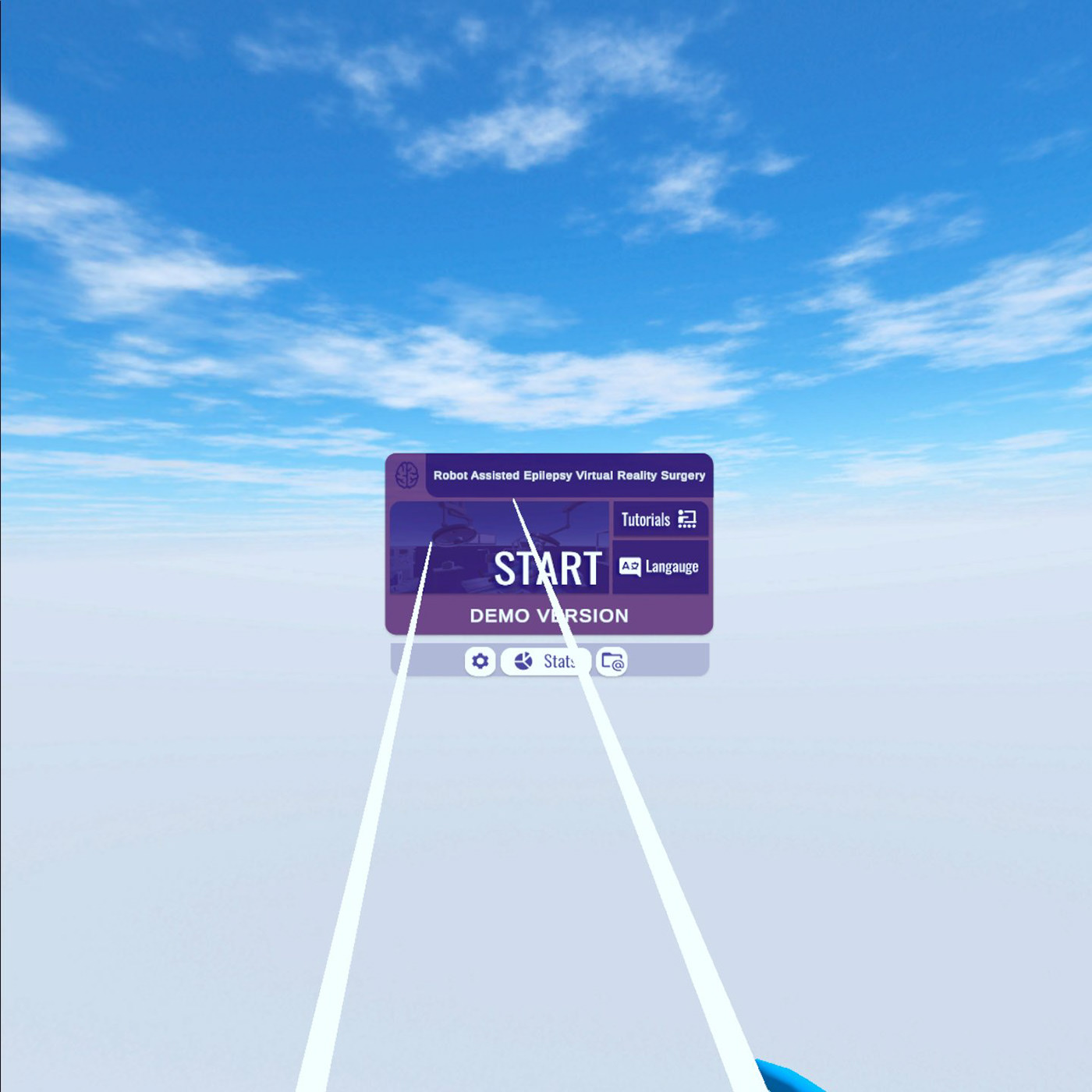
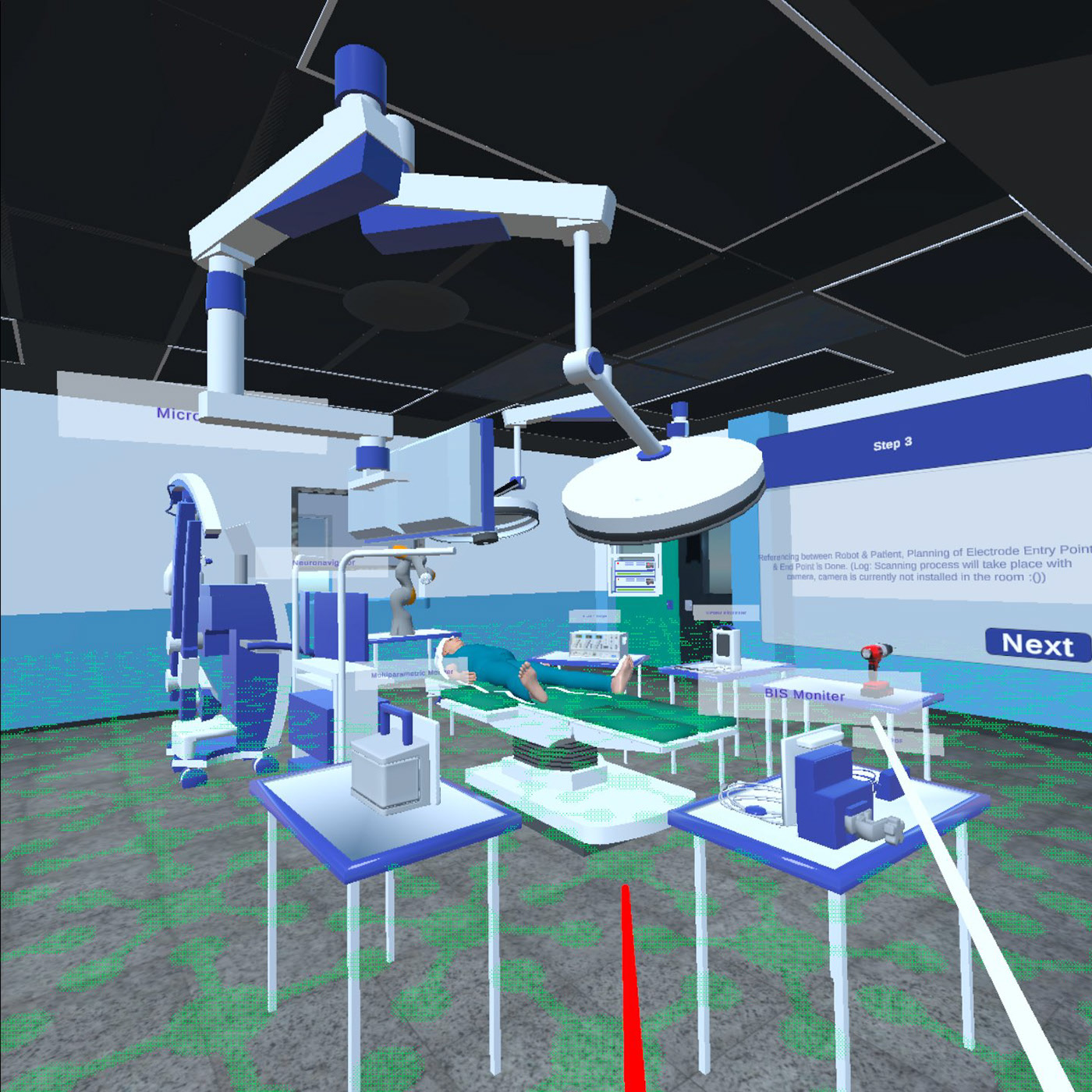
Virtual reality can be useful for training purposes of epilepsy surgery, also we have developed our own prototype to perform the epilepsy surgery which is assisted by virtual robot, the prototype shows step by step instruction to successfully completed the epilepsy surgery from start to end, at first it may be difficult to understand the workability of the robot in physical space, but due to our prototype now the user can now understand the working of robot in the interactive & engaging way. Overall we got a very good response for our prototype from doctors & academia professionals, future work will include enhancing the prototype more, adding details in each and every step.
Download the APK File from here - https://akshaysharmadev.itch.io/vr-epilepsy-surgery
Open SideQuest on your PC, connect with quest and upload the above APK file and RUN.


Log in or sign up for Devpost to join the conversation.