-
-
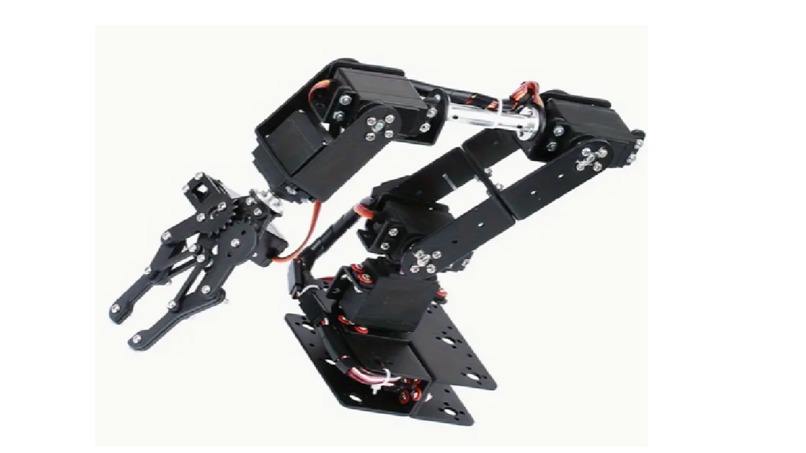
Robotic Arm
-
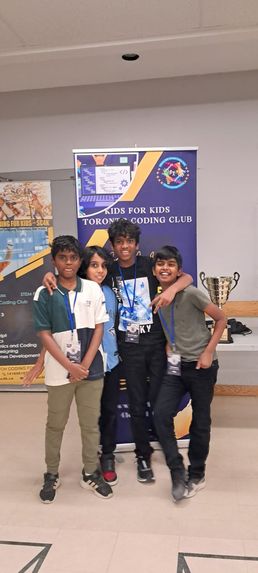
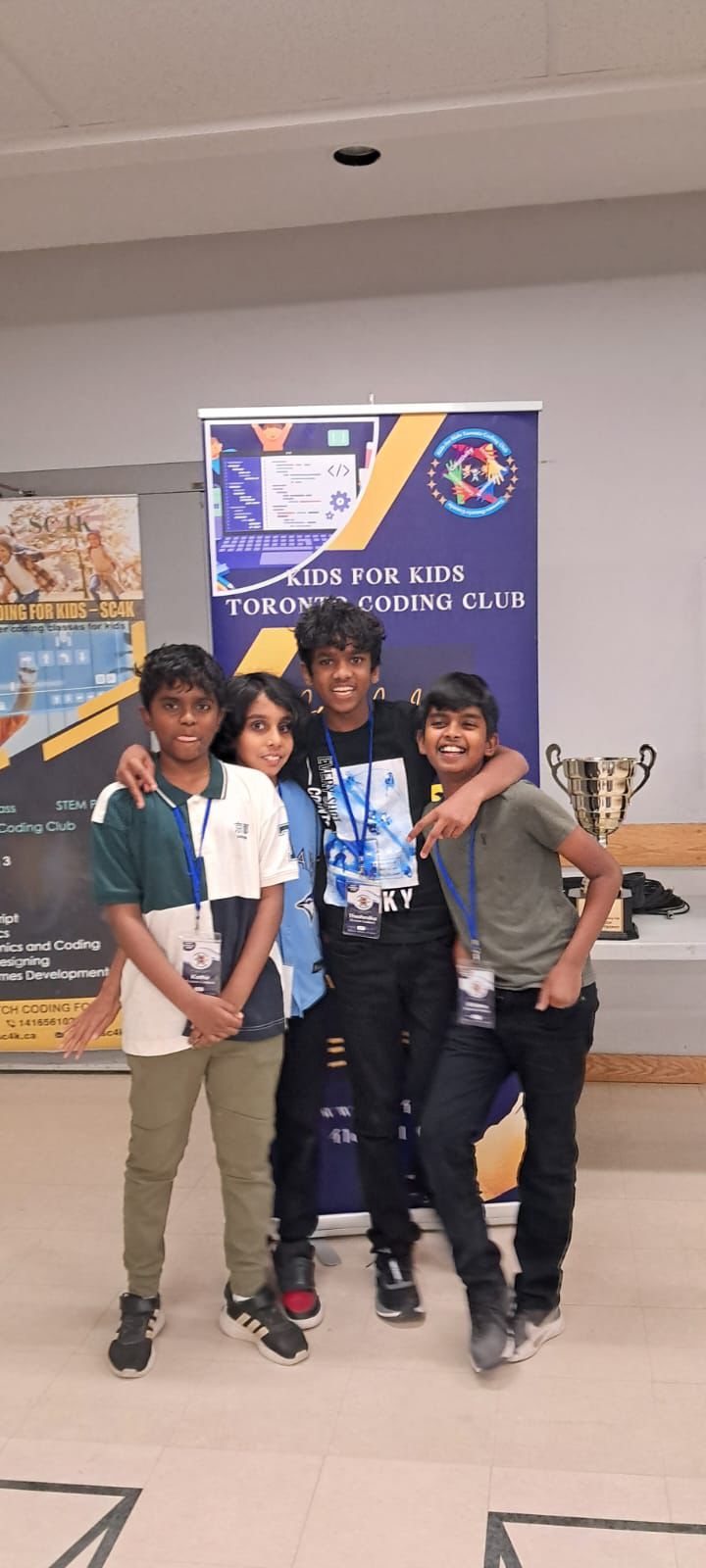
Team Ocean Coders
-
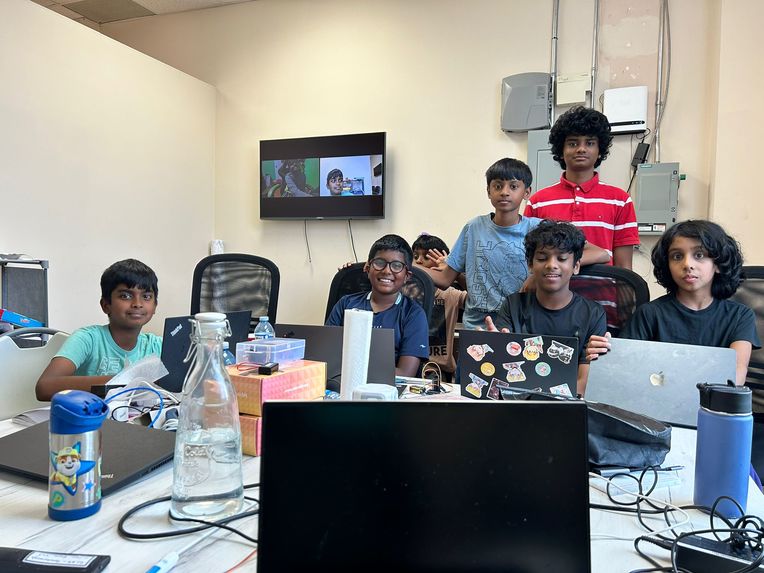
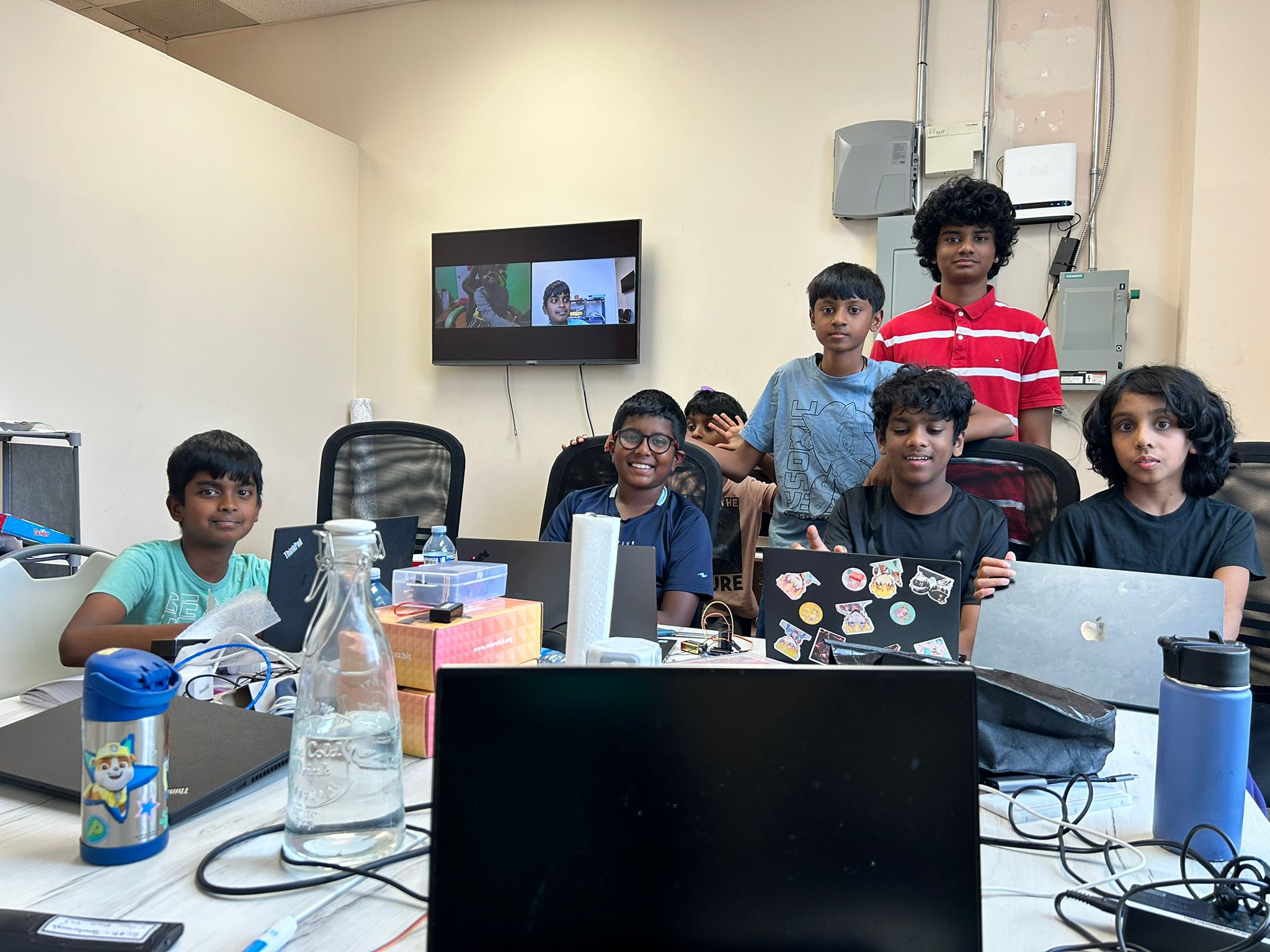
Working with mentors at Scarborough center
-
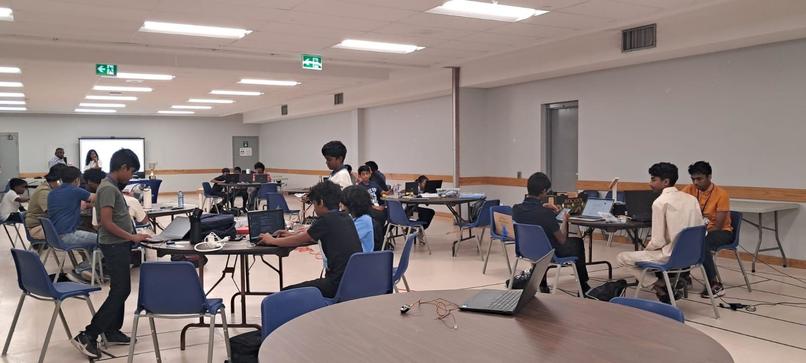
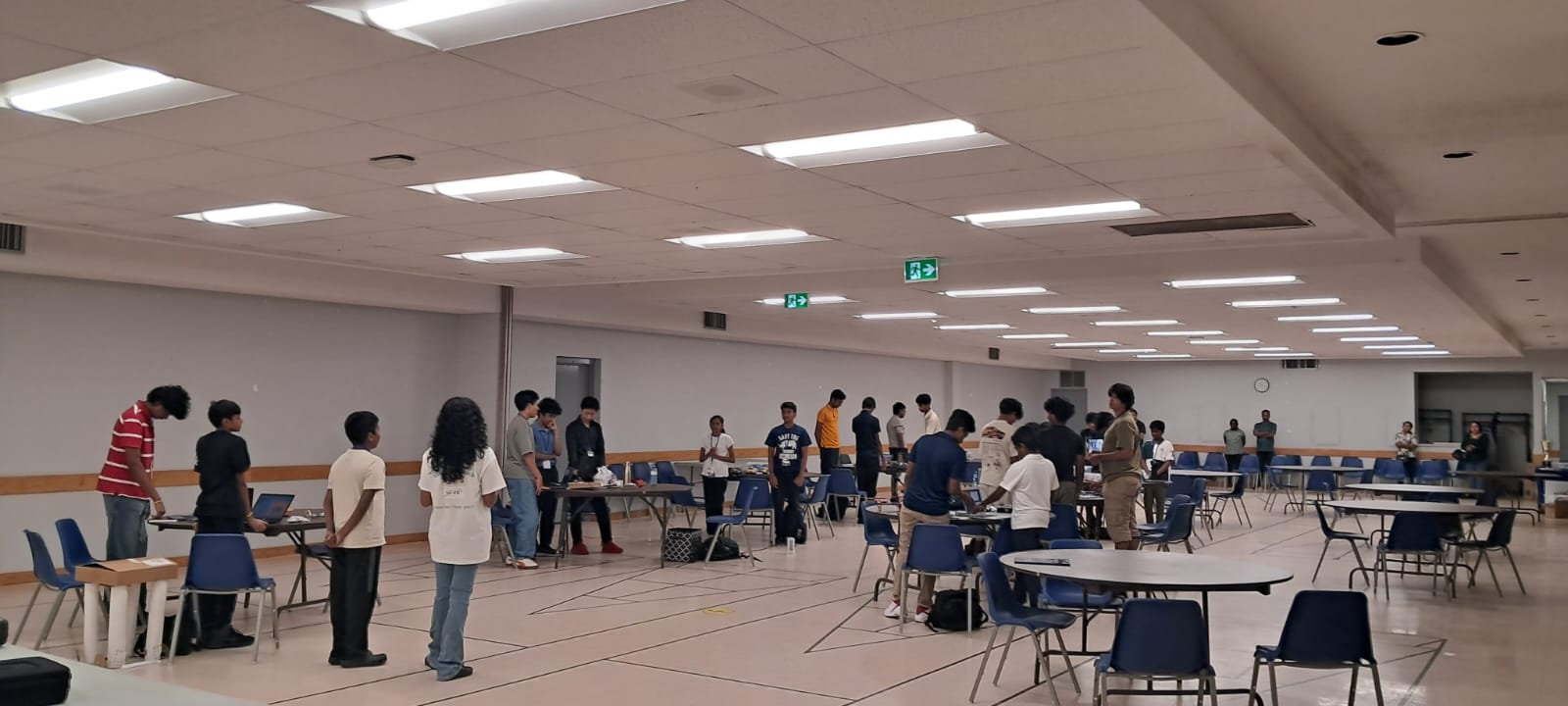
On the big day
-
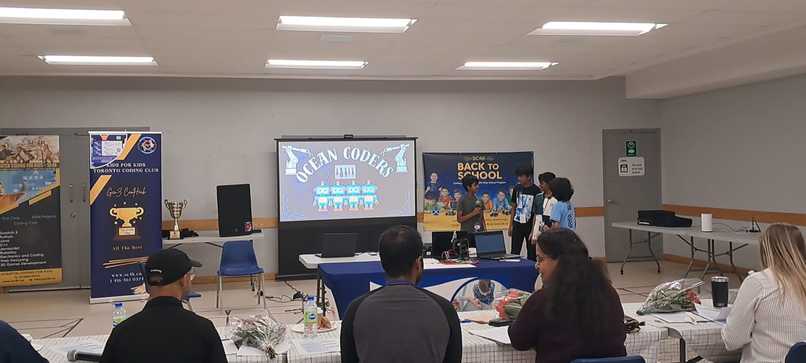
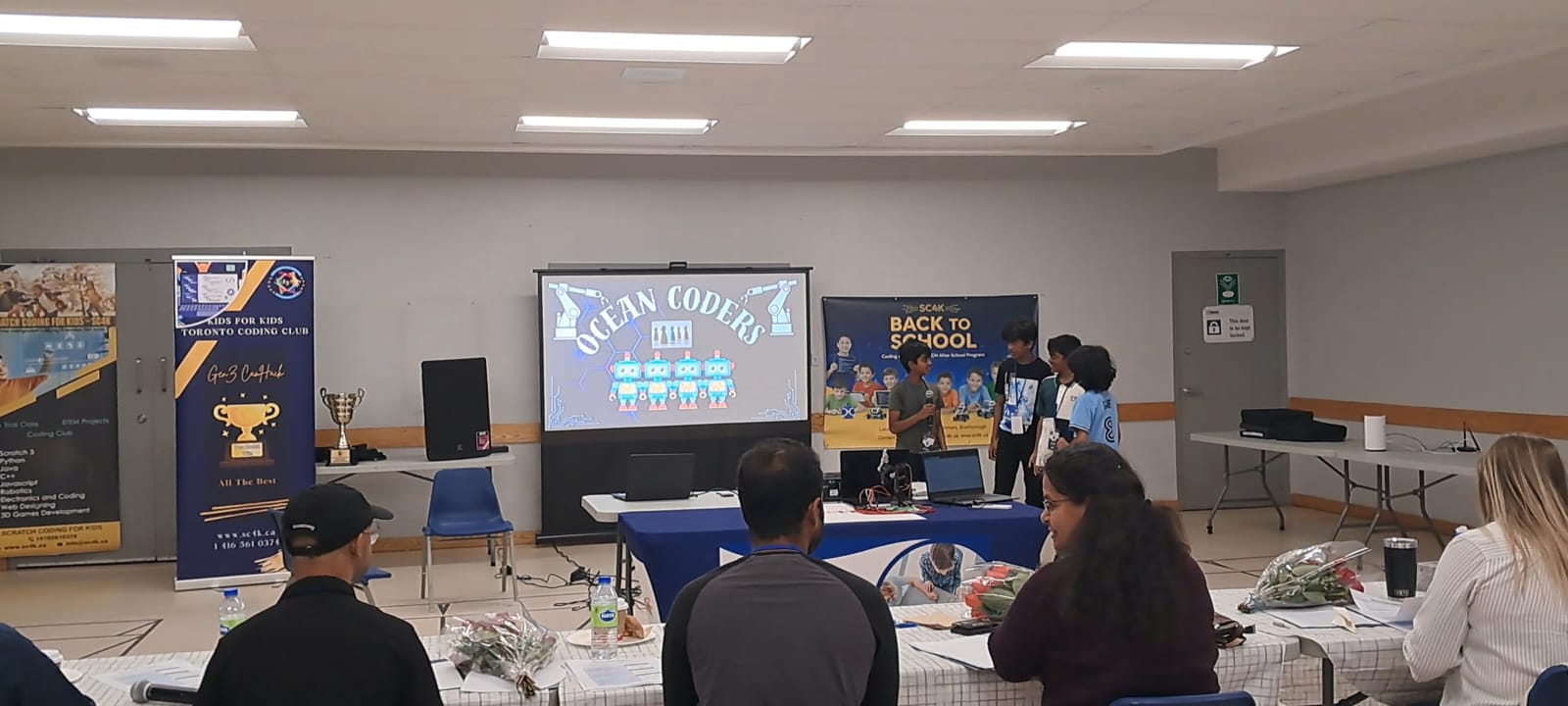
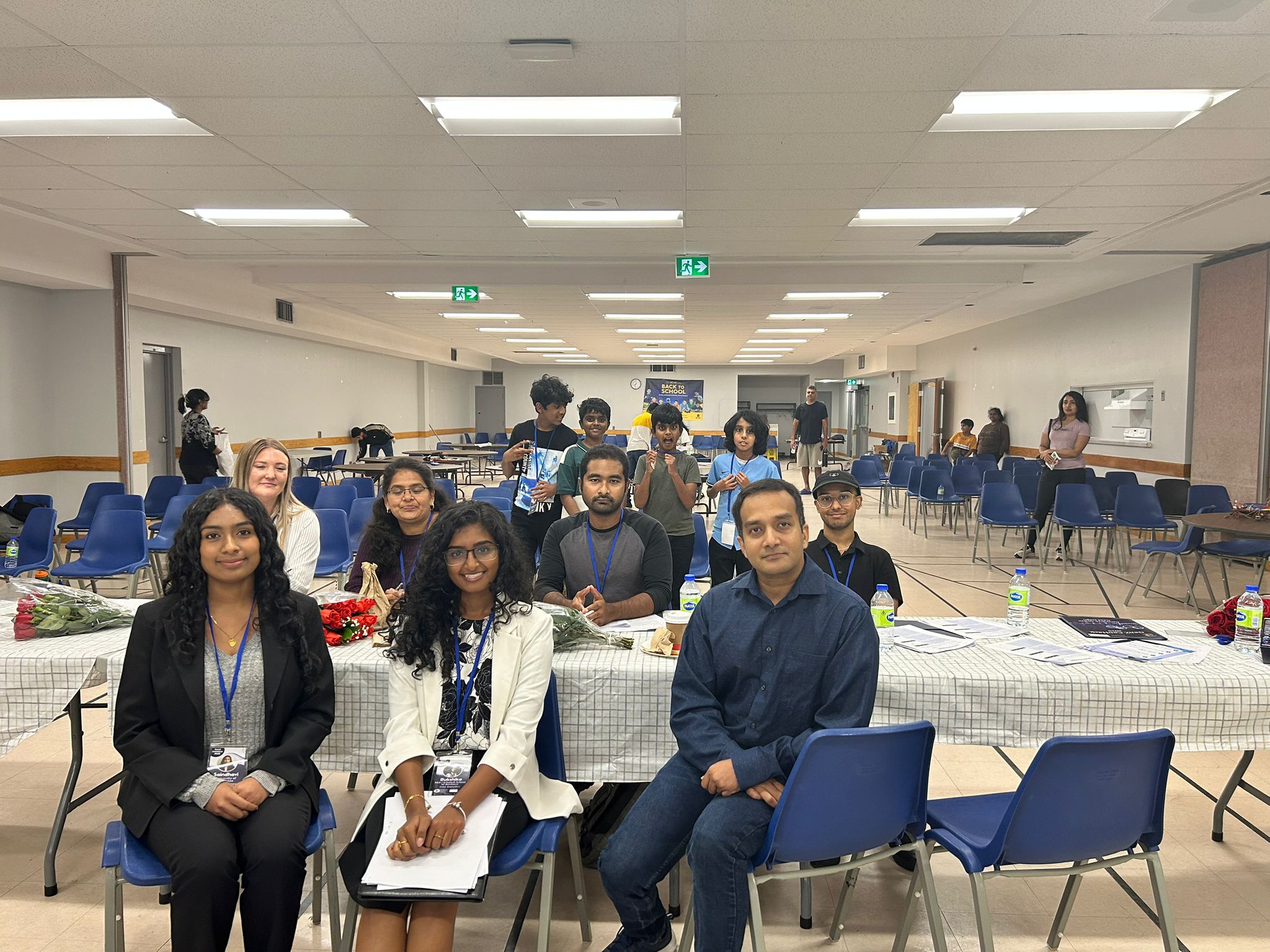
Presenting to the judges
-
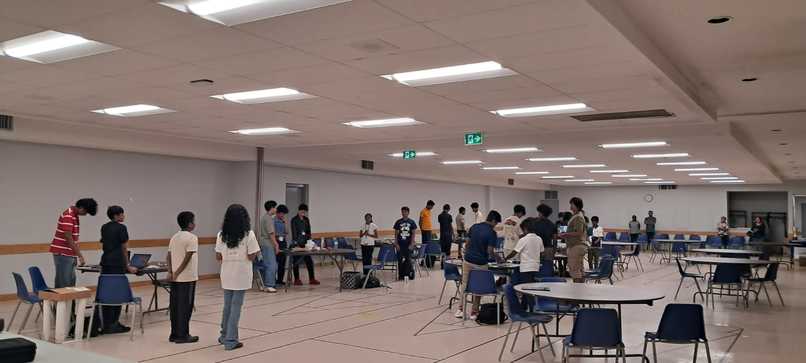
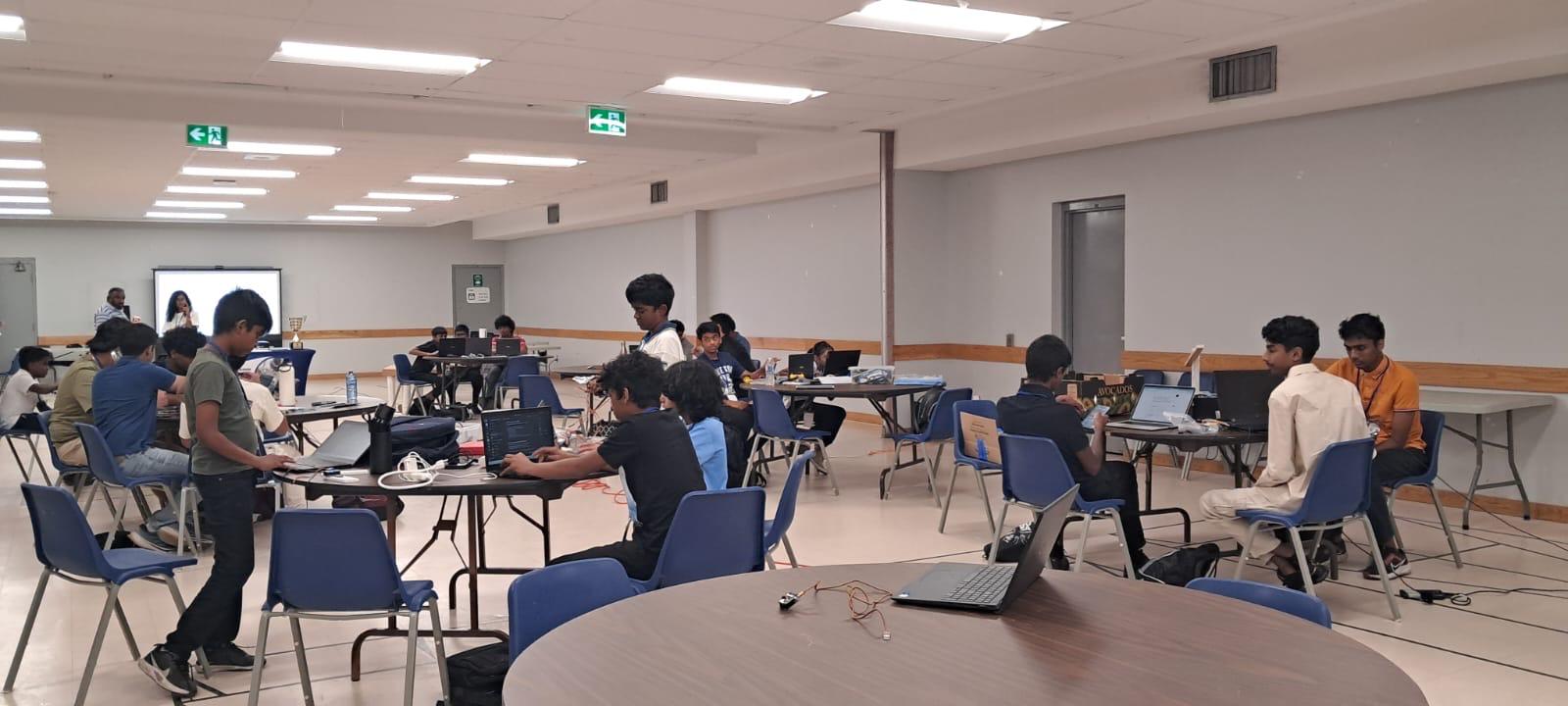
On the start with other teams
-
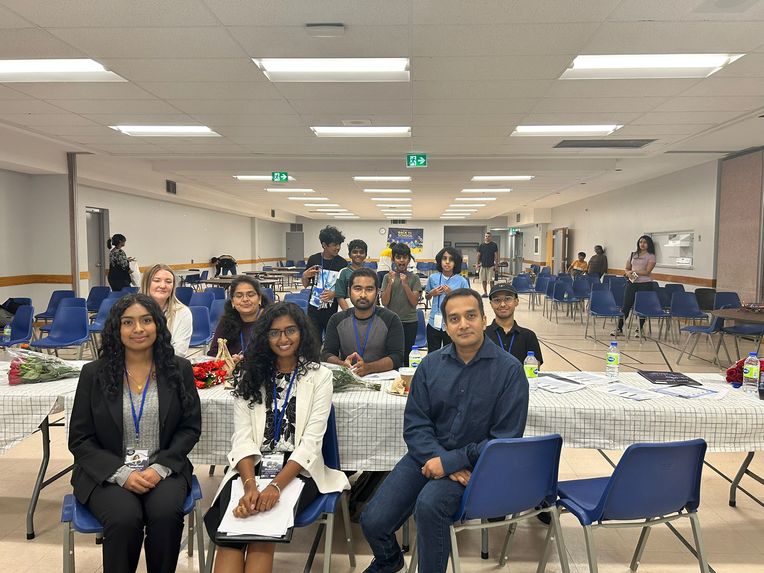
with judges
🌊 Deep-Sea Sentinel: Cleaning Ocean Trash with Robotics & AI
👥 Team Ocean Code We are four students from SC4K who came together in the early spring of 2025 to take on the challenge of GenZ CanHack 2025. Our team name, Ocean Coders, reflects both our love for technology and our commitment to protecting our oceans.
💡 Inspiration Marine debris is one of the most pressing environmental issues today. While many solutions exist to clean up beaches and floating trash, very few address the massive amount of waste on the sea floor. Cleaning the seabed is difficult due to high pressure, uneven surfaces, and accessibility challenges. We wanted to build a solution that is: • Innovative → targeting seabed trash where almost no solutions exist. • Practical → able to withstand pressure and handle irregular debris. • Meaningful → showcasing Canadian innovation through robotics (Canada is the only country that developed and deployed robotic arms for space missions like the ISS).
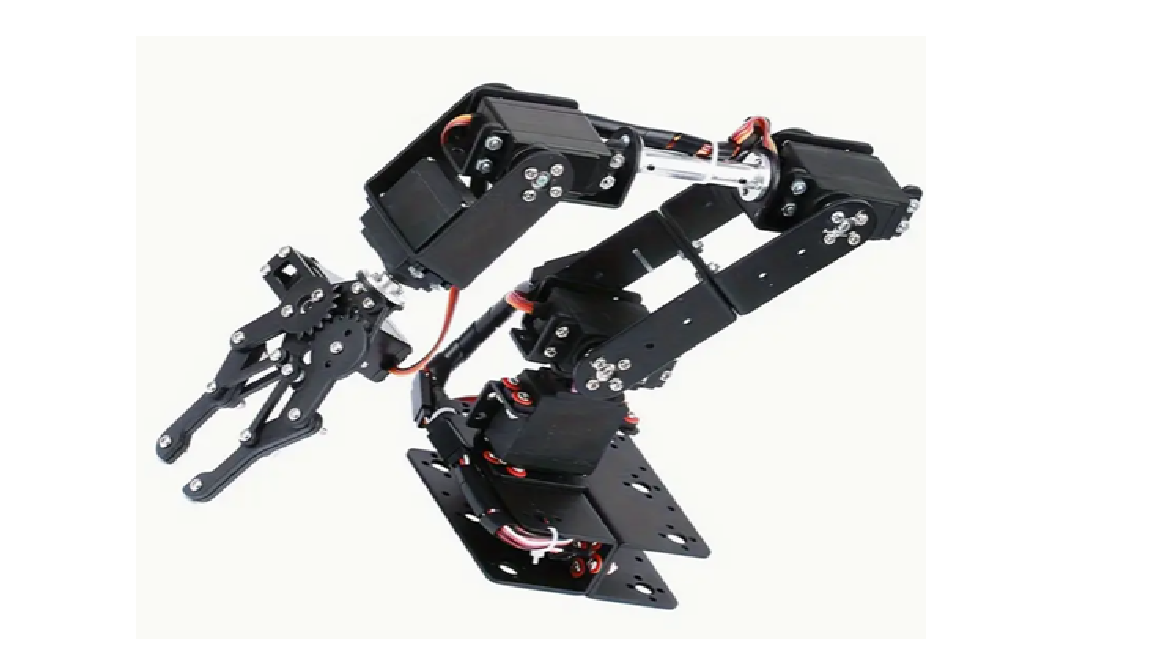
🛠️ What We Built We created the Deep-Sea Sentinel, a robot that combines a 6-servo motor robotic arm, ESP32-CAM, and an Edge Impulse AI model to detect, identify, and collect seabed trash. Our robotic arm: • Uses 6 servo motors for base, shoulder, elbow, wrist, gripper, and an extra joint for flexibility. • Provides firm gripping power to handle debris under water pressure. • Represents Canadian pride in robotic arm technology. The AI model: • Trained on images of underwater debris. • Runs directly on the ESP32-CAM using Edge Impulse and TensorFlow Lite. • Detects trash and sends coordinates to guide the robotic arm.
⚙️ How We Built It Tech Stack & Tools: • Hardware: ESP32-CAM, 6 servo motors, robotic arm frame (metal base & joints). • Software: Arduino IDE, C/C++, Python. • AI: Edge Impulse (TensorFlow Lite). • Collaboration: GitHub, Discord, Zoom, WhatsApp, Gmail, Devpost. • OS: Windows + macOS. Step-by-Step Development:
- Robotic Arm Design → Built structure with 6 servo motors (base, shoulder, elbow, wrist, gripper + extra joint).
- Servo Control → Coded signals to test servo movement and ensure responsiveness.
- ESP32-CAM Setup → Captured underwater-like images and uploaded to Edge Impulse.
- AI Training → Trained model on debris detection; exported trained model.
- Integration → Combined AI model with Arduino code to run on ESP32-CAM.
- Object Detection & Mapping → Programmed logic to send object coordinates from ESP32-CAM to servos for precise arm movement. o Math behind servo movement: mapping distance + angle calculations using θ=arctan(yx)\theta = \arctan\left(\frac{y}{x}\right) where x,yx, y are object coordinates.
- Testing & Refinement → Iterated until detection + gripping worked reliably.
- Please check the GitHub for code
🚧 Challenges We Faced • Mapping object detection to servo motor angles was much harder than expected. • Training AI with limited underwater dataset images. Subject Matter Expert needed for real world implementation • First time used Edge Impulse and Tensorflow. • Making the robotic arm strong yet flexible enough to simulate seabed conditions. • Debugging ESP32-CAM integration with limited memory. Rebooted and crashed after uploading the code.
📚 What We Learned • How to train and deploy AI models on edge devices like ESP32. • Edge Impulse and TensorFlow • Trouble shooting and resilience power • Deeper understanding of robotic arm mechanics and servo calibration. • Teamwork: balancing different ideas, collaboration styles, and responsibilities. • Importance of Subject Matter Experts to make more accuracy on AI training. • Importance of eco-friendly practices even during development: o Reduced paper usage. o Used reusable bottles and bags. o Carpooled for meetups. o Explored solar and hydro power instead of batteries for sustainability
🌍 Our Impact & Next Steps Our project proves that it’s possible to use robotics + AI for seabed cleanup. With further development, the Deep-Sea Sentinel could: • Be scaled for real-world ocean cleanup missions – Deep sea pressure, Corrosive effects, uneven surface and rocks • Partner with organizations like Team Seas and marine research institutes. • Expand AI datasets for more accurate detection of diverse trash types. • Explore underwater power stations for continuous operation. • Explore underwater trash containers to reduce the travel to the surface water.
🙌 Acknowledgements We thank our mentors at SC4K and Kids for Kids Toronto Coding Club, online communities, Volunteer organizations working on sea debris, and open-source contributors who made this possible.


Log in or sign up for Devpost to join the conversation.