Inspiration
I wanted to build a small multiplayer game that felt like an actual game rather than another simple Unity prototype. I liked the idea of taking a very simple concept — two robots fighting to destroy each other's base — and adding enough strategy and progression to make each match feel different.
That turned into Robo Mania, a 1v1 robot arena game where players have to balance attacking, defending and managing their resources.
What it does
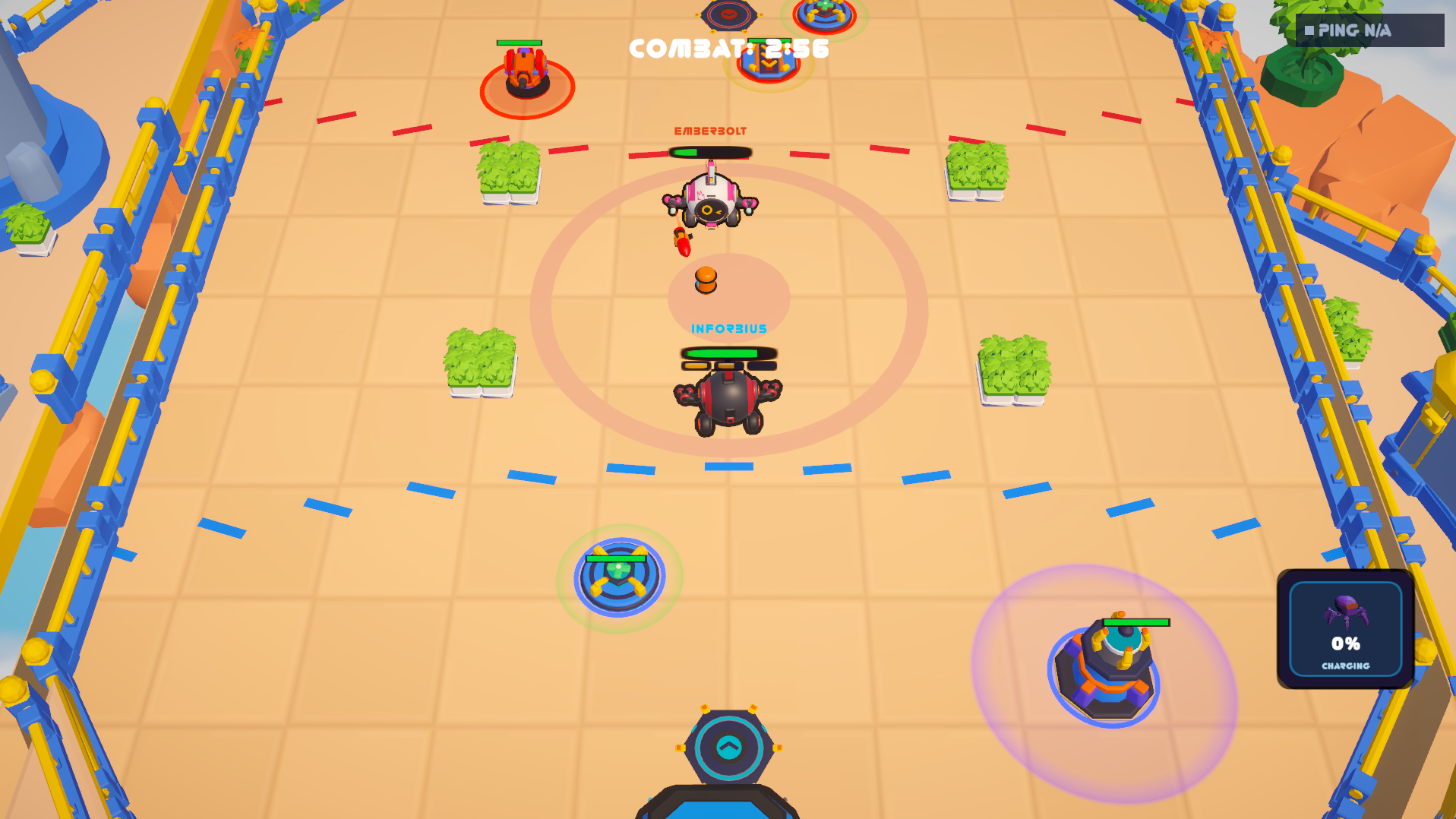
Robo Mania is a fast-paced 1v1 robot arena game.
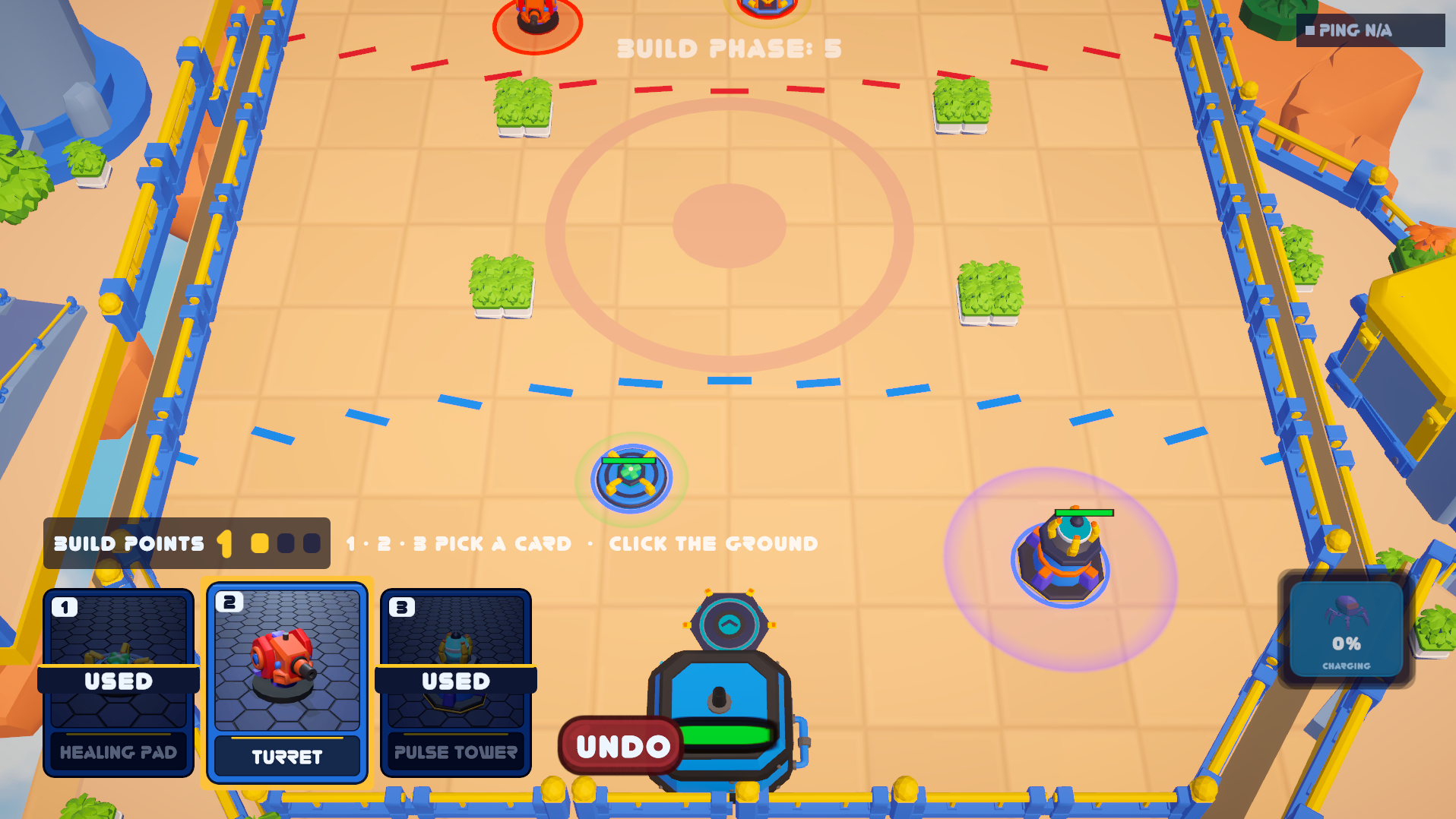
Each player has a base to defend and a short build phase at the beginning of the match. Players can bring a loadout of build cards and place defensive/support structures before the fight starts.
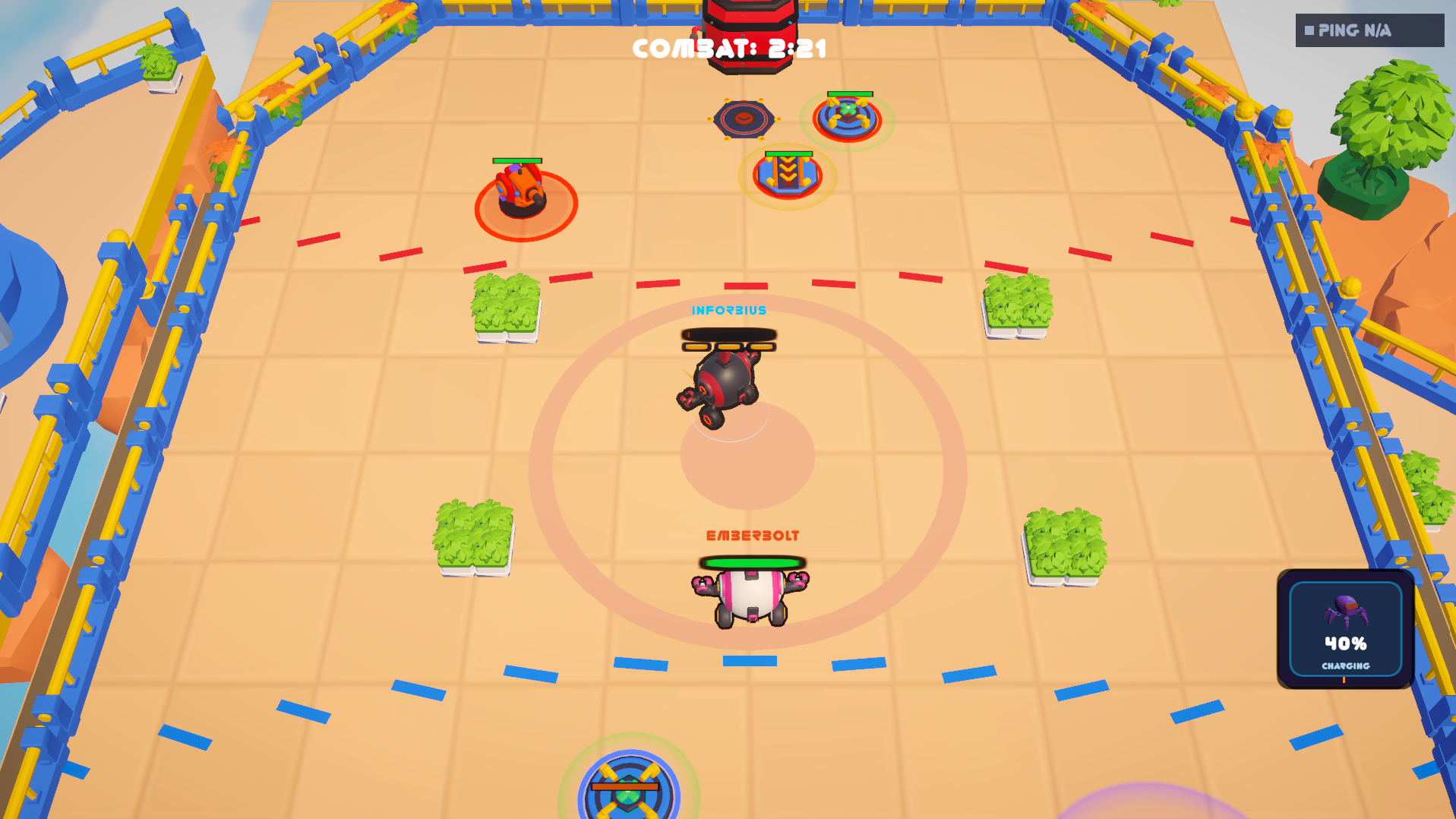
Once combat begins, players move around the arena, aim and fire missiles, collect E-Cells and build enough energy to deploy a swarm of small six-legged robots called Spidys.
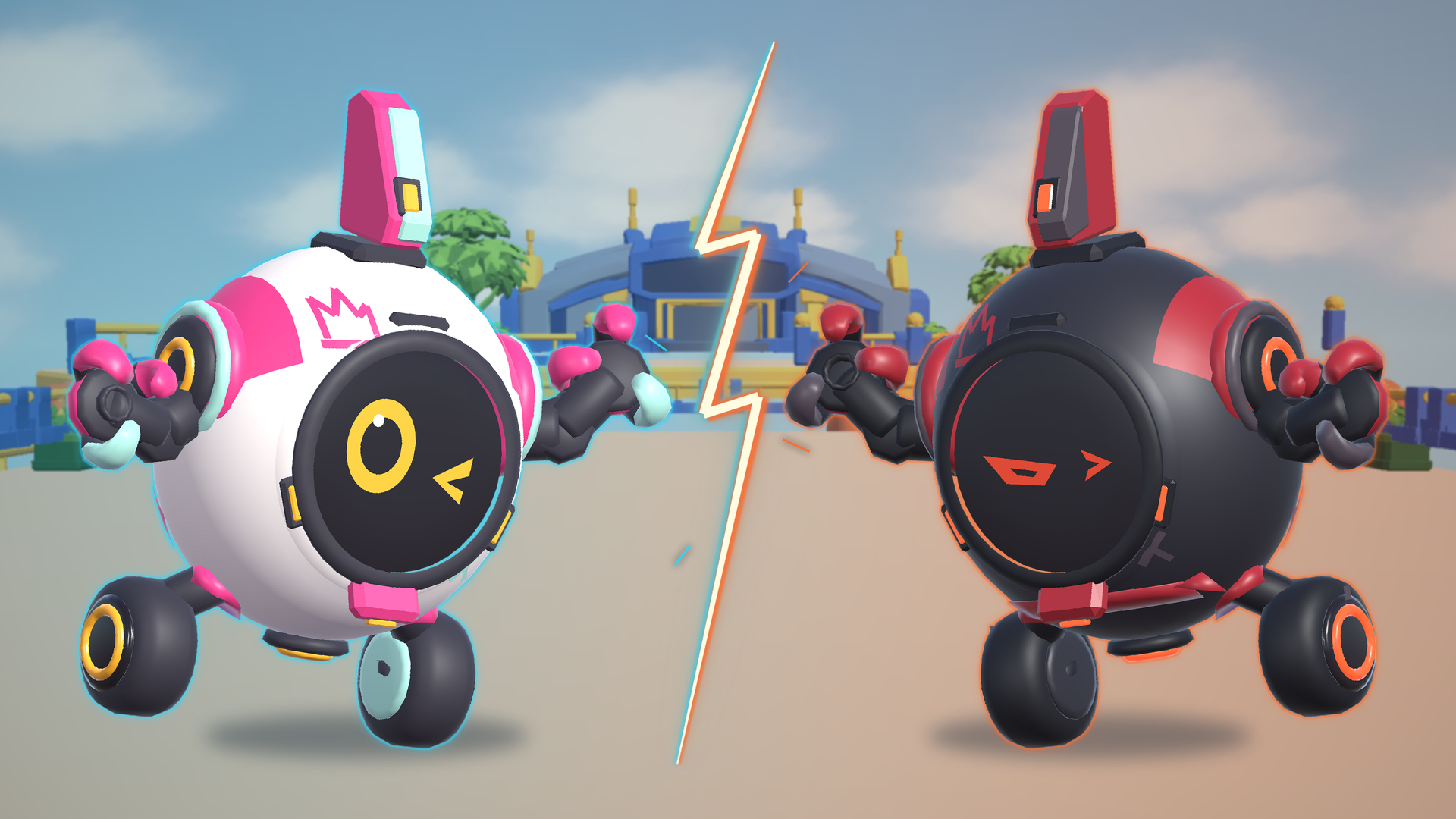
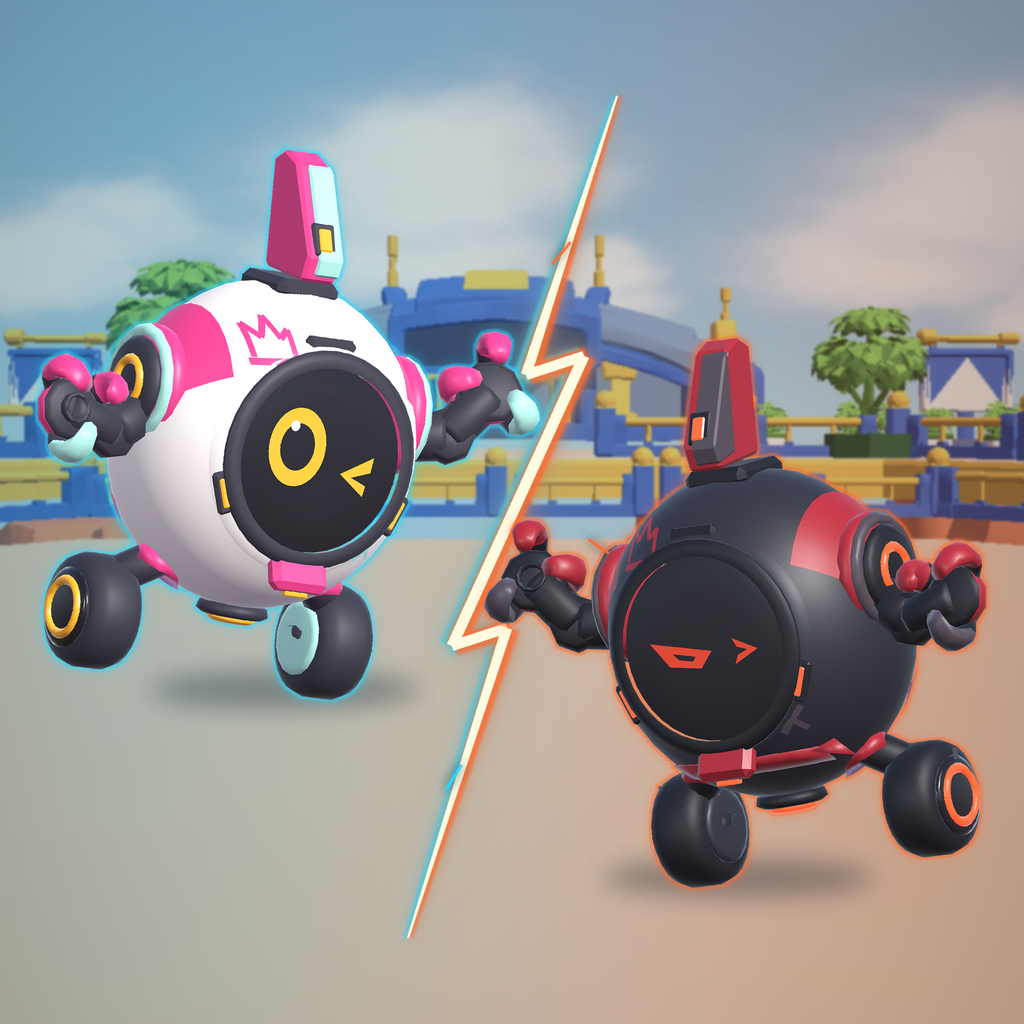
The game includes online multiplayer, private rooms, matchmaking, bot fallback, different robot skins, missions, XP, coins, progression, mobile controls and a build/loadout system.
For the Shipaton version, I also integrated the RevenueCat SDK so the Android build can use ad monetization and RevenueCat's ad tracking capabilities.
How we built it
The game was built in Unity with C#, with Photon Fusion handling multiplayer.
I also used AI heavily during development to speed up implementation, debugging and problem solving. I used it more like a programming partner than a tool that simply generated the whole game.
My workflow was usually:
build a system → test it → find what breaks → inspect the logs/code → use AI to help trace the problem → make a small fix → test again.
I used Blender to create and refine the game's 3D assets and gameplay structures, while keeping the models lightweight enough for mobile and web.
A lot of the work ended up being about connecting many small systems together: networking, movement, aiming, projectiles, structures, AI, UI, progression, saving, audio and platform-specific integrations.
Challenges we ran into
The hardest part was multiplayer.
Things that worked perfectly with one player sometimes broke as soon as a second client joined. We had issues with movement, spawning, player visibility, camera direction, state synchronization and race conditions between matchmaking and gameplay.
Another challenge was making the game work well on both desktop and mobile. Desktop needed proper movement and aiming controls, while mobile needed touch controls without changing the underlying gameplay.
Performance was another major challenge, especially with multiple structures, missiles, VFX and Spidy bots active at the same time.
There were also a lot of smaller problems that were surprisingly difficult to solve, such as UI state leaking between screens, audio triggering more than once, respawn timers appearing after a match had already ended, and keeping the game visually consistent across different assets.
Accomplishments that we're proud of
The biggest accomplishment is simply taking the project from a small prototype to a complete playable multiplayer game that I could actually ship.
Robo Mania now has a working online multiplayer system, private rooms, matchmaking with bot fallback, a build/loadout system, multiple robot skins, progression, missions, mobile controls and platform integrations.
I'm also proud of the fact that the game was actually released on CrazyGames rather than staying as a project that only existed locally.
The project also pushed me to learn much more about multiplayer architecture, game optimization, 3D asset creation and building for different platforms.
What we learned
The biggest lesson was that getting something to compile is very different from getting it to actually work.
AI can make implementation much faster, but it still takes a lot of testing and understanding to build a real game. The best results came when I gave AI very specific problems and then verified the changes myself instead of blindly accepting large generated changes.
I also learned how important performance and UX are. A game can have a lot of features, but if the first match takes too long to start, the controls feel bad or the game stutters, players will leave before seeing most of those features.
Finally, I learned that visual consistency matters more than simply having more assets. Every model, card, UI screen and environment element needs to feel like it belongs to the same game.
What's next for Robo Mania
I want to keep improving Robo Mania based on real player behaviour rather than endlessly adding features.
The next focus is making matches more replayable, improving retention, balancing the build system, improving Android performance and continuing to polish the game's visuals and controls.
I also want to experiment with more build cards, more robot customization and additional gameplay strategies while keeping the core 1v1 experience simple and fast.


Log in or sign up for Devpost to join the conversation.