-
-
-
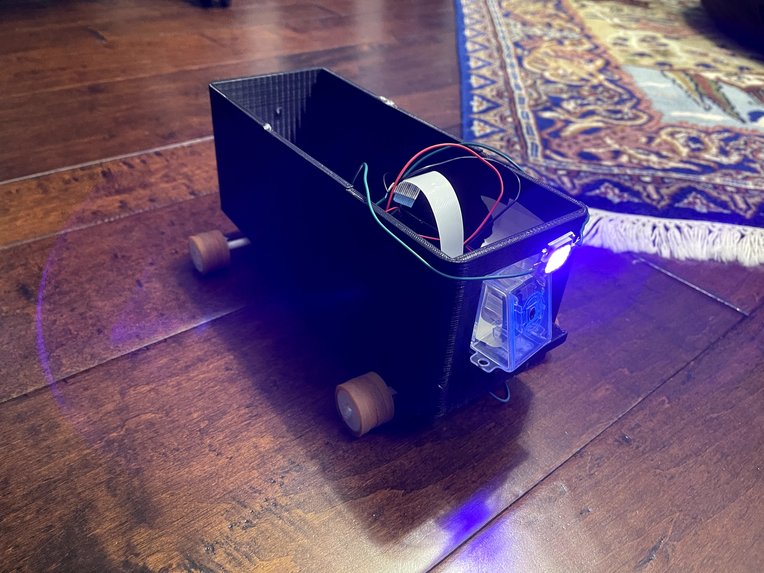
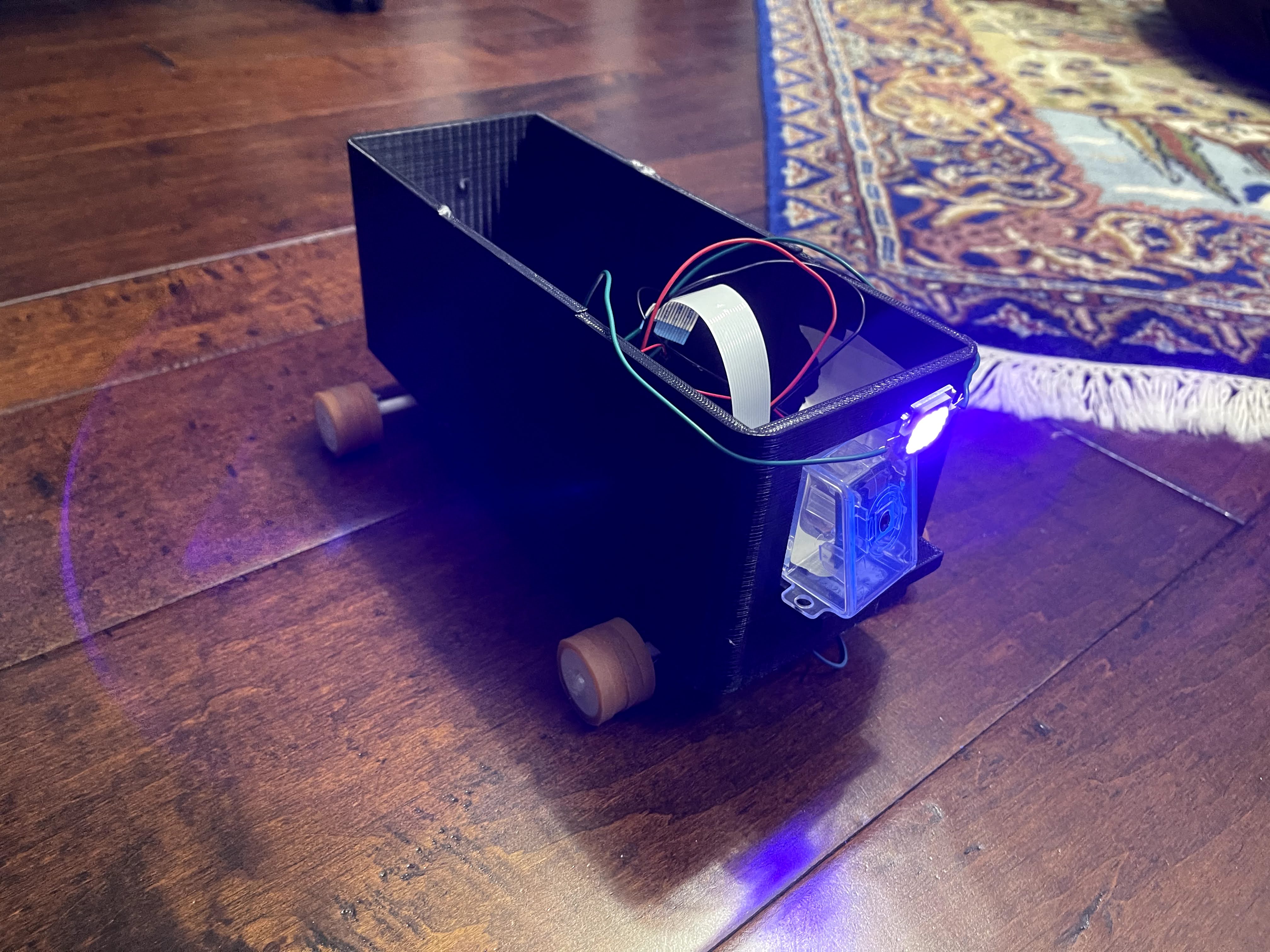
A prototype of RobocleanX
-
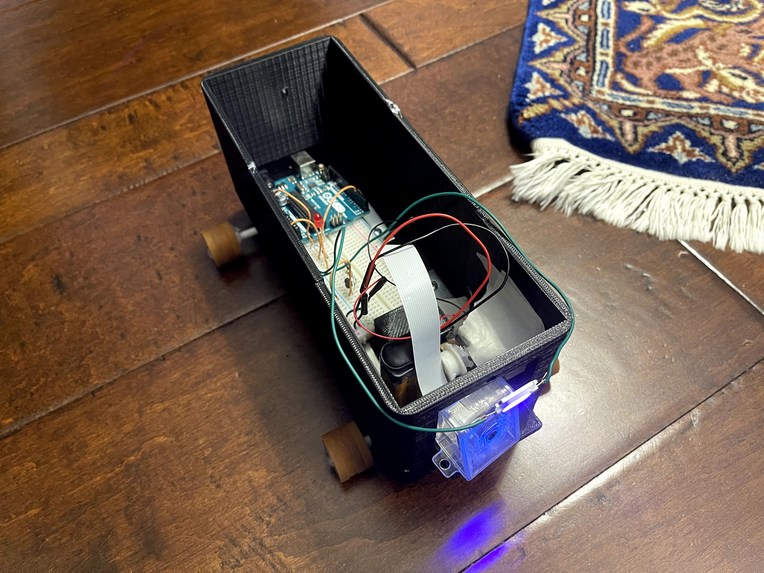
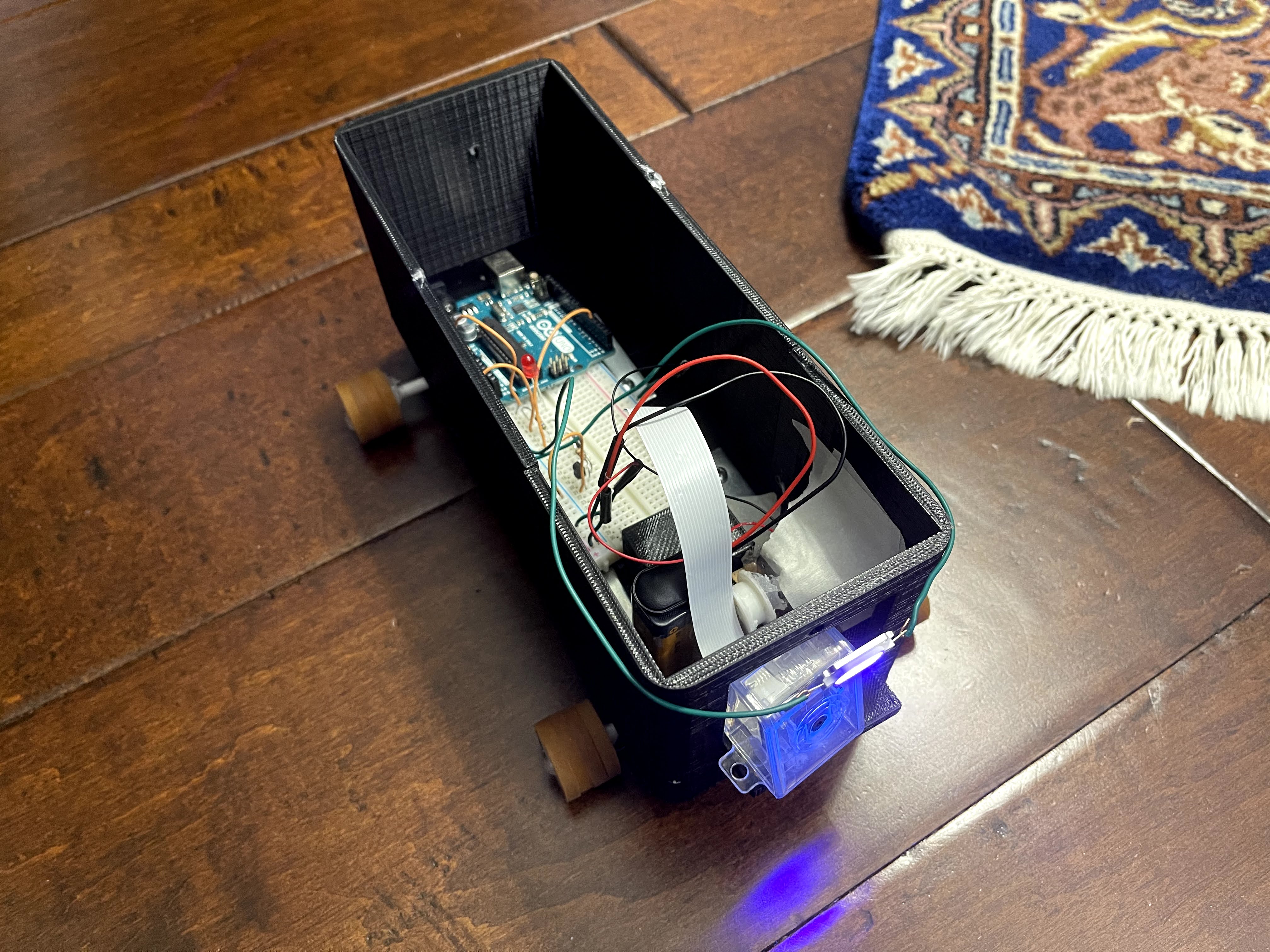
A prototype of RobocleanX
-
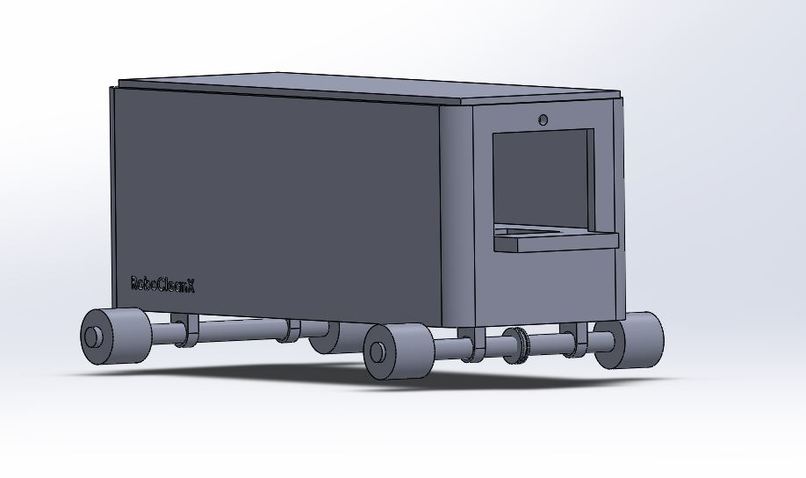
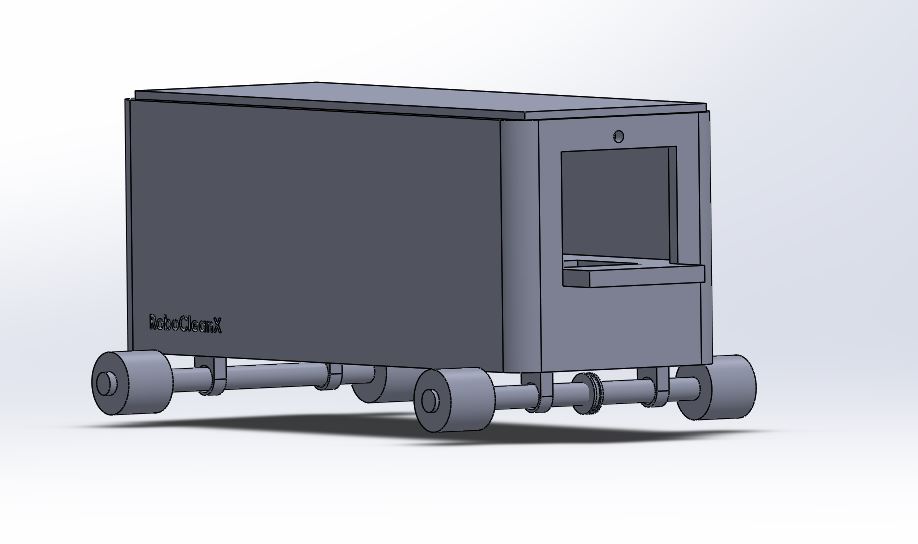
CAD model of RoboCleanX
-
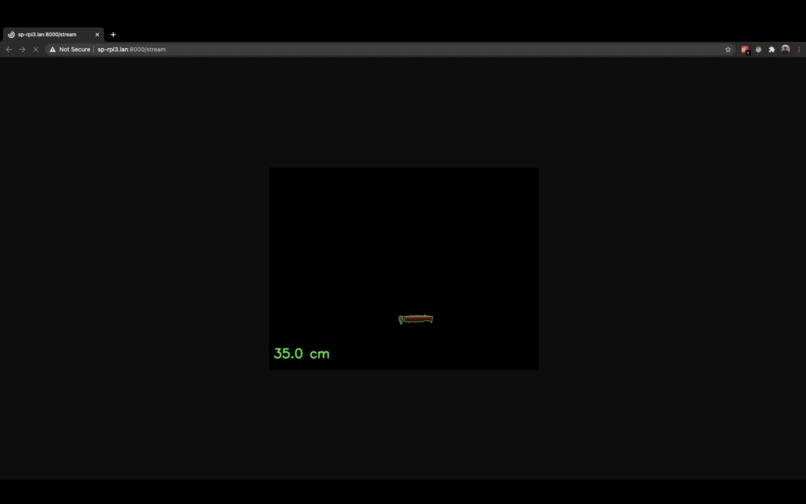
Vision
-
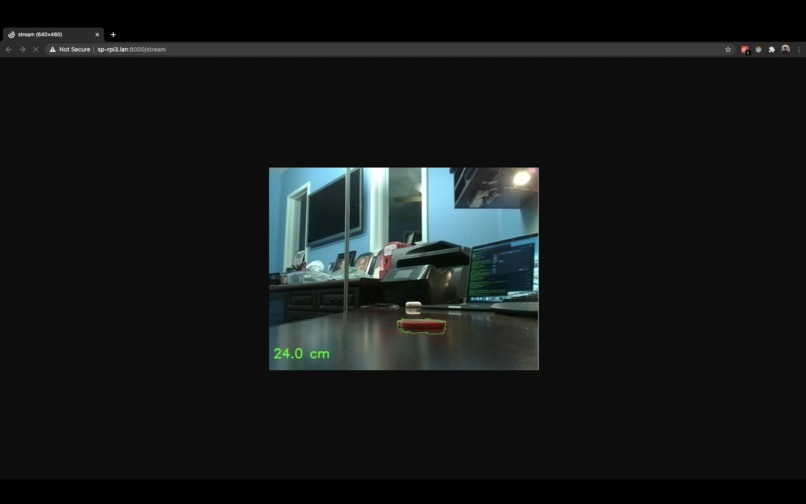
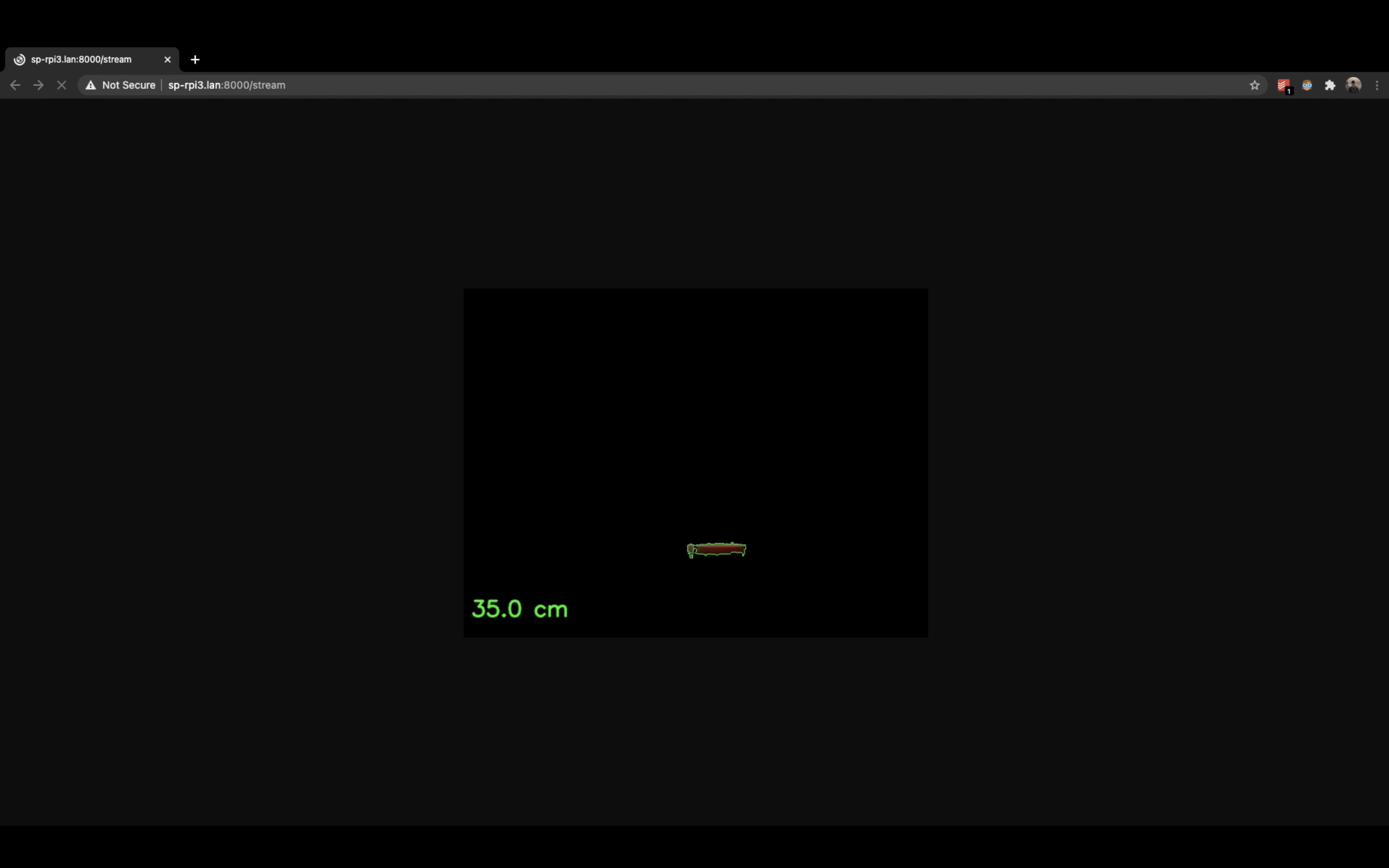
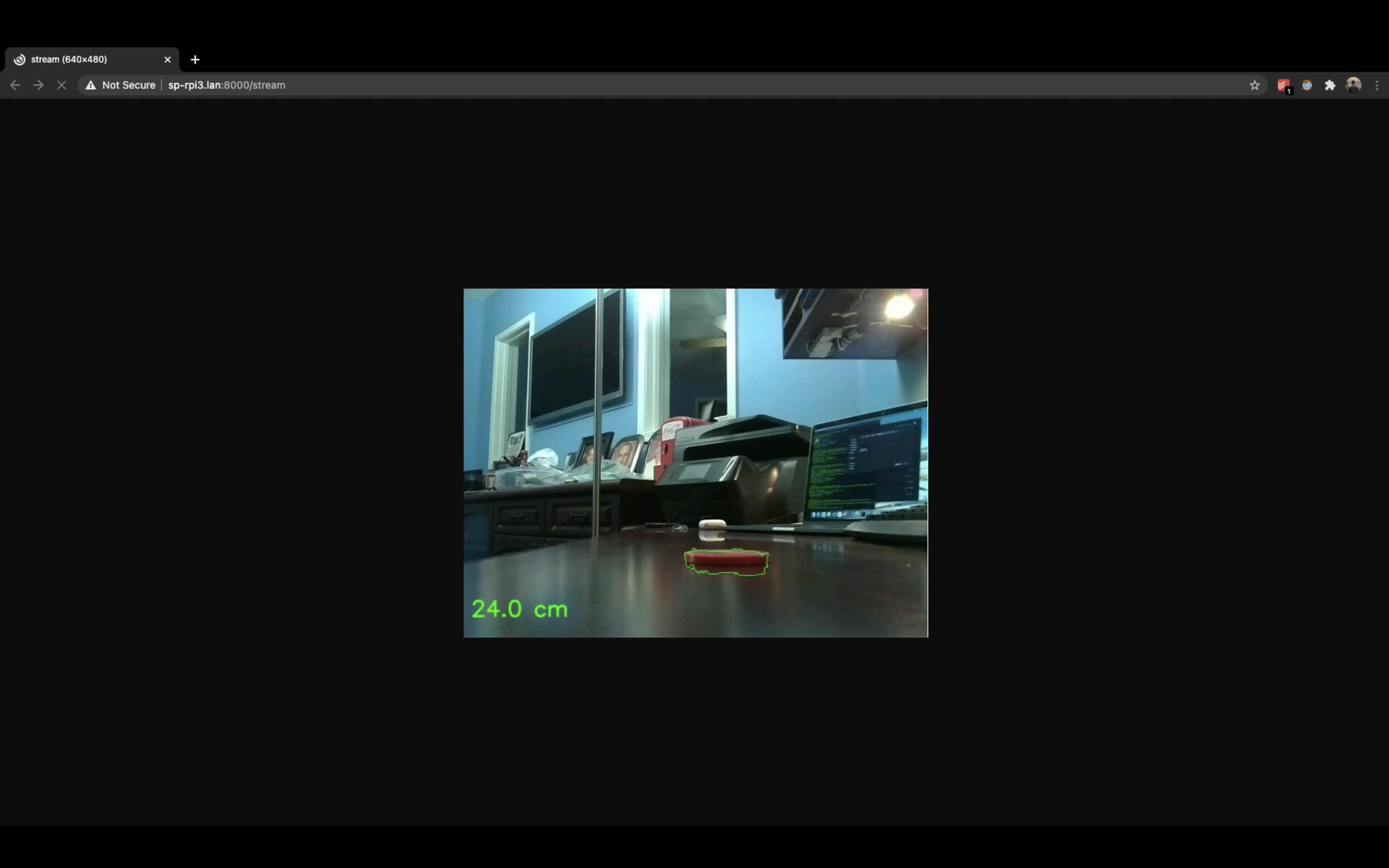
Vision
Inspiration
The pandemic has shown people's desire for affordable and reliable disinfecting methods.
What it does
RobocleanX is an automated vehicle that can be used to disinfect surfaces in rooms, nursing homes/long term care facilities, schools, and more using UV-C light. The robot's unique vision and mapping system can even highlight contamination zones, helping people know what areas to disinfect further with traditional cleaning agents.
How we built it
For the mechanical components we used Solidworks to design our vehicle and then 3D printed the design. We designed and built a custom Arduino circuit on a breadboard that supplies additional power to the UV-A LED and motor. The vision system was designed with OpenCV where we used HSV thresholding and contour filtering (using area, arc length, and rotated rectangle angle) to fine-tune the object we desired to see.
Challenges we ran into
With the limited time, we could only develop a preliminary prototype of RoboCleanX’s hardware. Without the proper resources, we couldn’t run tests with actual biological specimens, but we’re confident in the background research and product’s functionality.
Due to the volume of technical information and research we conducted, we also needed to condense our presentation and make sure the language was understandable.
Accomplishments that we're proud of
We’re happy we created a working prototype in the time frame allotted. We feel that we have a solid foundation to support our future endeavors on all fronts – software, vision, mechanical, and business.
What we learned
Technical: The vision algorithm needs to be further developed to take into account unexpected obstacles with the use of two cameras or a dedicated distance/ultrasonic sensor.
Business: In conversations with mentors, we learned about the importance of a strong business model. This, we expanded our ideas of the market and business strategy to become more specific. With our business model, we targeted areas most in need, and focused on increasing accessibility.
Mechanical: With the use of SolidWorks and CAD modeling, we were able to gain more experience with computer-aided design. We also gained more hands-on experience with 3D printing as well as understand the mechanical drivetrain aspects of a battery-powered motor.
What's next for RobocleanX
Our next steps consist of the continued development of our robot by further testing and developing automation and the vision system. We also plan on designing and building various models of RoboCleanX to fit the needs of multiple audiences and applications. New models would consist of developing sensing and UV-C disinfectant add-on technology to current consumer-available robots such as IRobot as well as accessories to industrial bots.


Log in or sign up for Devpost to join the conversation.