-
-
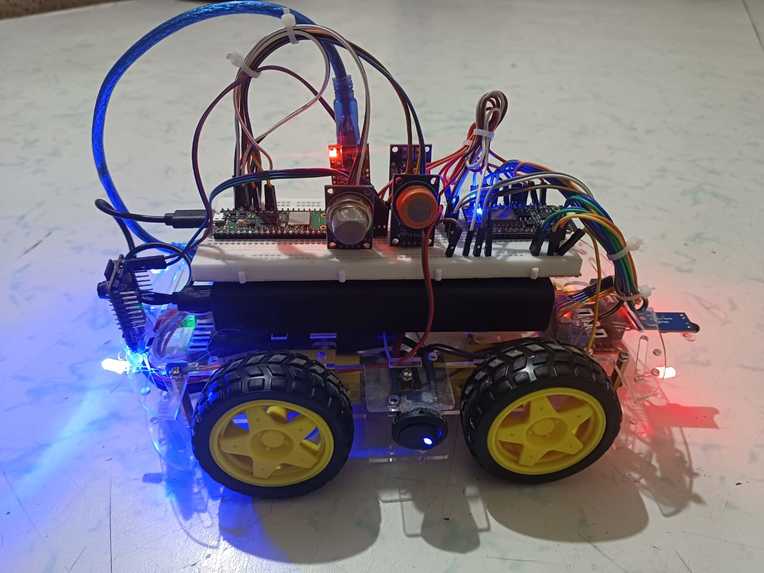
RoboBot
-
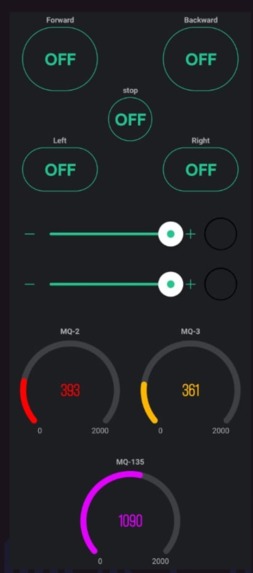
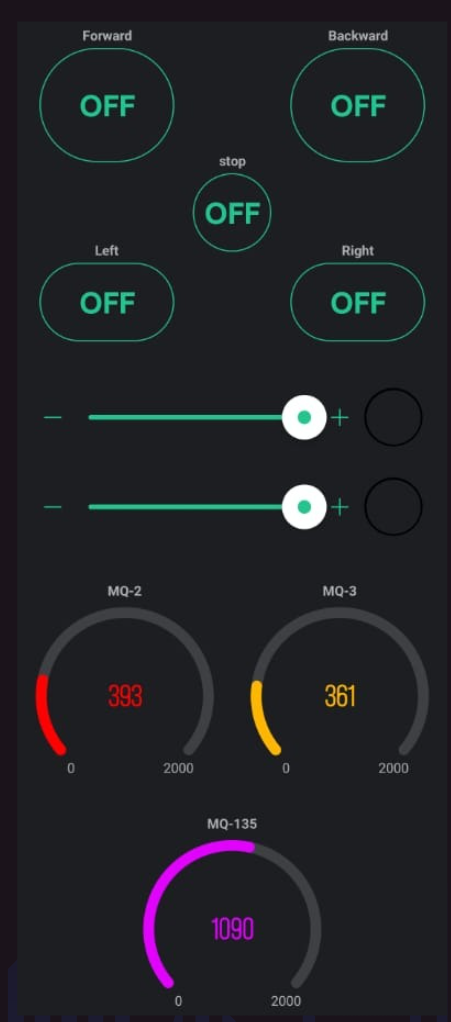
Blynk IoT Interface
-
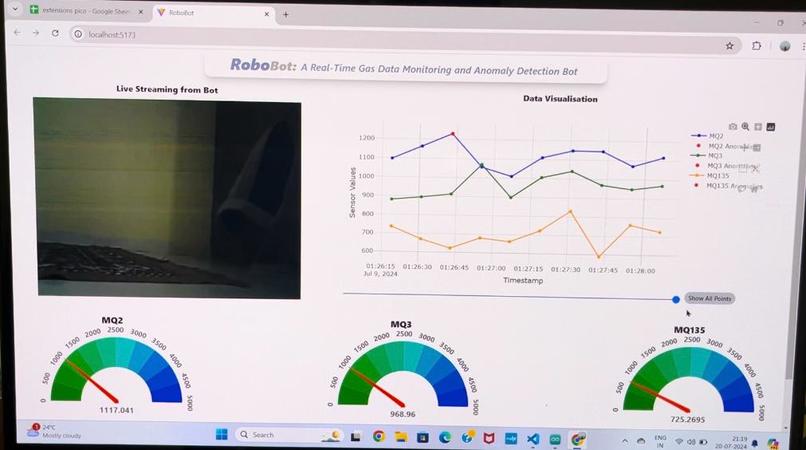
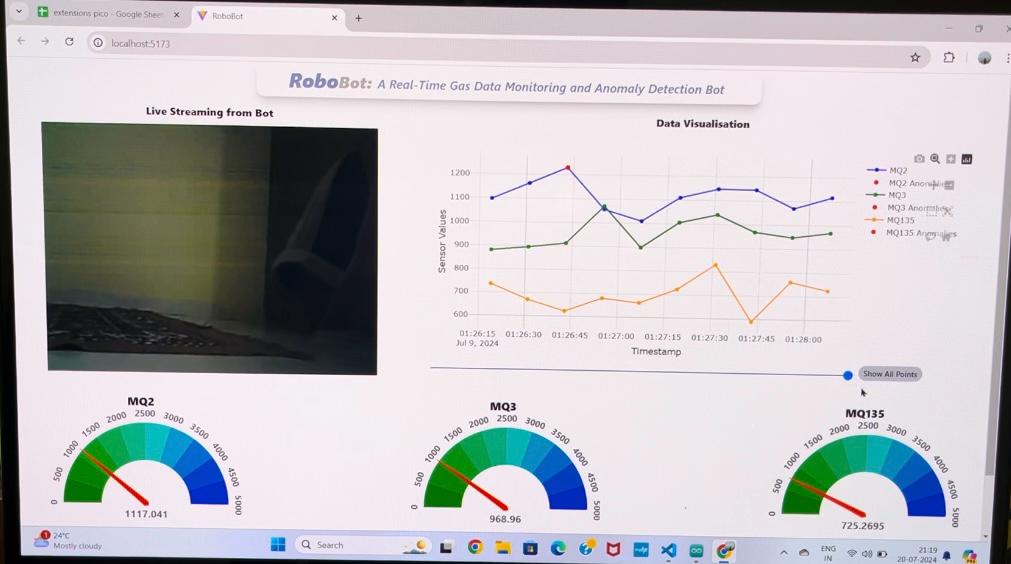
Web Dashboard
-
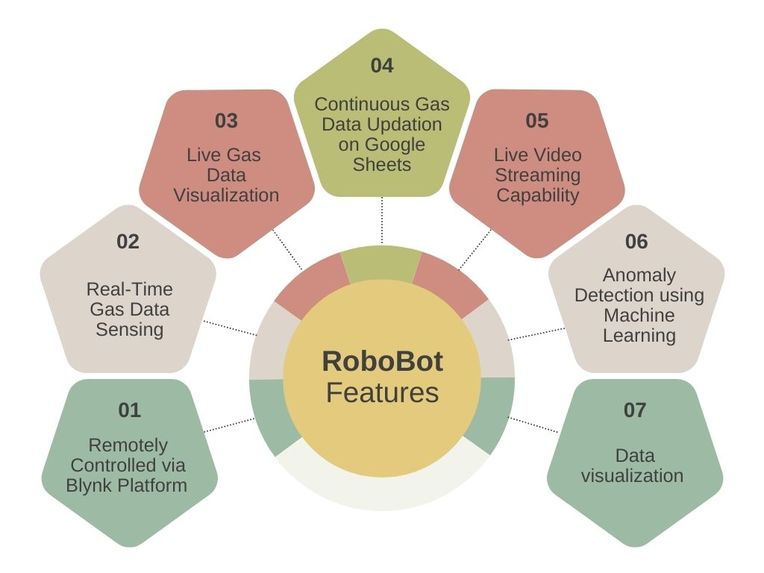
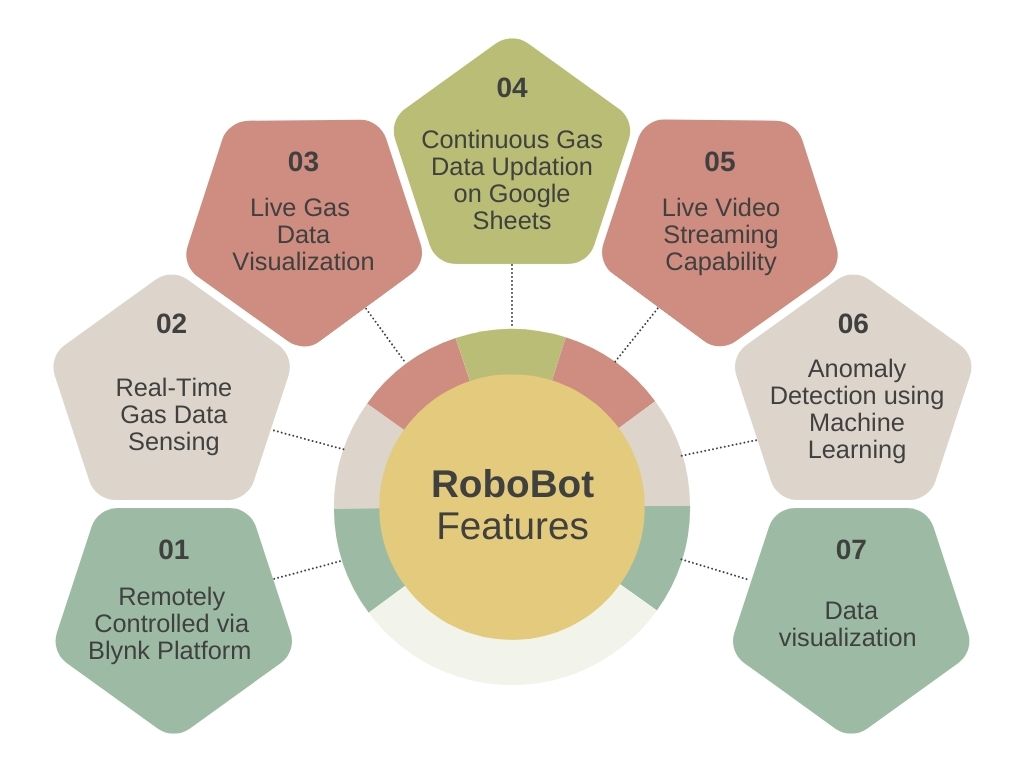
Features
-
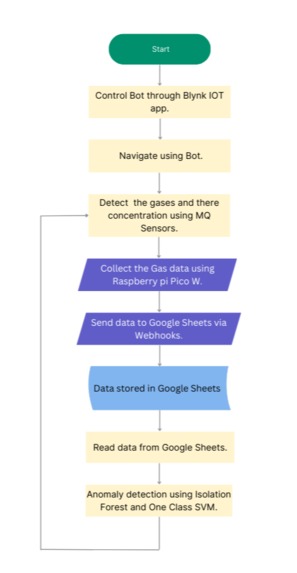
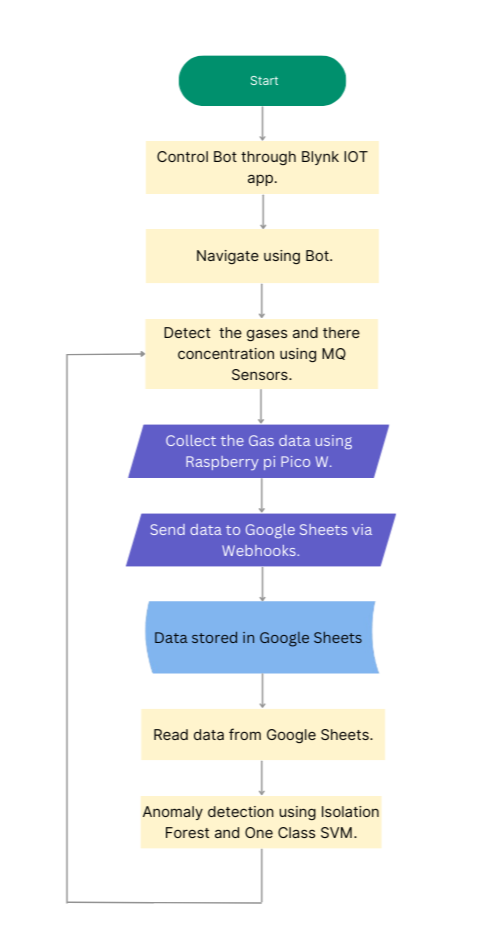
Flowchart
-
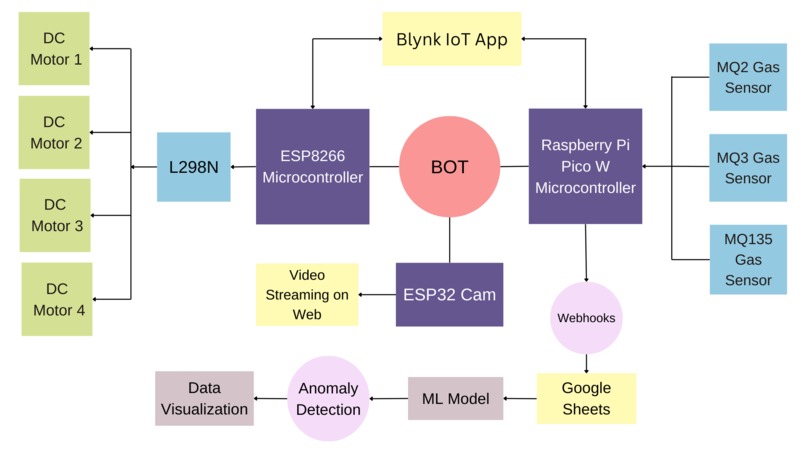
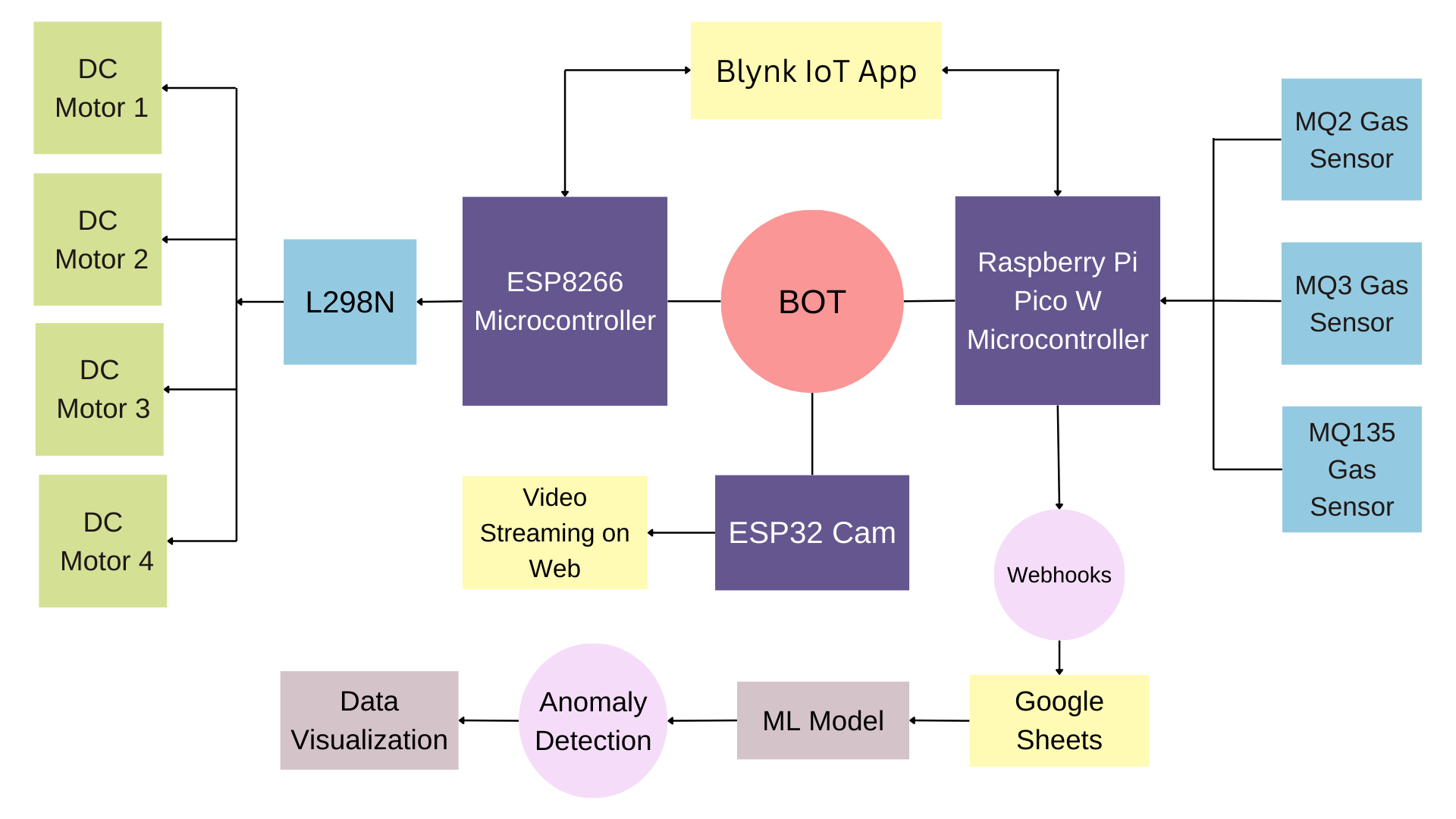
Block Diagram
Inspiration
The petroleum and oil industries face critical challenges that severely affect human life, particularly for workers. Spills and gas leaks pose significant health and safety risks, while the impending retirement of a substantial portion of the skilled workforce exacerbates the situation. The Society of Petroleum Engineers estimates that 50% of the skilled workforce will retire within the next 5-7 years. This creates a pressing need for companies to recruit new employees and contractors who often have less experience and are unfamiliar with the facilities. Sources:- Lawdocs & Controversies in the oil and gas industry: Library of Congress
What it does
Implements advanced monitoring systems to detect and prevent spills and leaks.Reduces human loss by using robotics in manual checking, if any risky condition appears then human loss will be prevented. Creates an effective system and easy-to-understand software that will do the work of experienced employees and reduce human risk.
How we built it
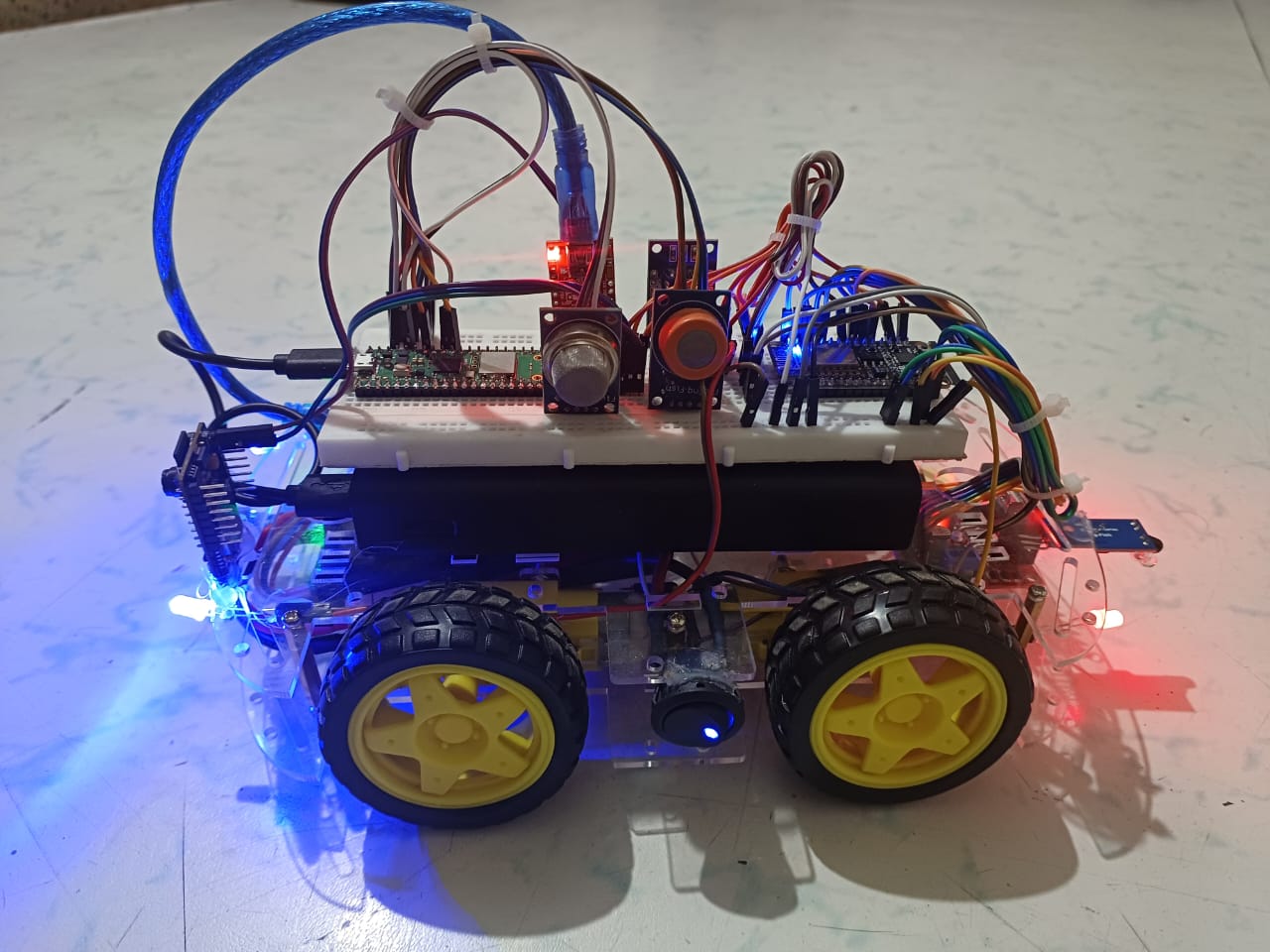
We built the hardware using the Raspberry Pi Pico W microcontroller, MQ sensors, ESP8266 microcontroller, ESP32 Cam module, and L298N motor driver. The software part includes Google Sheets, Machine Learning Model - One class SVM, and the Blynk IoT App.
Challenges we ran into
- Sending the data via webhooks to Google Sheets via Raspberry Pi Pico was troublesome, later on, we shared the data through the Google extension which provides webhooks service.
- The trained model on One Class SVM was giving incorrect outputs ESP32 Cam always gives different links whenever powered on, so to know the exact URL of video streaming was not static, and to know the URL without connecting the module to the laptop was difficult, we solved the problem by sharing the URL whenever the bot turns on to google spreadsheet so that we can directly access the live video streaming.
- We bought a Raspberry Pi Pico H board, it does not have Wifi capabilities, and we were trying to connect it to wifi, later on, we came to know that it does not have Wifi capabilities, so we bought Raspberry Pi Pico W board which has inbuilt Wifi module. ## Accomplishments that we're proud of We made a working bot that can save workers' lives in the petroleum, oil, and gas industry. ## What we learned
- Learned how to use Raspberry Pi Pico W
- Got to know how to transfer data using webhooks
- Learned One-Class SVM algorithm for anomaly detection ## What's next for RoboBot We are working on making the RoboBot autonomous. It will also take necessary actions and assist the workers if required.

Log in or sign up for Devpost to join the conversation.