Inspiration
The inspiration for RoadWise arises from a troubling trend in Ghana, where a surge in traffic accidents has led to a heartbreaking loss of life. In recent months, the nation has witnessed an alarming number of fatalities on the roads, underscoring the urgent need for improved transportation safety. One particularly tragic incident that struck a chord with many Ghanaians was the fatal crash involving Salifu Amoako's son. This incident not only claimed the lives of innocent victims but also highlighted the devastating consequences of reckless driving and inadequate road safety measures.
As reported by Owusu-Mensah (2024), the recent accident in East Legon resulted in the death of two individuals, including Justine Agbenu, further igniting discussions about the urgent need for change in our transportation systems. These harrowing stories serve as a reminder of the fragility of life and the pressing need to address the challenges associated with urban mobility.
Living in a city where traffic congestion and pedestrian safety are constant concerns, I often find myself reflecting on the impact of these accidents on families and communities. This motivation propelled me to create visual representations that emphasize the need for urgent reform in transportation safety and urban planning, ultimately aiming to improve public health outcomes.
What it does
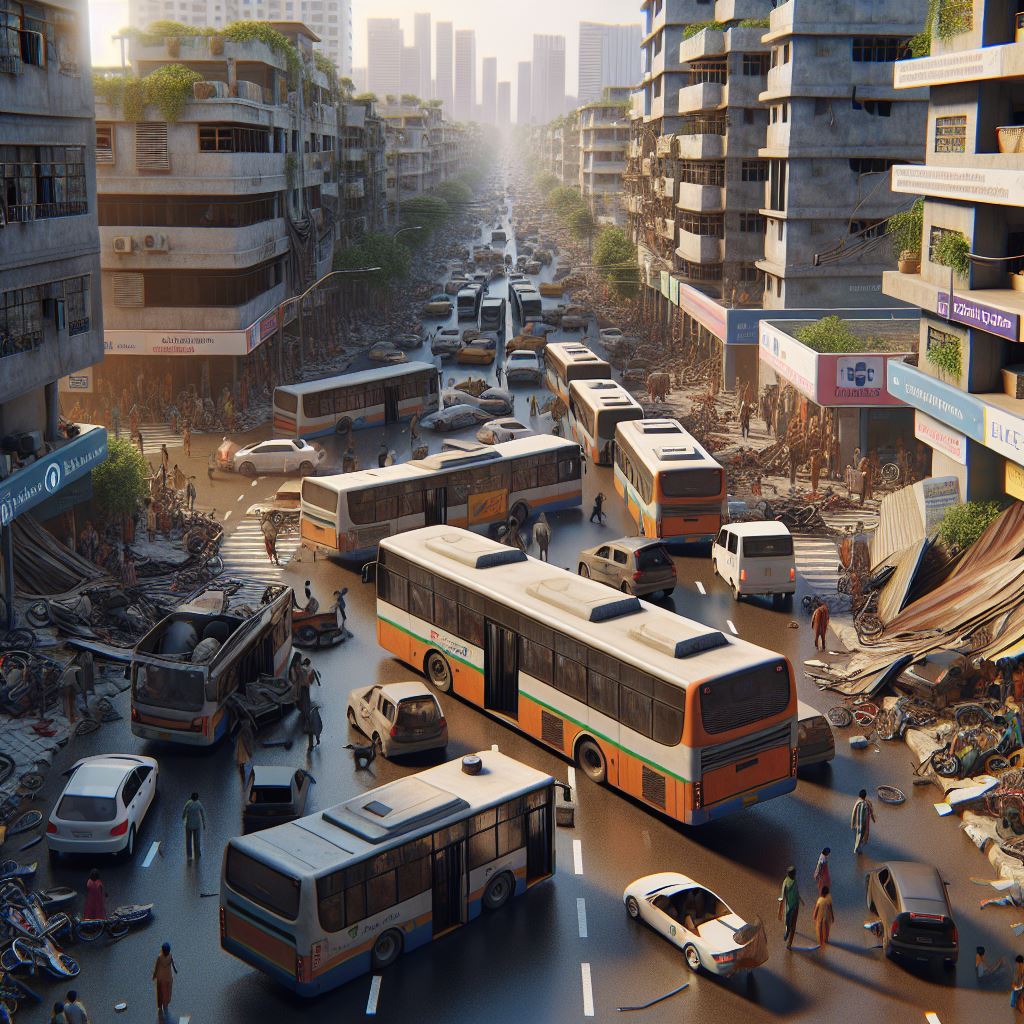
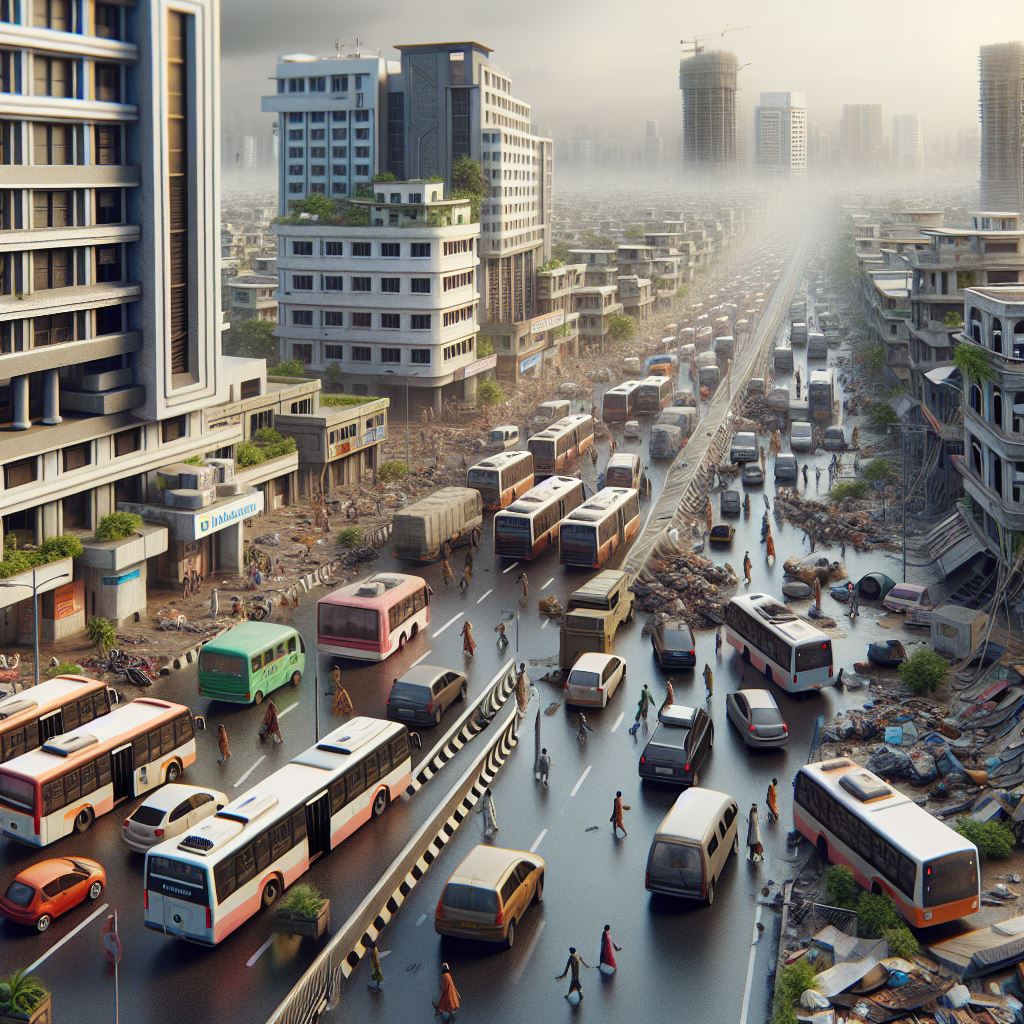
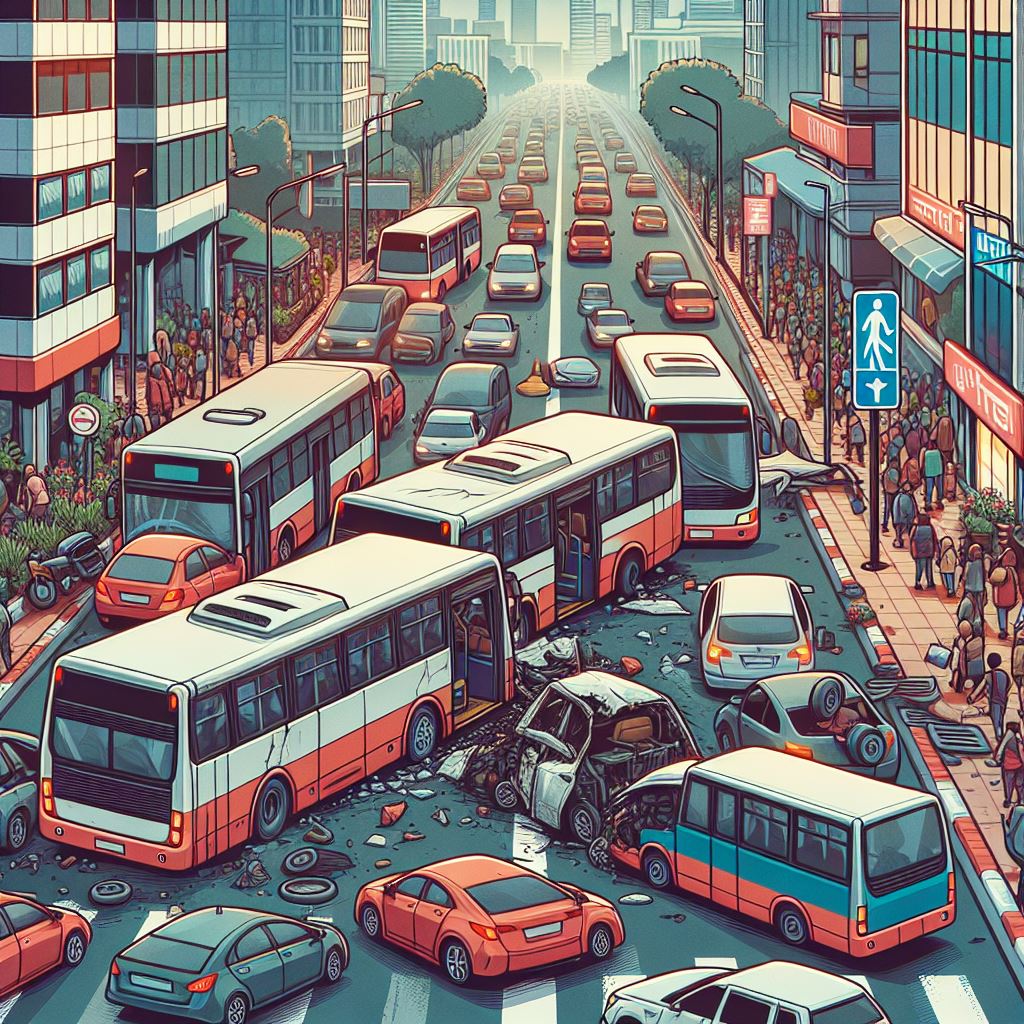
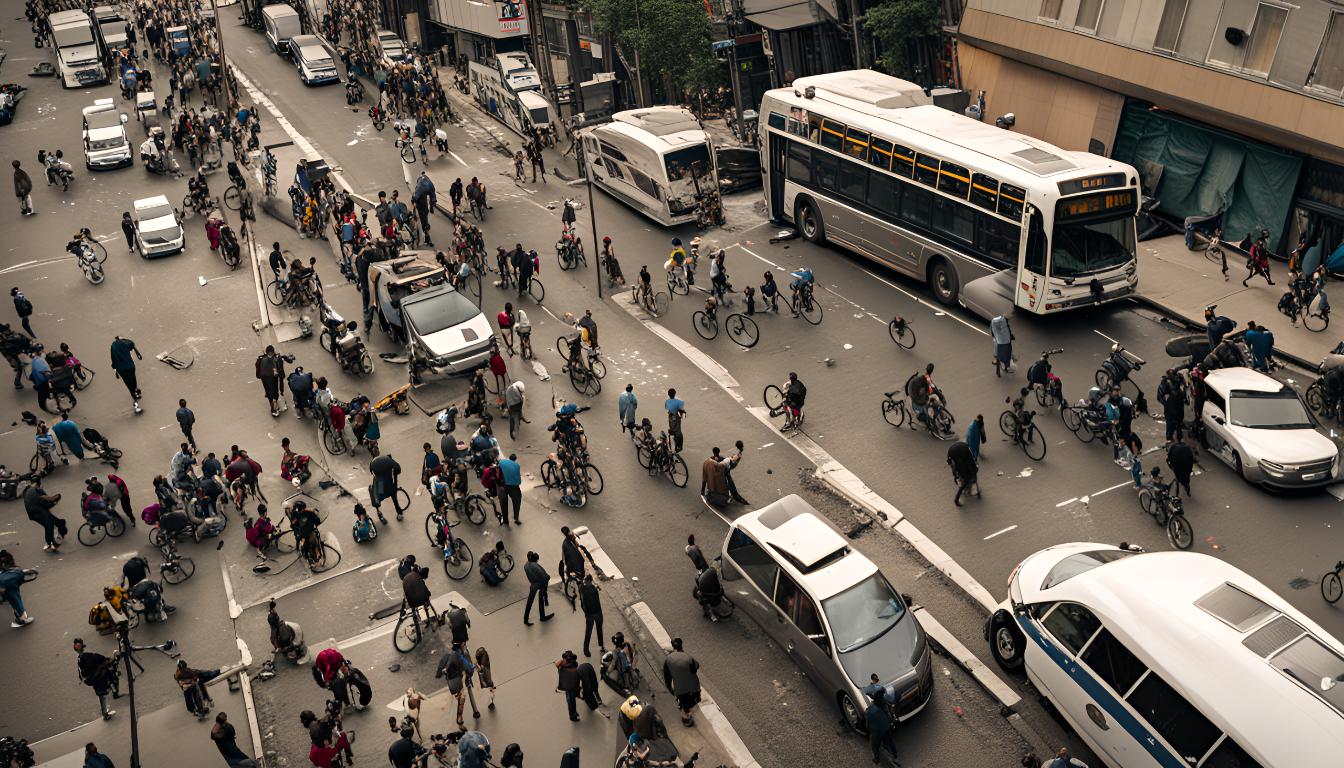
My project illustrates the significant impact of urban transportation issues on public health. By utilizing imagery generated through Microsoft Bing, I highlight the various aspects of transportation and mobility, showcasing the correlation between inadequate transport options, traffic accidents, and the overall well-being of urban populations. The visuals convey the urgency of addressing these challenges while serving as a powerful reminder of the consequences of inaction.
How we built it
To bring this project to life, I used Microsoft Bing to generate impactful images that encapsulate the themes of transportation safety, urban mobility, and their associated health risks. These images serve as visual storytelling tools, effectively communicating the project's message to a wider audience. The combination of these visuals and the narrative surrounding them creates a compelling call to action for improved urban transportation systems.
Challenges we ran into
While working on this project, I encountered several challenges, primarily related to finding suitable imagery that accurately depicted the complexities of urban transportation issues. Additionally, I faced the task of effectively communicating the severity of these problems without sensationalizing the associated tragedies. Striking the right balance between raising awareness and maintaining sensitivity to the victims and their families was crucial.
Accomplishments that we're proud of
I am particularly proud of my ability to create a project that sheds light on a pressing urban health issue while adhering to ethical principles. By choosing to represent these challenges through artful visuals rather than exploitative imagery, I ensured that my project remains respectful and focused on advocacy. This project not only raises awareness but also sparks conversation about the need for change in transportation policies and urban planning.
What I learned
Through this project, I learned the importance of using visual storytelling as a means to address public health issues. I discovered that effective communication relies on empathy and a deep understanding of the subject matter. This experience reinforced my belief that creative solutions can inspire meaningful change, particularly in the realm of urban health.
What's next for RoadWise
Moving forward, I plan to expand this project by incorporating more data-driven insights and community perspectives. I hope to engage with local stakeholders, including city planners and transportation authorities, to explore actionable solutions that can enhance urban mobility and safety. Additionally, I will seek opportunities to present this work at community forums and public health events, aiming to foster discussions around the urgent need for safer transportation systems in Ghana.
Here’s a comprehensive write-up of your project, structured according to your requested criteria and including all the specified elements:
Inspiration The inspiration for my project arises from a troubling trend in Ghana, where a surge in traffic accidents has led to a heartbreaking loss of life. In recent months, the nation has witnessed an alarming number of fatalities on the roads, underscoring the urgent need for improved transportation safety. One particularly tragic incident that struck a chord with many Ghanaians was the fatal crash involving Salifu Amoako's son. This incident not only claimed the lives of innocent victims but also highlighted the devastating consequences of reckless driving and inadequate road safety measures.
As reported by Owusu-Mensah (2024), the recent accident in East Legon resulted in the death of two individuals, including Justine Agbenu, further igniting discussions about the urgent need for change in our transportation systems. These harrowing stories serve as a reminder of the fragility of life and the pressing need to address the challenges associated with urban mobility.
Living in a city where traffic congestion and pedestrian safety are constant concerns, I often find myself reflecting on the impact of these accidents on families and communities. This motivation propelled me to create visual representations that emphasize the need for urgent reform in transportation safety and urban planning, ultimately aiming to improve public health outcomes.
What it does My project illustrates the significant impact of urban transportation issues on public health. By utilizing imagery generated through Microsoft Bing, I highlight the various aspects of transportation and mobility, showcasing the correlation between inadequate transport options, traffic accidents, and the overall well-being of urban populations. The visuals convey the urgency of addressing these challenges while serving as a powerful reminder of the consequences of inaction.
How we built it To bring this project to life, I used Microsoft Bing to generate impactful images that encapsulate the themes of transportation safety, urban mobility, and their associated health risks. These images serve as visual storytelling tools, effectively communicating the project's message to a wider audience. The combination of these visuals and the narrative surrounding them creates a compelling call to action for improved urban transportation systems.
Challenges we ran into While working on this project, I encountered several challenges, primarily related to finding suitable imagery that accurately depicted the complexities of urban transportation issues. Additionally, I faced the task of effectively communicating the severity of these problems without sensationalizing the associated tragedies. Striking the right balance between raising awareness and maintaining sensitivity to the victims and their families was crucial.
Accomplishments that I'm proud of I am particularly proud of my ability to create a project that sheds light on a pressing urban health issue while adhering to ethical principles. By choosing to represent these challenges through artful visuals rather than exploitative imagery, I ensured that my project remains respectful and focused on advocacy. This project not only raises awareness but also sparks conversation about the need for change in transportation policies and urban planning.
What I learned Through this project, I learned the importance of using visual storytelling as a means to address public health issues. I discovered that effective communication relies on empathy and a deep understanding of the subject matter. This experience reinforced my belief that creative solutions can inspire meaningful change, particularly in the realm of urban health.
What's next for Untitled Moving forward, I plan to expand this project by incorporating more data-driven insights and community perspectives. I hope to engage with local stakeholders, including city planners and transportation authorities, to explore actionable solutions that can enhance urban mobility and safety. Additionally, I will seek opportunities to present this work at community forums and public health events, aiming to foster discussions around the urgent need for safer transportation systems in Ghana.
References Owusu-Mensah, J. (2024, October 22). East Legon accident: 2nd victim of Salifu Amoako's son's crash to be buried soon, details drop. Yen.com.gh - Ghana News. https://yen.com.gh/ghana/269435-east-legon-accident-2nd-victim-justine-agbenu-set-buried-details-drop/
Built With
- bing
- copilot

Log in or sign up for Devpost to join the conversation.