Inspiration
The inspiration for our car collision detection project came from the need to improve intersection safety. With so many vehicles on the road and drivers often distracted or in a hurry, accidents at intersections are a common occurrence. To seek care in such situations, emergency services have to be alerted, either by those involved in the accident or others nearby. However, this is a time consuming process and there may not be anyone around to alert emergency services. We hope to fill this gap with RoadAI, a system designed to detect collisions and automatically alert emergency responders. This simplifies the process, saves time, and can save many lives.
What it does
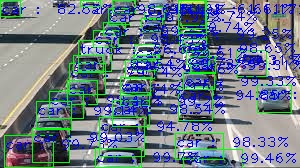
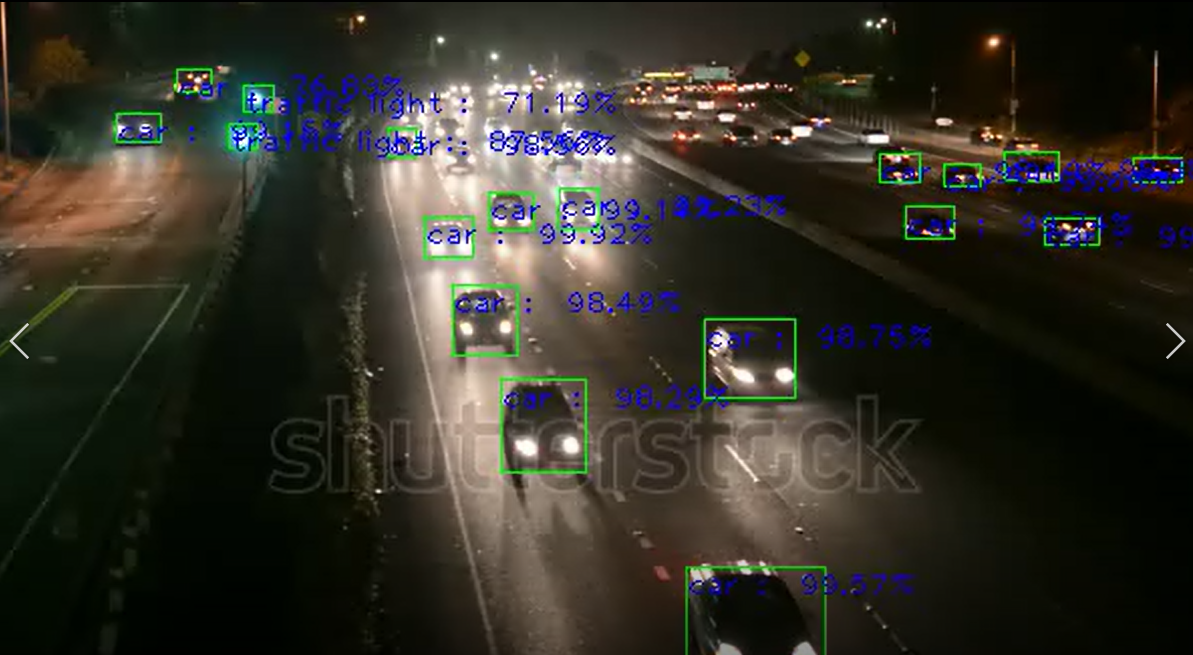
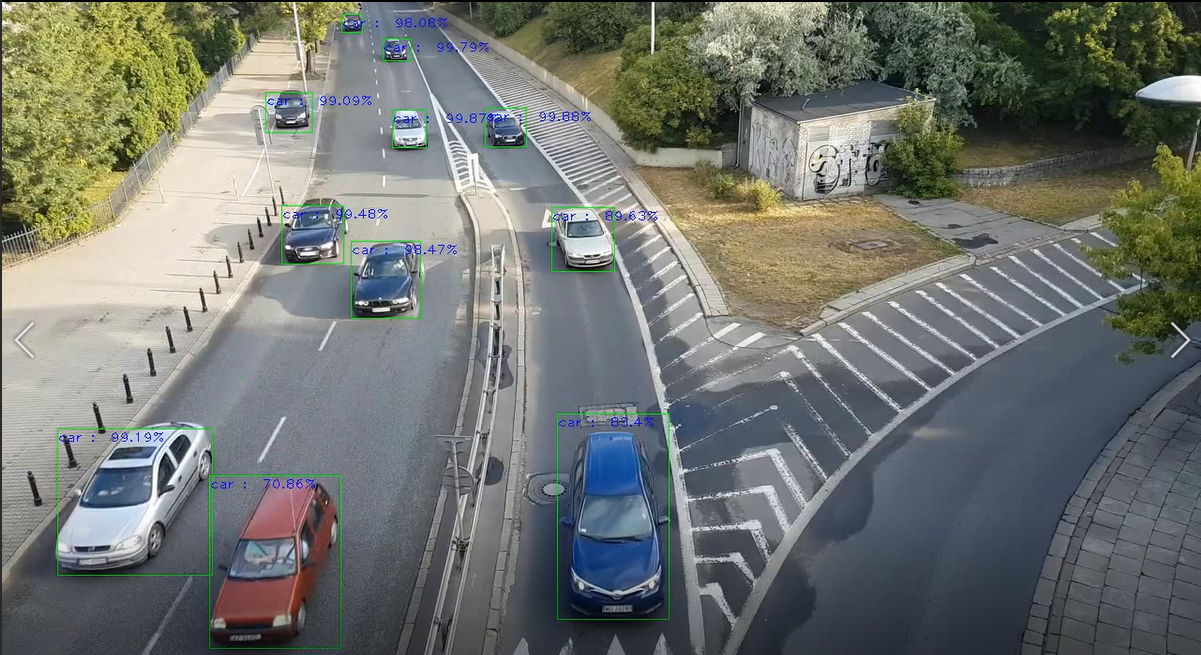
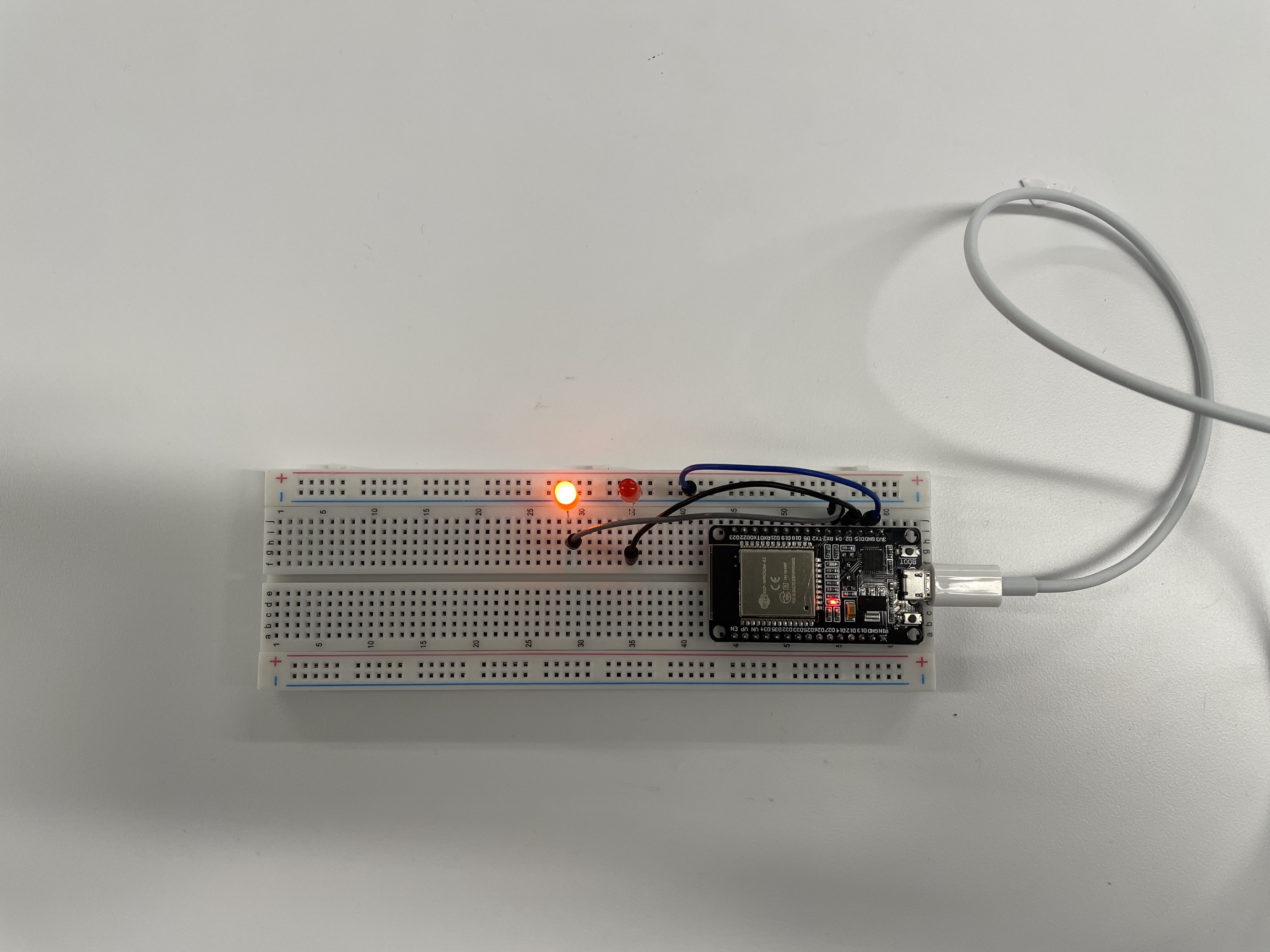
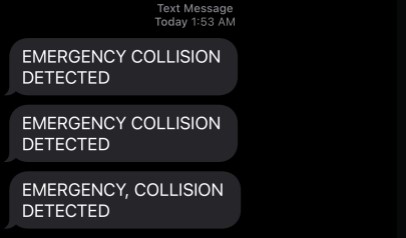
Our collision detection system uses computer vision to detect car collisions in real-time at intersections. When a collision is detected, the system triggers flashing lights to alert other drivers and also sends notifications to emergency services using the Twilio API. The system is designed to improve intersection safety and reduce emergency services response time.
How we built it
During the development of our project, we learned a lot about computer vision and object detection using ImageAI. We also gained experience in working with Arduino and integrating hardware with software systems. We learned about vector measurements and how they could be used to detect sudden changes in velocity, which could indicate a collision. We also learned about the Twilio API and how it could be used to send alerts and notifications to emergency contacts.
Challenges we ran into
During the development of our collision detection system, we faced several challenges that we had to overcome, and continue to work on resolving these issues.
One of the biggest challenges we encountered was working with the ImageAI API to process video streams of traffic. We initially tried to feed the API with real-time footage but encountered stuttering issues. To overcome this challenge, we had to switch to feeding the API with pre-recorded videos.
Another challenge we faced was connecting the Python program with the website. We encountered some issues during the integration process that are still ongoing. We are currently working to resolve these issues and ensure that the website is working seamlessly with the application.
We also faced challenges when trying to deploy the application and website on an AWS instance. Installing the necessary libraries, especially PyTorch, proved to be a challenge that is still ongoing.
Despite these challenges, we remain committed to overcoming them and ensuring that our collision detection system is reliable, efficient, and effective.
Accomplishments that we're proud of
Despite the challenges we faced during the development of our collision detection system, we are proud of the following accomplishments:
Successfully integrating the ImageAI API to detect car collisions in real-time using pre-recorded videos.
Developing a reliable and efficient system that triggers flashing lights and sends notifications to emergency services when a collision is detected.
Creating an Arduino application that communicates with the system and triggers flashing lights when a collision occurs.
Integrating the Twilio API to notify emergency contacts in real-time when a collision is detected.
Creating a functional website for the application where users will be able to upload their own footage to have tested by the program.
Continuing to work on resolving issues related to integrating the application and website on an AWS instance.
Overall, we are proud of the progress we have made so far and the things we've learned, and are committed to further improving the system to ensure that it is effective in improving intersection safety and emergency services response time.
What we learned
During the development of our collision detection system, we learned several valuable lessons, including:
The importance of selecting the right tools and technologies for the project. Our initial attempt to use real-time footage to feed the ImageAI API proved to be challenging, and we had to switch to using pre-recorded videos to ensure the system's reliability.
The significance of proper communication and collaboration between team members. We found that regular communication and collaboration helped us to identify and address issues quickly and efficiently.
The need for ongoing testing and optimization to ensure that the system is effective and efficient. We learned that regular testing and optimization are critical to ensuring that the system is performing optimally and delivering the expected results.
What's next for RoadAI
We have several plans for the future development of RoadAI, including:
Making the server-to-website integration fully functional and hosted remotely to ensure seamless and efficient data transfer.
Improving the accuracy and speed of the collision detection system by exploring alternative algorithms and technologies, such as deep learning models.
Enhancing the system's capabilities by adding features such as automatic reporting of collisions to law enforcement agencies, and integrating with emergency services to enable faster response times.
Developing a user-friendly dashboard that will enable users to access and analyze data collected by the system, providing insights into traffic patterns and collision hotspots.
Adding the ability to analyze real-time footage from cameras by improving upon the implementation and AI model.


Log in or sign up for Devpost to join the conversation.