Inspiration
Our project was inspired by an internship experience at the Ministry of Transportation, where software was needed to analyse traffic flow to provide insights for improving roads and controlling speeding.
What it does
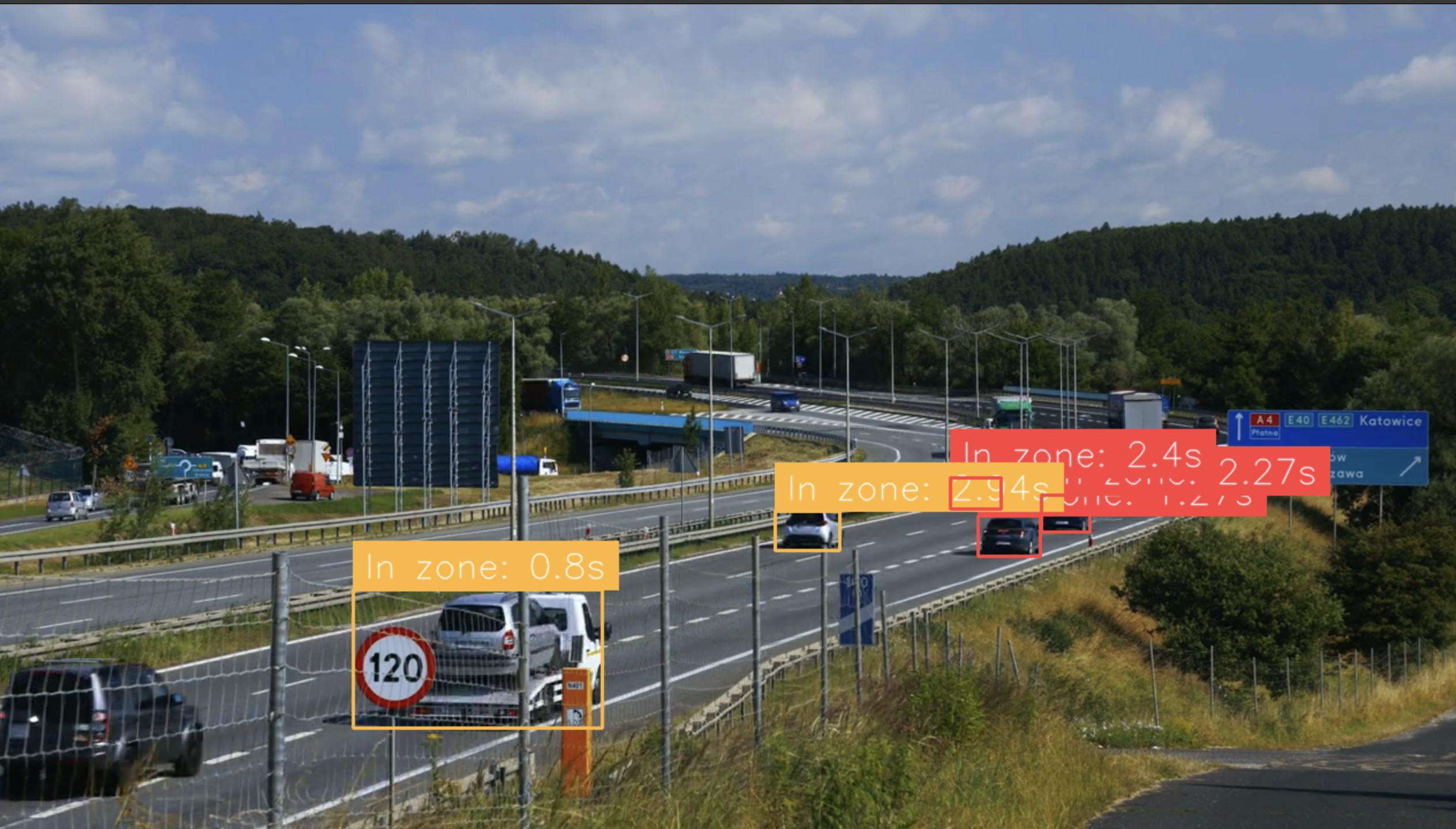
Our project analyses recorded videos or live video streams to record the types of vehicles using roads as well as their speeds. It then produces a full PDF report for the Ministry of Transportation. These insights could be used to determine:
- Roads that need improvement
- The number of commercial vehicles vs. non-commercial vehicles
- Traffic at different times of day
- etc.
How we built it
We used Roboflow Workflows to create a pipeline where the video stream first goes through a vehicle detection model and then through multiple stages of video analysis before formatting and outputting collected data. We run the workflow locally with Python. The data goes through some further formatting, and is then sent to Google Gemini to create a detailed report in markdown. The generated markdown is converted to HTML with custom CSS styling and then converted to PDF format.
Challenges we ran into
- We would have preferred to make some sort of website to showcase the report. However, Roboflow only allows you to run workflows on videos locally with their Python SDK at their free tier, forcing us to use Python for our project.
- Converting and rendering the markdown that Gemini gave us was much more difficult than expected.
Accomplishments that we're proud of
- We spent a lot of time learning how to use Roboflow and all the different tools offered in Roboflow Workflows.
- Some members of our team had no experience with ML before this hackathon.
What we learned
Roboflow. Nobody in our team had any experience with Roboflow before this hackathon.
What's next for AutoEye
- More metrics
- More insights
- Prettier charts

Log in or sign up for Devpost to join the conversation.