Inspiration
We are inspired to communicate to the public the real-world consequences of Climate Change & how it will effect them every day: in terms of risks on their residential roads.
What it does
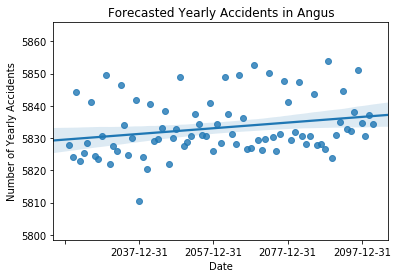
Show how climate change will affect something they interact with every day: road conditions Provided: ClimateData.ca contains historical and future climate projections from multiple models
How we built it
Jupyter notebooks for data extraction, analysis, and algorithmic training
Challenges we ran into
Interpretation of our features from climatedata.ca – Difficult User-Friendly interpretation. Computational Expensive Regressor Models – Gradient Boosting Forests Associated Accident data into the correct grid – formatting and labelling accidents to their respective grids.
Accomplishments & what we learned
Implementation of forest-based Regressors – Usually implementation around Classification problems for forest-based models. Implementation of DNN Neural Networks. Climate Change forecasts in the future – how impactful Climate change will be in densely populated sectors in Montreal – suggestions towards pushing less densely populated regions to populated regions (Flooding as an example we are currently seeing on the island of Montreal).
What's next for Road Accidents due to Climate Change
Continue tuning these algorithms Expand the number of grids considered to other locations (all of Canada?) Investigate CNNs on the grids Construct a report alerting the public of the dangers of Climate Change and how it will affect driving conditions
Contents/Glossary
Clean Data.ipynb
- Clean precipitation data to be merged later to the accident data
Create Future Validation Set.ipynb
- Create future set to be used to forecast accident data from 2018-2100
Linear Regression.ipynb
- Train Linear Regression algorithm on data as baseline
Merge Data.ipynb
- Merge the accidents and precipitation datasets to be sent to training
Mila2019ClimateChangeHackathon_DNN.ipynb
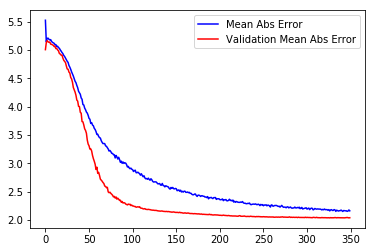
- Training of a Dense Neural Network on predicting # of incidents based on location, time, and precipitation
Summary_Results_CC
- Jupyter notebook depicting the average results for each of the possibly target variables. Code includes a table that outlines the averages for targt variables from the testing set coming from the test-train set.
Forests_ClimateChange
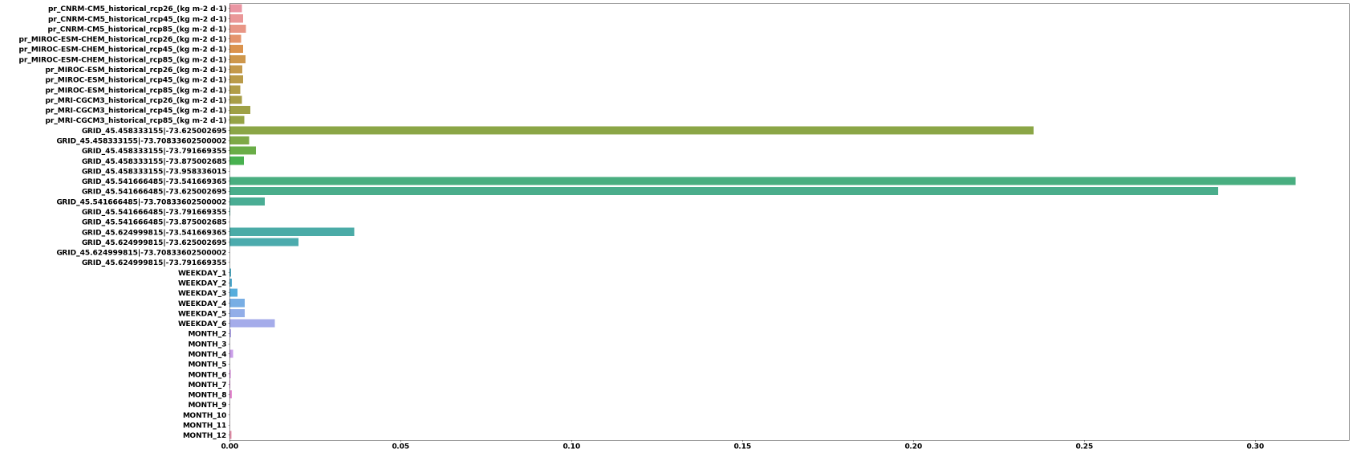
- Random Forest and Gradient Boosting Forest Regressors to predict the output of Number of Incidents – Notebook includes the test-train splits, the GridSearch hyper tuning parameters and the Mean Absolute Error for the random forest and gradient boosting forest results.
RF_Script
- Random Forest script – for looping all the possible target values and outputting in dataframe the regressor scores ( Mean Absolute Error / Average for each possible target variable).

Log in or sign up for Devpost to join the conversation.