Inspiration
The inspiration for RLT - Reading Tracker & Bookshelf Manager stemmed from a desire to help avid readers better organize and track their reading habits. Many readers struggle with maintaining consistency or finding time to read, so I wanted to create a simple, effective tool to motivate users, keep track of their progress, and help them engage more deeply with the books they love. The app is designed to fit into the lifestyle of both casual and dedicated readers, offering flexible features to enhance their reading experience.
What it does
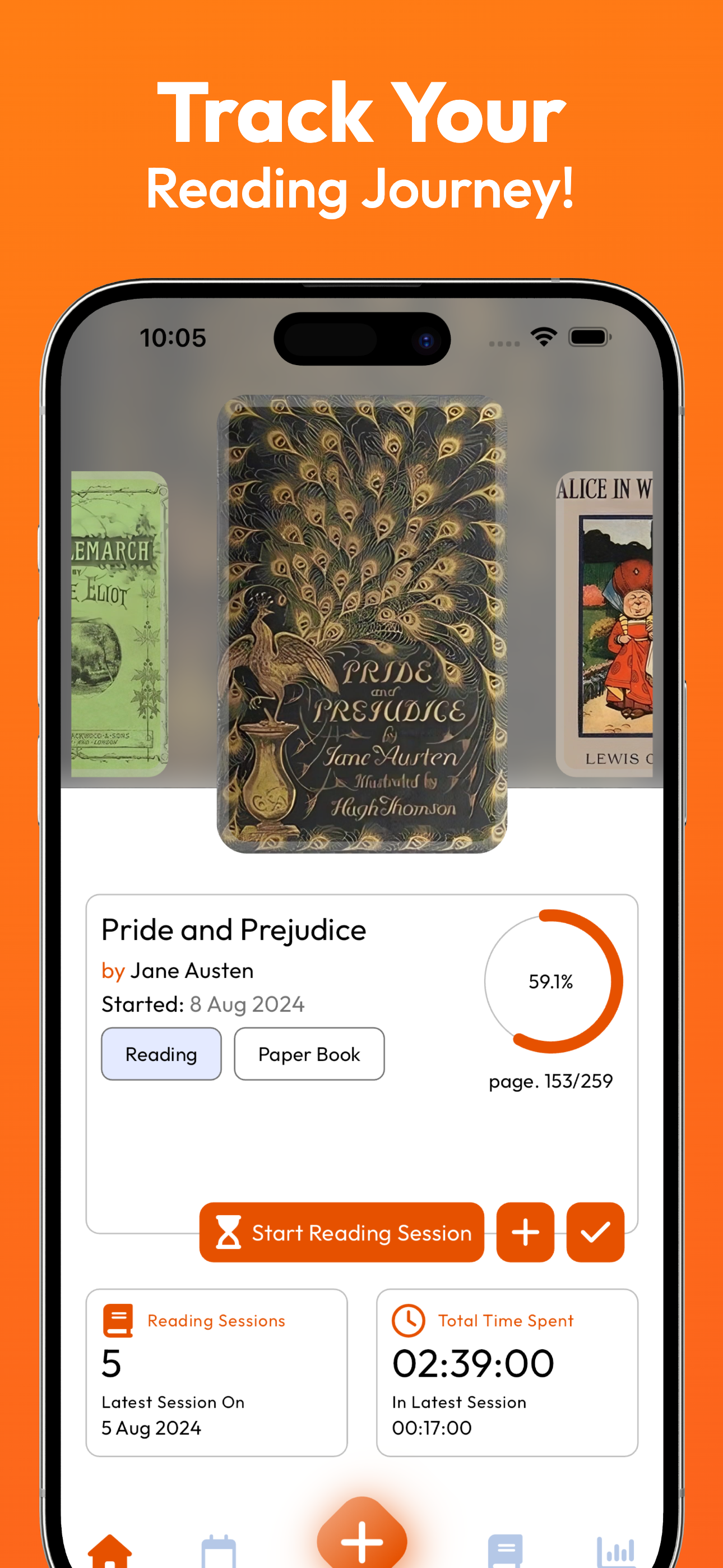
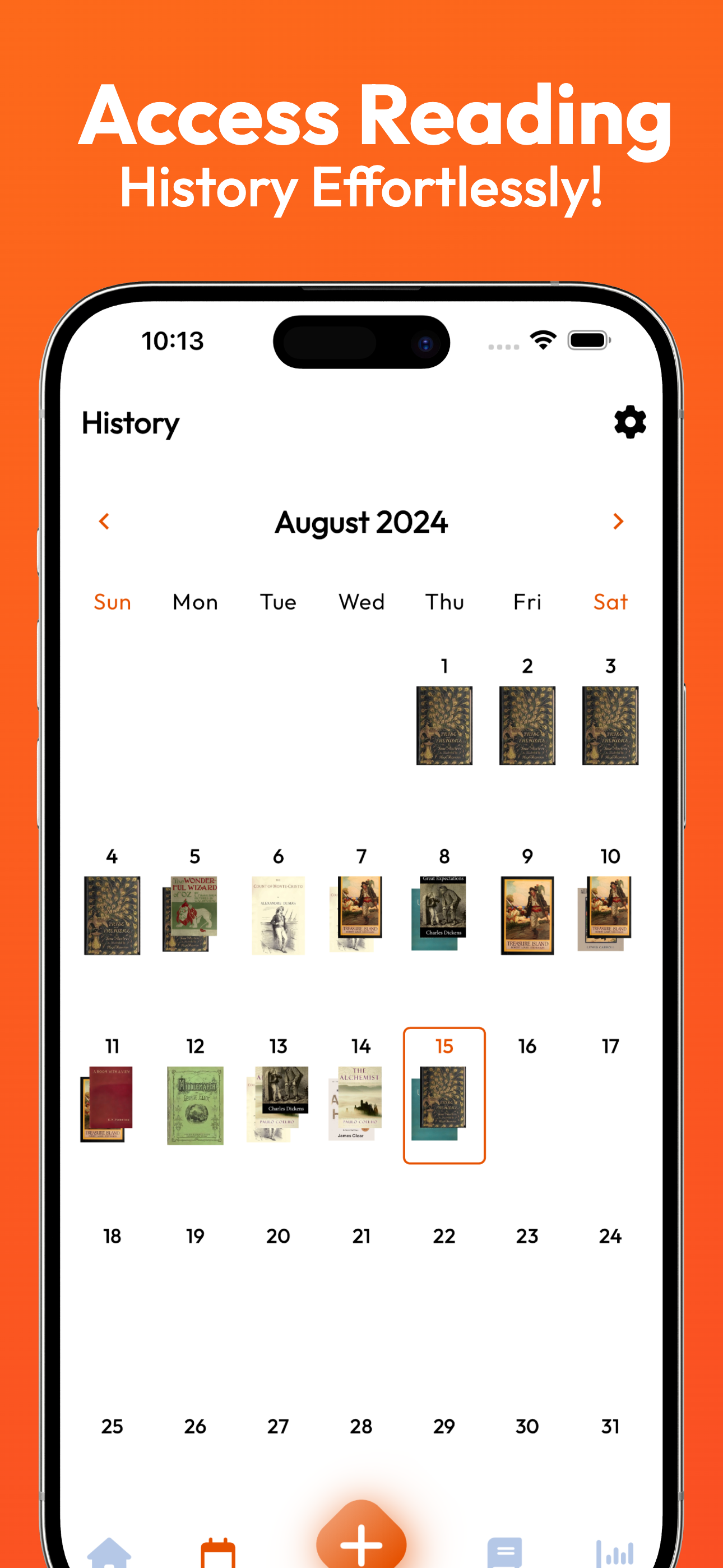
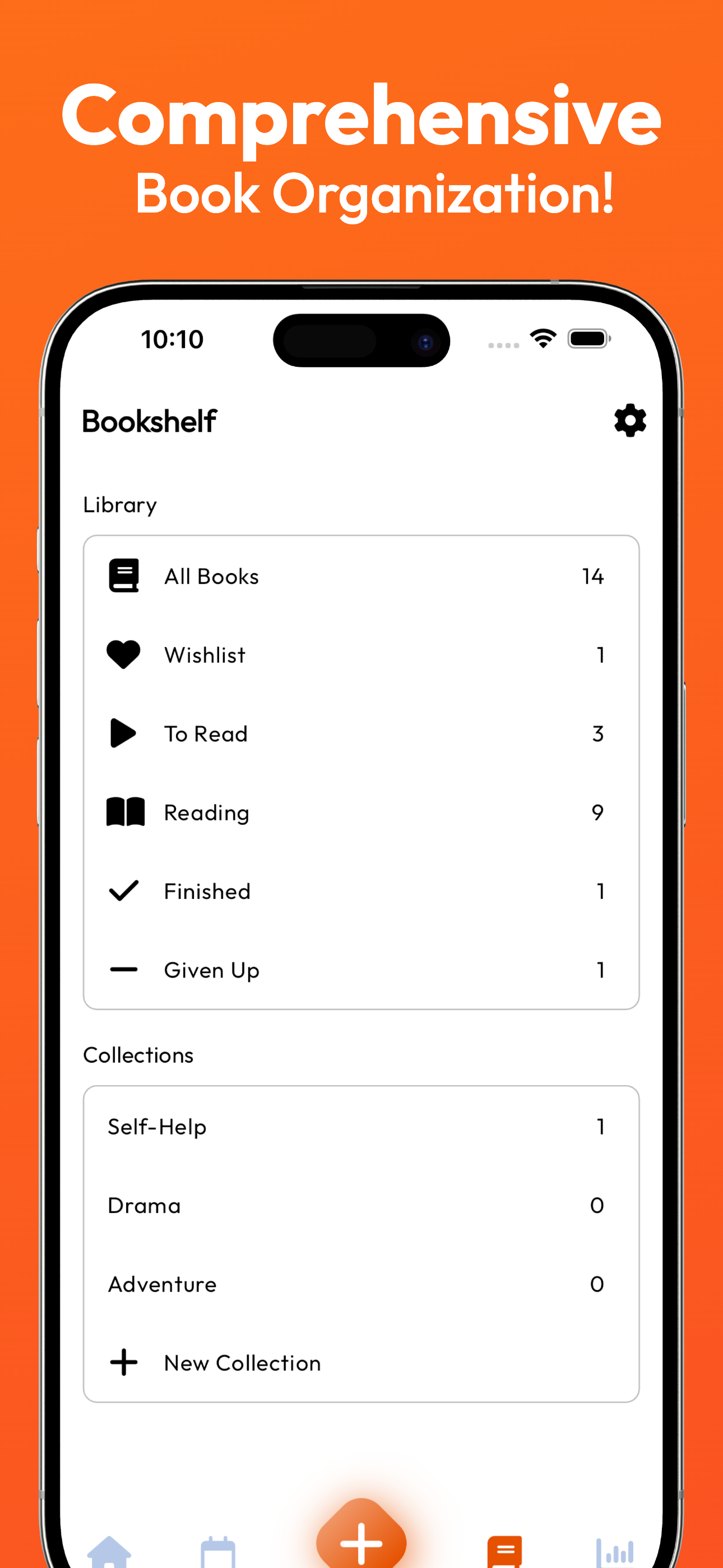
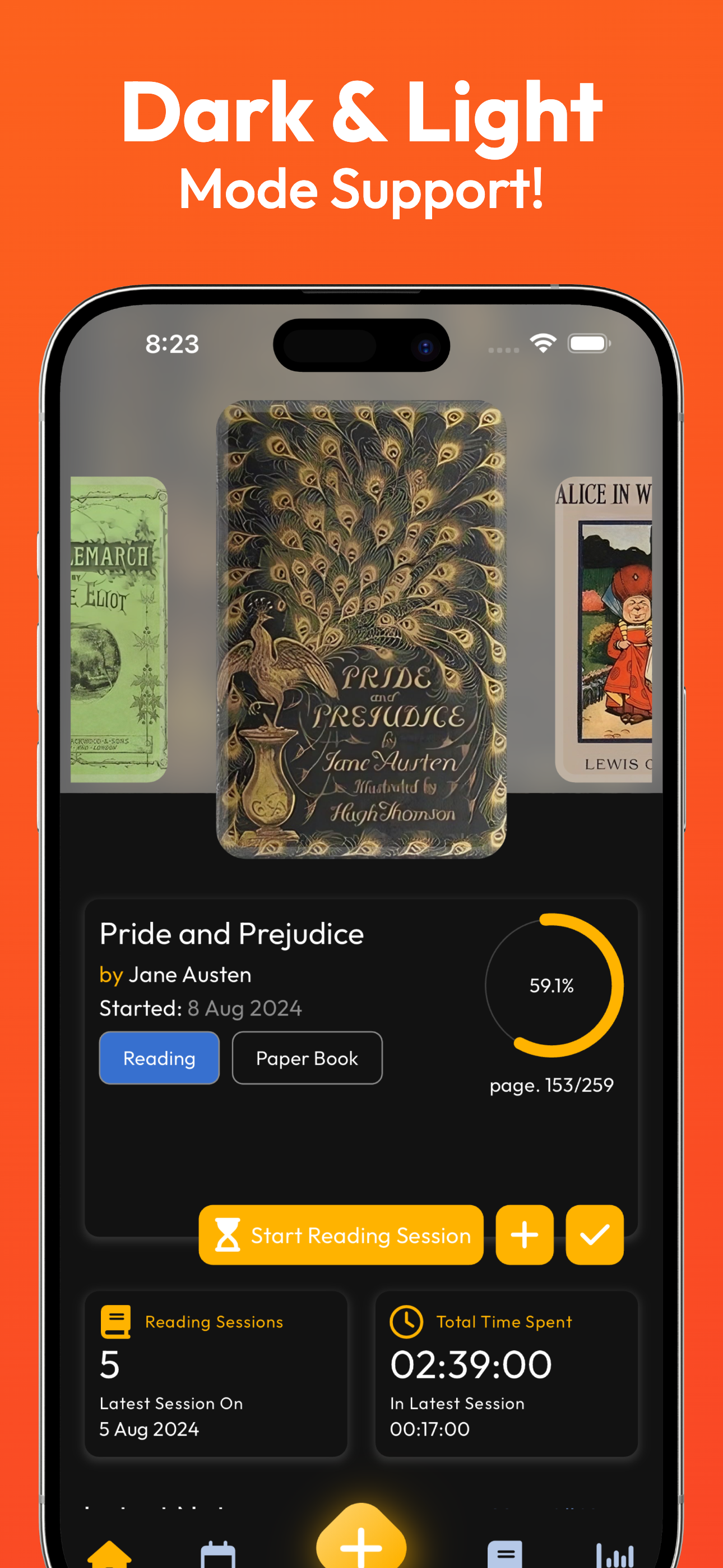
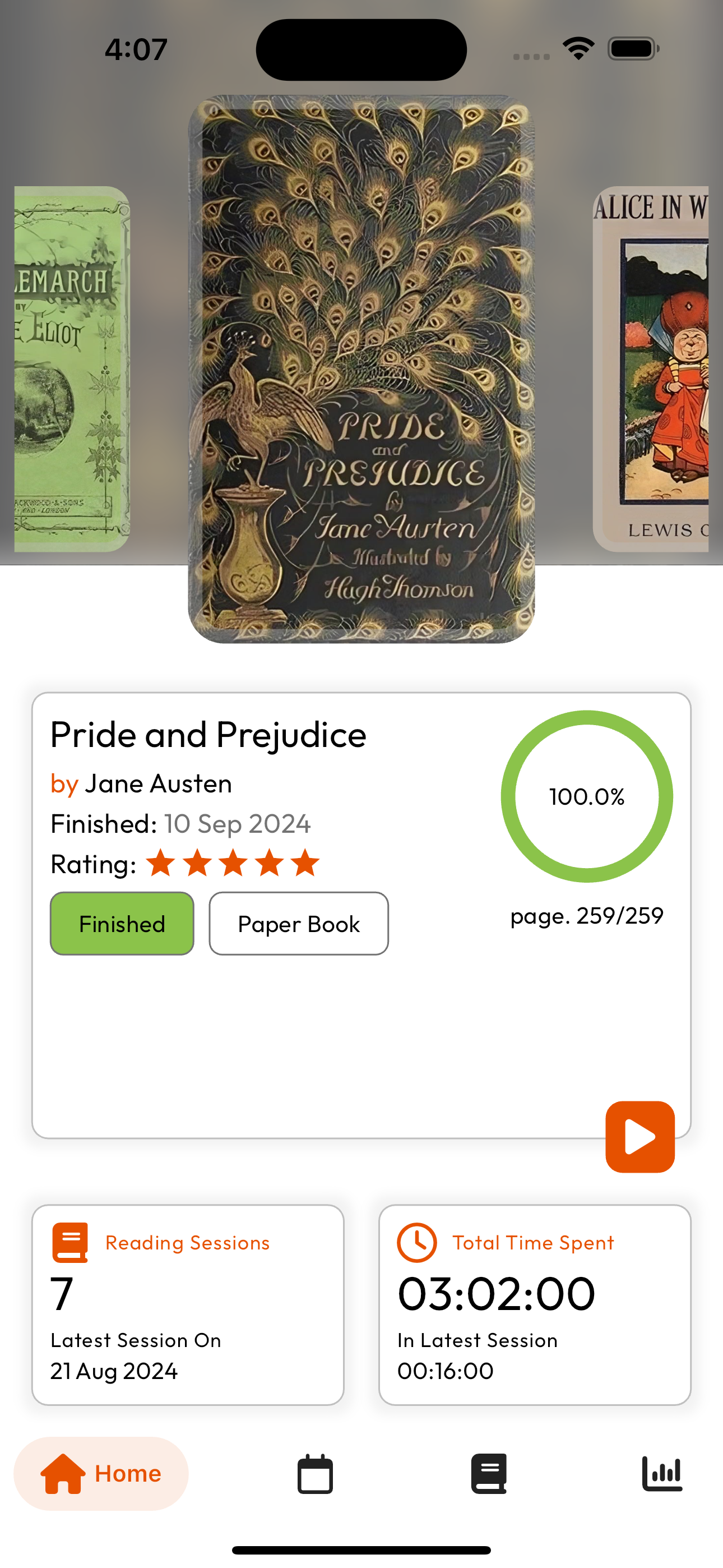
RLT allows users to log and track their reading sessions, manage their physical & digital bookshelf, and review detailed statistics about their reading habits. Key features include:
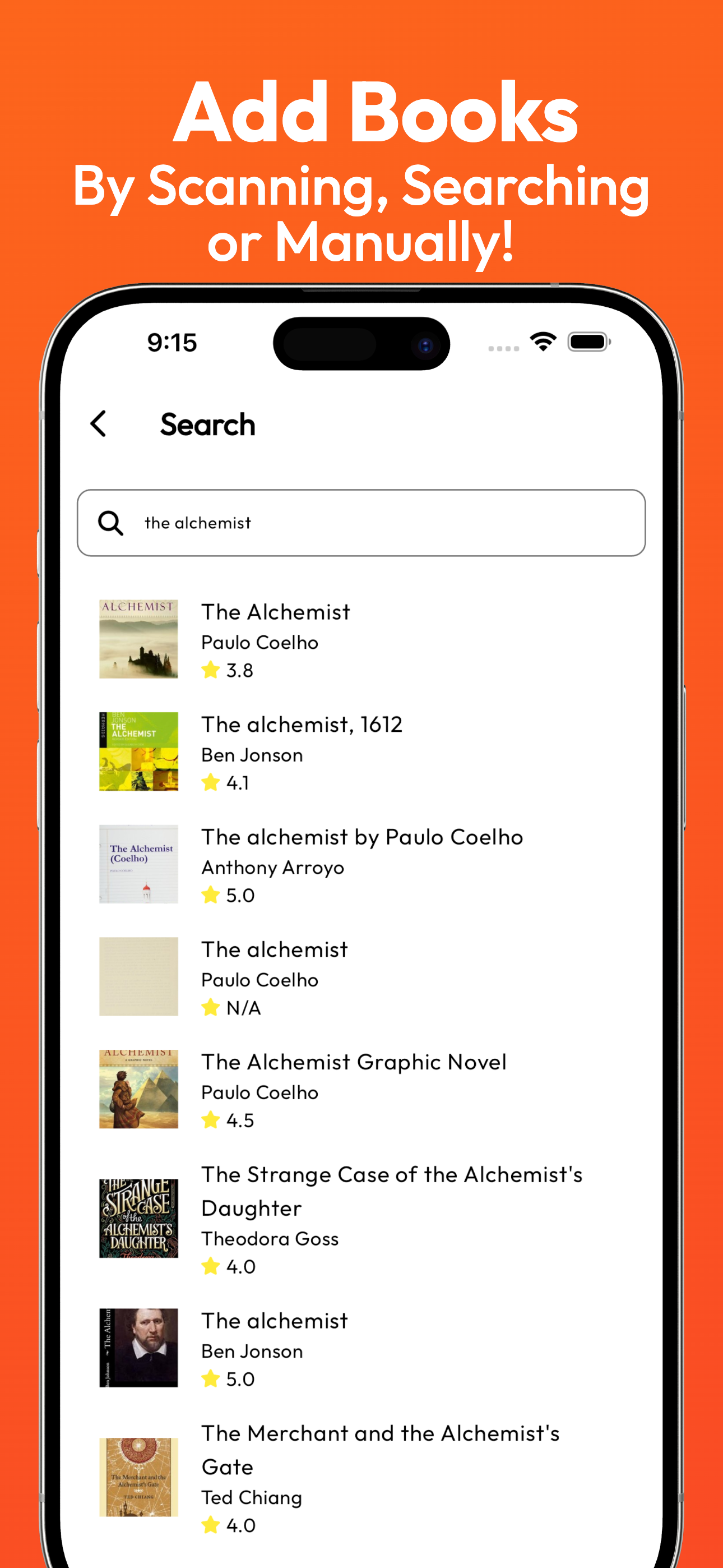
- The ability to add books through online search, ISBN scanning, or manual entry.
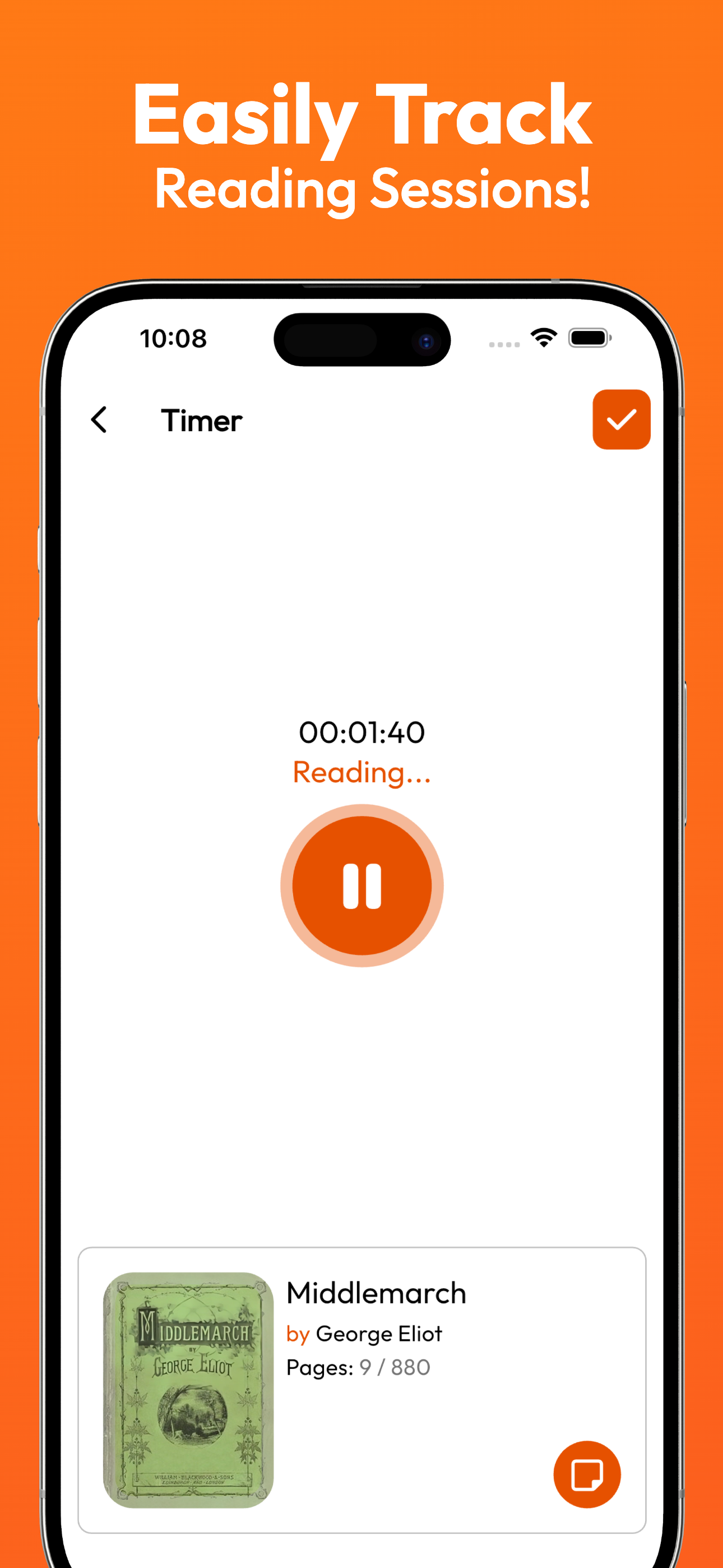
- Reading timer to track the duration of each reading session.
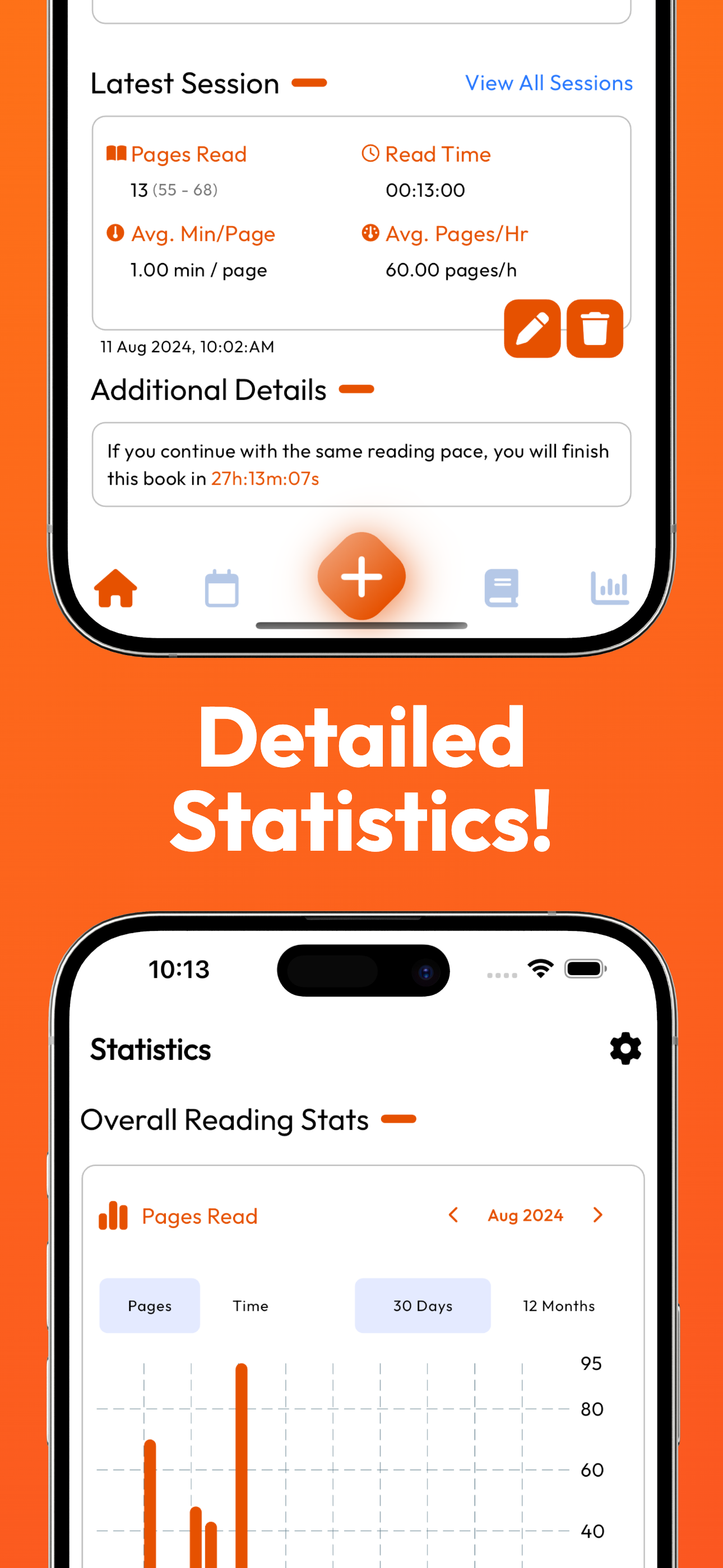
- Logs for reading history and progress.
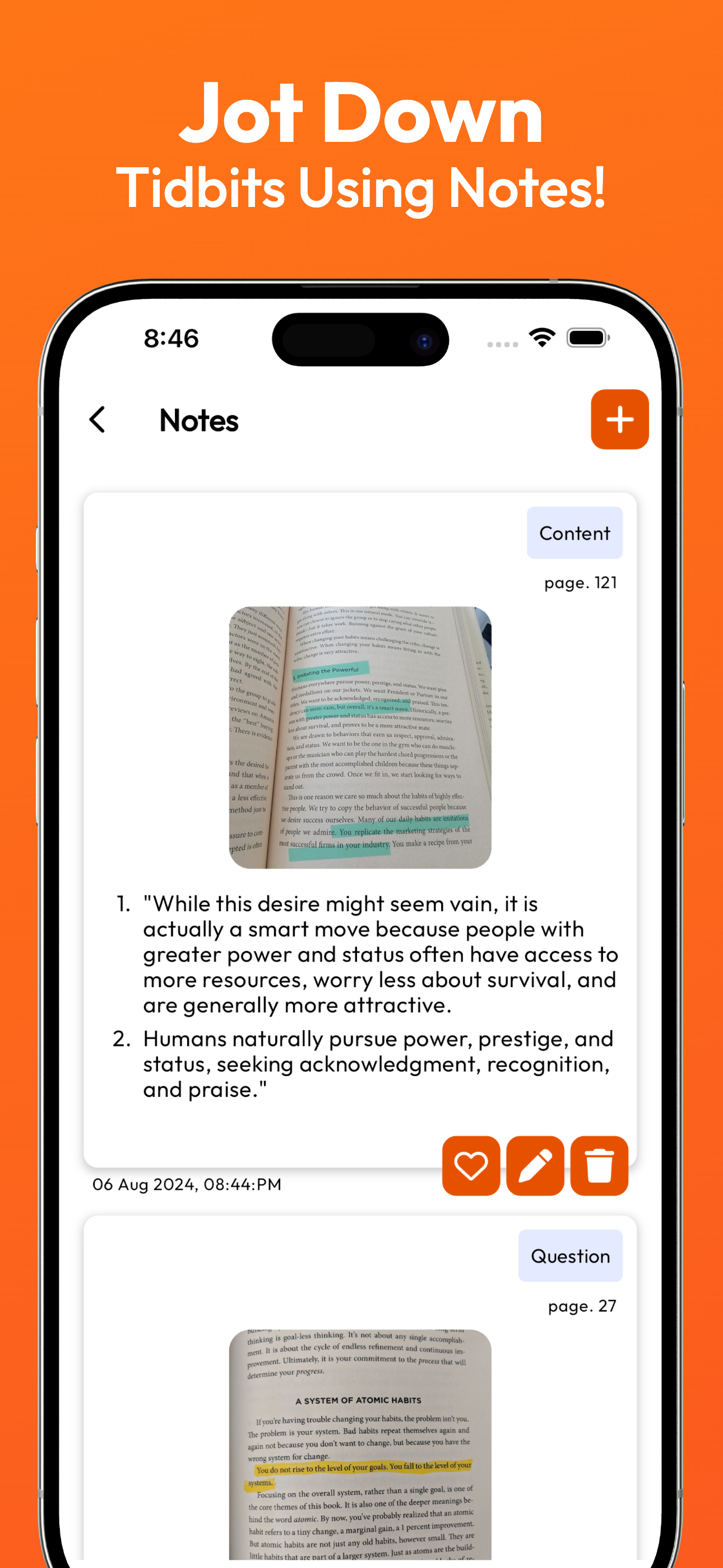
- A note-taking feature for users to annotate their thoughts as they read.
- Daily notifications to motivate users to continue reading.
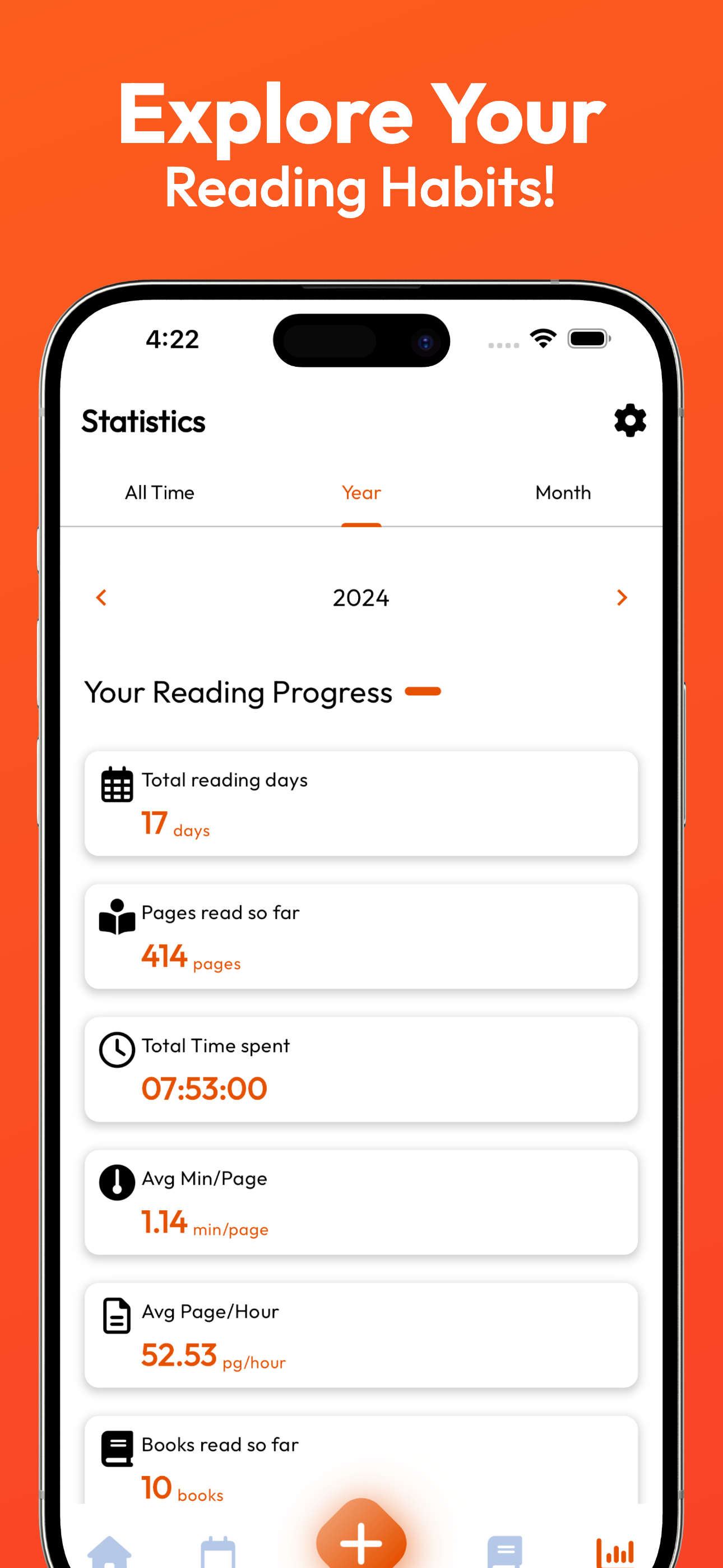
- Comprehensive statistics to analyze the time spent reading, progress, and trends over time.
- An ad-free experience to ensure focused engagement with books.
- Ability to organize books into collections for seamless bookshelf management.
How I built it
The app was developed using Flutter, enabling a smooth cross-platform experience for both iOS and Android users. I used ObjectBox Dart SDK to implement the on-device database for the app. The subscription & payment logic is handled using RevenueCat, Superwall is used for remote Paywall configuration, and Firebase for analytics, remote configuration & book search capabilities. Additionally, the user interface was crafted with a minimalist design, prioritizing ease of use and a distraction-free experience.
Challenges I ran into
One of the main challenges was optimizing the online book search and ISBN scanning features to ensure fast and accurate results. Additionally, integrating the reading timer feature posed challenges in terms of balancing precision and battery efficiency, especially when users wanted to track long reading sessions. Another significant challenge was maintaining a clean and intuitive UI while adding various customization options, such as the ability to track reading goals, view stats, and add notes.
Accomplishments that I am proud of
I am particularly proud of how user-friendly the app is. Despite packing in numerous features, users report that it feels intuitive and easy to navigate. The integration of reading stats, including visual progress reports and detailed reading history, has been well-received by users, providing them with insights that motivate them to read more. My implementation of ad-free usage has also been appreciated by readers who want to focus solely on their books without distractions.
What I learned
Through developing RLT, I gained a deeper understanding of how to balance functionality and simplicity. I also learned about the complexities of integrating different APIs for book searching and scanning, and how crucial it is to ensure smooth performance across different devices and operating systems.
What's next for RLT
In the future, I plan to enhance the app with new features, such as:
- Social integration, allowing users to share their reading progress with friends or in book clubs.
- Advanced recommendations, where users receive personalized book suggestions based on their reading history.
- Custom reading challenges to further motivate users and enhance engagement.
- Audiobook tracking for users who prefer listening to books, providing a more comprehensive reading experience.
Additionally, I aim to improve the current features by refining algorithms for book searching and introducing more customization options for tracking and stats. My goal is to continuously adapt to users’ needs and make RLT the ultimate reading companion for book lovers.


Log in or sign up for Devpost to join the conversation.